Artwork
Portrait d'un officier de marine
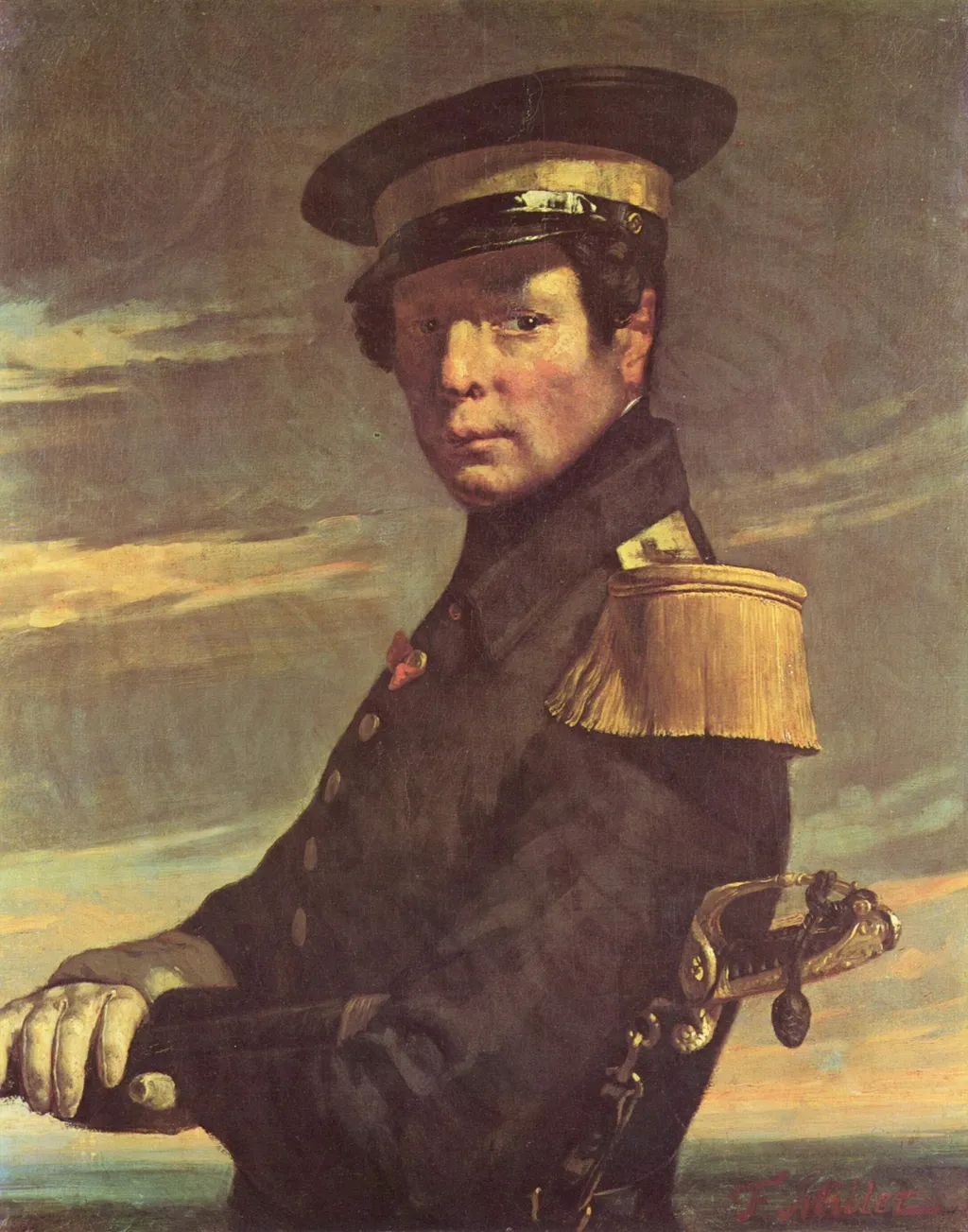
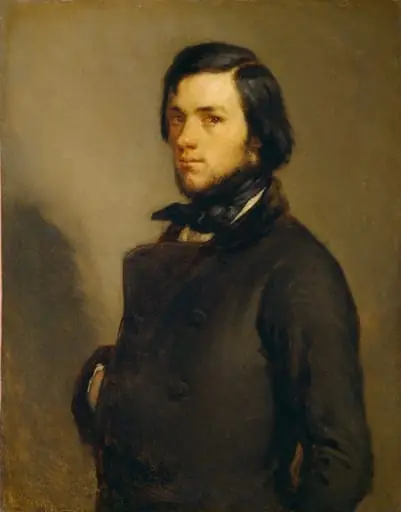
Portrait d'un officier de marine is an oil painting by the Realist artist Jean François Millet. It dates from 1850 and is held in the collection of the Museum of Fine Arts of Lyon. Painted around 1850, this oil portrait by Jean-François Millet depicts a naval officer in formal attire.
About this work
Overview
Painted around 1850, this oil portrait by Jean-François Millet depicts a naval officer in formal attire.
Painted around 1850, this oil portrait by Jean-François Millet depicts a naval officer in formal attire. Though Millet is best known for scenes of rural labor, this work reveals his versatility in portraiture. Executed with careful attention to texture and tone, it stands as one of his less common civilian commissions, reflecting a moment when he engaged with subjects outside the agrarian world he typically portrayed.
Subject & Meaning
The subject is a naval officer, rendered with solemn composure and direct eye contact, suggesting authority and introspection. His dark uniform, accented with gold embroidery and a sword at his side, signals rank and duty. The clouded sky behind him evokes uncertainty or transition, subtly contrasting the figure’s rigid posture. The portrait avoids heroism, instead emphasizing quiet dignity and the weight of responsibility.
Technique & Style
Millet employs chiaroscuro to model the officer’s form, using subtle shifts in light and shadow to define the contours of his jacket and face. The brushwork is restrained yet precise, particularly in the rendering of fabric and metal. The background’s muted tones and loose cloud strokes create atmospheric depth without distraction, focusing attention on the figure’s stillness and the quiet tension of his gaze.
History & Provenance
The painting entered the collection of the Museum of Fine Arts of Lyon in the late 19th century, likely through acquisition or donation. Its provenance before that remains undocumented, though its date aligns with Millet’s early Paris period, when he occasionally accepted portrait commissions to support himself. It has remained in the museum’s holdings since, rarely exhibited but consistently cataloged as part of his broader oeuvre.
Context
In the 1850s, French art was shifting toward Realism, rejecting idealized historical themes in favor of ordinary subjects. While Millet’s peers focused on peasants and laborers, this portrait reflects a parallel interest in civic figures. Naval officers, though not his usual focus, were increasingly visible in public life, and this work quietly participates in that broader cultural turn toward depicting individuals with psychological depth.
Legacy
Though overshadowed by Millet’s rural scenes, this portrait demonstrates his capacity to convey character through restraint and tonal control. It remains a rare example of his engagement with non-peasant subjects and contributes to understanding his technical range. Art historians cite it as evidence that his Realism extended beyond the fields into the quiet spaces of professional life.
Own this work as a print
Artist & collection
Artist
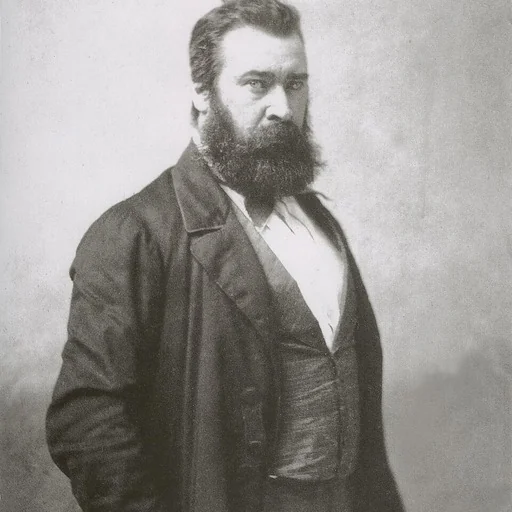
Jean-François Millet (French pronunciation: ; 4 October 1814 – 20 January 1875) was a French painter and one of the founders of the Barbizon school in rural France.

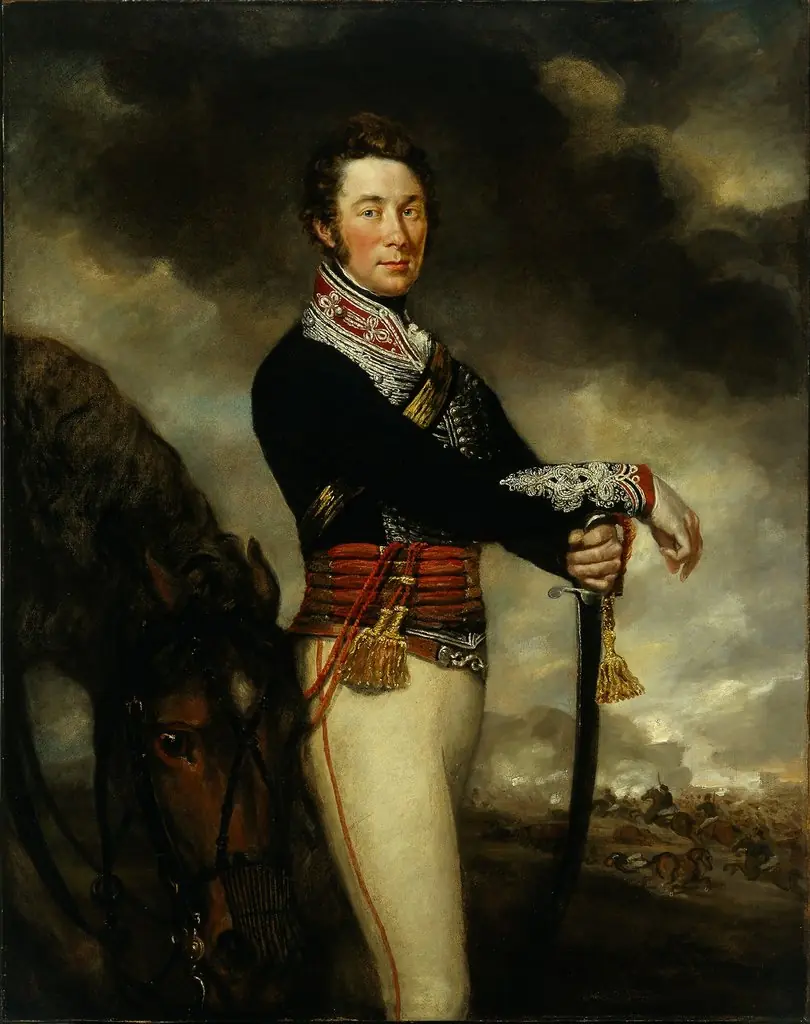 Captain Peter Hawker of the 14th Light Dragoons
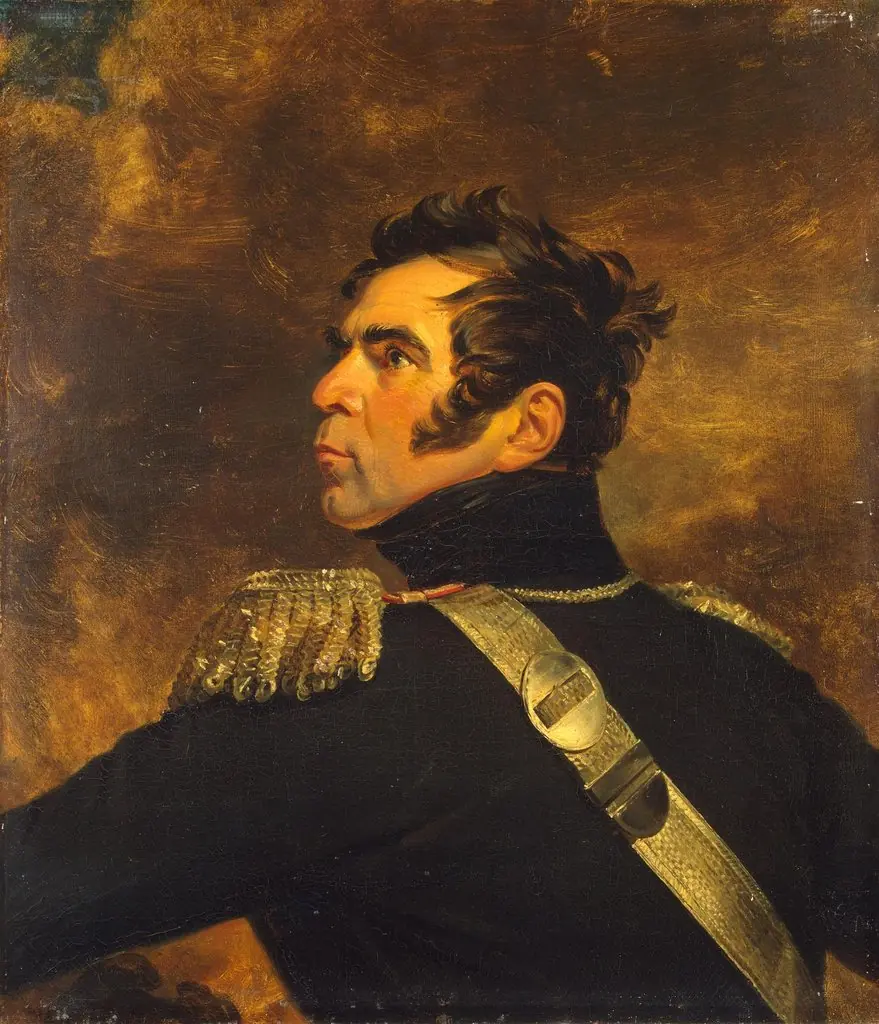 Portrait of Vasily V. Yeshin (1771-1825)
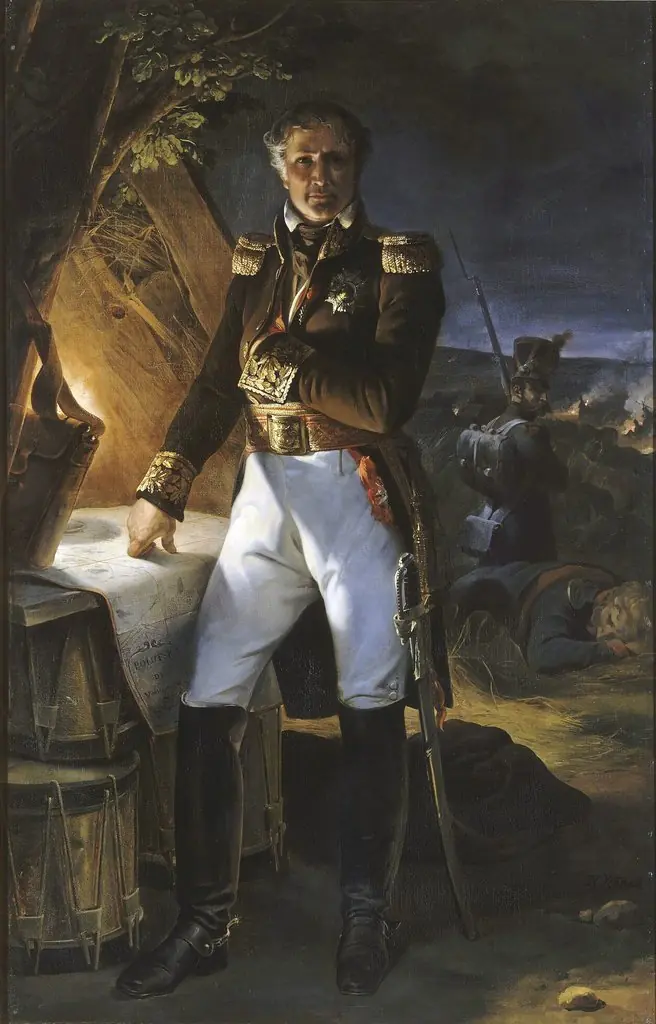 Laurent, Marquis of Gouvion Saint-Cyr
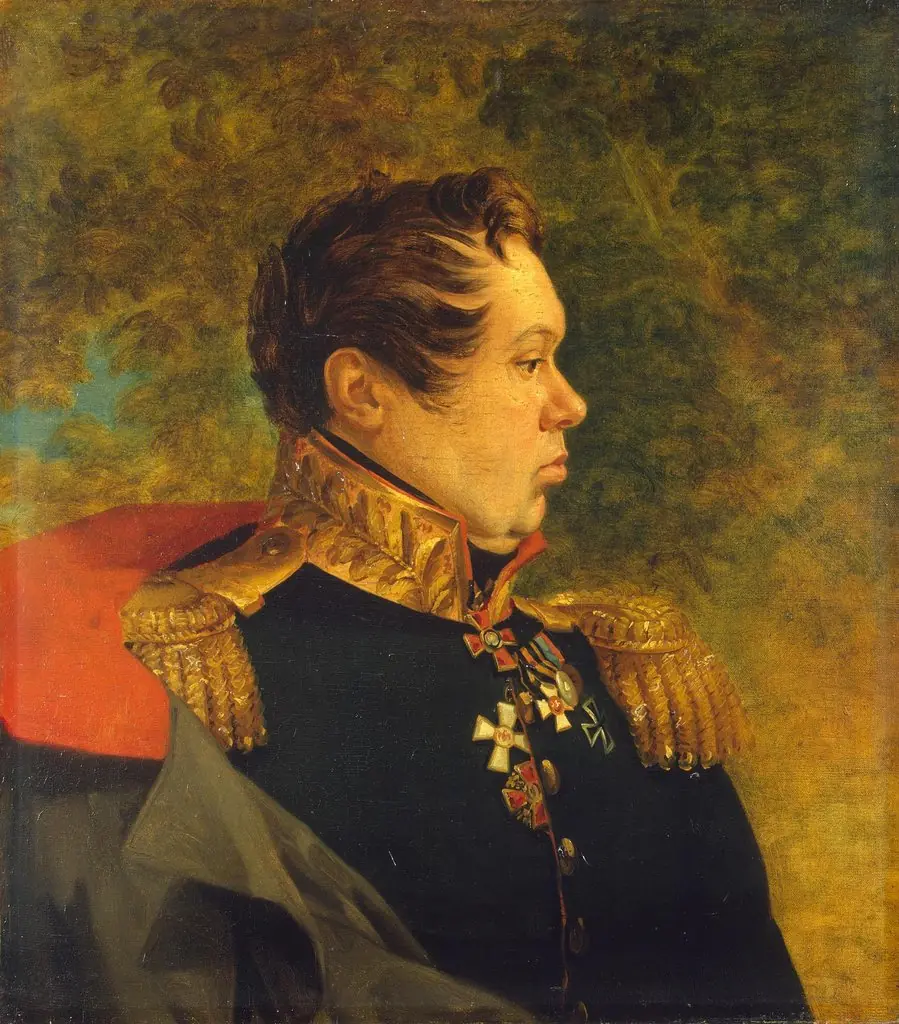 Portrait of Ivan T. Kozlyaninov (1781-1834)
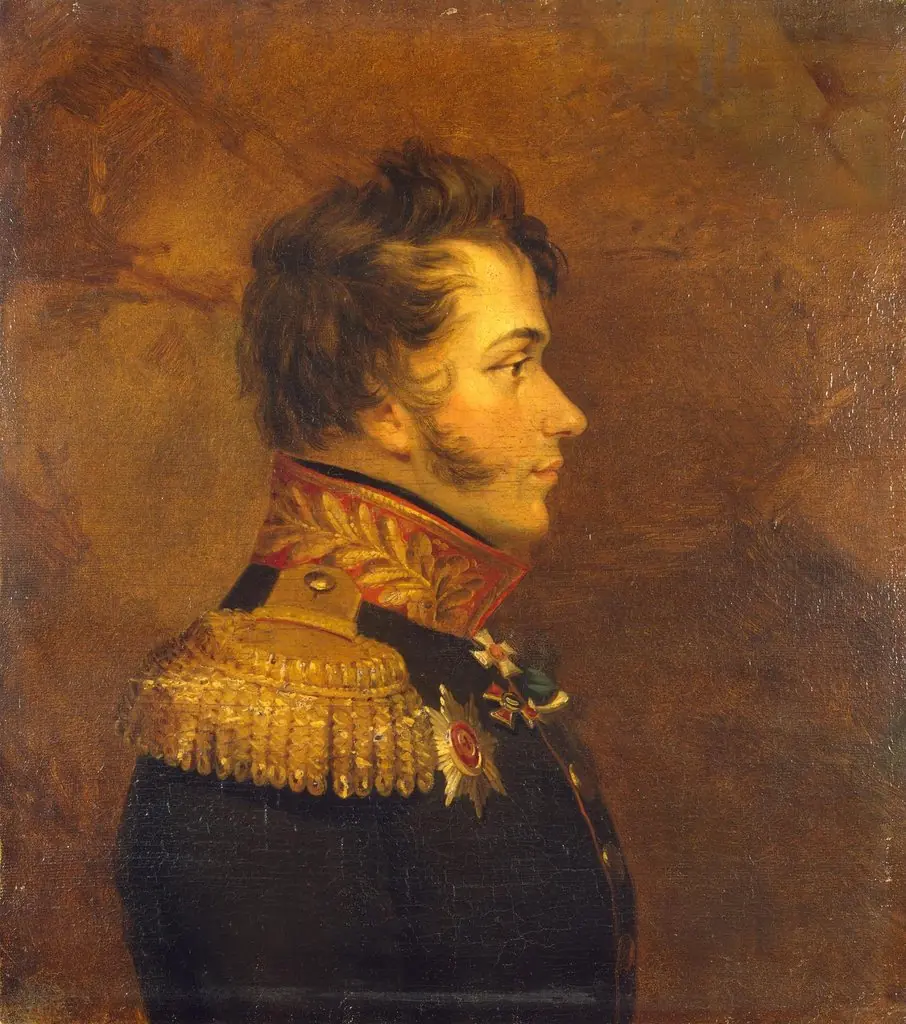 Portrait of Nikolai D. Kudashev (1784-1813)
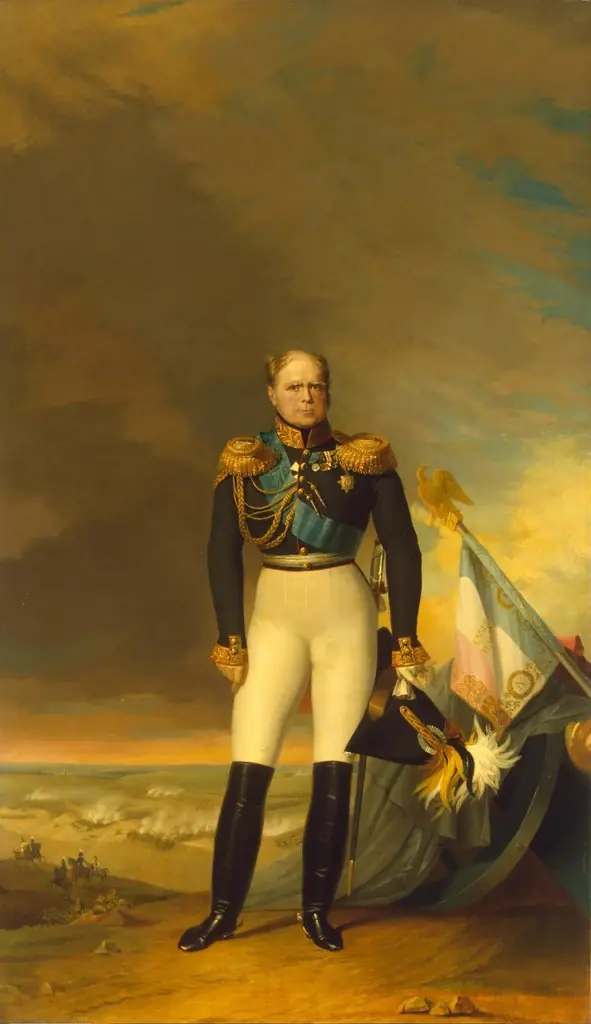 Portrait of Grand Prince Konstantin Pavlovich (1779-1831)
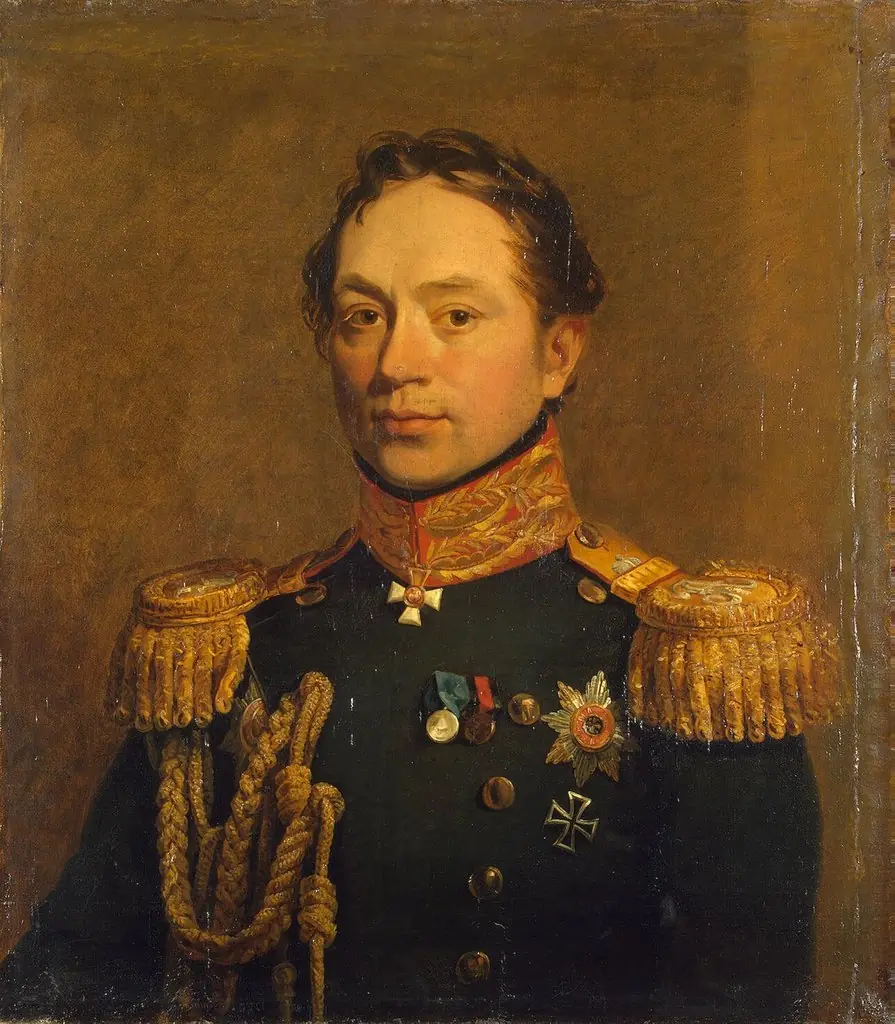 Portrait of Grigory V. Rosen (1782-1841) (1st)
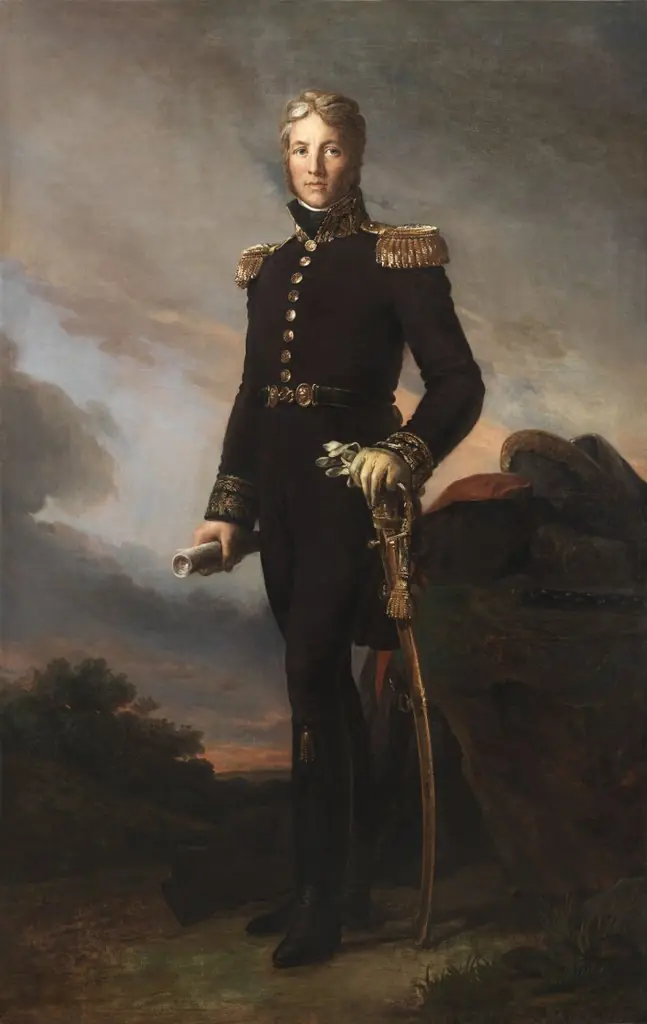 Jean-Victor Moreau (1763-1813), général en chef de l'armée du Rhin
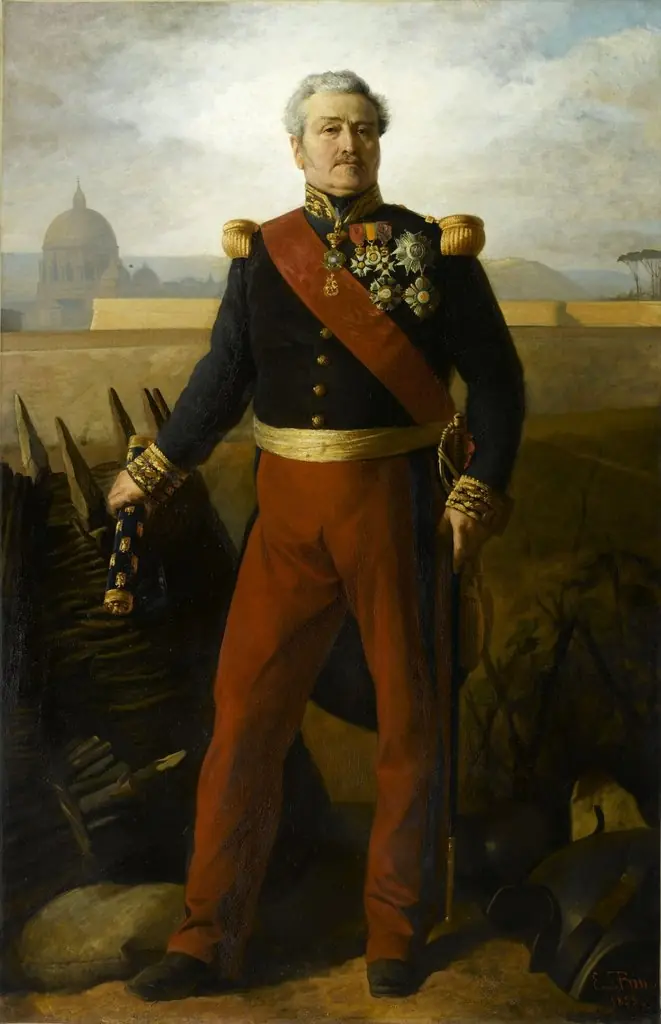 Jean-Baptiste-Philibert Vaillant, Marshal of France
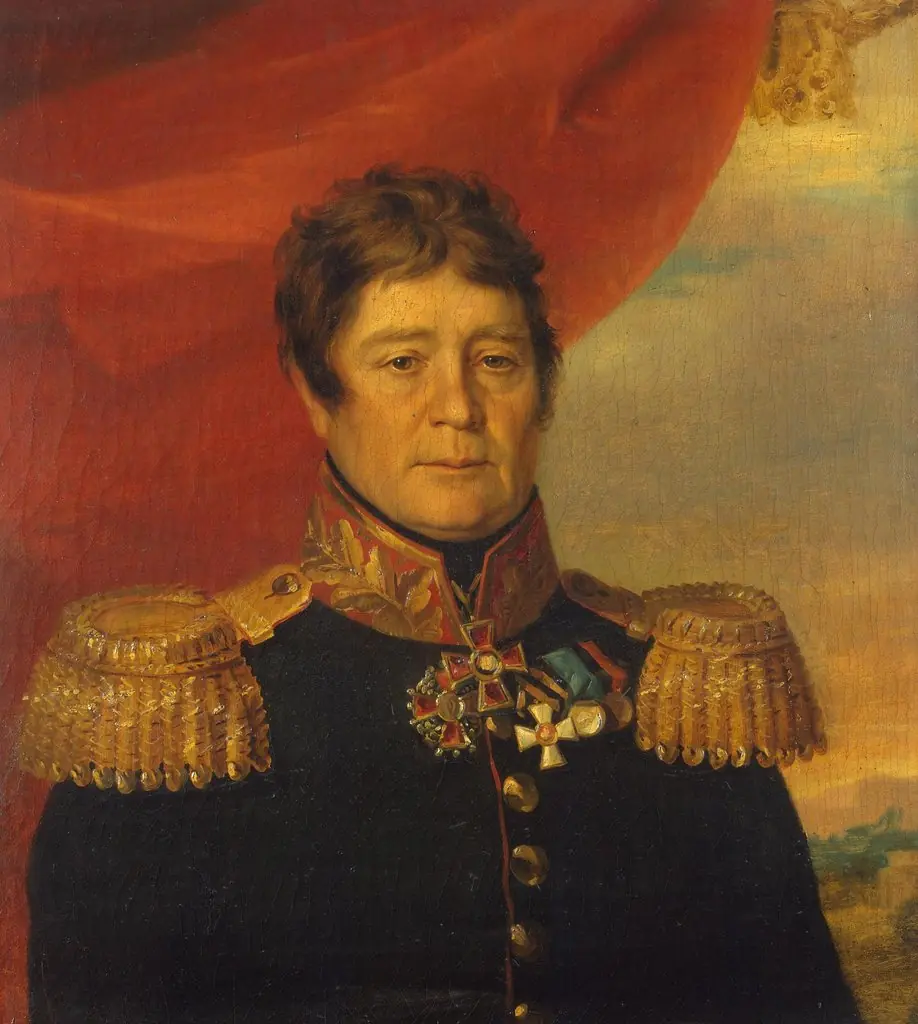 Portrait of Stepan V. Dyatkov (1759 - after 1818)
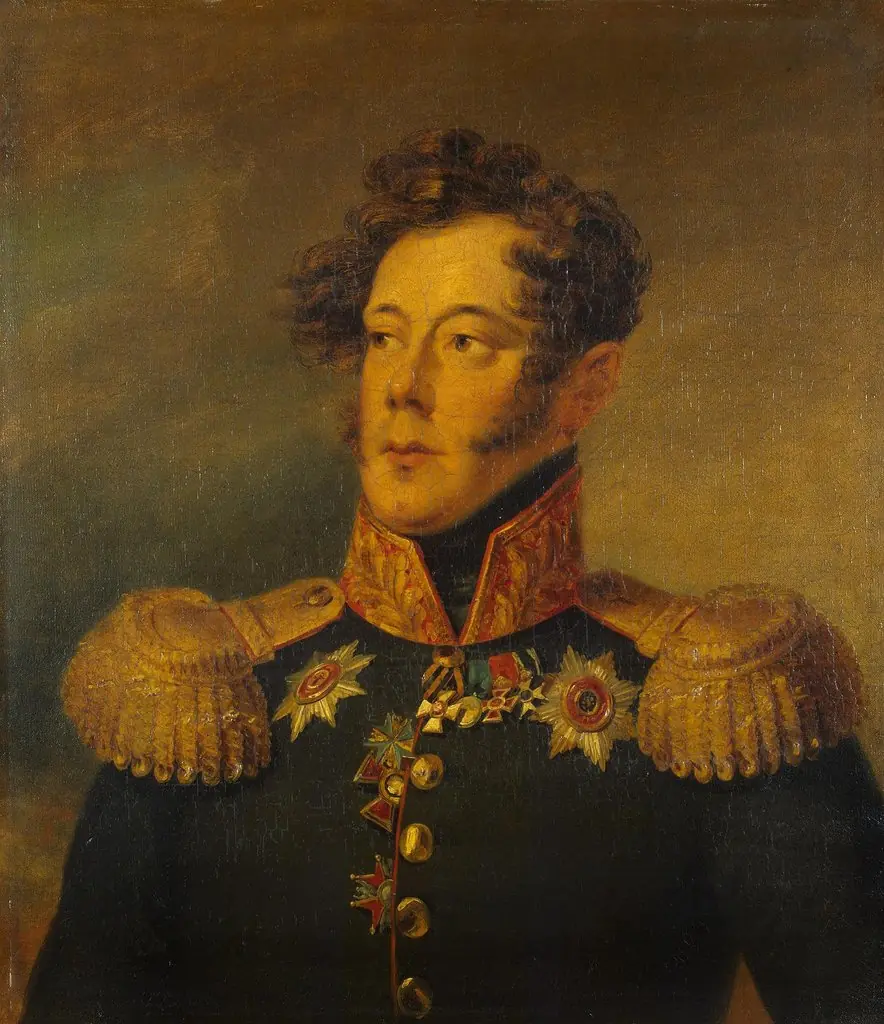 Portrait of Alexander I. Albrecht (1788-1828)
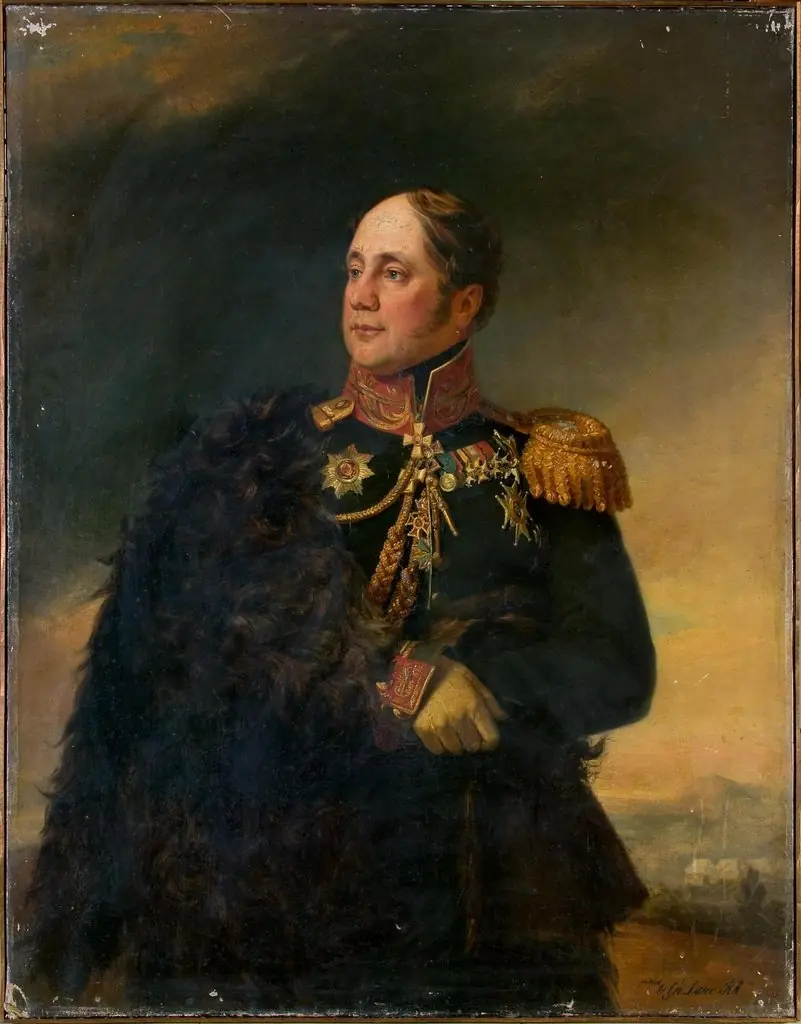 Portrait of Nikolai Sipyagin (1785-1828)