Artwork
Woman Carding Wool (La Cardeuse)
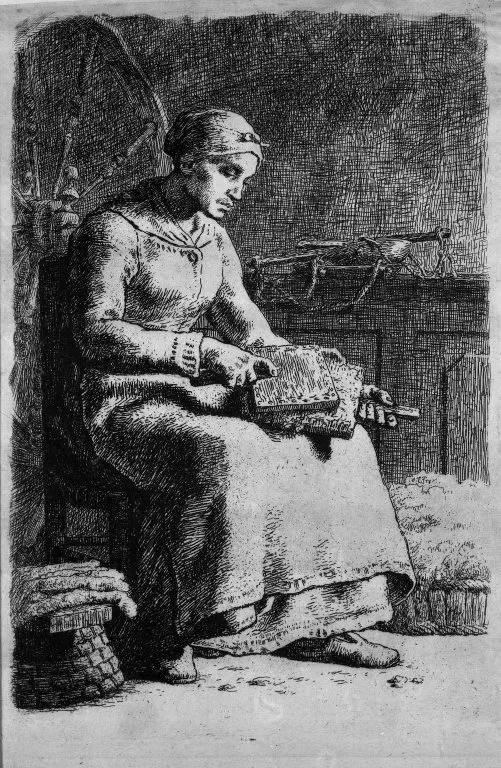
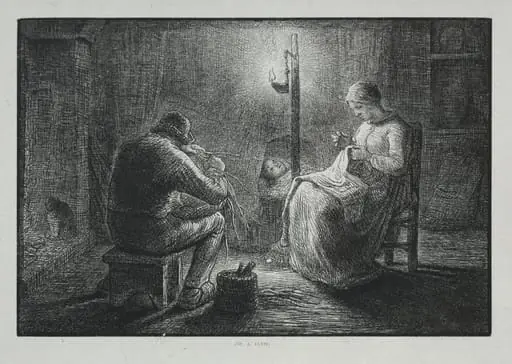
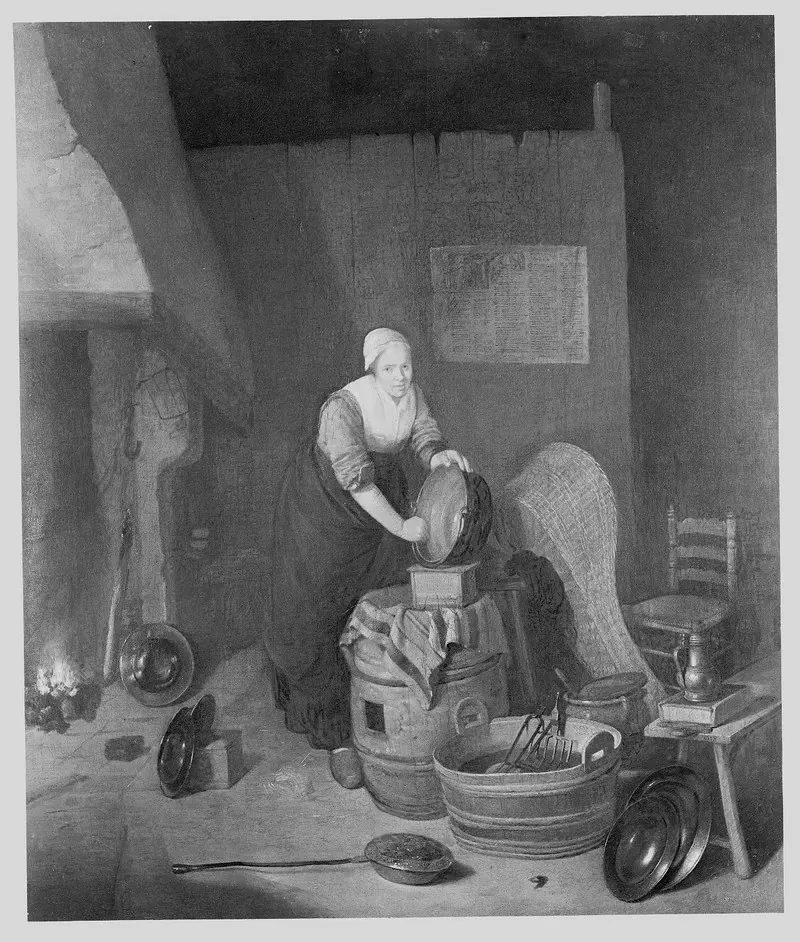
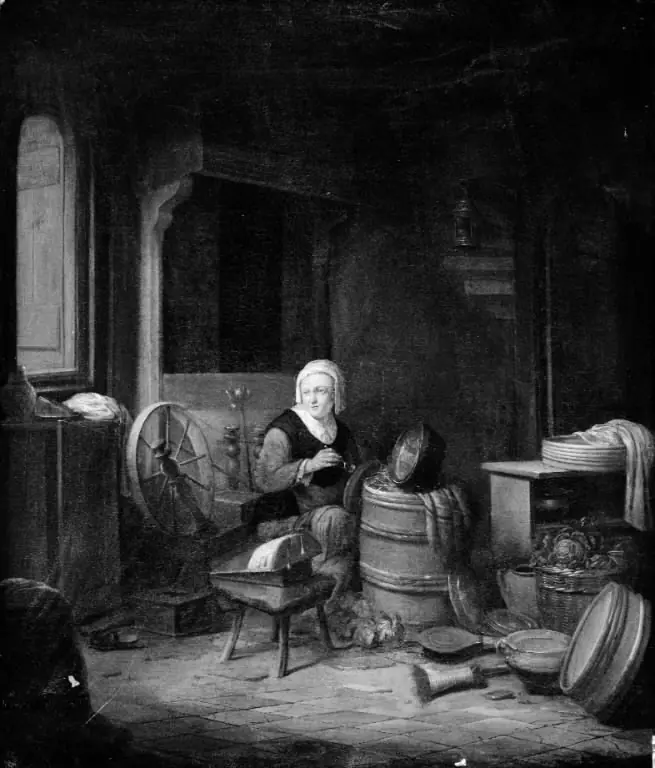
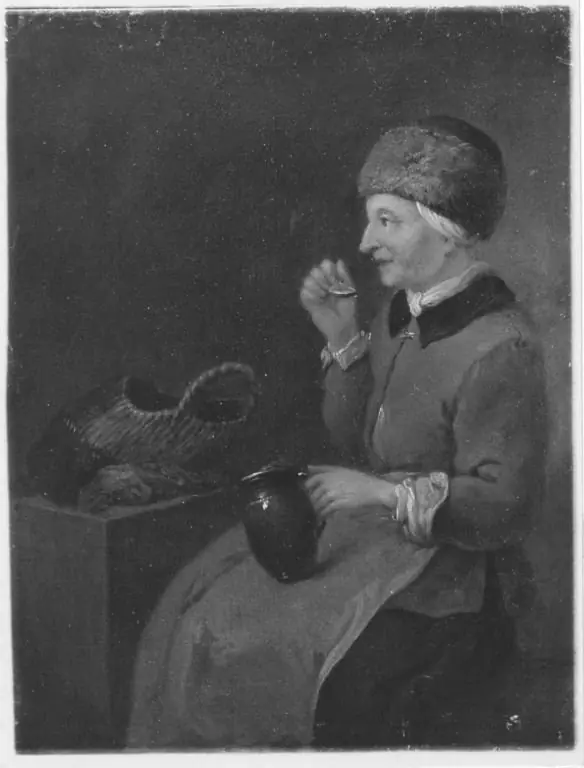
Woman Carding Wool (La Cardeuse) is an unspecified painting by the Realist artist Jean François Millet. It dates from 1855 and is held in the collection of the Brooklyn Museum. Painted in 1855 by Jean-François Millet, Woman Carding Wool is an oil work that captures a moment of quiet labor in rural France.
About this work
Overview
As a key figure in the Realism movement, Millet turned away from romanticized narratives to depict the unadorned routines of agricultural workers.
Painted in 1855 by Jean-François Millet, Woman Carding Wool is an oil work that captures a moment of quiet labor in rural France. As a key figure in the Realism movement, Millet turned away from romanticized narratives to depict the unadorned routines of agricultural workers. This piece belongs to a broader series of studies on peasant life, emphasizing dignity in ordinary tasks rather than grandeur or spectacle.
Subject & Meaning
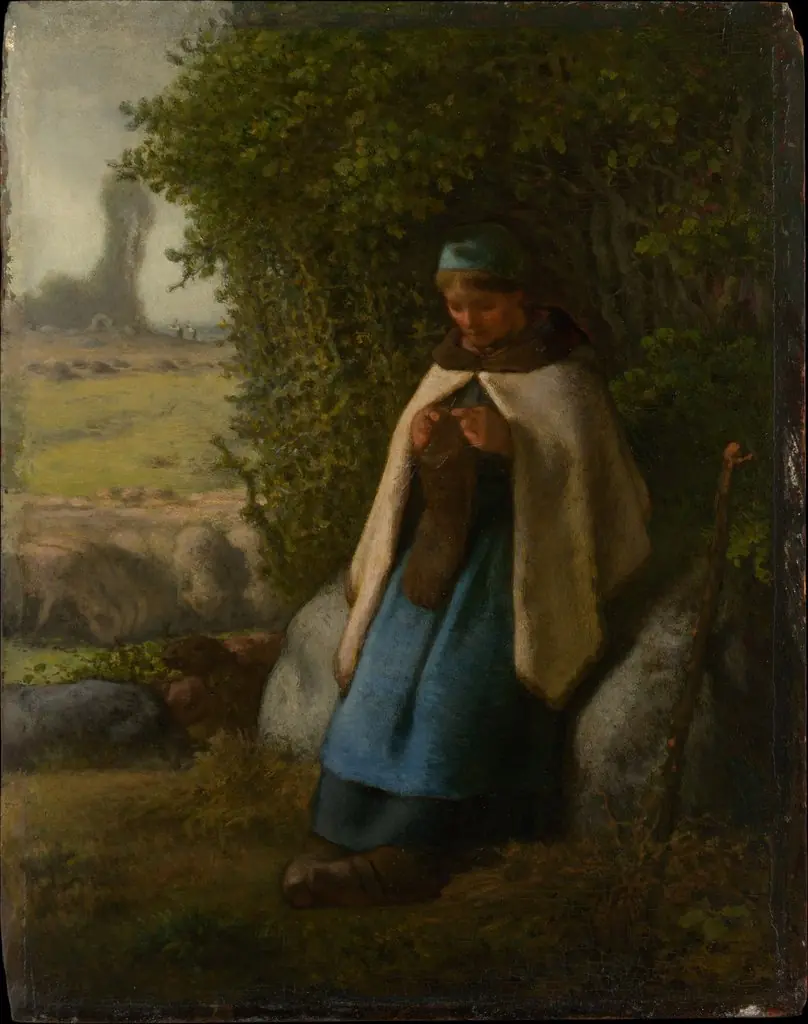
The painting centers on a woman absorbed in the physical act of carding wool, a process of untangling and aligning fibers for spinning. Her posture, attire, and focused expression suggest endurance and routine rather than hardship. Millet avoids sentimentality; the woman’s labor is presented as a natural extension of her environment, reflecting the quiet resilience of rural women whose work sustained domestic economies.
Technique & Style
Millet employed chiaroscuro to isolate the figure against a deep, neutral background, directing attention to the texture of wool and the movement of her hands. His brushwork is restrained yet precise, capturing the weight of fabric and the softness of fiber without embellishment. The limited palette, earthy tones with muted light, enhances the somber, contemplative mood, reinforcing the painting’s commitment to truthful representation.
History & Provenance
Created during Millet’s time in Barbizon, where artists gathered to paint directly from nature, the work was part of his sustained exploration of rural labor. It was exhibited in the 1855 Paris Exposition, aligning with Realism’s growing presence in official salons. The painting remained in private collections before entering a public museum, where it continues to serve as a document of 19th-century agrarian life.
Context
In mid-19th-century France, industrialization and urban migration reshaped society, yet rural labor remained central to the economy. Millet’s focus on peasant women, often overlooked in art, challenged academic traditions that privileged mythological or aristocratic subjects. His work resonated with emerging social consciousness, offering visual testimony to the invisible labor underpinning daily life.
Legacy
Though not widely reproduced in his lifetime, Woman Carding Wool contributed to a shift in artistic priorities, influencing later generations who valued everyday subjects. Millet’s approach laid groundwork for social realism and inspired artists across Europe to depict labor with gravity and precision. The painting endures as a quiet but persistent record of work that shaped, but rarely celebrated, the lives of the rural poor.
Artist & collection
Artist
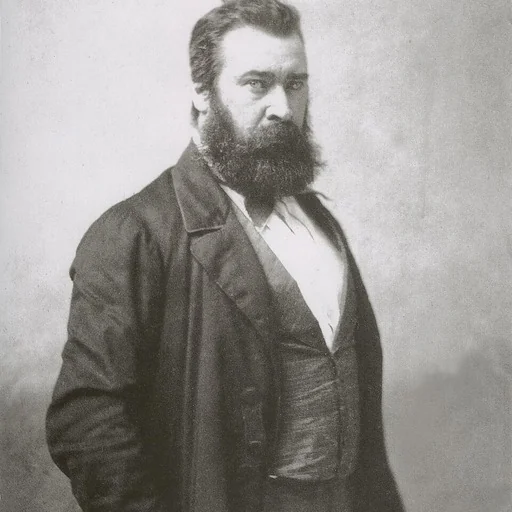
Jean-François Millet (French pronunciation:; 4 October 1814 – 20 January 1875) was a French painter and one of the founders of the Barbizon school in rural France.