Artwork
Odalisque
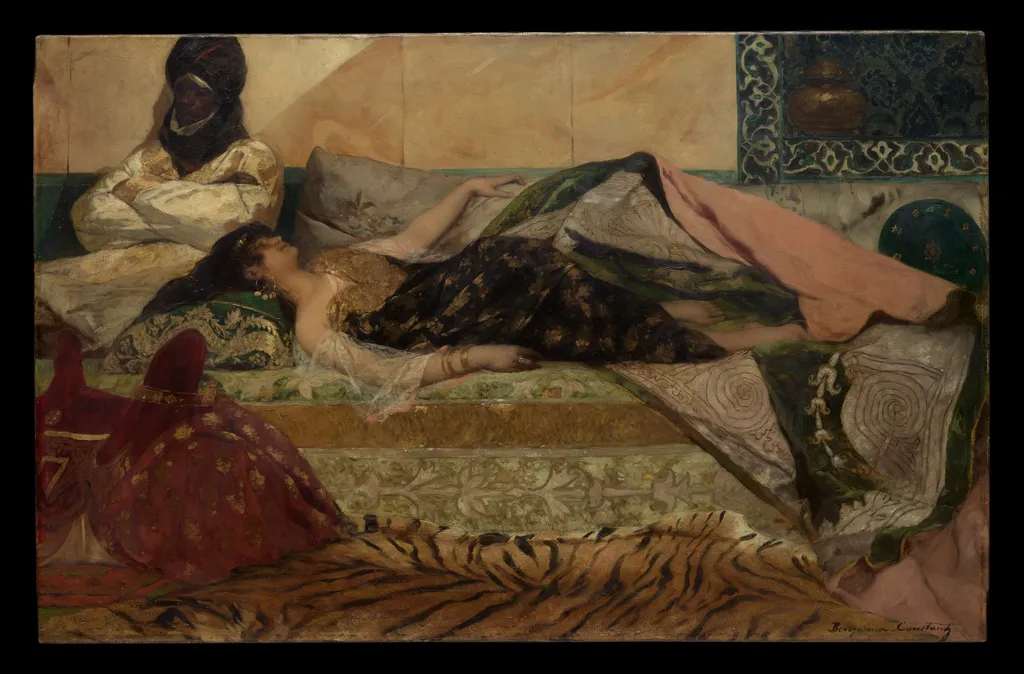
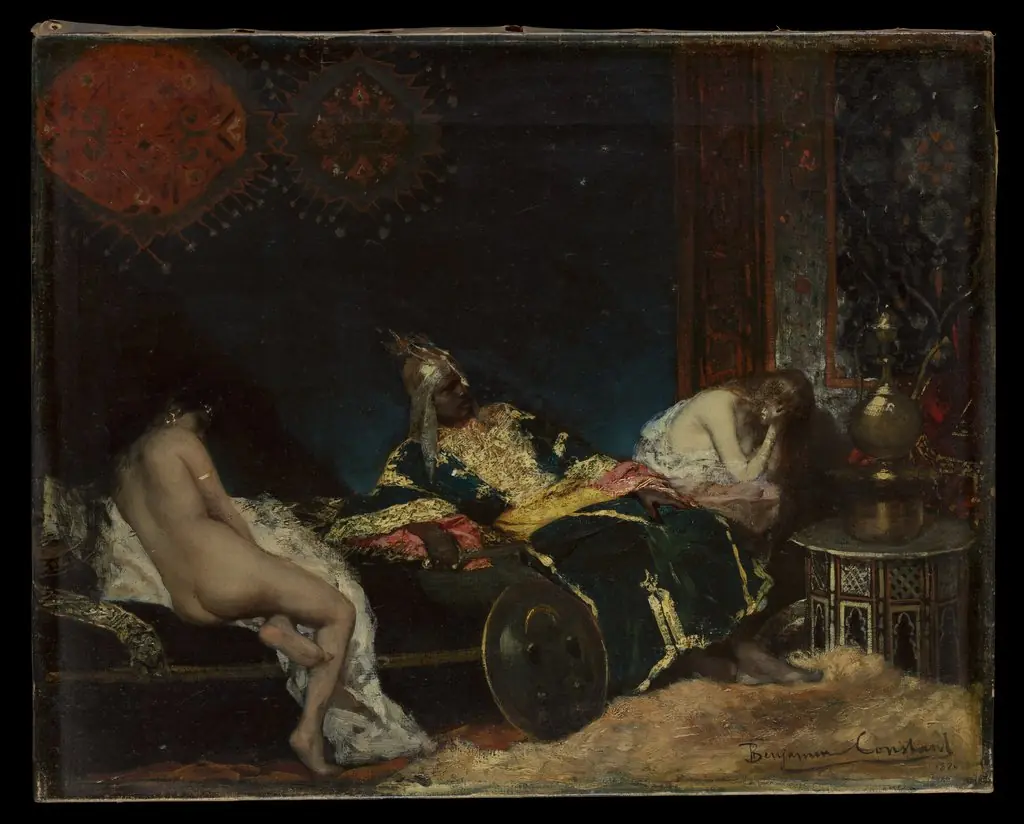
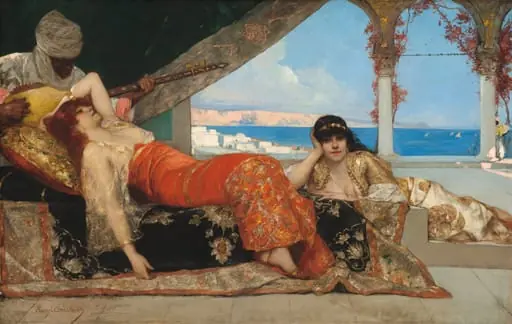
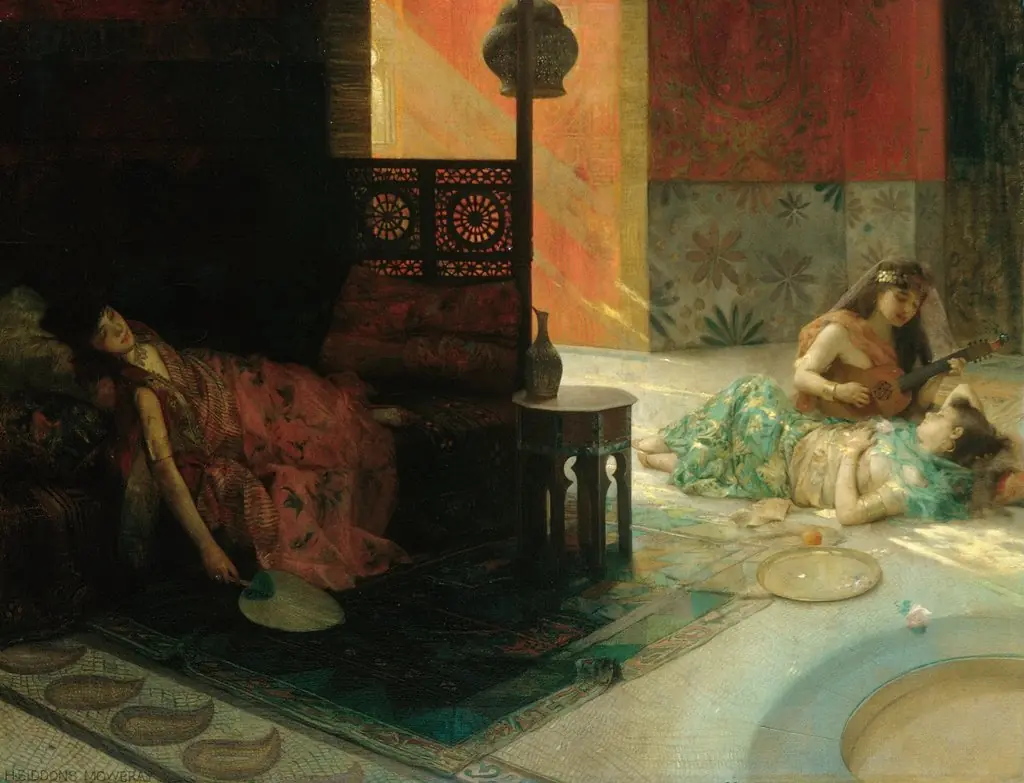
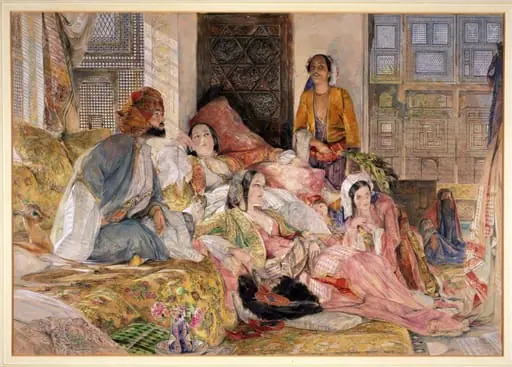
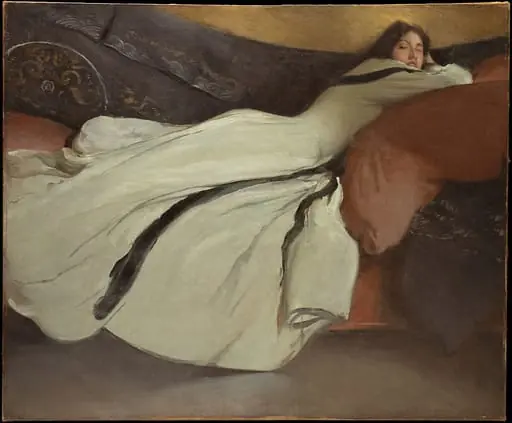
Odalisque is an oil painting by the Orientalist artist Jean-Joseph Benjamin-Constant. It dates from 1892 and is held in the collection of the Metropolitan Museum of Art.
About this work
Subject & Meaning
The painting depicts an odalisque, a female figure associated with the harem tradition that became a central motif of nineteenth-century Orientalist art.
The painting depicts an odalisque, a female figure associated with the harem tradition that became a central motif of nineteenth-century Orientalist art. According to the documented iconography, the work portrays a sleeping woman alongside a man, situating the scene within the intimate, domestic sphere of an imagined Eastern interior. The reclining female nude, rendered in repose, embodies the Orientalist fascination with sensuality, leisure, and the fantasy of the secluded harem, themes Benjamin-Constant explored throughout his career.
The pairing of the sleeping woman with a male presence introduces a narrative of observation and access, reflecting Western artistic preoccupations with the veiled world of the odalisque. As an example of Orientalist painting, the work represents the broader cultural construction of the East as a site of exotic allure and erotic contemplation, filtered through European visual conventions of the period.
Technique & Style
Created in 1892 by Jean-Joseph Benjamin-Constant, this work is an oil painting executed on canvas. The piece measures 88.9 cm in height and 139.1 cm in width. Stylistically, it is classified within the Orientalist movement, depicting figures in a state of sleep.
The application of oil paint on a woven canvas support reflects the standard materials and handling methods employed by the artist for large-scale figurative compositions.
History & Provenance
Odalisque was executed by Jean-Joseph Benjamin-Constant in 1892 in oil on canvas. It belongs to the Orientalist genre, portraying a sleeping woman within an opulent interior, and measures 88.9 cm in height by 139.1 cm in width. The painting is held in the collection of the Metropolitan Museum of Art, New York.
No documentation of a specific commission or earlier owners is recorded in the available sources, which likewise give no accession number or exhibition history.
Overview
Jean-Joseph Benjamin-Constant, a French painter and etcher, created Odalisque in 1892 using oil paint. This work exemplifies the Orientalist movement, a genre prevalent in 19th-century European art that often depicted imagined scenes and figures from North Africa and the Middle East. The painting features a reclining woman accompanied by a man, set within a richly decorated interior, characteristic of the period's fascination with exoticized Eastern subjects.
Context
Odalisque is a product of the Orientalist movement, a significant artistic trend in 19th-century Europe. Artists like Benjamin-Constant often drew inspiration from travel accounts and cultural encounters, yet frequently depicted idealized or imagined versions of North African and Middle Eastern societies. These works typically emphasized sensuality, opulence, and a perceived exoticism, reflecting European perspectives rather than authentic cultural representation. The genre provided a visual escape into a world often constructed through fantasy.
Own this work as a print
Artist & collection
Artist
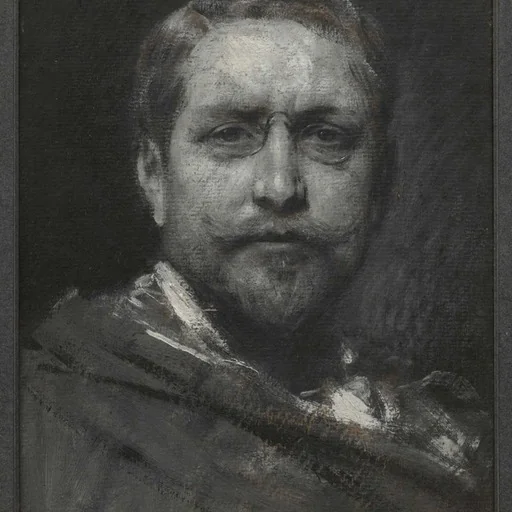
Jean-Joseph Benjamin-Constant (also known as Benjamin-Constant), born Jean-Joseph Constant (10 June 1845 – 26 May 1902), was a French painter and etcher best known for his Oriental subjects and portraits.