Artwork
The Sultan's Tiger
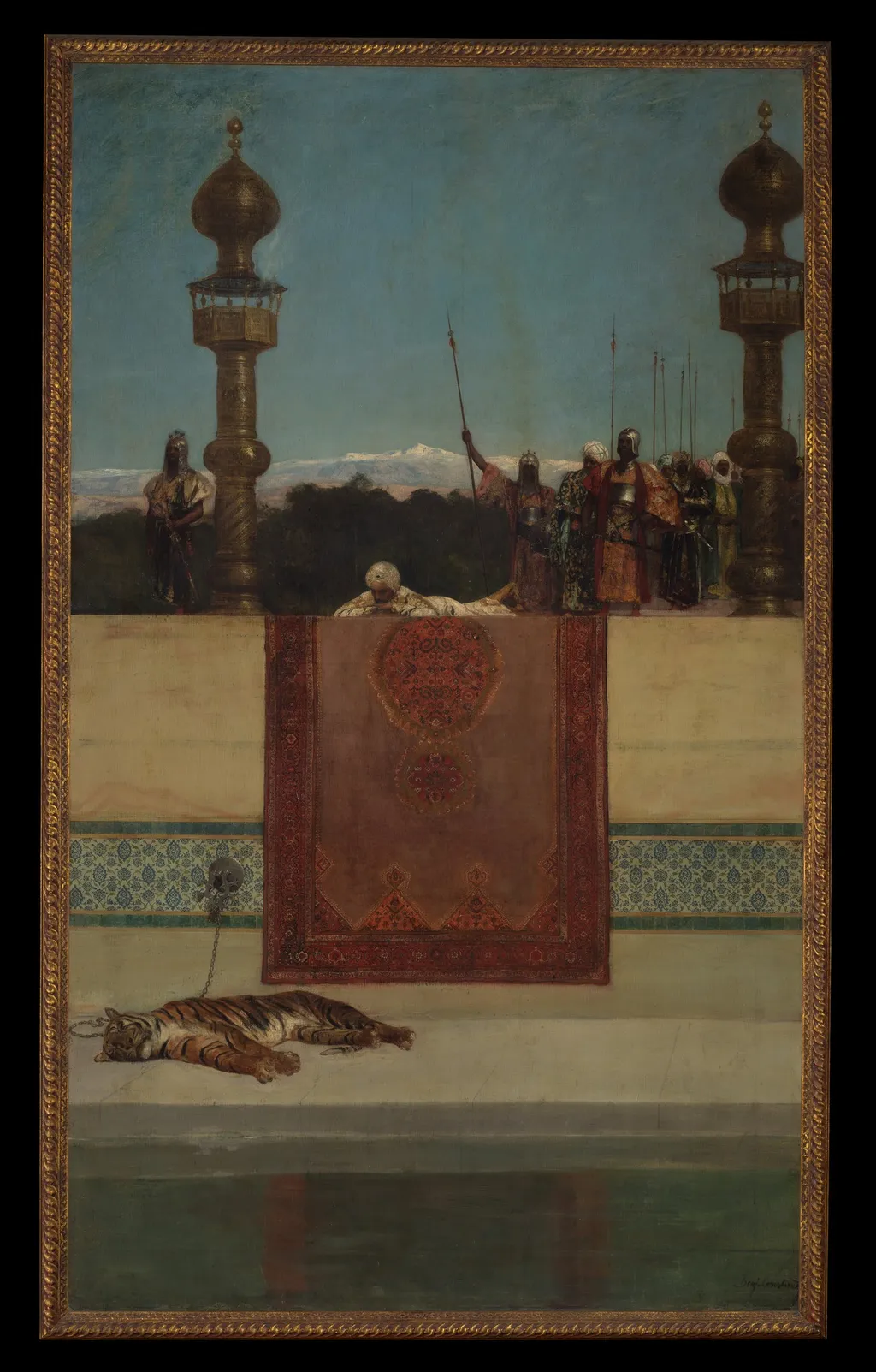
The Sultan's Tiger is an oil painting by the Orientalist artist Jean-Joseph Benjamin-Constant. It dates from 1892 and is held in the collection of the Metropolitan Museum of Art.
About this work
Subject & Meaning
The painting's symbolism thus intertwines natural ferocity with militaristic control, conveying meanings of power, conquest, and cultural otherness.
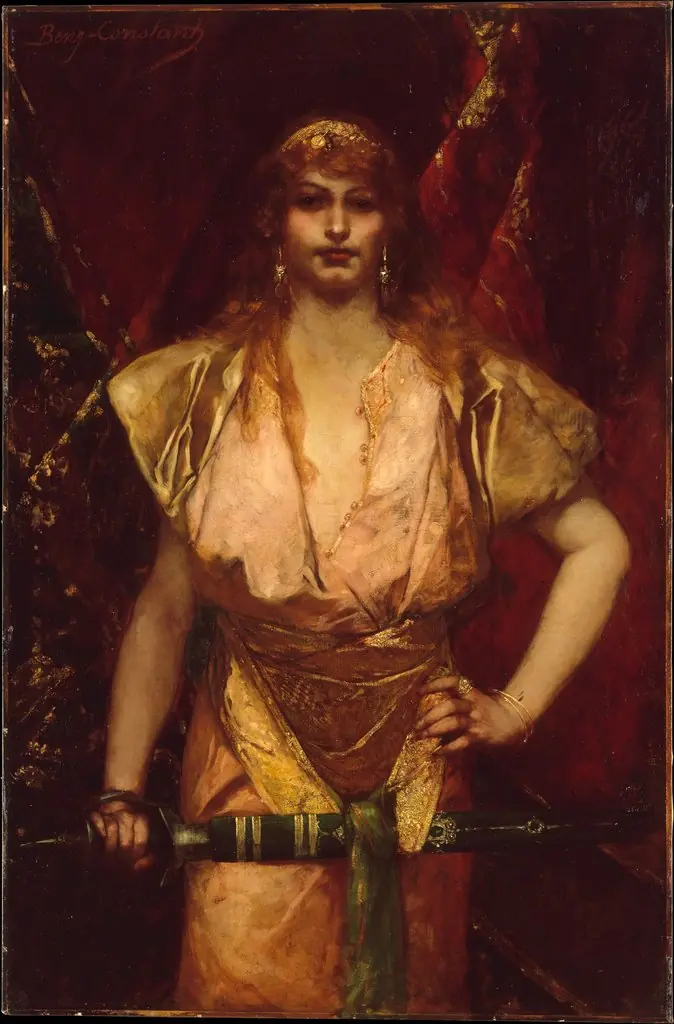
The work titled The Sultan's Tiger, painted by Jean-Joseph Benjamin-Constant in 1892, presents a striking scene in which a tiger is confronted by a European soldier, a composition that epitomizes Orientalist imagery of exotic danger and imperial authority. The canvas, executed in oil, focuses on the animal and the armed figure, situating the piece within the broader Orientalist movement and the Metropolitan Museum of Art's collection. The juxtaposition of the fierce tiger with the disciplined soldier serves as a visual metaphor for the perceived dominance of the West over the exotic East, reflecting contemporary attitudes of conquest and fascination with the 'Orient' as both perilous and alluring.
The painting's symbolism thus intertwines natural ferocity with militaristic control, conveying meanings of power, conquest, and cultural otherness.
Technique & Style
Created in 1892, The Sultan's Tiger is an oil painting executed on a canvas support. The work measures 205.1 centimeters in height and 123.8 centimeters in width, presenting a substantial scale typical of the artist's grand Orientalist compositions. As an oil-on-canvas piece, the medium allows for the rich texture and depth characteristic of Jean-Joseph Benjamin-Constant's style within the Orientalist movement.
The painting depicts a tiger alongside human figures, utilizing the fluidity of oil paint to render the scene's dramatic elements. Currently held by the Metropolitan Museum of Art, the artwork stands as an example of late 19th-century academic painting, where the handling of the medium emphasizes the exotic subject matter through detailed brushwork and vibrant coloration.
History & Provenance
Jean-Joseph Benjamin-Constant created the oil painting The Sultan's Tiger in 1892. Executed on canvas, the work measures approximately 205.1 by 123.8 centimeters and depicts a tiger alongside a soldier and another figure within an Orientalist context. The piece is currently held in the collection of the Metropolitan Museum of Art.
While the specific circumstances of its original commission and the detailed chain of ownership prior to its museum acquisition are not detailed in the available records, the work's inception is established as 1892.
The painting is listed in the museum's collection, but no specific accession or inventory number is provided in the available documentation, and no detailed exhibition history is recorded in the cited sources.
Context
Jean-Joseph Benjamin-Constant's The Sultan's Tiger (1892) is an oil-on-canvas painting that belongs to the Orientalist movement and depicts a tiger together with a soldier and a man. The work measures 205.1 × 123.8 cm and is housed in the Metropolitan Museum of Art, where it is catalogued as part of the museum's collection. As an example of 19th-century European Orientalist art, it reflects the period's interest in Eastern subjects and is frequently cited in art-historical discussions of the genre.
Overview
Jean-Joseph Benjamin-Constant, a French painter, completed The Sultan's Tiger in 1892. This oil painting exemplifies the Orientalist movement, a genre for which the artist was particularly recognized. The work presents a dramatic scene involving a powerful animal and human figures, rendered with a rich palette.
It is currently part of the collection at The Metropolitan Museum of Art, representing a key example of late 19th-century European art depicting North African or Middle Eastern themes.
Own this work as a print
Artist & collection
Artist
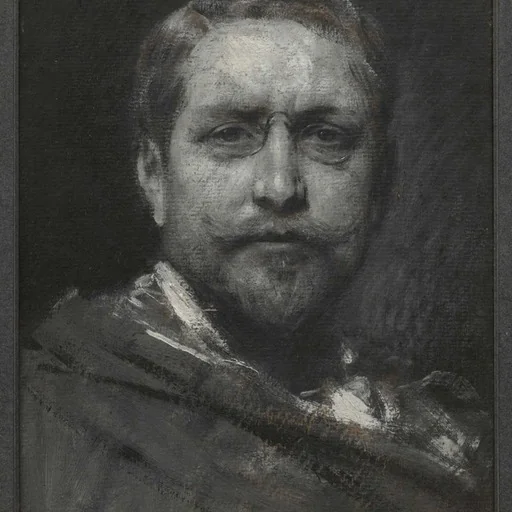
Jean-Joseph Benjamin-Constant (also known as Benjamin-Constant), born Jean-Joseph Constant (10 June 1845 – 26 May 1902), was a French painter and etcher best known for his Oriental subjects and portraits.