Artwork
The Sacrifice of Iphigenia
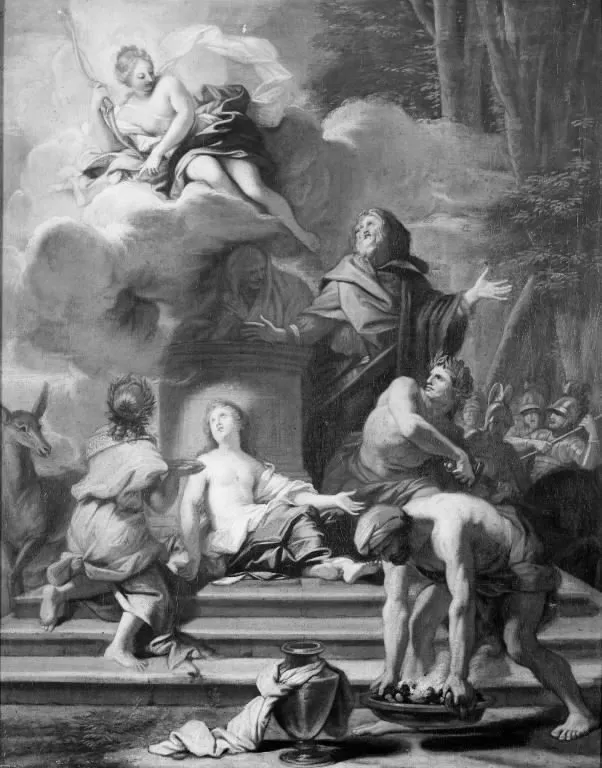
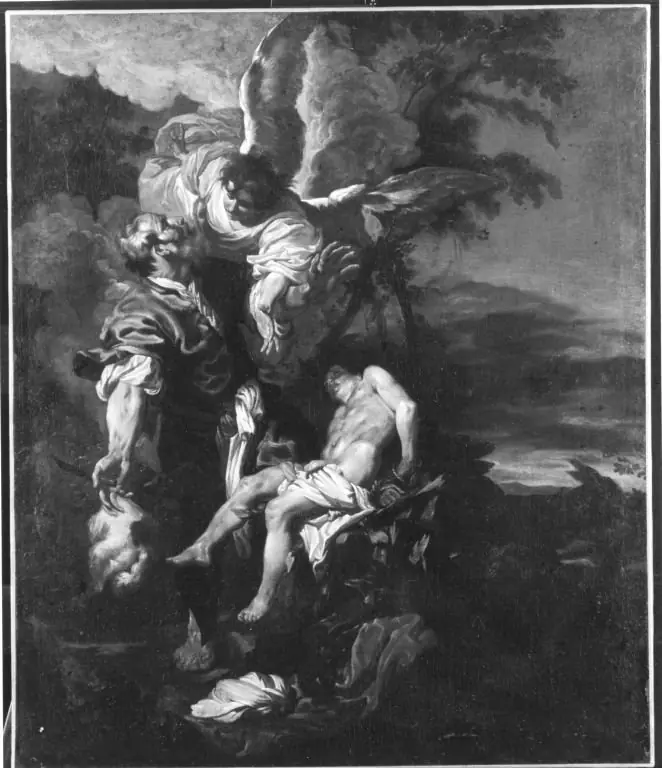
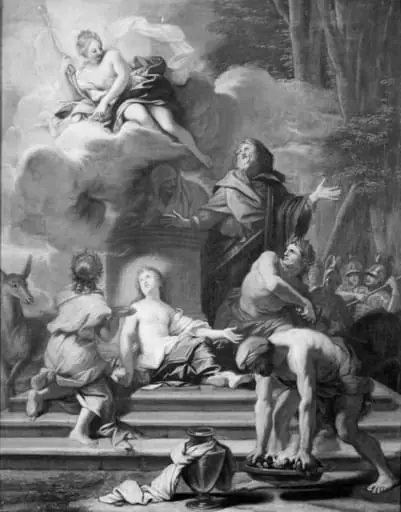
The Sacrifice of Iphigenia is an oil painting by the French Classical Baroque artist Jean Jouvenet. It dates from 1694 and is held in the collection of the Statens Museum for Kunst.
About this work
Subject & Meaning
Jean Jouvenet's 1688 oil painting, The Sacrifice of Iphigenia, belongs to the genre of mythological painting. The work depicts the narrative moment of the sacrifice of Iphigenia, a central event from Greek mythology. As a mythological subject, the piece illustrates the dramatic and tragic circumstances surrounding this ancient tale, focusing on the main subject of the intended sacrifice.
Technique & Style
The work belongs to the mythological genre, depicting the titular sacrifice as its main subject.
Jean Jouvenet executed The Sacrifice of Iphigenia in 1688 as an oil painting on canvas. The work belongs to the mythological genre, depicting the titular sacrifice as its main subject. Created for the collection of the Statens Museum for Kunst in Copenhagen, the piece utilizes oil paint applied to a canvas support, consistent with the material standards of late 17th-century French academic painting.
History & Provenance
Jean Jouvenet created the oil painting The Sacrifice of Iphigenia in 1688. The work depicts the mythological scene of Iphigenia's sacrifice and is executed on canvas. It currently resides in the collection of the Statens Museum for Kunst in Copenhagen, where it is held as a mythological painting.
Overview
Jean Jouvenet’s oil painting The Sacrifice of Iphigenia, executed in 1694, belongs to the French Classical Baroque tradition. The work is part of the collection of the Statens Museum for Kunst and presents a mythological tableau set in a forest clearing, where a ritual sacrifice unfolds before a dramatic sky.
Artist & collection
Artist
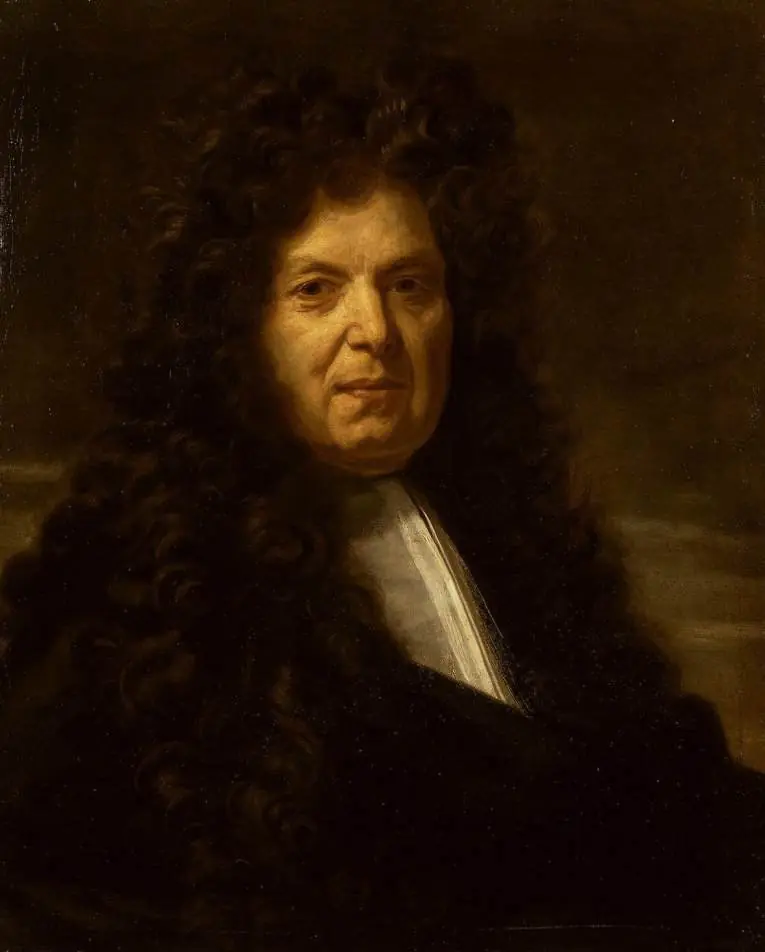
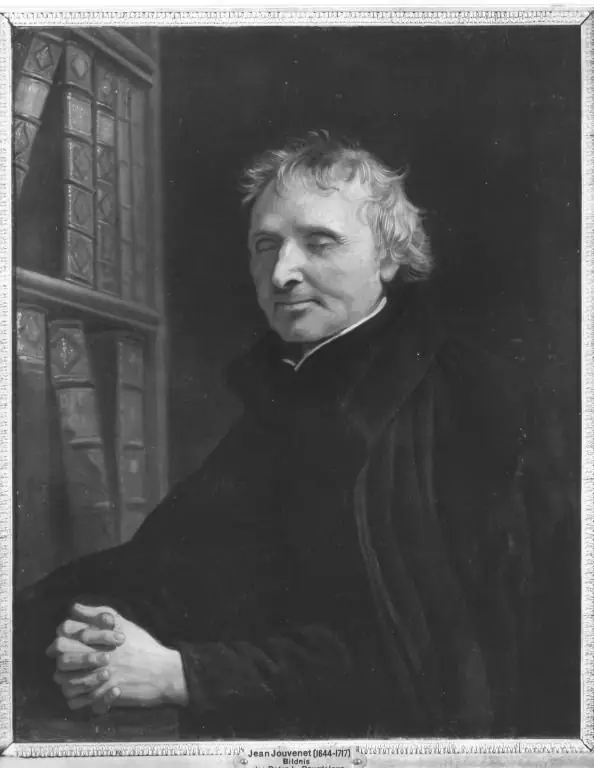
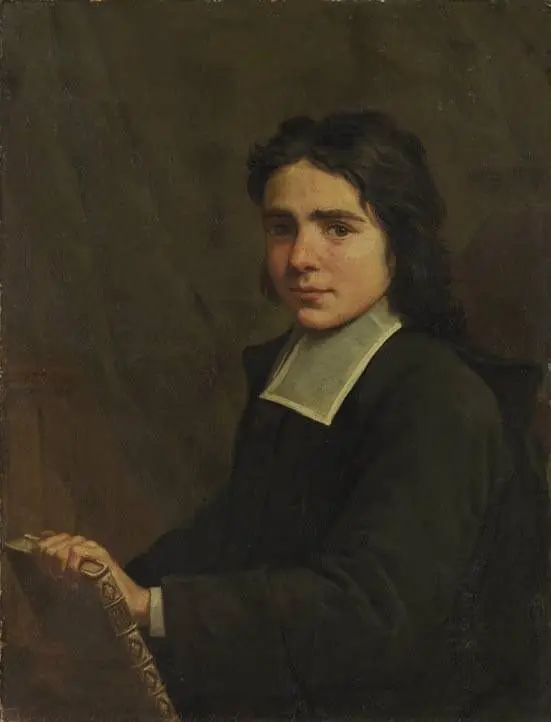
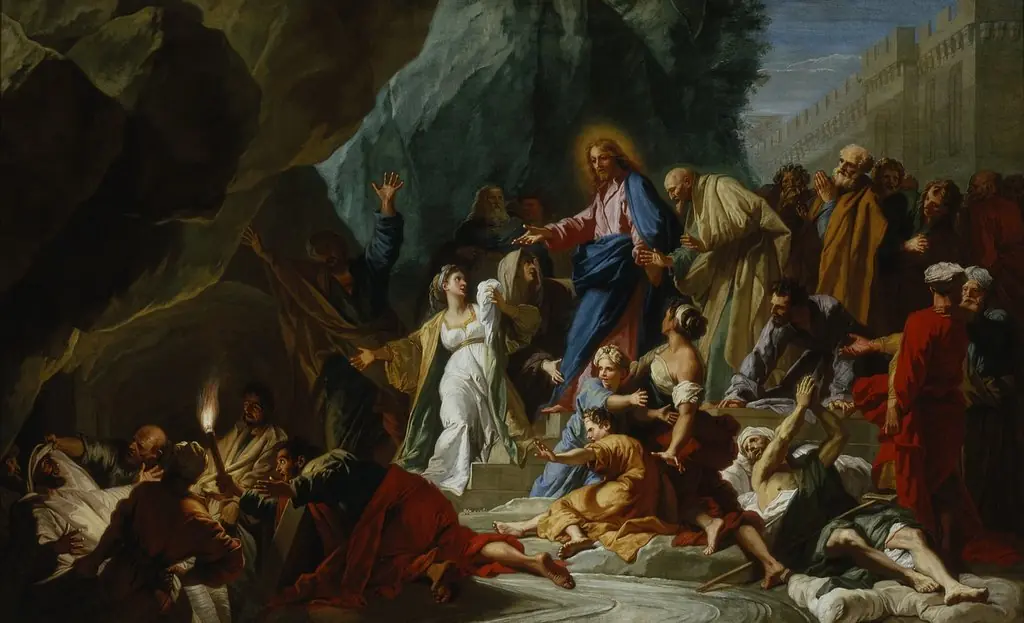
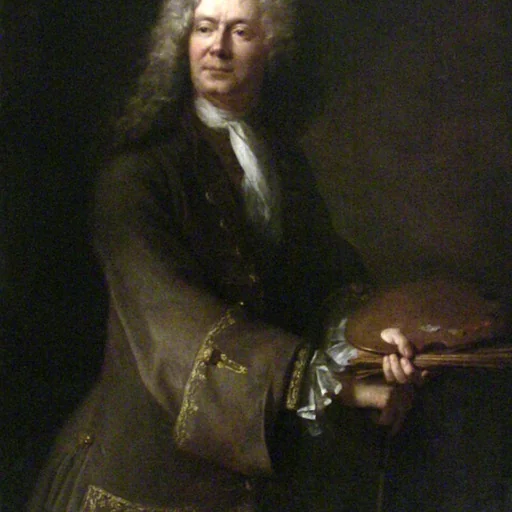
Jean-Baptiste Jouvenet (French pronunciation:; 1 May 1644 – 5 April 1717) was a French painter, especially of religious subjects.