Artwork
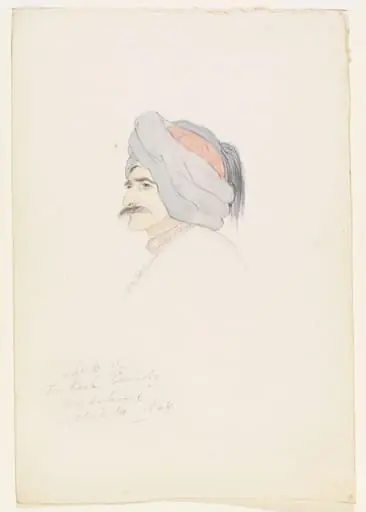
Study for "The Reception of the Siamese Ambassadors at Fontainebleau"
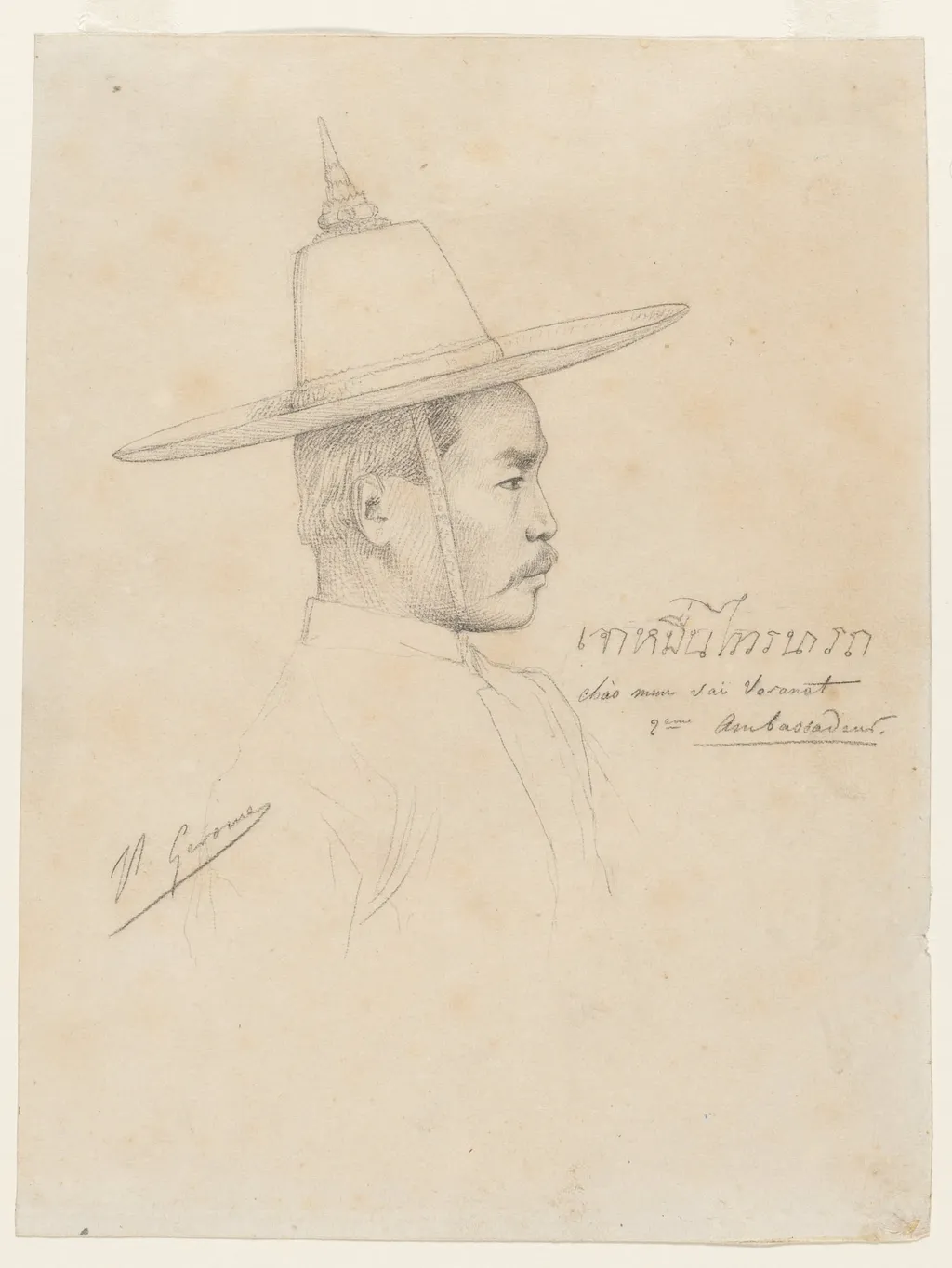
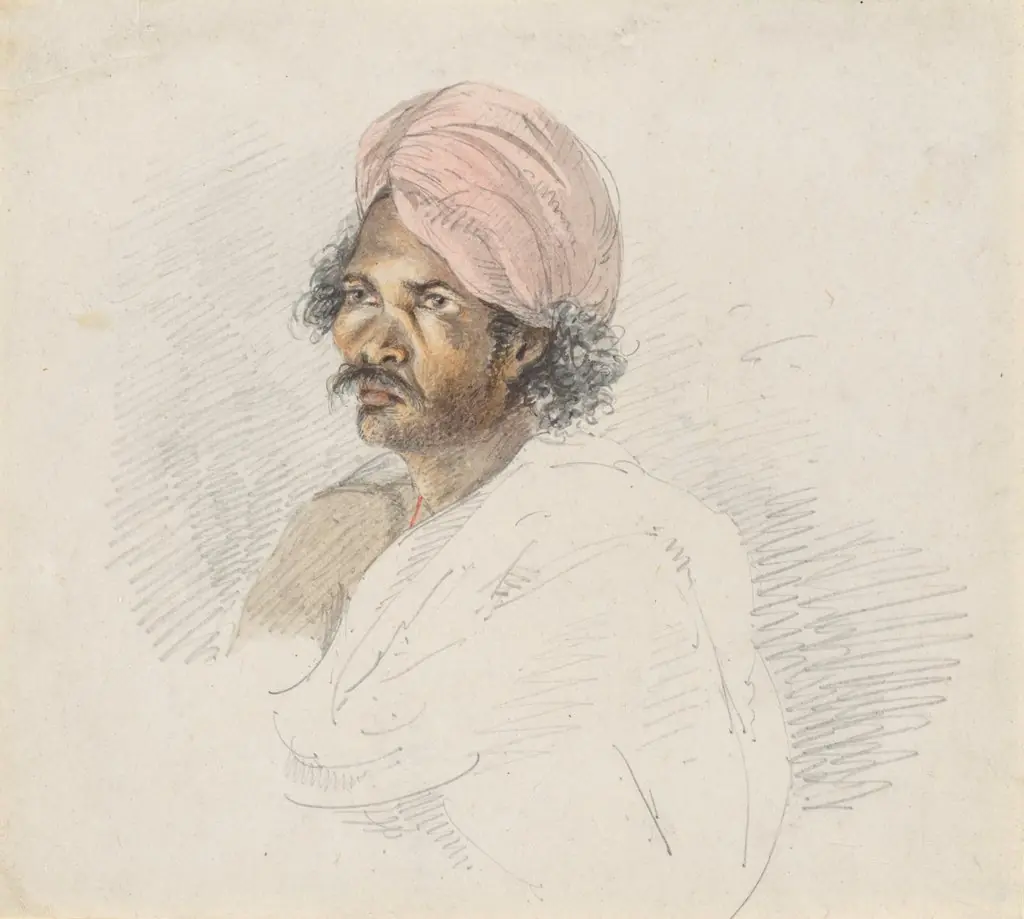
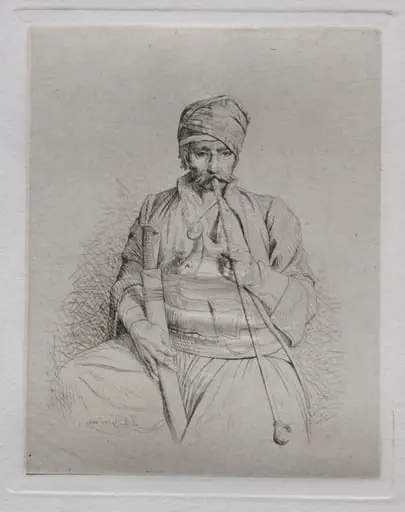
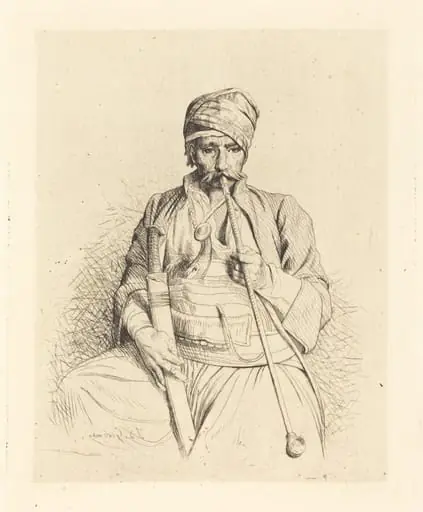
Study for "The Reception of the Siamese Ambassadors at Fontainebleau" is a drawing by the Impressionist artist Jean Léon Gérôme. It dates from 1862 and is held in the collection of the Cleveland Museum of Art.
- Accession no.
- 2010.165
- Credit line
- Bequest of Muriel Butkin
About this work
You see a scene of people gathered in a lavish room, with intricate details and ornate furniture. The painting shows a moment of diplomacy between France and Siam. It's interesting because the artist spent time researching the event to get the details right.
You can learn more about this style by looking at the work of artist: Jean-Léon Gérôme (French, 1824–1904)
Overview
This 1862 drawing by Jean-Léon Gérôme serves as a preparatory study for a larger painting depicting a diplomatic encounter between French royalty and envoys from Siam. Executed in pencil and ink, it captures the spatial arrangement and key figures of the event, reflecting Gérôme’s commitment to historical accuracy and detailed observation.
Subject & Meaning
The scene portrays the 1686 reception of Siamese ambassadors at the Palace of Fontainebleau, a moment of formal diplomacy between Louis XIV’s France and the Ayutthaya Kingdom. Gérôme emphasizes the cultural exchange through precise rendering of attire, gesture, and setting, underscoring the ceremonial gravity of the occasion without overt romanticization.
Technique & Style
Gérôme employed fine linear precision and controlled shading to define architecture, costumes, and facial expressions. The drawing’s clarity and attention to textile patterns and spatial depth reveal his academic training and dedication to archaeological fidelity, hallmarks of his approach to historical subjects.
History & Provenance
Created in 1862, the drawing was produced as part of Gérôme’s research for a commissioned painting. It entered the collection of the Cleveland Museum of Art through established acquisition channels, preserving its role as a document of 19th-century artistic practice and cross-cultural interest.
Context
In the mid-19th century, European artists increasingly sought to depict non-Western cultures with scholarly rigor, responding to colonial expansion and growing ethnographic interest. Gérôme’s study aligns with this trend, reflecting both fascination with foreign courts and the era’s emphasis on visual documentation as a form of knowledge.
Legacy
The drawing exemplifies Gérôme’s methodical process and influence on academic art. Though the final painting is less widely known, this study remains a valuable record of how 19th-century artists engaged with historical events, blending observation, research, and compositional discipline.
Own this work as a print
Artist & collection

Artist
Jean-Léon Gérôme was a French painter and sculptor in the style now known as academicism.