Artwork
Portrait of Marie Leszczyńska
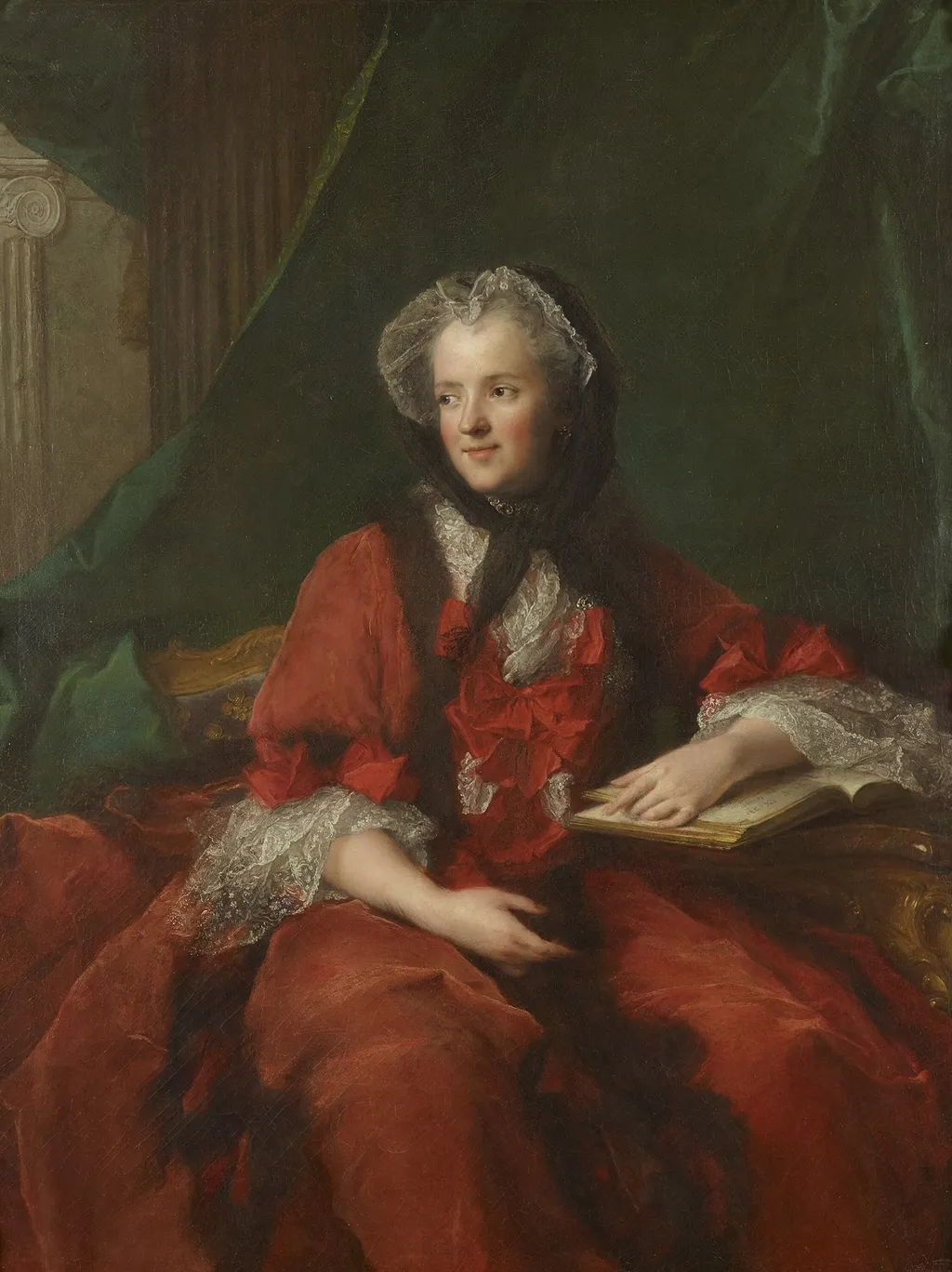
Portrait of Marie Leszczyńska is an oil painting by the Rococo painting artist Jean-Marc Nattier. It dates from 1748 and is held in the collection of the Palace of Versailles.
About this work
Overview
The Portrait of Marie Leszczyńska is an oil on canvas painting by the French artist Jean-Marc Nattier, dated 1748.
The Portrait of Marie Leszczyńska is an oil on canvas painting by the French artist Jean-Marc Nattier, dated 1748. Measuring 139 by 107.1 centimetres, the work depicts the Queen of France in a seated pose and is now held in the collection of the Palace of Versailles, specifically within the Museum of the History of France. Commissioned by Louis XV, the portrait stands as a significant example of Nattier's more naturalistic approach to royal portraiture, distinct from his better-known allegorical works, and offers insight into the representation of French queenship during the mid-eighteenth century.
Subject & Meaning
The painting depicts Marie Leszczyńska (1703-1768), daughter of King Stanislas of Poland and wife of Louis XV. Nattier portrays her seated, turned slightly to the right, wearing a voluminous red silk gown with wide lace cuffs and lace trim at the neckline, complemented by a dark fur stole draped over her shoulders. A black lace veil covers her hair, with a white lace cap visible beneath. Her left hand rests on an open book placed on a gilded table or ledge, while her right hand rests in her lap. The open book may signal piety or intellectual engagement, conventional attributes for royal female sitters. The overall presentation balances regal status with a degree of approachable dignity, the rich red silk and fur indicating wealth and position while the relatively restrained setting avoids overt ostentation. The black lace veil and white cap suggest modesty and age-appropriate dress, fitting for a queen who was forty-five at the time of sitting.
Technique & Style
The work is executed in oil on canvas with a smooth and refined brushwork that demonstrates careful attention to the textures of lace, fur, and fabric. Light falls softly from the left, illuminating the sitter's face, hands, and the sheen of the silk gown. The palette is dominated by deep reds, dark greens, and blacks, with white lace providing contrast. Behind the figure, dark green drapery sweeps across the background, with a glimpse of a fluted column and brown curtain at upper left. This restrained architectural setting is typical of Nattier's court portraits. Fine craquelure is visible across the paint surface, consistent with the painting's age. The handling of the silk's lustre and the delicate rendering of the lace demonstrate Nattier's technical mastery, while the overall composition maintains a formal balance characteristic of French academic portraiture of the period.
History & Provenance
The portrait was commissioned by Louis XV in 1748, as recorded in the Joconde database. The work gave rise to numerous replicas and copies both in France and abroad. A replica is preserved at the museum in Dijon, and a copy is held at the Château de Chambord. The painting is now located at Versailles, in the musée national des châteaux de Versailles et de Trianon, and is listed under multiple inventory numbers: MV 5672, INV 6884, and MR 2210. It is owned by the French State and held within the collection of the Palace of Versailles, Department of Paintings of the Louvre, Museum of the History of France. The work was presented at the Salon in 1753, where it met with critical approval.
Context
Jean-Marc Nattier (1685-1766) was the preeminent portraitist of the French royal family during the reign of Louis XV, though he is perhaps better known for his allegorical portraits that idealised female sitters as mythological or historical figures. The 1748 portrait of Marie Leszczyńska belongs to a different strand of his practice: more naturalistic portraits that, according to scholarly assessment, represent his search for the verity of the subject. This portrait is considered more truthful and intimate than most royal portraits of the era. What distinguishes Nattier's approach, critics have noted, is less the emphasis on the royal status of the sitter than a marked sensitivity to the woman he represents. He was particularly noted for capturing the charm of women and their importance in society. The 1753 Salon presentation, requested by the Queen herself, suggests her satisfaction with the earlier 1748 version and a desire for a further portrait showing her in ordinary costume, indicating a preference for naturalism over allegorical grandeur even in royal commissions.
Legacy
The portrait's influence is attested by the numerous replicas and copies produced in France and internationally, a standard measure of a work's significance and demand in the eighteenth century. The existence of a replica at Dijon and a copy at Chambord indicates the portrait's use as a model for dissemination of the royal image. The work occupies an important place in Nattier's oeuvre as an exemplar of his naturalistic portraiture, contrasting with his allegorical portraits and demonstrating his capacity for psychological directness. For the study of French royal portraiture, it provides evidence of how Queen Marie Leszczyńska wished to be represented, and of a queen's agency in shaping her own image. The painting remains in the French national collection at Versailles, where it continues to serve as a key document of mid-eighteenth-century court culture and of Nattier's dual reputation as both allegorist and sensitive portraitist of women.
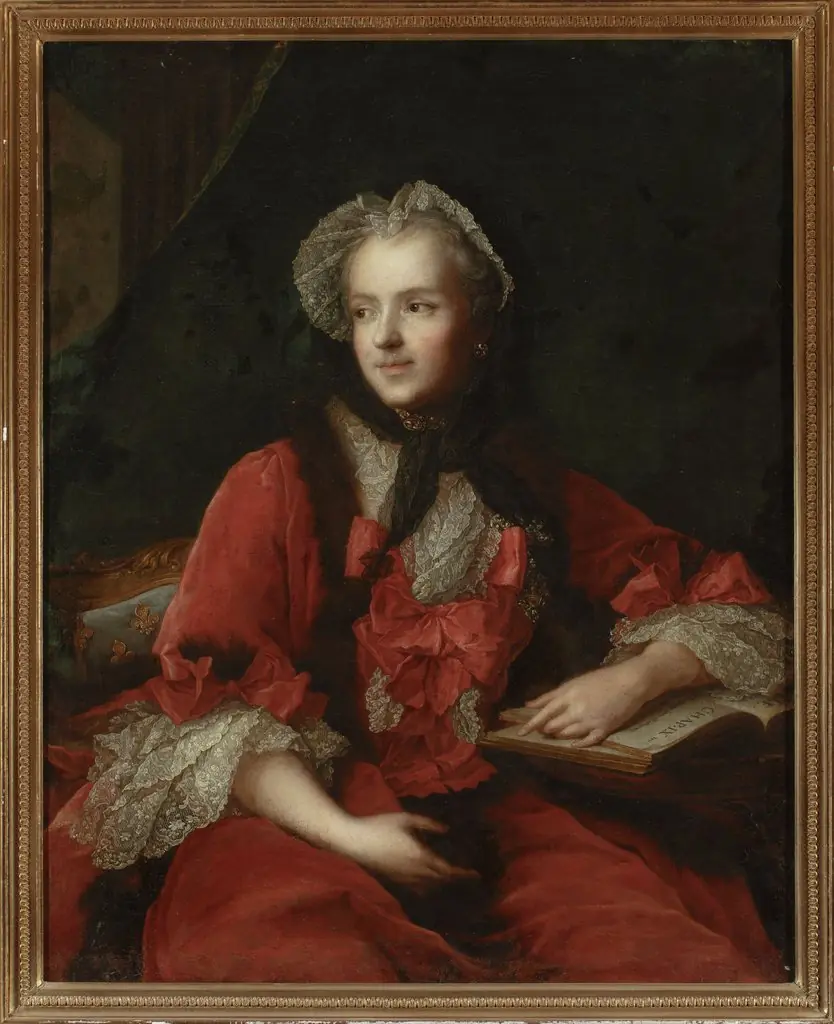
Own this work as a print
Artist & collection
Artist
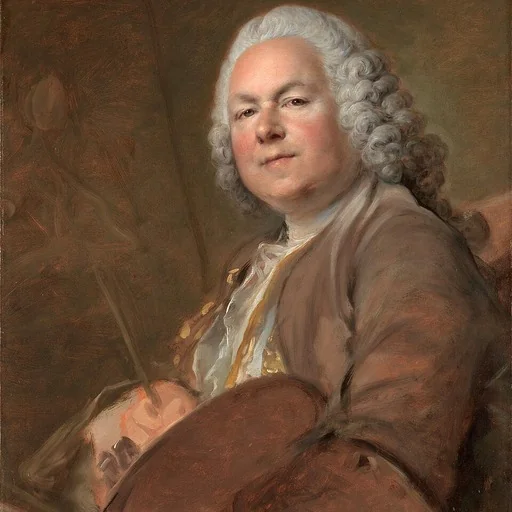
Jean-Marc Nattier (French pronunciation:; 17 March 1685 – 7 November 1766) was a French painter.

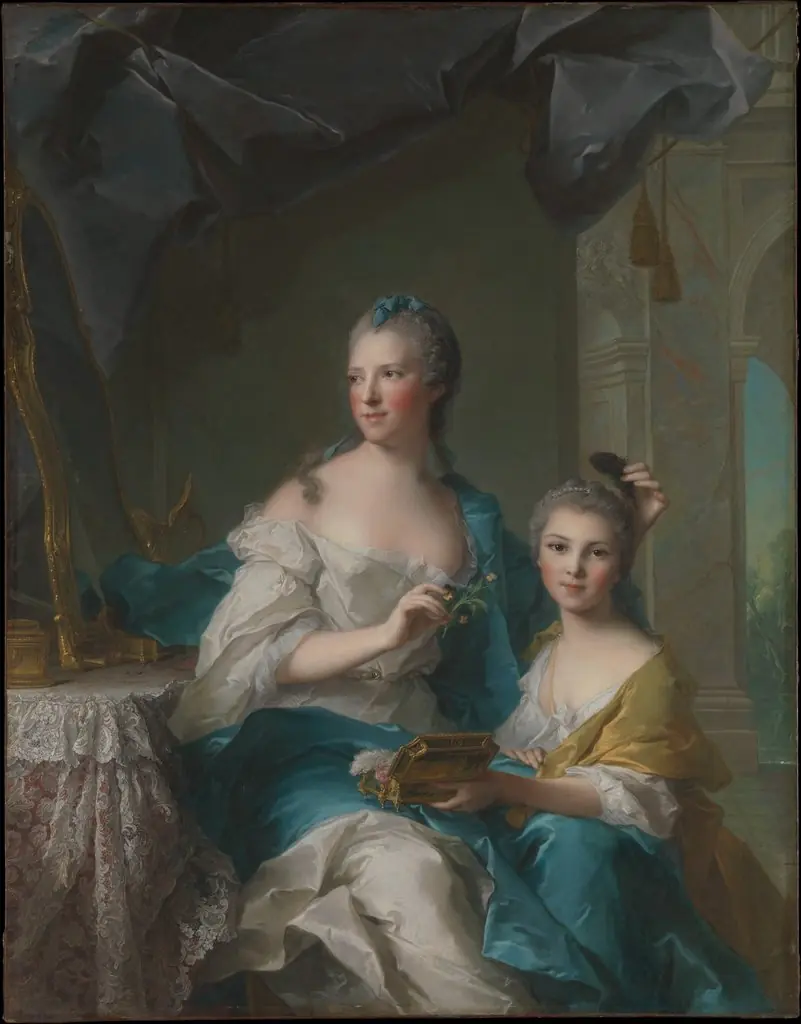 Madame Marsollier and Her Daughter
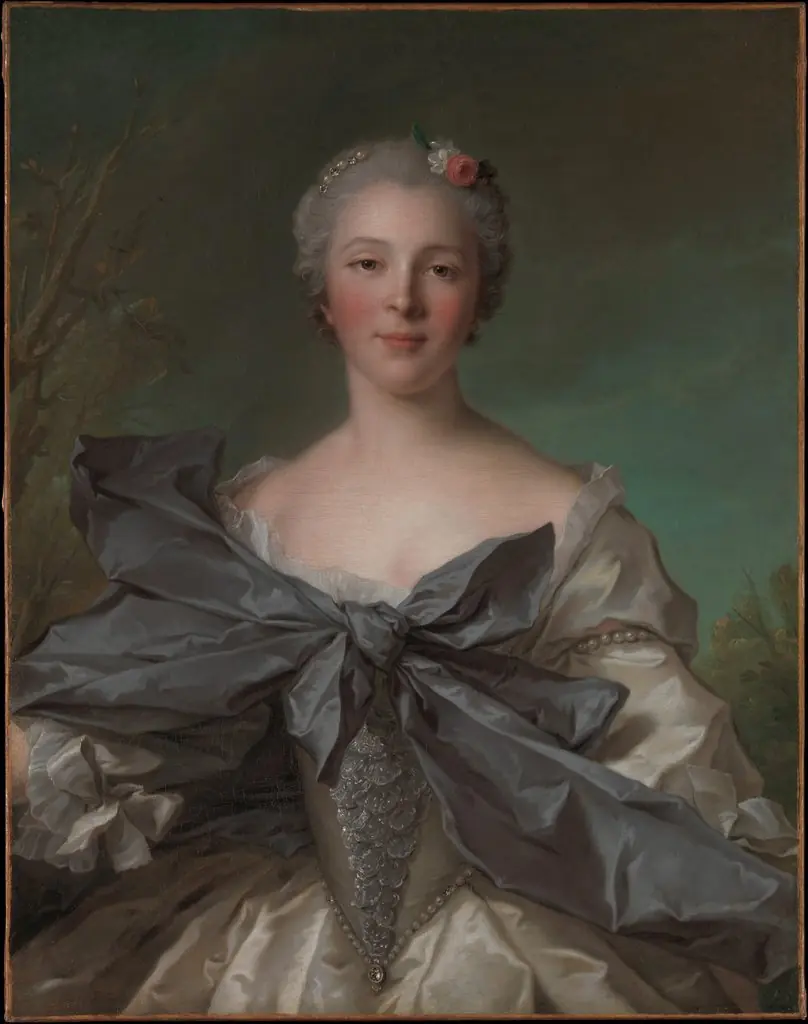 Marie Françoise de La Cropte de St. Abre, Marquise d'Argence
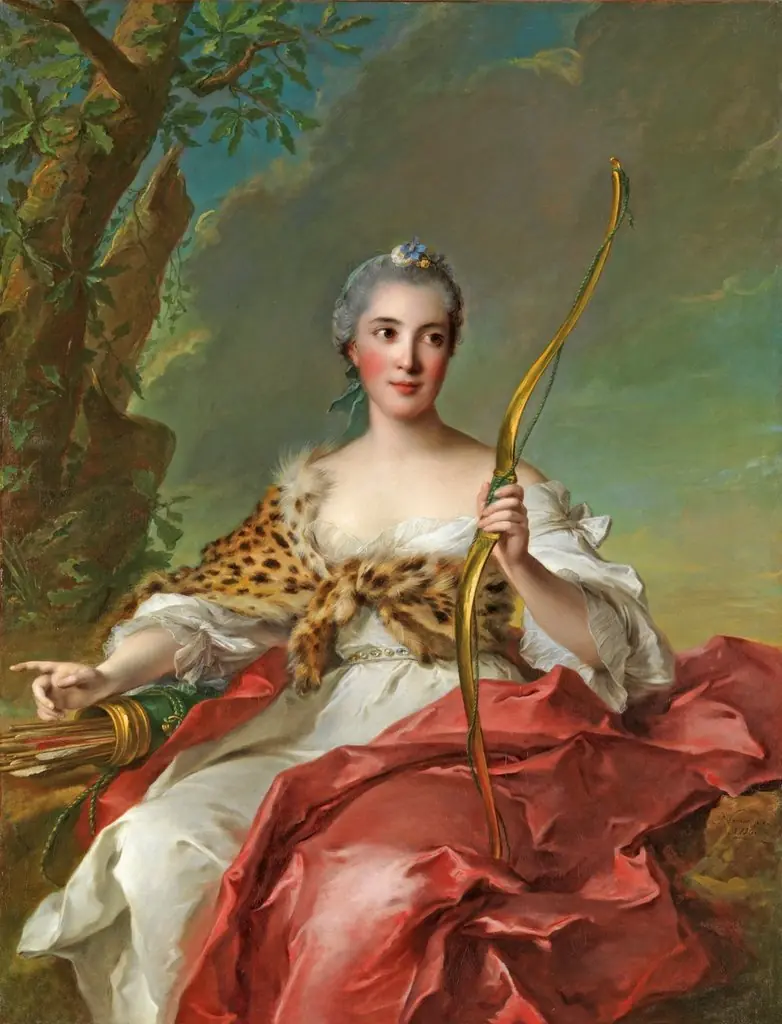 Madame Bergeret de Frouville as Diana
 Madame Le Fèvre de Caumartin as Hebe
 Joseph Bonnier de la Mosson
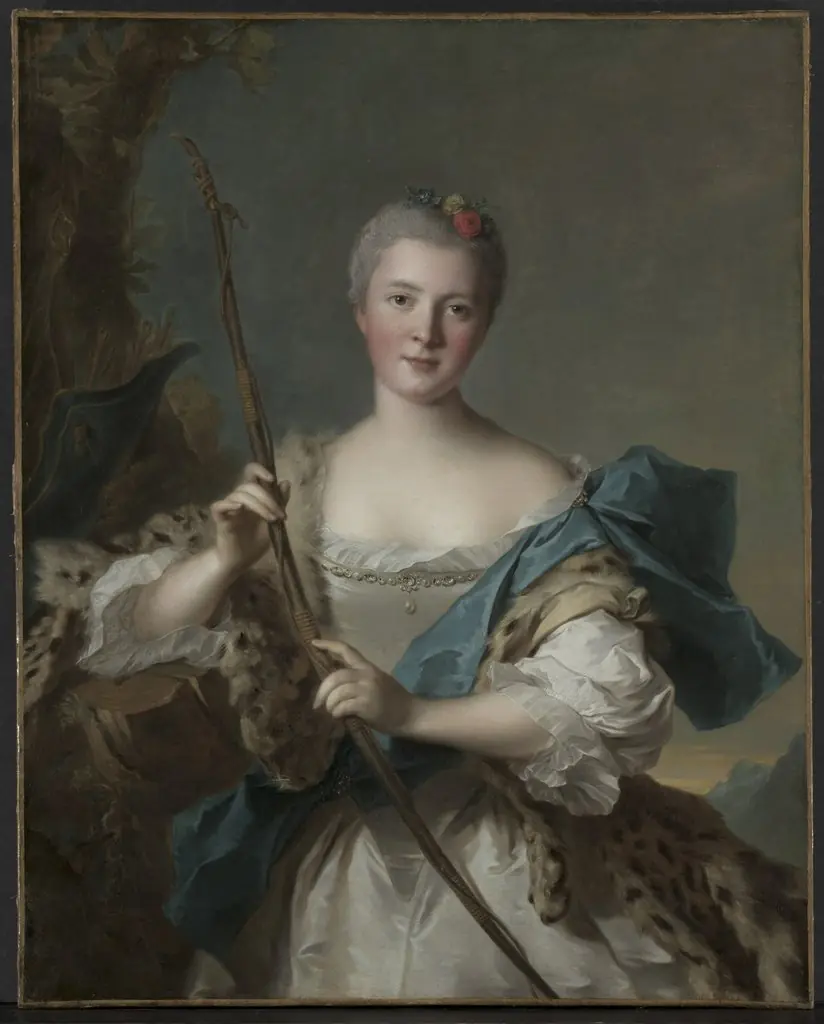 Portrait of a Woman as Diana
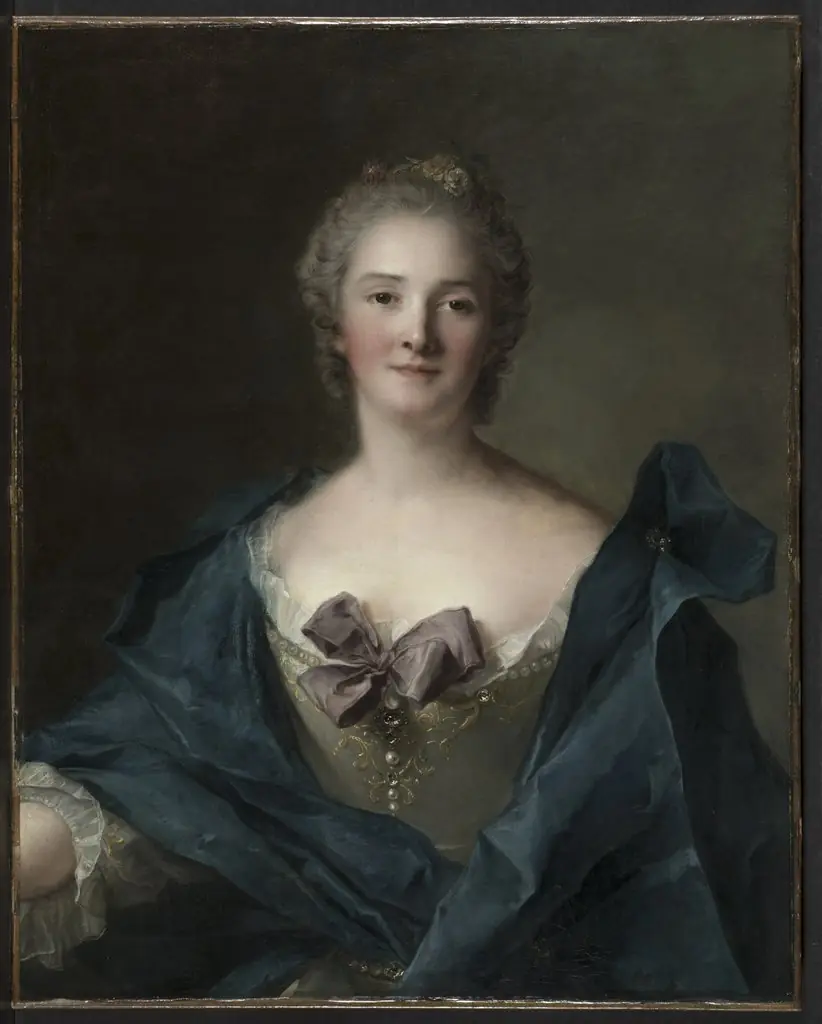 Portrait of a Woman
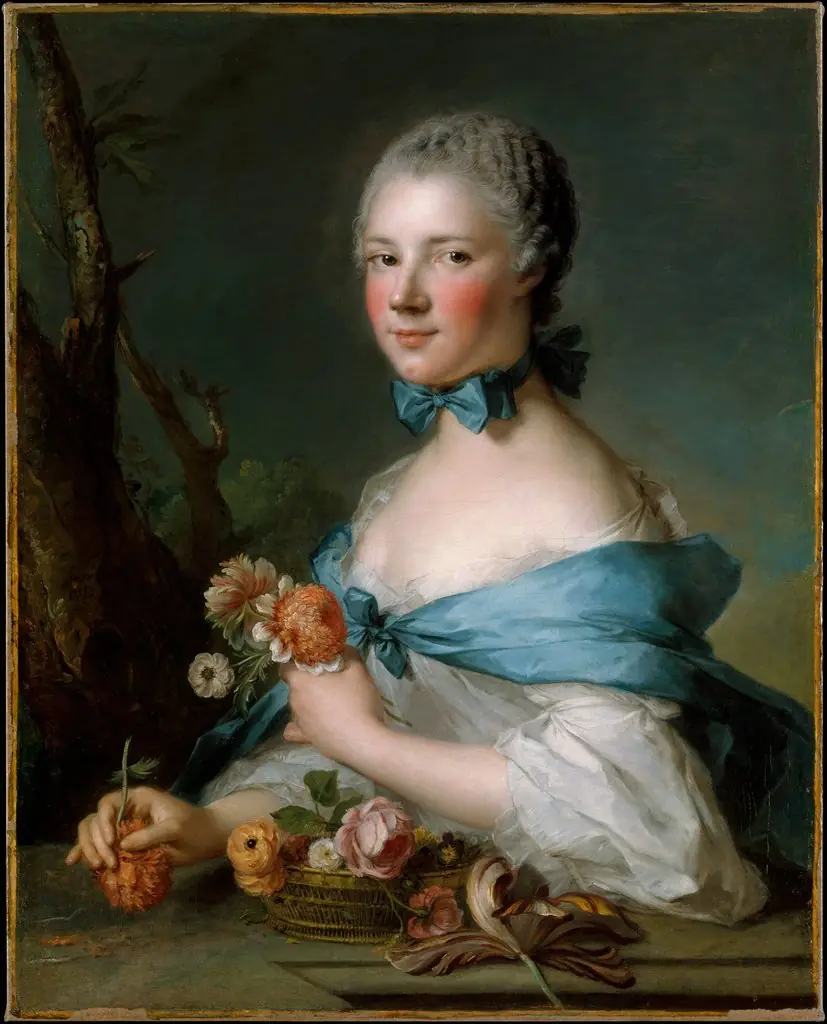 Portrait of a Woman, Called the Marquise Perrin de Cypierre
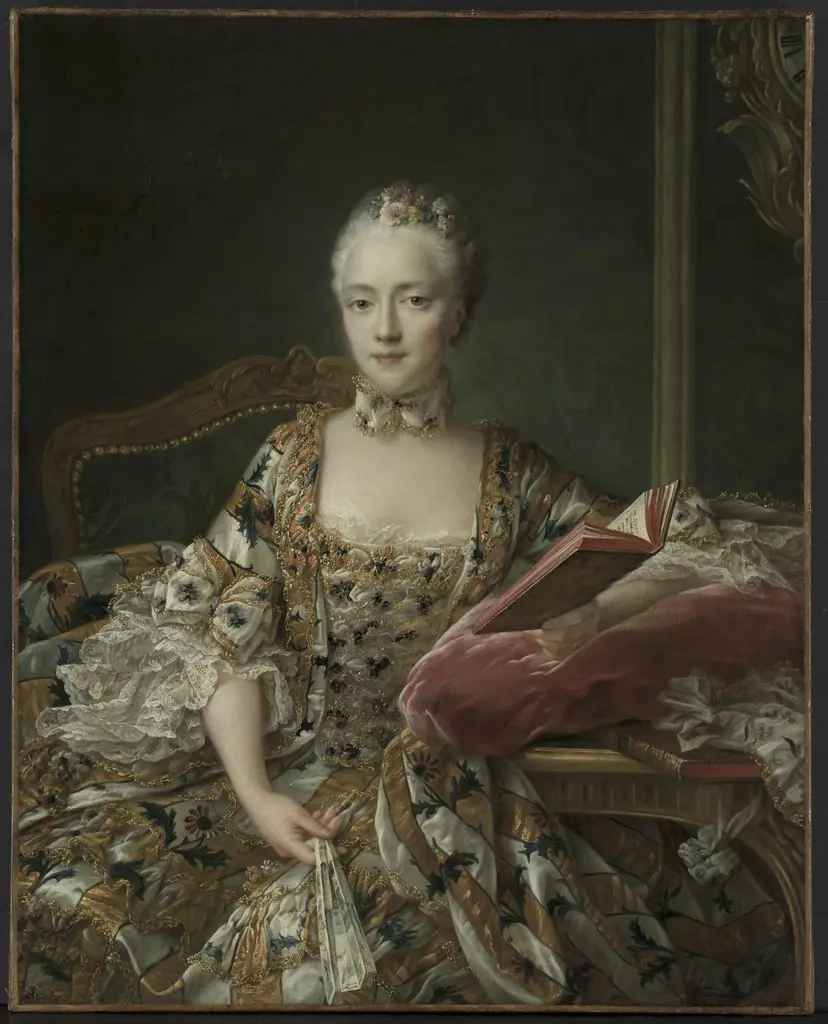 Portrait of the Marquise d'Aguirandes
 Madame de La Porte
 Kreivitär Antoinetta Virginia Gyllenborg
 Louise-Henriette-Gabrielle de Lorraine, princesse de Turenne, duchesse de Bouillon (1718-1788)
 Portrait of a Woman
 Portrait of Elizabeth Kerr, née Fortescue, Marchioness of Lothian
 Madame Adélaïde de France (1732–1800), daughter of Louis XV