Artwork
Alexandre Théodore Victor (1760–1829), Comte de Lameth
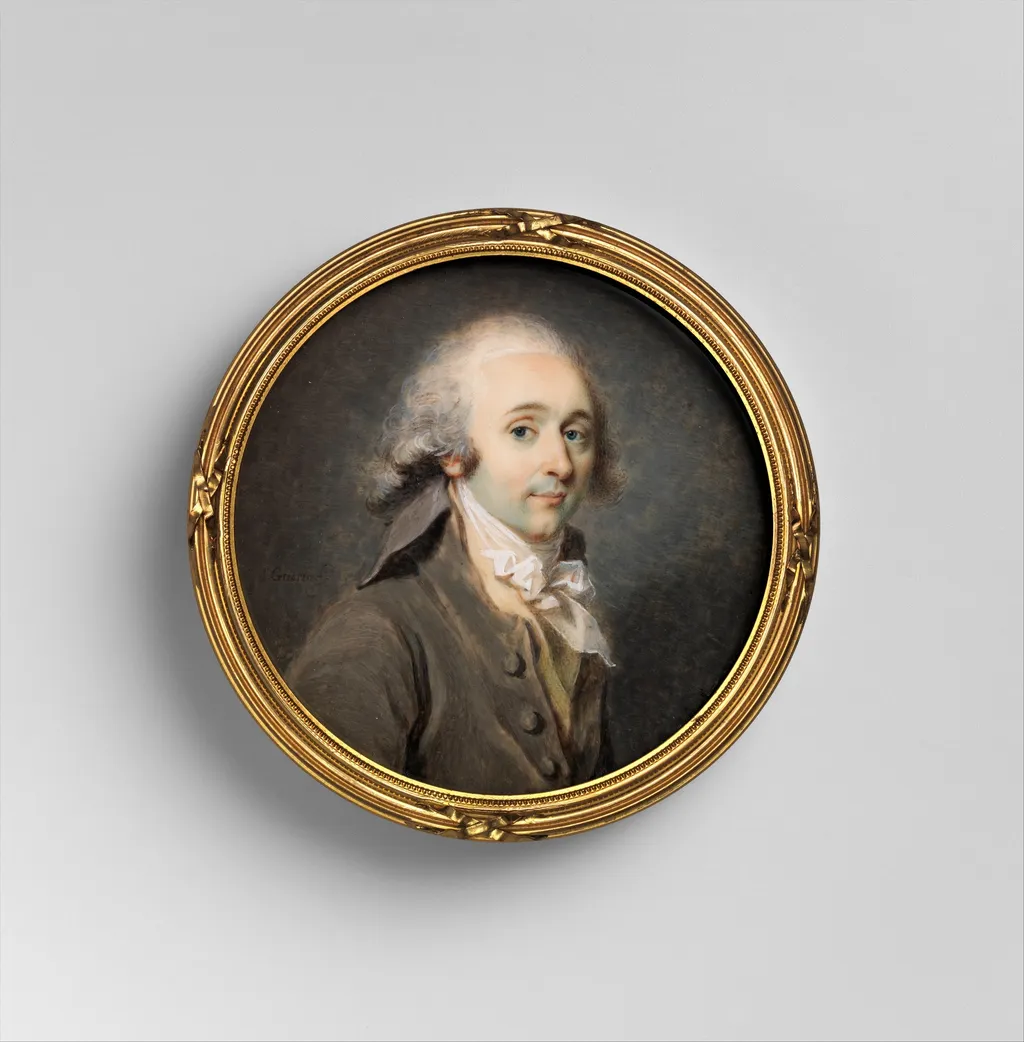
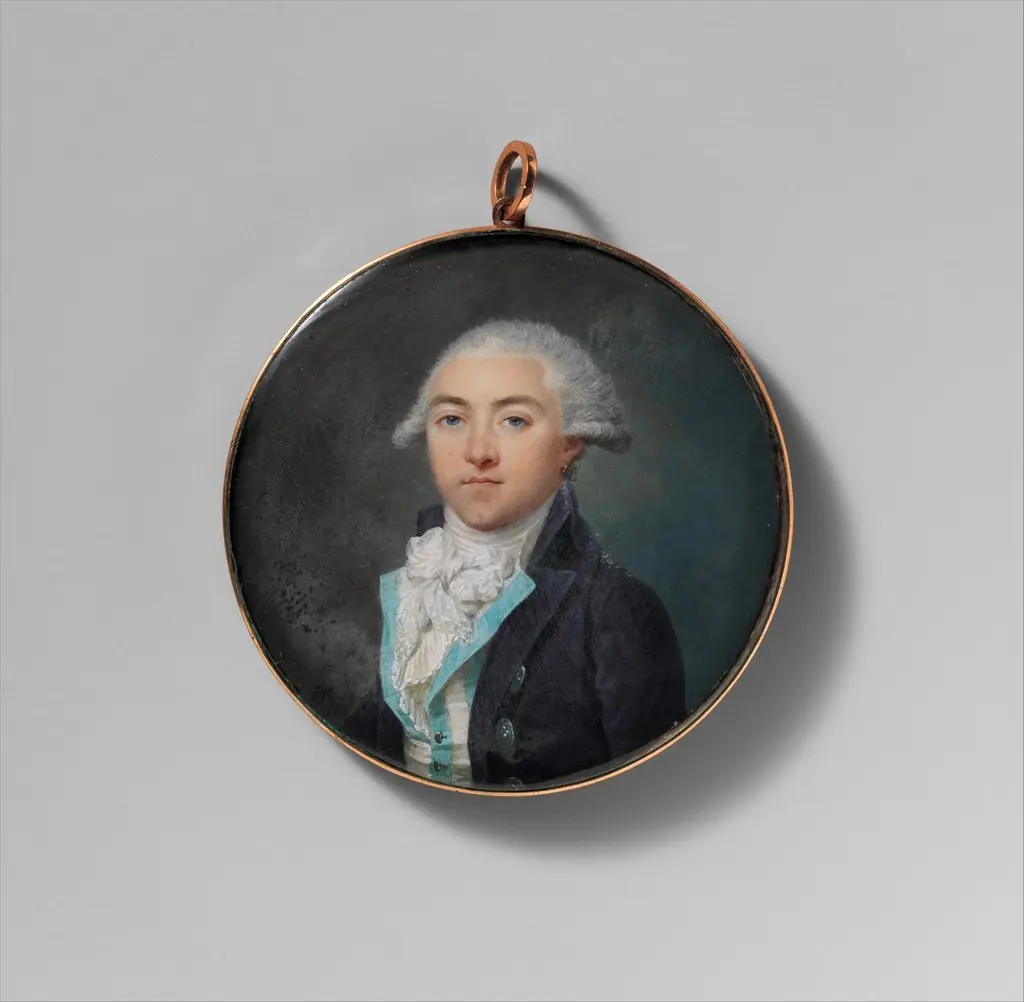
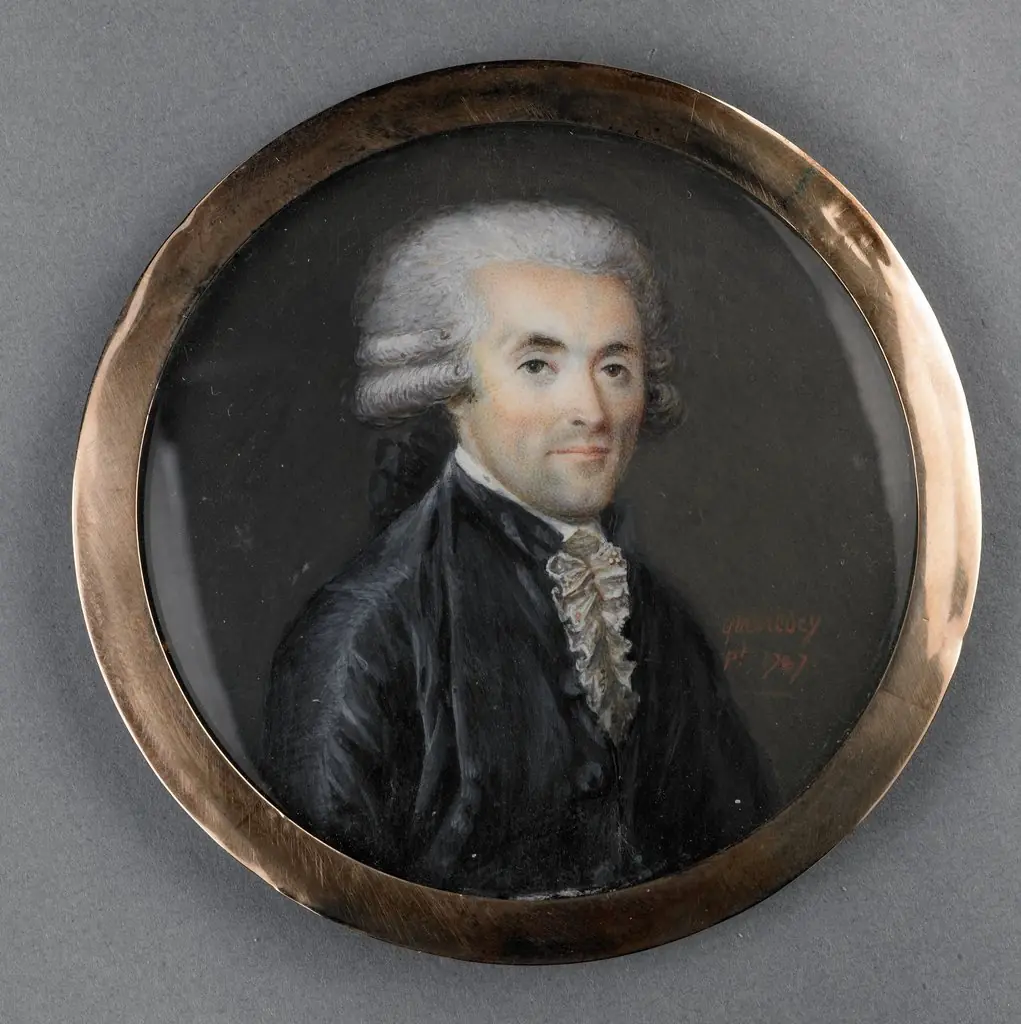
Alexandre Théodore Victor (1760–1829), Comte de Lameth is an unspecified painting by the Rococo painting artist Jean-Urbain Guérin. It dates from 1795 and is held in the collection of the Metropolitan Museum of Art.
About this work
Subject & Meaning
Rendered by Jean-Urbain Guerin in 1795, the work captures the sitter in a manner typical of elite sitters, underscoring his status within the aristocracy.
The painting portrays Alexandre-Theodore-Victor, comte de Lameth, as a French nobleman of the late eighteenth century, emphasizing his aristocratic rank through conventional portrait conventions of the period. Rendered by Jean-Urbain Guerin in 1795, the work captures the sitter in a manner typical of elite sitters, underscoring his status within the aristocracy. The depiction aligns with the sitter's recorded title and function, presenting him as a man of noble lineage and political relevance.
History & Provenance
The portrait of Alexandre-Theodore-Victor, comte de Lameth, was executed in 1795 by the French painter Jean-Urbain Guerin. It is documented as a painting and was later accessioned by the Metropolitan Museum of Art, where it remains in the institution's collection. The work's attribution to Guerin is confirmed by cataloguing data.
No earlier owners or exhibition history are recorded in the available documentation, and no specific inventory or accession number is provided in the available sources.
Overview
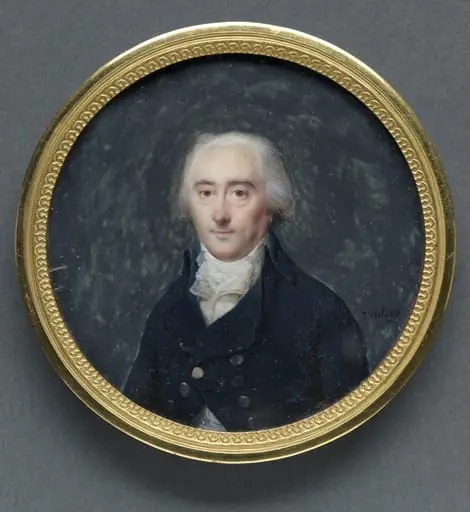
This painting by French artist Jean-Urbain Guérin depicts Alexandre Théodore Victor, Comte de Lameth, in 1795. The portrait presents the sitter in a dark coat and white cravat, his face and white wig standing out against a somber background. Guérin, known for his detailed portraiture, captured a calm and direct gaze.
The work is currently housed in the collection of The Metropolitan Museum of Art, offering insight into late 18th-century French portraiture.
Technique & Style
Jean-Urbain Guérin, a skilled draughtsman and miniaturist, rendered this portrait with meticulous attention to detail. The artist employed careful shading to define the contours of the sitter's face and the intricate folds of his cravat, a characteristic technique in period portraiture. While created in 1795, the work is associated with the Rococo movement, reflecting a refined and decorative aesthetic in its overall presentation, including its ornate, scalloped gold frame.
Context
Jean-Urbain Guérin was active during a tumultuous period of French history, witnessing significant political and social upheaval. His body of work reflects this era, including portraits of prominent figures such as Marie-Antoinette and representatives of the Third Estate. Guérin's reputation as a portraitist placed him among notable contemporaries like Jean-Baptiste Isabey, contributing to the visual record of a transformative time through his detailed depictions of individuals across the social spectrum.
Own this work as a print
Artist & collection
Artist
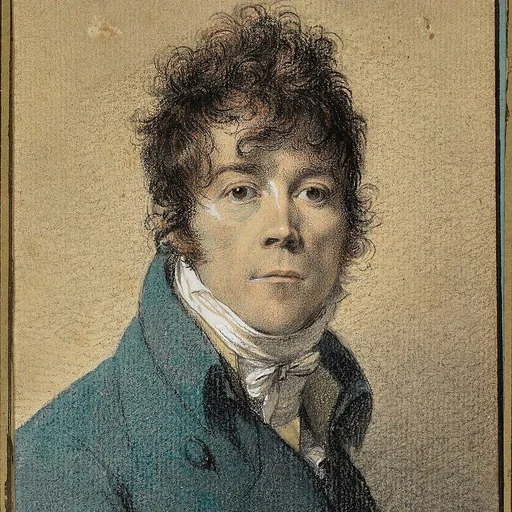
Jean-Urbain Guérin (French pronunciation:; 1760 – 29 October 1836) was a French draughtsman and miniaturist.

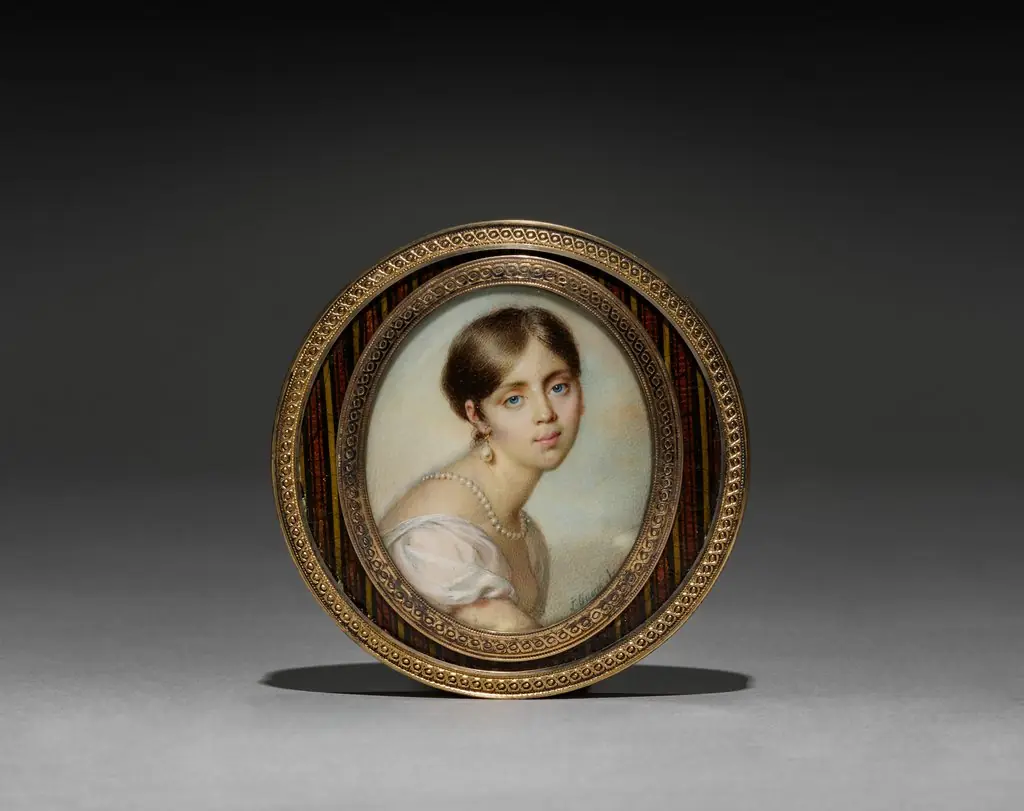
- Portrait of Étienne François, comte de Stainville, duc de Choiseul
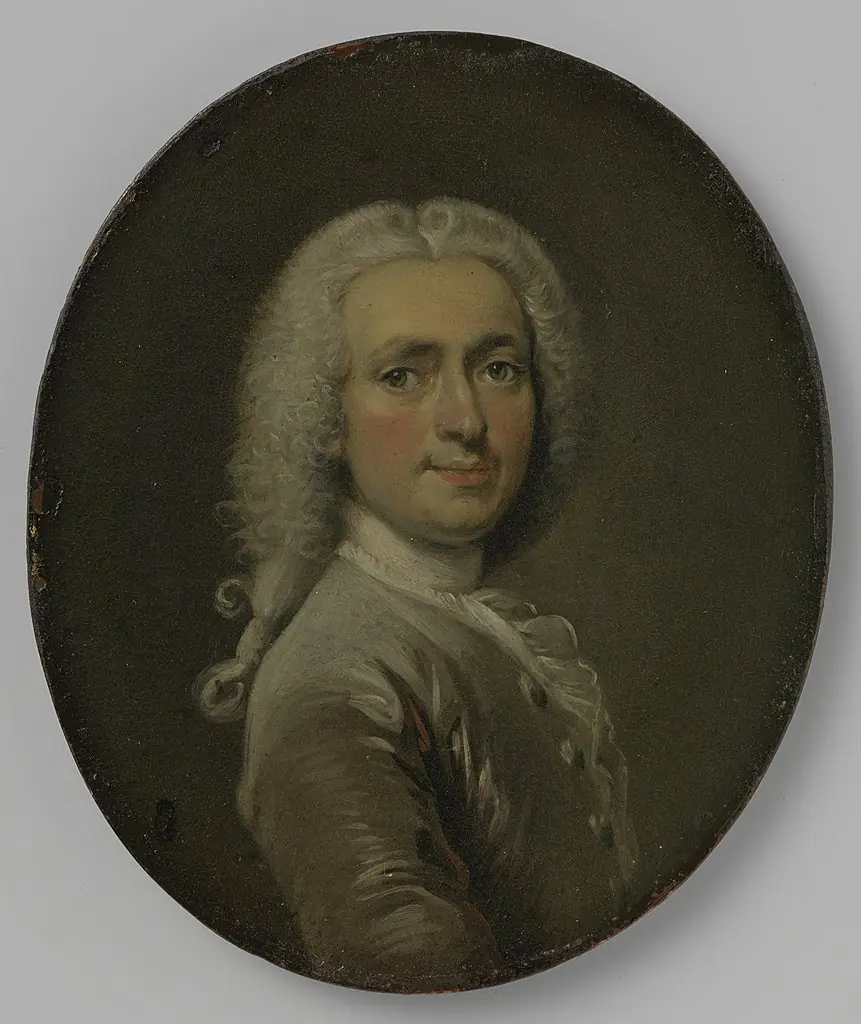 Self-portrait, Rijksmuseum
 A Man with the Initials JD
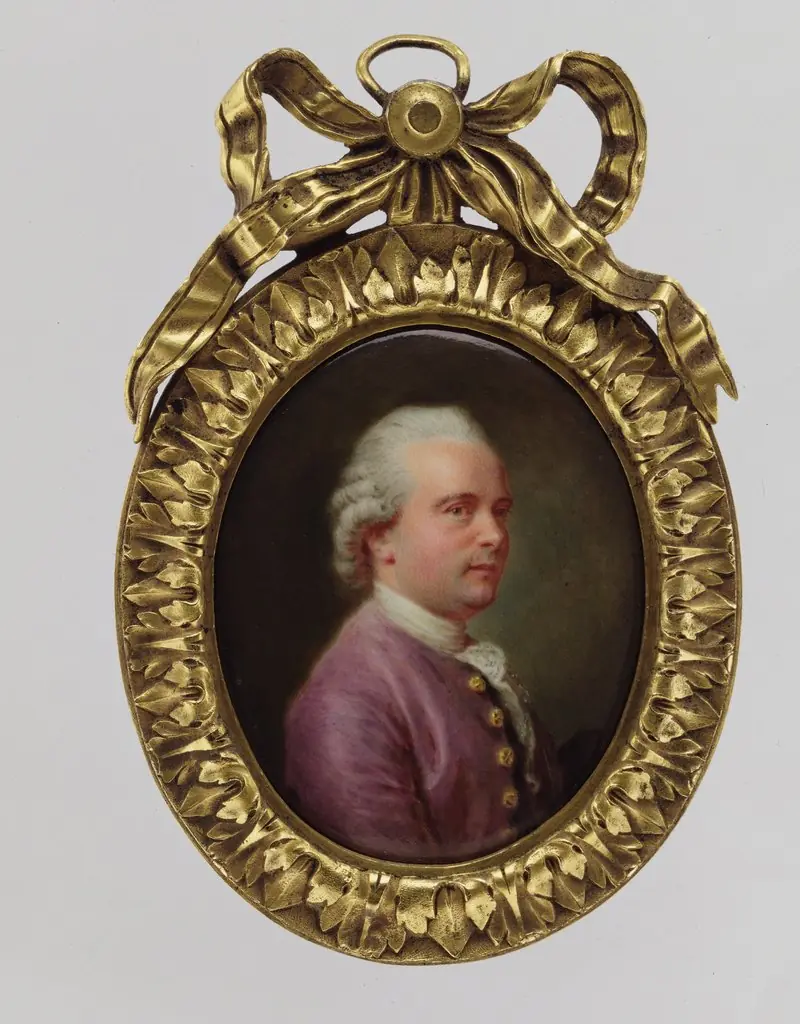 Abbé Charles Bossut (1730–1814)
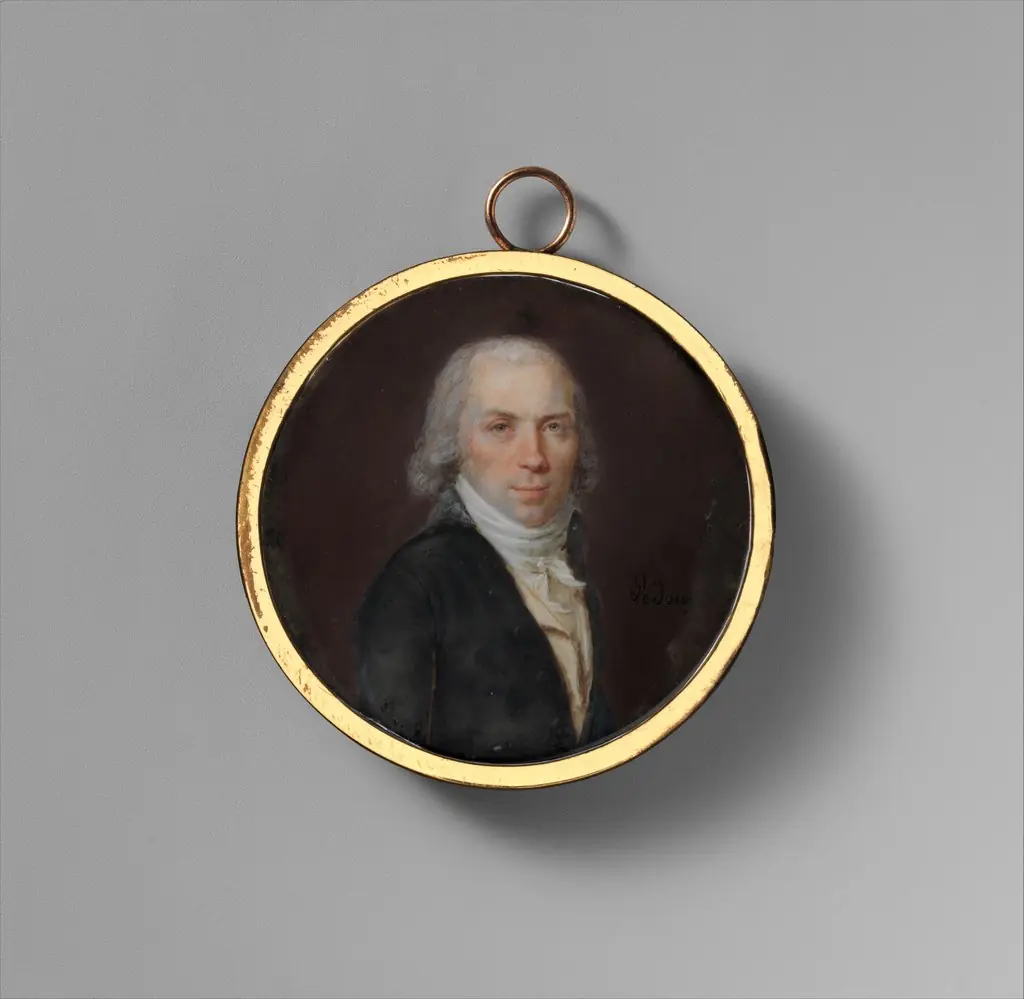 Portrait of a Man
 Portrait of a Man, Possibly Sir Soulden Lawrence
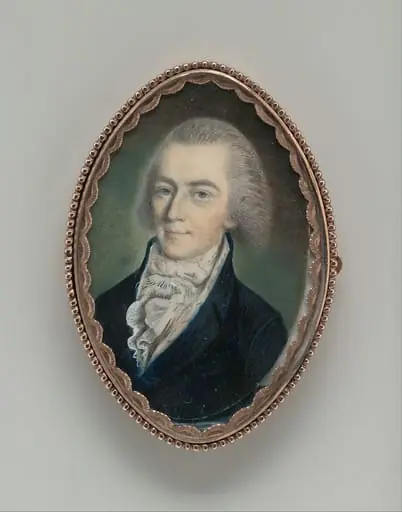 Gulian Ludlow
 Edmond-Charles-Edouard Genet (1763-1834), franskt sändebud i USA
 Portrait of a Man
 Portret van een man
 Portrait of Étienne François, comte de Stainville, duc de Choiseul
 Portrait of a man on ivory