Artwork
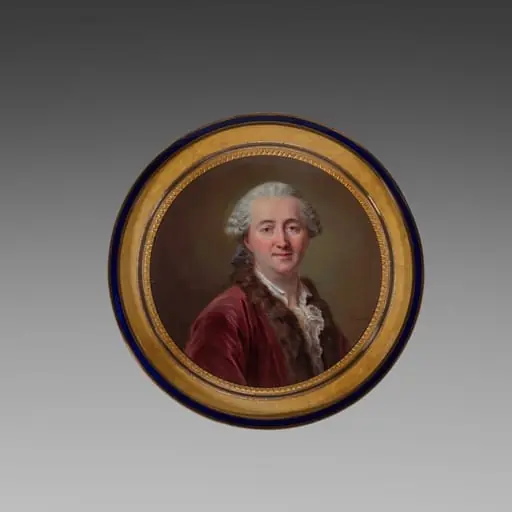
Portrait of Étienne François, comte de Stainville, duc de Choiseul
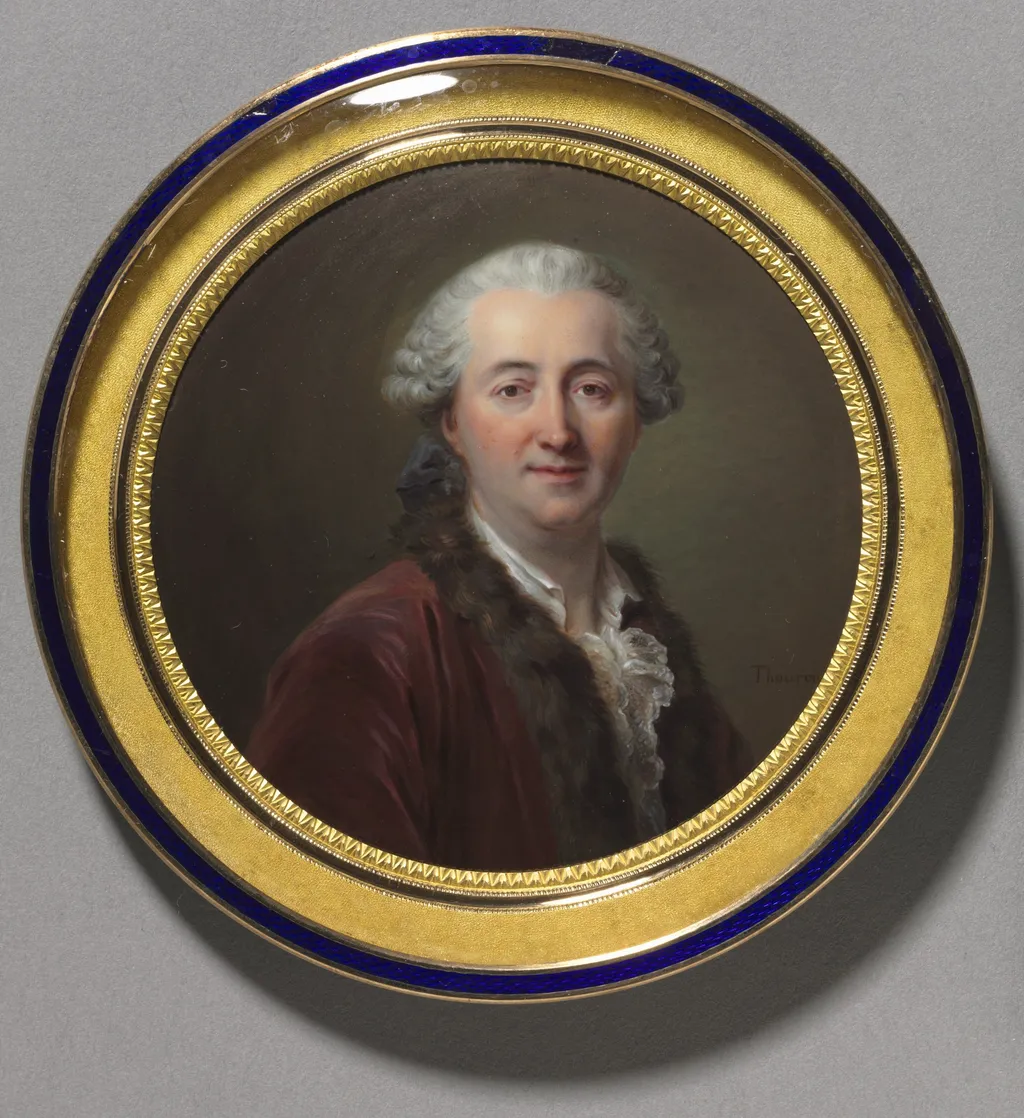
Portrait of Étienne François, comte de Stainville, duc de Choiseul is an unspecified painting. It dates from 1850 and is held in the collection of the Cleveland Museum of Art. The work is a circular oil portrait depicting Étienne François, comte de Stainville, later duc de Choiseul.
About this work
History & Provenance
The portrait miniature of Étienne François, comte de Stainville, duc de Choiseul, is held in the collection of the Cleveland Museum of Art in Cleveland.
The Portrait of Étienne François, comte de Stainville, duc de Choiseul is a miniature attributed to Jacques Thouron, a Swiss artist active between 1740 and 1789. The work entered the collection of the Cleveland Museum of Art in 1921, where it remains under accession number 1921.912.
No definitive commissioning record or earlier ownership history is documented in the available sources. The dating of the portrait aligns with the artist’s active period in the late 18th century, though the precise year of creation remains unattributed.
The portrait miniature of Étienne François, comte de Stainville, duc de Choiseul, is held in the collection of the Cleveland Museum of Art in Cleveland. The work is cataloged under the accession number 1921.912. Attributed to the Swiss artist Jacques Thouron, who was active between 1740 and 1789, the piece is classified as a portrait miniature within the museum's holdings.
Overview
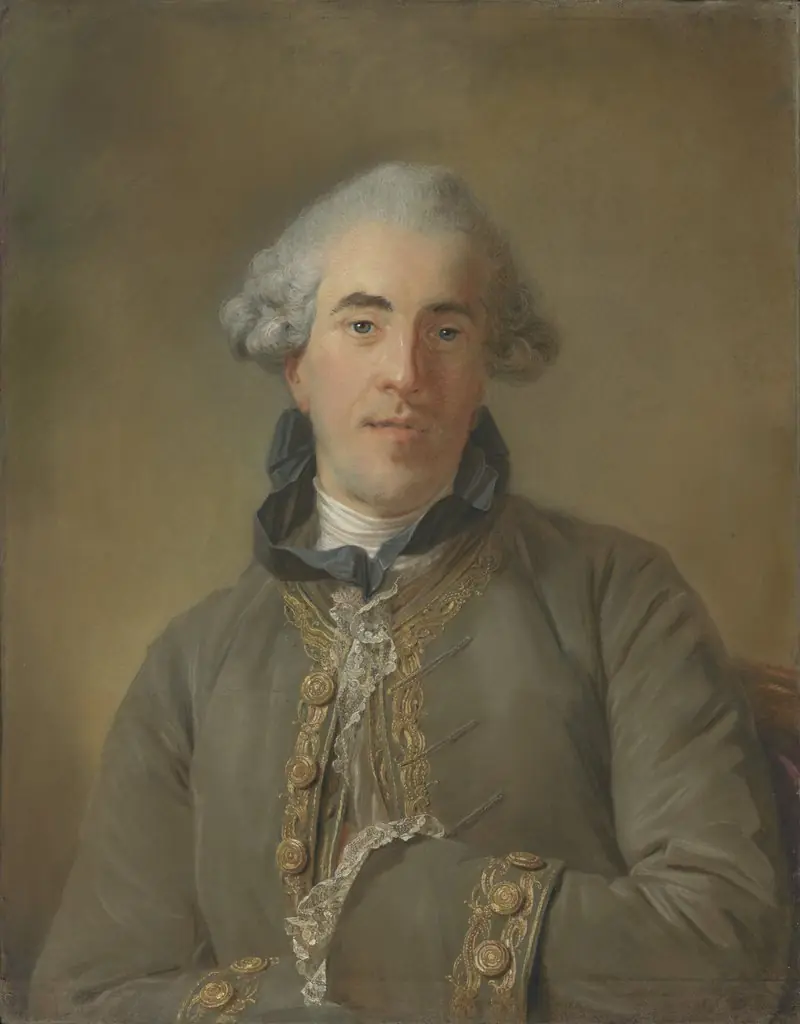
The work is a circular oil portrait depicting Étienne François, comte de Stainville, later duc de Choiseul. Rendered on a dark, unadorned background, the sitter is shown with white hair and a composed expression, dressed in a dark‑red coat trimmed with white lace at the collar. A substantial gilded frame, accented with blue and white motifs, surrounds the image.
Subject & Meaning
The portrait presents the French statesman in a dignified, sober manner, emphasizing his age and authority through the calm demeanor and restrained attire. The plain backdrop removes narrative distraction, focusing attention on the individual’s visage and rank, while the lace collar subtly signals his noble status.
Technique & Style
The artist employed a soft modelling of light, allowing shadows to merge gently into the flesh tones, a hallmark of the sfumato approach. This technique creates a seamless transition between illumination and shade, giving the face a lifelike, almost atmospheric quality. The brushwork remains delicate, particularly in rendering the lace and the texture of the coat.
Context
Created during the mid‑18th century, the portrait aligns with the French aristocratic tradition of formal, half‑length representations. The choice of a round format was relatively uncommon, suggesting a personalized commission intended for intimate display within a private setting.
Legacy
While the portrait has not achieved widespread fame, it exemplifies the period’s refined portraiture and the continued use of sfumato to achieve subtle realism. It offers scholars a clear example of how French nobility were visually constructed through restrained elegance and technical finesse.
Artist & collection

 Portrait of a Man
 Self-portrait, Rijksmuseum
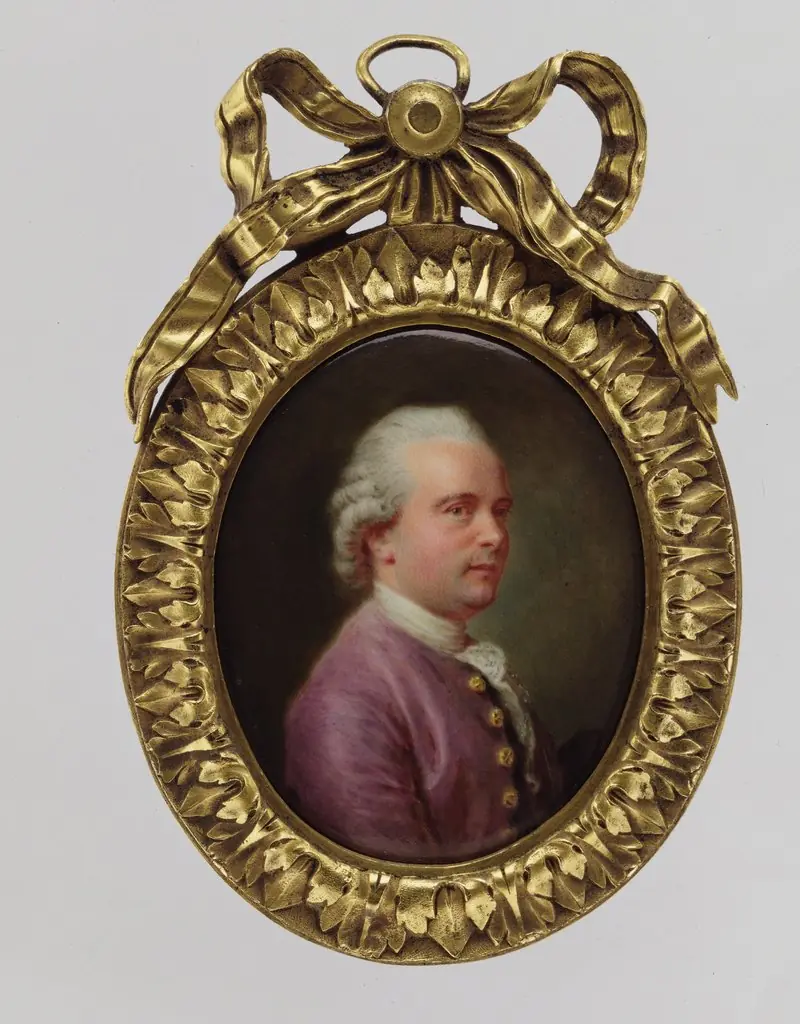 Abbé Charles Bossut (1730–1814)
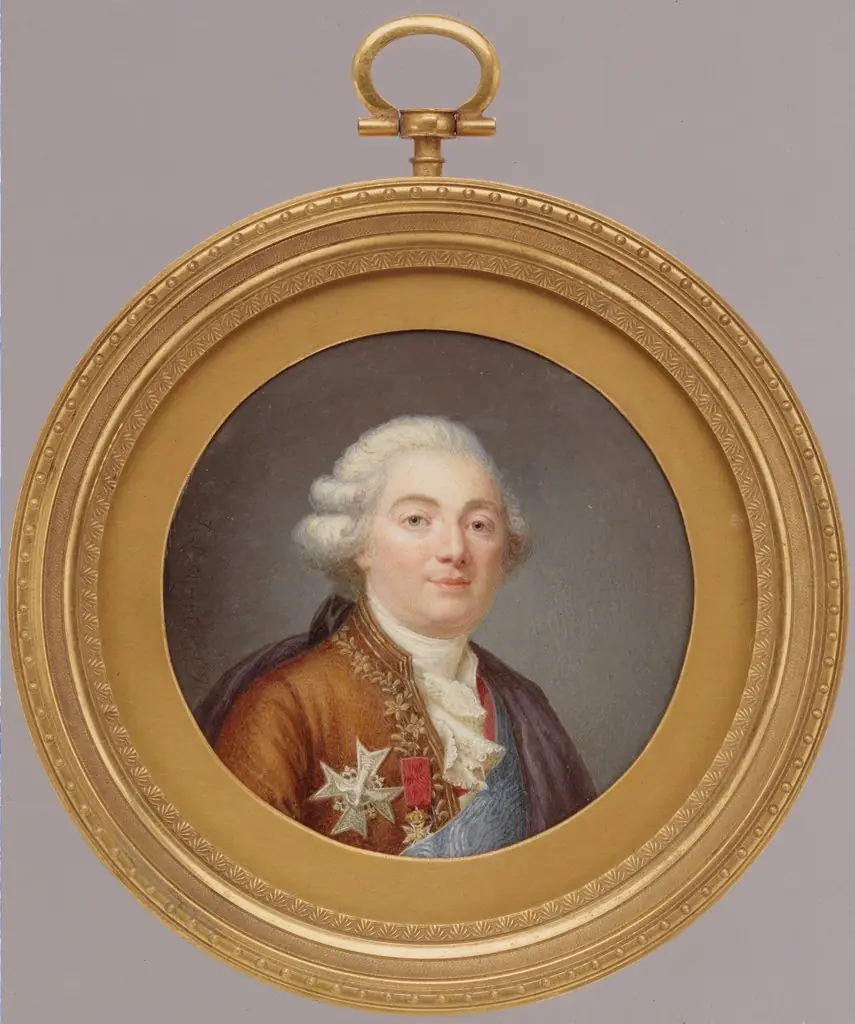 Louis XVI (1754–1793), King of France
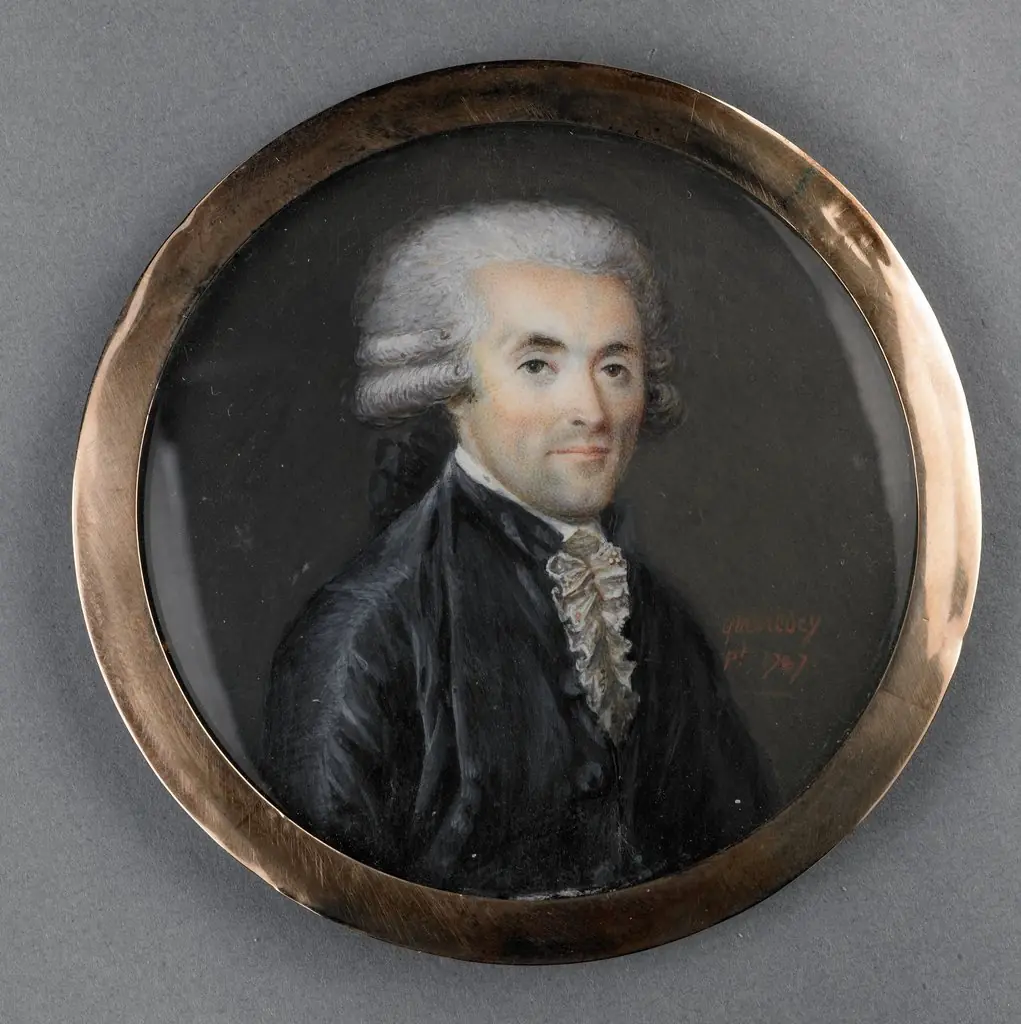 Portrait of a man on ivory
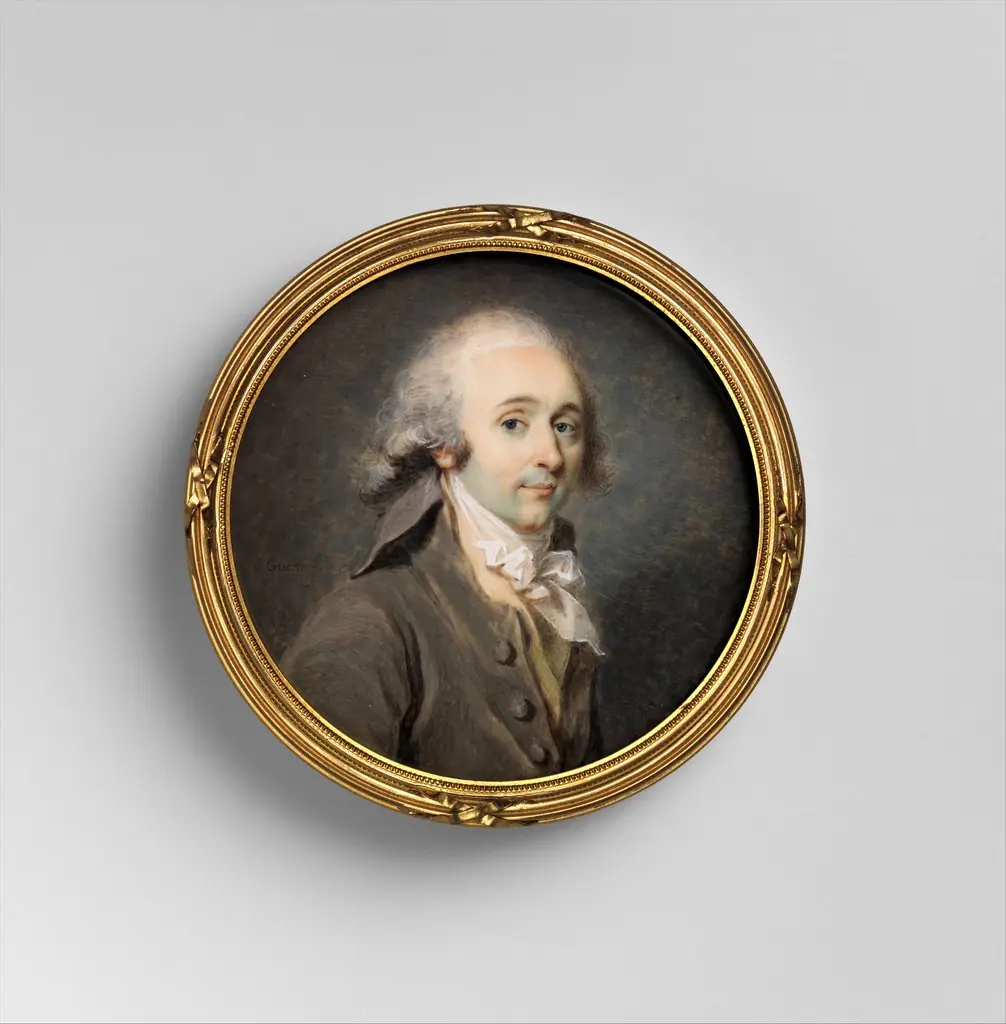 Alexandre Théodore Victor (1760–1829), Comte de Lameth
 Portret van een man, vermoedelijk Frederik II (1712-86) de Grote, koning van Pruisen
 Portrait of Étienne François, comte de Stainville, duc de Choiseul
 Portret van een man
 Portrait of a Man
 Portrait of Théophile Van Robais
- Portrait of Louis XVI de Bourbon (1754-1793)