Artwork
Portrait of a Woman
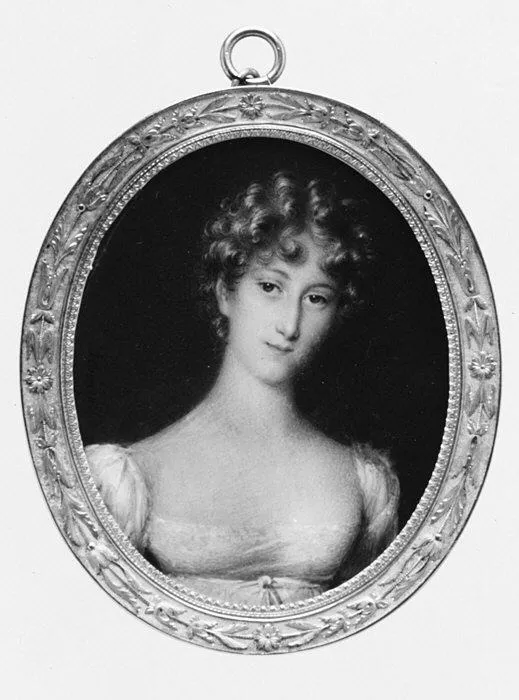
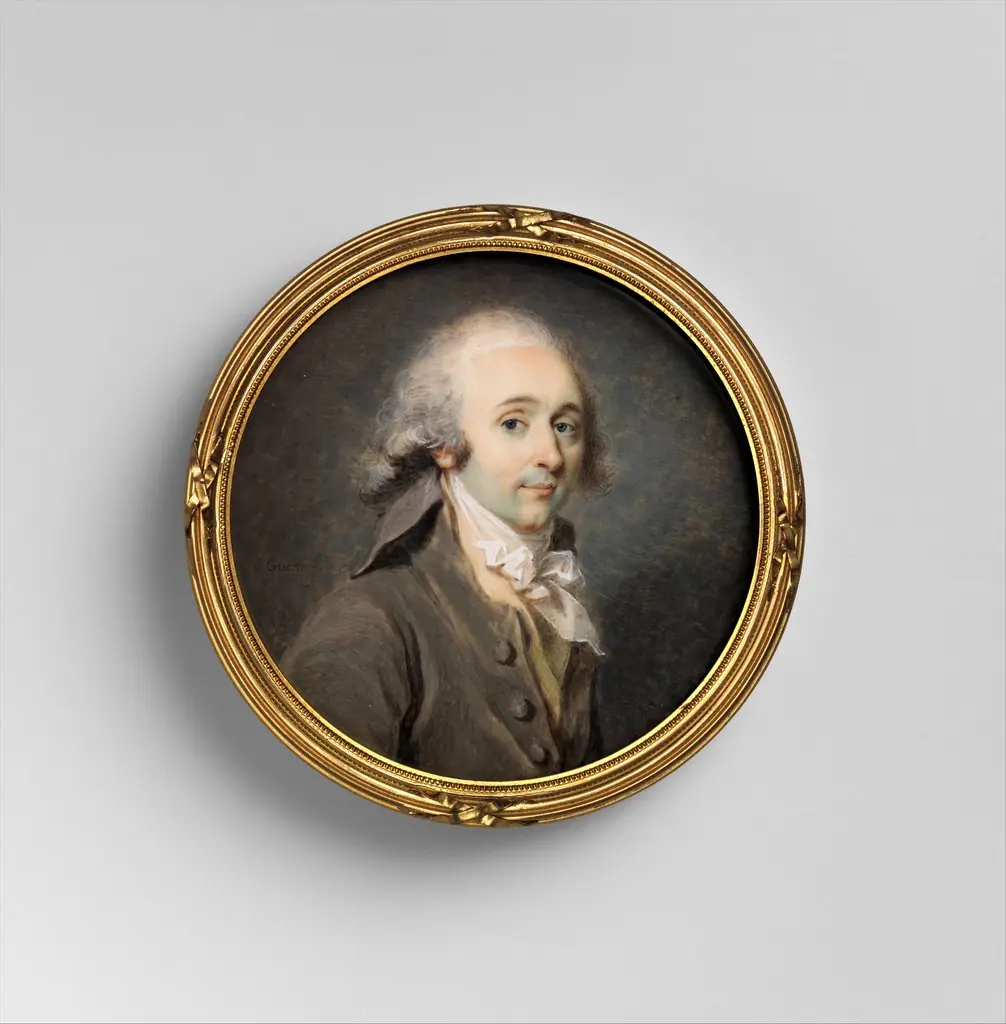
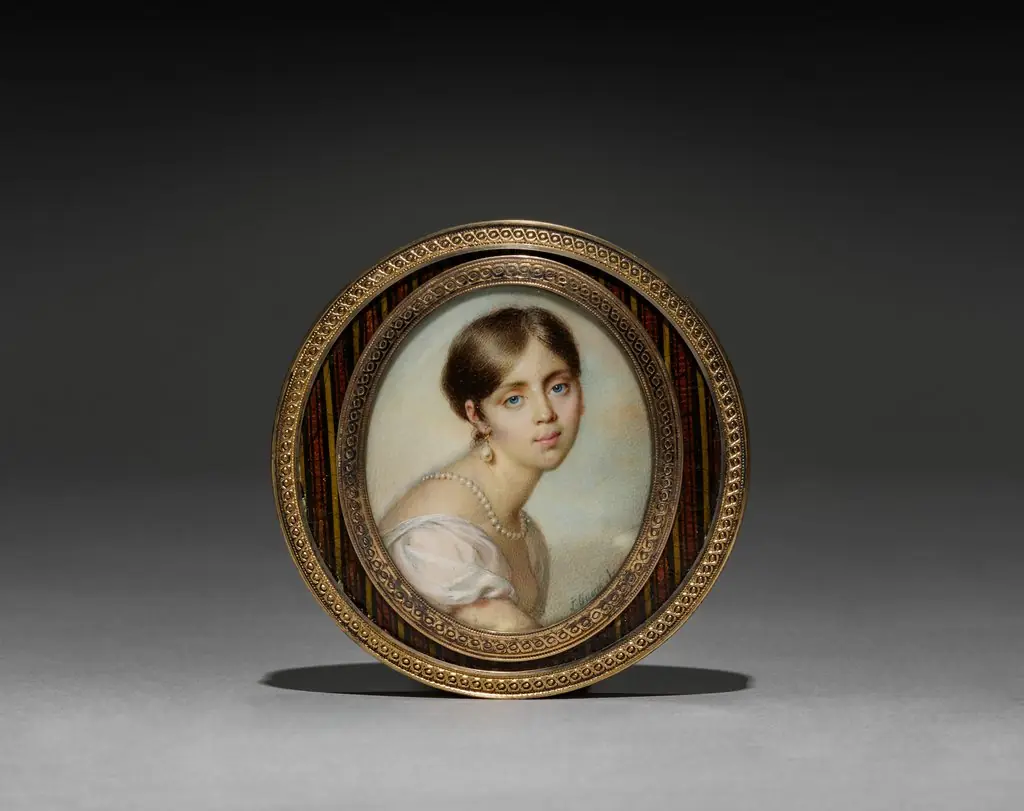
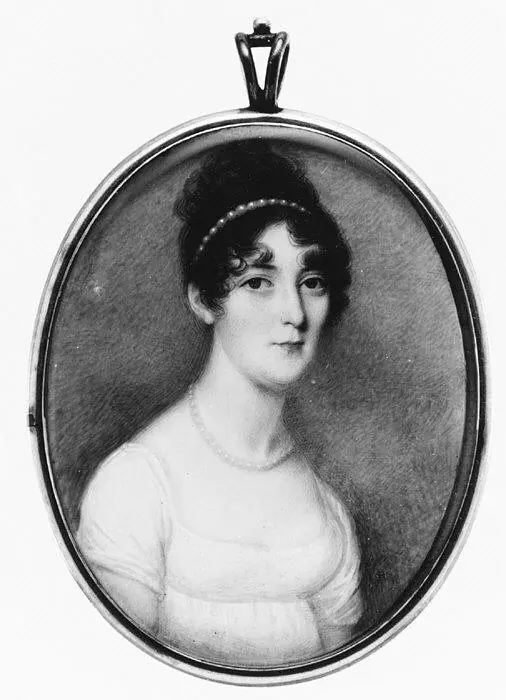
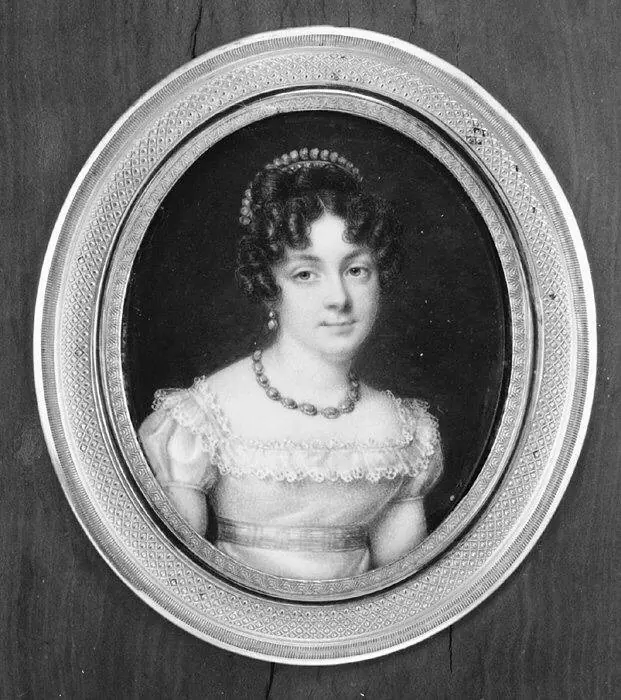
Portrait of a Woman is an unspecified painting by the Neoclassicist artist Jean-Urbain Guérin. It dates from 1815 and is held in the collection of the Metropolitan Museum of Art.
About this work
History & Provenance
The portrait is held by the Metropolitan Museum of Art, New York, where it is recorded under accession number 1975.
The portrait was created in 1815 by the French artist Jean‑Urbain Guérin. It depicts an unidentified woman and measures approximately 59 cm in height by 46 cm in width. The work is classified as a portrait painting and, according to the sources, has been part of the collection of the Metropolitan Museum of Art since at least the time of its cataloguing.
No earlier owners, commission details, or subsequent transfers are recorded in the available sources, so the known provenance begins with its creation and ends with its present location at the Met.
The portrait is held by the Metropolitan Museum of Art, New York, where it is recorded under accession number 1975.1.207. It was painted in 1815 by Jean-Urbain Guérin. The museum’s records describe the work as a portrait of a woman, measuring 59 cm in height and 46 cm in width.
Overview
Jean-Urbain Guérin, a prominent French miniaturist and draughtsman of his era, created Portrait of a Woman in 1815. This painting exemplifies the Neoclassical aesthetic prevalent during the early 19th century, characterized by its refined composition and understated grace. Guérin was recognized for his skilled portraiture, and this work, now part of The Metropolitan Museum of Art's collection, showcases his distinctive approach to capturing individual likenesses within a classical framework.
Subject & Meaning
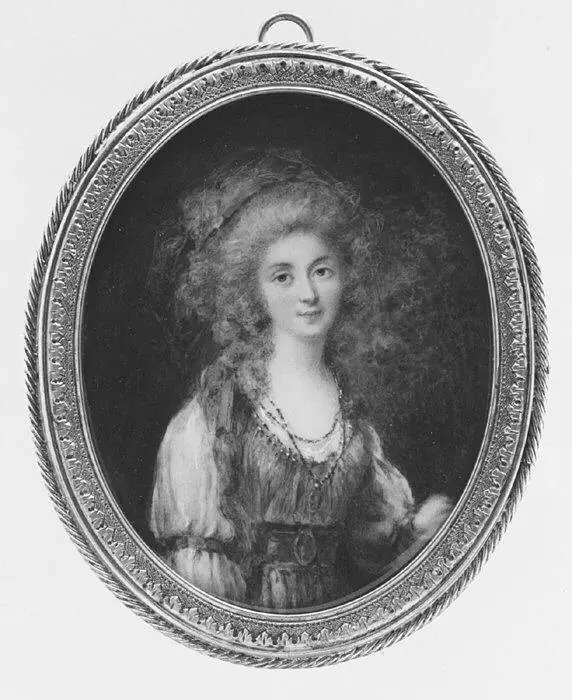
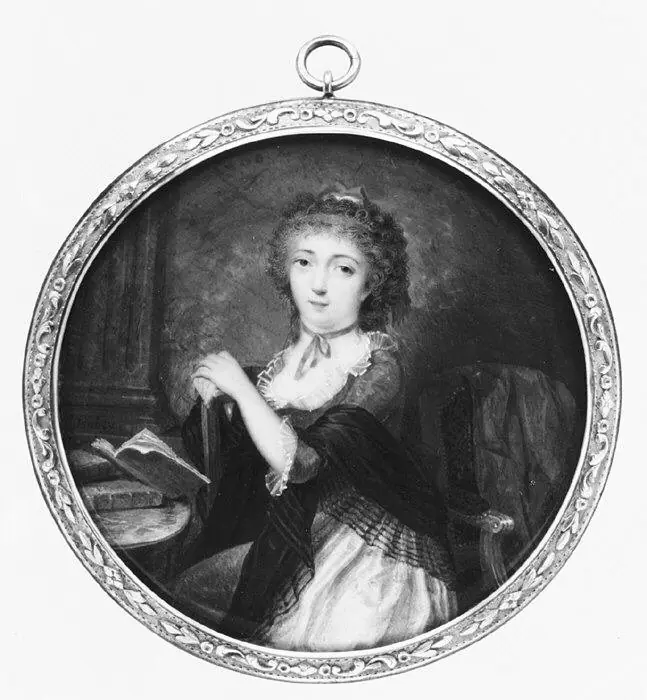
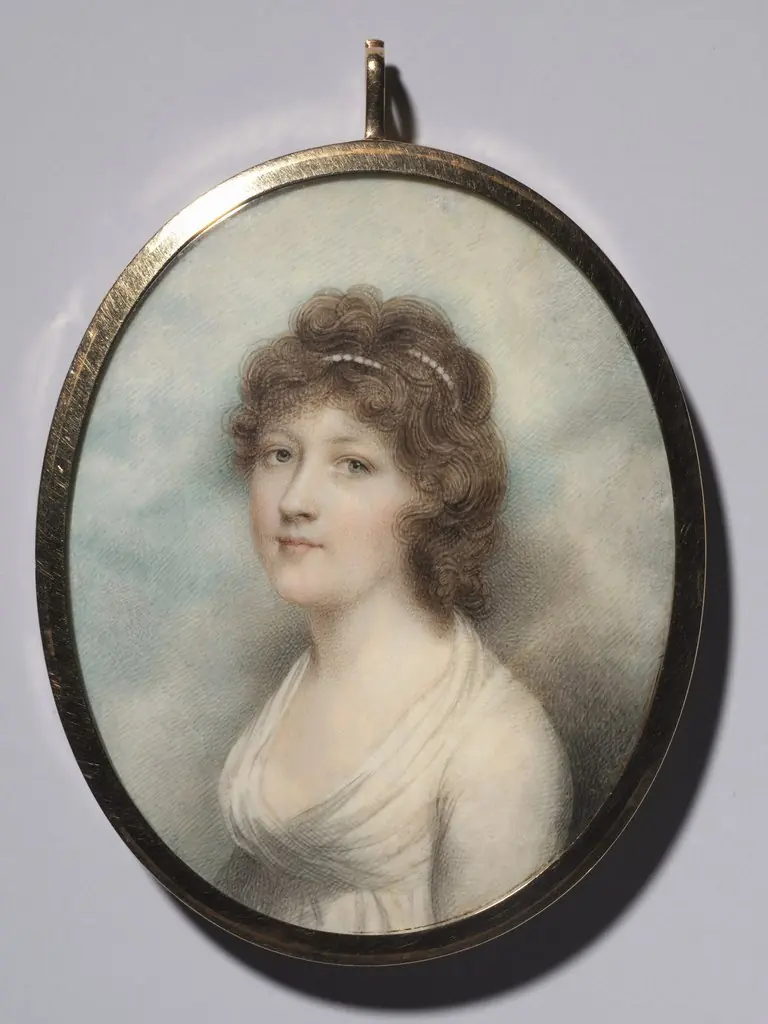
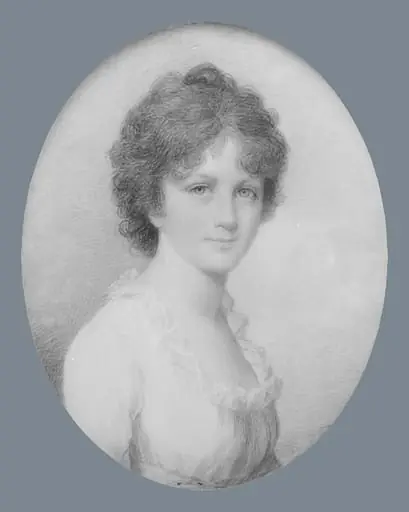
The painting presents an unidentified woman within a circular frame, depicted from the chest up with her head subtly turned to the right. Her curly hair frames a face set against a dark background, a compositional choice that accentuates her features. She wears a white dress featuring puffy sleeves and a low neckline, contributing to an overall impression of dignity and refinement. The portrayal emphasizes a timeless elegance rather than specific narrative details.
Technique & Style
Executed in the Neoclassical style, this portrait reflects Guérin's adherence to the period's artistic principles. The artist, celebrated for his miniature and full-scale portraits, employed a clear and balanced composition. The restrained elegance evident in the subject's attire and pose aligns with Neoclassical ideals.
Guérin's technique of using a dark, unadorned background effectively isolates and highlights the sitter, drawing the viewer's attention directly to her expression and form.
Context
Jean-Urbain Guérin was considered among the leading portraitists of his time, often mentioned alongside contemporaries like Jean-Baptiste Isabey and Jacques Augustin. His artistic career spanned a significant period, during which he received commissions from notable figures including Marie-Antoinette, Louis XVI, and Georgiana, Duchess of Devonshire. This historical context underscores Guérin's reputation and his contribution to the Neoclassical tradition of portraiture, capturing the likenesses of both royalty and aristocracy.
Artist & collection
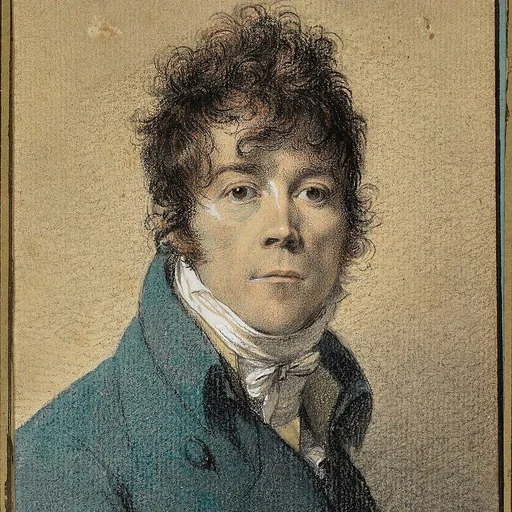
Artist
Jean-Urbain Guérin (French pronunciation:; 1760 – 29 October 1836) was a French draughtsman and miniaturist.