Artwork
Mary Magdalene
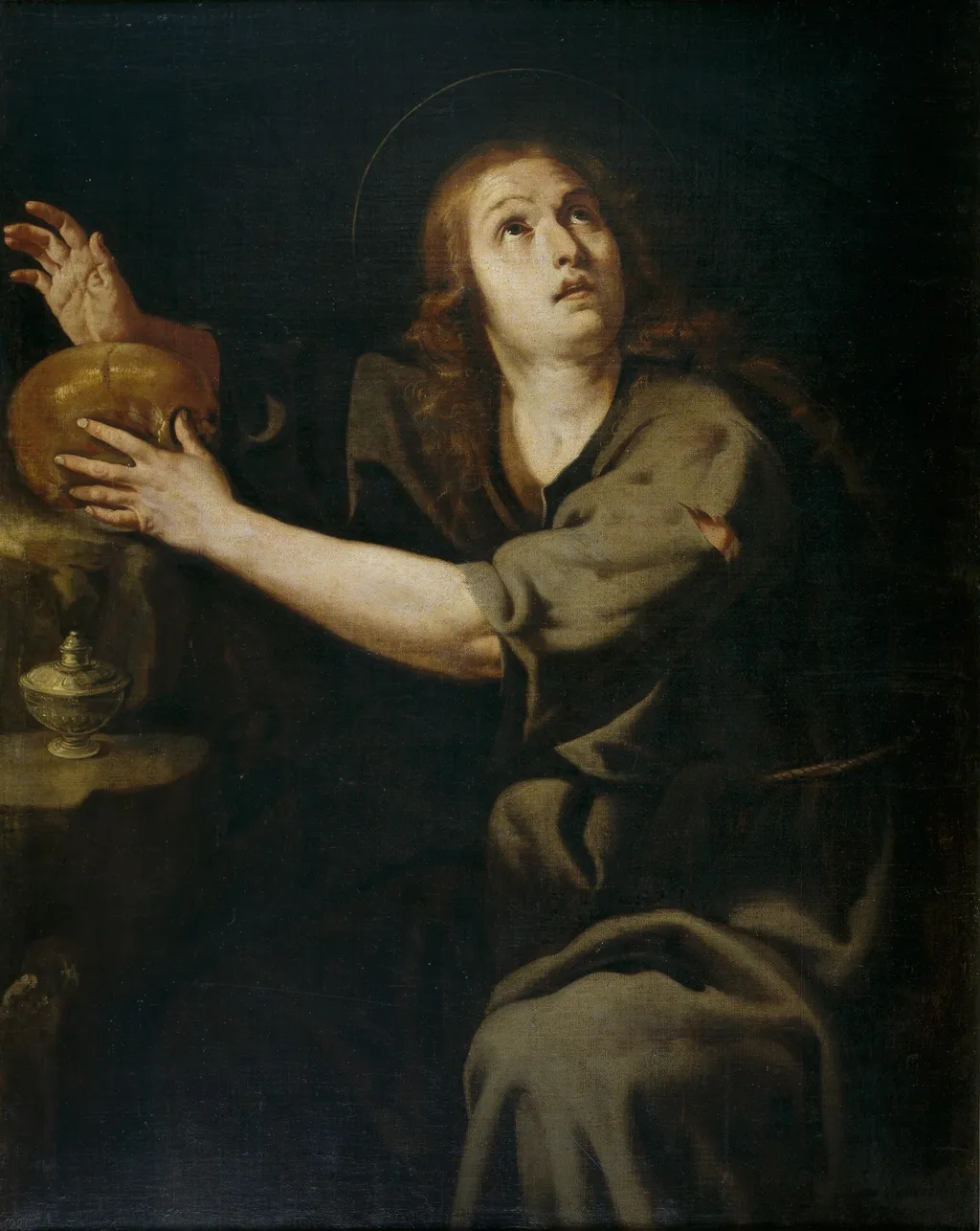
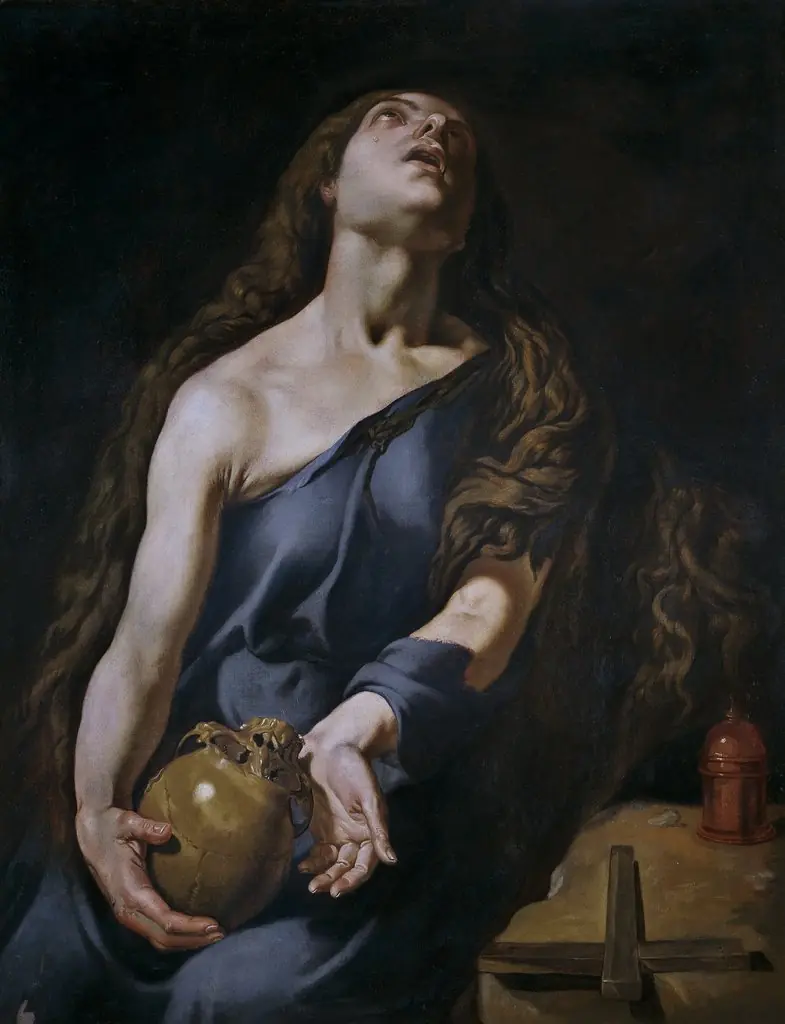
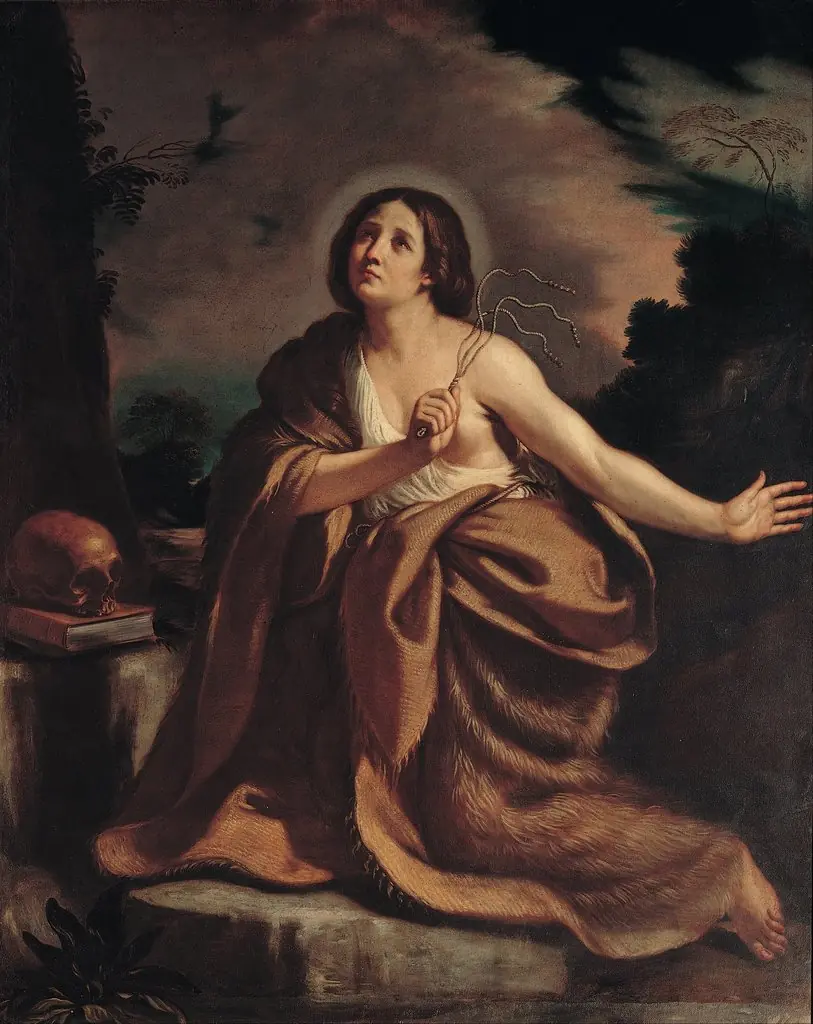
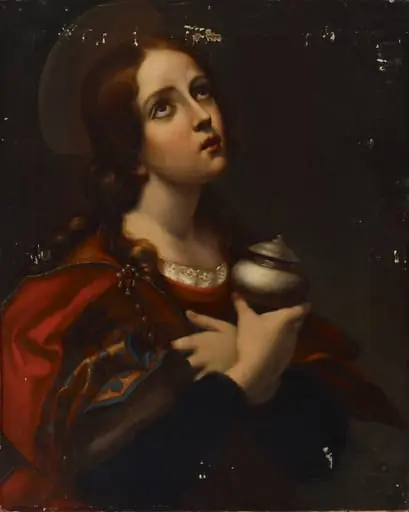
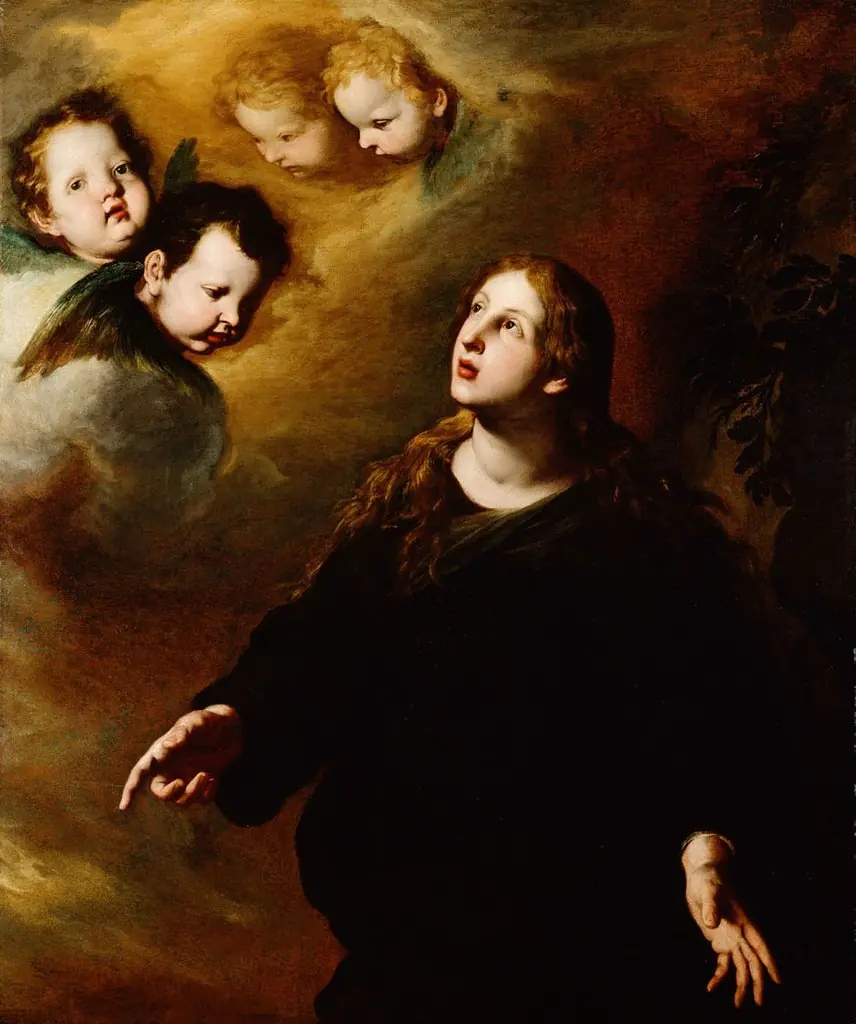
Mary Magdalene is an oil painting by the Early Baroque Italian artist Jerónimo Jacinto de Espinosa. It dates from 1640 and is held in the collection of the Museo del Prado.
About this work
Subject & Meaning
The painting depicts Mary Magdalene as its main subject, executed in the genre of religious art by Jerónimo Jacinto de Espinosa.
The painting depicts Mary Magdalene as its main subject, executed in the genre of religious art by Jerónimo Jacinto de Espinosa. Created around 1640, the work portrays the saint as the central figure, consistent with its classification as a religious piece. The iconography focuses entirely on this biblical figure, presenting her as the primary subject of the composition without additional narrative elements specified in the available records.
Technique & Style
Jerónimo Jacinto de Espinosa executed the painting Mary Magdalene using oil paint applied to a canvas support. The work, created around 1640, measures 112 cm in height and 91 cm in width. Classified as religious art, the piece depicts the titular saint and is currently held in the collection of the Museo del Prado. The handling of the medium adheres to the conventions of religious painting from the mid-17th century.
History & Provenance
Mary Magdalene is an oil-on‑canvas painting attributed to Jerónimo Jacinto de Espinosa. The work is dated to circa 1640, although some records also list an inception date around 1650. It has been in the collection of the Museo del Prado since at least the modern era, with no earlier owners or commission details recorded in the available sources.
The painting’s creation history is limited to the artist’s execution of the religious subject in oil on canvas.
The painting is held in the collection of the Museo del Prado, as recorded in the work's structured data. Its medium is oil on canvas, and the canvas measures 112 cm in height by 91 cm in width.
No inventory or accession number is documented in the available sources, and no exhibition history is recorded for the work.
Overview
Mary Magdalene is a 1640 oil painting by Jerónimo Jacinto de Espinosa, a Spanish Baroque artist. The work is part of the Museo del Prado's collection.
Context
Although born in 1600, Espinosa's family moved to Valencia in 1612, influencing his artistic development within the Spanish Baroque tradition, distinct from the Italian Baroque movement he initially worked within.
Legacy
While specific impact details are scarce, Mary Magdalene remains a representative example of 17th-century Spanish Baroque religious art, characterized by its use of chiaroscuro and emotive portrayal of a biblical figure.
Own this work as a print
Artist & collection
Artist
Jerónimo Jacinto de Espinosa (18 July 1600 – 20 February 1667) was a Spanish Baroque painter.