Artwork
Saint John the Baptist
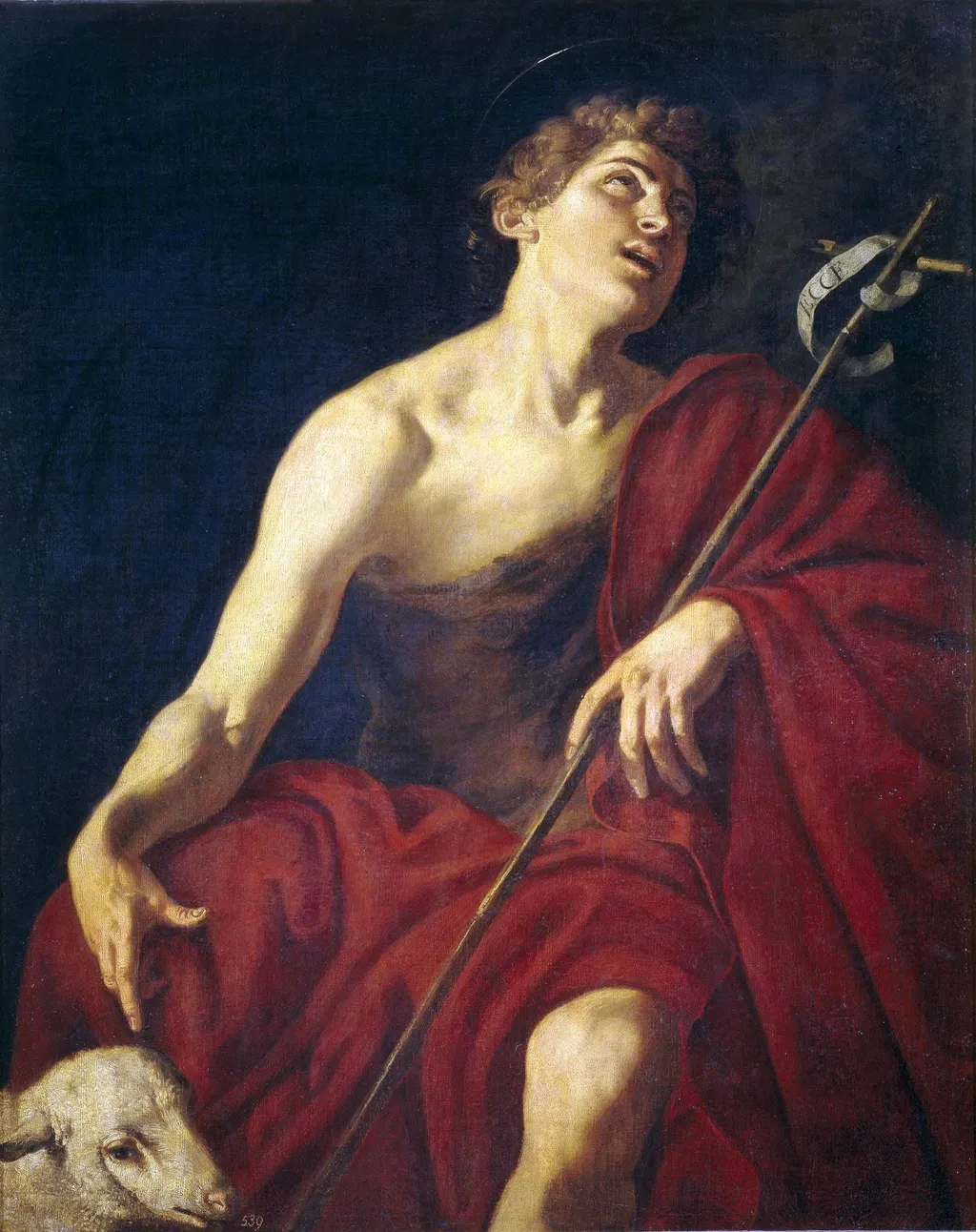
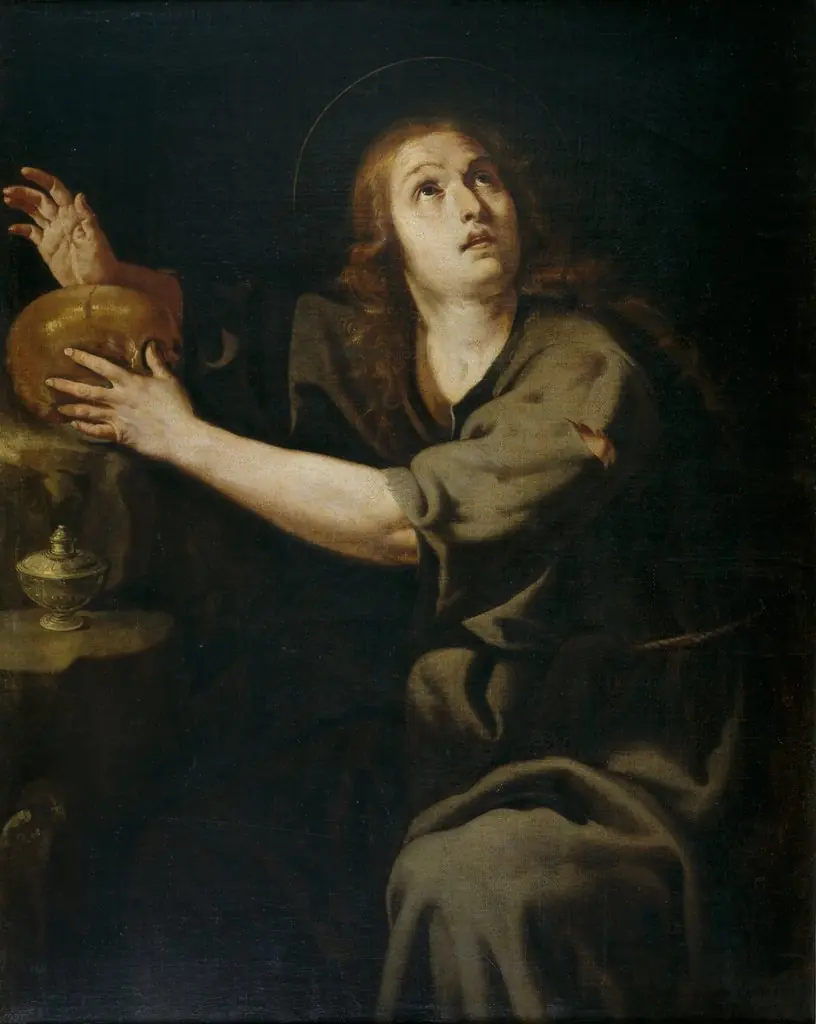
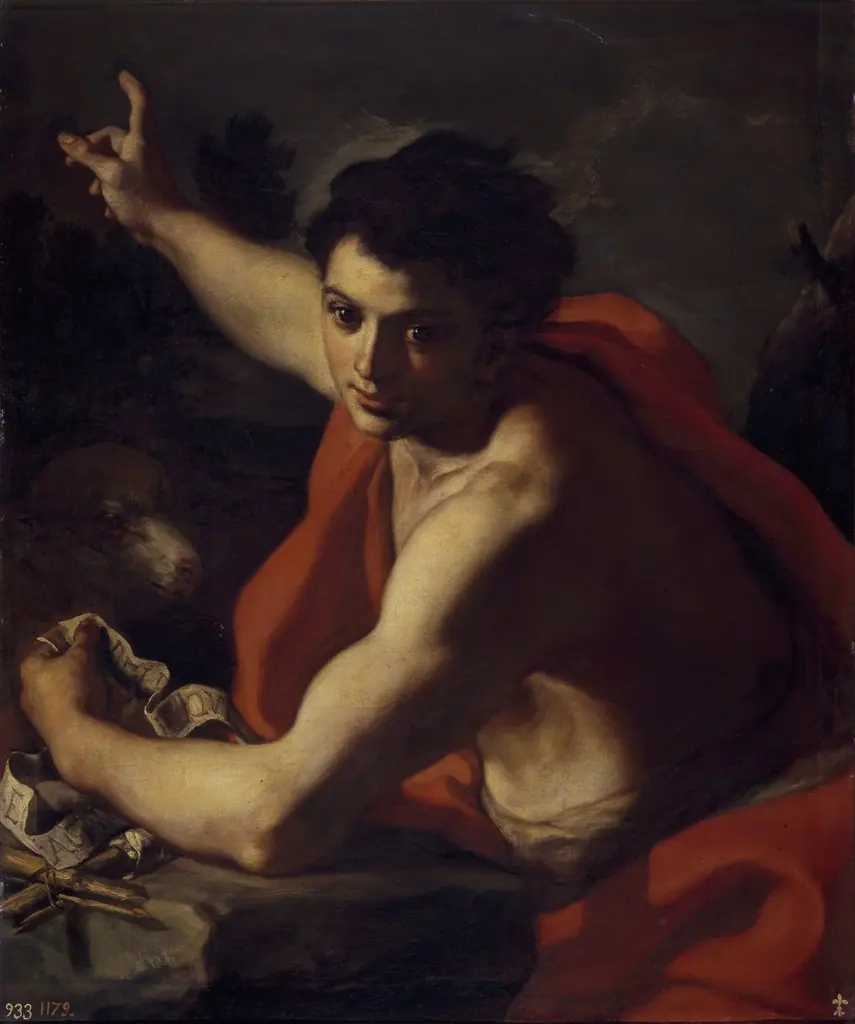
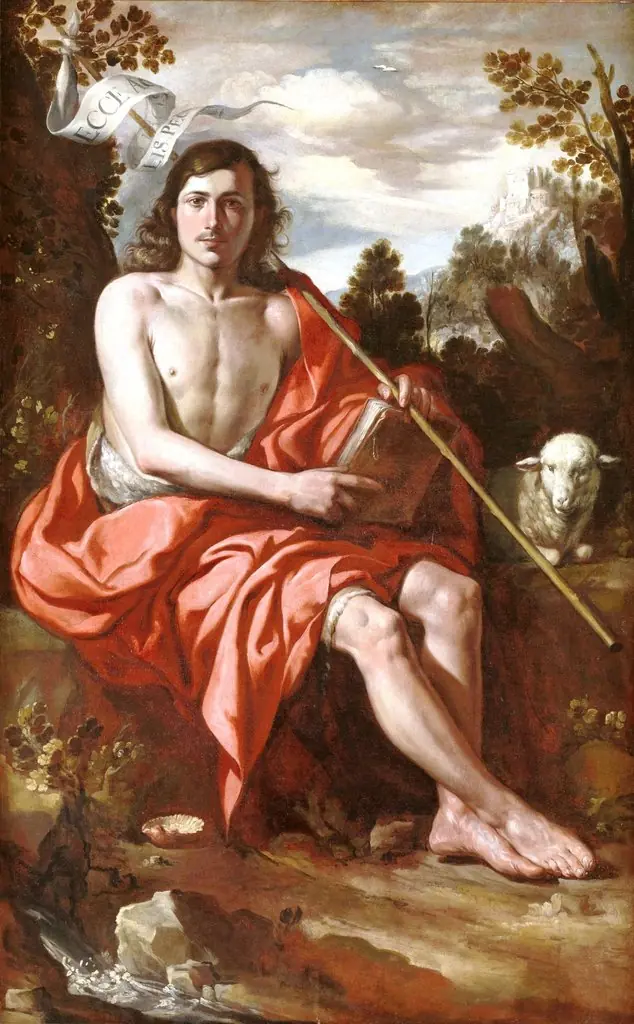
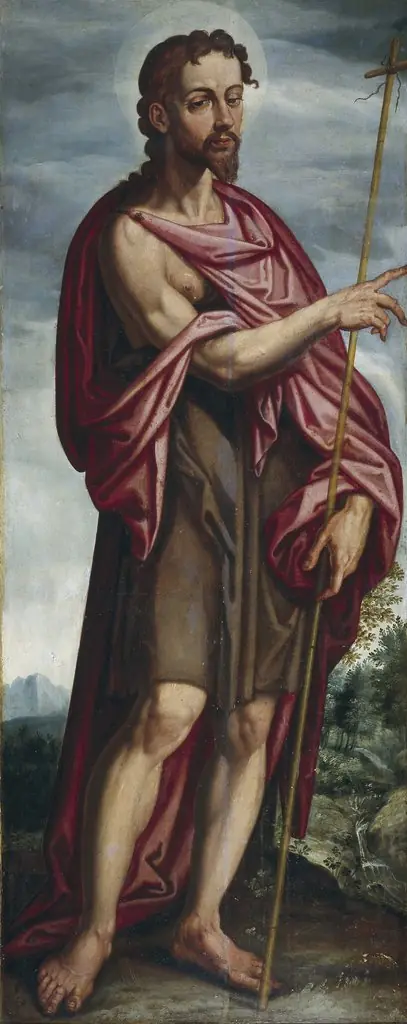
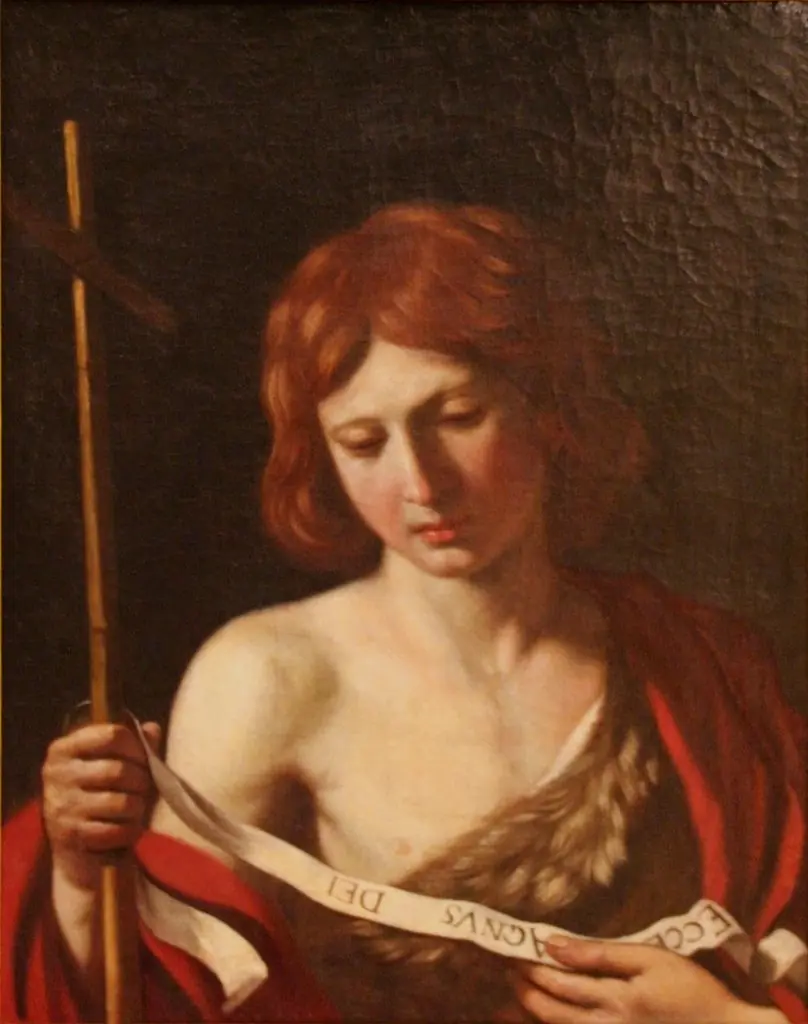
Saint John the Baptist is an oil painting by the Early Baroque Italian artist Jerónimo Jacinto de Espinosa. It dates from 1645 and is held in the collection of the Museo del Prado.
About this work
Subject & Meaning
The work portrays John the Baptist as a solitary figure clothed in animal skins, holding a crucifix that symbolizes his ascetic life and prophetic role.
The work portrays John the Baptist as a solitary figure clothed in animal skins, holding a crucifix that symbolizes his ascetic life and prophetic role. The composition emphasizes his contemplative gaze and the stark lighting that underscores his spiritual isolation, reflecting Counter-Reformation ideals of personal devotion and martyrdom. The painting’s iconography aligns with traditional depictions of the saint while integrating naturalistic detail characteristic of 17th‑century Spanish religious art.
The subject is identified as John the Baptist, a figure associated with baptism, repentance, and foretelling the coming of Christ. The crucifix and animal skin attribute reinforce his asceticism and prophetic mission, themes that were central to Counter‑Reformation visual theology. These symbolic elements convey a theological message of sacrifice and divine preparation for salvation.
The painting was created by Jerónimo Jacinto de Espinosa in 1645 and is housed in the Museo del Prado, where it remains part of the royal collection originally assembled by Ferdinand VII of Spain. Its subject matter and iconography reflect the devotional practices of the Spanish Baroque period, emphasizing personal piety and the saint’s role as a precursor to Christ.
Technique & Style
The work is an oil painting executed on canvas, measuring 112 cm in height and 91 cm in width. It portrays John the Baptist in a devotional composition typical of Spanish Baroque religious art. The painting's surface bears the characteristic handling of oil on canvas, with visible brushwork that defines the figure's drapery and facial features. Its condition remains stable, reflecting careful preservation within the Museo del Prado's collection.
History & Provenance
Saint John the Baptist is an oil-on-canvas painting by Jerónimo Jacinto de Espinosa, dated 1645. The work later entered the collection of Ferdinand VII of Spain, and is now held by the Museo del Prado, where it has been associated with the Royal Palace of Aranjuez. The sources document its creation date and subsequent royal and institutional ownership, but do not record the circumstances of its original commission or any intermediate owners between the seventeenth century and its appearance in the Spanish royal collection.
The painting measures 112 cm in height by 91 cm in width and depicts John the Baptist as its main subject, consistent with its classification as a religious work.
Saint John the Baptist by Jerónimo Jacinto de Espinosa is held by the Museo del Prado in Madrid, where it forms part of the museum's collection. According to the Wikidata record, the painting is associated with the Royal Palace of Aranjuez, and it was formerly owned by Ferdinand VII of Spain before entering the Prado's holdings. No specific inventory or accession number is recorded in the available sources, and no exhibition history is documented.
Legacy
The painting Saint John the Baptist by Jerónimo Jacinto de Espinosa, created in 1645, has been housed in the Museo del Prado since its acquisition by Ferdinand VII of Spain. Its inclusion in the royal collection helped preserve the work through periods of political upheaval, ensuring continued public access. Today the canvas is celebrated for its striking chiaroscuro and devotional intensity, qualities that have shaped scholarly assessments of Spanish Baroque religious painting and reinforced the artist’s reputation within the canon of 17th‑century Iberian art.
The legacy of this artwork extends beyond the museum walls, influencing later interpretations of the Baptist figure in Spanish visual culture and inspiring reproductions in devotional prints of the 18th century.
Researchers cite its provenance and iconography as key references for understanding the transmission of Counter‑Reformation imagery in Spain.
Overview
Saint John the Baptist is a 1645 oil painting by Spanish Baroque artist Jerónimo Jacinto de Espinosa. The work is part of the Museo del Prado's collection and exemplifies the early Baroque Italian movement's stylistic influences on Spanish art.
Context
While influenced by the early Baroque Italian movement, the painting represents the adaptation of these artistic trends in 17th-century Spain, characteristic of the country's Baroque period.
Own this work as a print
Artist & collection
Artist
Jerónimo Jacinto de Espinosa (18 July 1600 – 20 February 1667) was a Spanish Baroque painter.