Artwork
Landscape with Ruins (recto, from sketchbook)
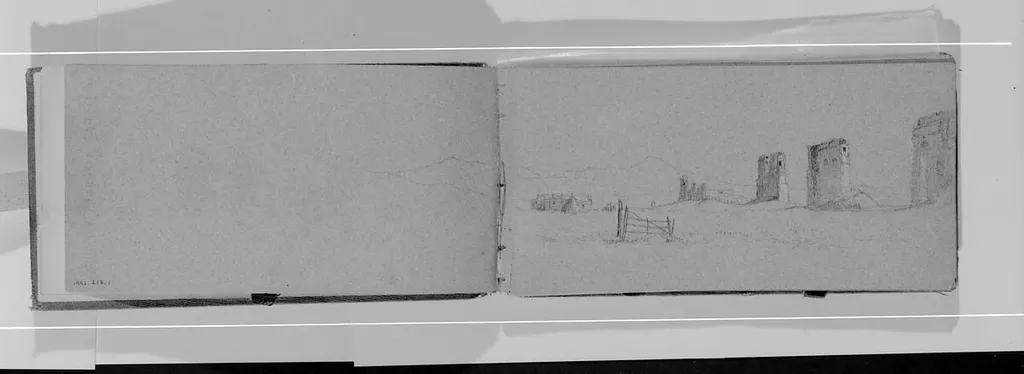
Landscape with Ruins (recto, from sketchbook) is a gouache drawing by the Impressionist artist Jervis McEntee. It dates from 1869 and is held in the collection of the Metropolitan Museum of Art. Created in 1869, this drawing combines graphite with white gouache on a blue wove paper support.
About this work
Subject & Meaning
The juxtaposition of decaying architecture with expansive scenery conveys a symbolic meditation on transience and the passage of time.
The drawing shows a solitary ruin set within an open landscape, suggesting contemplation of past civilizations amid nature. The juxtaposition of decaying architecture with expansive scenery conveys a symbolic meditation on transience and the passage of time. McEntee’s careful rendering of the crumbling walls emphasizes the quiet dignity of forgotten structures, inviting viewers to reflect on historical memory and the fleeting nature of human achievement.
Technique & Style
Graphite and white gouache on blue-wove paper, this recto drawing from a sketchbook records a landscape with ruins. It was created in 1869 by Jervis McEntee, a member of the American Hudson River School, and exemplifies his meticulous draftsmanship and atmospheric rendering of topography. The work belongs to the landscape genre and is part of the collection at the Metropolitan Museum of Art, where it is catalogued in the American Wing.
The drawing employs a combination of precise graphite lines and opaque white gouache to suggest light and depth over crumbling architectural forms. Its handling reflects academic conventions of 19th‑century American landscape studies, balancing topographical accuracy with poetic ambience. The composition emphasizes spatial recession through layered washes and delicate shading, while the stylistic handling of foliage and masonry reveals McEntee’s synthesis of European precedents and native scenery.
History & Provenance
Landscape with Ruins (recto, from sketchbook) is held by the Metropolitan Museum of Art in New York, where it is classified within the American Wing. The work, created by Jervis McEntee in 1869, is executed in graphite and white gouache on blue wove paper. While the sources confirm the museum's possession and the artwork's creation date, they do not provide a specific inventory or accession number for the piece. Additionally, the available documentation does not record any past or planned exhibition history for this specific drawing.
Overview
Created in 1869, this drawing combines graphite with white gouache on a blue wove paper support. The composition presents a gentle hillside scattered with weathered stone walls and sparse trees, rendered in a subdued palette that emphasizes the atmospheric quality of the scene.
Context
Produced during the later phase of the Hudson River School, the work reflects the movement’s enduring interest in depicting the American wilderness alongside subtle signs of civilization. Its modest scale and sketch-like execution illustrate the practice of on-site recording that artists used to develop larger studio compositions.
Artist & collection

Artist
Jervis McEntee (July 14, 1828 – January 27, 1891) was an American painter of the Hudson River School.

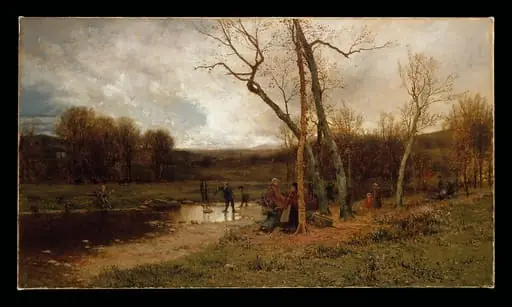 Saturday Afternoon
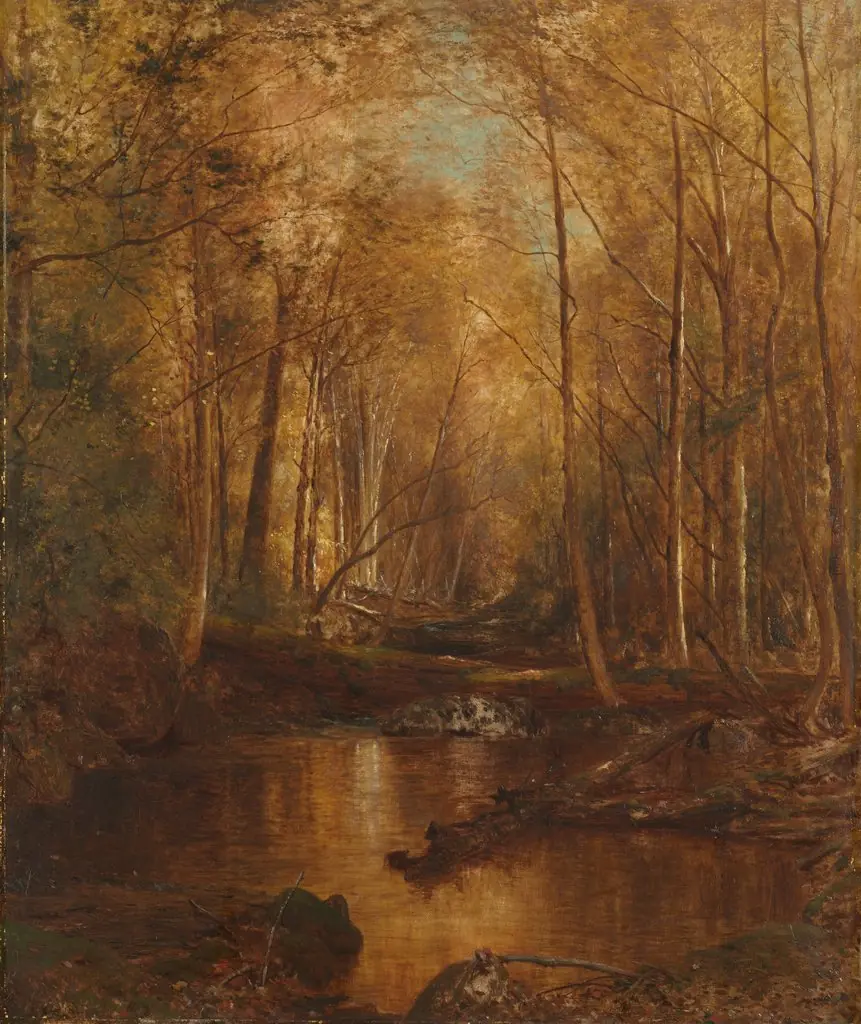 Autumn in the Catskills
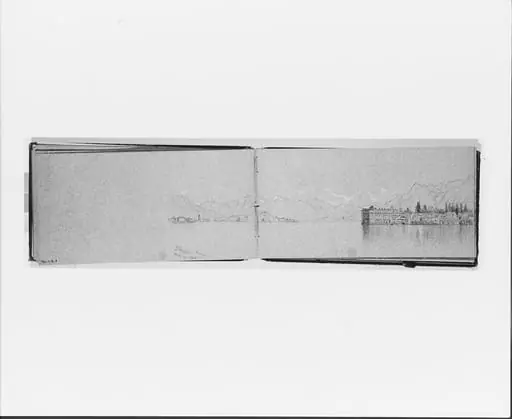 Lake Maggiore May 12 1869 (recto, from sketchbook)
![Village, Mountains, and Lake [Maggiore?] (recto, from sketchbook), by Jervis McEntee](https://artifactworldgallery.com/img/jervis-mcentee--village-mountains-and-lake-maggiore-recto-from-sketchbook--3cfb09e258099ce7-w320.webp) Village, Mountains, and Lake [Maggiore?] (recto, from sketchbook)
Village, Mountains, and Lake [Maggiore?] (recto, from sketchbook)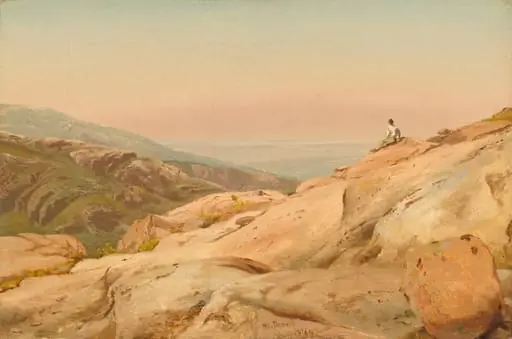 Mount Desert Island, Maine
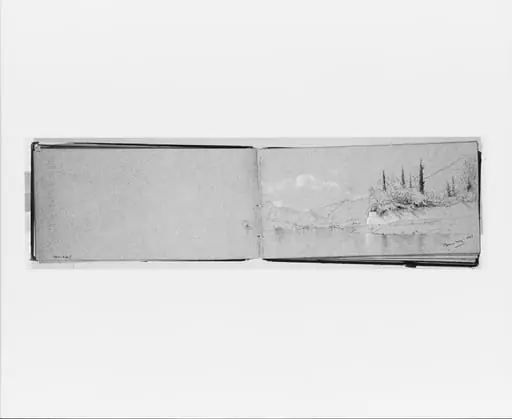 Lake Como, May 1, 1869 (verso, from sketchbook)
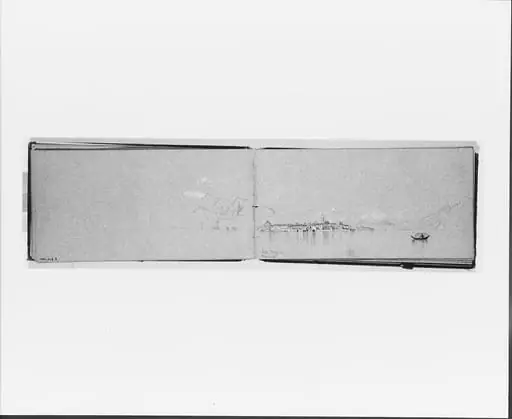 Lake Maggiore, May 11,1869: Village and Landscape (recto, from Sketchbook)
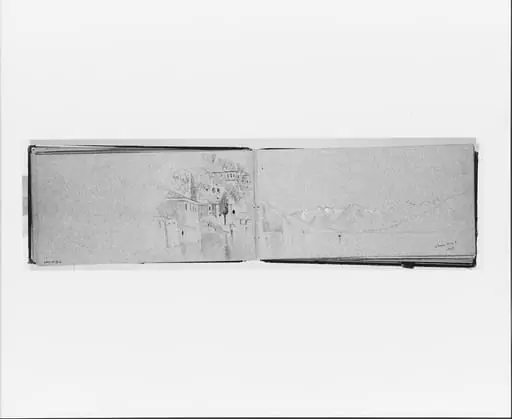 Village on Lake Como: May 1, 1869 (verso, from sketchbook)
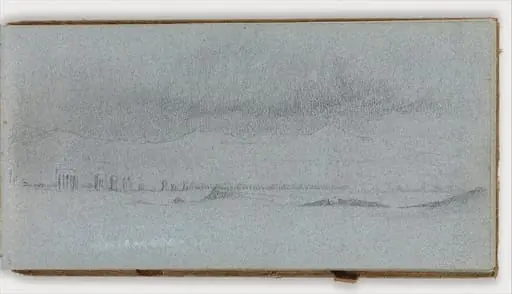 Sketchbook of Italian Landscape Subjects
![Cloud Study; Lake [Maggiore?] and Village (verso, from sketchbook), by Jervis McEntee](https://artifactworldgallery.com/img/jervis-mcentee--cloud-study-lake-maggiore-and-village-verso-from-sketchbook--1f3f39c3005c9a2a-w320.webp) Cloud Study; Lake [Maggiore?] and Village (verso, from sketchbook)
Cloud Study; Lake [Maggiore?] and Village (verso, from sketchbook)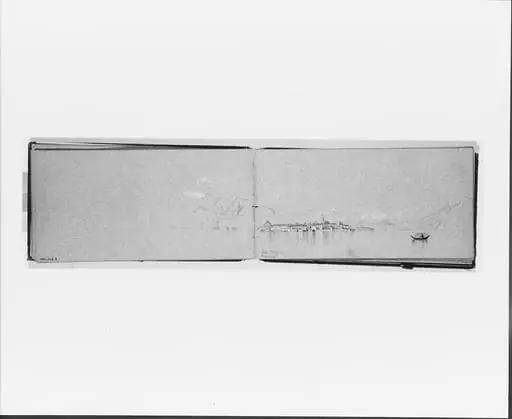 Mountains Overlooking Lake Maggiore, May 11, 1869 (verso, from sketchbook)
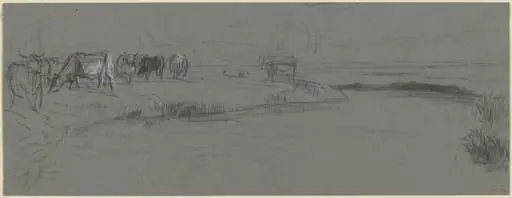 River Bank with Cattle
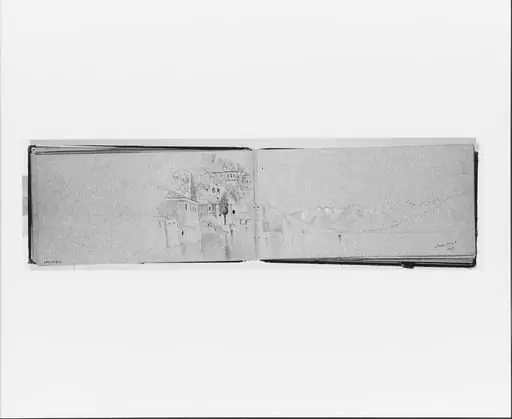 Lake Como, May 1, 1869 (recto, from sketchbook)
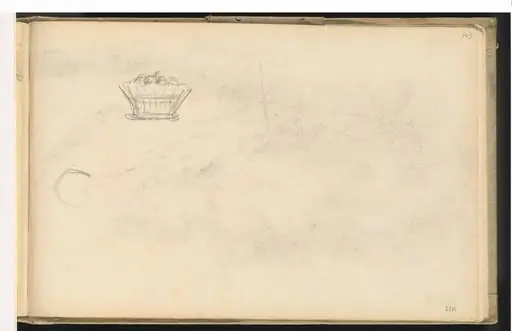 Basket
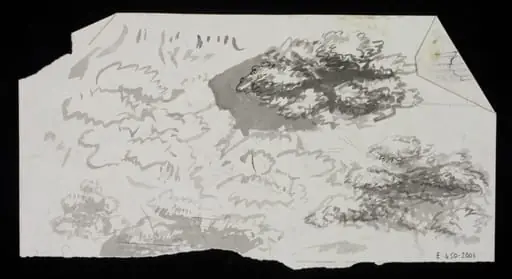 Untitled
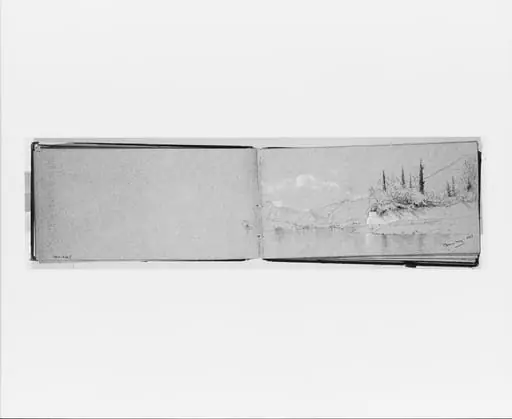 Lake Como, May 1, 1869 (recto, from Sketchbook)
- Outline Sketch of Mountains (verso, from Sketchbook)