Artwork
The Golden Age
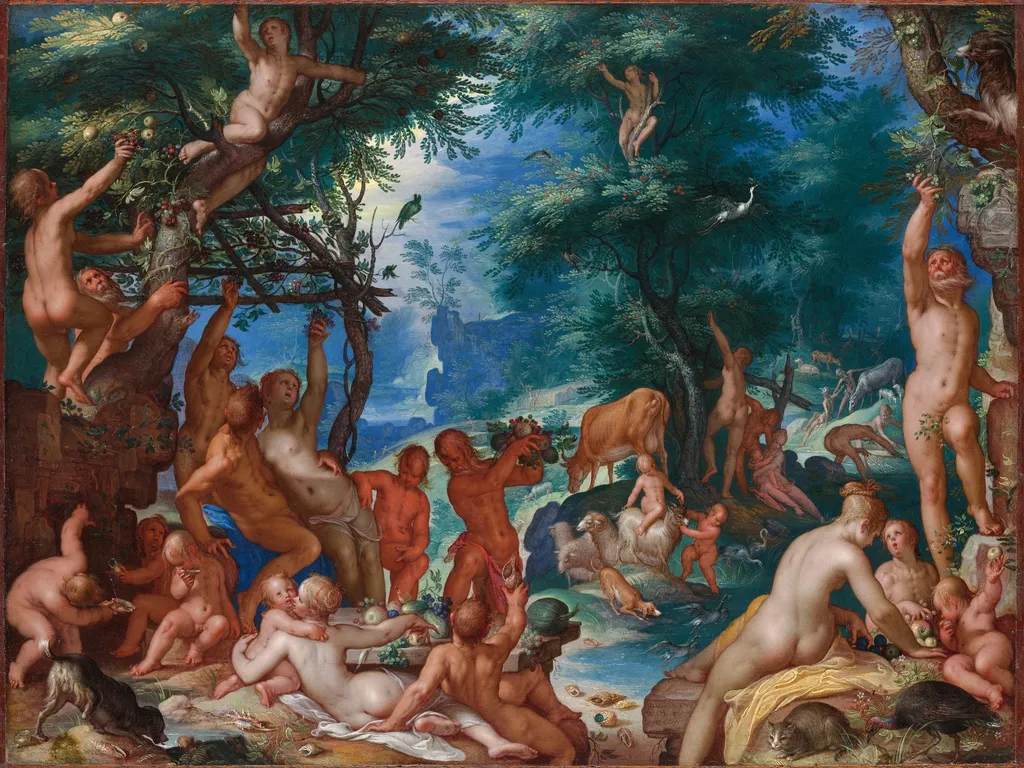
The Golden Age is an oil painting by the Early Baroque Italian artist Joachim Wtewael. It dates from 1605 and is held in the collection of the Metropolitan Museum of Art.
About this work
Subject & Meaning
The work thus embodies the Renaissance revival of classical ideals, representing a moral and aesthetic ideal of harmony between humanity, nature, and the arts.
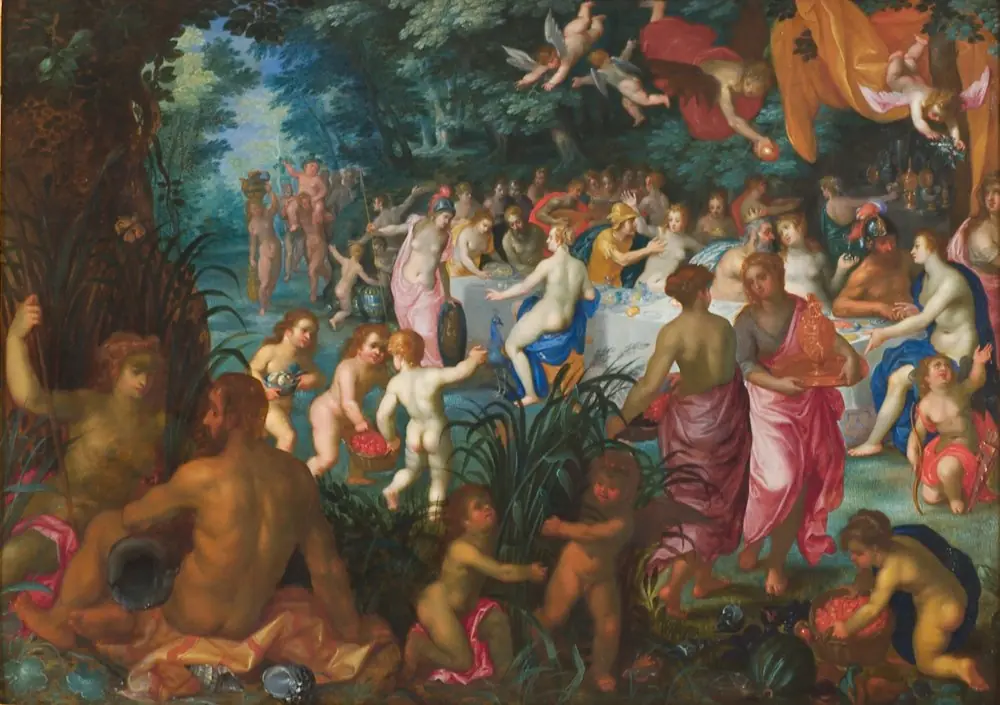
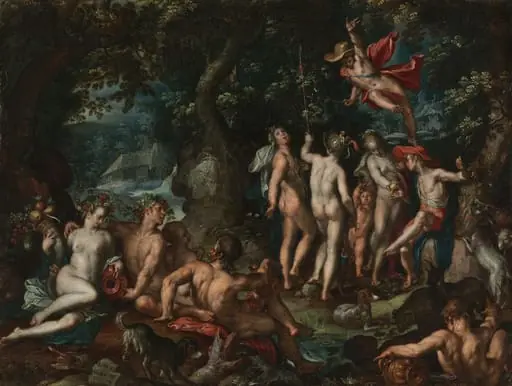
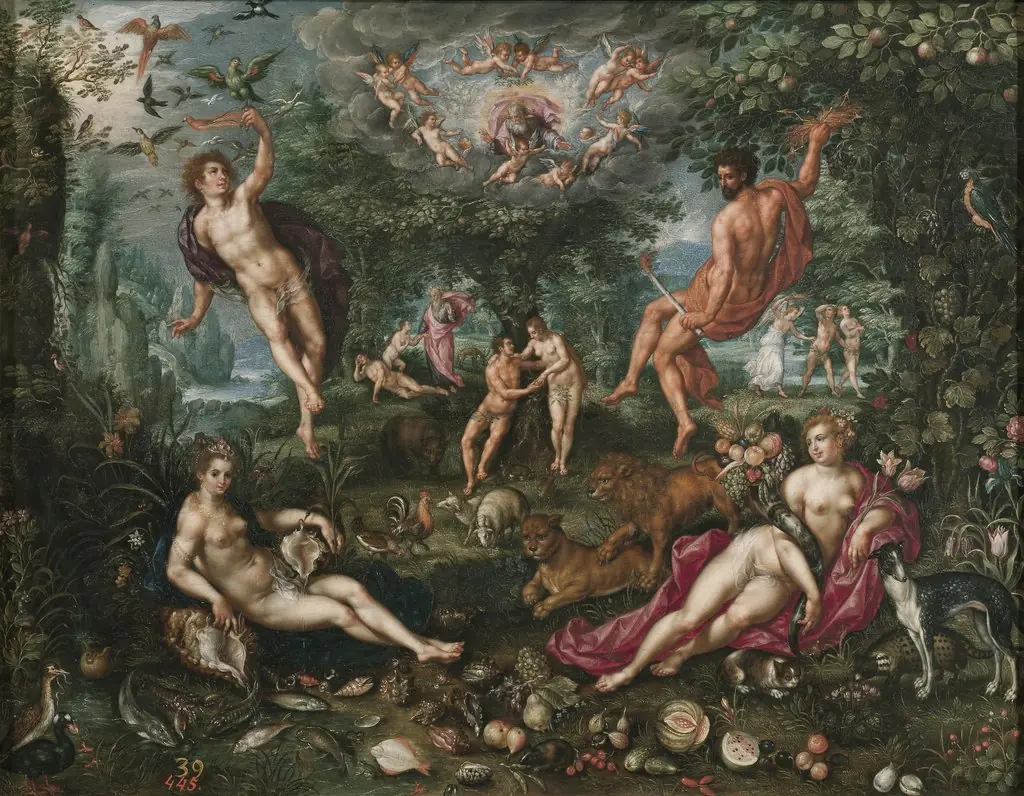
The painting depicts the mythological Golden Age, a classical utopia of peace and abundance. Wtewael’s composition foregrounds nude figures reclining and engaging in leisurely activities beneath a gnarled tree, evoking the idyllic harmony of a lost paradise. Domestic and pastoral animals, cattle, sheep, dogs, and cats, inhabit the scene, reinforcing the theme of nature’s bounty and human coexistence.
Birds perched in the tree and a small dog at lower right contribute to the pastoral atmosphere, while the inclusion of a reclining nude with a lyre suggests the arts’ flourishing in this idealized era. The work thus embodies the Renaissance revival of classical ideals, representing a moral and aesthetic ideal of harmony between humanity, nature, and the arts.
Technique & Style
Painted in 1605 by Joachim Wtewael, the work is executed in oil on copper support, a combination that allowed for exceptionally fine, enamel-like detail and luminous glazes. The small copper panel measures 22.5 cm in height by 30.5 cm in width. Stylistically, the composition aligns with late Mannerist figural contortion and jewel-like coloration; nudes, animals, and landscape elements are rendered with polished surfaces and crisp contours.
The scene’s pastoral content and idealized bodies reflect the period’s mythological vogue, while the copper’s reflective sheen subtly animates the painted forms.
History & Provenance
Joachim Wtewael created The Golden Age in 1605. The artist executed this mythological scene using oil paint on a copper support. The work measures 22.5 by 30.5 units.
While specific details regarding the original commission or early ownership chain are not provided in the available records, the painting is currently held in the collection of the Metropolitan Museum of Art, where it remains located.
Overview
The Golden Age is a painting on copper that depicts an idyllic vision of humanity and nature. The artwork presents a vibrant forest inhabited by numerous nude figures and various animals, all coexisting in apparent harmony. The scene conveys a sense of joy and plentifulness, characterized by its balanced composition and rich color palette. This piece captures a mythological era of peace before human corruption.
Own this work as a print
Artist & collection
Artist
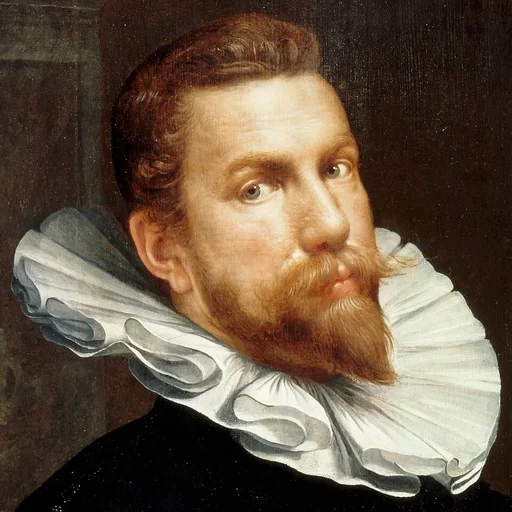
Joachim Anthoniszoon Wtewael (Dutch pronunciation:; 1566 – 1 August 1638), also known as Uytewael (pronounced ), was a Dutch Mannerist painter and draughtsman, as well as a highly successful flax merchant, and town councillor of Utrecht.