Artwork
The Marriage of Peleus and Thetis
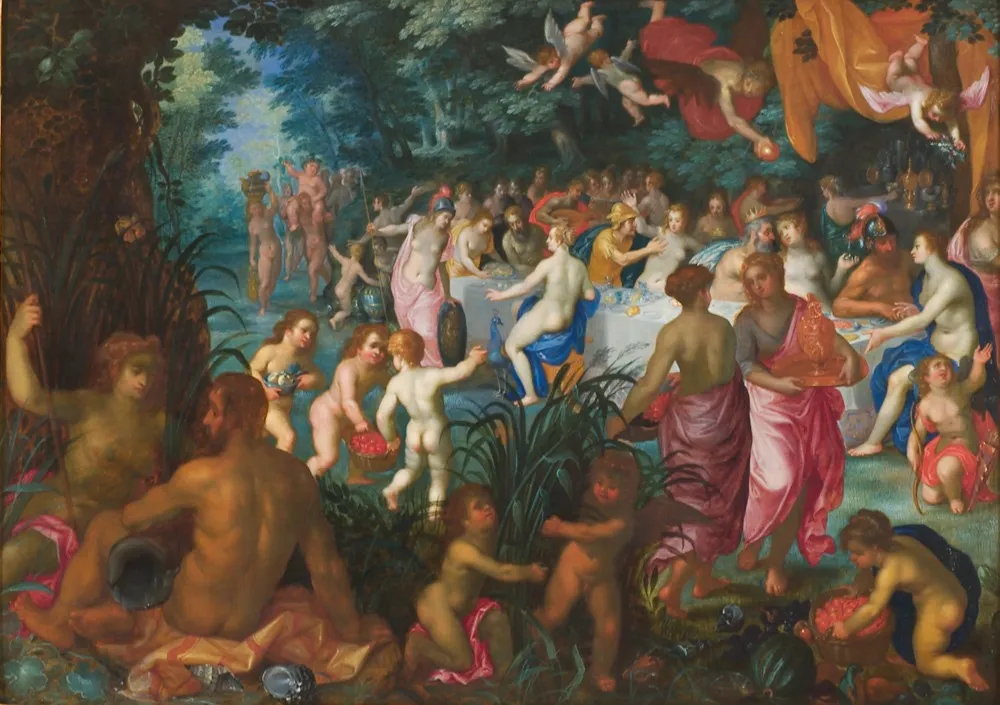
The Marriage of Peleus and Thetis is an unspecified painting by the Flemish Baroque painting artist Jan Brueghel, the elder. It dates from 1604 and is held in the collection of the Statens Museum for Kunst. Jan Brueghel the Elder’s 1604 canvas captures the mythic nuptials of Peleus and Thetis within a densely populated forest setting.
About this work
History & Provenance
While the sources confirm its current location and physical dimensions, no specific inventory or accession number is provided in the available records.
The painting is dated 1604 and attributed to Jan Brueghel the Elder. It entered the Statens Museum for Kunst in Copenhagen as part of the national collection, where it remains housed. No archival evidence links the work to a specific early patron or commissioning record; its early provenance is undocumented.
Jan Brueghel the Elder's 1604 painting, The Marriage of Peleus and Thetis, is held in the collection of the Statens Museum for Kunst. The work is a large-scale mythological canvas measuring 44.5 cm in height and 62.8 cm in width. While the sources confirm its current location and physical dimensions, no specific inventory or accession number is provided in the available records. Furthermore, the provided texts do not contain details regarding the painting's exhibition history.
Overview
Jan Brueghel the Elder’s 1604 canvas captures the mythic nuptials of Peleus and Thetis within a densely populated forest setting. The composition teems with figures, dancers, spectators, and children, arranged around a central banquet table, while winged beings hover above the scene. Bright greens, blues, and warm reds dominate, creating a vivid, bustling atmosphere that intertwines human celebration with the surrounding natural world.
Subject & Meaning
The work illustrates the legendary marriage between the mortal hero Peleus and the sea‑nymph Thetis, a union that in Greek myth foreshadows the birth of Achilles. By populating the scene with both ordinary participants and mythic entities, Brueghel emphasizes the communal significance of the event, suggesting a bridge between the earthly and the divine realms.
Technique & Style
Executed in the Flemish Baroque idiom, the painting showcases Brueguel’s meticulous attention to detail and his skill in rendering intricate textures, from foliage to fabric. The bright palette and dynamic arrangement of figures reflect the influence of his contemporary, Peter Paul Rubens, while the layered composition demonstrates the elder Brueghel’s command of spatial depth and narrative complexity.
Artist & collection
Artist
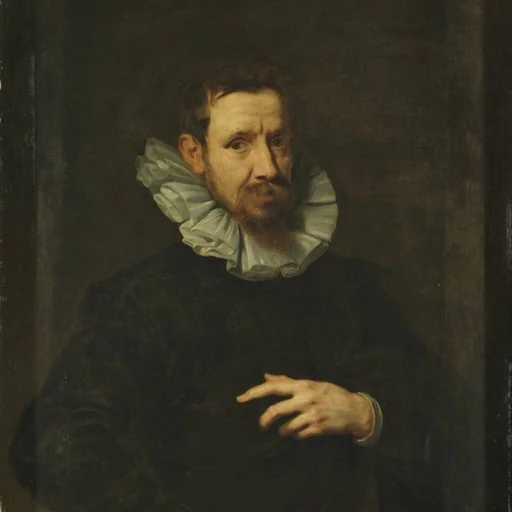
Jan Brueghel the Elder ( BROY-gəl, US also BROO-gəl; Dutch:; 1568 – 13 January 1625) was a Flemish painter and draughtsman.

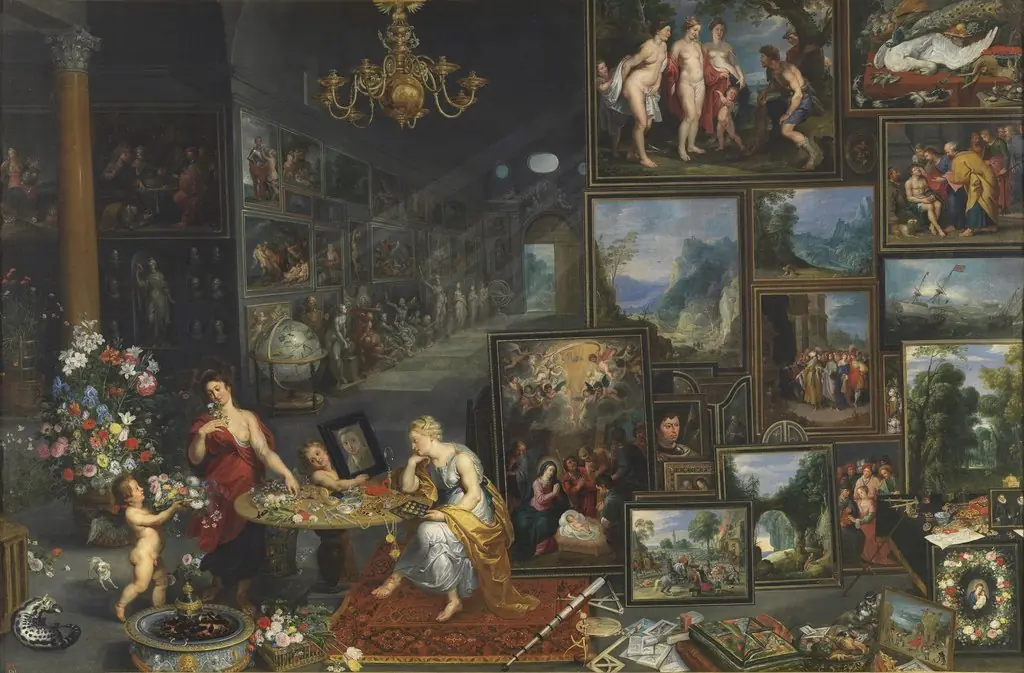
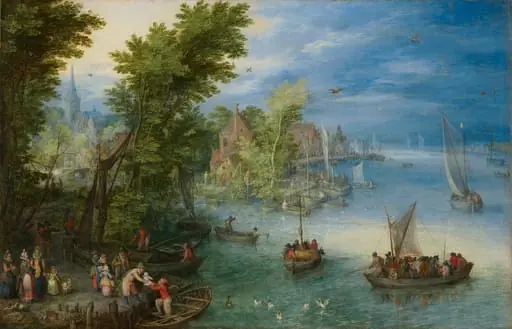
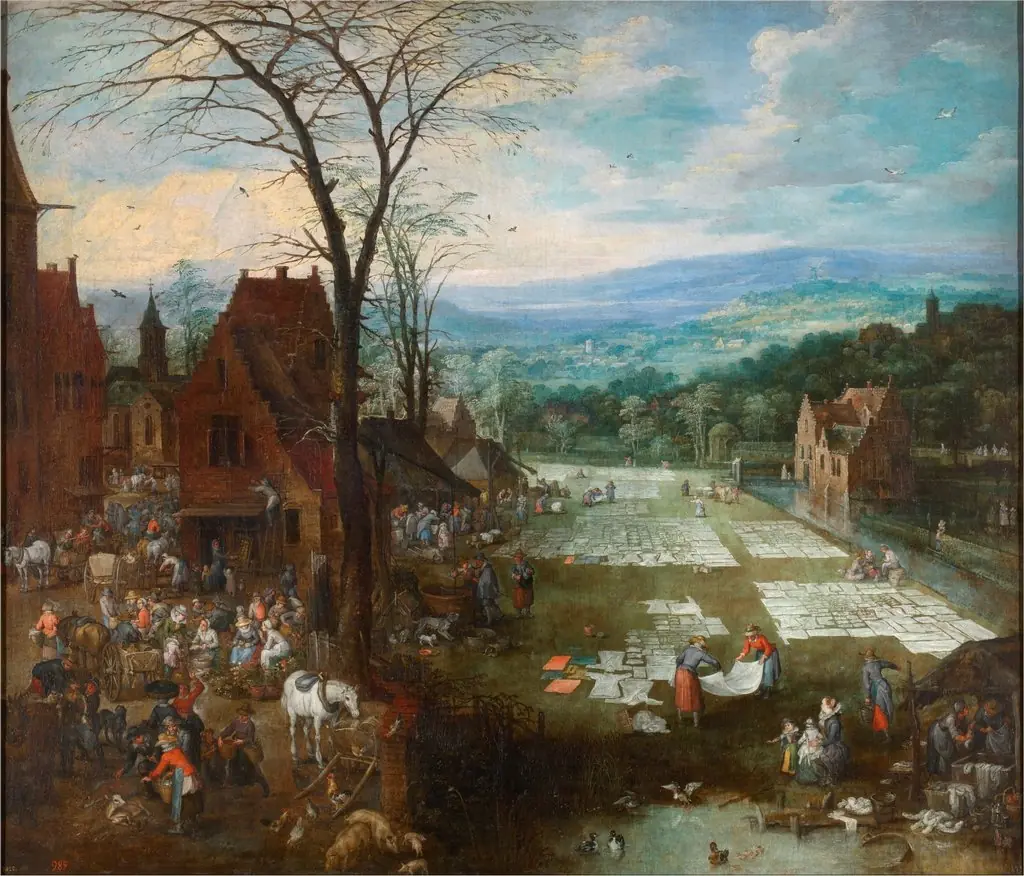
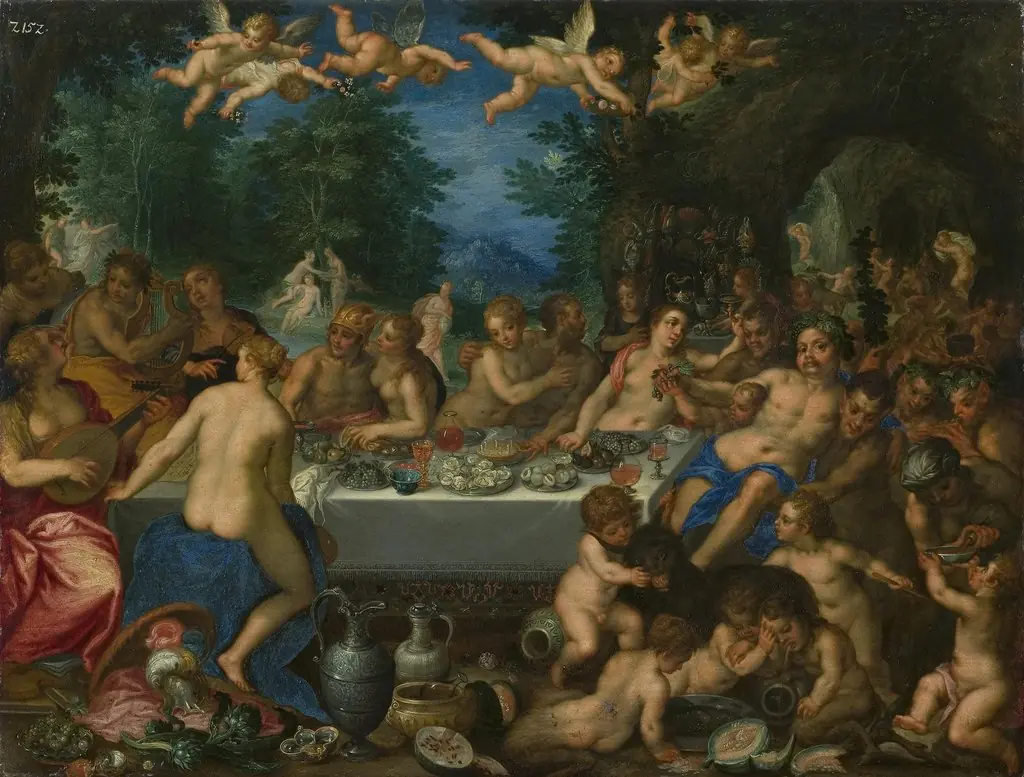
- Feast of the Gods - The Marriage of Peleus and Thetis
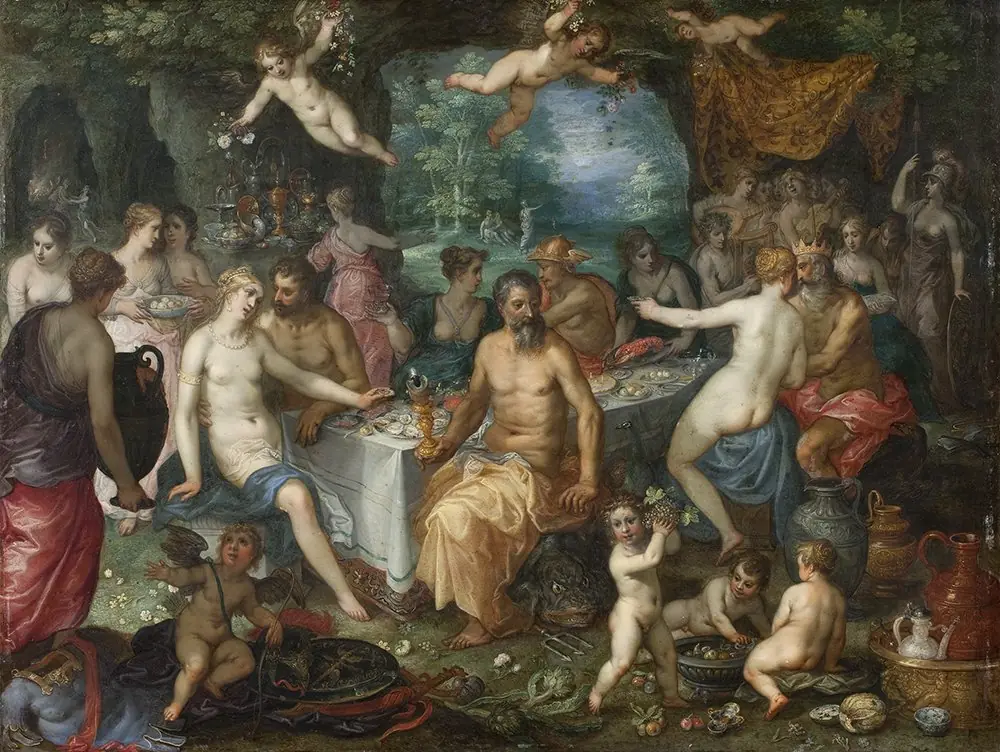 The Feast of the Gods. The Wedding of Peleus and Thetis
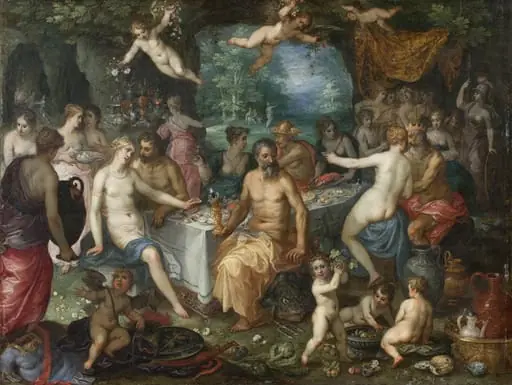 The Feast of the Gods. The Wedding of Peleus and Thetis
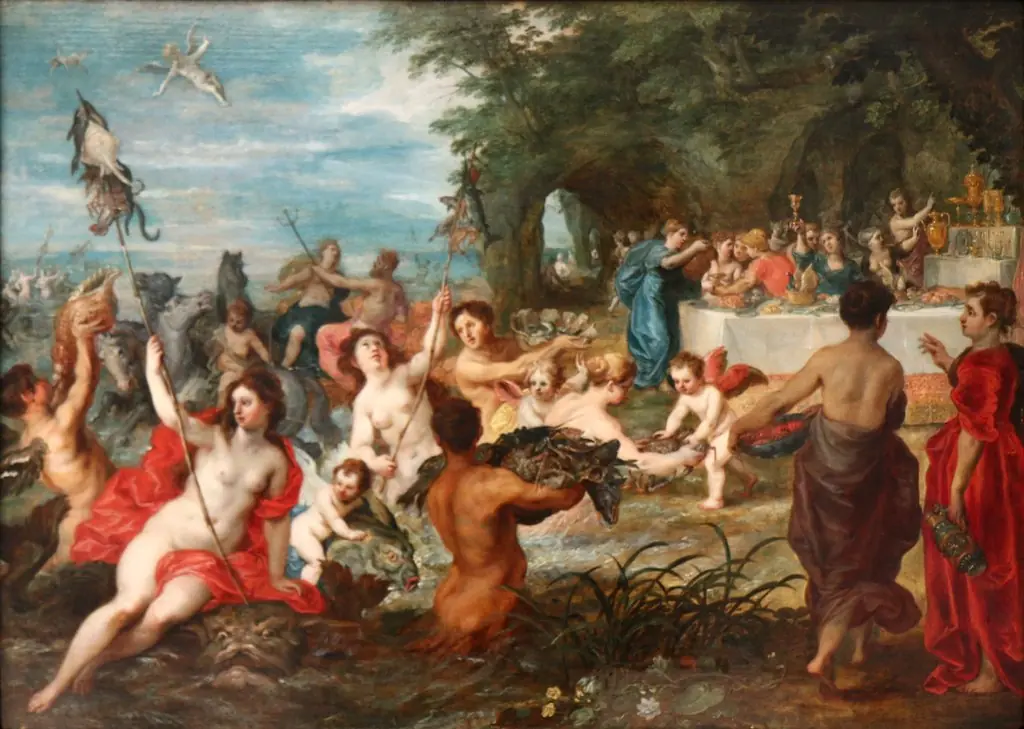 The wedding of Thetis and Peleus
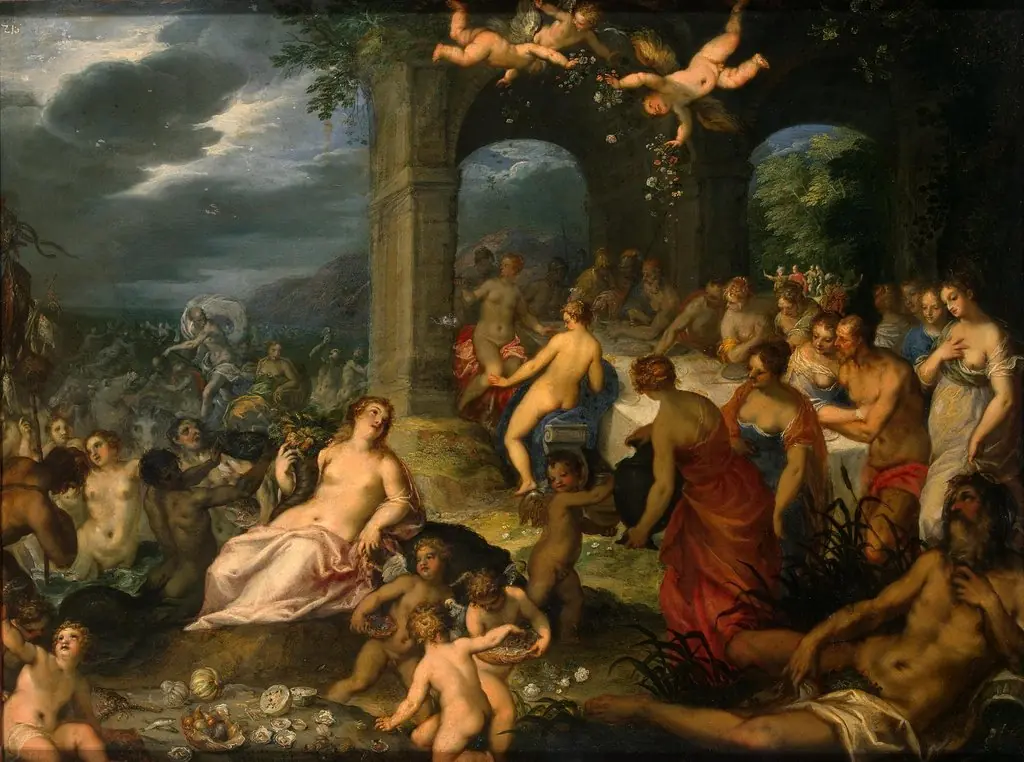 Feast of the Gods (The Marriage of Peleus and Thetis)
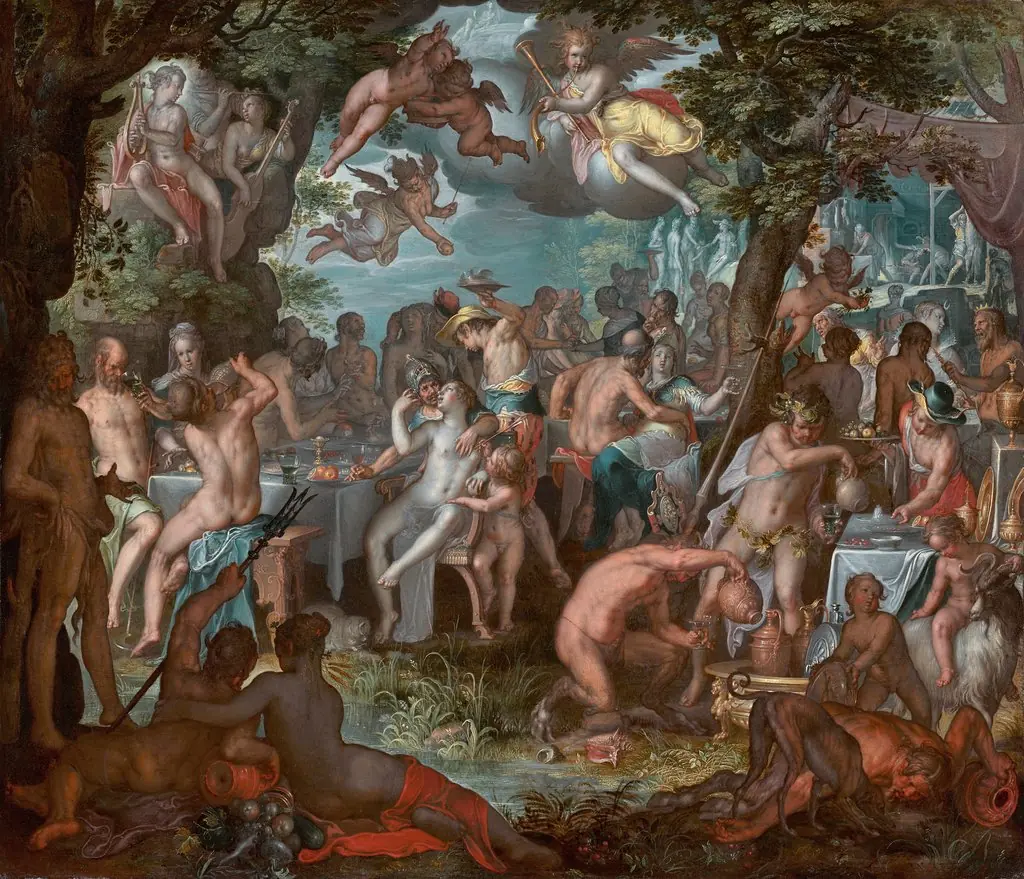 The Wedding of Peleus and Thetis
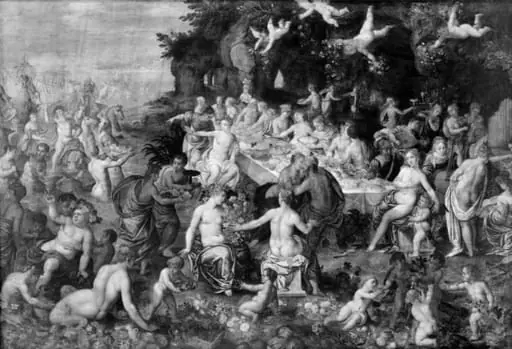 The Banquet of the Gods. The Wedding of Peleus and Thetis
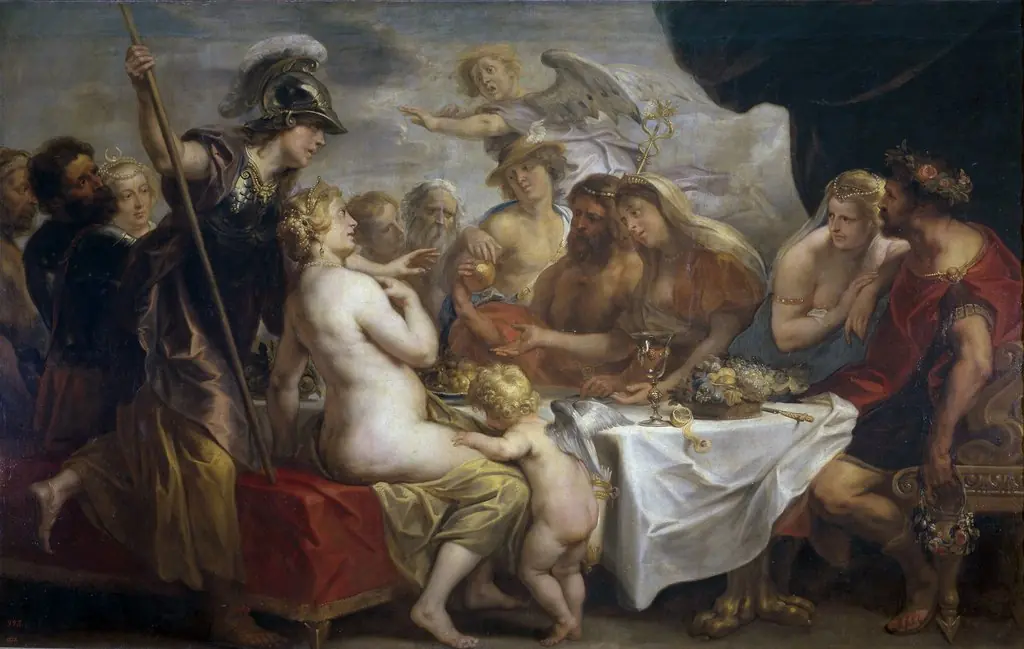 The wedding of Thetis and Peleus
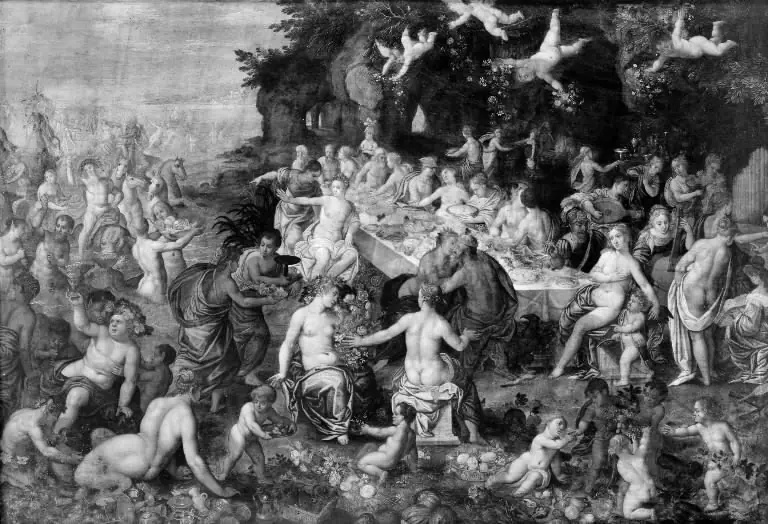 The Banquet of the Gods. The Wedding of Peleus and Thetis
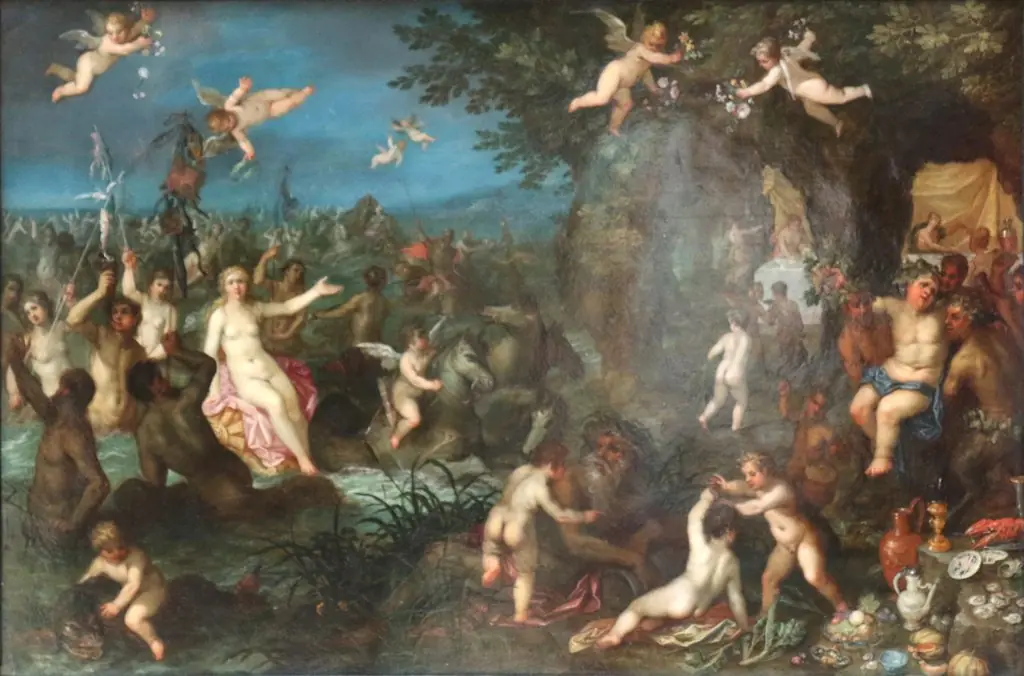 Marriage of Bacchus and Ariadne