Artwork
The Judgment of Paris
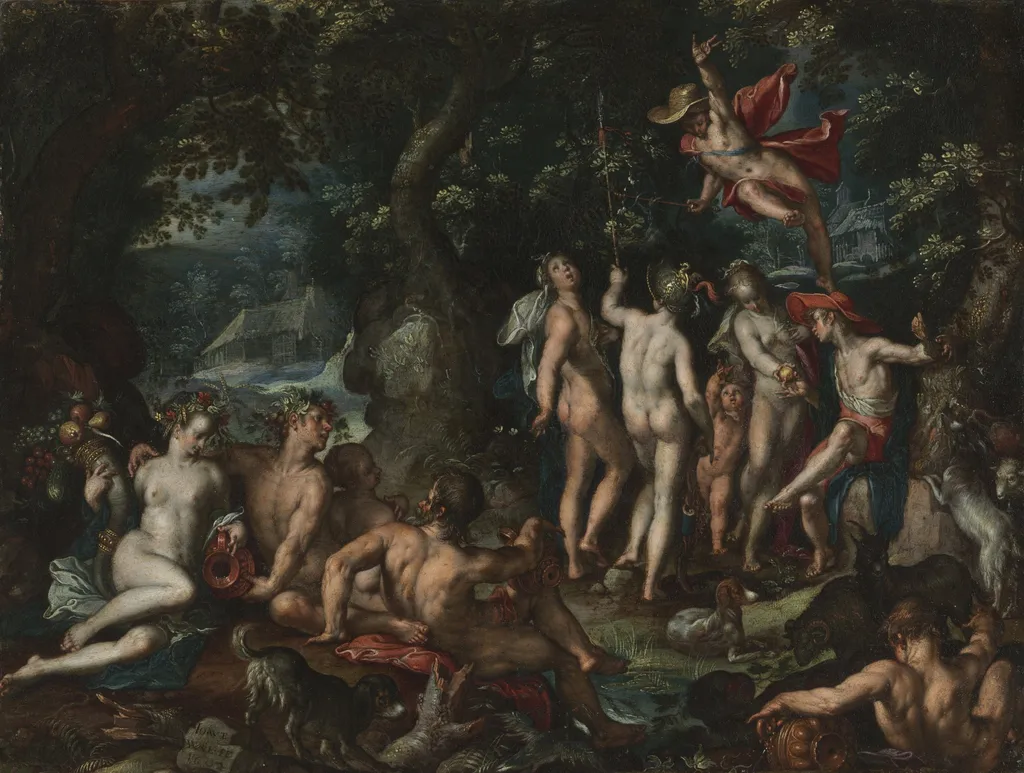
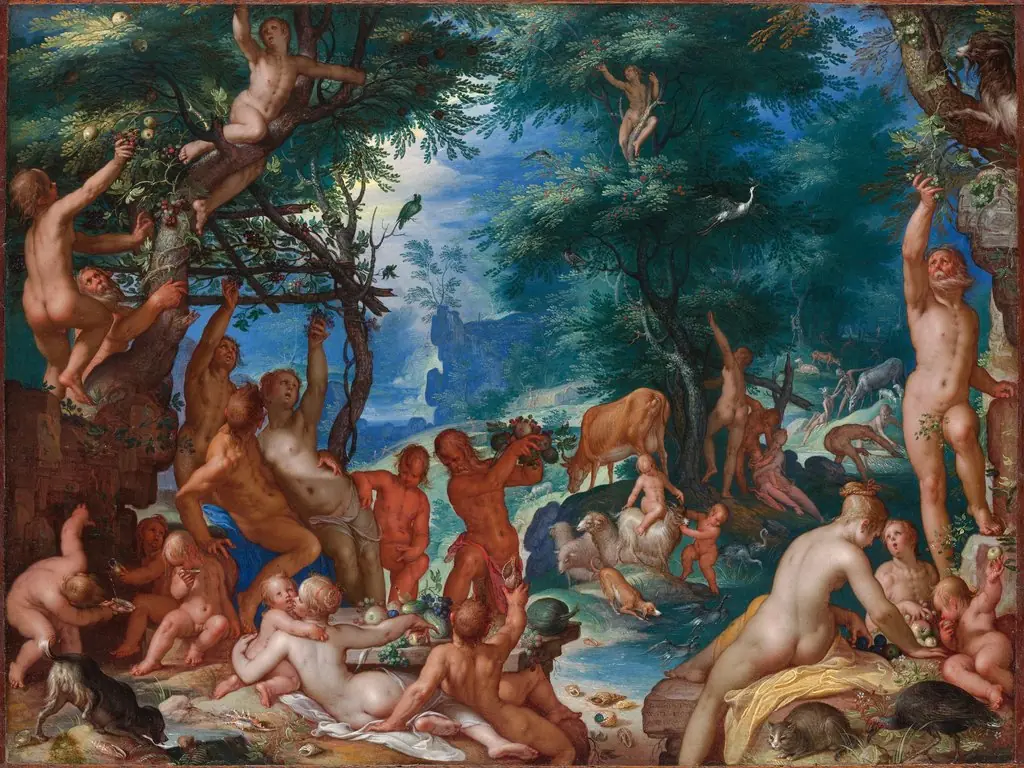
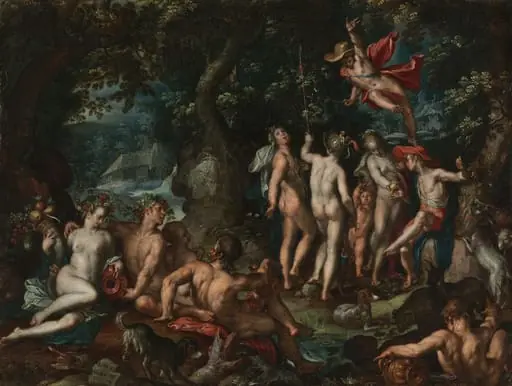
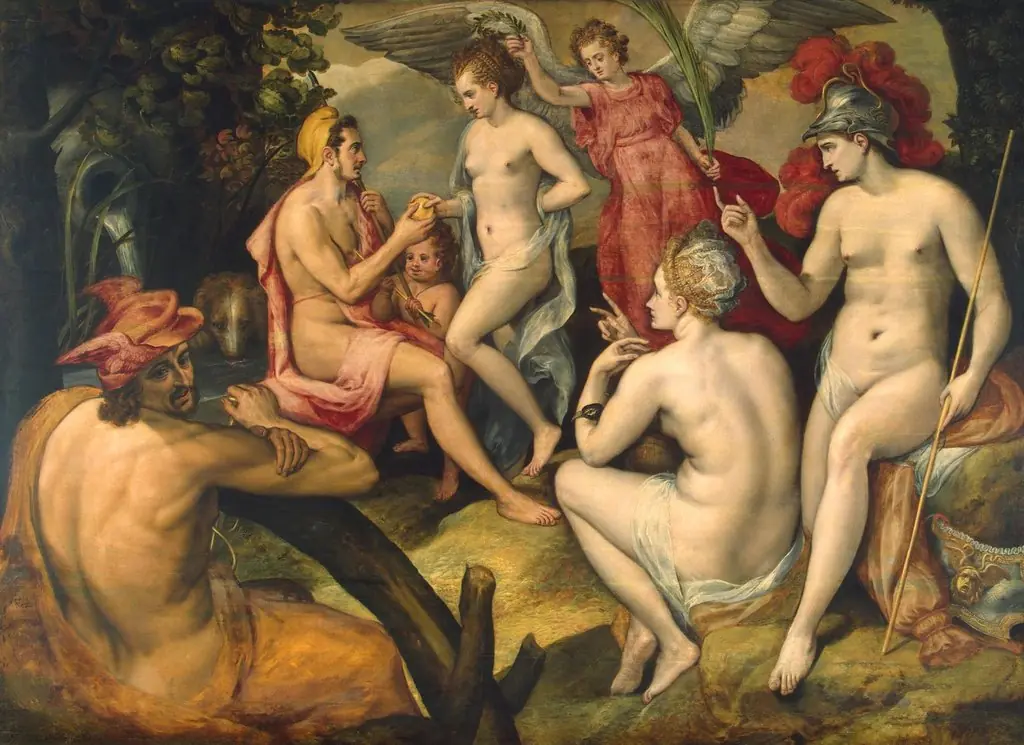
The Judgment of Paris is an unspecified painting by the Mannerist artist Joachim Wtewael. It dates from 1602 and is held in the collection of the Cleveland Museum of Art.
About this work
Subject & Meaning
Executed in 1602 by Joachim Wtewael, the work is classified as a mythological painting and is part of the Cleveland Museum of Art's collection.
The painting illustrates the mythological narrative known as the Judgment of Paris, in which the Trojan prince Paris selects Venus as the most beautiful goddess among three divine figures. This scene, drawn from mythology, symbolizes the decisive power of beauty and foreshadows the events leading to the Trojan War. Executed in 1602 by Joachim Wtewael, the work is classified as a mythological painting and is part of the Cleveland Museum of Art's collection. Its composition centers on Paris among the goddesses, emphasizing the narrative moment of choice.
Technique & Style
Joachim Wtewael's The Judgment of Paris is an oil painting on panel created in 1602. The work measures 15.4 cm in height and 20.5 cm in width, reflecting the artist's characteristic small-scale mythological compositions. Executed in the Netherlands, the painting demonstrates Wtewael's meticulous handling of detail typical of the late Mannerist style.
The surface retains the vibrant coloration and precise brushwork associated with his output during this period, presenting the mythological subject with clarity and formal refinement.
History & Provenance
The painting The Judgment of Paris was created by Joachim Wtewael in 1602 in the Netherlands. Classified as a mythological painting, it measures 15.4 cm by 20.5 cm and entered the collection of the Cleveland Museum of Art, where it carries accession number 1984.14 and remains on view. No earlier ownership records or commissioning details are documented in the available sources, and no specific past exhibitions or loan history are listed.
Overview
Joachim Wtewael, a significant figure in Dutch Mannerism, completed The Judgment of Paris in 1602. This painting exemplifies his characteristic approach to classical mythology, featuring an elaborate composition with numerous figures. As a prominent draughtsman and painter of his era, Wtewael contributed to the Northern Mannerist tradition. The work is presently housed in the collection of The Cleveland Museum of Art.
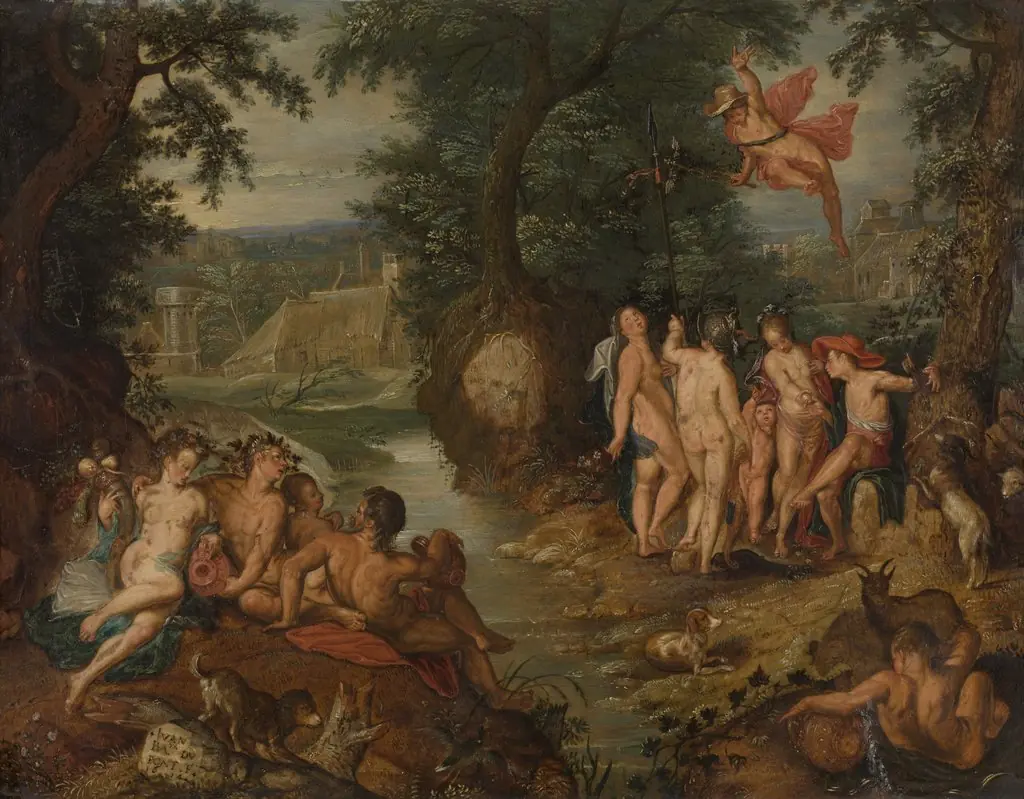
Own this work as a print
Artist & collection
Artist
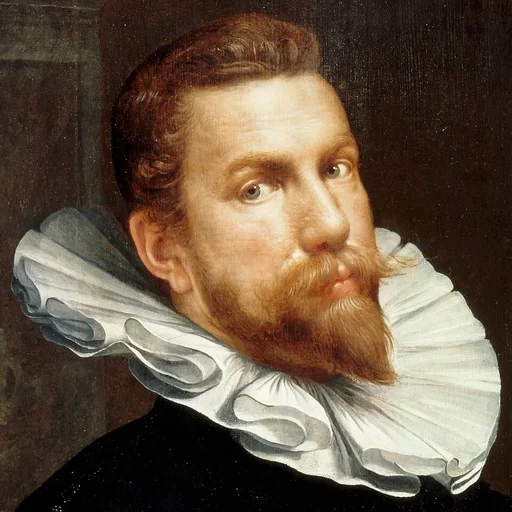
Joachim Anthoniszoon Wtewael (Dutch pronunciation:; 1566 – 1 August 1638), also known as Uytewael (pronounced ), was a Dutch Mannerist painter and draughtsman, as well as a highly successful flax merchant, and town councillor of Utrecht.