Artwork
Gretchen
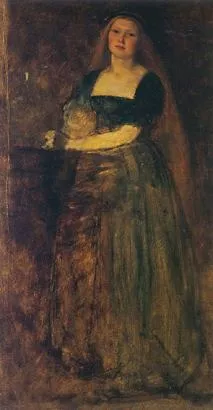
Gretchen is an oil painting by the Pre-Raphaelite artist Joanna Mary Boyce. It dates from 1861 and is held in the collection of the Tate Britain.
About this work
Overview
Known for portraits and historical subjects, Boyce brought a quiet intensity to her figures, often emphasizing psychological presence over narrative drama.
Joanna Mary Boyce completed Gretchen in 1861 using oil on canvas. The painting is part of Tate Britain’s collection and reflects her engagement with the Pre-Raphaelite circle, though she was not an official member. Known for portraits and historical subjects, Boyce brought a quiet intensity to her figures, often emphasizing psychological presence over narrative drama. This work stands as one of her most recognized oil paintings.
Subject & Meaning
The figure, identified as Gretchen, is portrayed alone in a dim interior, holding a white cat with calm attention. Her dark dress and unadorned posture suggest introspection rather than theatricality. The cat, often a symbol of independence or mystery, deepens the sense of solitude. Boyce avoids romanticized sentiment, instead presenting a contemplative moment that invites quiet interpretation without clear literary reference.
Technique & Style
Boyce employs chiaroscuro to isolate the figure against a near-black background, directing focus to the woman’s face and the cat’s fur. The lighting is subtle and directional, modeling skin and fabric with precision. Brushwork is controlled yet expressive, particularly in the rendering of hair and the cat’s texture.
The palette is restrained, dominated by deep browns and greys, with the white cat serving as the sole tonal contrast.
History & Provenance
Painted in 1861, Gretchen remained in private hands until acquired by Tate Britain. It reflects Boyce’s active period in the early 1860s, when she exhibited regularly and contributed to art journals. Her brother, George Price Boyce, was also a noted artist, and their shared artistic environment influenced her approach. The painting’s survival and institutional acquisition underscore its significance within her oeuvre.
Context
While not formally part of the Pre-Raphaelite Brotherhood, Boyce moved in its circles and shared its interest in detailed observation and emotional sincerity. Gretchen aligns with contemporaneous works that favored intimate, psychologically charged portraits over grand historical scenes. The painting’s subdued tone distinguishes it from the more colorful or mythological subjects favored by some peers, reflecting a quieter, more personal aesthetic.
Legacy
Though less widely known than her male contemporaries, Boyce’s work, including Gretchen, has gained renewed scholarly attention for its technical refinement and emotional restraint. The painting exemplifies a female artist’s contribution to Victorian portraiture, offering a nuanced alternative to idealized femininity. Its presence in Tate Britain ensures continued visibility within narratives of 19th-century British art.
Artist & collection
Artist
Joanna Mary Boyce (7 December 1831 – 15 July 1861) was a British painter associated with the Pre-Raphaelite Brotherhood.

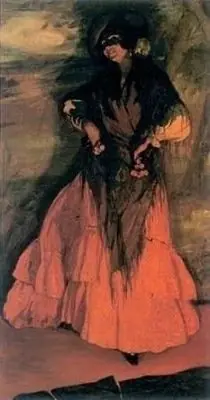
- Gitanilla
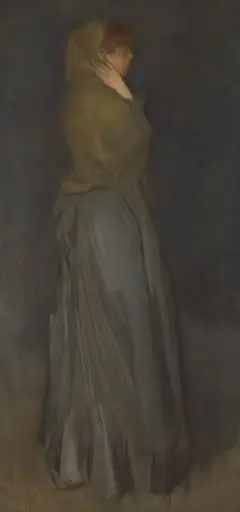 ‘Arrangement in Yellow and Gray’: Effie Deans
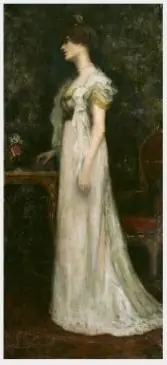 The Artist's Wife, Constance, Comtesse de Markievicz (1868-1927), Irish Painter and Revolutionary
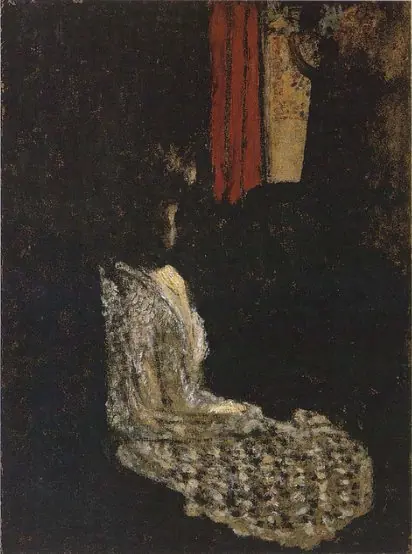 Femme assise dans une pièce sombre
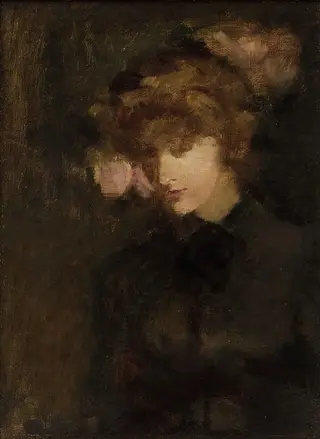 Portrait of the artist's first wife, née Ellen Cobden
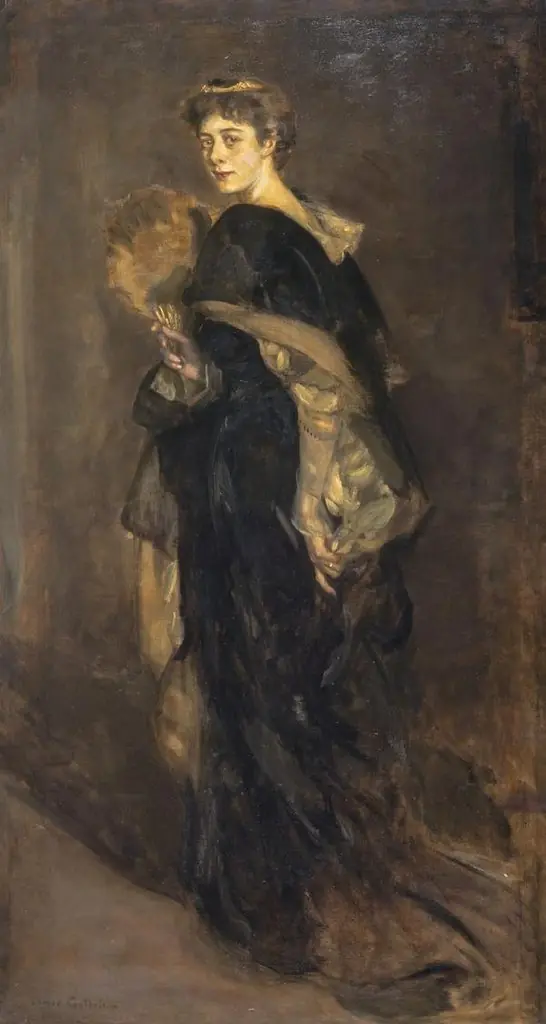 The Velvet Cloak
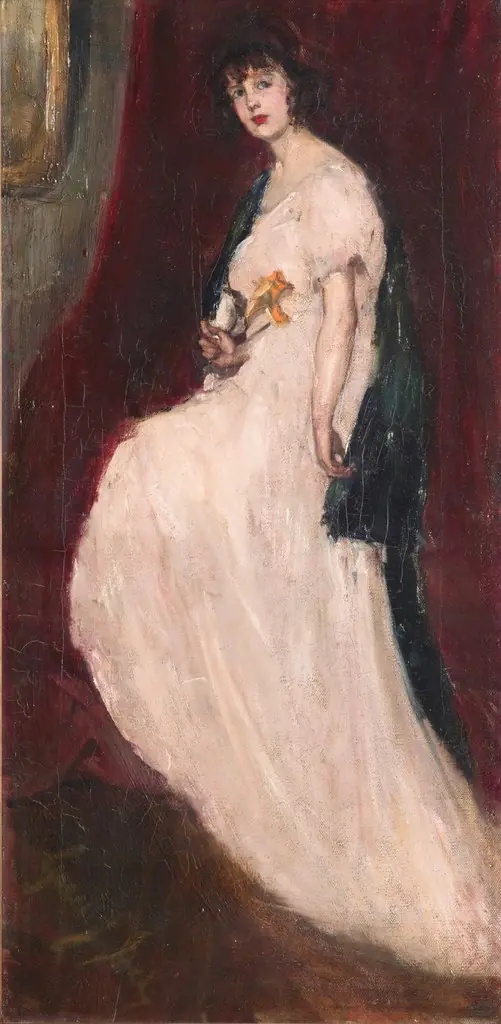 Girl in a pink dress
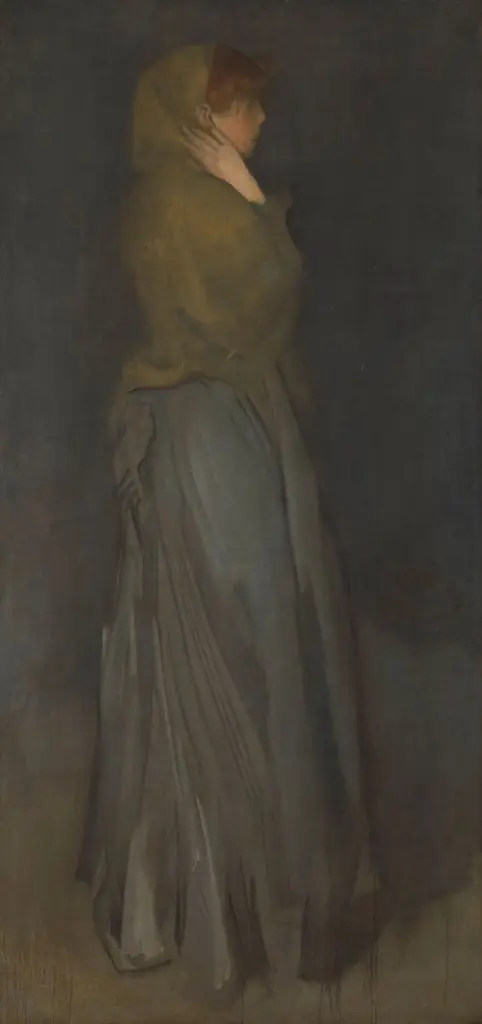 Arrangement in Yellow and Gray: Effie Deans
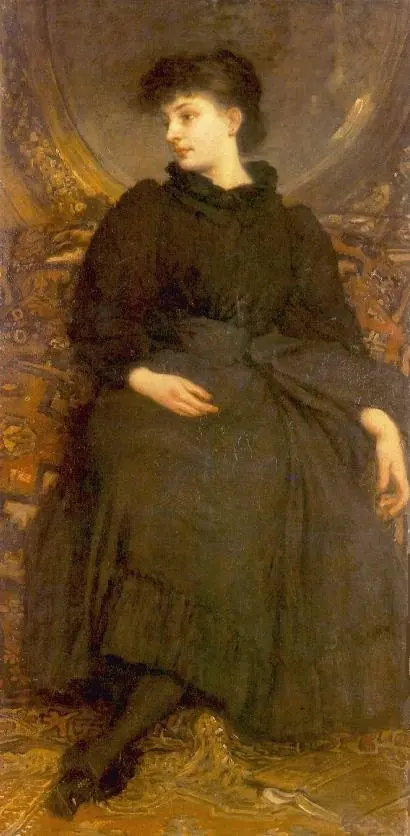 Cornelia Lotz in Black
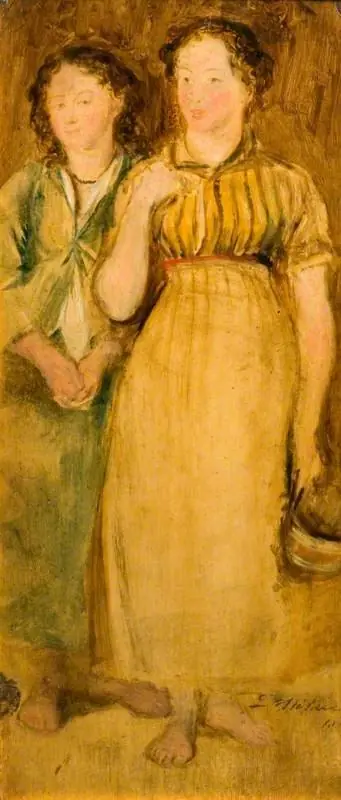 The Daughters of Sir Walter Scott
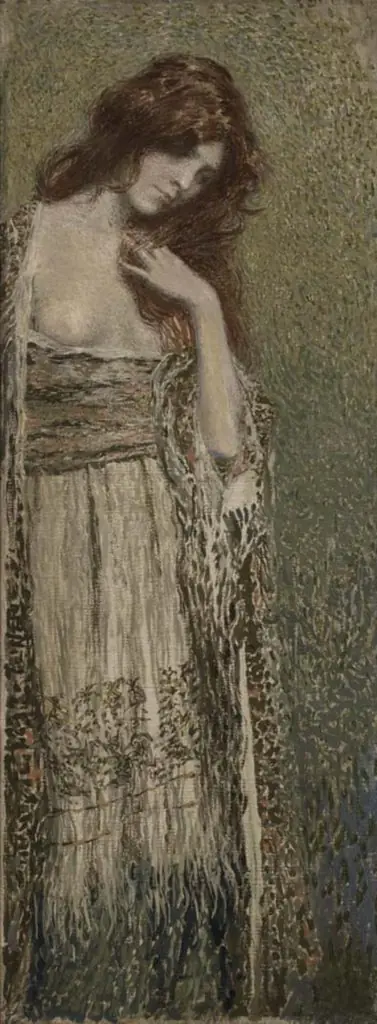 Woman figure. Sadness
 Man on a Staircase