Artwork
Luna og Hesperus
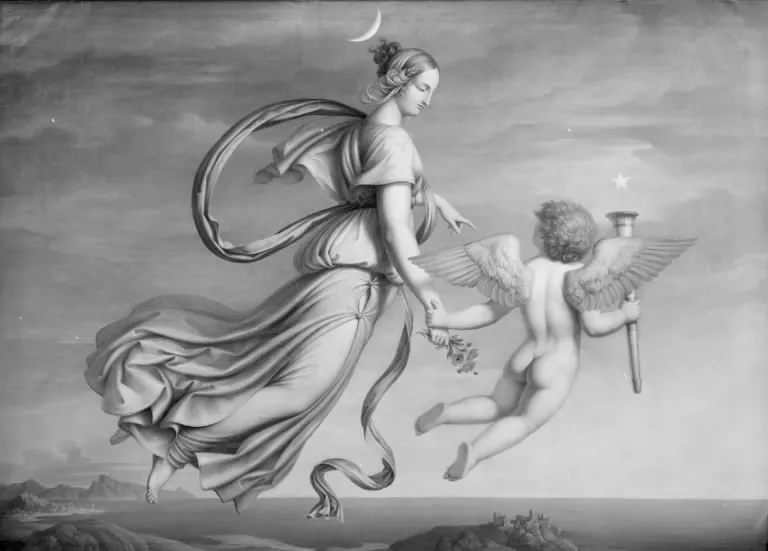
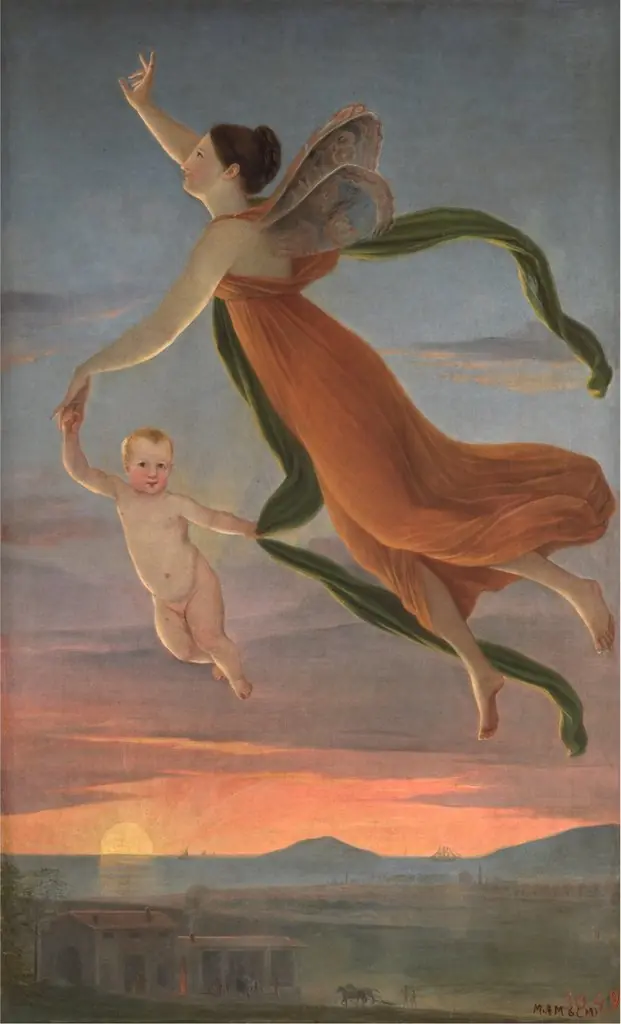
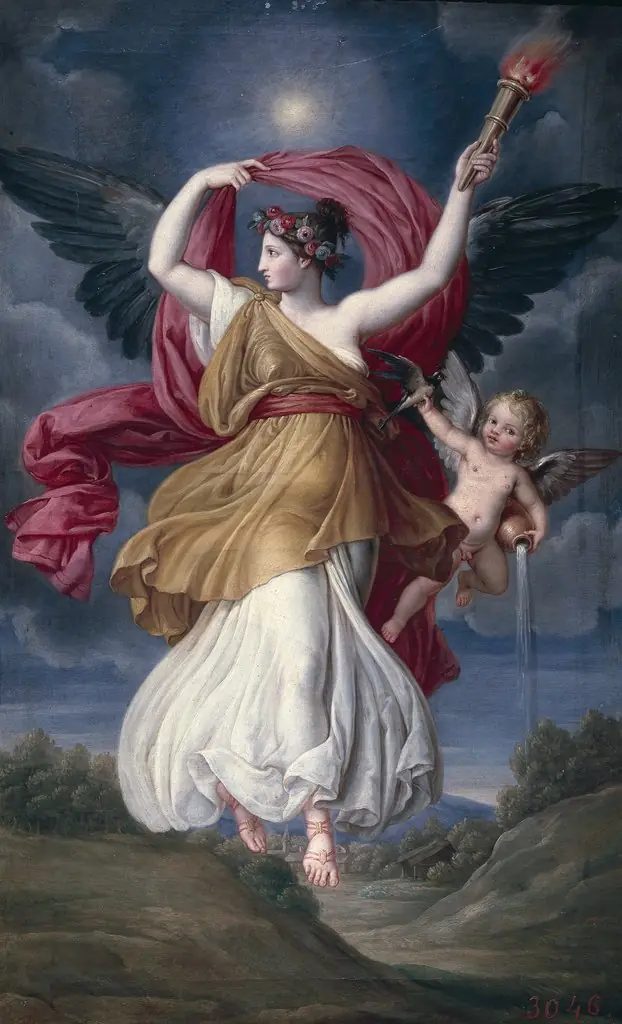
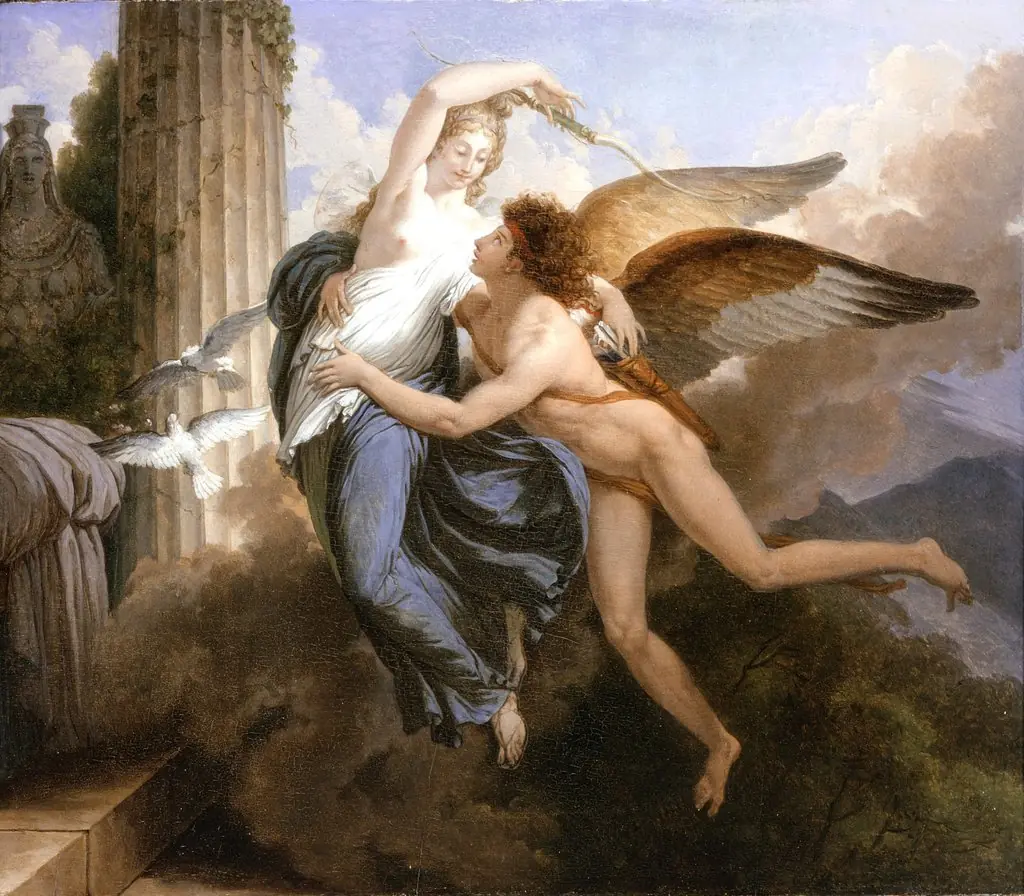
Luna og Hesperus is an oil painting by the German Romanticist artist Johan Ludwig Lund. It dates from 1821 and is held in the collection of the Statens Museum for Kunst.
About this work
Subject & Meaning
The painting belongs to the mythological genre and portrays two distinct figures from classical antiquity: Luna and Hesperus. Luna represents the moon, while Hesperus embodies the evening star. By bringing these two figures together, the work symbolizes the celestial transition into night, intertwining the personifications of the moon and the evening star to represent the onset of dusk.
Technique & Style
The painting's formal qualities and handling reflect Lund's engagement with classical subject matter, typical of early 19th-century Danish academic painting.
Luna og Hesperus is an oil painting on canvas executed in 1821 by the Danish artist Johan Ludwig Lund. Working in oil paint, Lund depicted the mythological figures Luna (the moon) and Hesperus (the evening star), situating the work within the genre of mythological painting. The choice of oil on canvas was standard for ambitious historical and mythological compositions of the period, allowing for rich color saturation and detailed figural rendering.
The painting's formal qualities and handling reflect Lund's engagement with classical subject matter, typical of early 19th-century Danish academic painting.
History & Provenance
Johan Ludwig Lund created the mythological painting Luna og Hesperus in 1821. Executed in oil on canvas, the work depicts the figures of Luna and Hesperus. The painting is currently held in the collection of the Statens Museum for Kunst, where it remains located.
No further details regarding the specific commission, original patron, or intermediate ownership history prior to its acquisition by the museum are provided in the available records.
Context
Johan Ludwig Lund's 1821 oil painting Luna og Hesperus, depicting figures from Roman mythology, entered the collection of Statens Museum for Kunst shortly after its creation and remains part of its holdings. The work was classified as a mythological painting and executed in oil on canvas, reflecting neoclassical approaches to classical narratives in early 19th-century Danish art. Contemporary scholarship identifies it as an example of Lund's engagement with mythological subject matter during a period when such themes were central to academic discourse in Northern Europe.
Overview
Johan Ludwig Lund’s 1821 oil on canvas, titled Luna og Hesperus, presents a nocturnal tableau drawn from classical mythology. A female figure, identified as Luna, hovers above a distant landscape while a winged youth, Hesperus, reaches toward her, torch in hand. The scene unfolds beneath a cloud‑filled sky punctuated by a crescent moon and a solitary star, creating a tranquil, otherworldly atmosphere.
Artist & collection
Artist
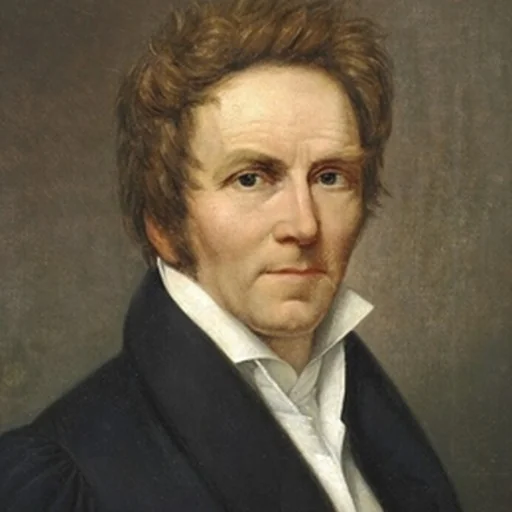
Johan Ludwig Gebhard Lund (primarily known as J. L. Lund) (16 October 1777 – 3 March 1867) was a Danish painter, born in Kiel, Duchy of Holstein, to master painter Hans Giewert Lund and his wife Maria Magdalena…