Artwork
Camillus and the Schoolmaster of Falerii
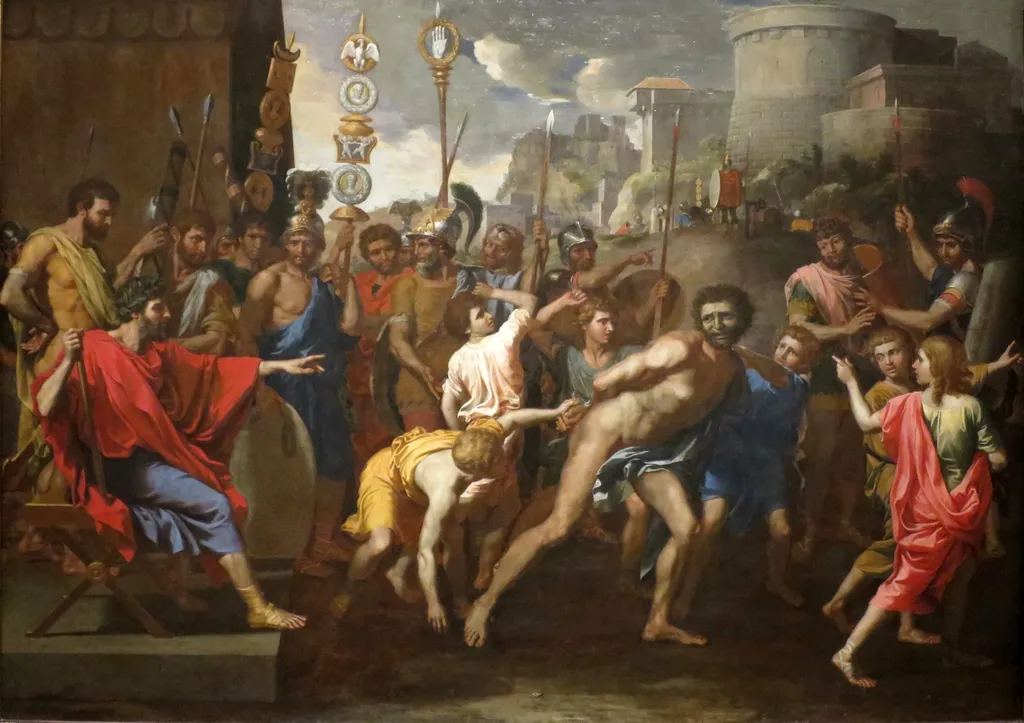
Camillus and the Schoolmaster of Falerii is an oil painting by the French Classical Baroque artist Nicolas Poussin. It dates from 1637 and is held in the collection of the Norton Simon Museum.
About this work
Overview
Nicolas Poussin's 'Camillus and the Schoolmaster of Falerii,' executed in 1637, depicts a pivotal moment from Roman history as recorded by Livy and Plutarch.
Nicolas Poussin's 'Camillus and the Schoolmaster of Falerii,' executed in 1637, depicts a pivotal moment from Roman history as recorded by Livy and Plutarch. The composition centers on the Roman dictator Camillus, who stands resolute in armor, rejecting the treacherous offer of a schoolmaster to deliver the children of Falerii into Roman custody. The schoolmaster, bound and led forward by a Roman soldier, is the focal point of the moral conflict, while the children he attempted to betray look on in distress.
Poussin arranges the figures in a frieze-like manner against a backdrop of classical architecture and a distant landscape, emphasizing the clarity of the narrative. The scene illustrates the virtue of Roman integrity, as Camillus chooses honor over military advantage. Painted during the artist's mature period in Rome, the work exemplifies his commitment to historical accuracy, stoic expression, and the intellectual rigor of the classical tradition.
The painting reflects Poussin's dedication to conveying ethical lessons through precise figural grouping and balanced composition, solidifying his reputation as a master of historical narrative in the 17th century.
Subject & Meaning
The scene references the tale of Camillus, the Roman consul, confronting the schoolmaster of Falerii who had been implicated in a plot against the city. By depicting the tension between authority and subterfuge, the painting explores themes of civic duty, moral integrity, and the consequences of betrayal within a classical framework.
Technique & Style
Poussin employs a pronounced chiaroscuro, using stark contrasts of light and shadow to model the figures and give them a three‑dimensional presence. The drapery of togas and the gleam of armor are rendered with careful attention to texture, while the architectural elements recede into atmospheric perspective, enhancing the depth of the scene.
History & Provenance
Executed in the late phase of Poussin’s career, the canvas entered the Norton Simon Museum’s holdings in the twentieth century, where it has been displayed as part of the institution’s European Baroque collection. Its provenance traces back to private collections before acquisition by the museum, confirming its attribution to the French classicist.
Own this work as a print
Artist & collection
Artist
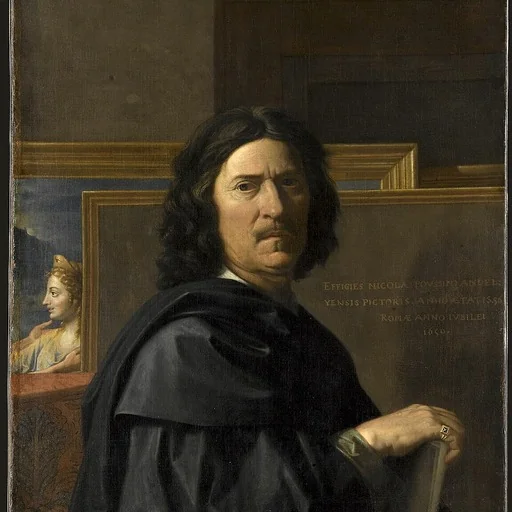
Nicolas Poussin (UK: US: French:; June 1594 – 19 November 1665) was a leading painter of the classical French Baroque style, although he spent most of his working life in Rome.

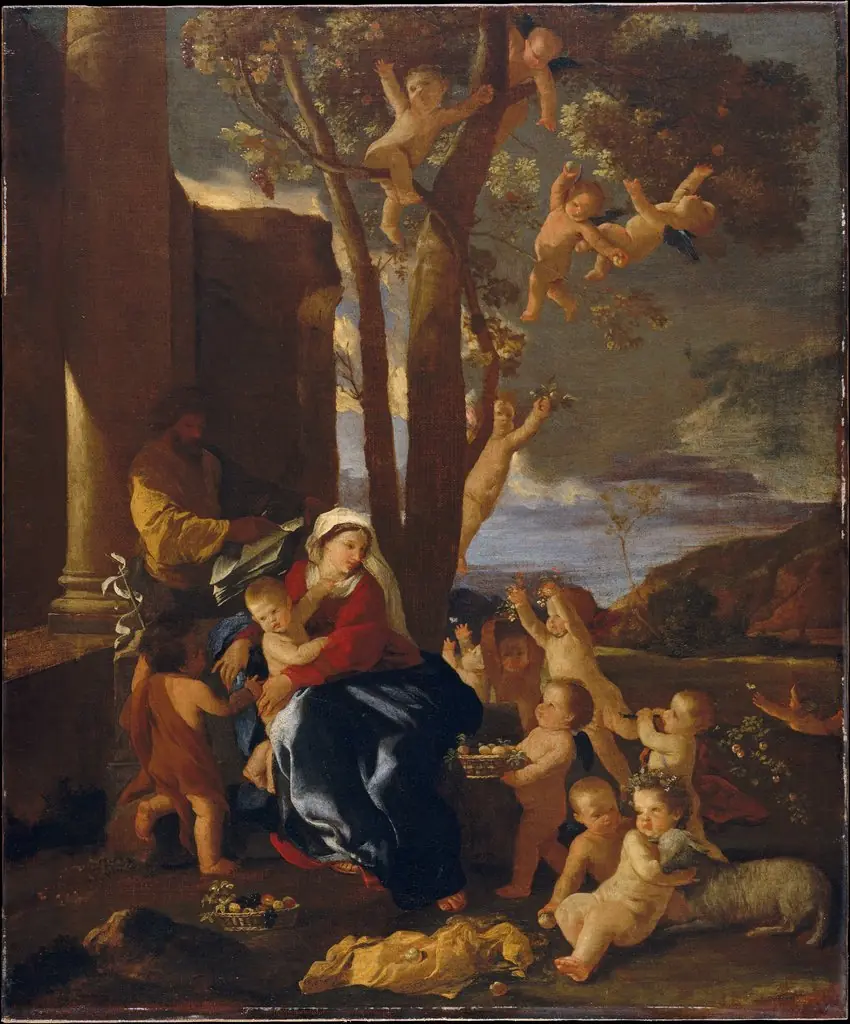
- Killer of Darius before Alexander (King Porus and Alexander the Great)
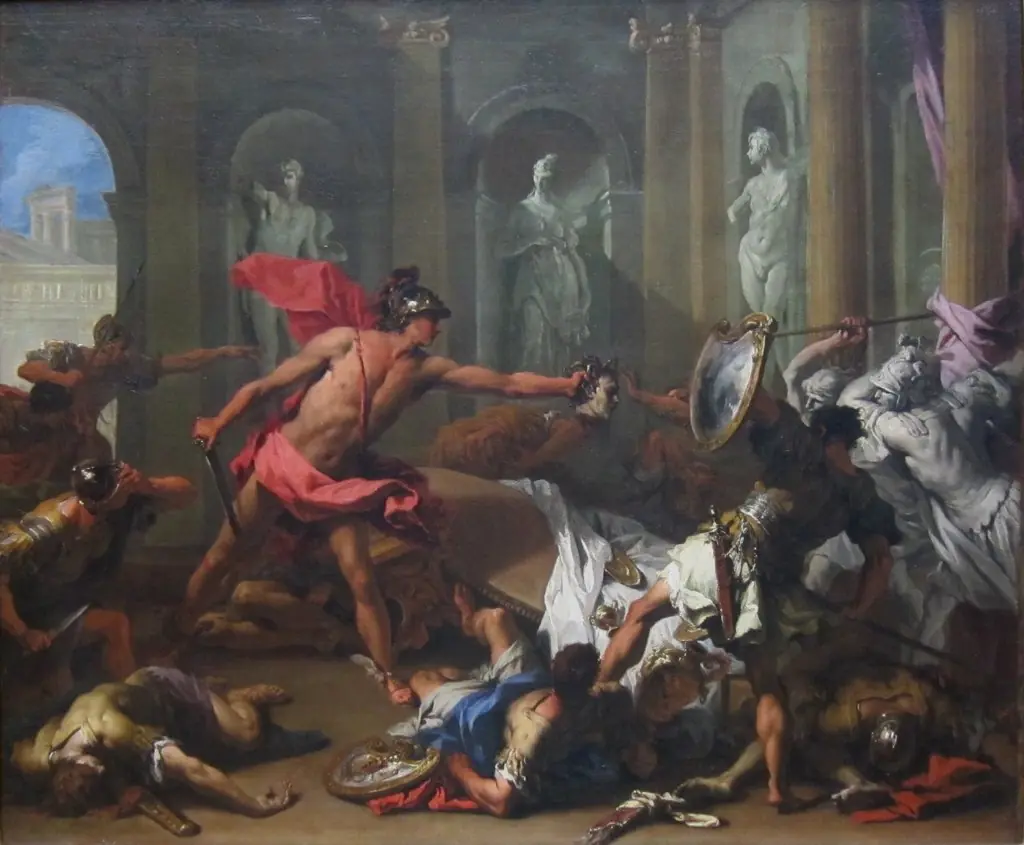 Perseo affronta Fineo con la testa di Medusa
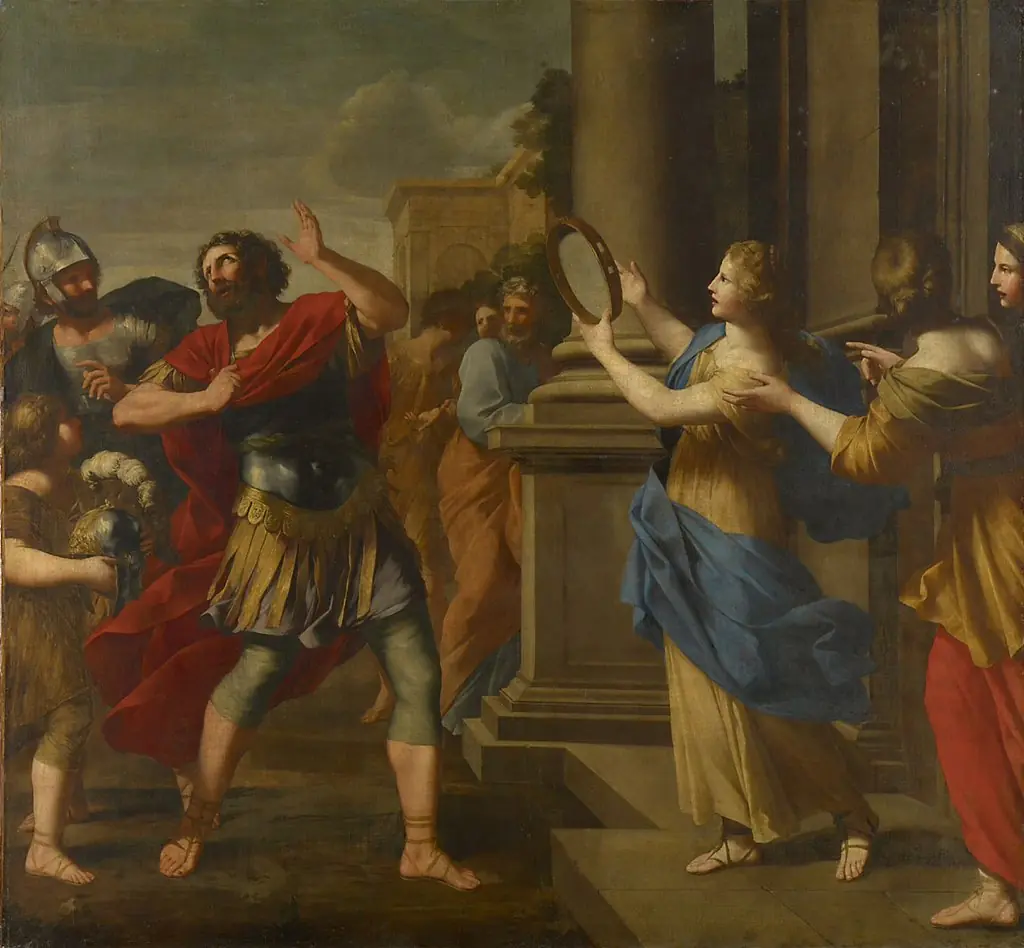 Jephta erblickt seine Tochter
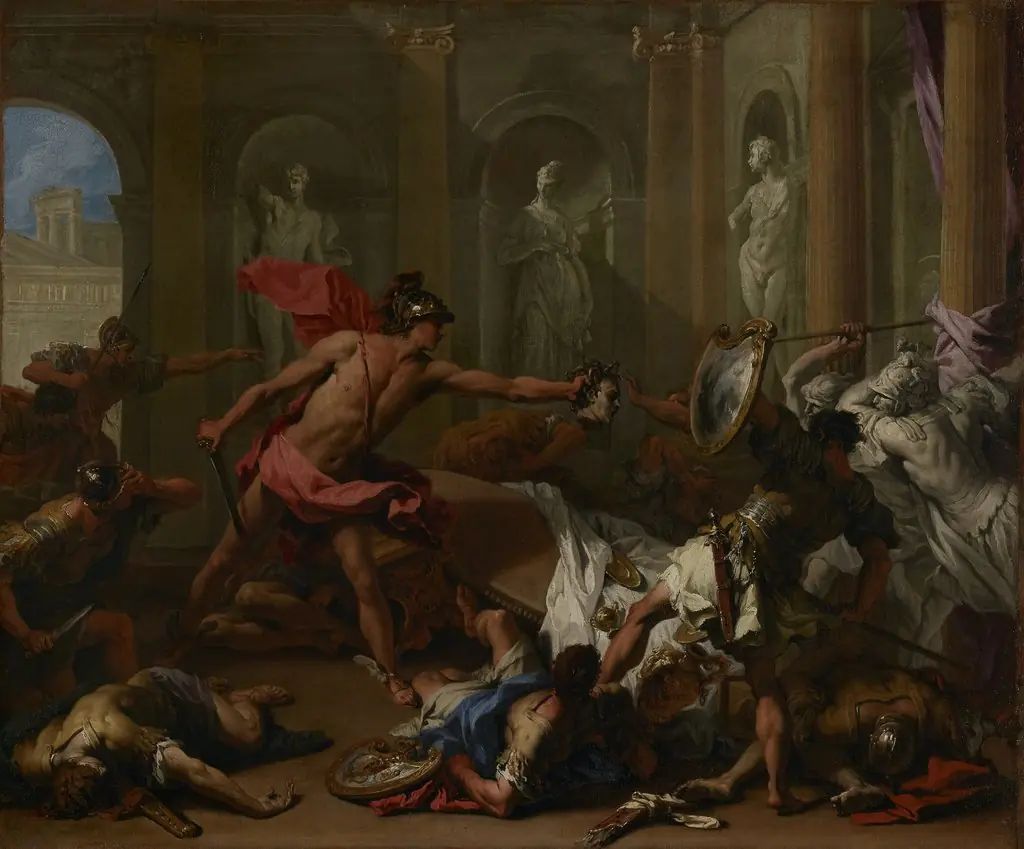 Perseus Confronting Phineus with the Head of Medusa
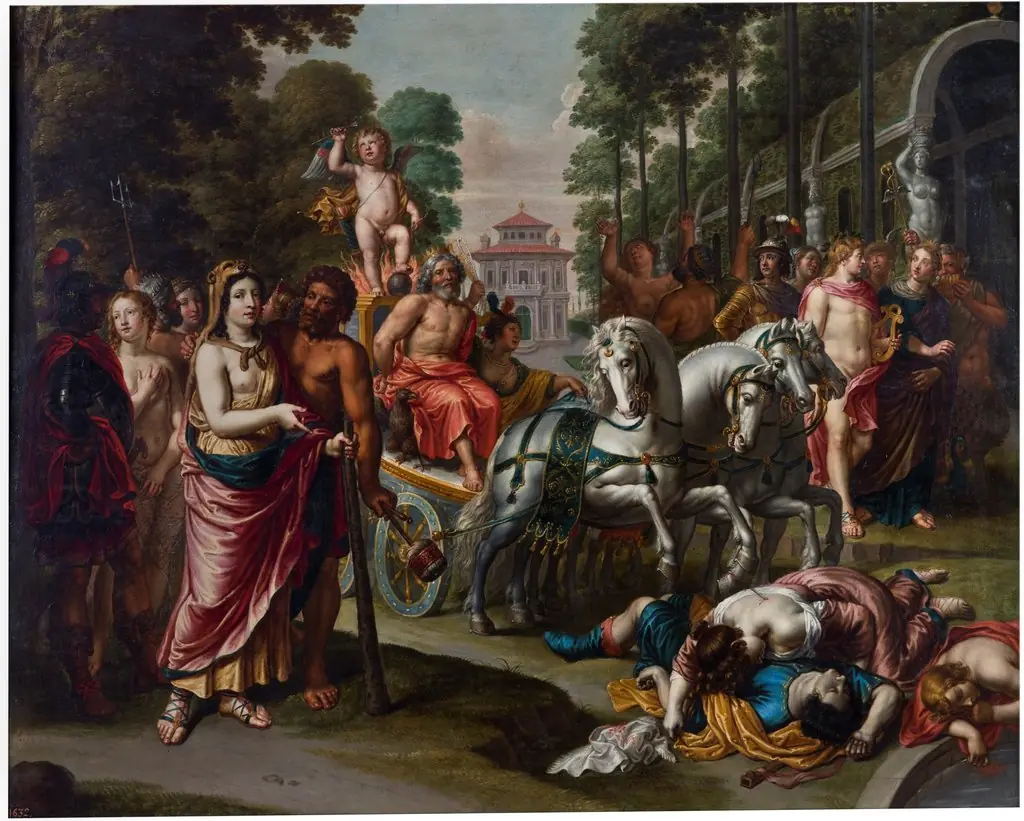 Triumph of Love
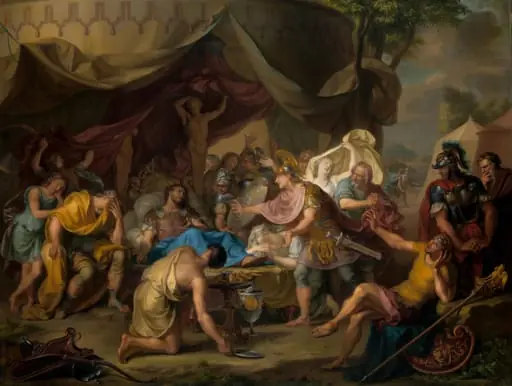 Het sterfbed van Epaminondas
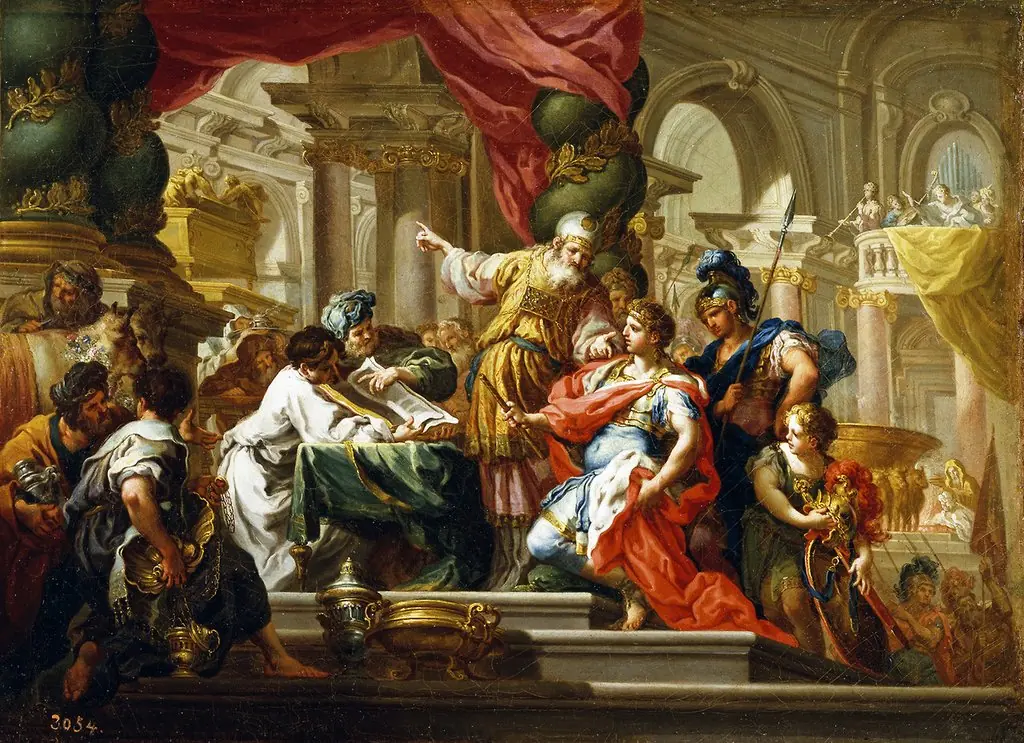 Alexander the Great in the Temple of Jerusalem
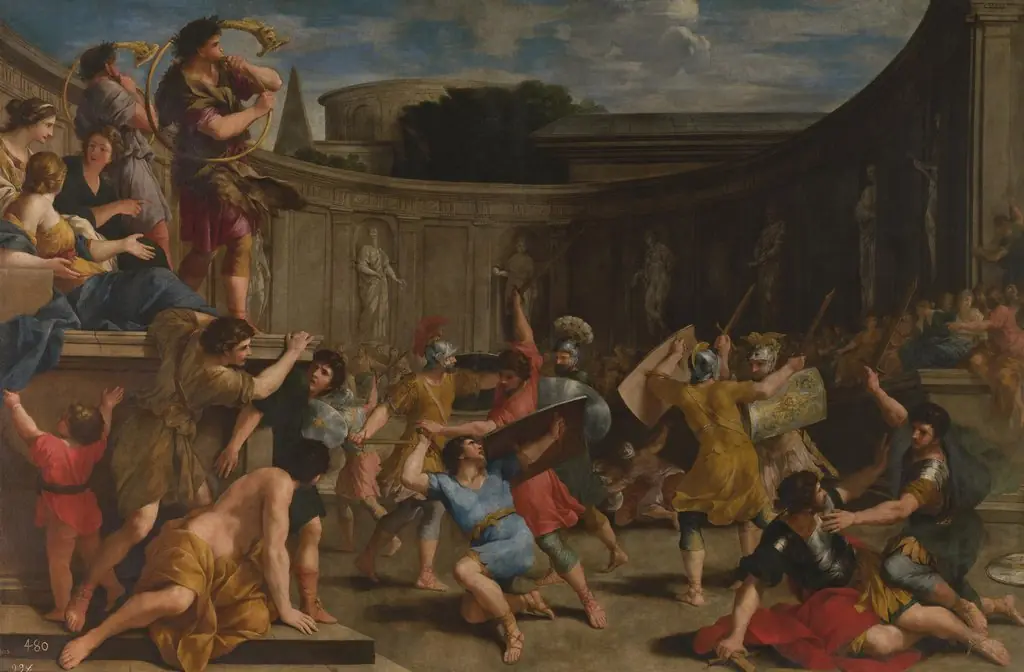 Roman Gladiators with Wooden Swords
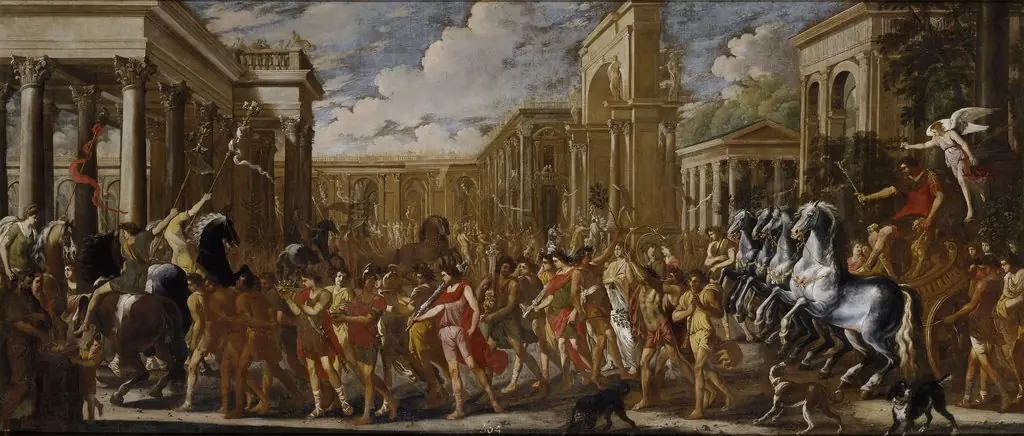 Triumphal Entry of Vespasian in Rome
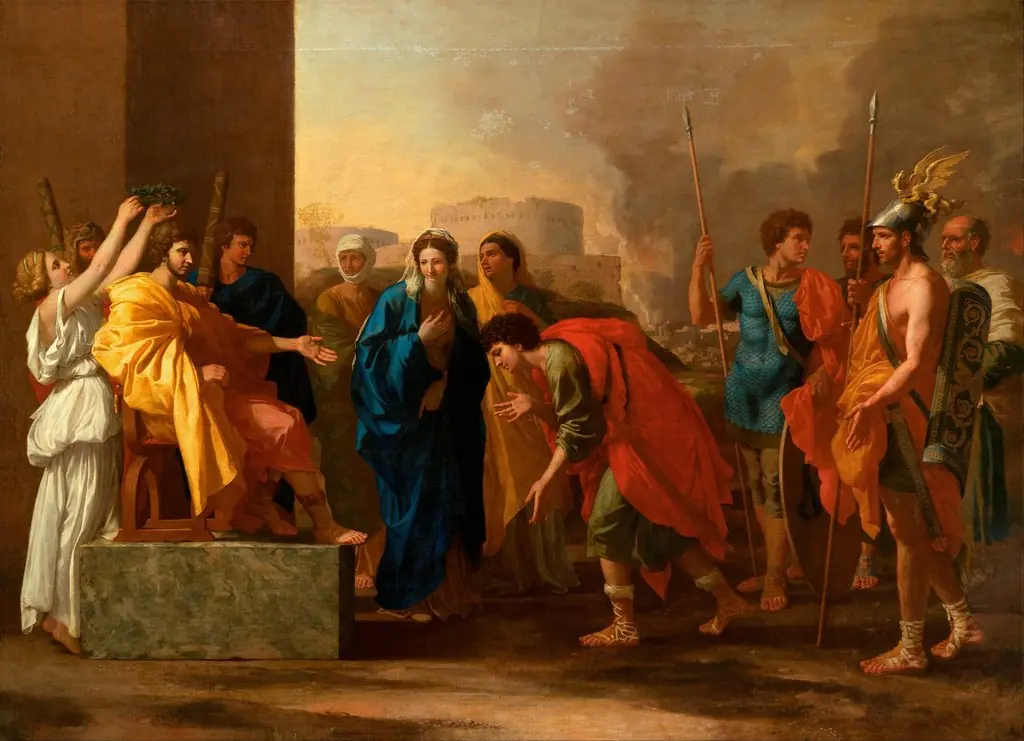 The Continence of Scipio
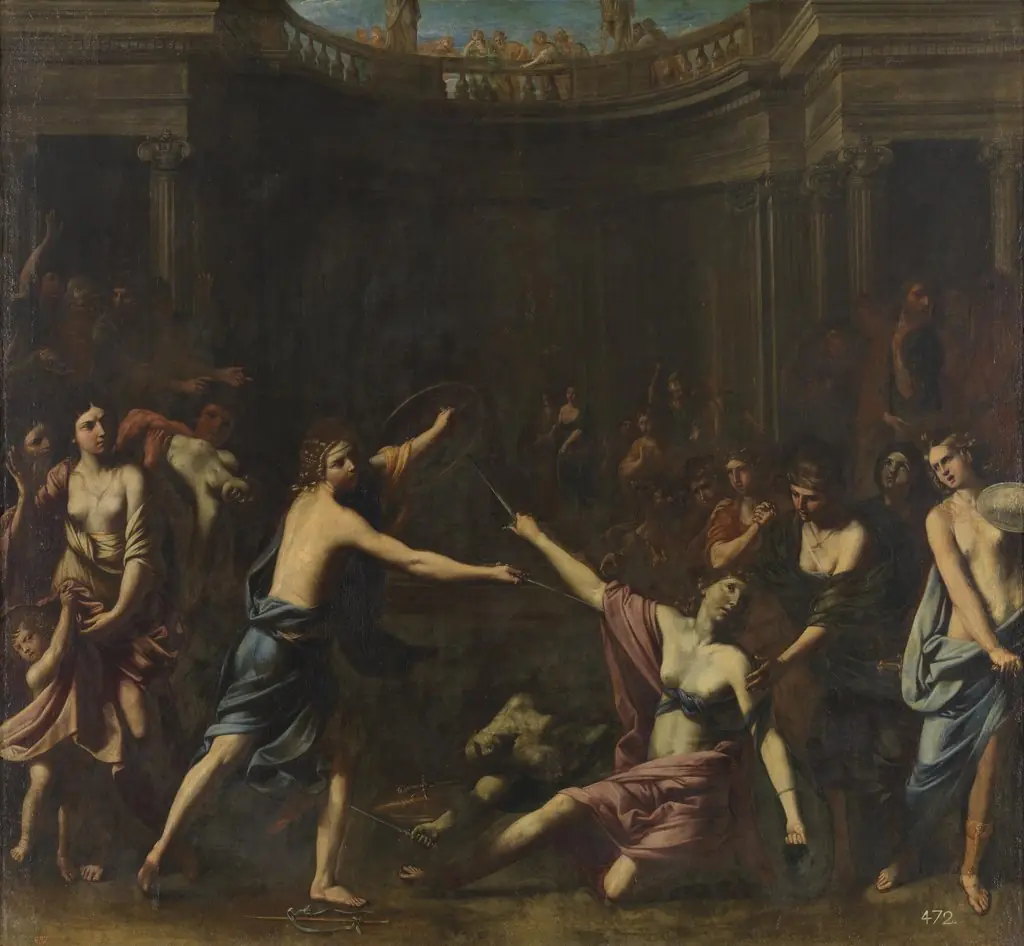 Women Gladiators
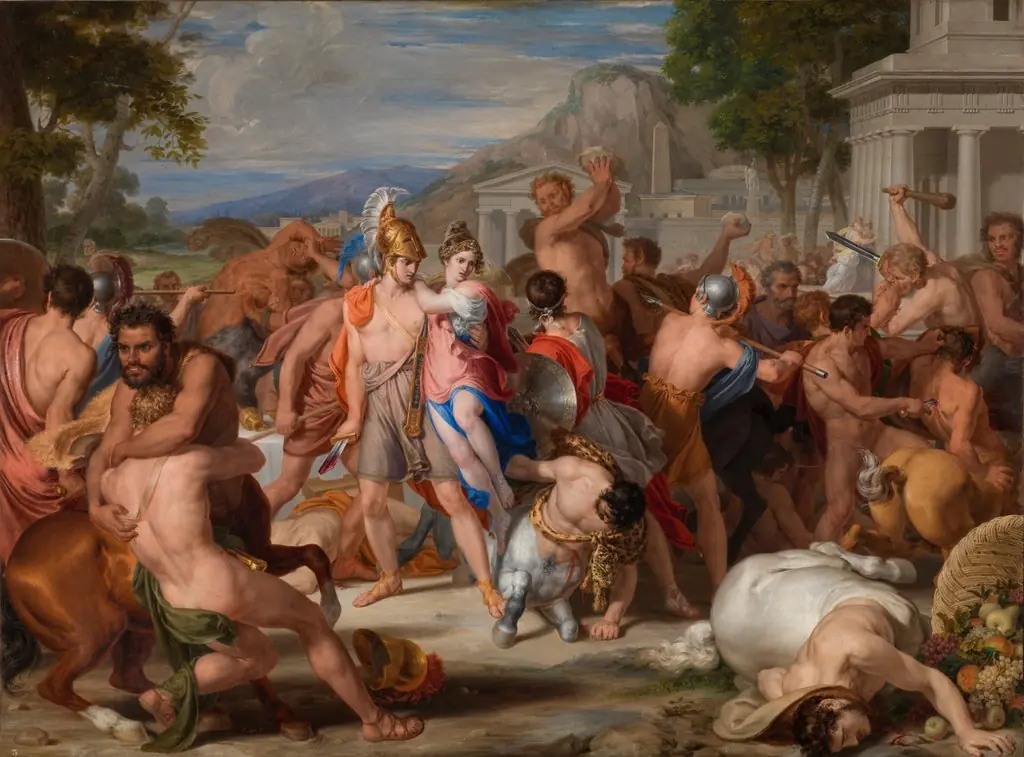 Batalla de lapitas y centauros.