Artwork
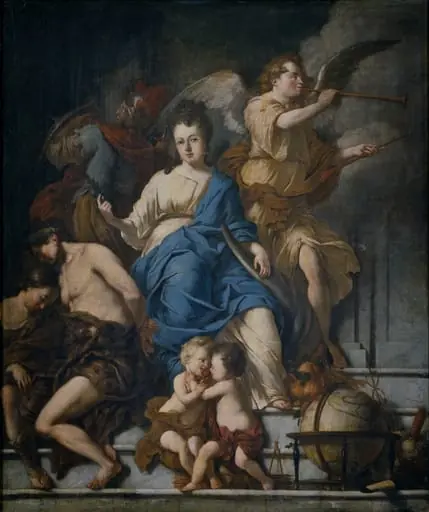
Allegory of the Treaty of Rijswijk, 1697
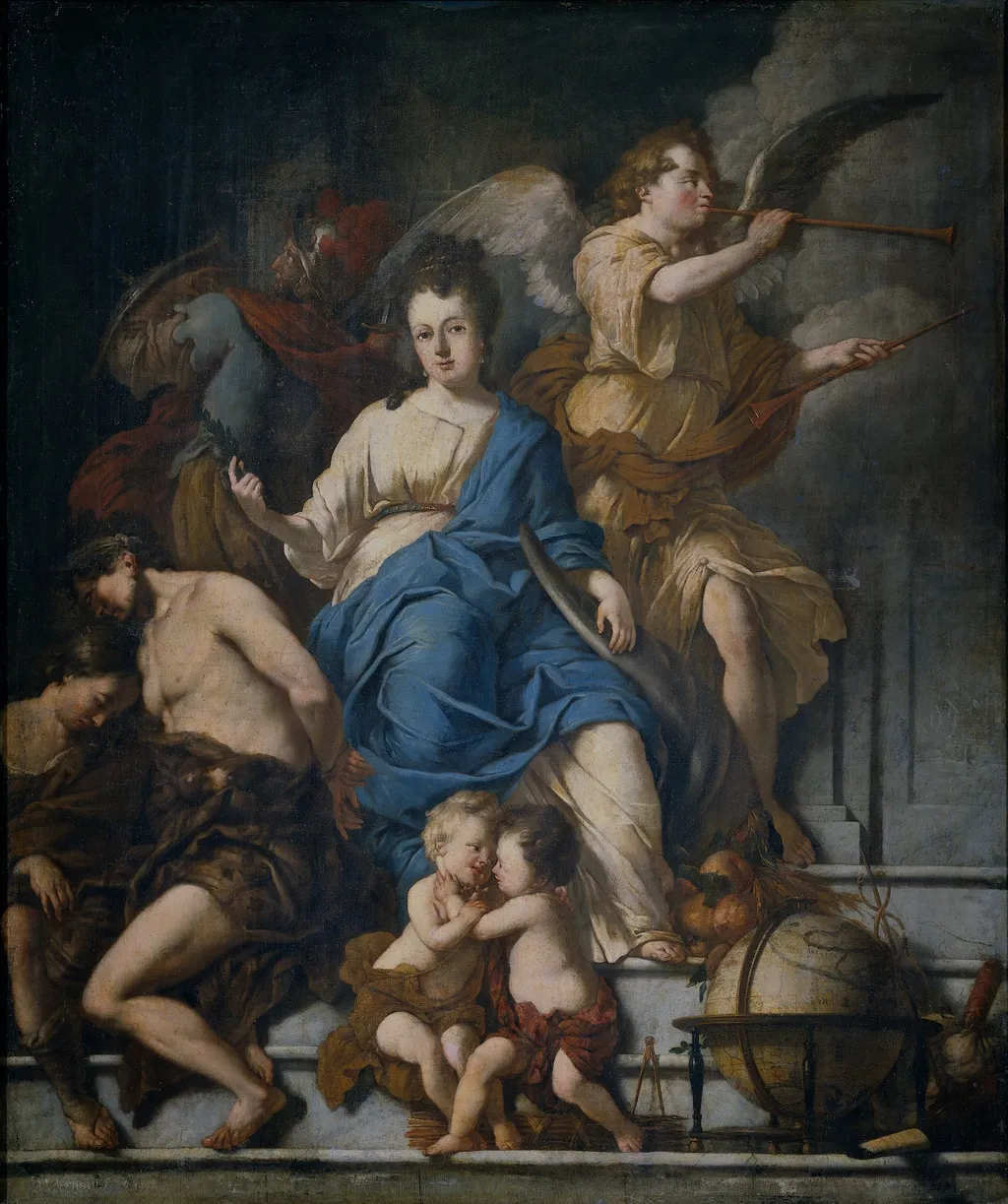
Allegory of the Treaty of Rijswijk, 1697 is an oil painting by the Dutch Golden Age artist Johannes Voorhout. It dates from 1700 and is held in the collection of the Rijksmuseum.
About this work
Technique & Style
The handling emphasizes clear contours and a restrained palette, with local color areas defined by strong chiaroscuro to model form and create depth.
The painting is executed in oil on canvas, a typical medium for Dutch Baroque allegorical works. The canvas dimensions are 146 by 121.5 cm. The composition is densely packed with figures and symbolic attributes, rendered with the precise brushwork and smooth finish characteristic of late seventeenth-century Dutch painting. The handling emphasizes clear contours and a restrained palette, with local color areas defined by strong chiaroscuro to model form and create depth. The overall formal quality is orderly and didactic, prioritizing legibility of the allegorical narrative over painterly spontaneity.
History & Provenance
The work was commissioned to commemorate the Treaty of Rijswijk (1697), which ended the Nine Years' War. Johannes Voorhout completed the painting in 1698, as indicated by the date inscribed on the canvas. The allegorical composition presents classical figures symbolizing peace and negotiation, reflecting the treaty's significance.
The painting entered the collection of the Rijksmuseum in Amsterdam, where it remains held today. Museum records list it with dimensions of 146 cm in height and 121.5 cm in width, confirming its continuous institutional custody since acquisition.
The painting is held by the Rijksmuseum in Amsterdam. Its inventory number is SK-C-1893.
It was included in the exhibition “De Vrede van Rijswijk 1697” held at the Mauritshuis, The Hague, in 1997 to mark the tricentennial of the treaty.
Overview
Allegory of the Treaty of Rijswijk, 1697 is a Dutch Golden Age oil painting by Johannes Voorhout, created in 1700. It is now part of the Rijksmuseum's collection.
Subject & Meaning
The painting allegorically represents the Treaty of Rijswijk (1697). A central woman in blue, surrounded by four children and two winged figures (one blowing a horn, the other holding a sword), conveys themes of celebration, triumph, and possibly peace or protection. Her extended right hand suggests an impending gesture of connection or bestowal.
Context
Created during the Dutch Golden Age, the painting reflects the era's penchant for allegory in art, often used to commemorate significant political events like the Treaty of Rijswijk, which ended the Nine Years' War.
Legacy
While specific influences or direct artistic descendants are not highlighted, the painting contributes to the broader legacy of Dutch Golden Age allegorical art, offering insight into 17th-century political commemoration through symbolic representation.
Own this work as a print
Artist & collection
Artist
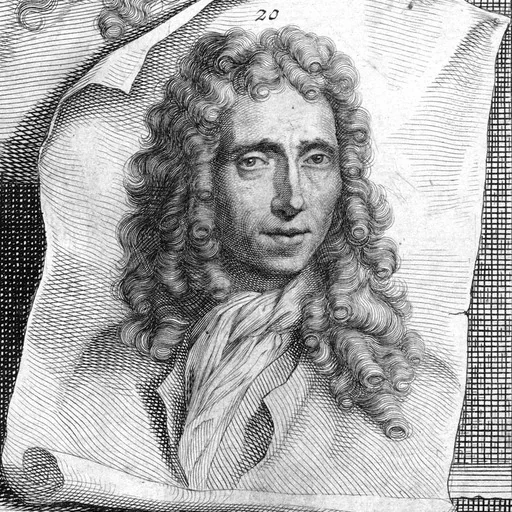
Johannes Voorhout (11 November 1647 – 25 August 1717) was a Dutch painter of history paintings, portraits and genre scenes.

 Allegory of Freedom
 Geometry and Arithmetic
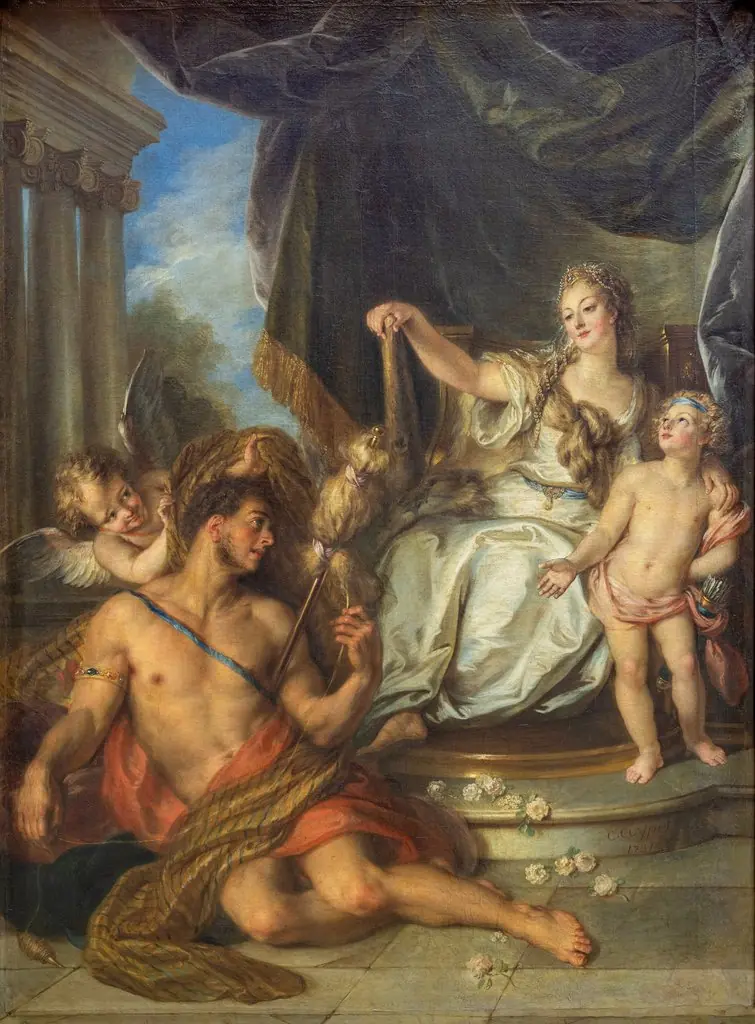 Hercules and Omphale
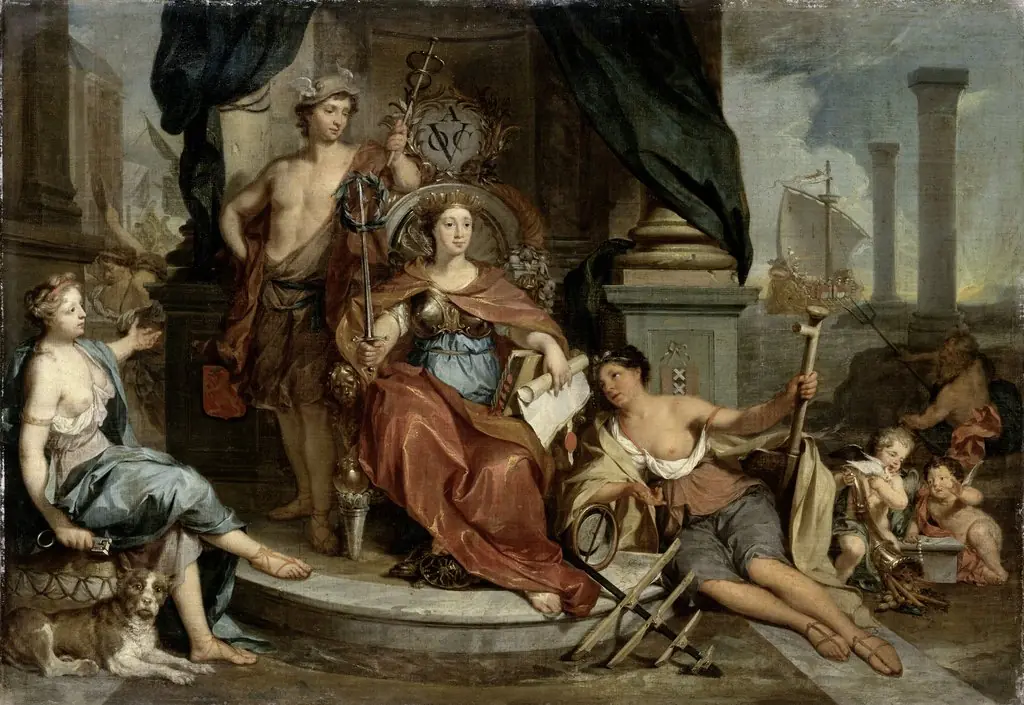 Apotheosis of the Dutch East India Company (Allegory of the Amsterdam Chamber of Commerce of the VOC)
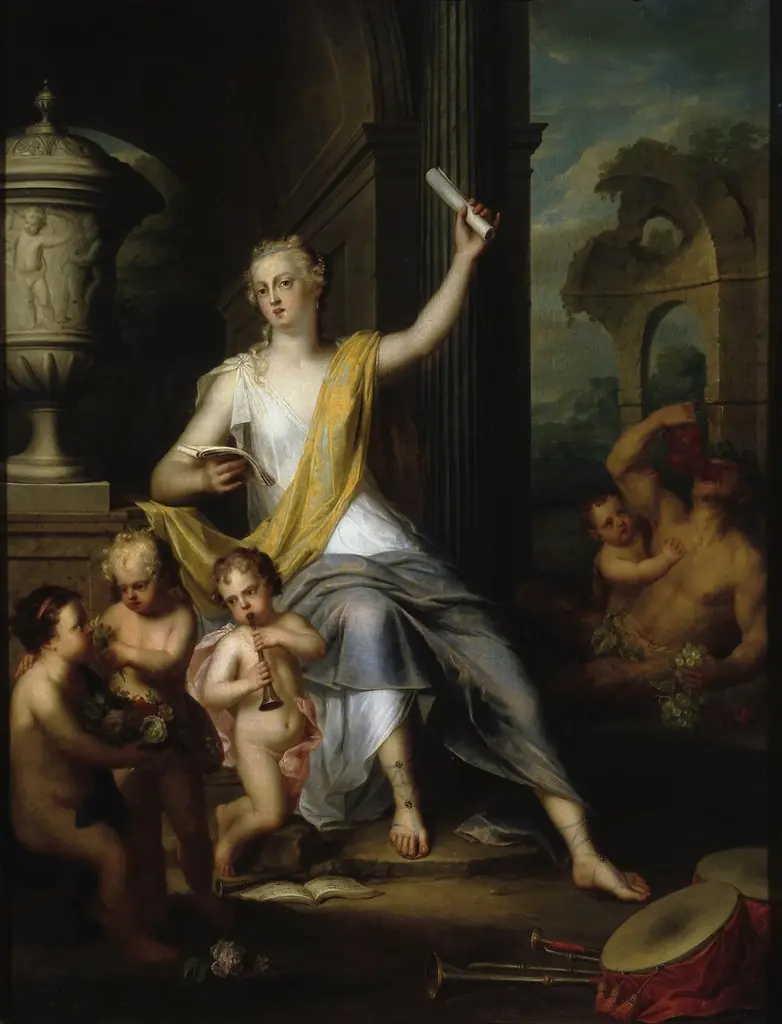 Allegory of the Hearing, the Taste and the Smell
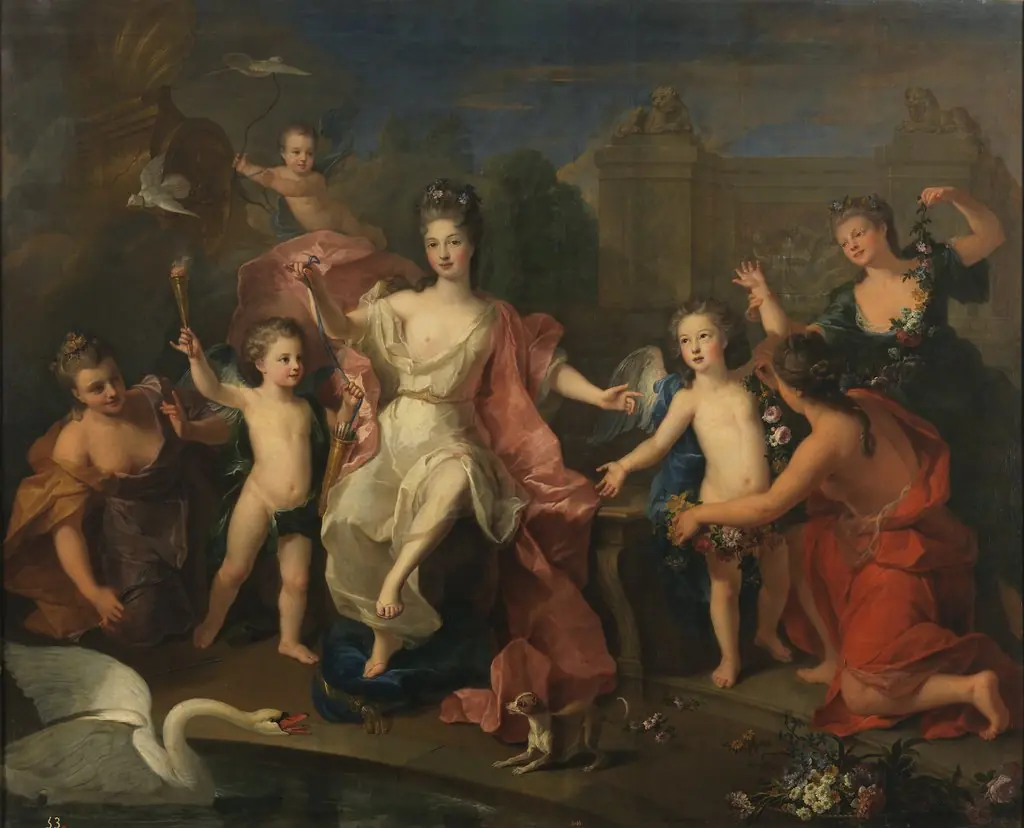 The Duchess of Burgundy with her two sons, the Dukes of Brittany and Anjou (future Louis XV)
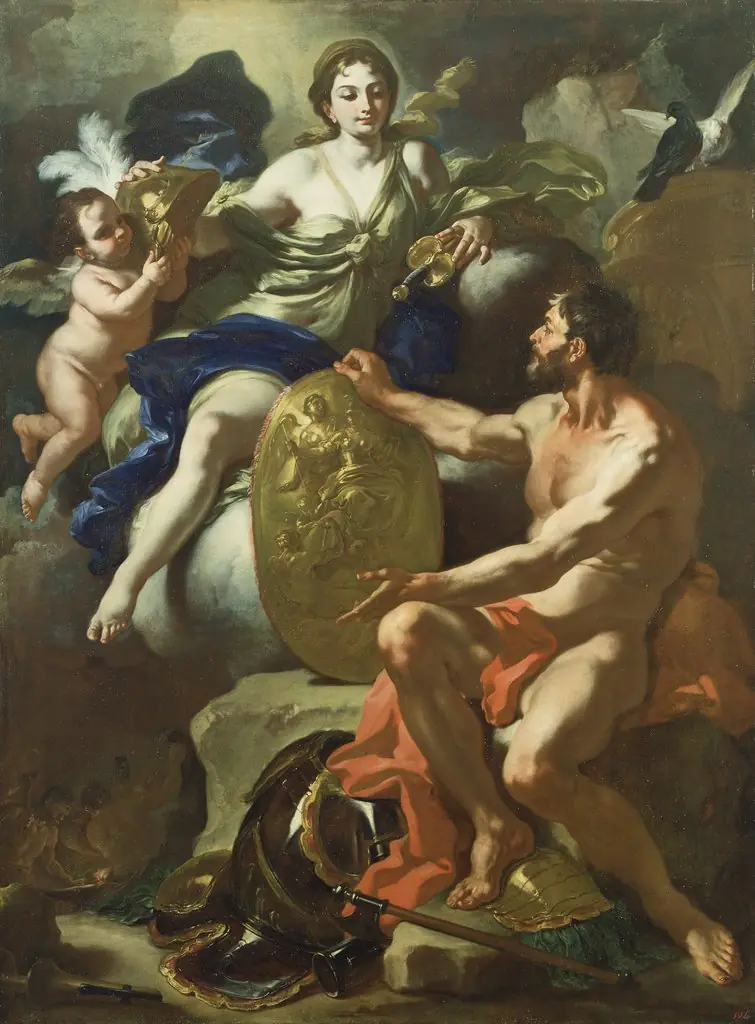 Venus at the Forge of Vulcan
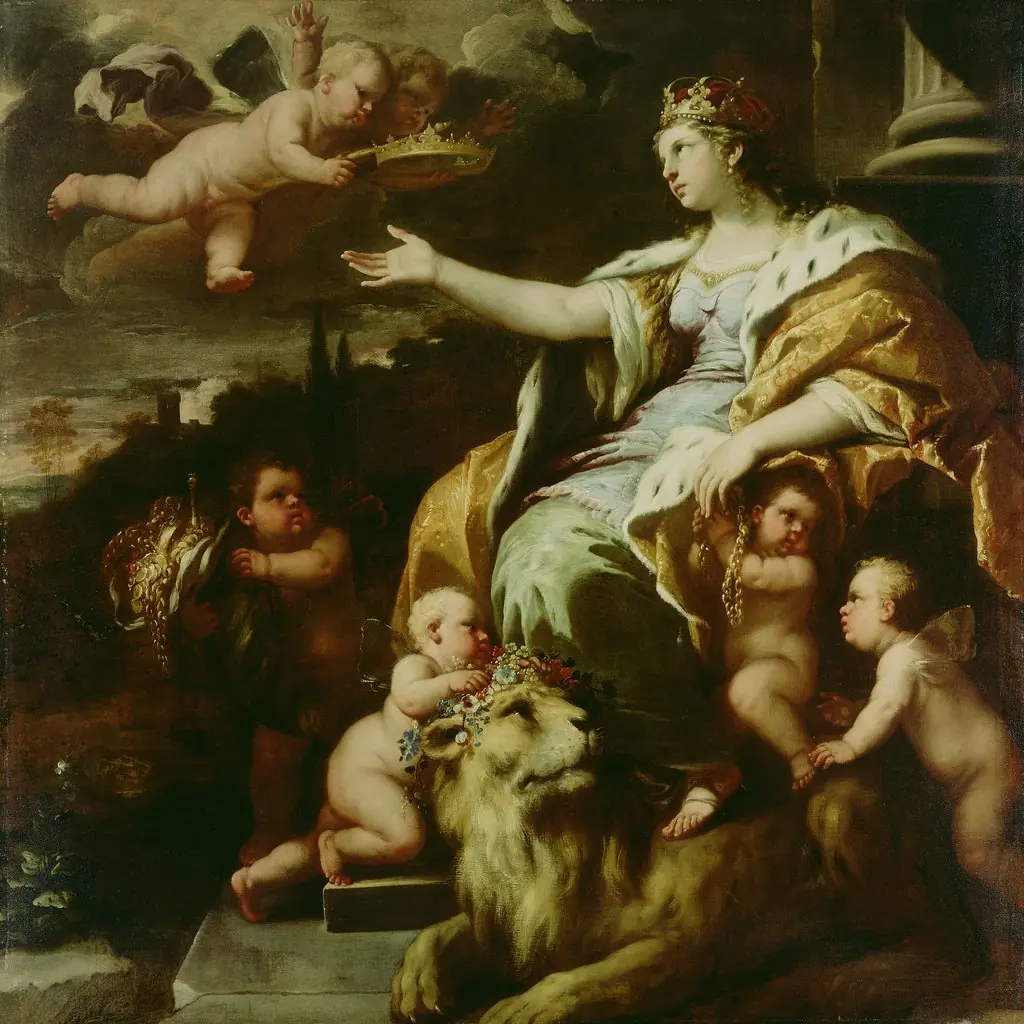 Allegory of Magnanimity
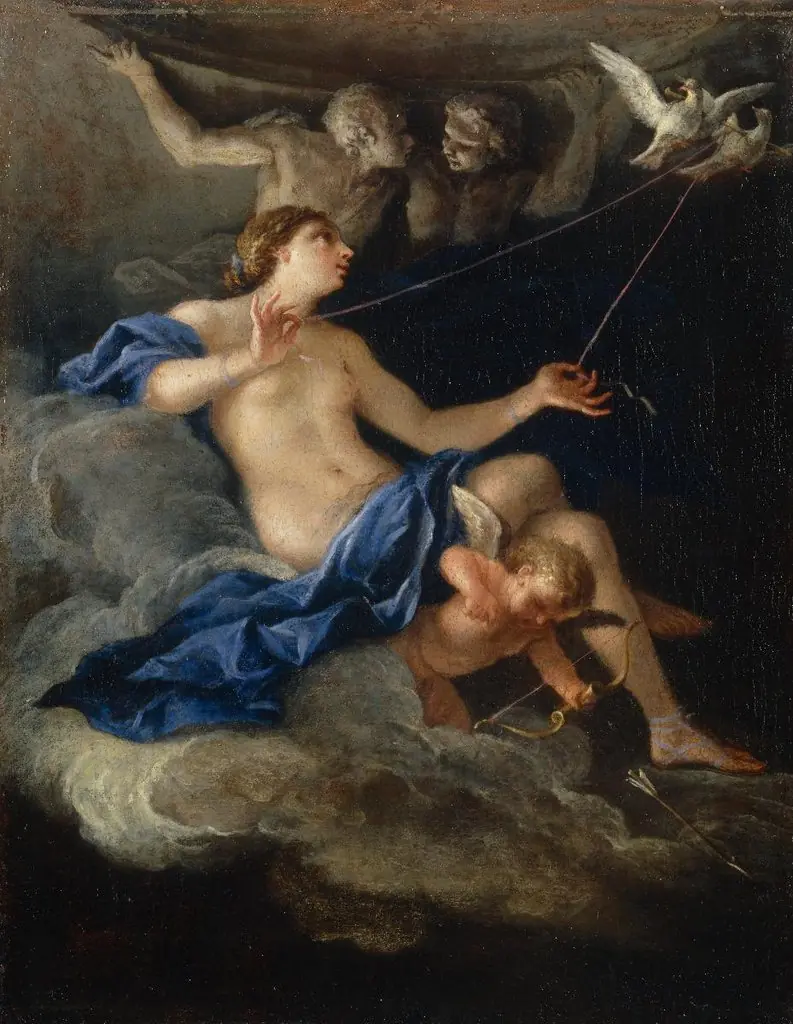 Venere e Amore nel segno dei Gemelli