
Subject
Drapery
Drapery is a subject in art. The gallery holds 115 works in this subject in art, including works by Titian, Paolo Veronese and Lorenzo Lotto.
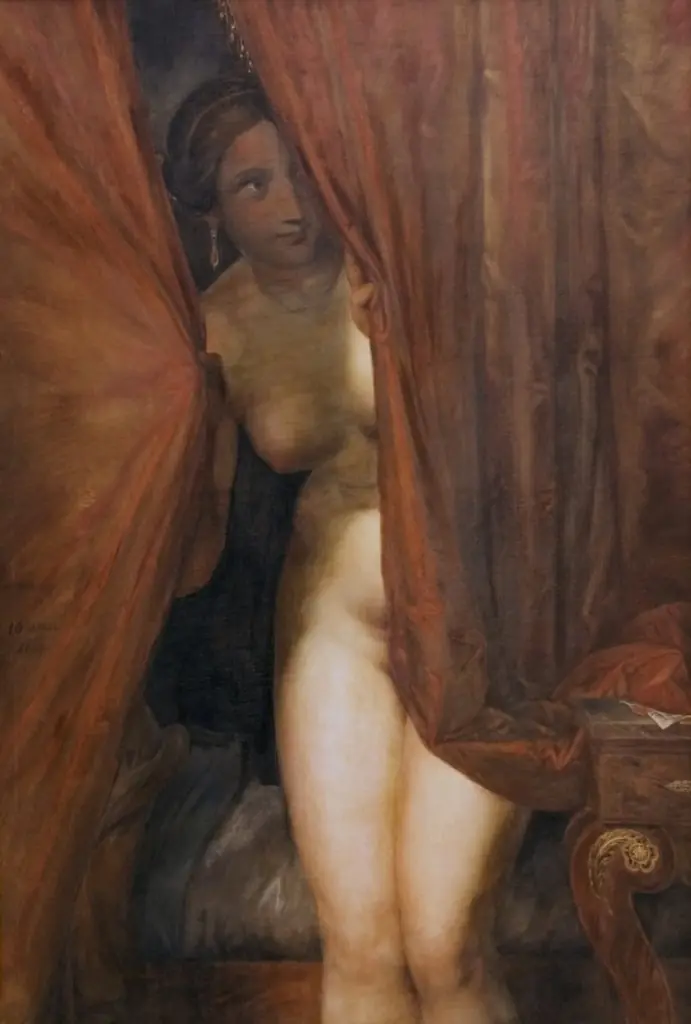
In the vocabulary of Western art, "drapery" denotes the depiction of cloth—garments, mantles, and the curtains and hangings that frame a scene—rendered so that its folds describe both fabric and the forms beneath. Far from incidental, the handling of drapery has long been a measure of an artist's skill, since cloth must obey gravity, reveal anatomy, and convey movement and feeling all at once. A curtain, in the everyday sense of a cloth hung to block light or air, becomes in painting a charged compositional device: it parts to disclose, encloses to create privacy, and lends grandeur to the figures it surrounds.
The great precedent was set in classical Greece. By the late fifth century BC, sculptors developed the "wet" or damp-fold style—first seen on the Athenian Acropolis—in which thin cloth clings to the body in animated ridges, tracing the contours of the figure without exposing it. The three goddesses of the Parthenon's east pediment (c. 438–432 BC), among the Elgin Marbles, remain the canonical example, and the diaphanous style endured through the Hellenistic age and influenced art as far as India and China.
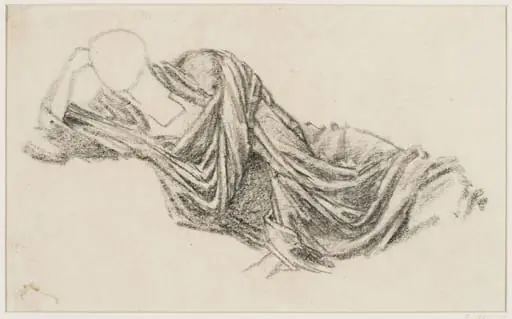
The Renaissance turned drapery into a discipline of study. In Andrea del Verrocchio's Florentine workshop during the 1470s, apprentices including the young Leonardo da Vinci made drapery studies on fine linen, dipping cloth in wet clay, arranging it over a mannequin, and rendering its fall in brush, ink, and gouache. These exercises in chiaroscuro—building solid form through smooth gradations of light and dark—were as much sculptural as graphic; sixteen survive.
Baroque artists made drapery theatrical. Gian Lorenzo Bernini's "living marble," as in the Blessed Ludovica Albertoni, sends fabric into swirling, agitated rushes that externalize spiritual emotion. Painters likewise set turbulent cloth against bare flesh for sensual and dramatic effect.
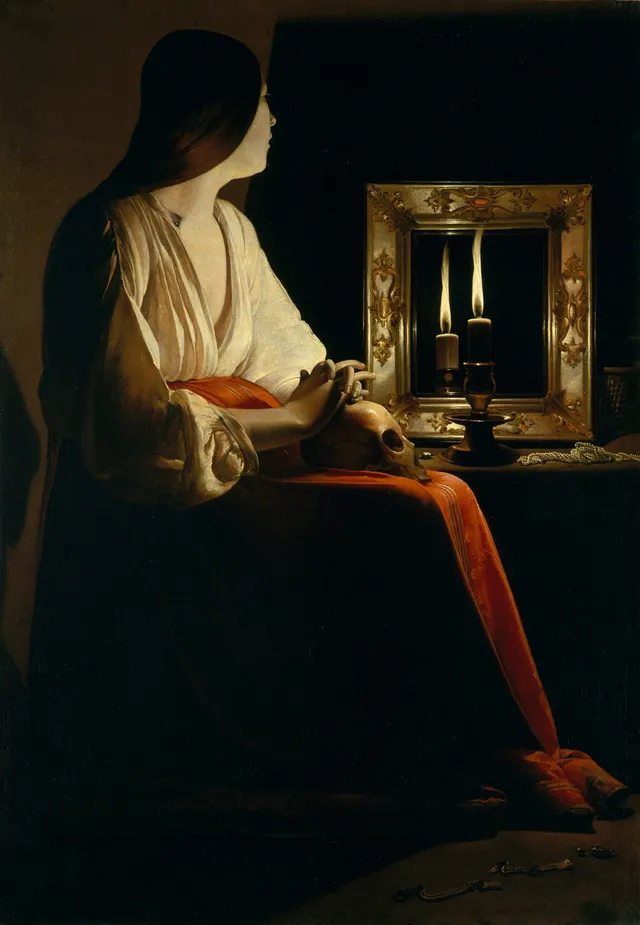
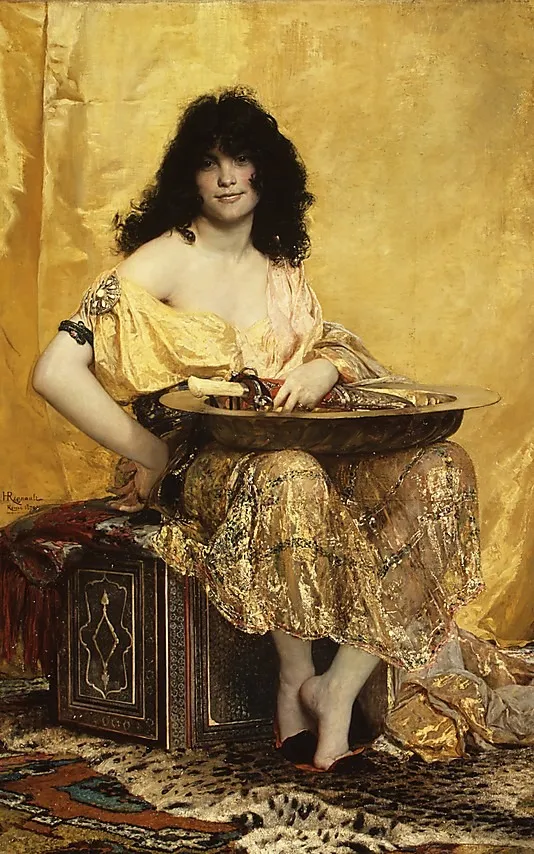
The collection's holdings show drapery in both roles. Titian's Venus with a Mirror, like his Venus of Urbino, uses richly modeled cloth and a backing curtain to frame and warm the nude—a device echoed in Veronese's Venus and Mars and Lotto's Venus and Cupid. Georges de La Tour's The Penitent Magdalen, Regnault's Salome, and Cot's The Storm extend the tradition, where falling fabric and parted hangings carry mood, modesty, and revelation alike.
Key artists


Overview
Drapery in art refers to the depiction of artfully folded fabric, clothing, and curtains within drawing, painting, and sculpture. Far from a mere decorative accessory, drapery is a fundamental element of visual vocabulary that artists use to structure compositions, convey volume, and introduce movement. Because cloth can be folded, hung, wrapped, or fluttering, it carries immense expressive potential, allowing artists to communicate emotions ranging from piety to anger. Historically, the treatment of folds presented a primary technical challenge, requiring artists to model complex geometric forms in light and shadow to convey both the textile's own form and the body beneath it. So integral is drapery to the language of painting that it binds even modern abstract painters to the greats of the past, offering expressive possibilities in form, color, and rhythm that closely anticipate abstraction.
Iconography & meaning
Beyond its formal qualities, drapery carries layered symbolic and social meanings. In religious contexts, a curtain can separate the sacred from the profane, as seen in the Temple of Jerusalem where a veil divided the Holy of Holies, a motif referenced in the New Testament when the temple curtain tears at the moment of Christ's death. In the Fatimid Caliphate, a curtain known as a stir concealed the caliph at the start of audiences, controlling visual access to the ruler. In Renaissance painting, the specific colors of drapery communicated social status and identity, as dyed cloths of certain qualities were restricted by law to specific social classes. Drapery also functions as a metaphor for privacy and secrecy, concealing and revealing intimate spaces, while in the hands of Surrealists it became a device to expose the illusion of painting itself, revealing the hollowness behind the pictorial window.
Across movements & periods
The treatment of drapery clearly distinguishes artistic periods and styles. In classical antiquity, drapery varied between meticulous lines and free-flowing forms, with Hellenistic art emphasizing volume over line. Early Christian iconographers adopted classical traditions, clothing biblical figures in vaguely togalike garments with little historical accuracy. The European Gothic style from the 13th century featured a gentle interplay of soft folds. Renaissance artists modified this with linear patterns to create diaphanous, figure-revealing garments, utilizing colored paper and white bodycolor to model complex folds in drawings. Mannerist and Baroque art emphasized theatrical potentialities, leading many painters to employ studio specialists solely to render dress and drapery. In 19th century France, the lavish dresses of the Second Empire and the rise of haute couture elevated fashion drawing from drapery study, while Art Nouveau further emphasized textile detail. Modern and contemporary movements have reimagined drapery not merely as representation but as material process, merging the languages of painting and sculpture.
Notable depictions
Canonical depictions of drapery highlight its expressive versatility. In early Italian painting, Duccio di Buoninsegna used sweeping, sinuous folds braided with gold to trace Christ's journey in the Maesta, while Giotto employed heavy, marmoreal swags of cloth in his Arena Chapel frescoes to amplify the raw grief of mourners. Northern Renaissance artists like Jacques Daret rendered drapery with a friable, wooden angularity, making the Virgin's robes appear both otherworldly and fragile. Sandro Botticelli captured fluttering, dynamic mantles in the Birth of Venus, and Johannes Vermeer utilized curtains to amplify the intimacy of domestic scenes. In sculpture, the tradition of carving veiled figures from marble stretches from ancient Greek caryatids to Giovanni Strazza's veiled virgin. In the 20th century, Rene Magritte used curtains to question the nature of representation, and Gerhard Richter explored the motif in his Vorhang series, flirting with photorealism and abstraction.
Legacy
The legacy of drapery extends deeply into contemporary art, where it has evolved from a representational skill into an active material process. The exhibition Drop, Cloth, co-curated by Glenn Adamson and Severin Delfs, traces this lineage over the past fifty years, demonstrating how contemporary artists use shaped canvas, paint skin, pliant ceramic, and folded metal to reimagine the motif. Pioneers like Sam Gilliam and Lynda Benglis merged painting and sculpture, drawing attention to canvas as an artistic substrate rather than a mere support. Contemporary artists such as Ryan Gander outsource the creation of marble draperies to emphasize the alchemical transformation of stone into cloth over manual skill. Others, like Elaine Reichek, translate historical painted drapery into hand embroidery, collapsing historical reference and feminist critique into a single gesture. Through these interdisciplinary practices, drapery continues to function as a vital conduit between textile traditions, conceptual dialogue, and the boundary between two and three dimensions.
Works
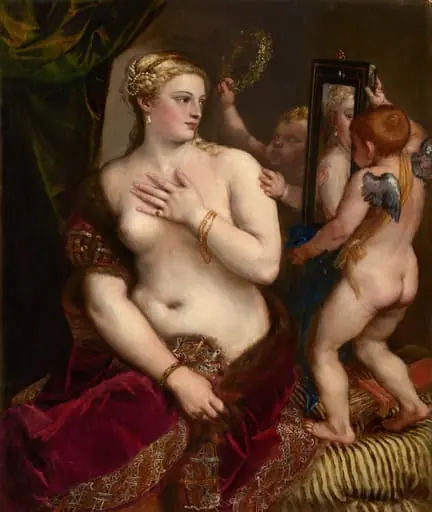 Venus with a Mirror
 Venus and Mars
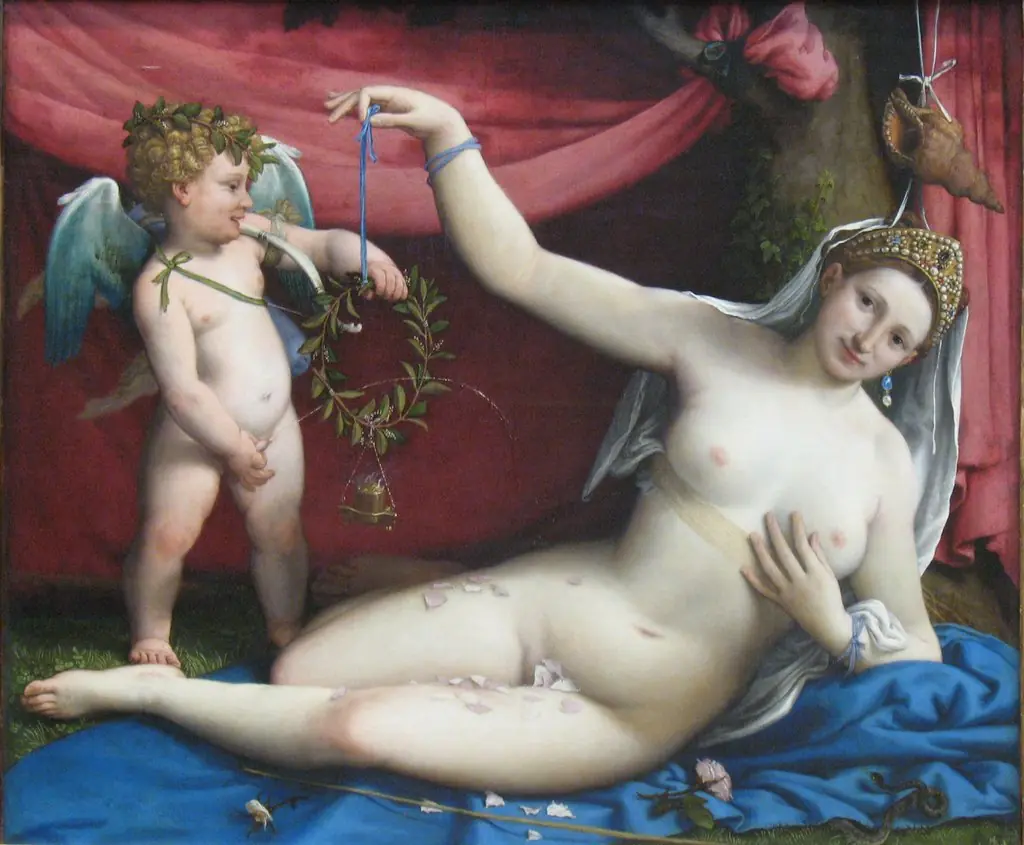 Venus and Cupid
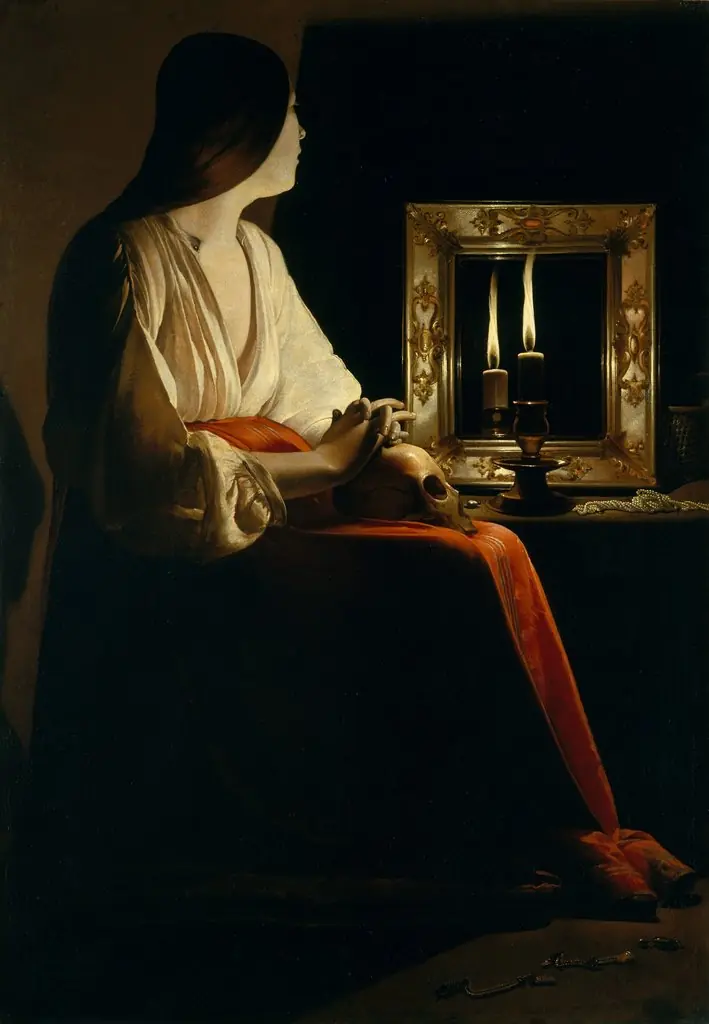 The Penitent Magdalen
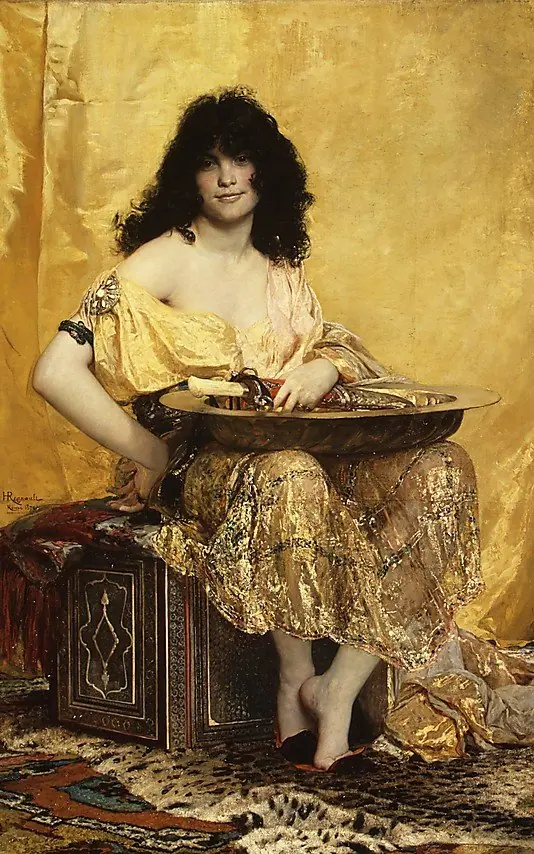 Salome
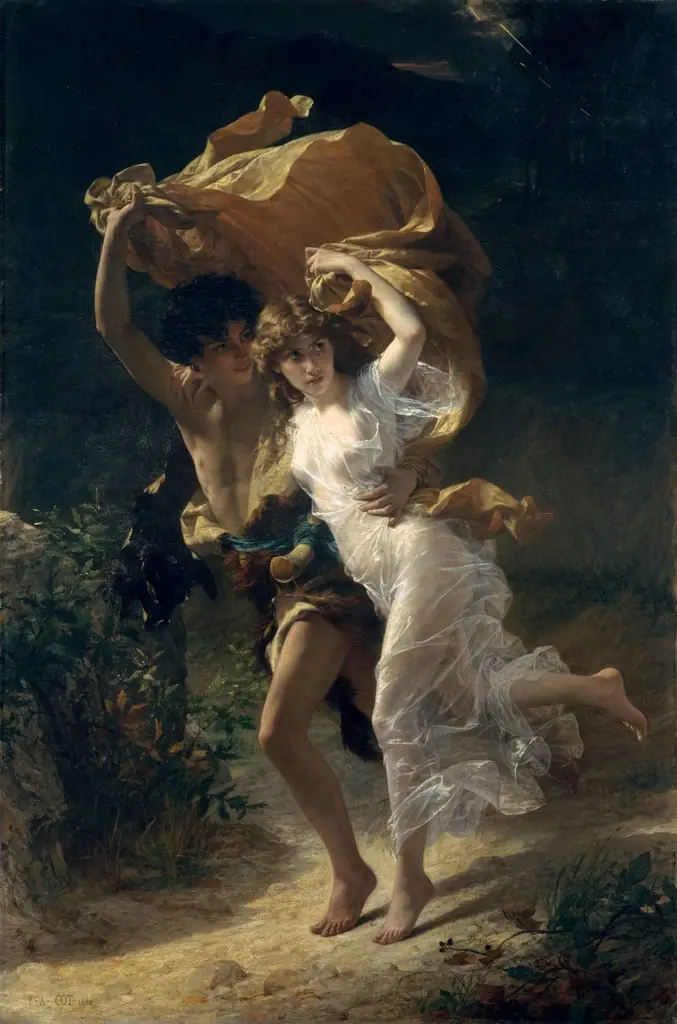 The Storm
 Madonna and Child with the Young Saint John the Baptist
 Pandora
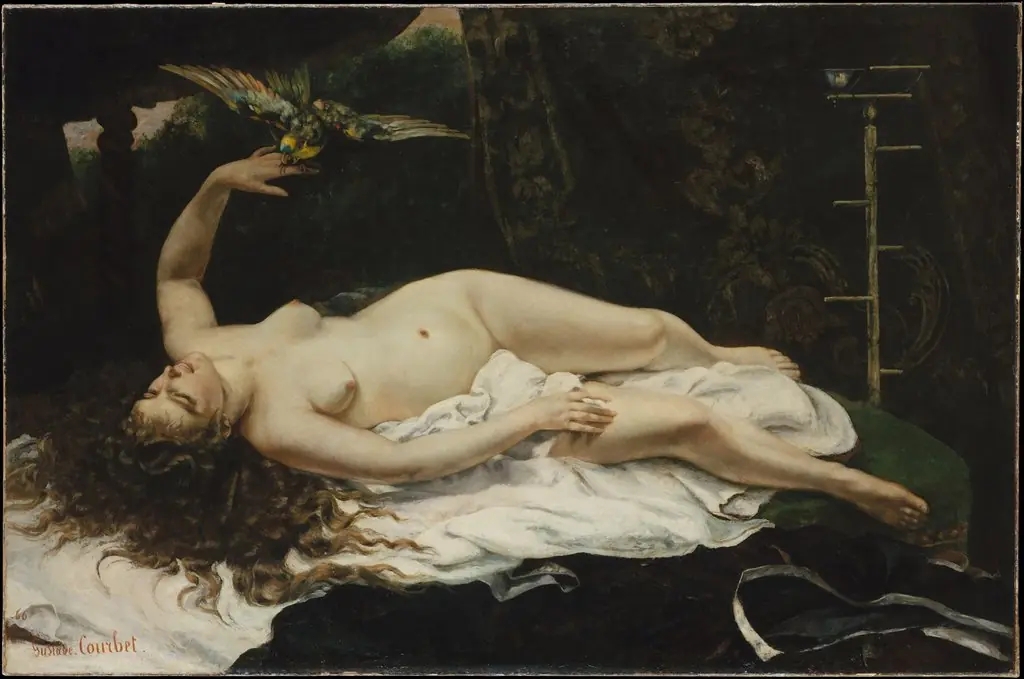 Woman with a Parrot
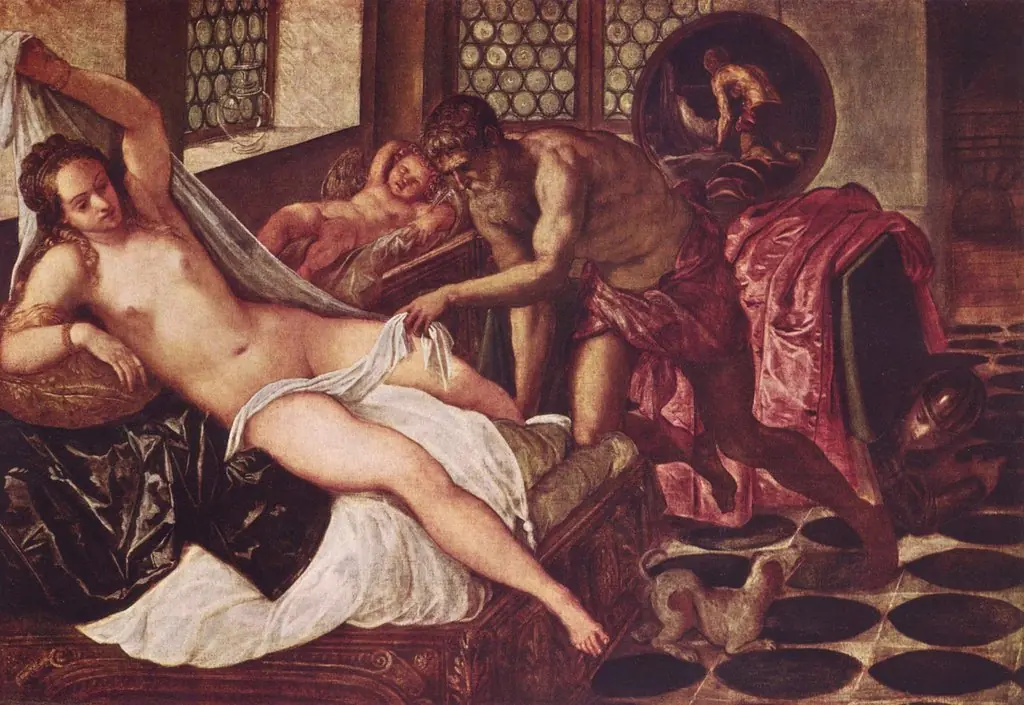 Venus and Mars Surprised by Vulcan
 Venus and Adonis
 Vertumnus and Pomona
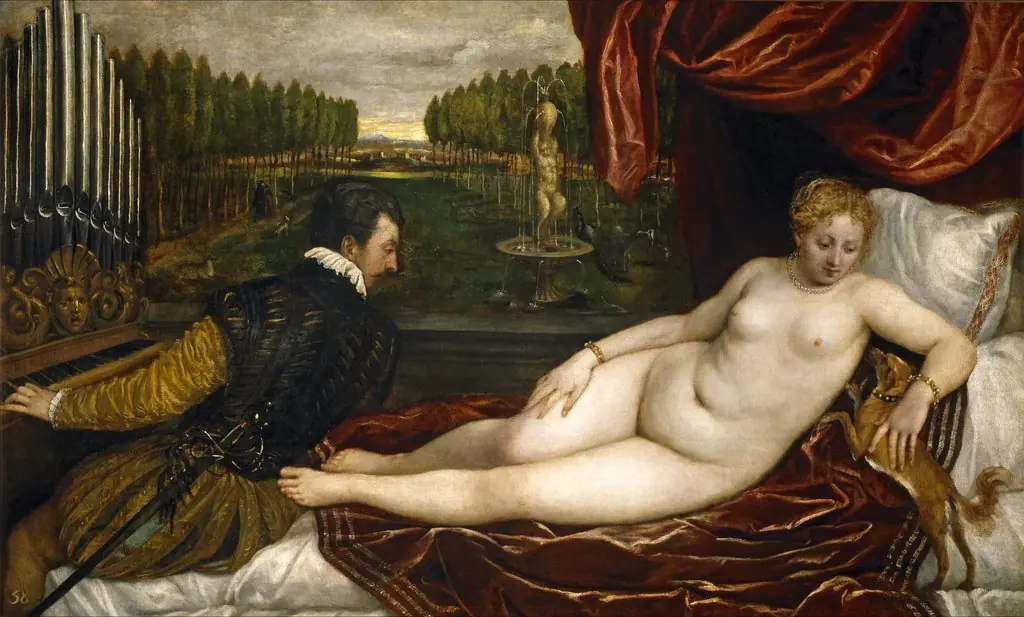 Venus and Music
 The Ages and Death
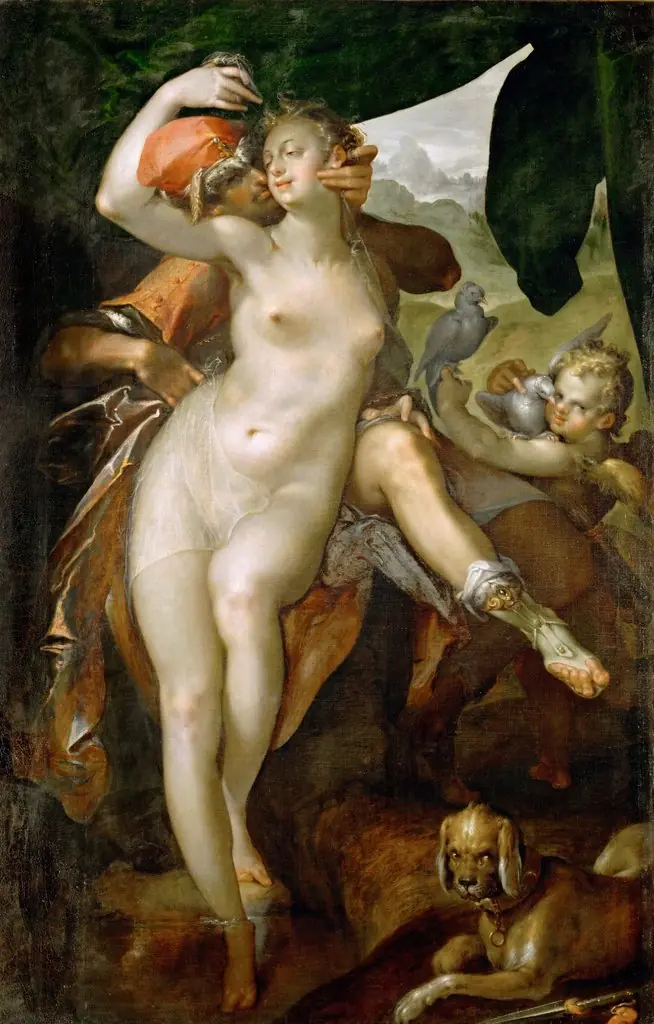 Venus and Adonis
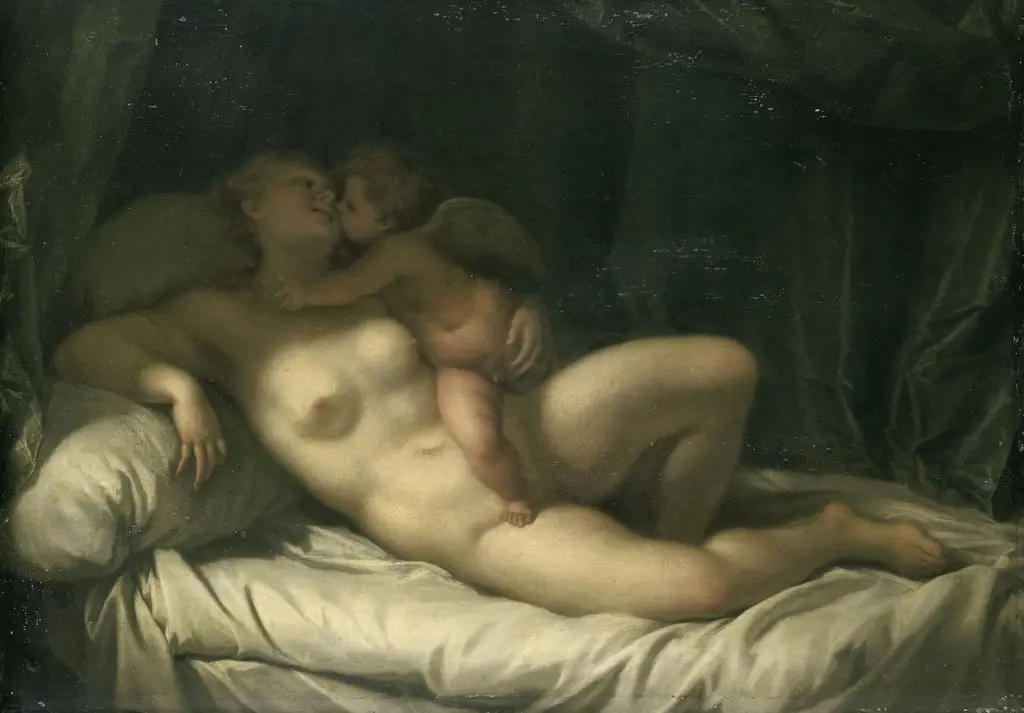 Cupid Kissing Venus (Venus Kissed by Amor)
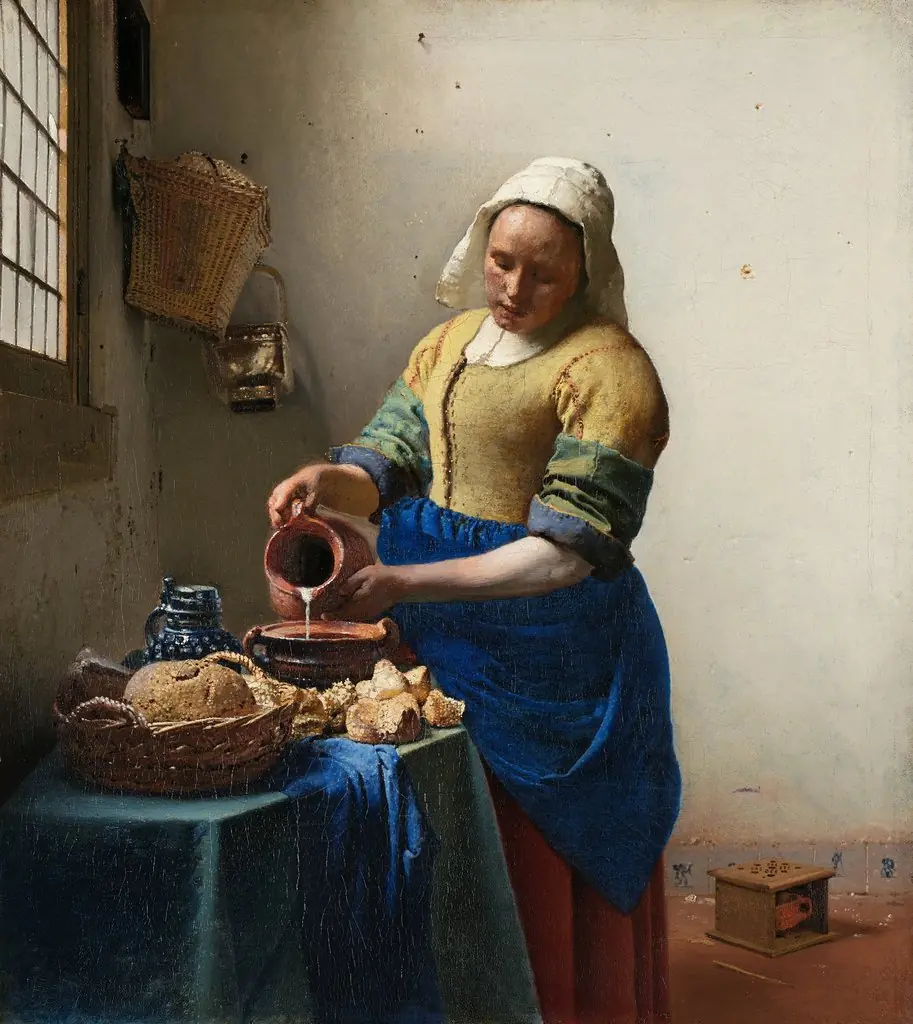 The Milkmaid
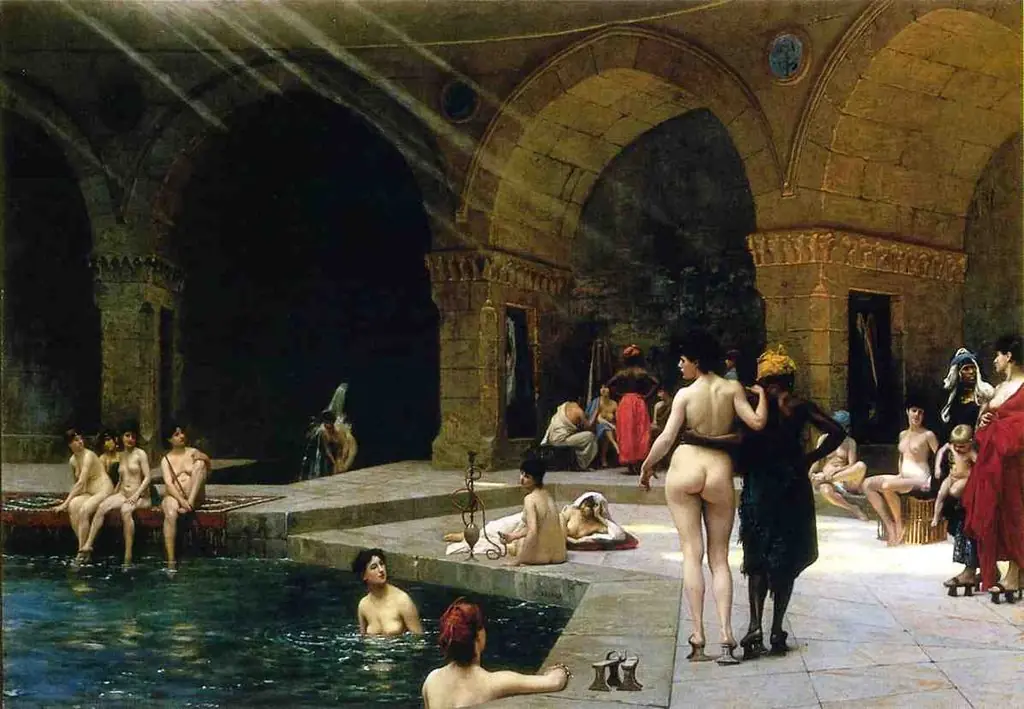 The Great Bath at Bursa
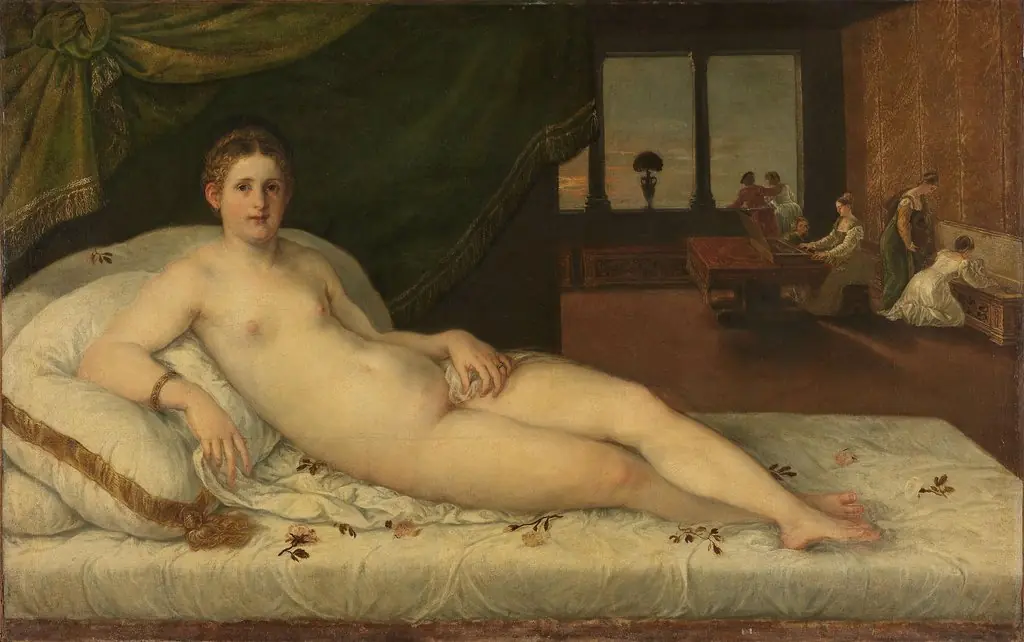 Reclining Venus
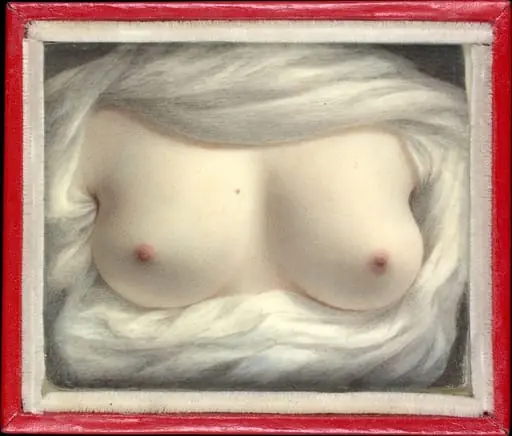 Beauty Revealed
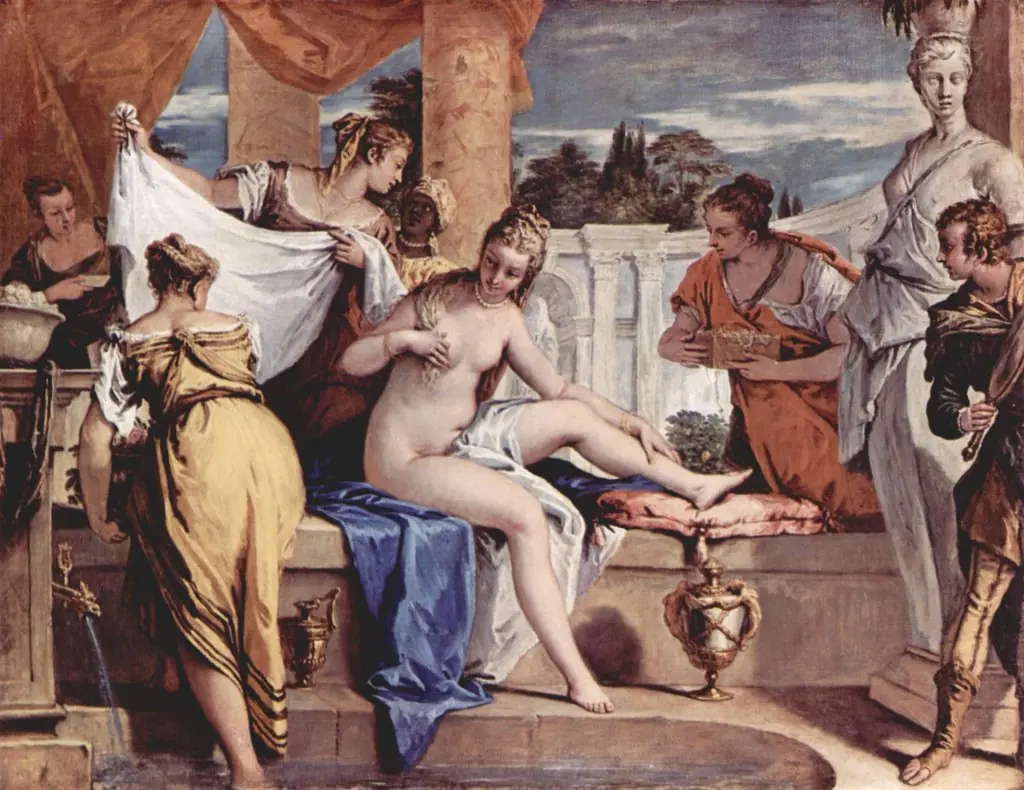 Bathsheba at her bath
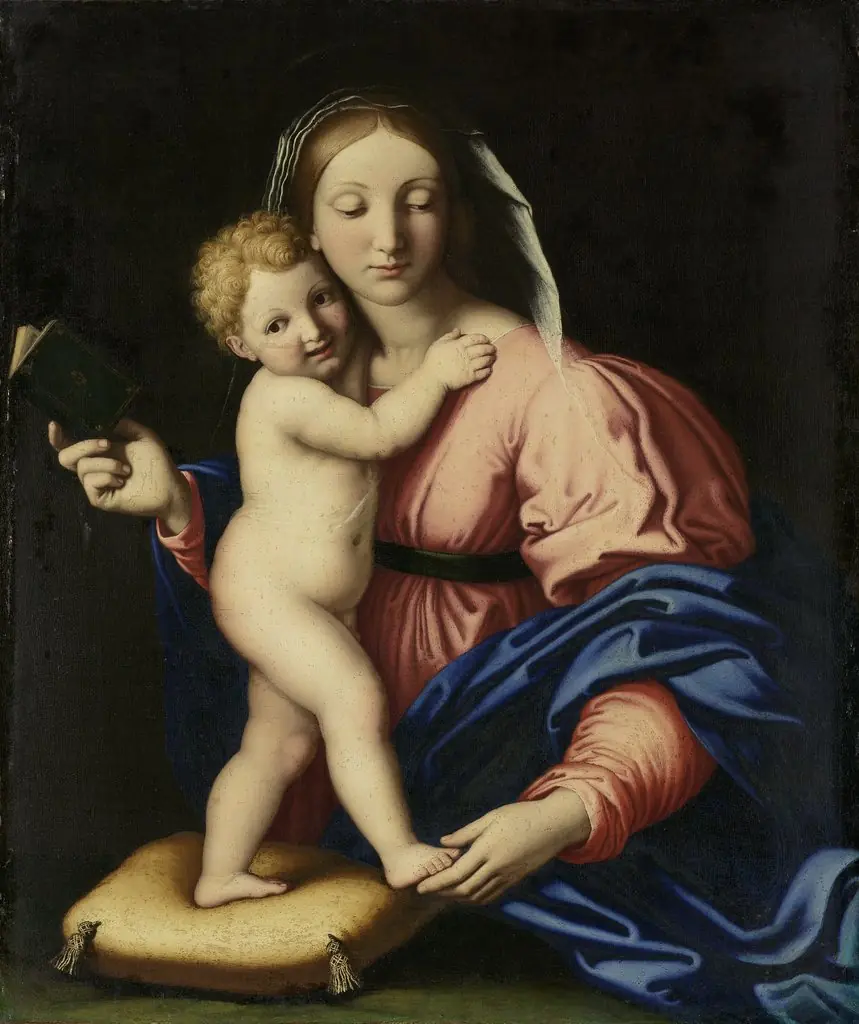 Virgin and Child
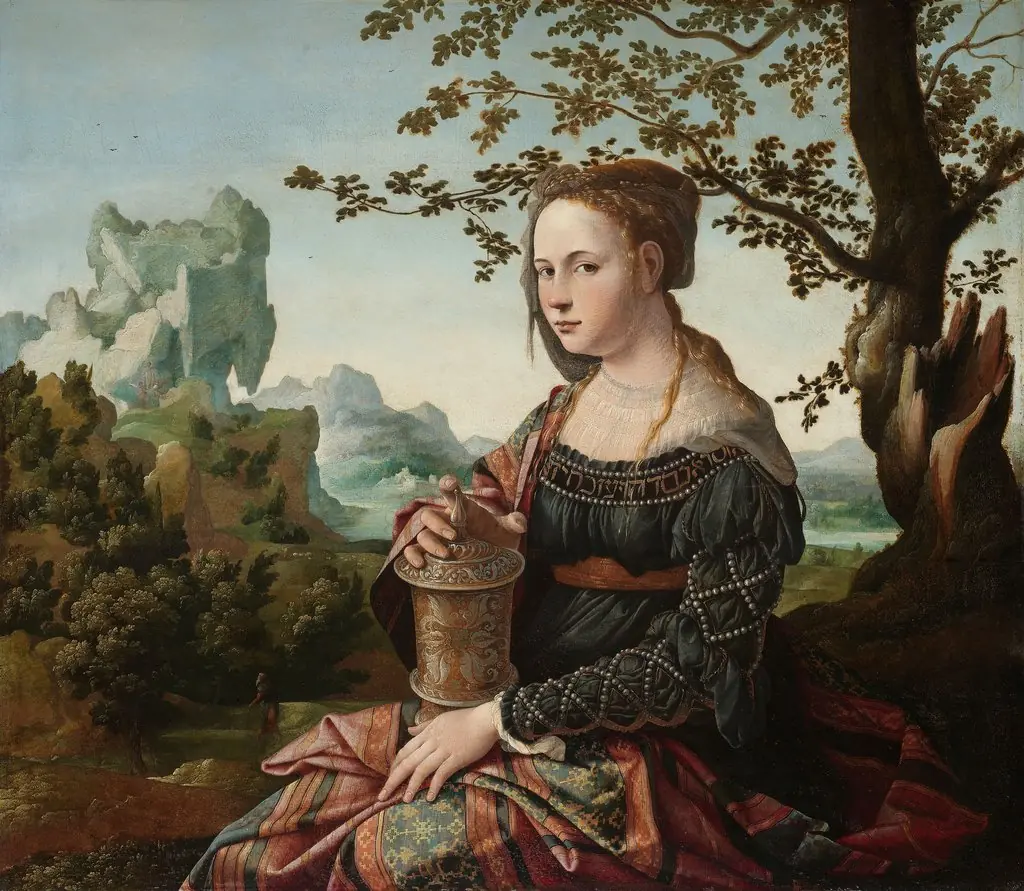 Mary Magdalene
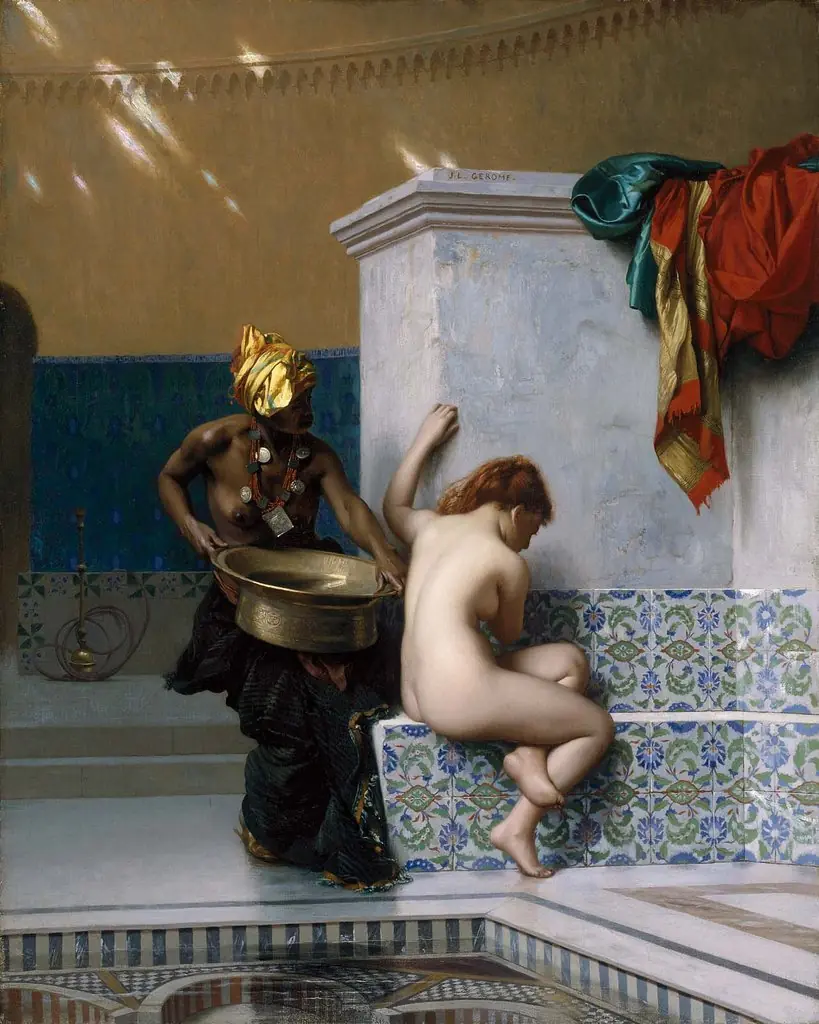 Moorish Bath
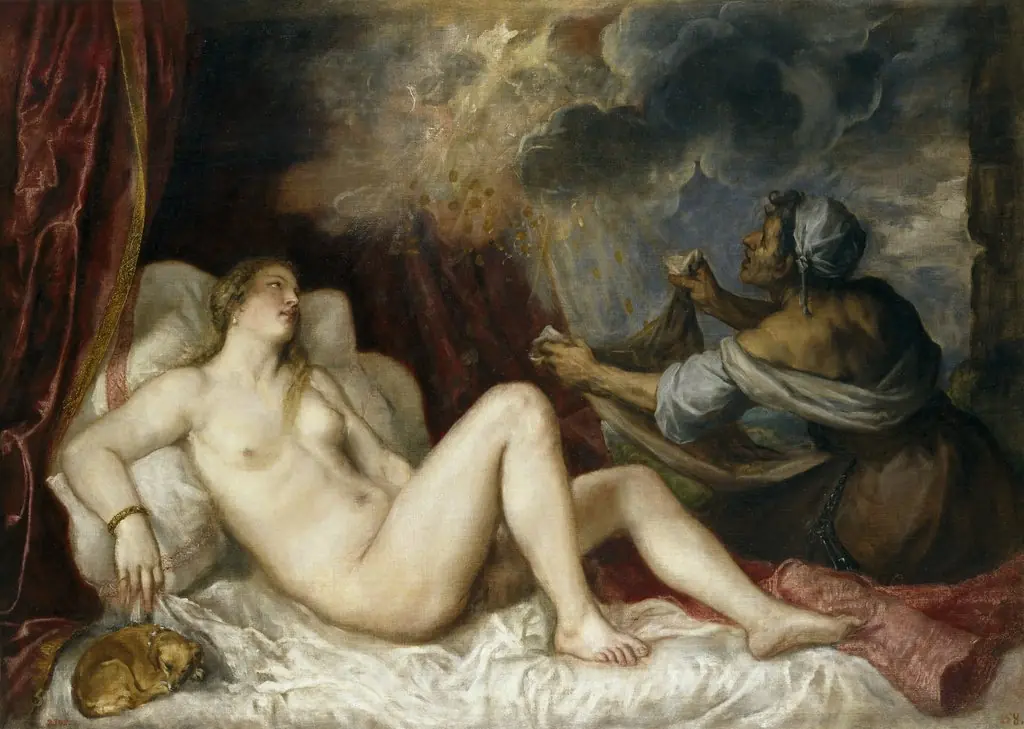 Danaë
Danaë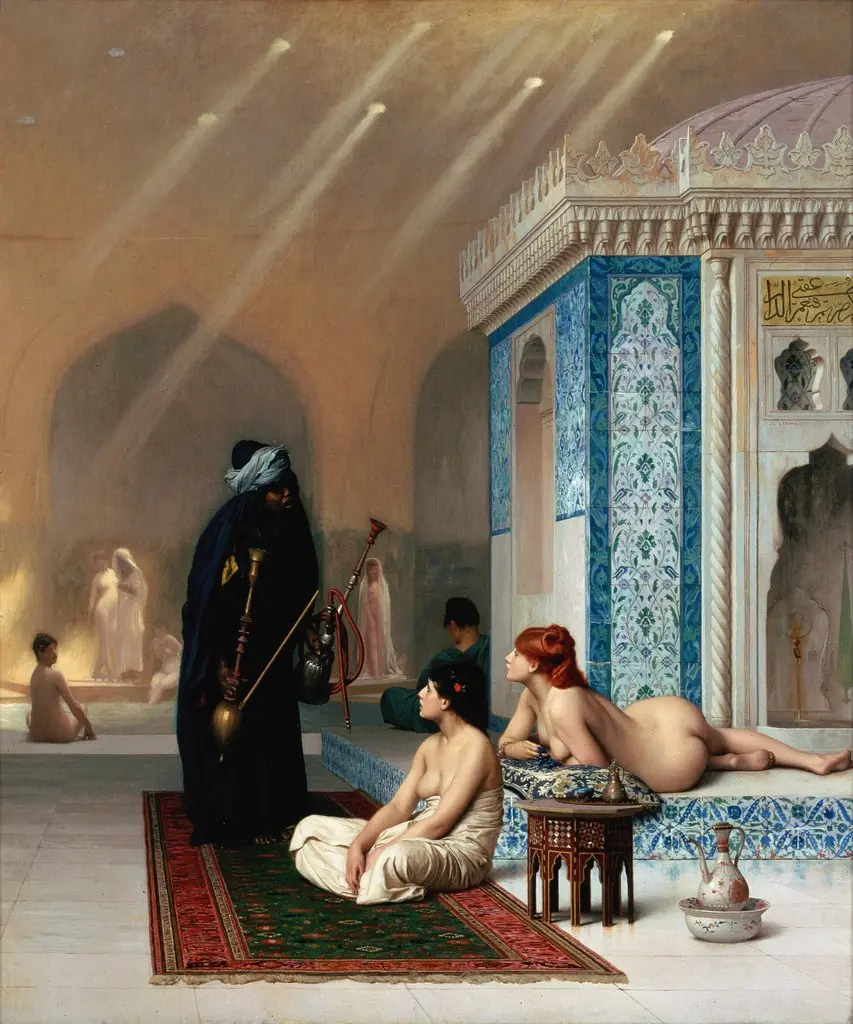 Pool in a Harem
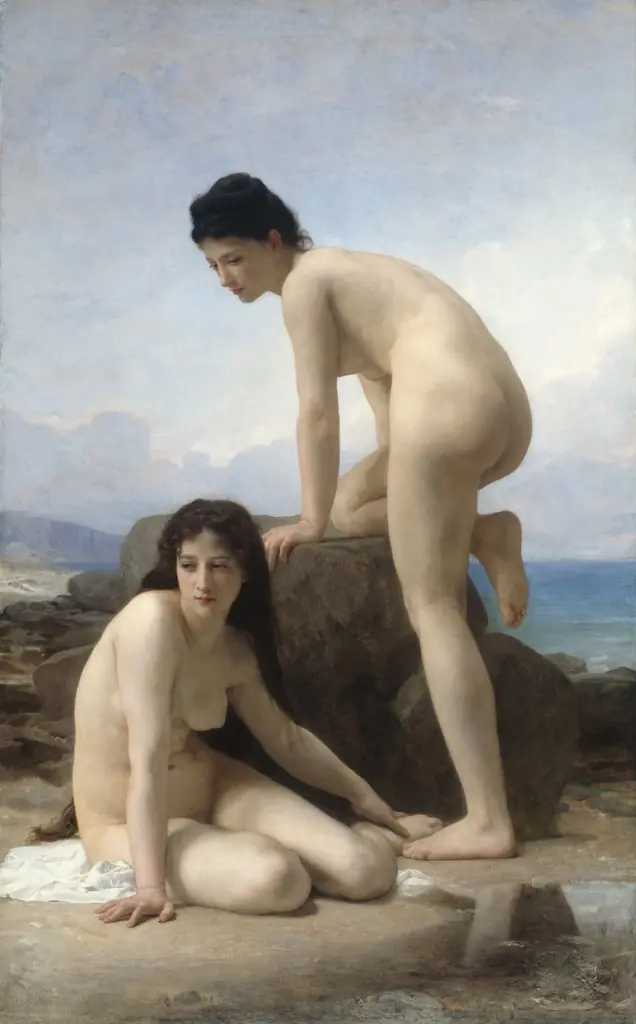 The Two Bathers
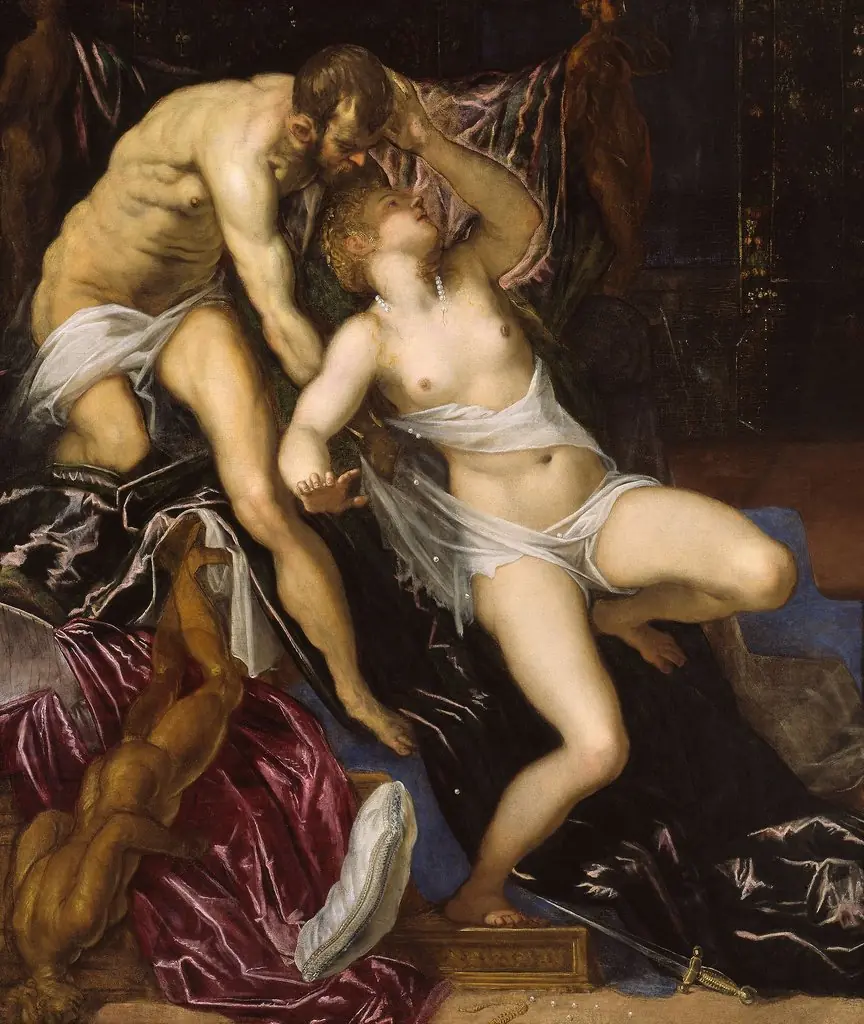 Tarquin and Lucretia
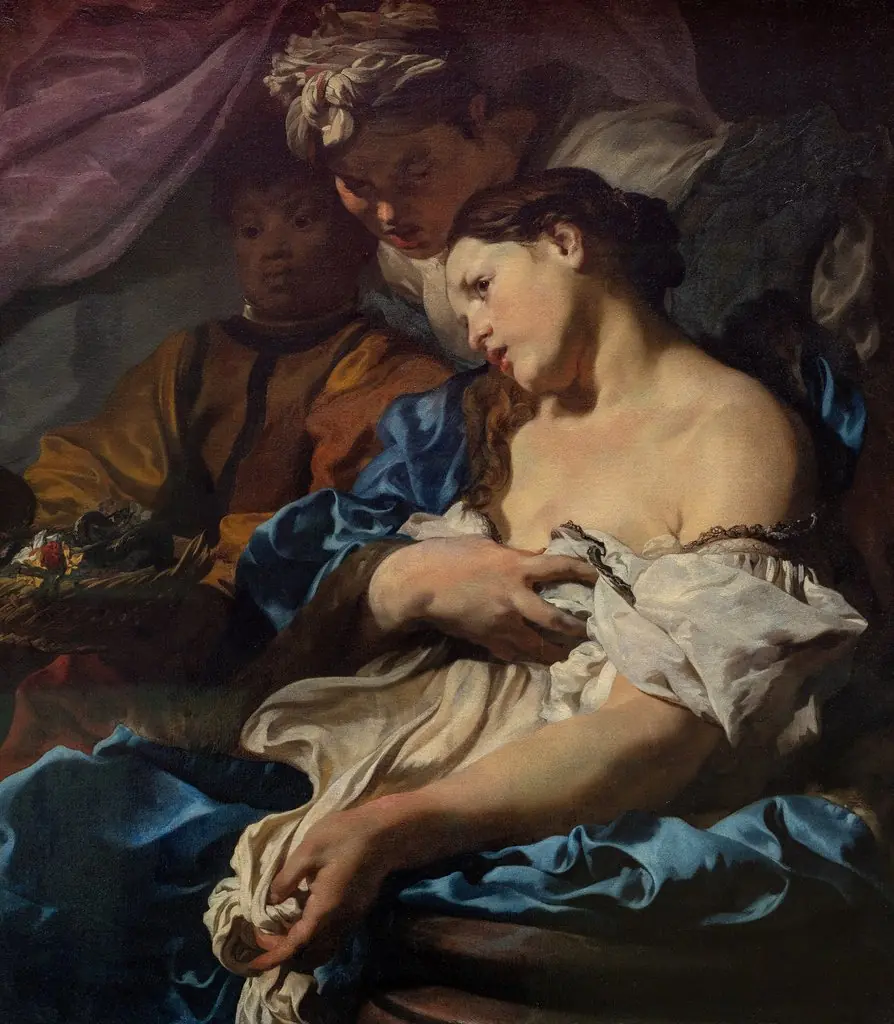 The Death of Cleopatra
 Perseus Freeing Andromeda
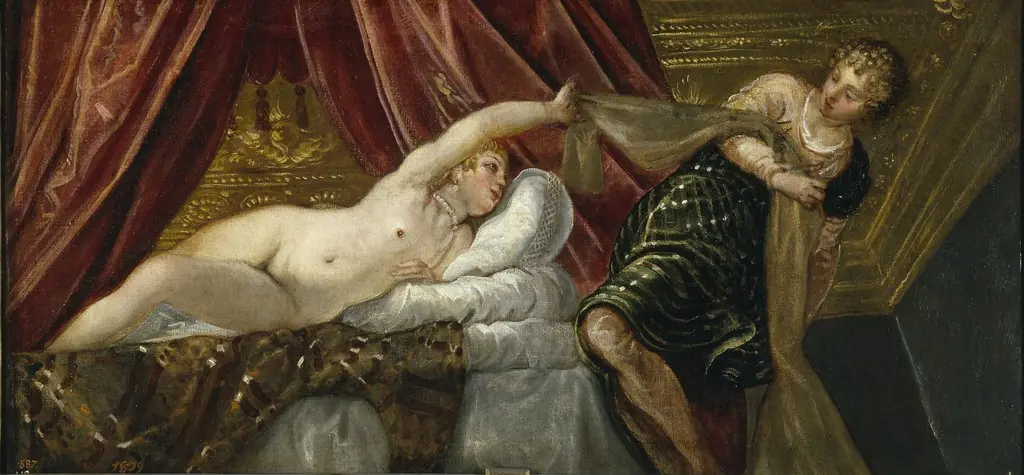 Joseph and Potiphar's Wife
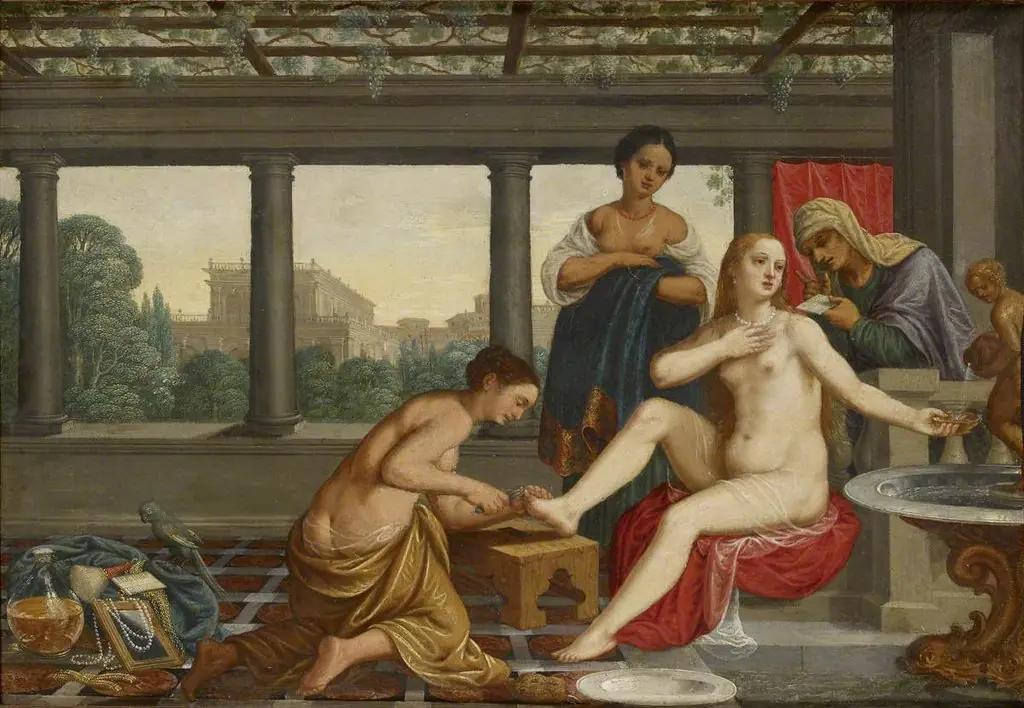 Bathsheba's Bath
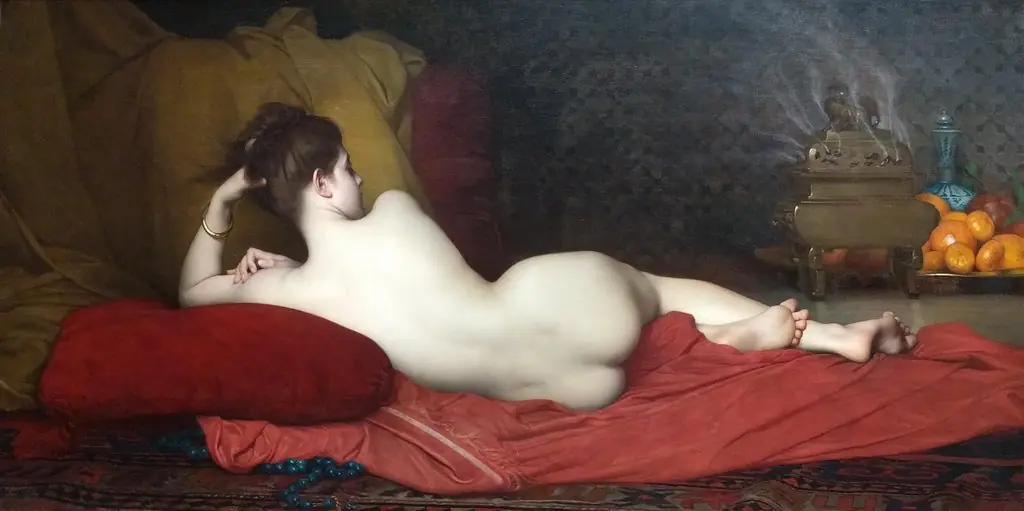 Odalisque
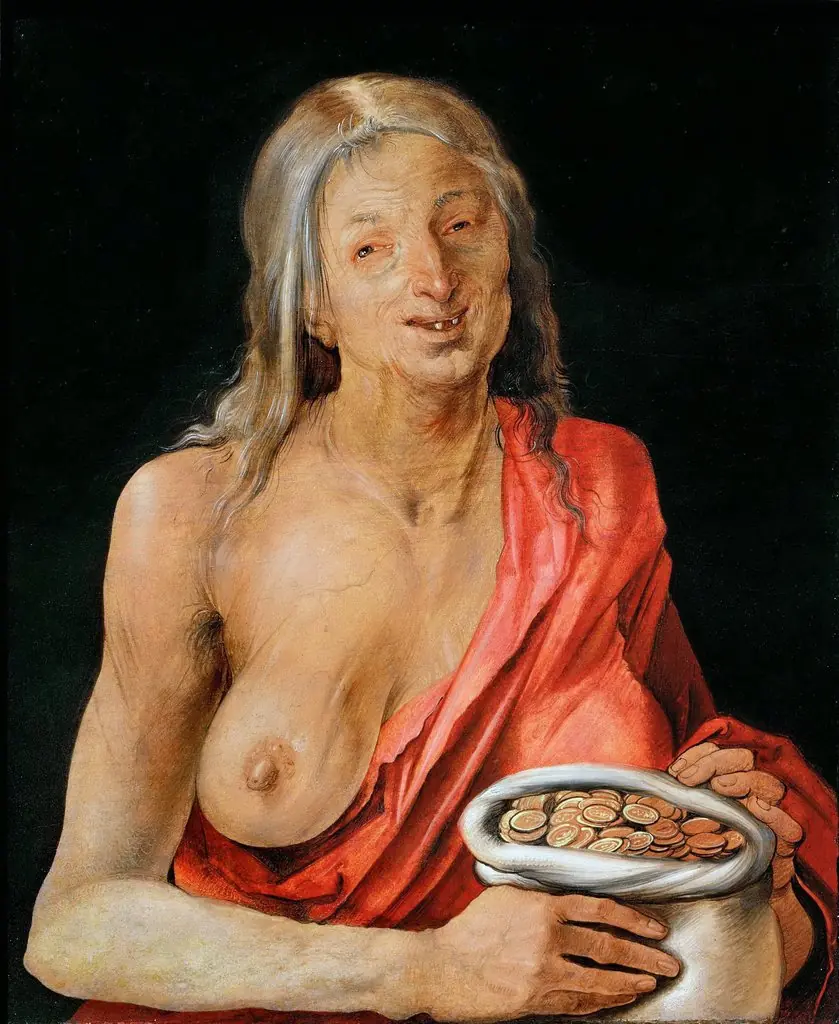 Avarice
 Danaë
Danaë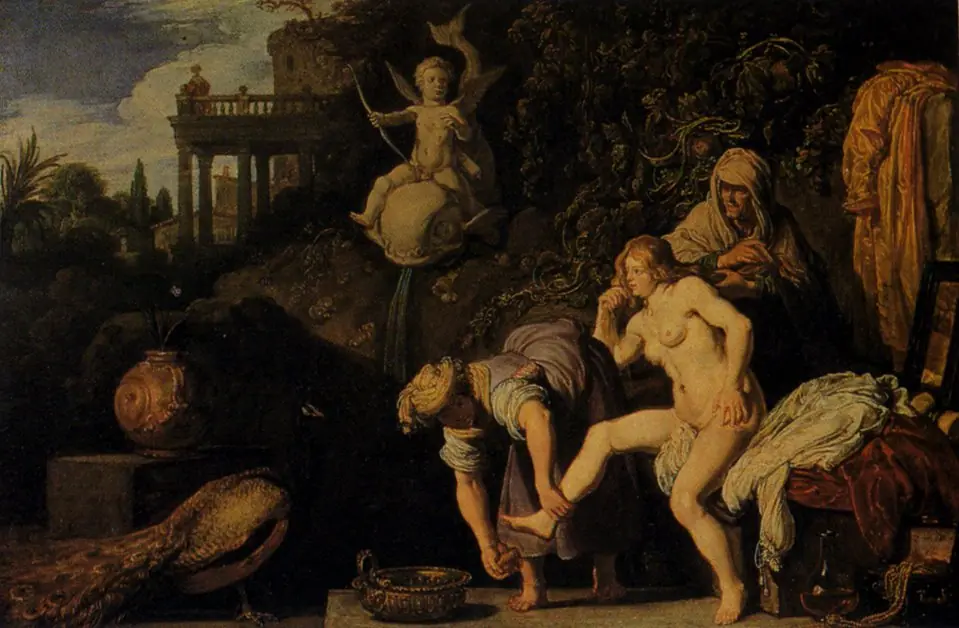 Bathsheba at her Toilette
 Susanna and the Elders
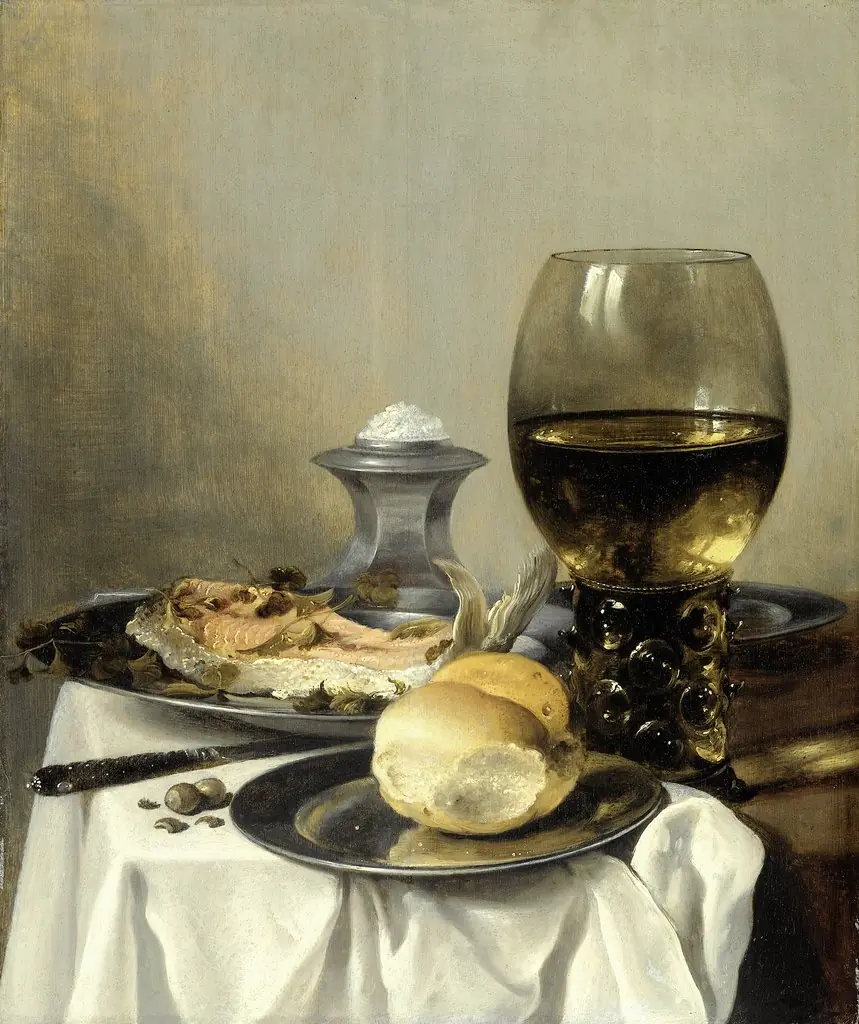 Still life with a salt cellar
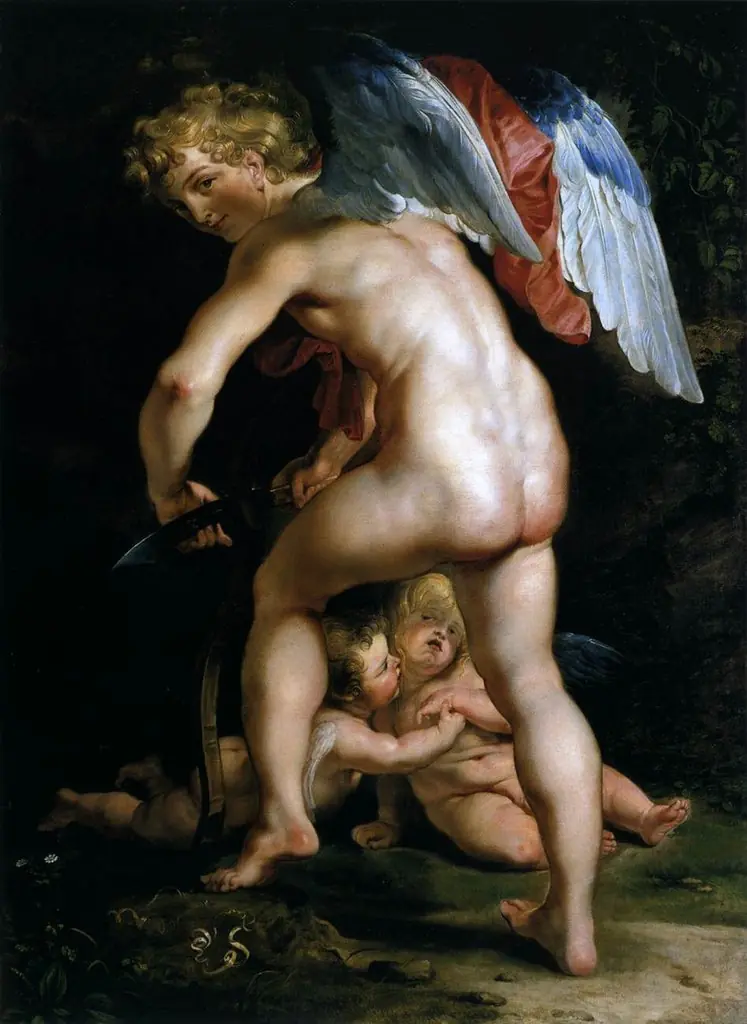 Cupid (Eros) Carves the Bow
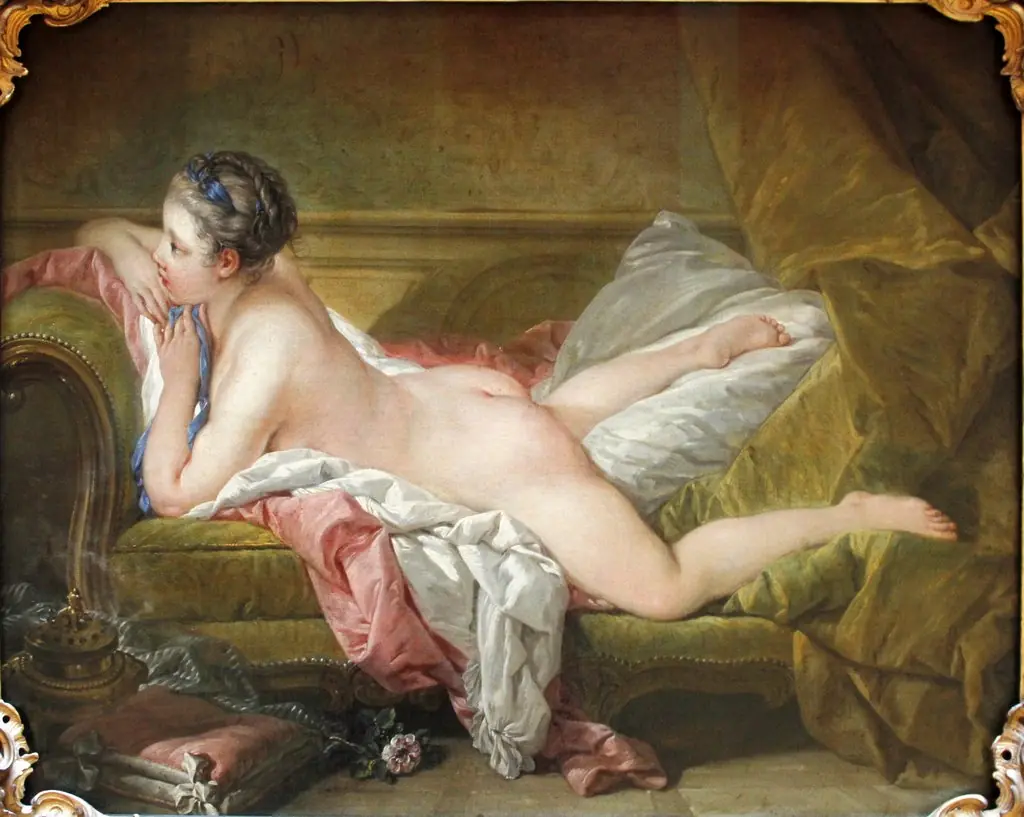 Reclining Girl
 Bathsheba
 François Ier du Saint-Empire et sa collection d'histoire naturelle
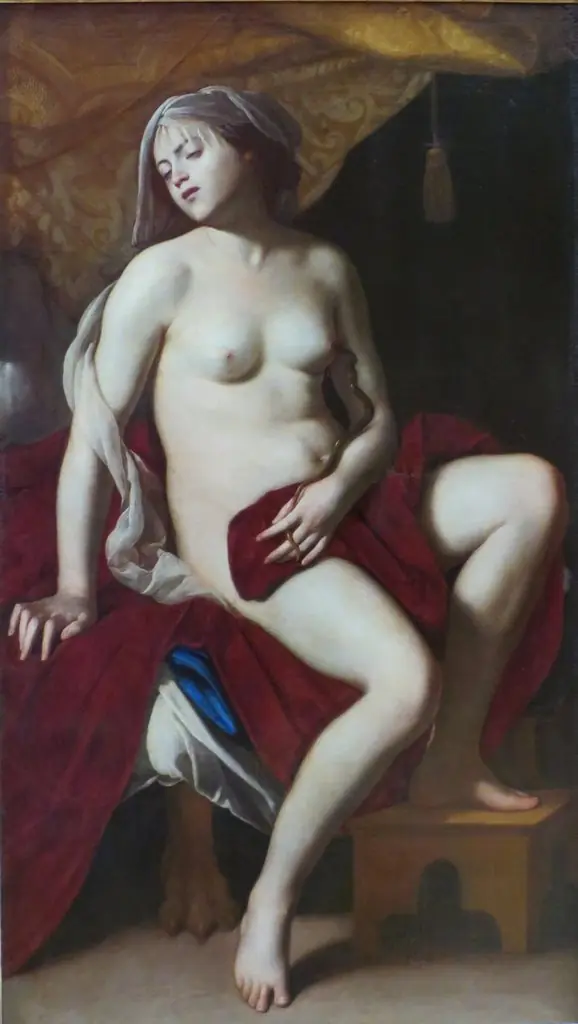 The Death of Cleopatra
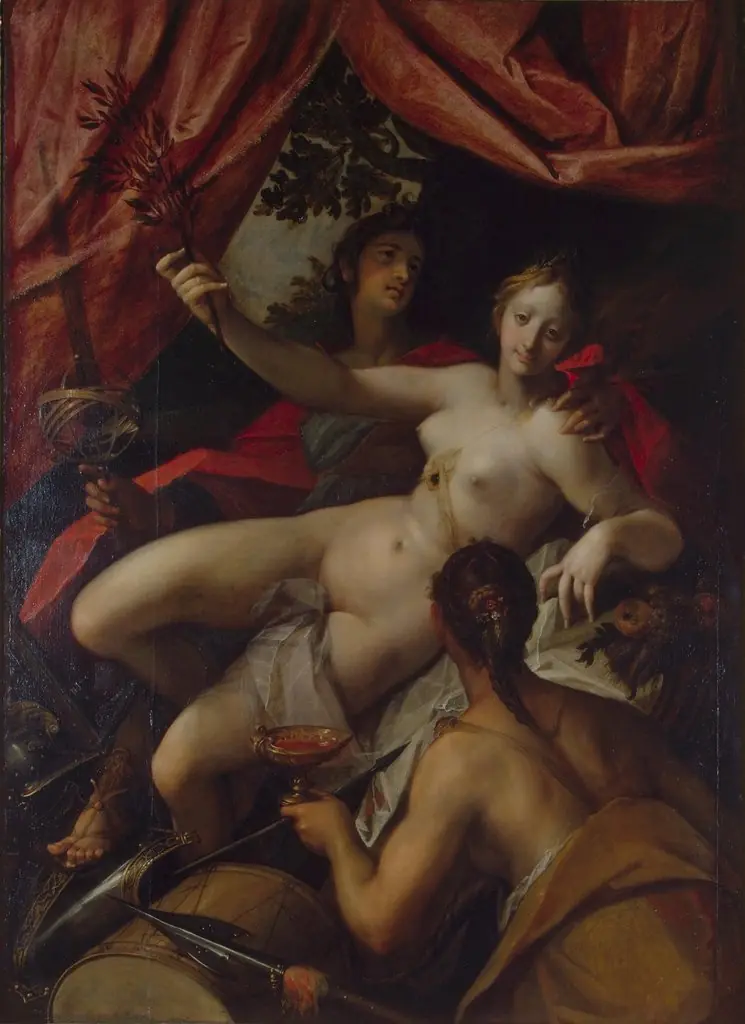 Allegory of Peace and Abundance
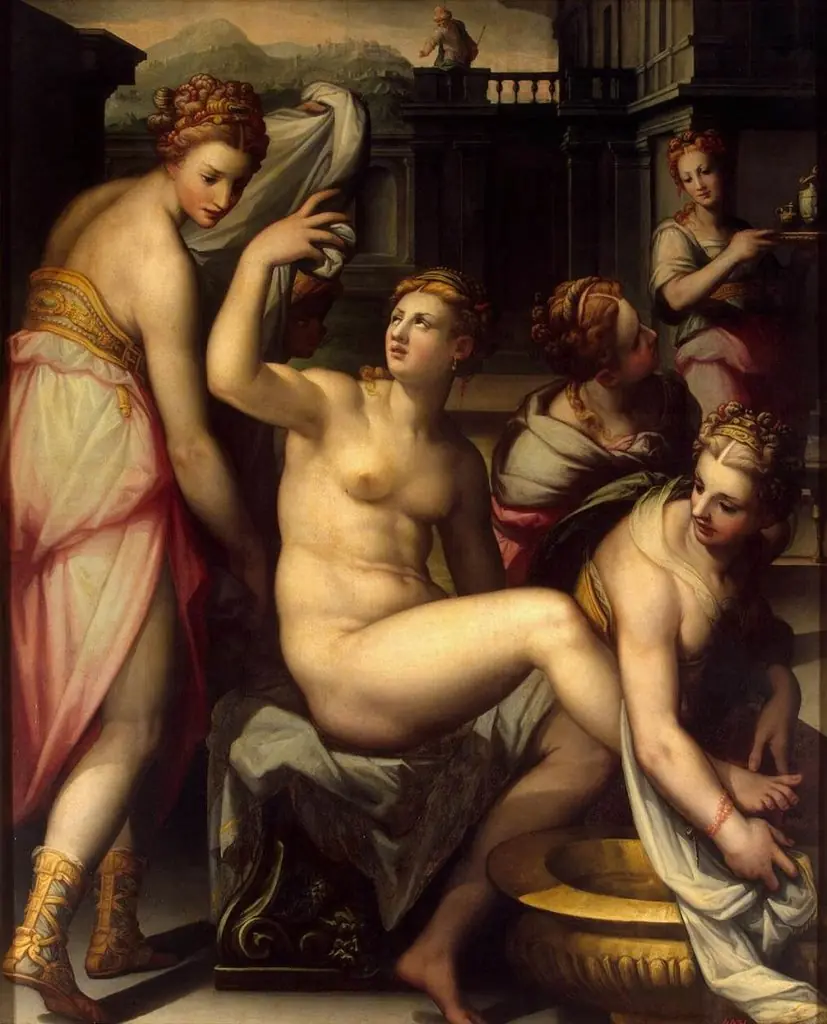 Bathsheba
 Vanitas Still Life
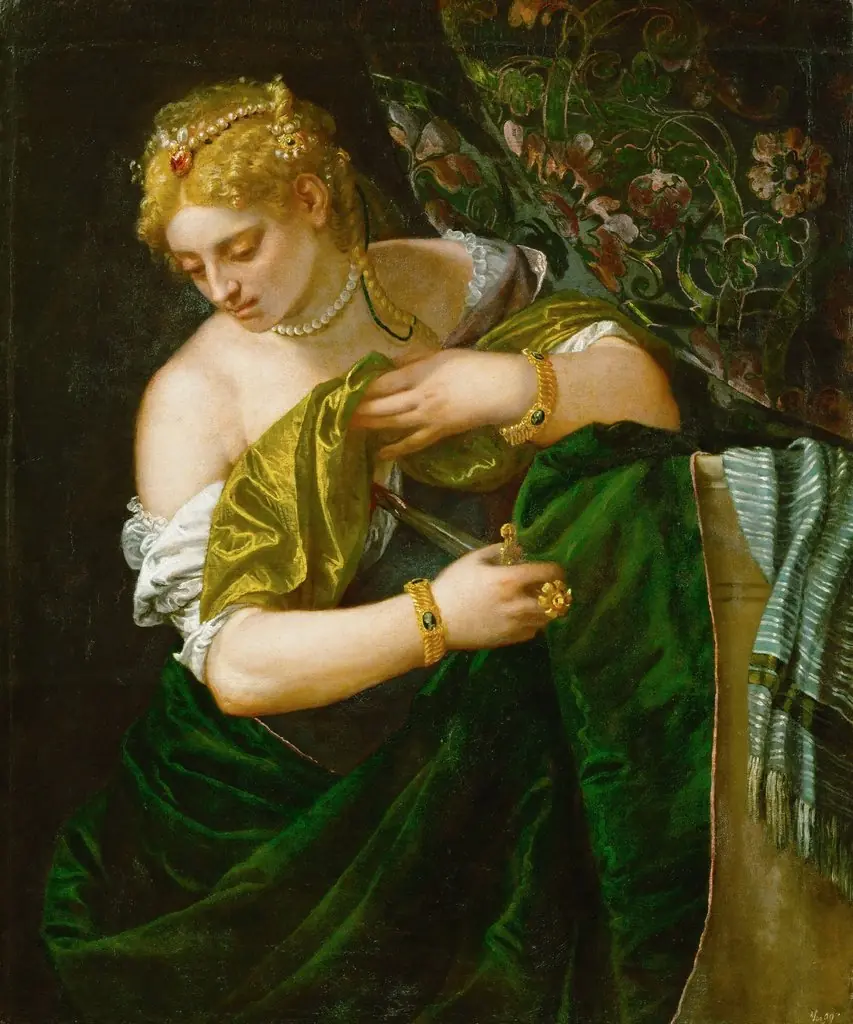 Lucretia
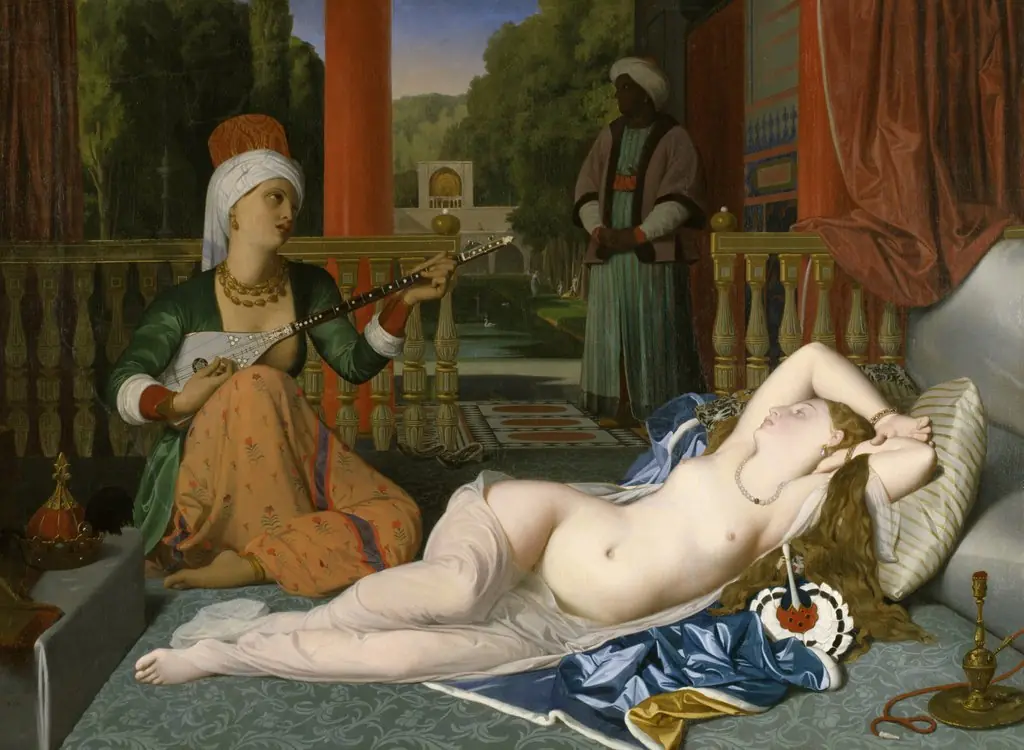 Odalisque with Slave
 Portrait of Louis of France
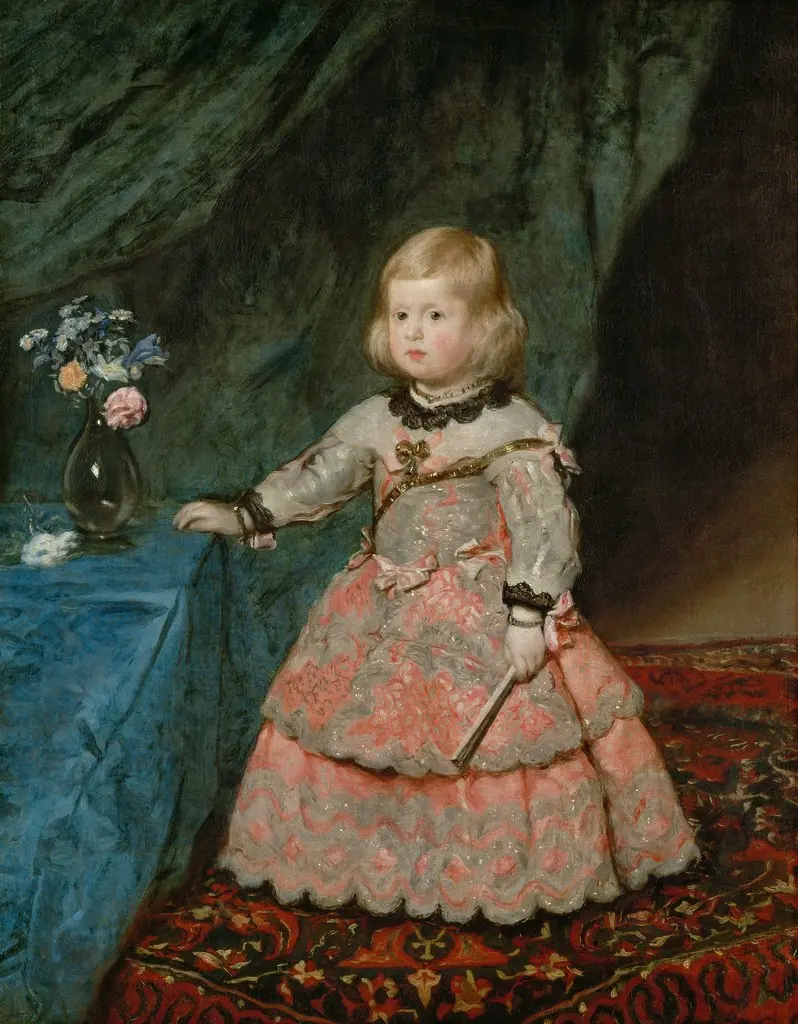 Infanta Margarita Teresa
 Brothel Scene
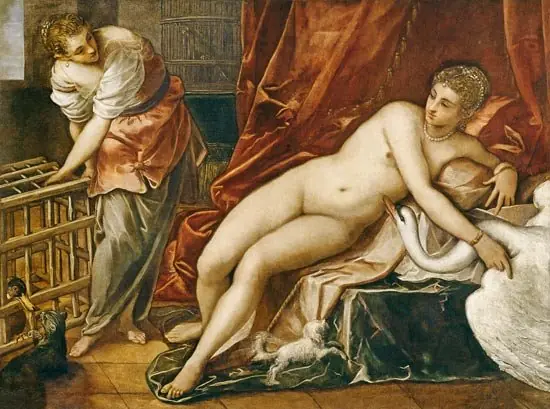 Leda and the Swan
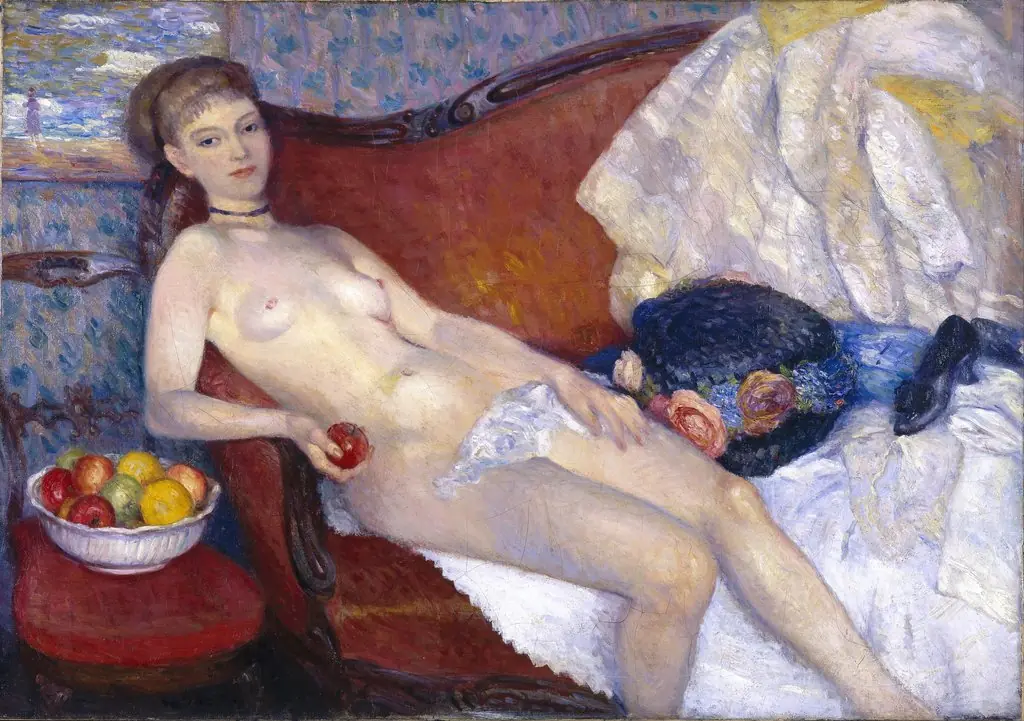 Nude with Apple
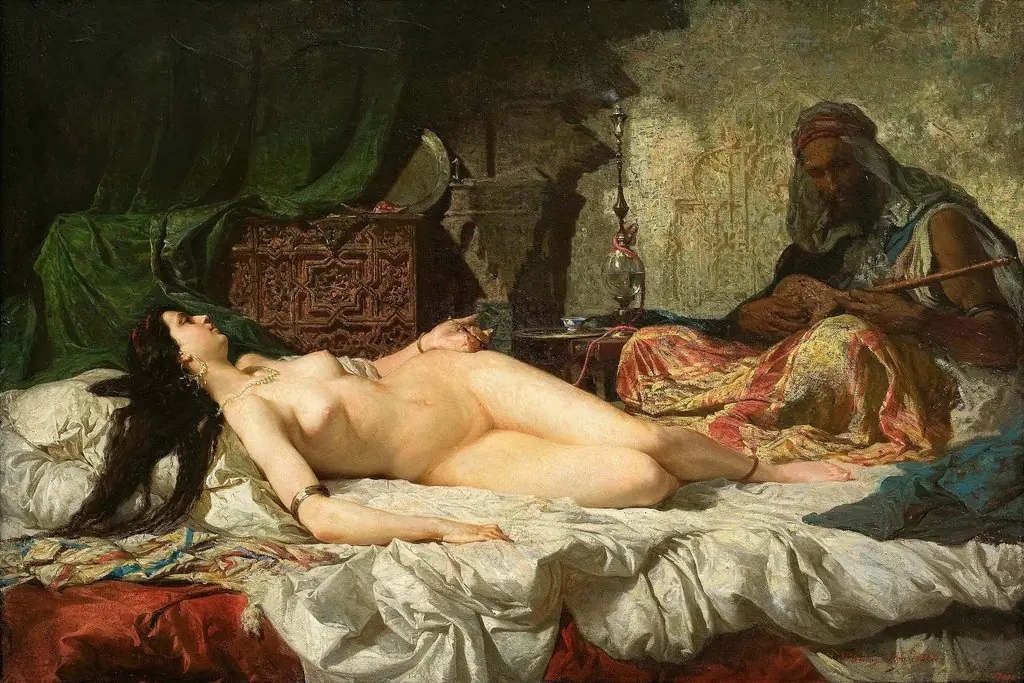 The Odalisque
 The Death of Marat
 Breakfast Table with Blackberry Pie
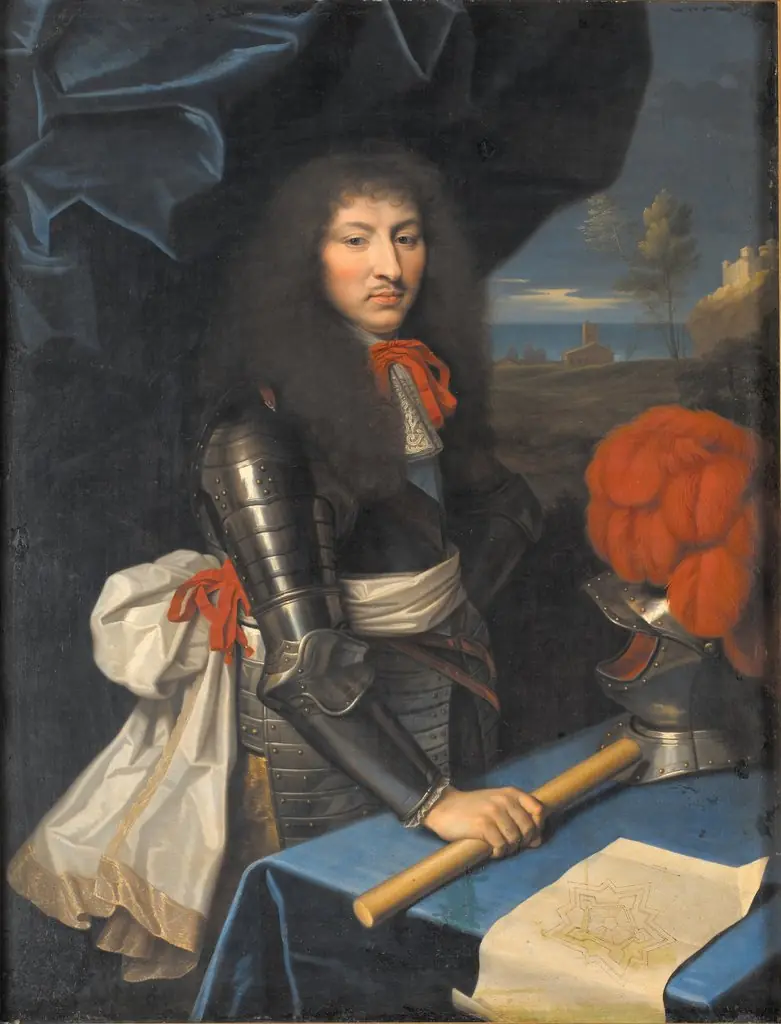 The Young Louis XIV
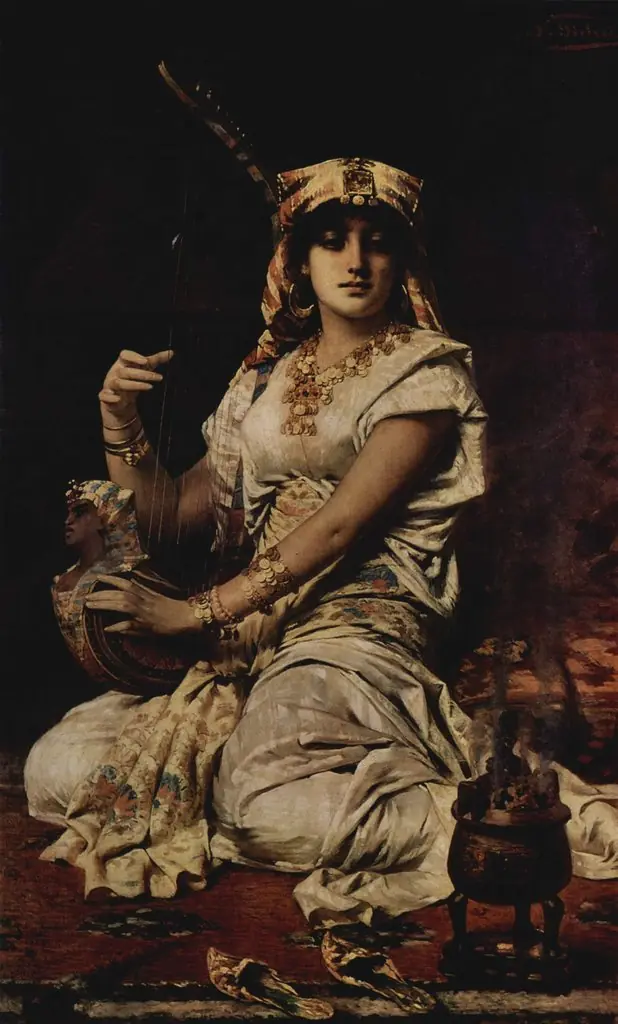 Almée
Almée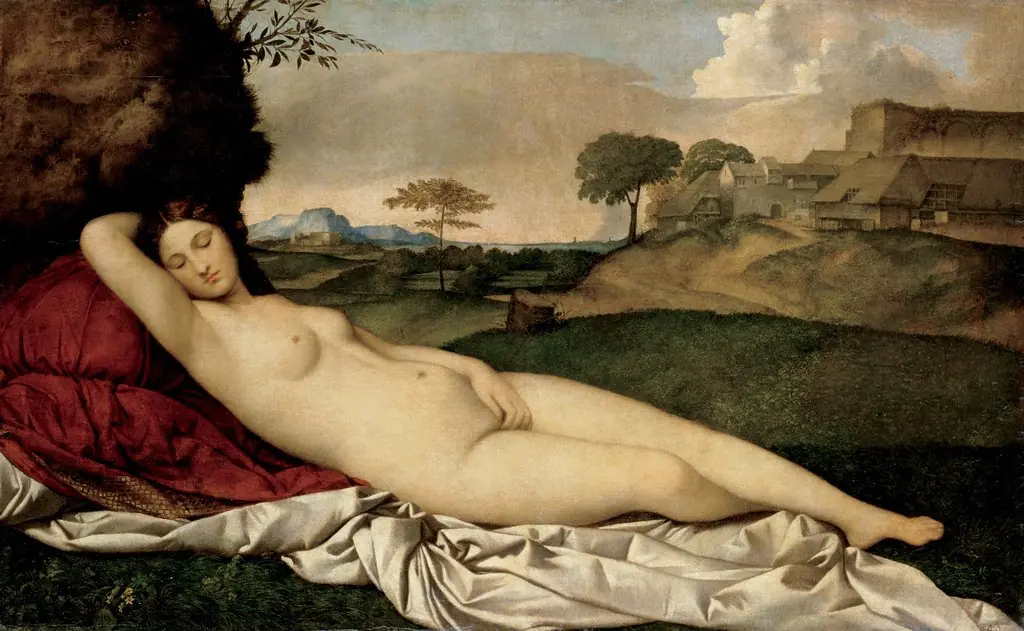 Sleeping Venus
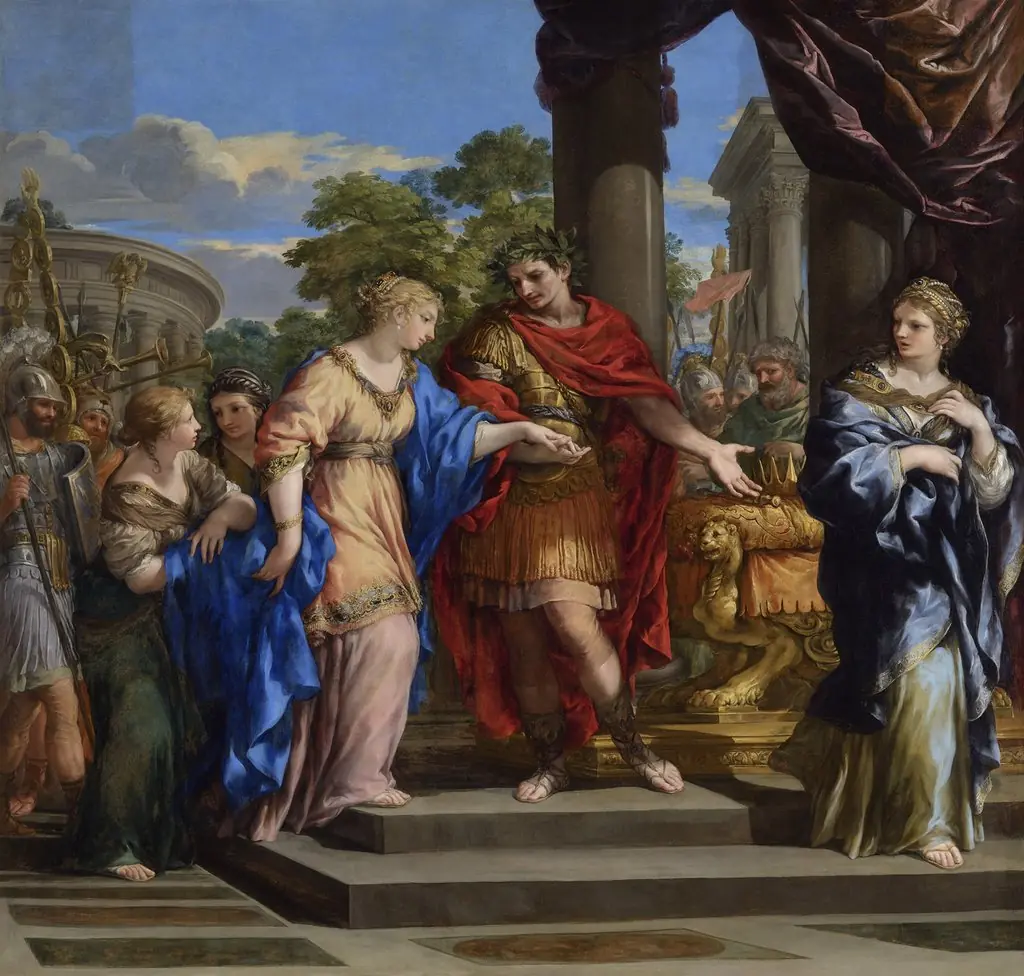 Caesar Giving Cleopatra the Throne of Egypt
 Bathsheba at her bath
 Saint Catherine
 Amédée-David, the Comte de Pastoret
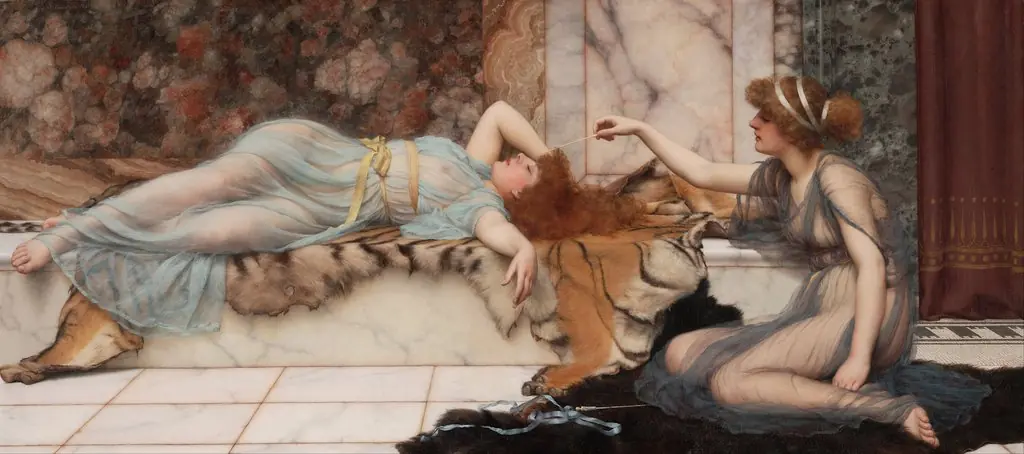 Mischief and Repose
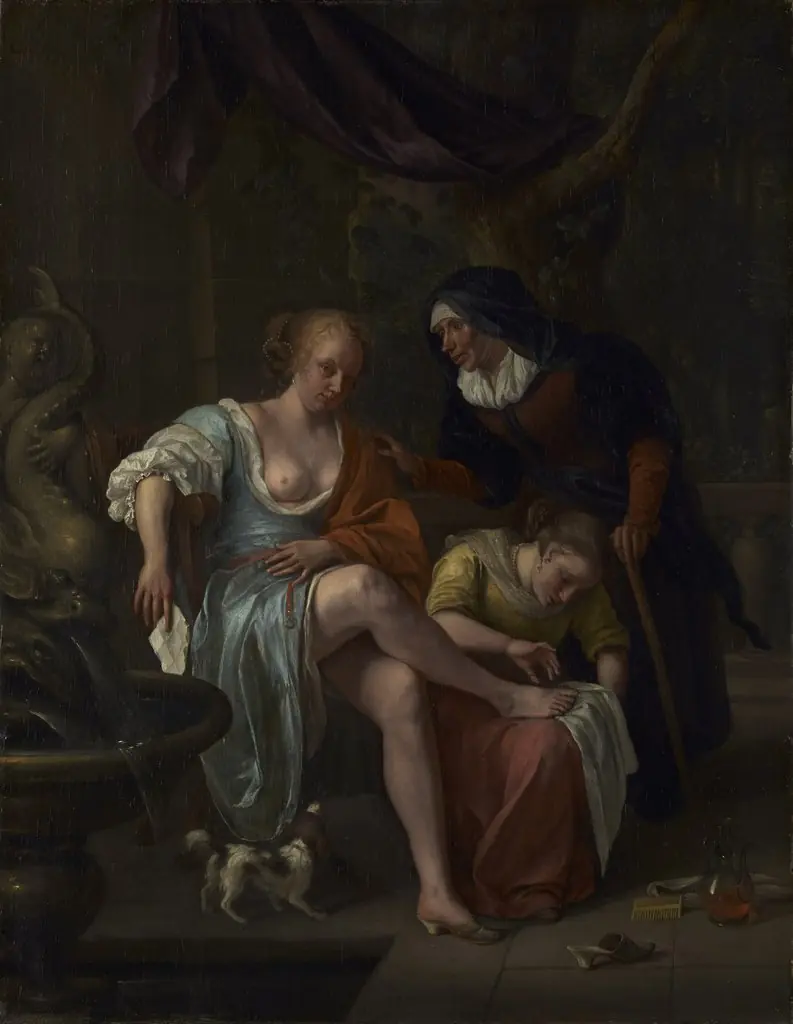 Bathsheba after the Bath
 Pandora
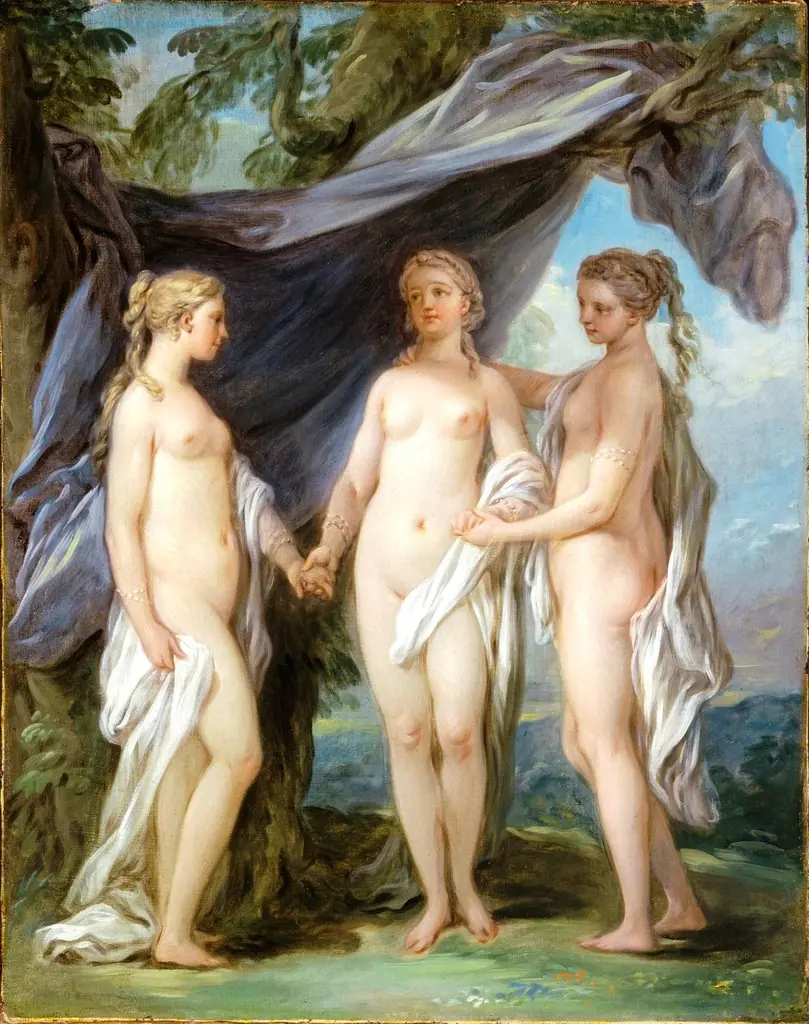 The Three Graces
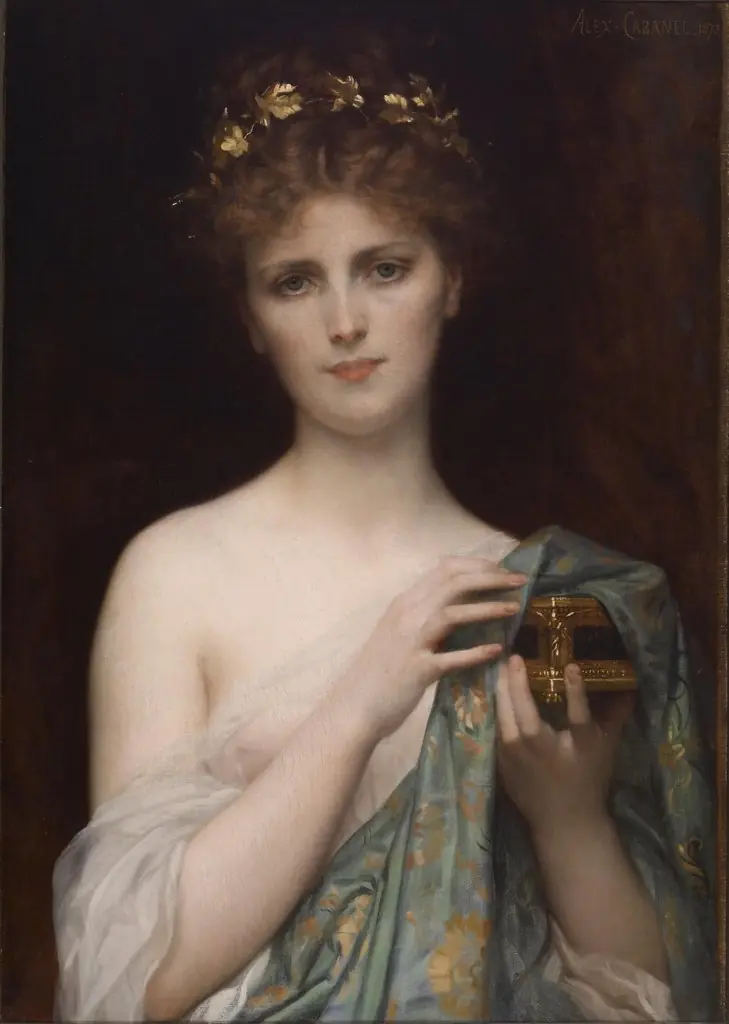 Pandora
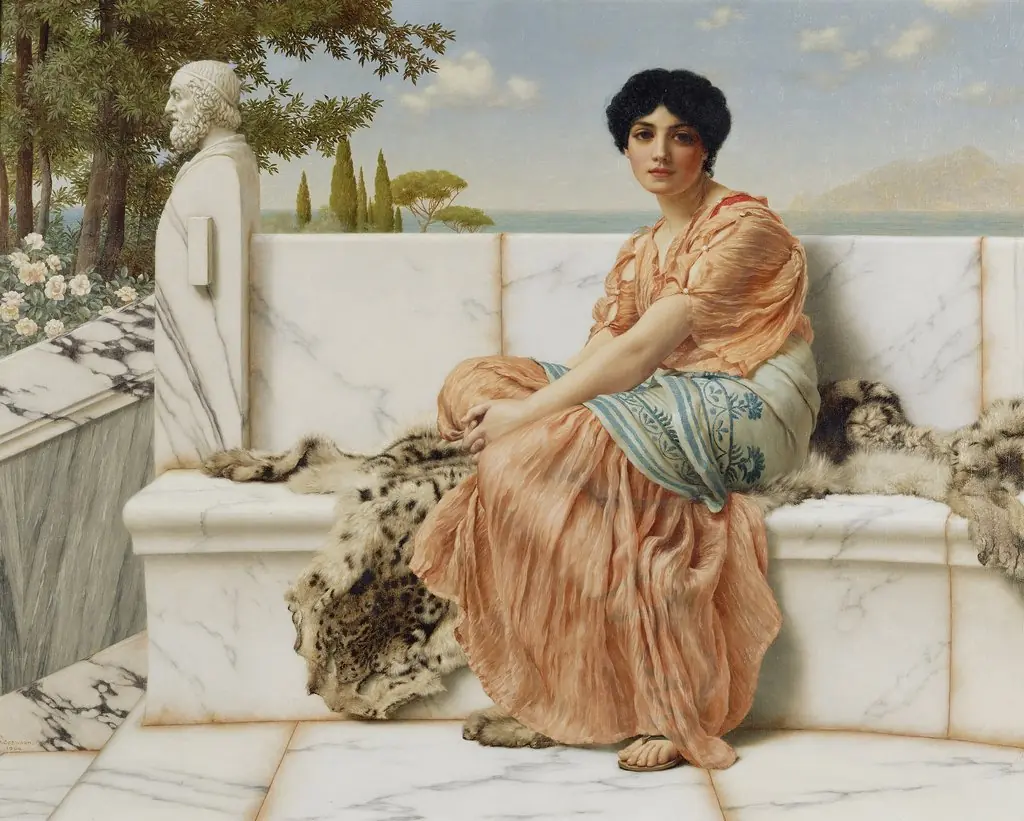 Reverie
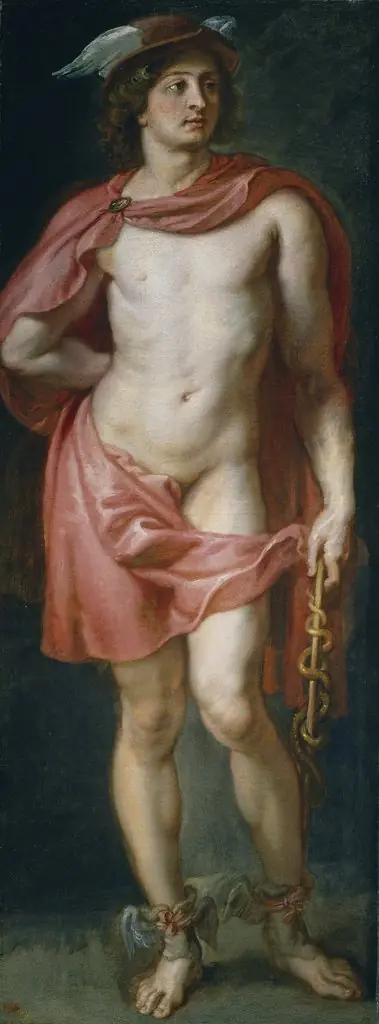 Mercury
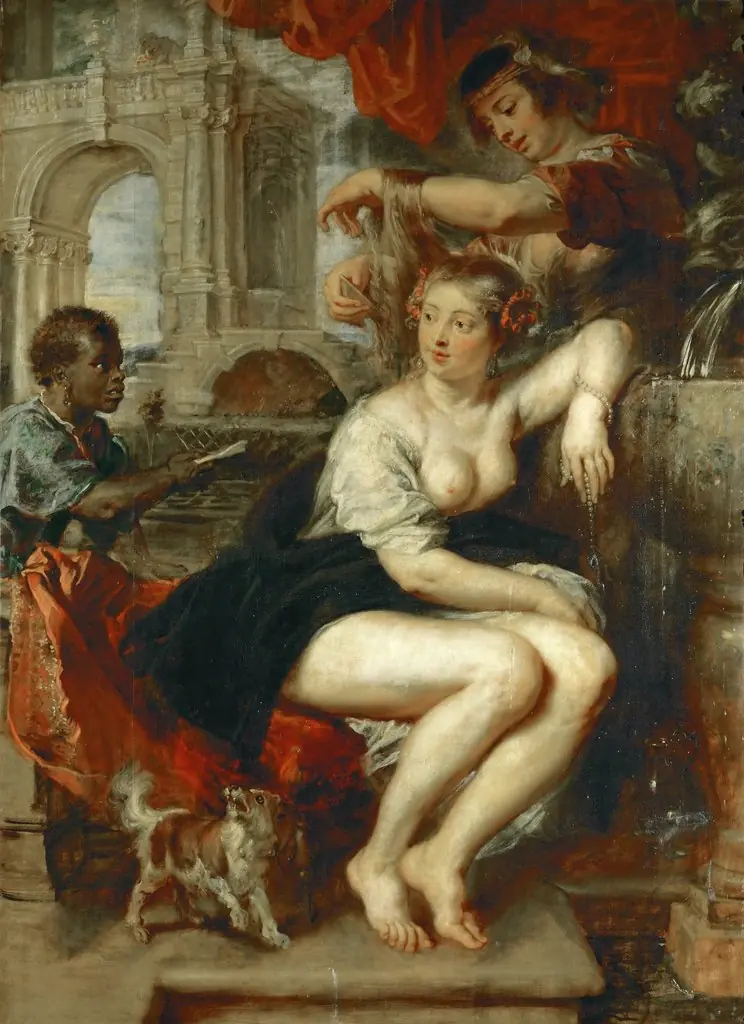 Bathsheba at Her Toilet
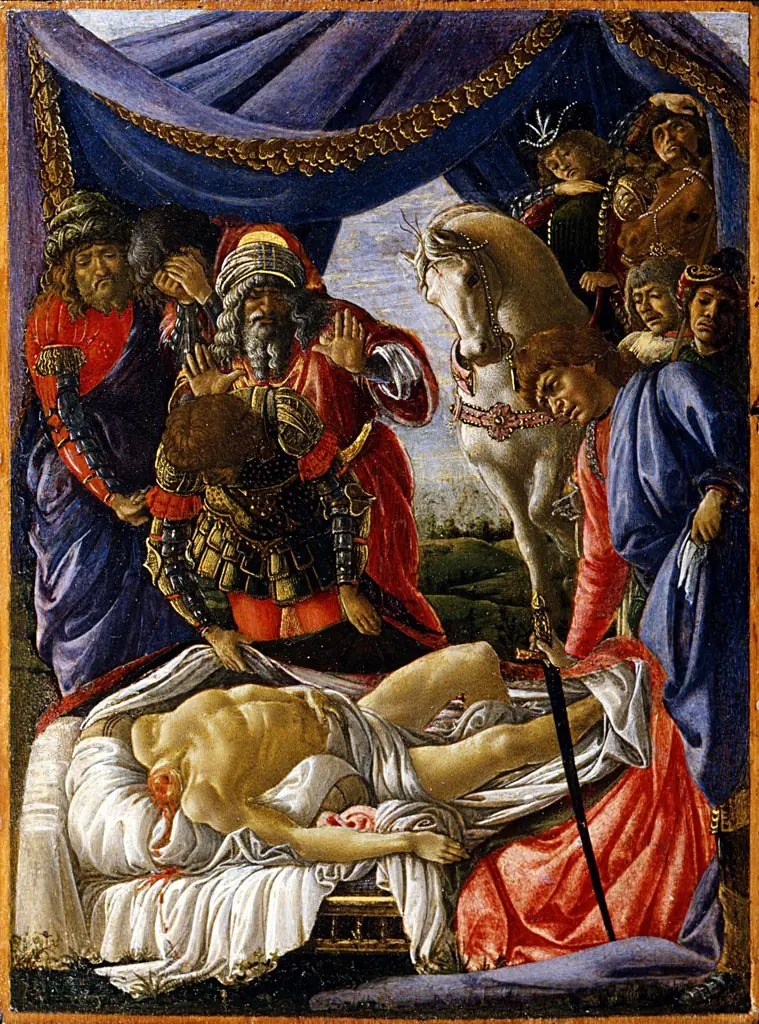 The Discovery of the Body of Holofernes
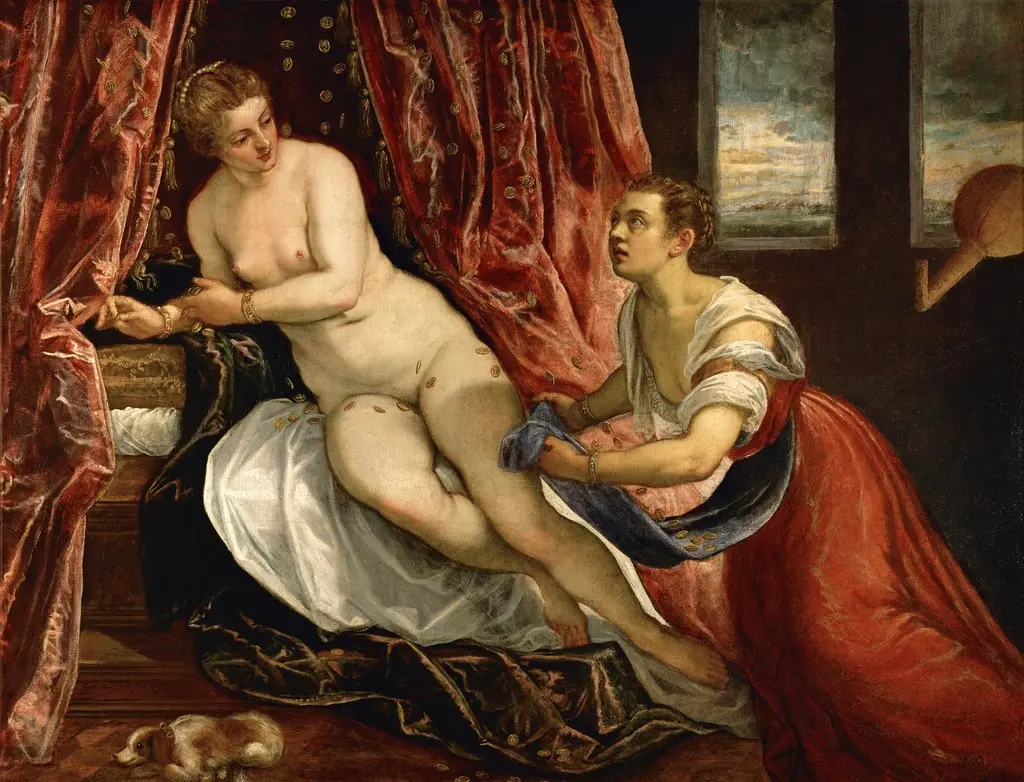 Danae
Danae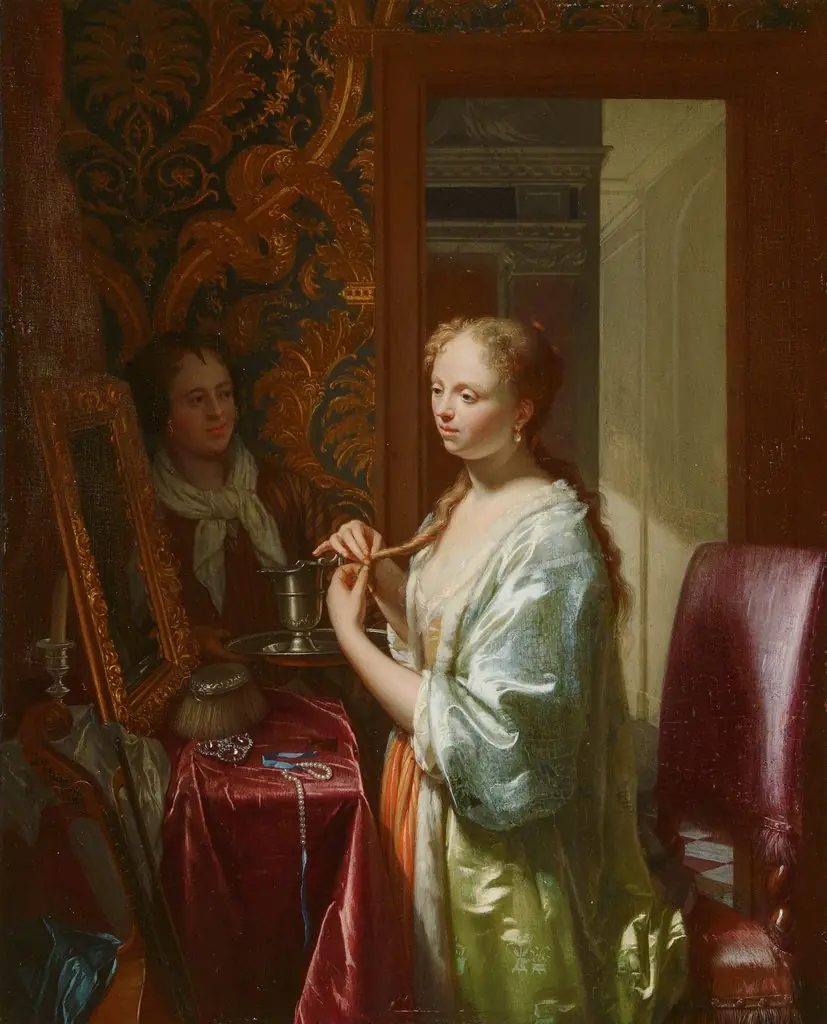 Lady attending to her toilet
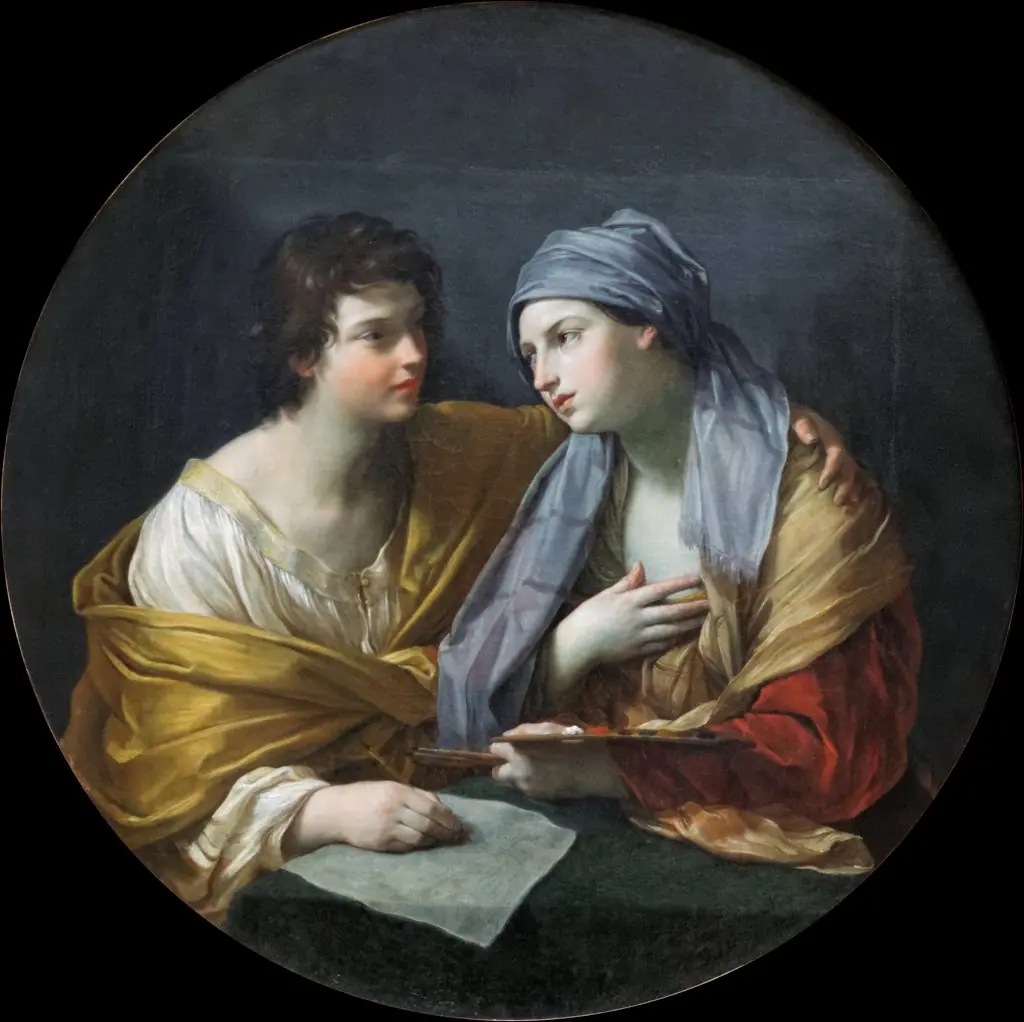 The Union of Drawing and Color
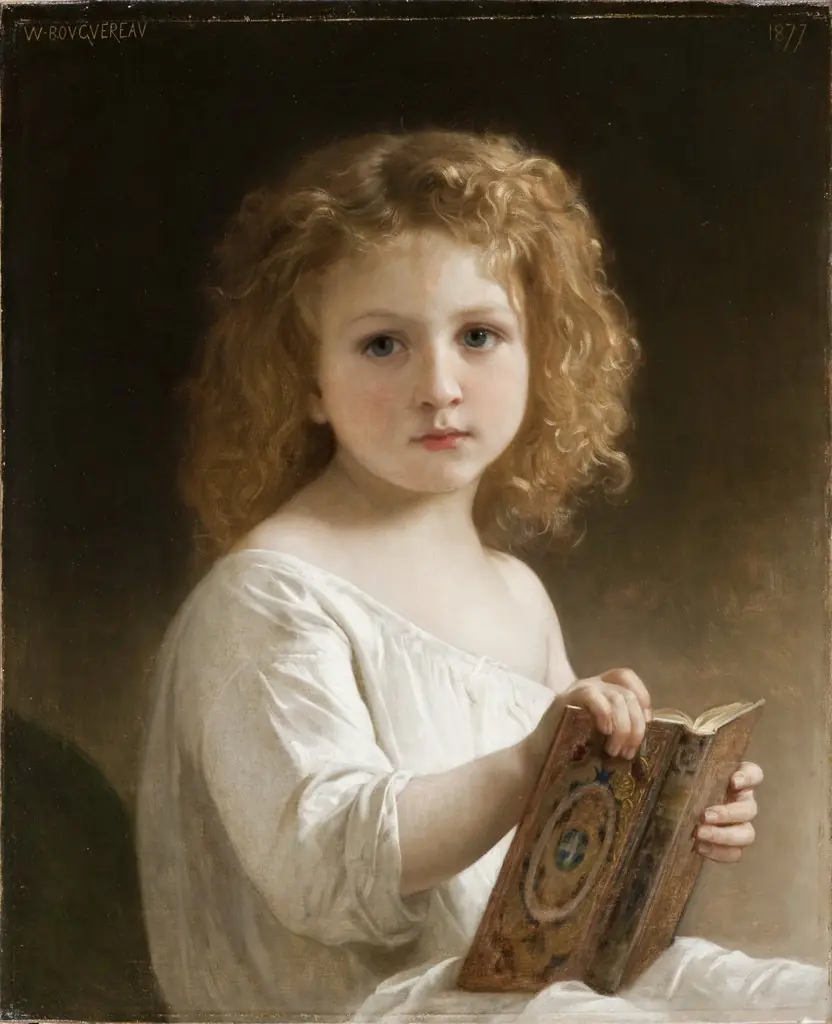 The Story Book
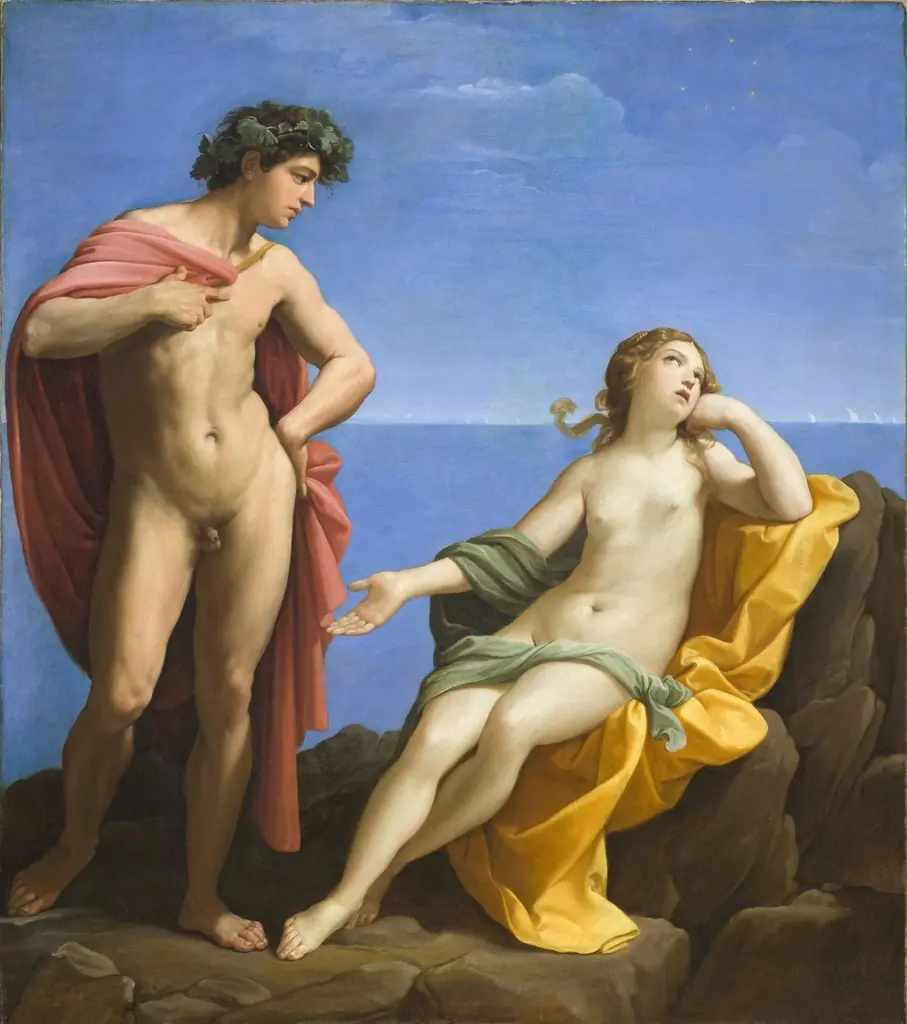 Bacchus and Ariadne
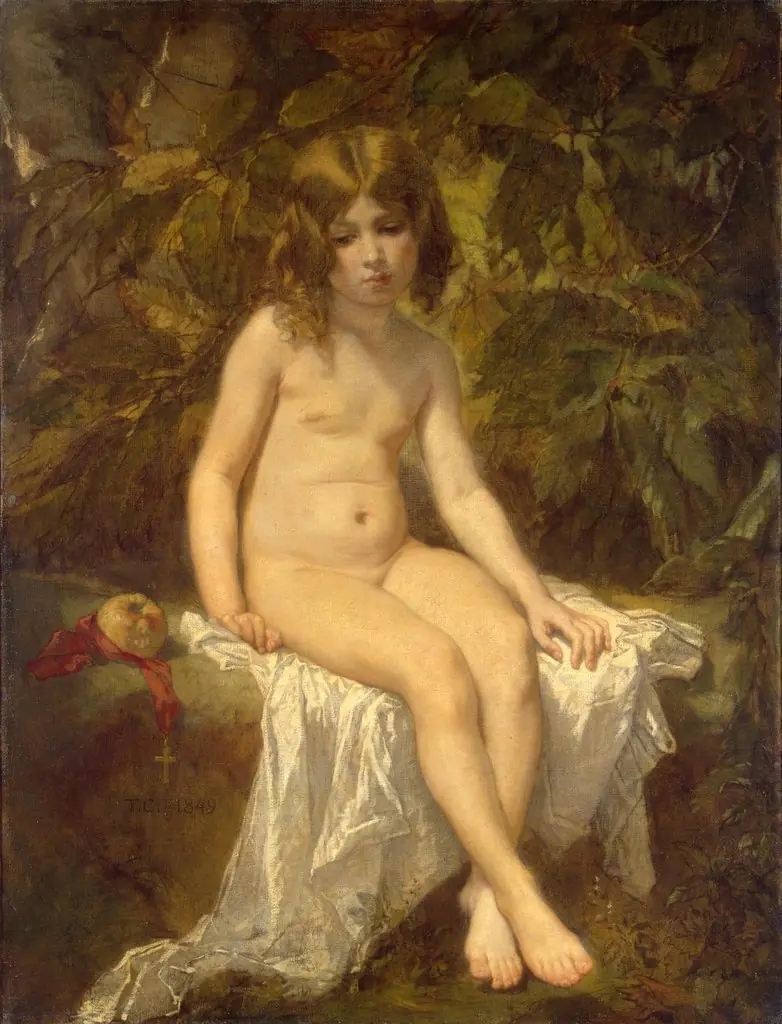 Little Bather
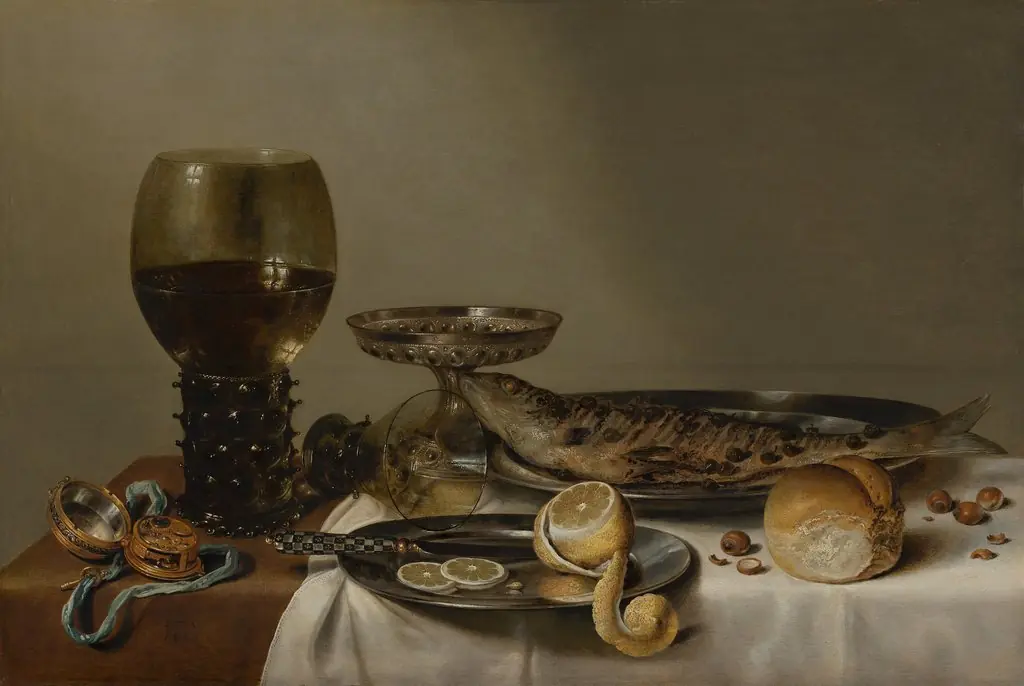 Still Life with a Roemer and a Watch
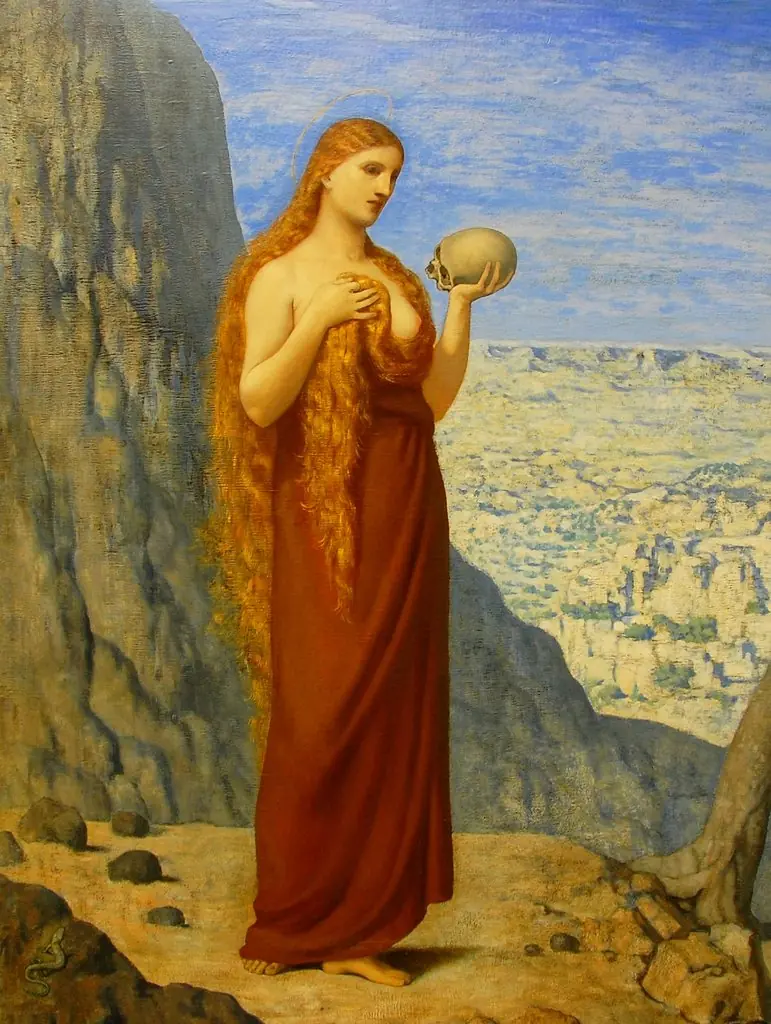 Mary Magdalene in the Desert
 Aristaeus and dead bees
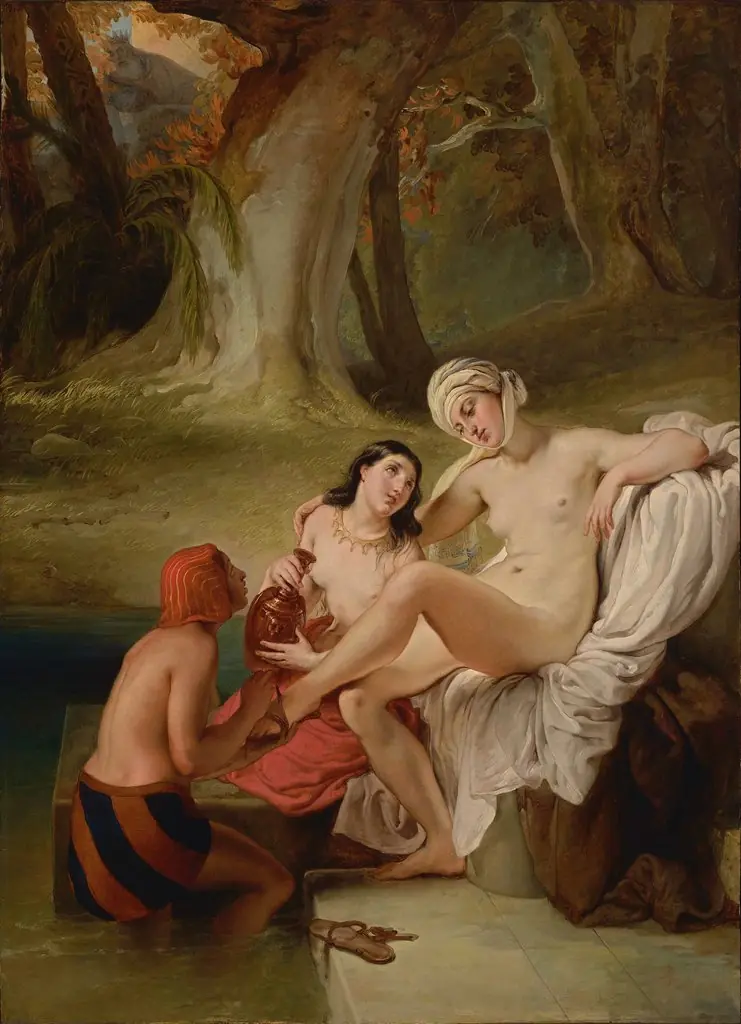 Bathsheba Bathing
 Portrait of Marie Leszczyńka.
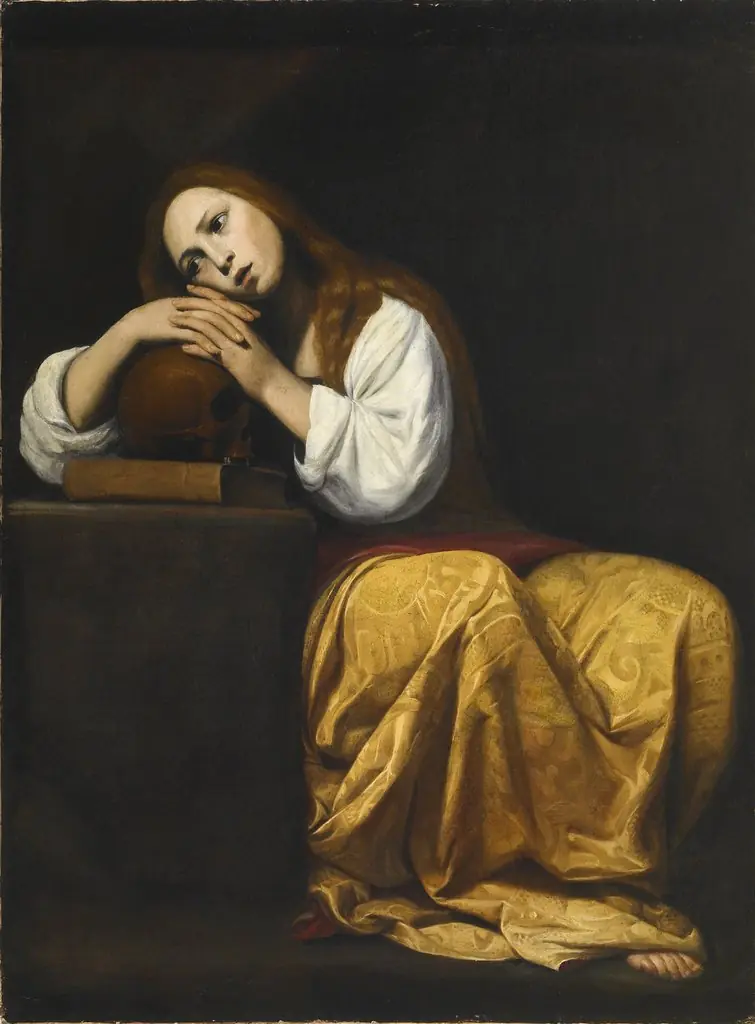 The Penitent Mary Magdalene
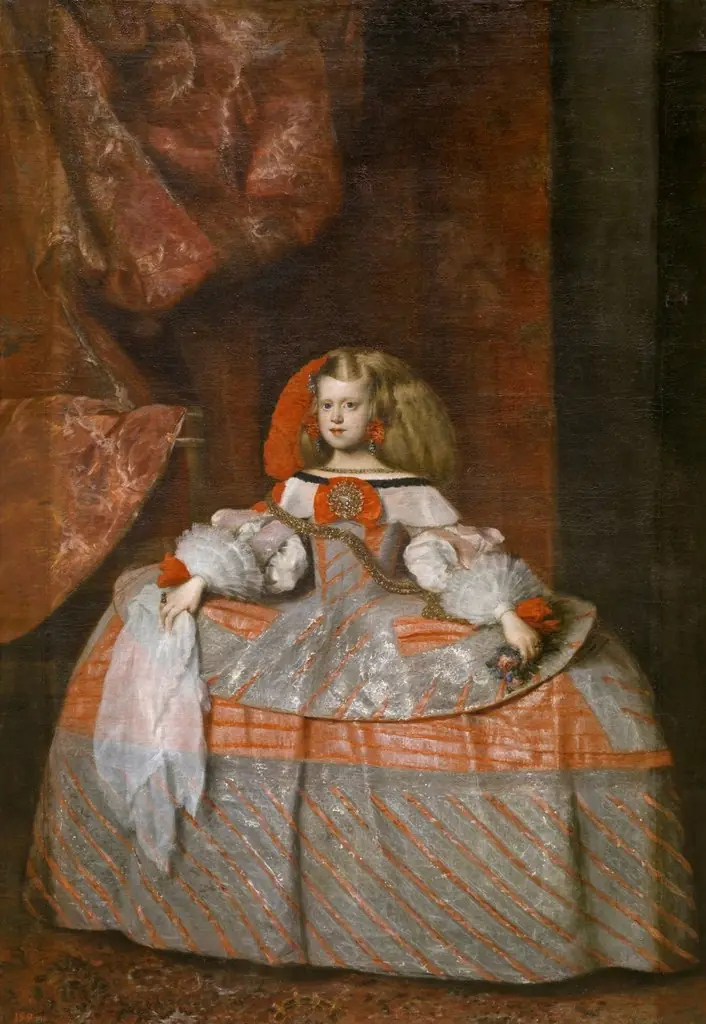 Infanta Margarita Teresa in a Pink Dress
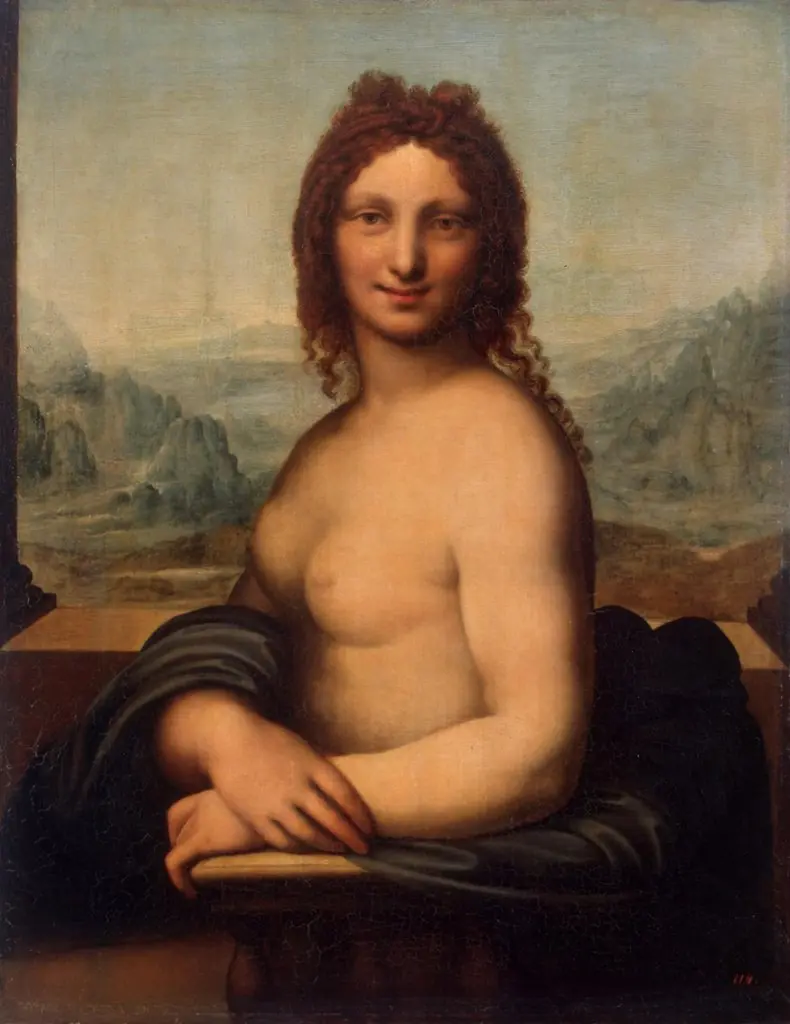 Nude Woman
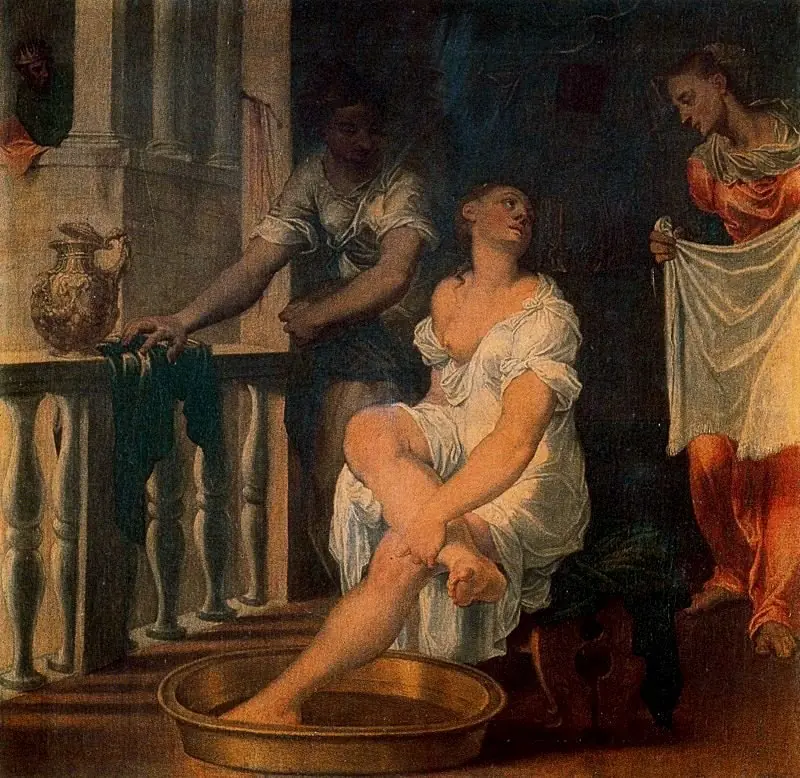 Bathsheba at her bath
 Breakfast Piece
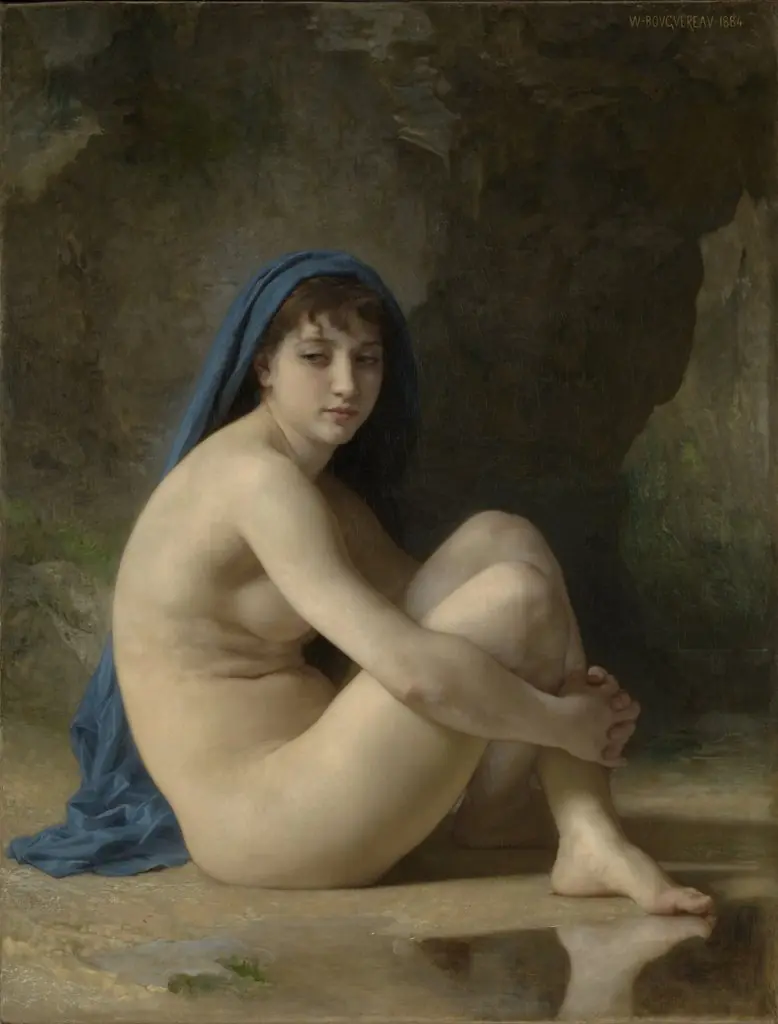 Seated Nude
 The Cicada
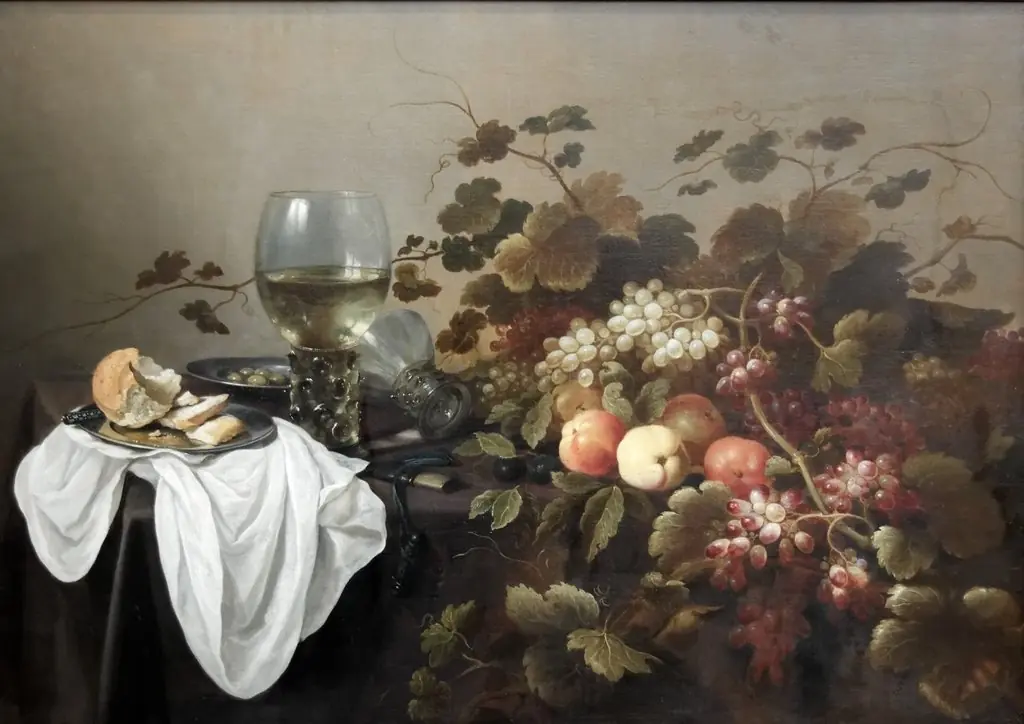 Still life with fruits and Roemer
 Saint Sebastian
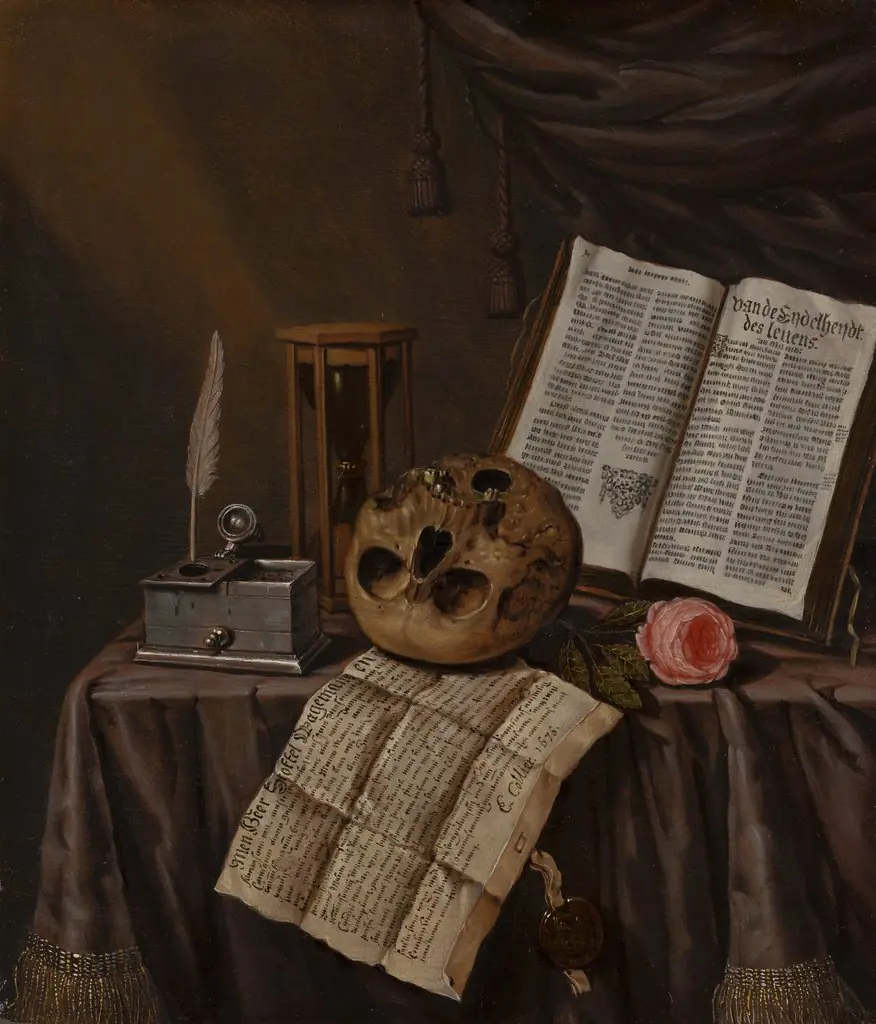 Vanitas Still Life
 The Chaste Susannah
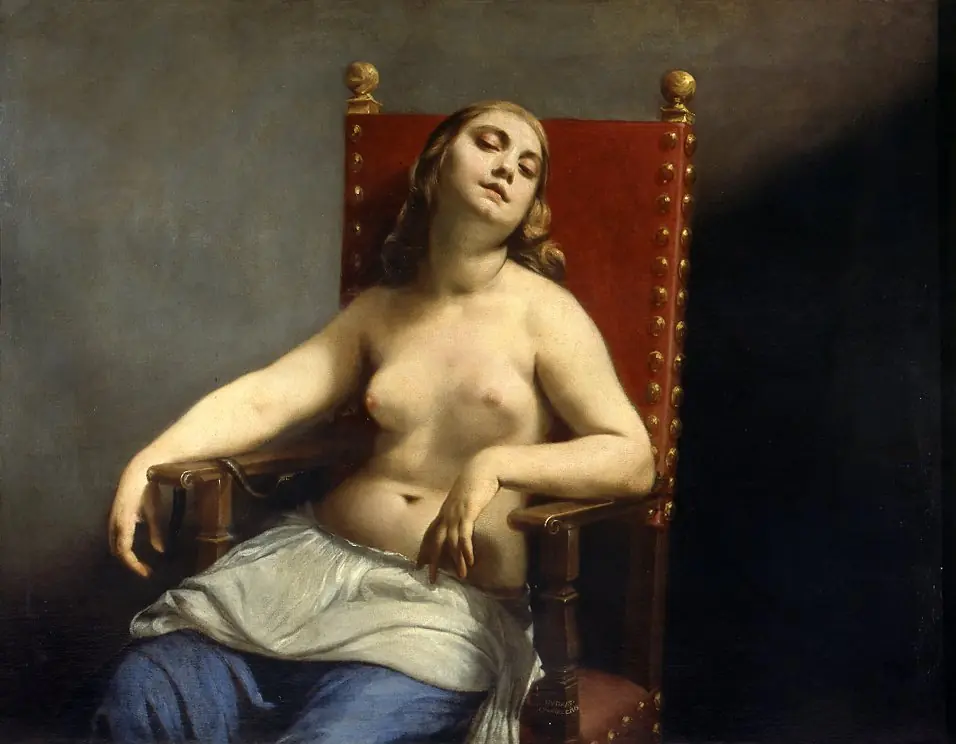 The Death of Cleopatra
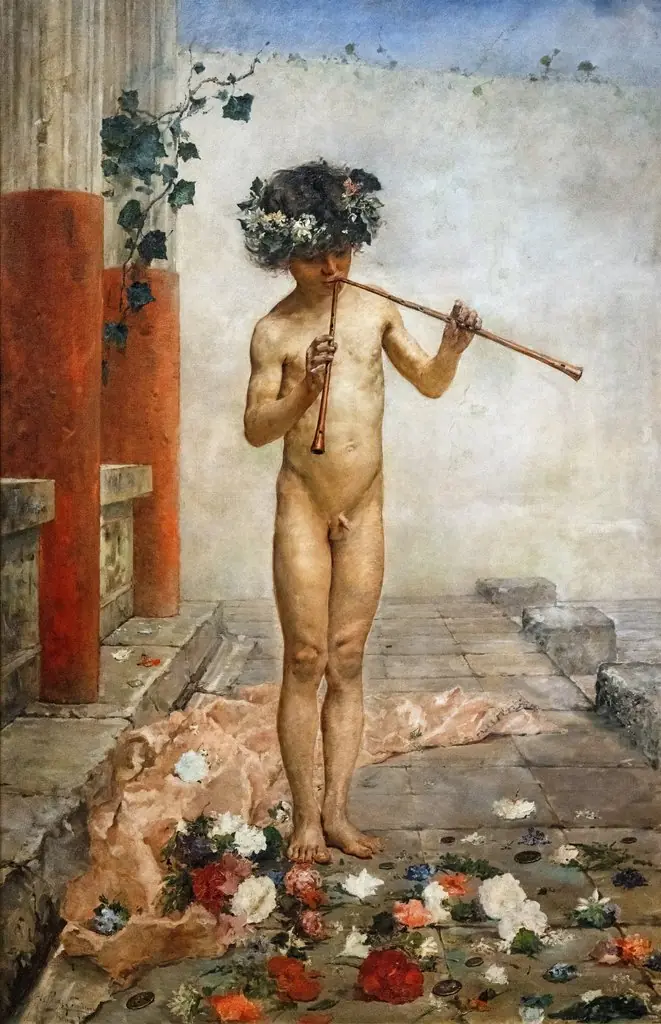 Pompeian Child
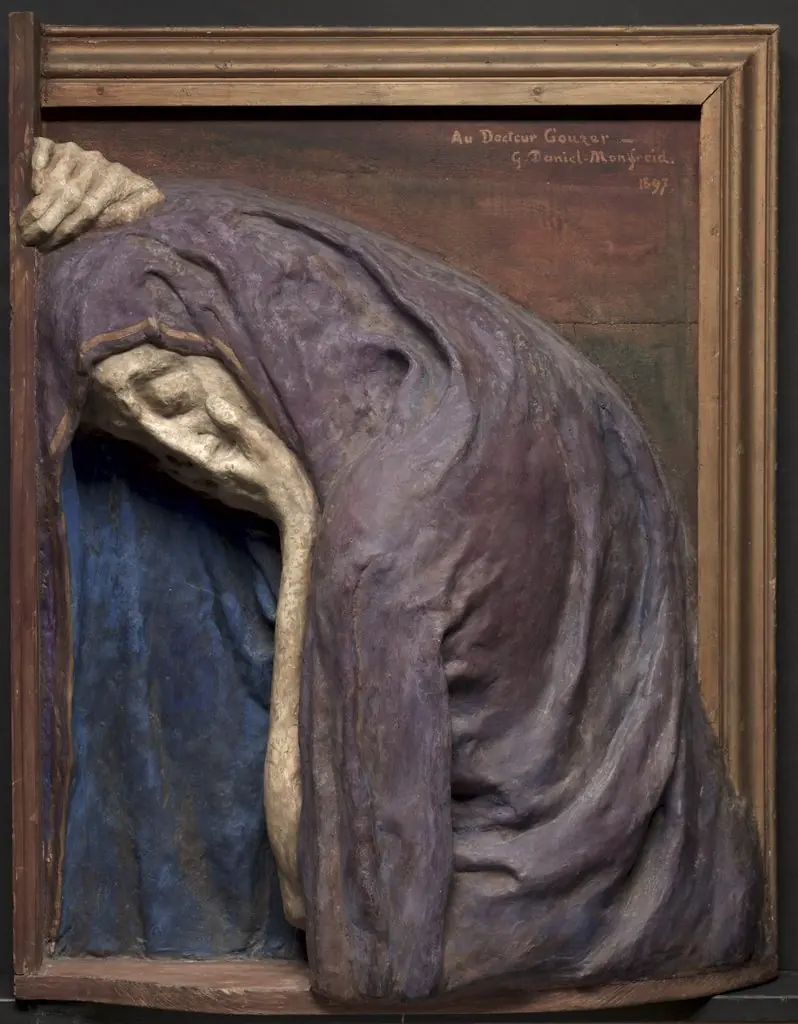 Mater Dolorosa (The Virgin Mary Mourning)
 Bathsheba with King David's Letter
 Saint John the Baptist
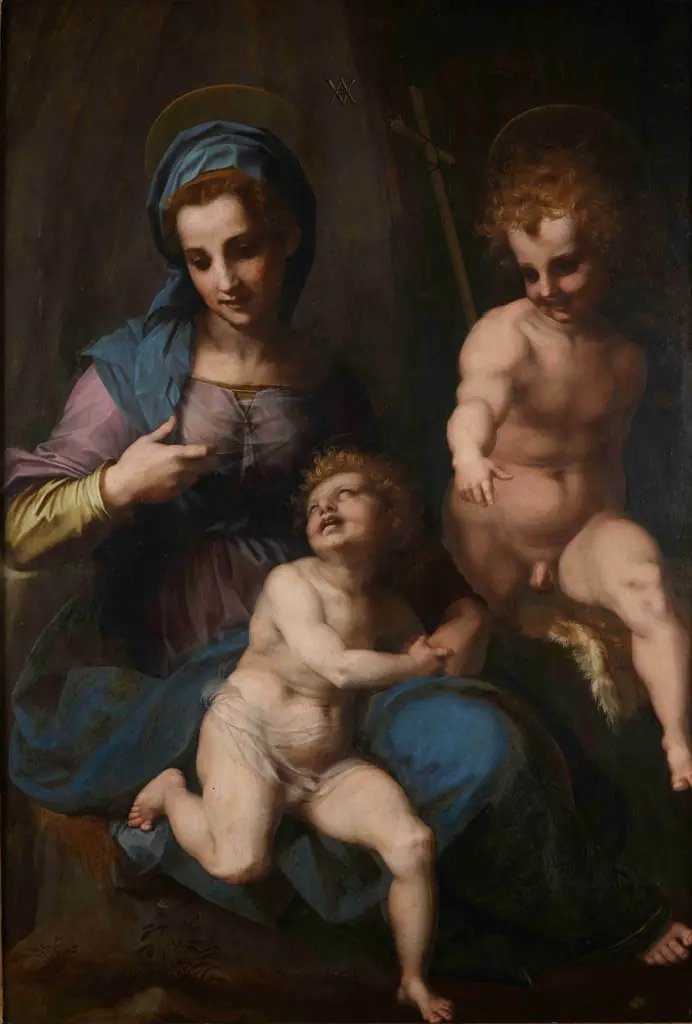 Madonna and Child with Young St John
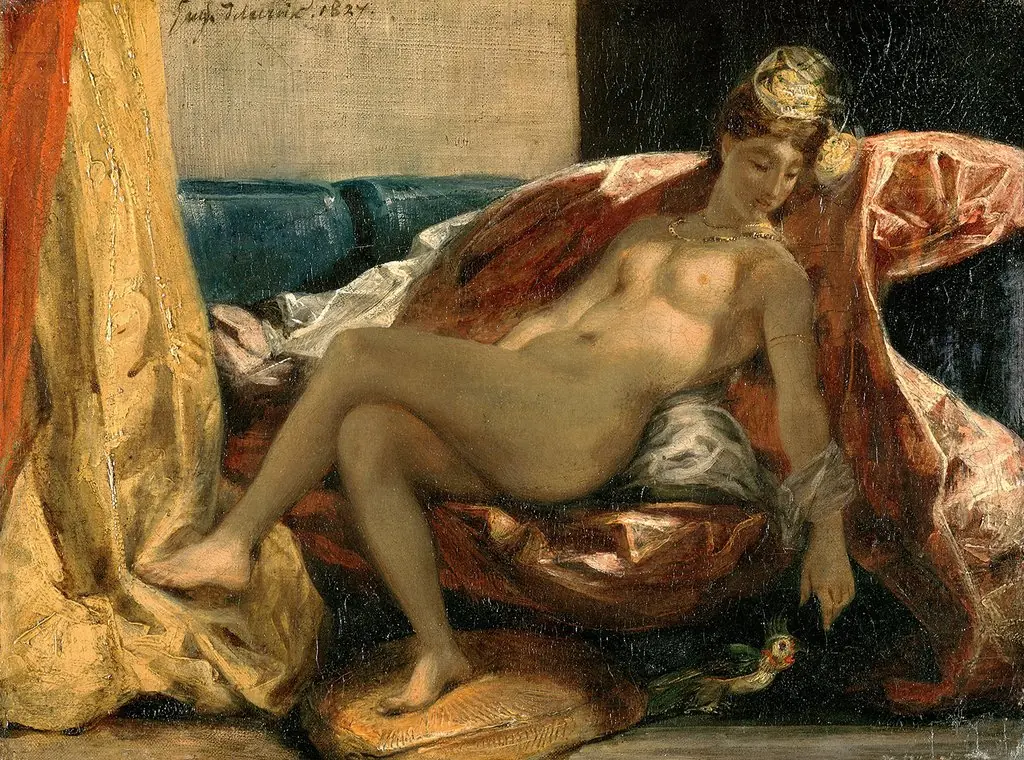 Woman with a Parrot
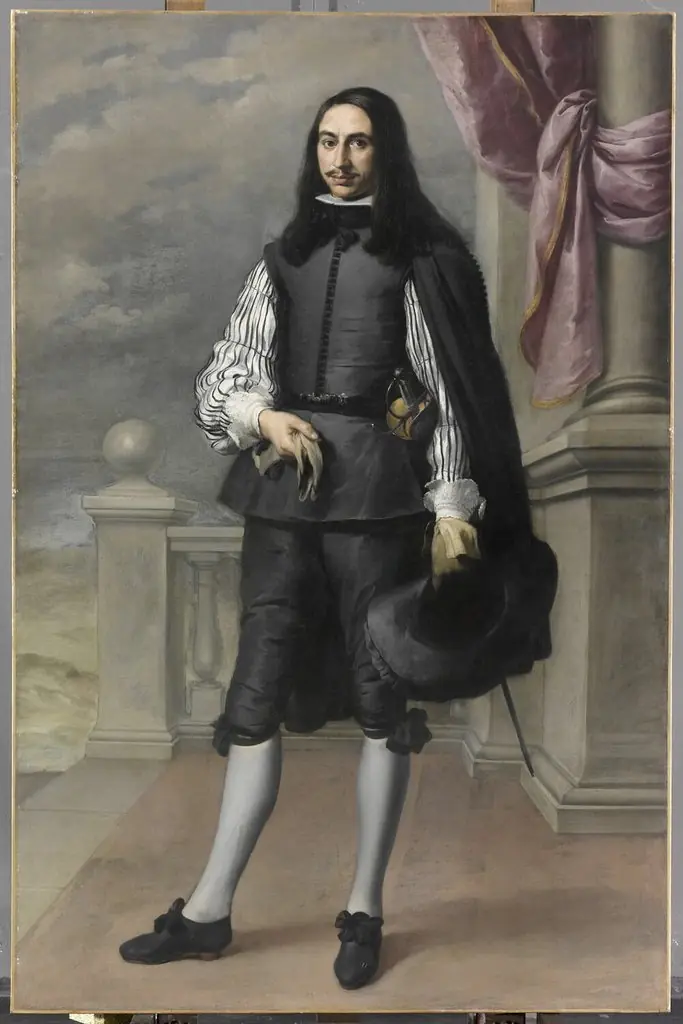 Portrait of Íñigo Fernández de Velasco
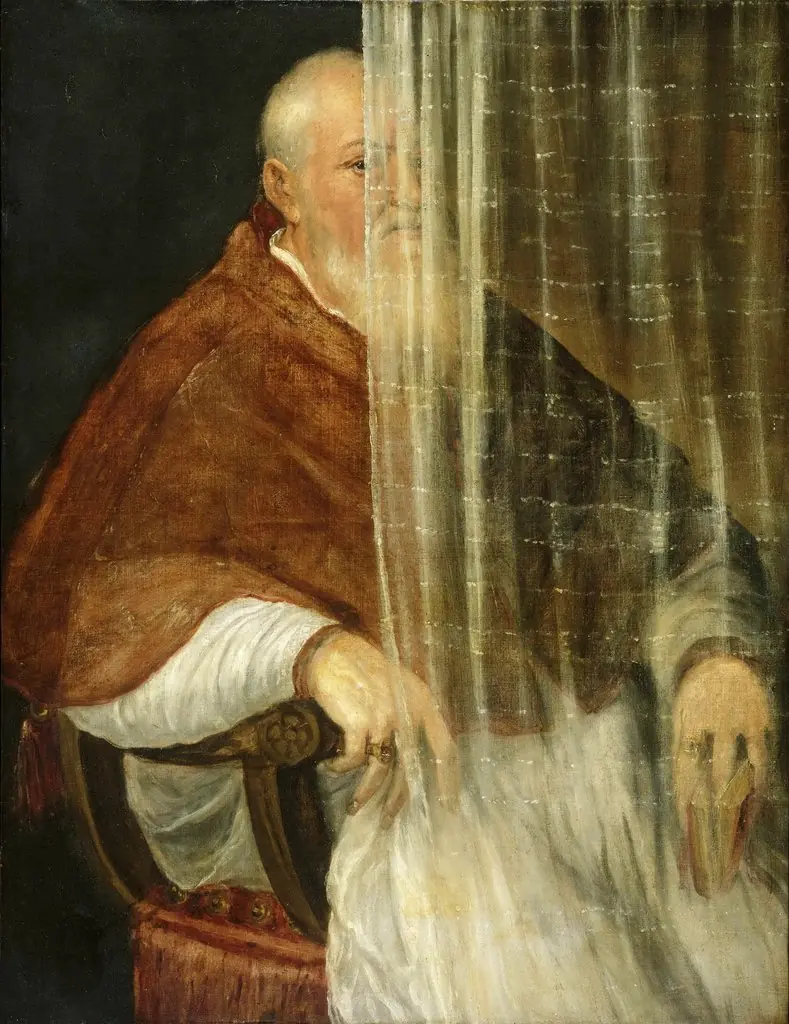 Portrait of Cardinal Filippo Archinto
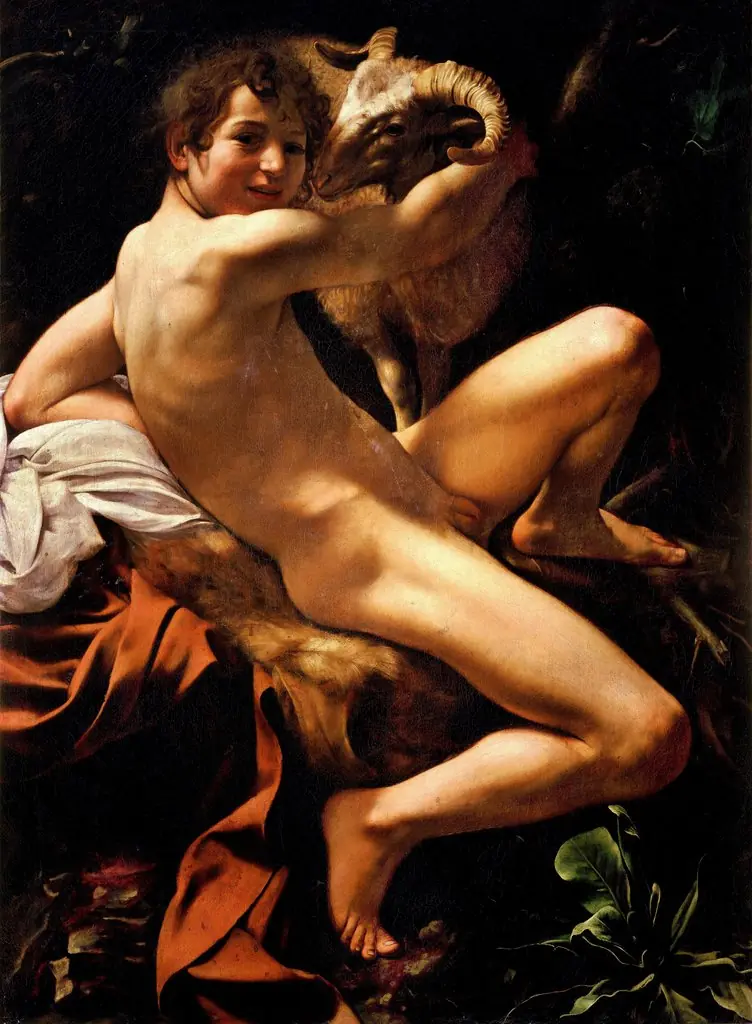 Young Saint John the Baptist with ram
 The Virgin of the Rocks
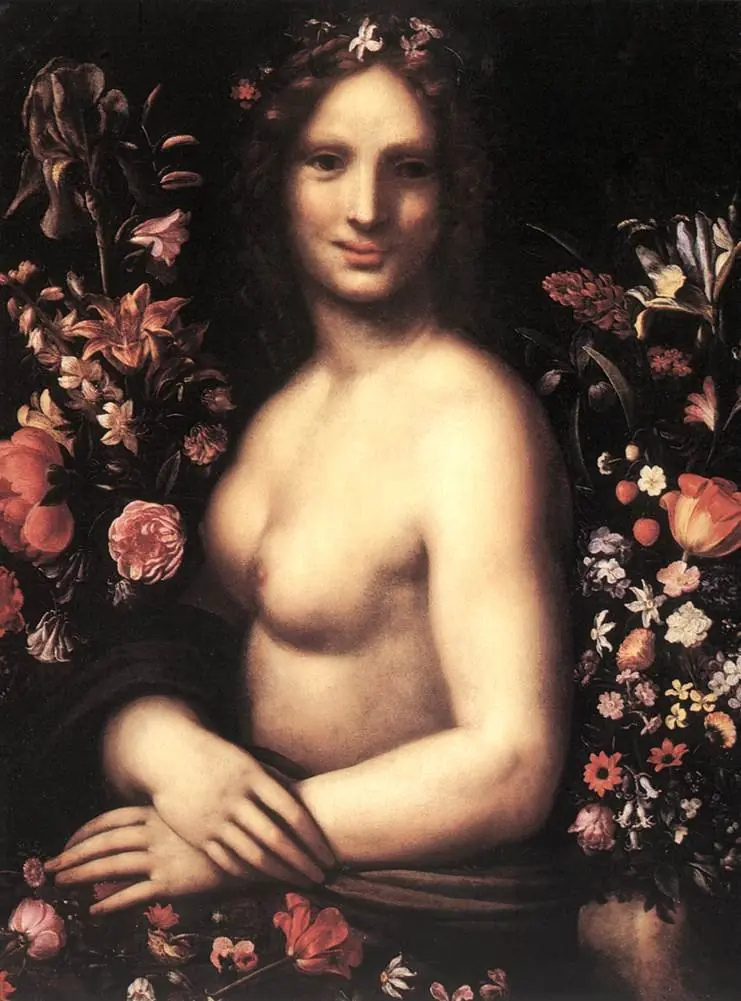 Flora
Flora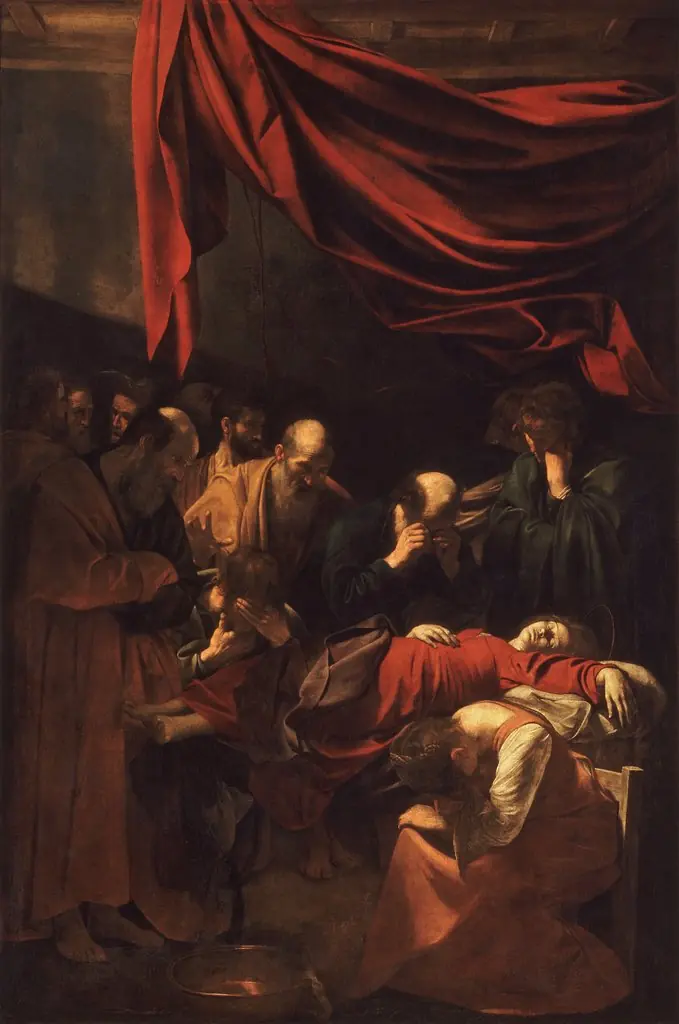 Death of the Virgin
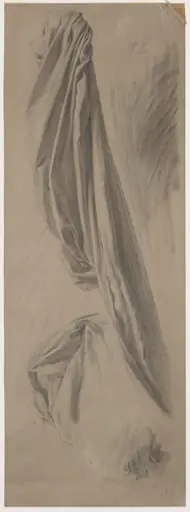 Drapery Study
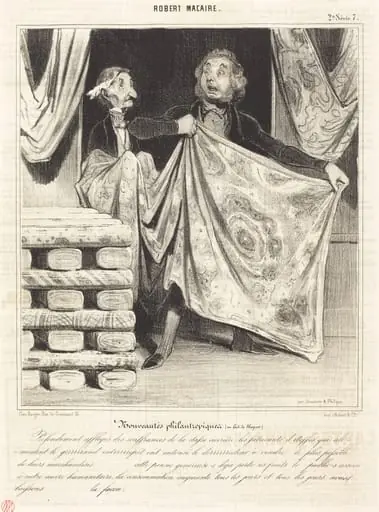 Nouveautés philantropiques...
 Young Girlhood, No. 2
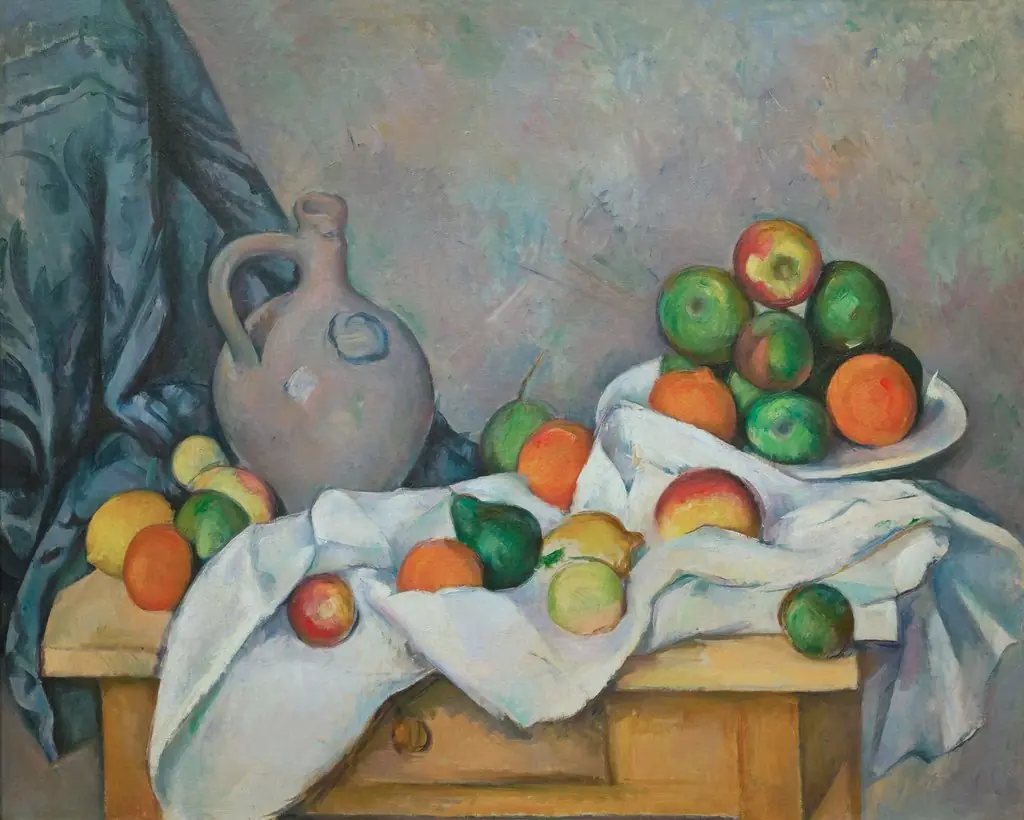 Rideau, Cruchon et Compotier
 The wait
 A young flute player by the sea
 Vanitas
 Untitled
Frequently asked questions
What is Drapery?
Drapery is a subject in art. A curtain is a piece of cloth or other material intended to block or obscure light, air drafts, or (in the case of a shower curtain) water.
How many Drapery works does Artifact World Gallery have?
Artifact World Gallery holds 115 public-domain Drapery works, all free to view and download.
Who are the key Drapery artists?
Key Drapery artists in the collection include Titian, Paolo Veronese and Lorenzo Lotto.
Where can I see Drapery works?
Drapery works in the collection are held by Hermitage Museum, Metropolitan Museum of Art and Rijksmuseum.