Subject
Globe
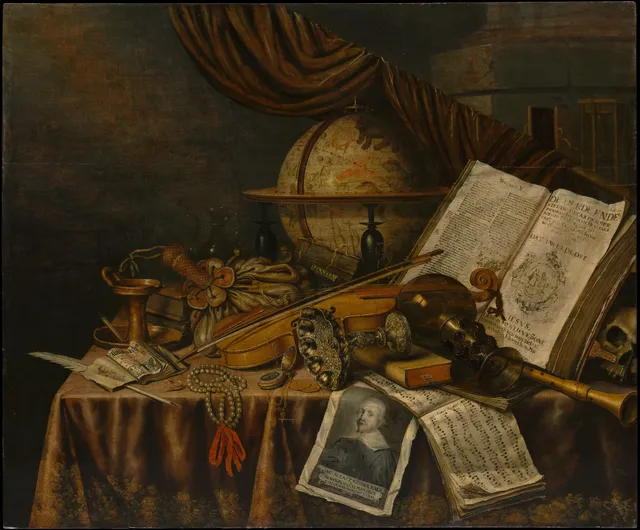
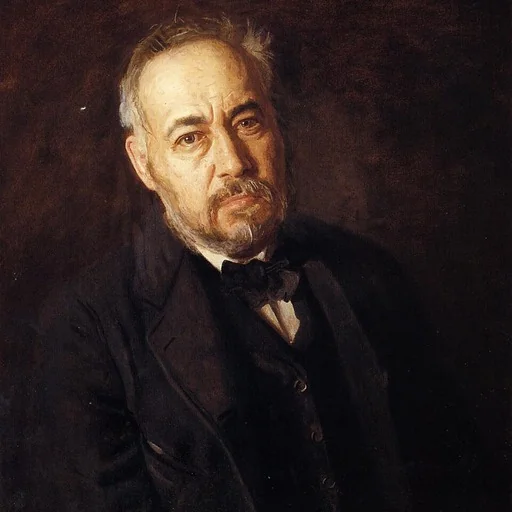
Globe is a subject in art. The gallery holds 49 works in this subject in art, including works by Thomas Eakins, Johannes Vermeer and Anthony van Dyck.
A globe is a spherical model of Earth, of some other celestial body, or of the celestial sphere. Globes serve purposes similar to maps, but, unlike maps, they do not distort the surface that they portray except to scale it down.
Key artists
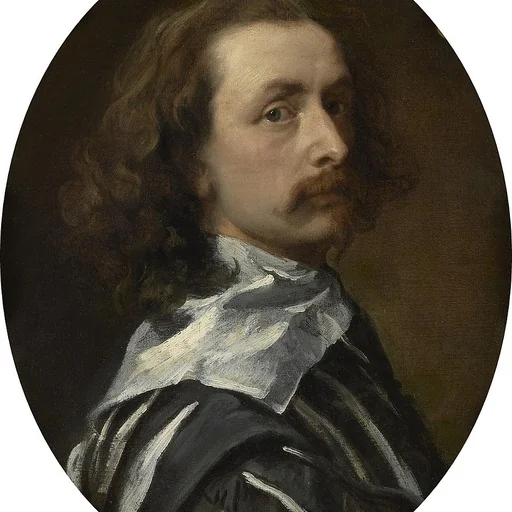
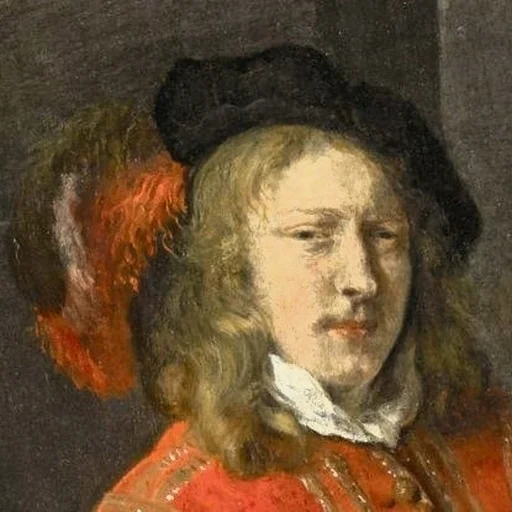
Overview
A globe is a spherical model of Earth, of some other celestial body, or of the celestial sphere. Unlike flat maps, globes do not distort the surface they portray except to scale it down, making them simultaneously form-, area-, angle-, and length-true representations. The word derives from the Latin globus, meaning sphere. The earliest known mention of a globe comes from Strabo, describing the Globe of Crates from about 150 BC. The oldest surviving terrestrial globe is Martin Behaim's Erdapfel, made in Nuremberg in 1492, while the oldest surviving celestial globe sits atop the Farnese Atlas, a 2nd-century Roman copy of a Hellenistic sculpture now in the Naples Archaeological Museum. Within the collection under discussion, the globe appears in 64 works, ranging from vanitas still lifes and allegorical compositions to portraits and genre scenes, indicating its persistent value as a meaningful artistic motif across centuries.
Across movements & periods
The treatment of the globe in art evolved significantly across periods. In antiquity, globes were primarily scientific instruments and sculptural elements, as with the Farnese Atlas. Medieval European art showed little interest in three-dimensional globes, though Islamic cartographers advanced terrestrial globe-making under the Abbasid caliph al-Ma'mun. The Renaissance marked a turning point: Behaim's Erdapfel (1492) coincided with Columbus's voyages, and Waldseemüller's 1507 globe introduced the name America. By the 16th century, Nuremberg and then Amsterdam became centers of globe production, with makers like Jodocus Hondius and Willem Blaeu creating increasingly sophisticated instruments. The Dutch Golden Age saw globes proliferate in still life and genre painting, where they shifted from instruments of navigation to symbols of intellectual vanity. The collection's concentration of Dutch vanitas works reflects this peak period. By the 18th and 19th centuries, globes became more commonplace educational objects, losing some of their symbolic charge even as they remained popular decorative elements in portraits and interior scenes.
Notable depictions
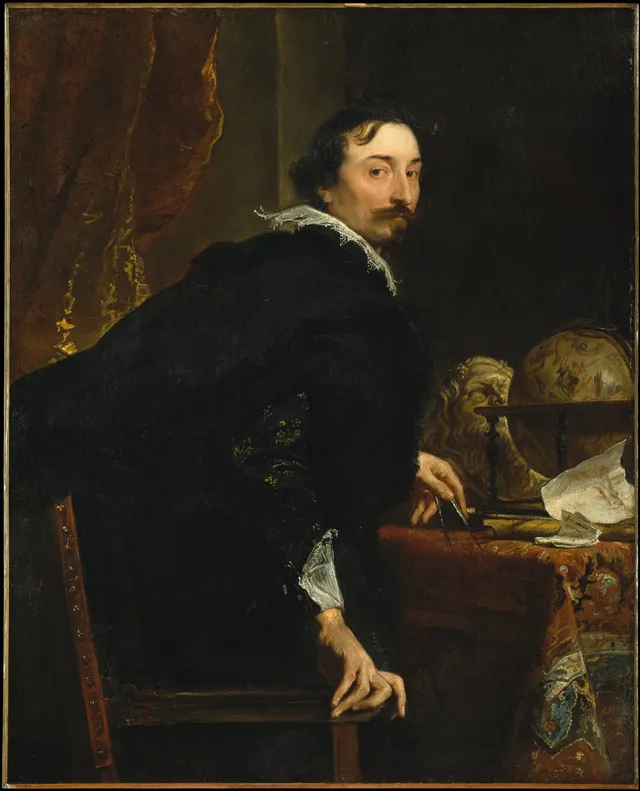
Beyond the collection, canonical artistic depictions of globes span from ancient to modern times. The Farnese Atlas, a 2nd-century AD Roman copy in the Naples Archaeological Museum, remains the most celebrated ancient example, showing the Titan supporting a celestial globe carved with 41 constellations. Martin Behaim's Erdapfel (1492, Germanisches Nationalmuseum, Nuremberg), at 51 cm diameter, is the oldest surviving terrestrial globe, notable for omitting the Americas. The Hunt-Lenox Globe, ca. 1510 (New York Public Library), bears the famous phrase Hic Sunt Dracones and was recently redated to approximately 1530. Martin Waldseemüller's 1507 globe was the first to use printed gores, enabling mass production, and the first to name America. In painting, Johannes Vermeer's The Astronomer and The Geographer (both ca. 1668, Louvre and Städel Museum respectively) feature globes as attributes of scholarly contemplation. The collection's own Portrait of Lucas van Uffel and multiple vanitas still lifes by anonymous or attributed hands constitute significant holdings within this broader tradition.
Legacy
The globe's afterlife in visual culture extends from its origins as a scientific instrument to its enduring role as a symbol of global consciousness, intellectual ambition, and, paradoxically, human limitation. The shift from manuscript globes to printed gores in the early 16th century democratized access to geographical knowledge, while Amsterdam's dominance in globe production during the 17th century paralleled Dutch commercial and colonial expansion. The vanitas tradition's appropriation of the globe ensured its moralized afterlife in European art long after specific geographical knowledge had advanced beyond early modern globes' numerous errors. Today, antique globes command scholarly and collector interest, with institutions like the Germanisches Nationalmuseum preserving milestones such as the Erdapfel. The motif persists in contemporary art and popular culture as shorthand for globalization, environmental awareness, and the planetary perspective. Within the collection, the globe's appearance across 64 works testifies to its sustained capacity to signify knowledge, mortality, and the human attempt to comprehend and represent the world.
Works
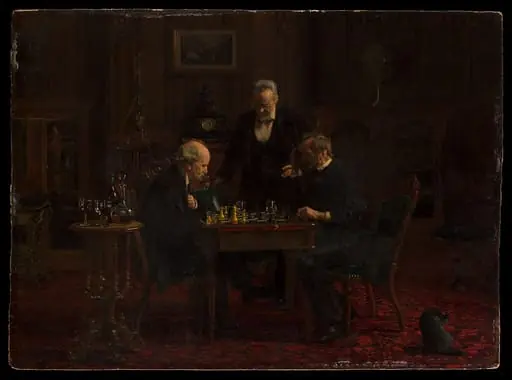 The Chess Players
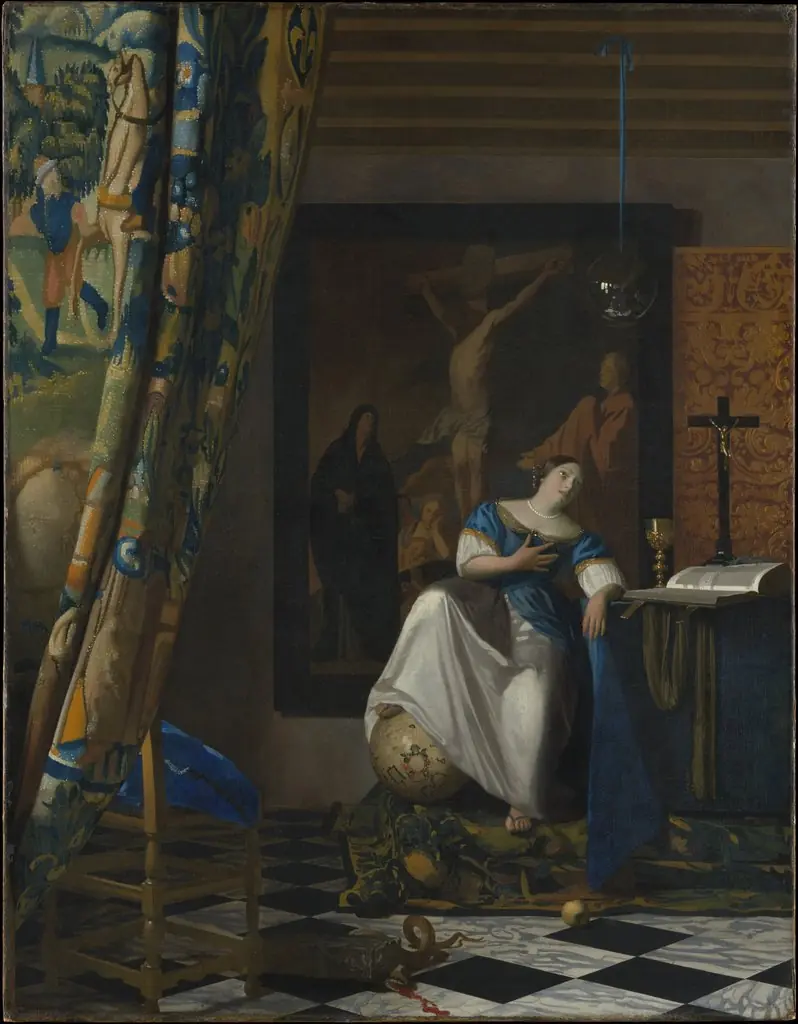 Allegory of the Catholic Faith
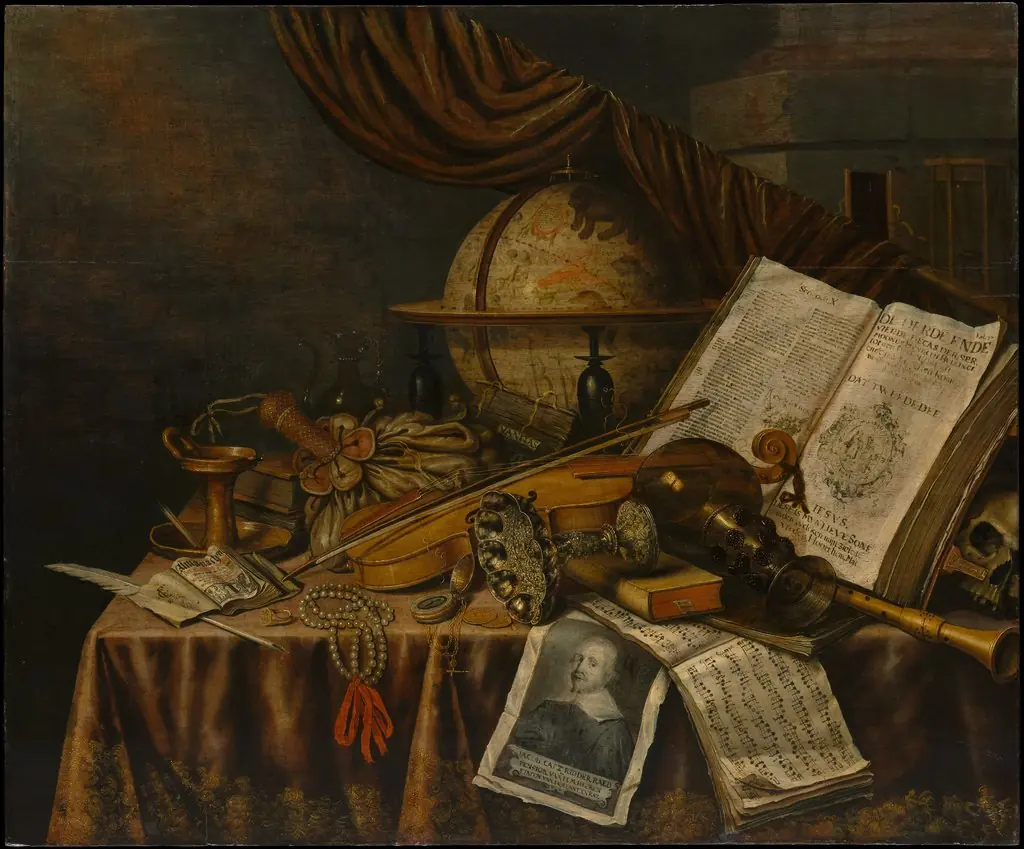 Vanitas Still Life
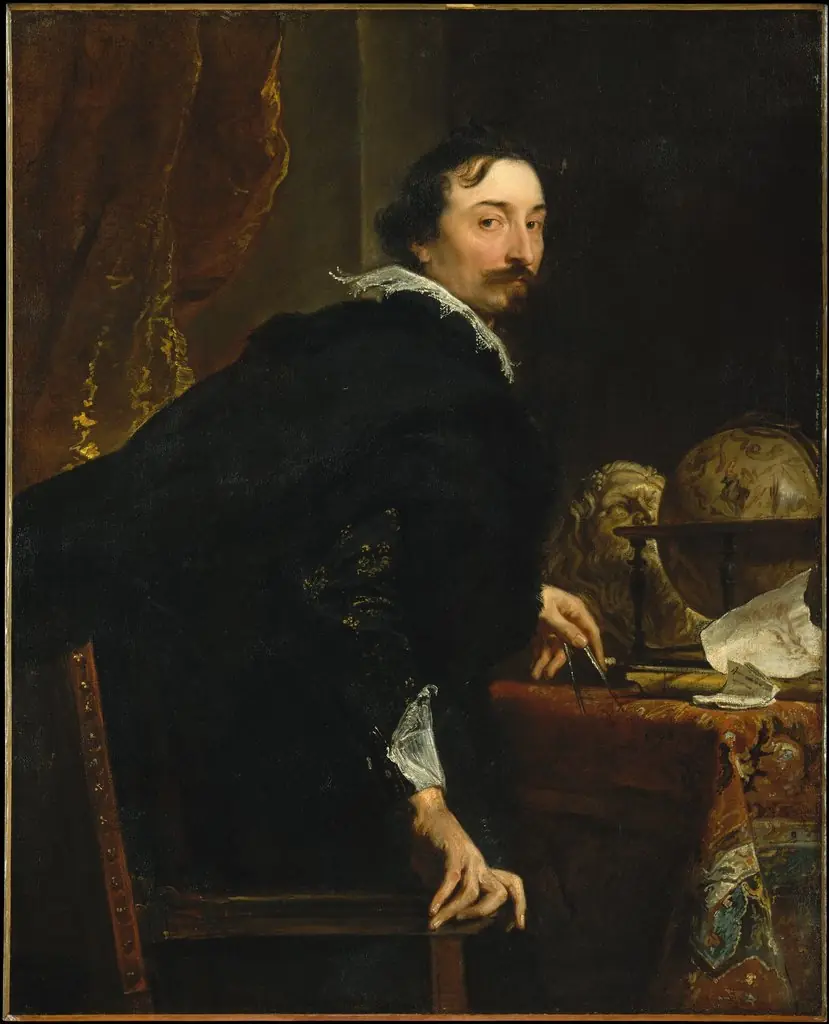 Portrait of Lucas van Uffel (died 1637)
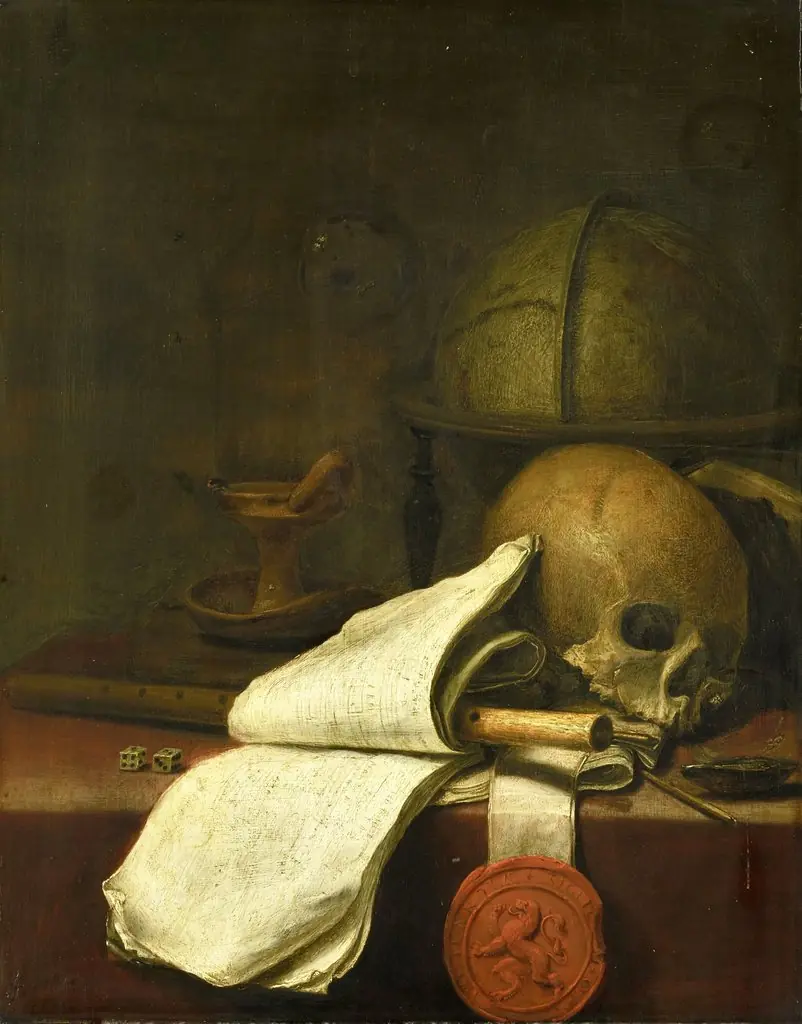 Vanitas still life
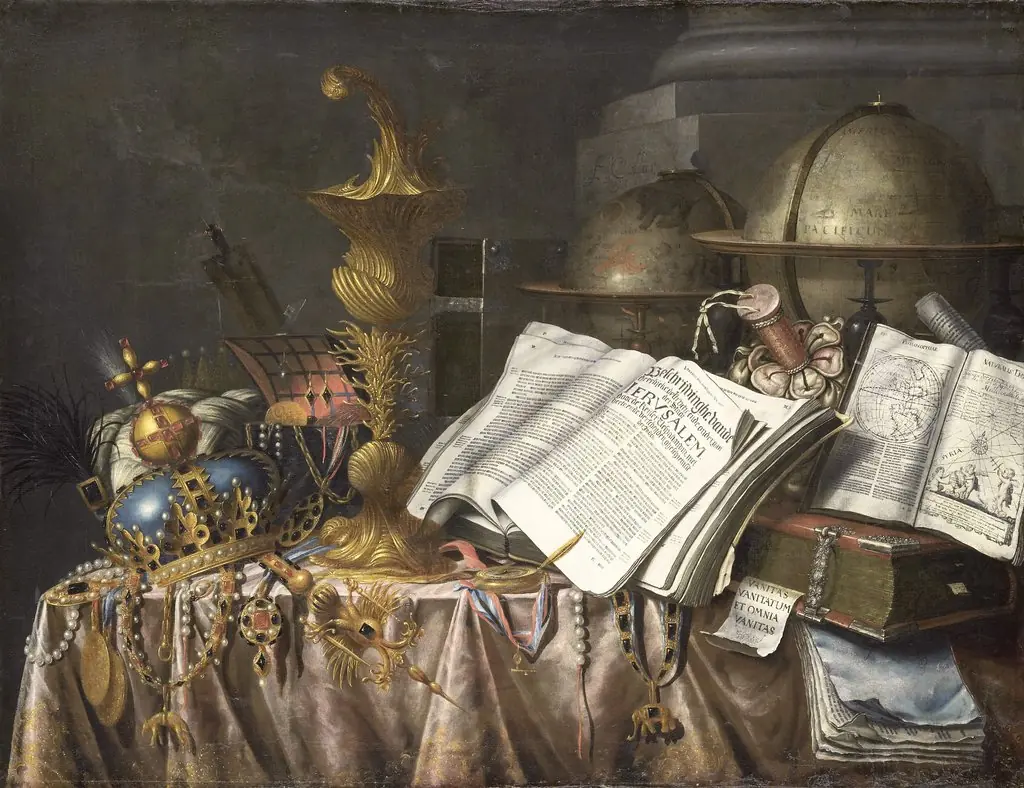 Vanitas still life
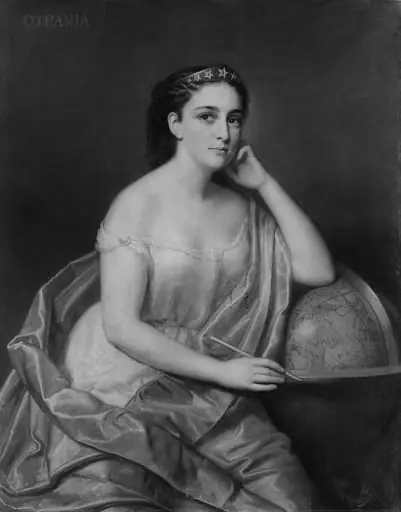 Urania
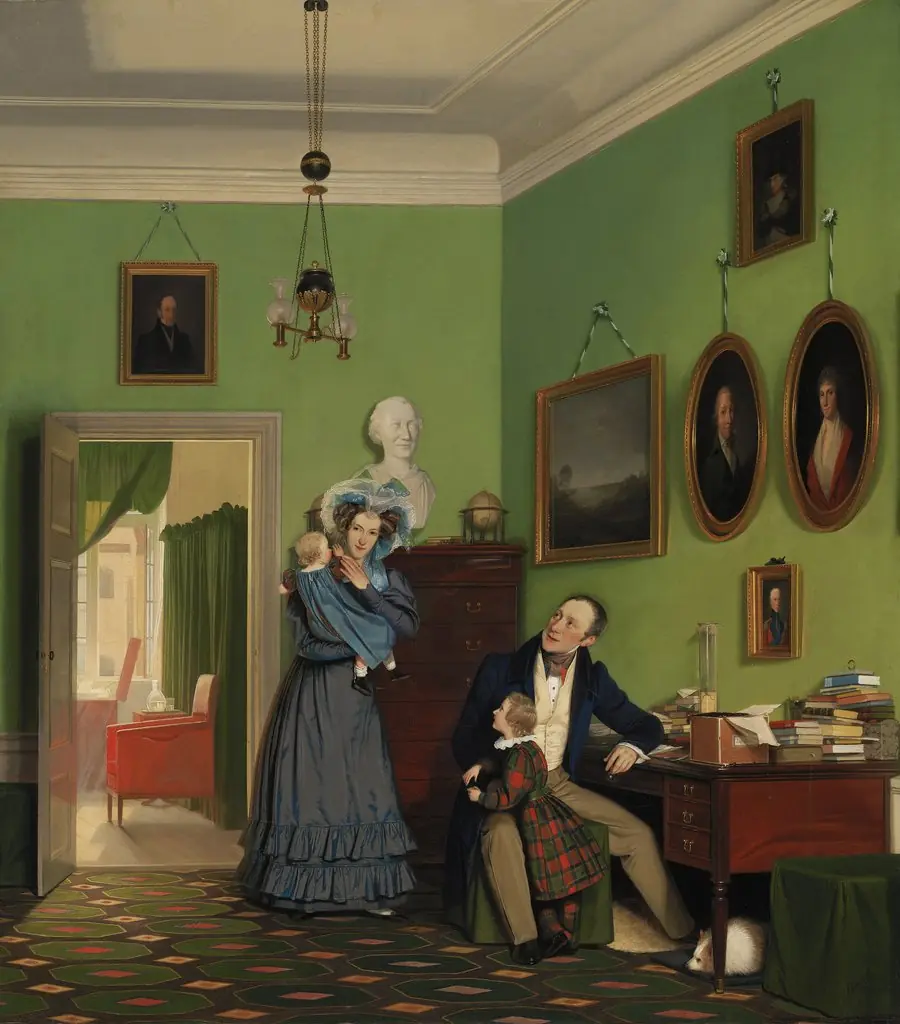 Familien Waagepetersen
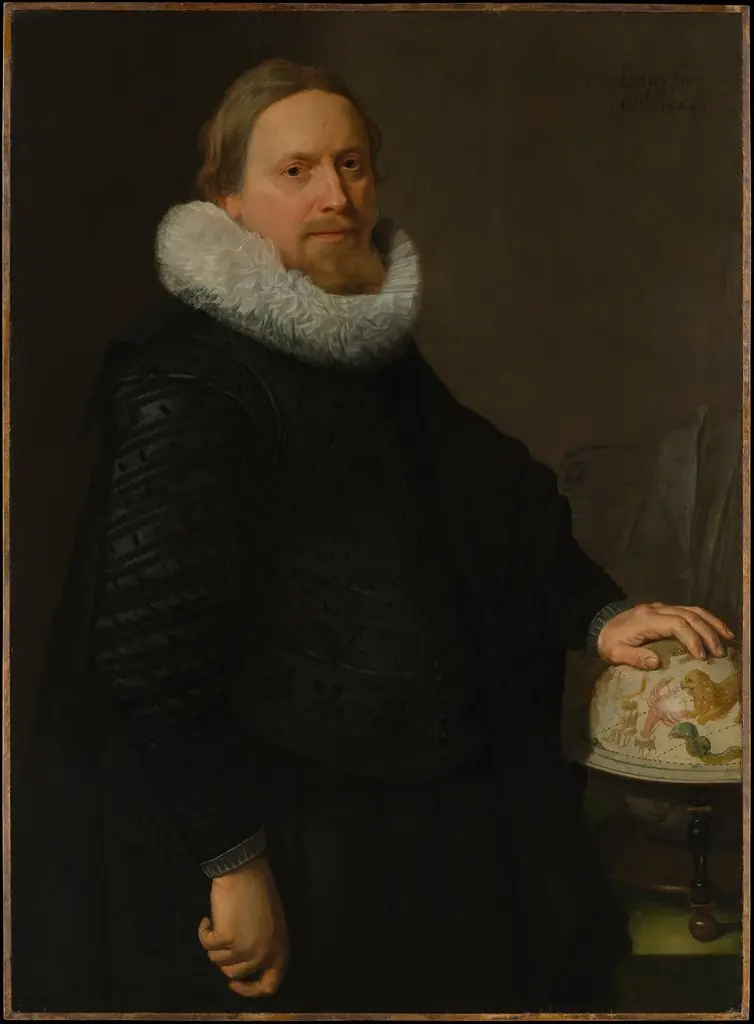 Man with a Celestial Globe
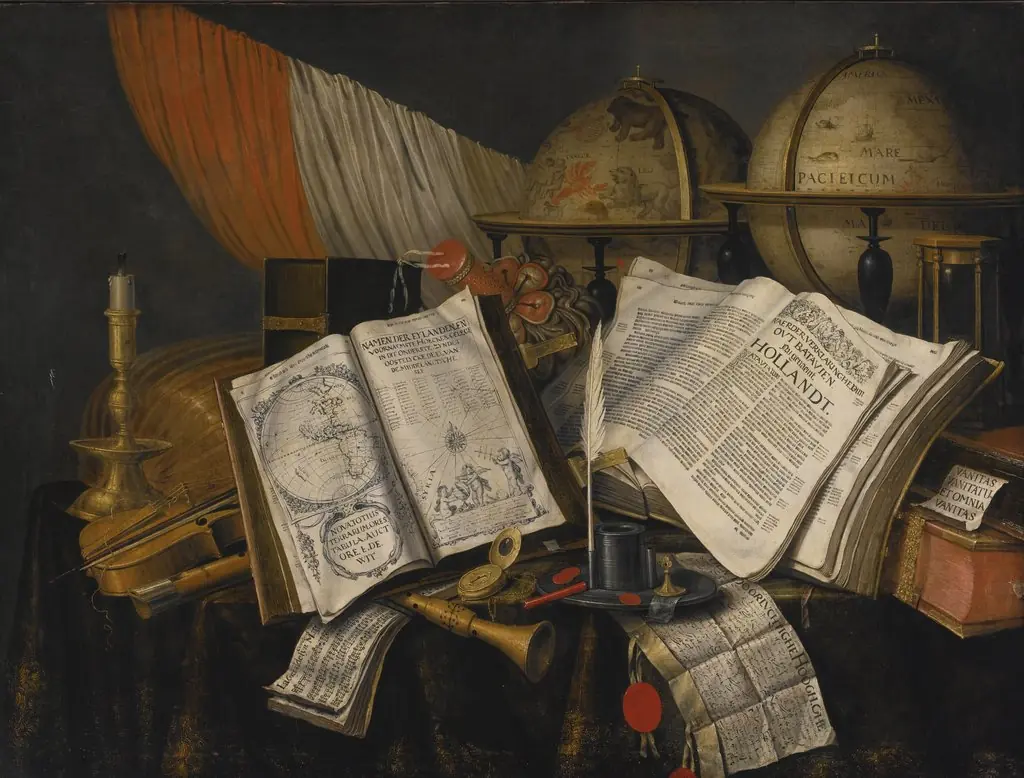 Vanitas Still Life with a Candlestick, Musical Instruments, Dutch Books, a Writing Set, an Astrological and a Terrestial Globe and an Hourglass, All on a Draped Table
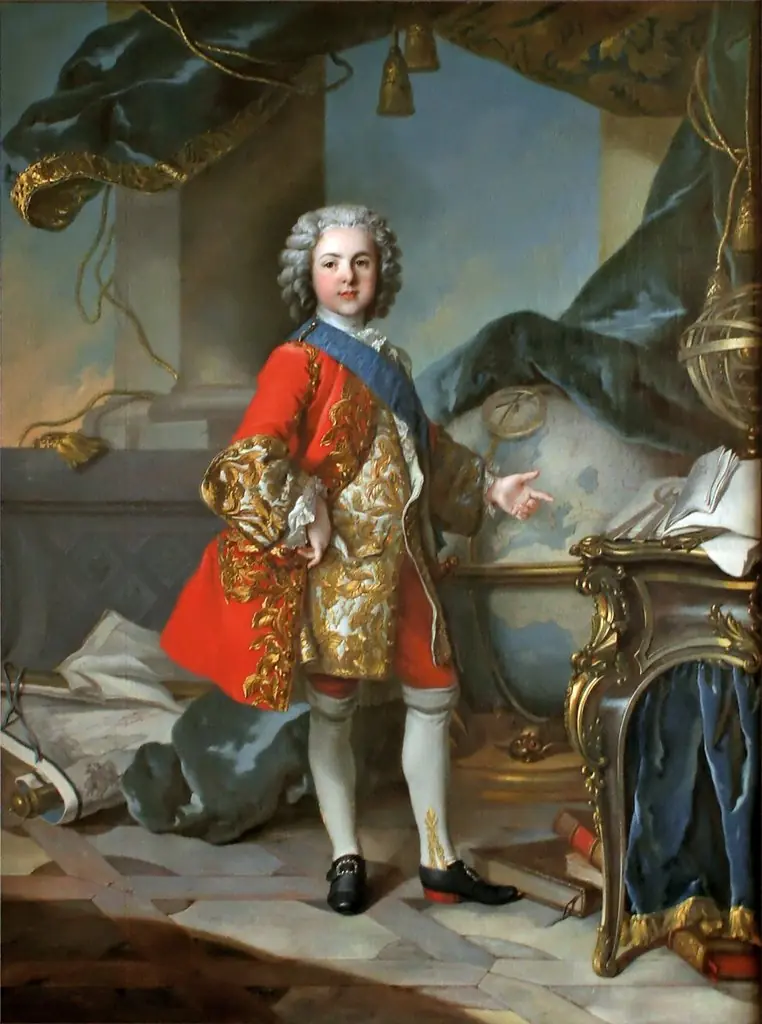 Portrait of Louis of France
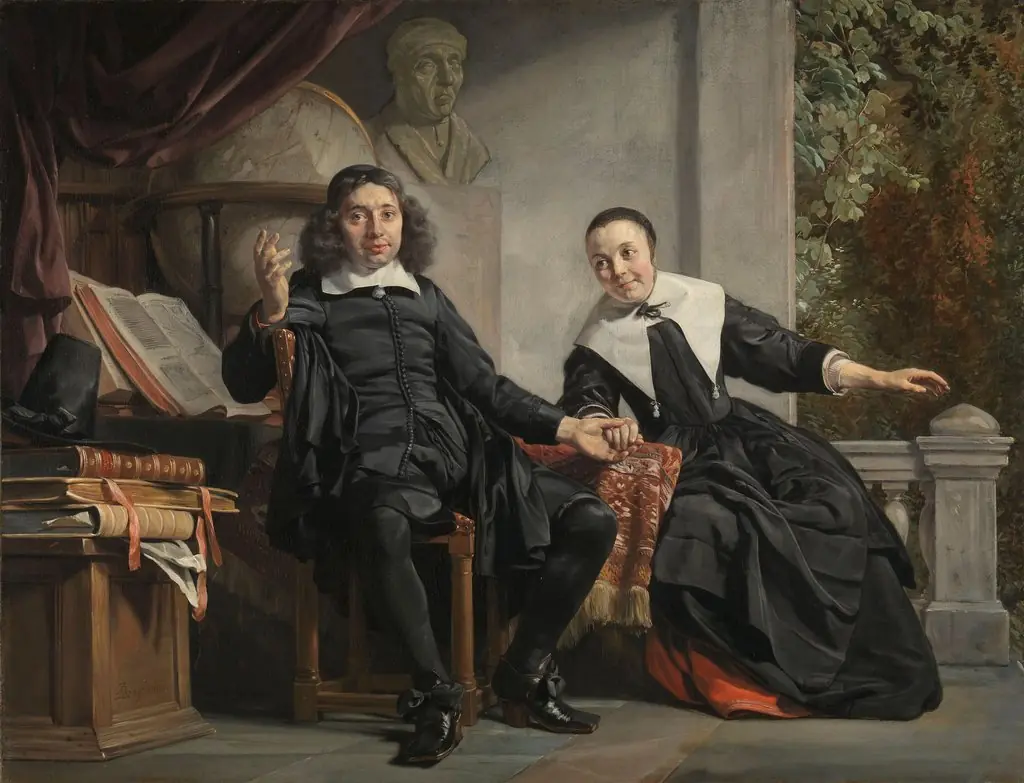 Abraham Casteleyn and his Wife, Margarieta van Bancken
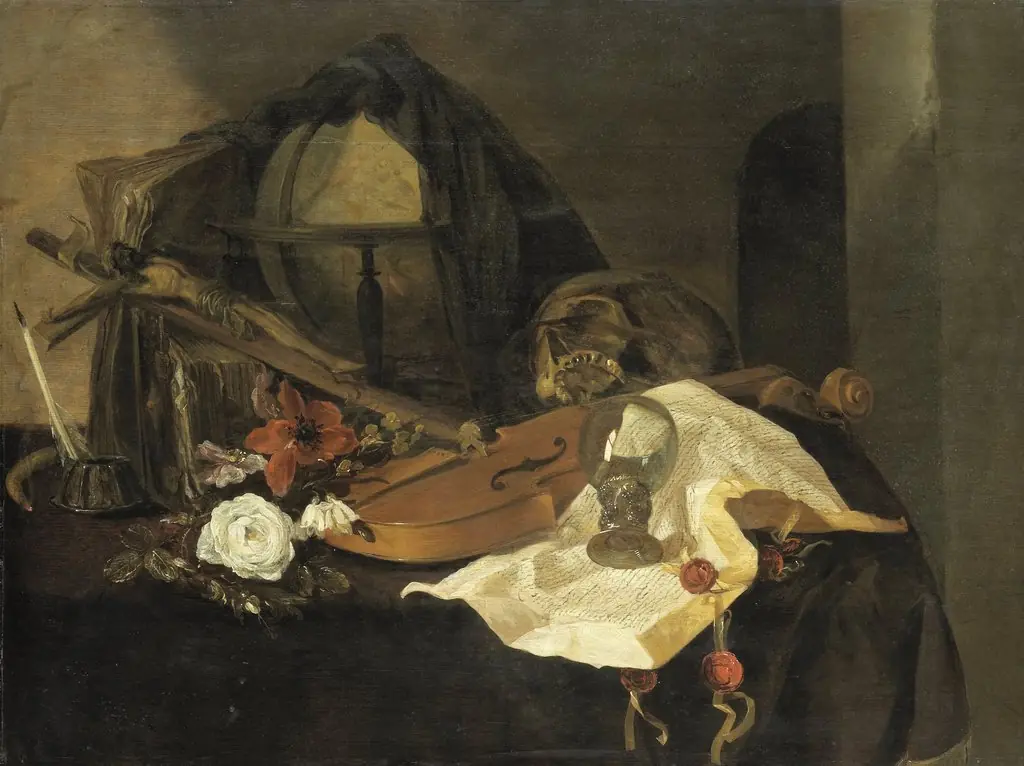 Vanitas still life
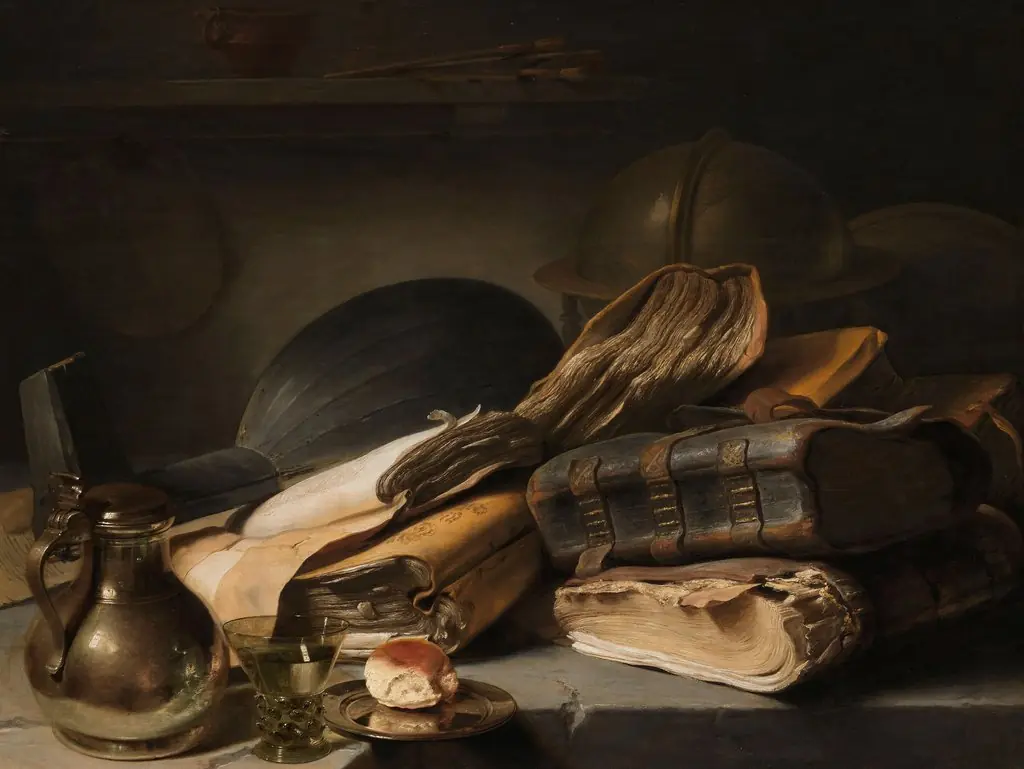 Still Life with Books
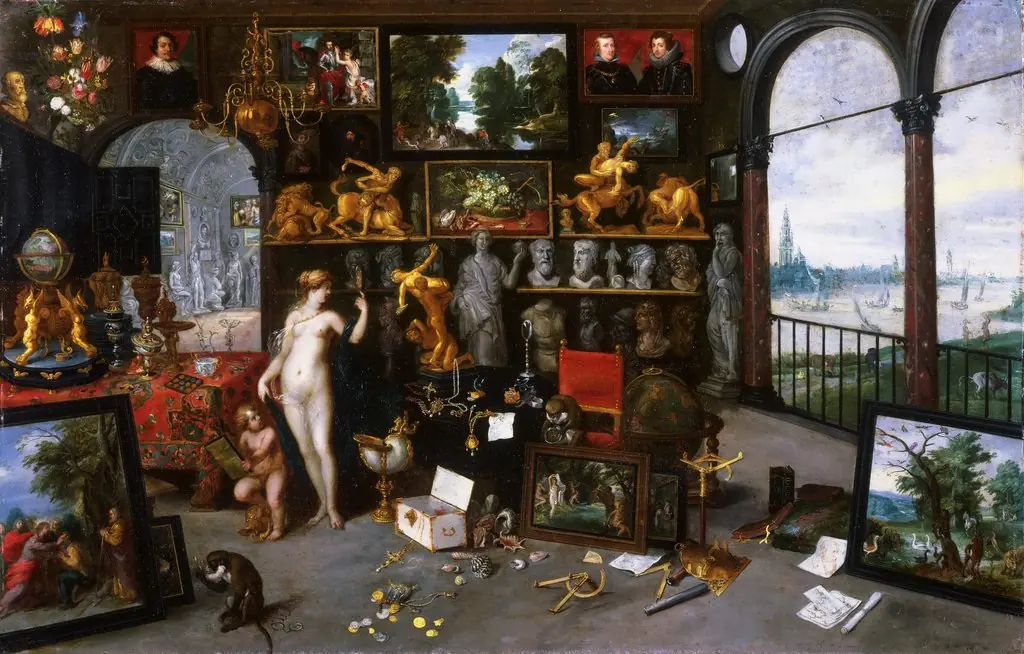 Allegory of Sight (Venus and Cupid in a Picture Gallery)
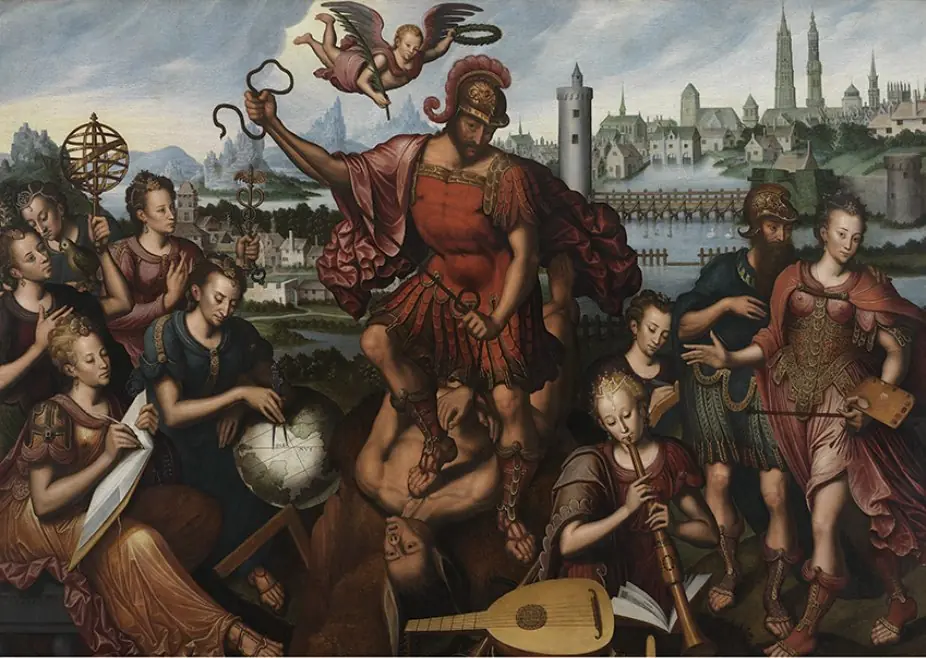 Mars, surrounded by the Arts and Sciences, conquers Ignorance
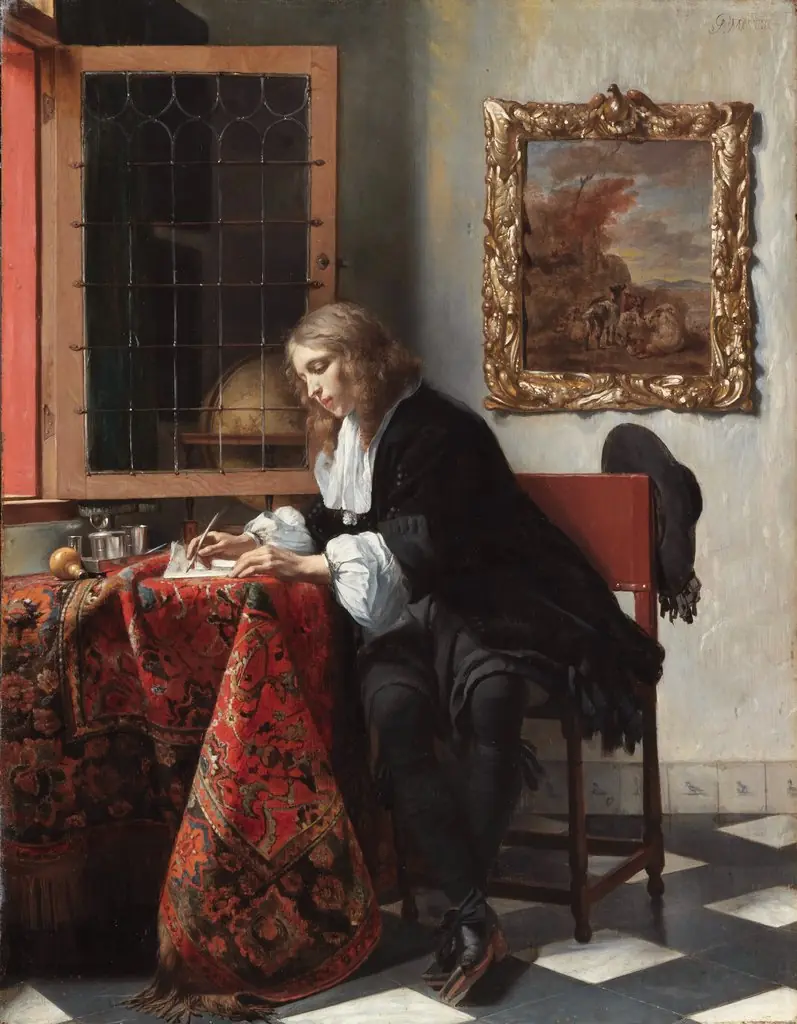 Man Writing a Letter
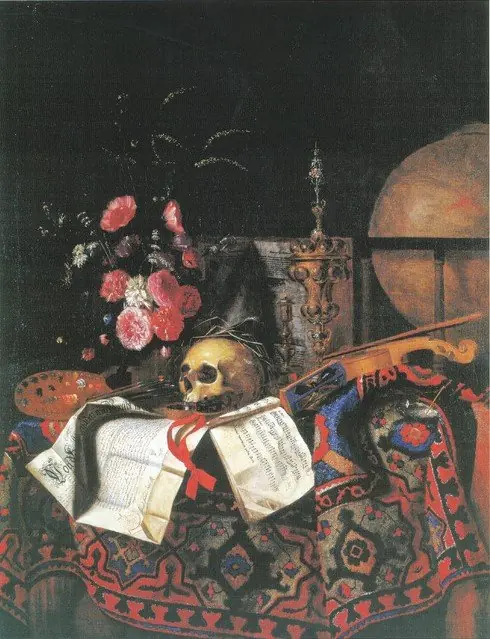 Vanitas still life with bouquet of flowers, painters palette, globe, violin and acorn cup
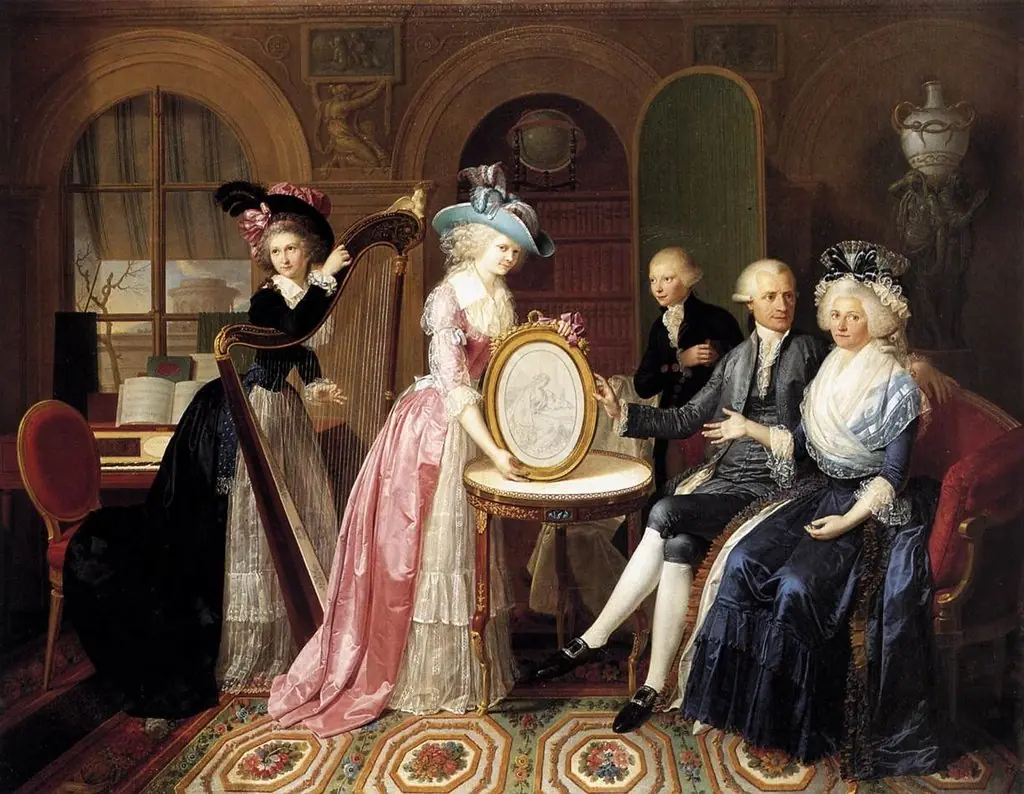 Portret van de familie Villers
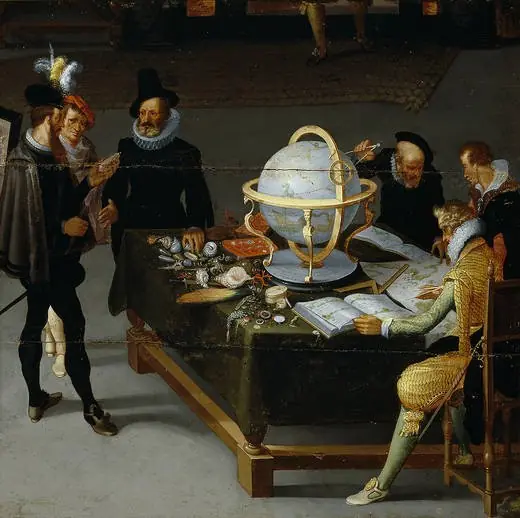 The Geographer and the Naturalist
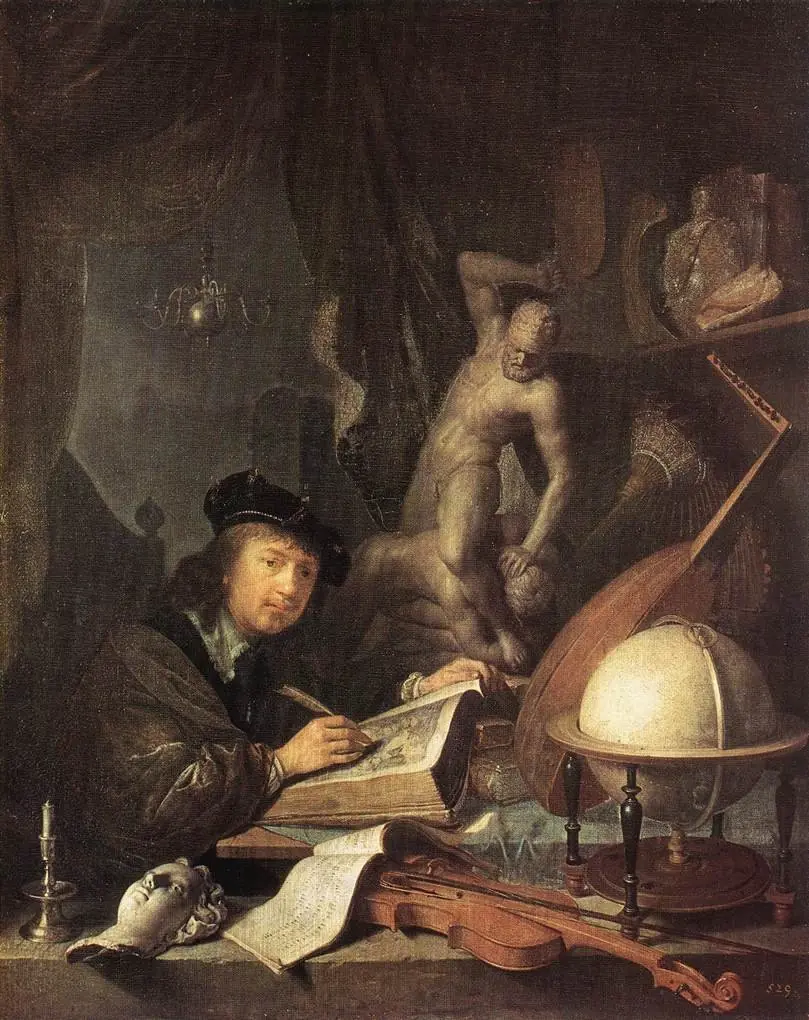 Painter in his Studio
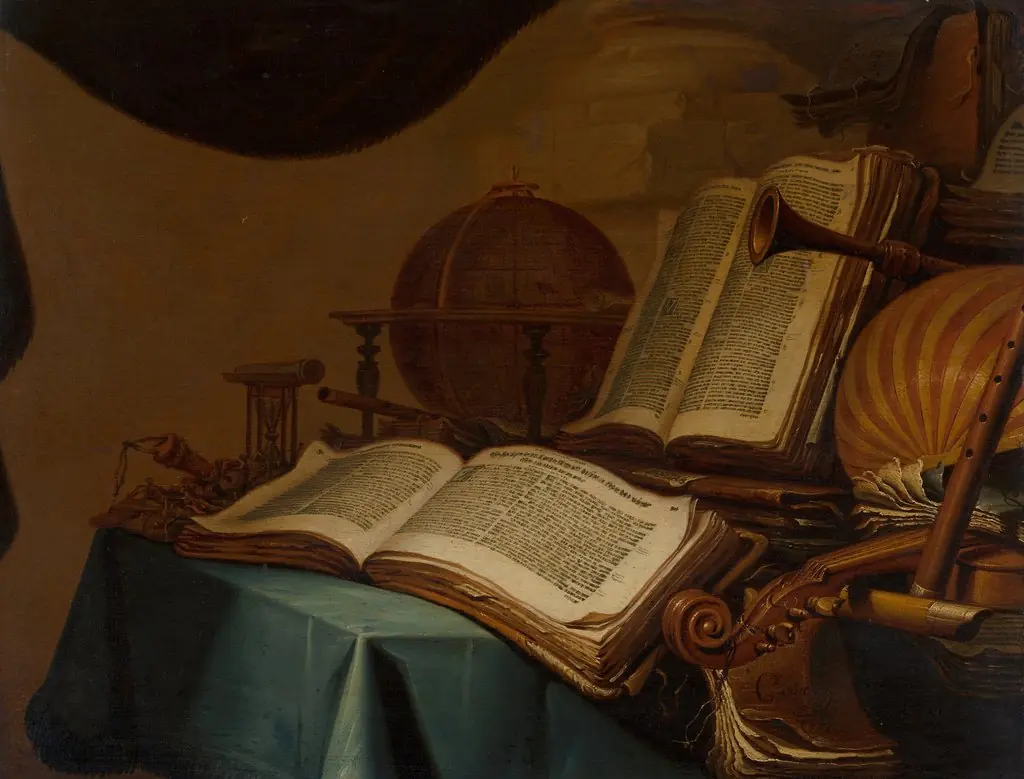 Still Life with Books, a Globe and Musical Instruments
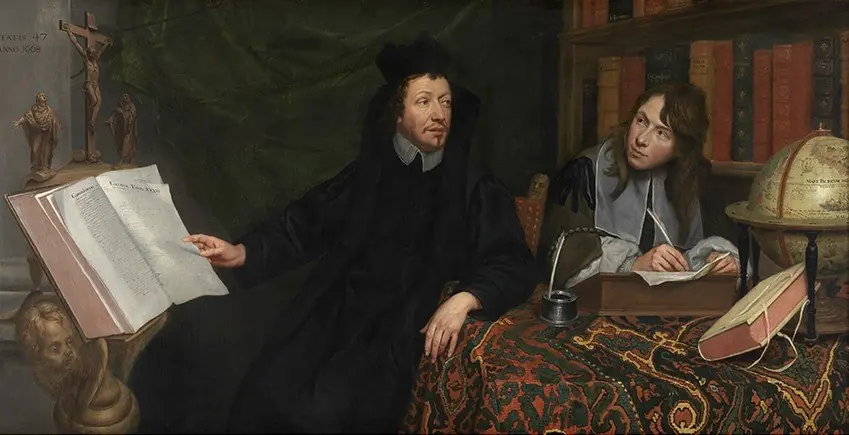 Portrait of a Theologue and his Secretary
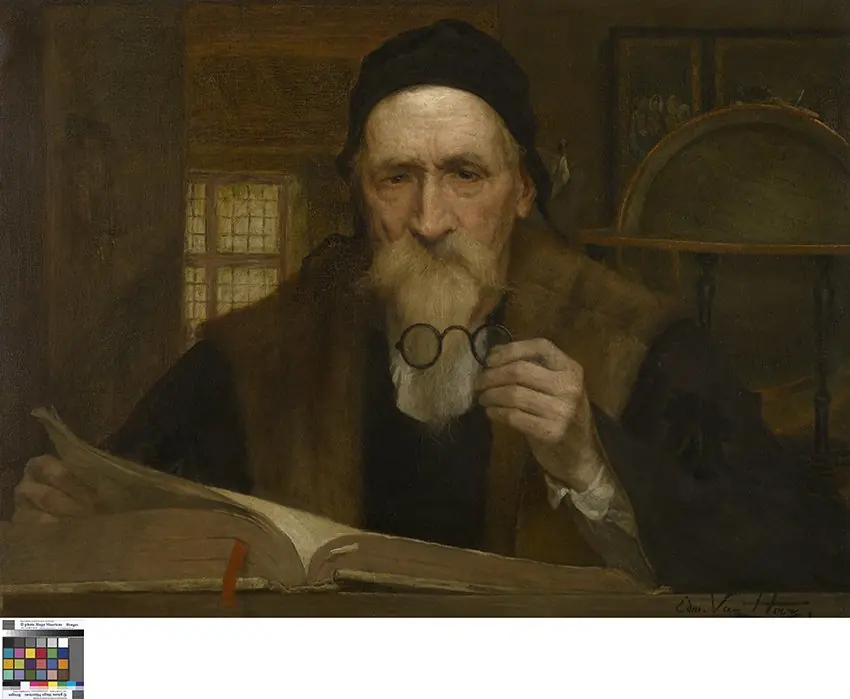 Philosopher
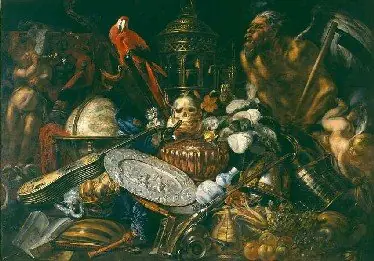 Vanitas
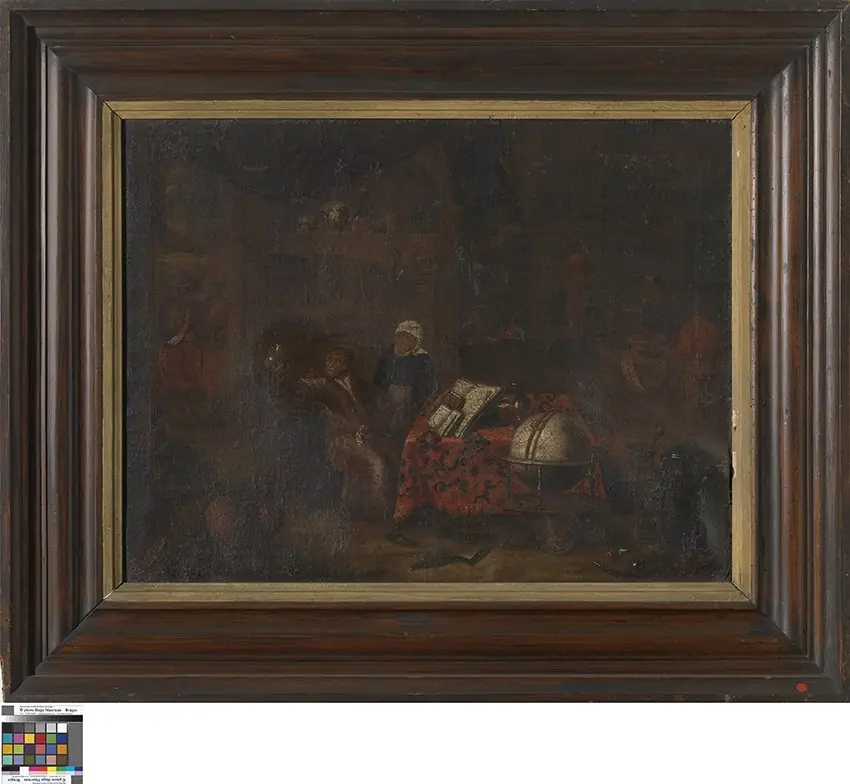 Singerie
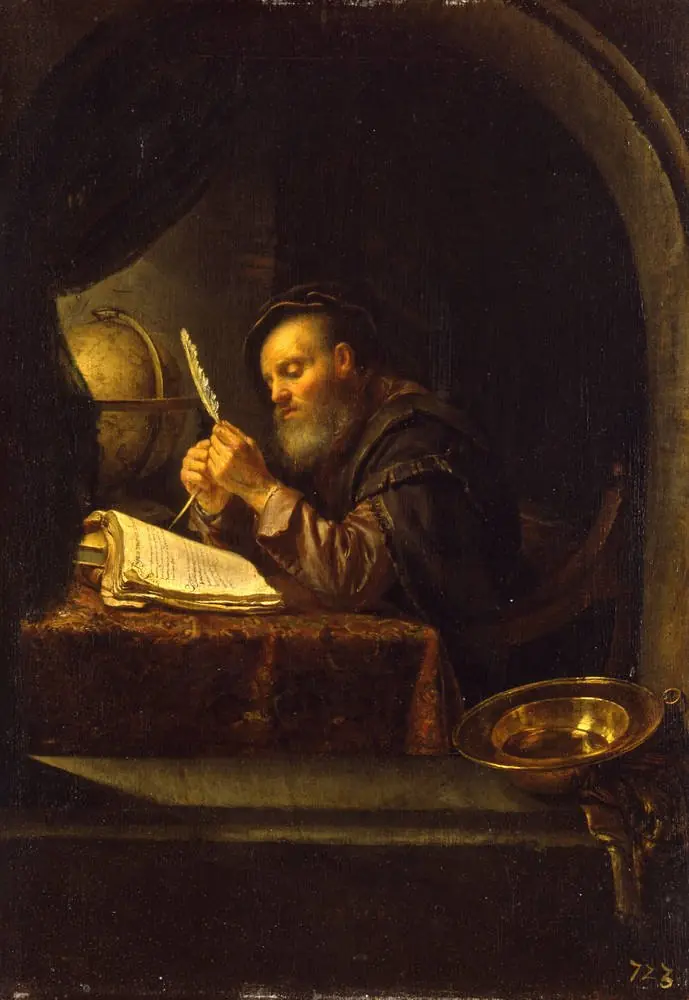 An Old Scholar sharpening his Quill Pen
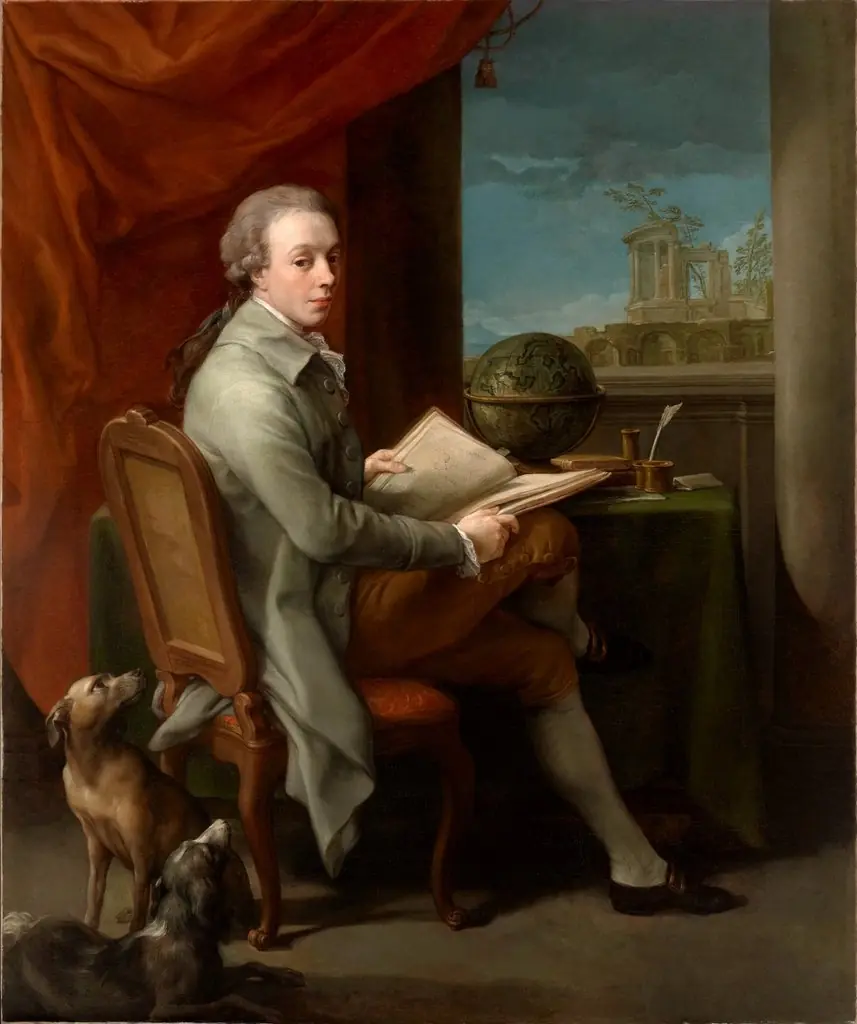 Thomas Taylour, Viscount of Headfort, later 2nd Earl of Bective and 1st Marquess of Headfort (1757–1829)
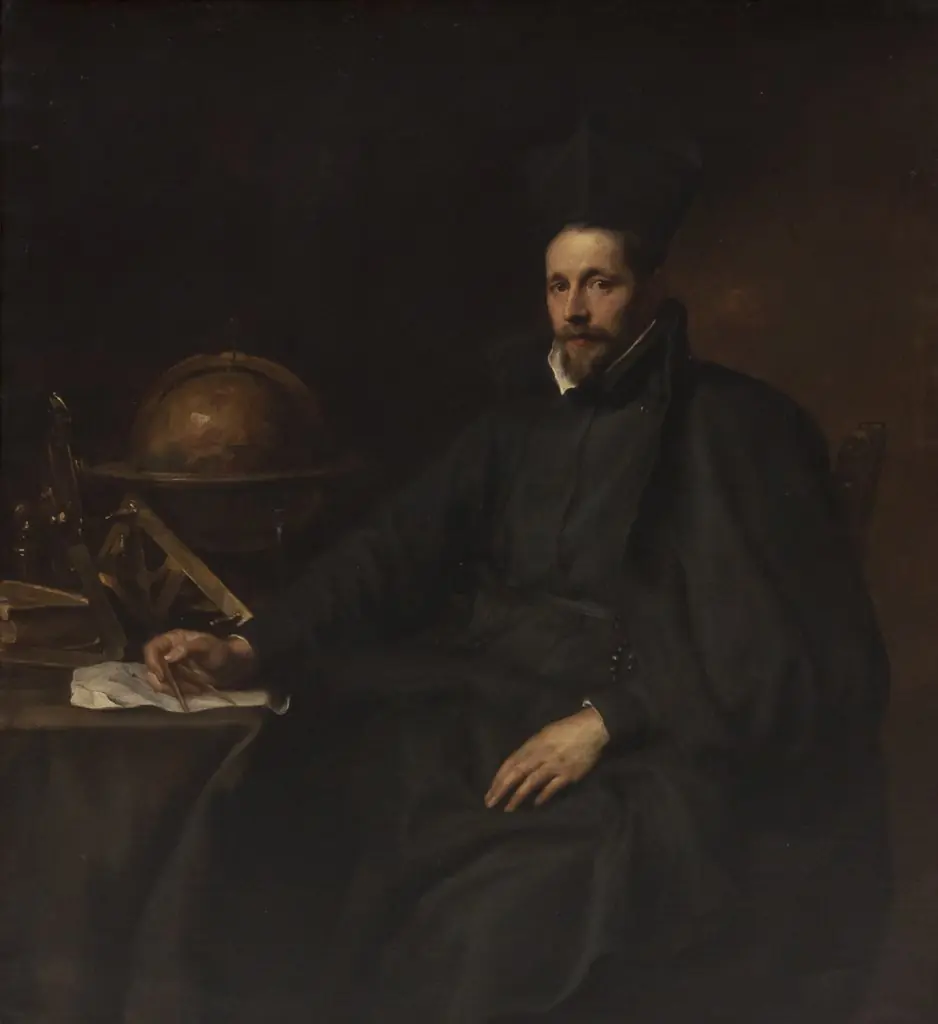 Portrait of Jean-Charles de la Faille
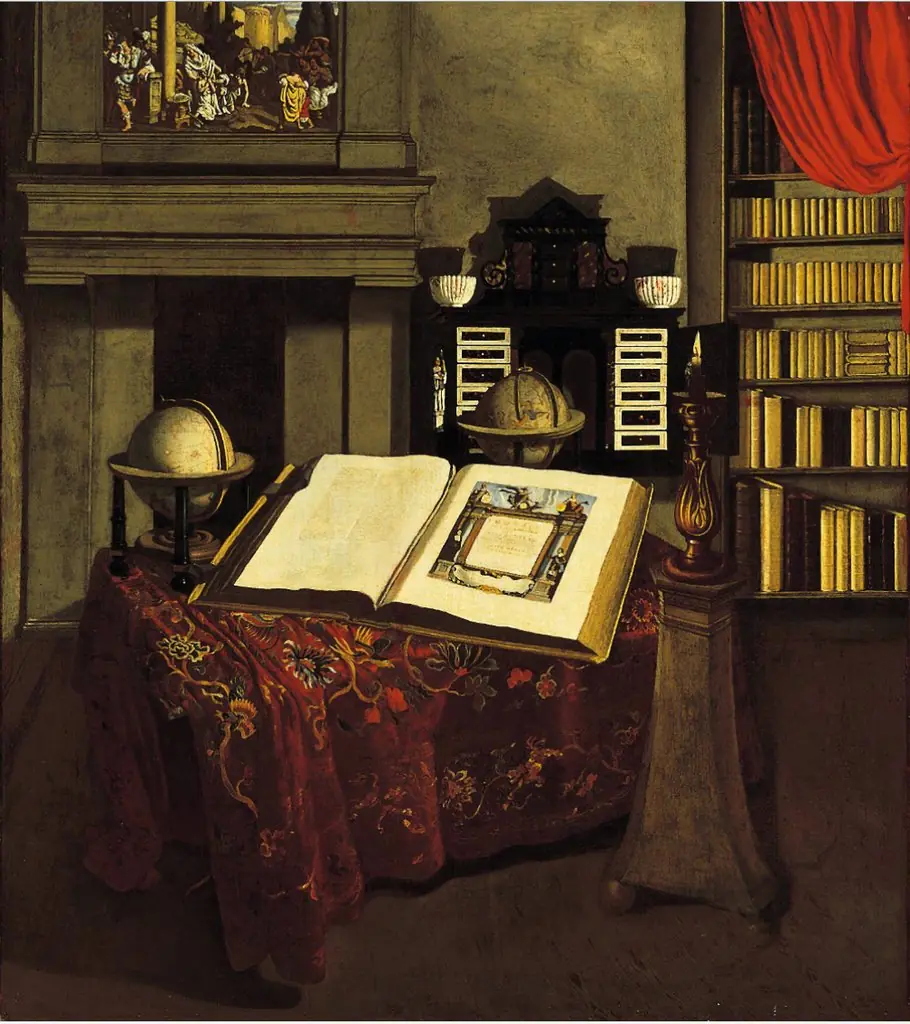 Library Interior with Still Life
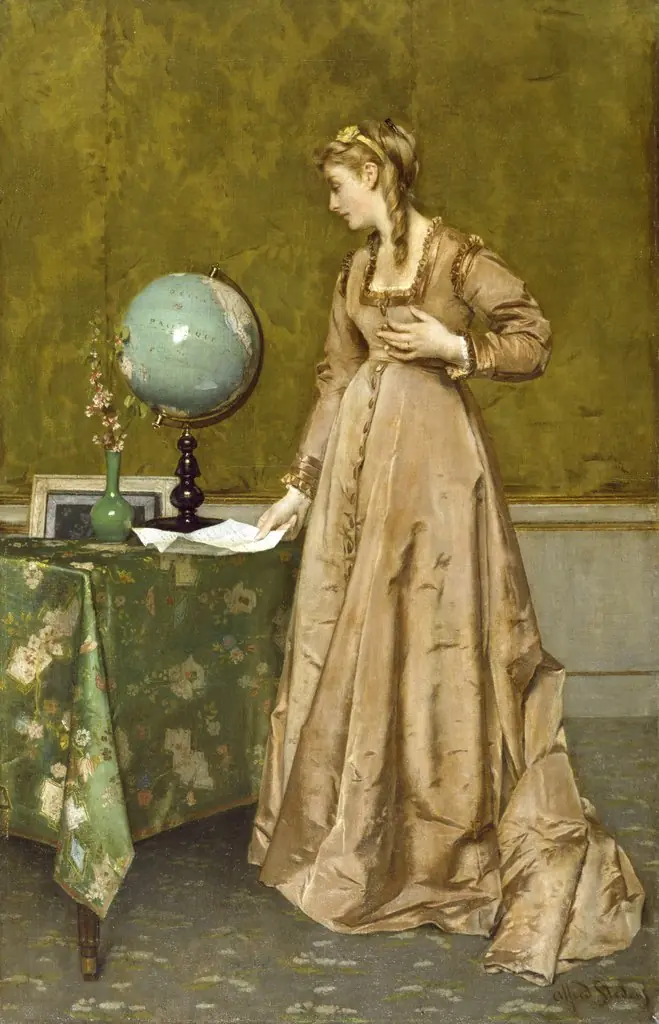 News from Afar
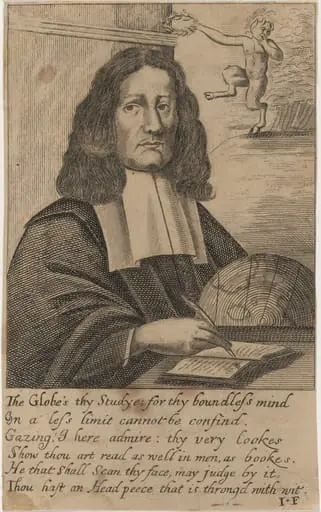 Portrait of a Geographer
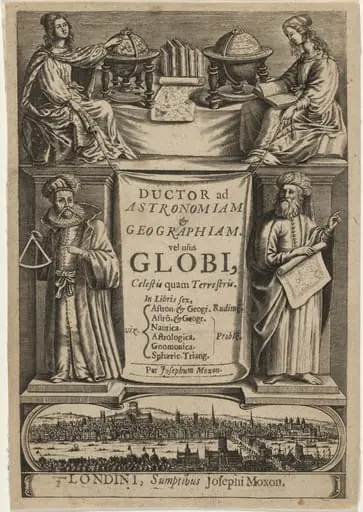 Title Page to J. Moxon, Ductor ad Astronomianet Geographiam
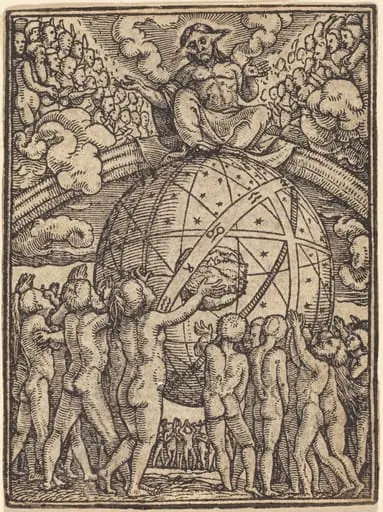 The Last Judgment
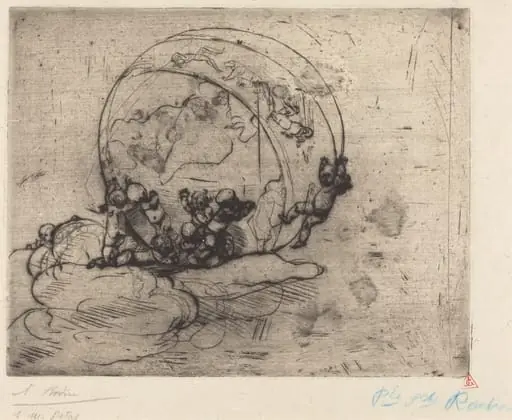 Les Amours Conduisant le Monde (Love Turning the World)
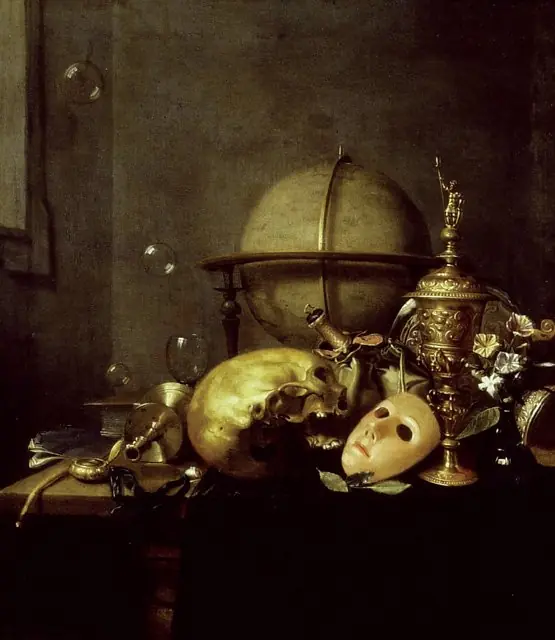 Vanitas still life with a mask
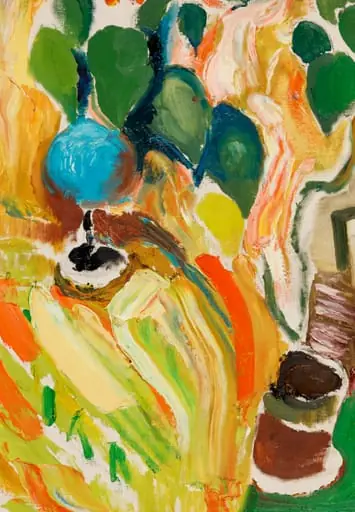 Natură statică
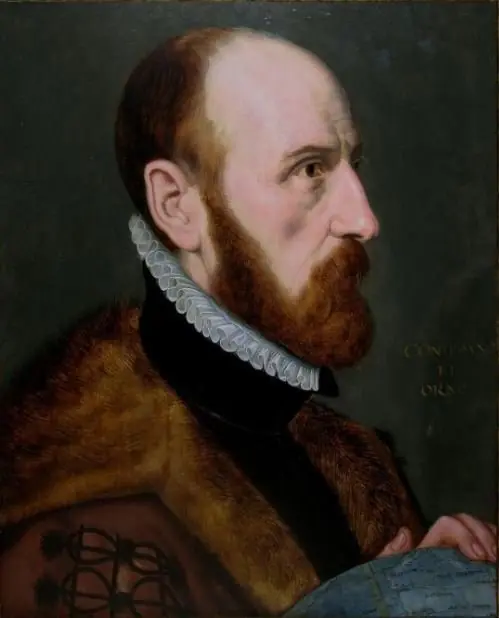 Portrait of Abraham Ortelius
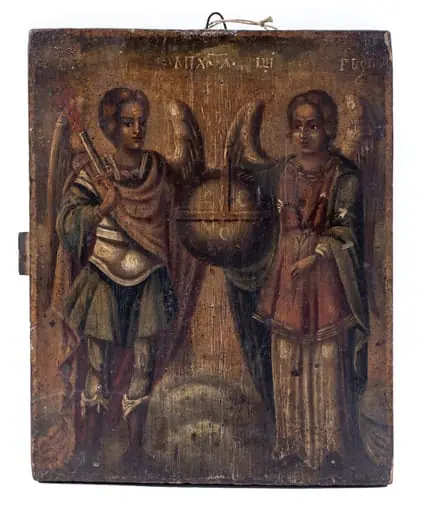 Sfinții Mihail și Gavriil
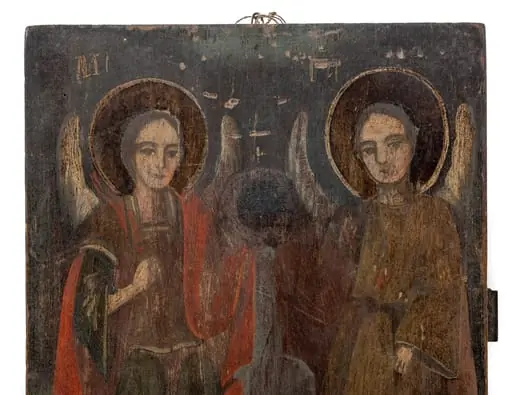 Sfânții Mihail și Gavriil
 Sfântul Mihail
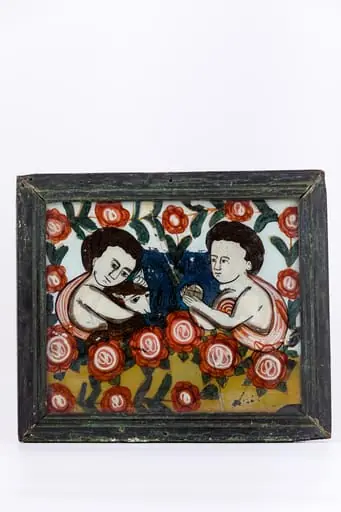 Icoana îi reprezintă dimpreună pe Mântuitorul Iisus Hristos și Sfântul Ioan Botezătorul, copii fiind, verișori, redați semi-profil, înfășurați cu câte o mantie roșie vermillon, dar cu umerii goi de copilași. Copilul Iisus ține în mâini, globul pământesc cu crucea deasupra, asemnea unui chivot de biserică, iar copilul Ioan ține un mieluț. Mieluțul este Însuși Mântuitorul Iisus Hristos, care Se va Jertfi pentru toată lumea, reprezentată de chivotul bisericii pe globul pământesc. Iată Mielul! - sunt cuvintele Sfântului Mare Prooroc Ioan Botezătorul și Înaintemergătorul Domnului nostru Iisus Hristos. Fondul icoanei este albastru bleumarin adânc și profund, în centrul icoanei, și bleu-ciel senin, pe margini, în registrul inferior este un câmp luminos de galben-ocru. În marginile icoanei, fondul este alb-albastru bleu-ciel foarte deschis și senin, înconjurat de elemente decorative fitomorfe - 16 trandafiri și bujori, ruje, roșii, cu frunze verzi. Cromatica este armonioasă și senină: roșu vermillon, albastru bleumarin, albastru bleu-ciel, galben-ocru; alb, negru. Icoana este de Gherla.
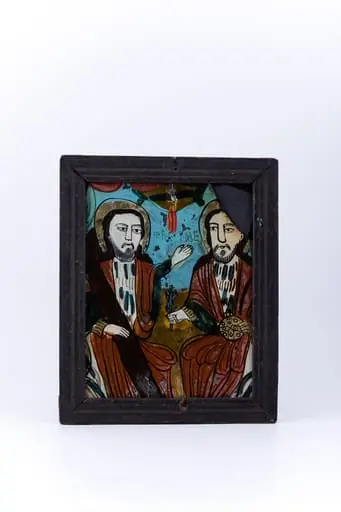 Icoana reprezintă Sfânta Treime. Dumnezeu-Tatăl are globul pământesc bronziu pe genunchi și arătă cu mâna dreaptă, în care are sceptrul împărătesc cu crucea, Bincuvântând întreaga lume. Dumnezeu-Fiul are Crucea pe umărul drept. Dumnezeu-Tatăl și Dumnezeu-Fiul sunt înveșmântați în roșu vermillon-acajou, cu sacosuri albe, dungate cu liniuțe subțiri albastre. Amândoi-dimpreună se sprijină cu picioarele pe o mandorlă de nouri albi-gri, rotunzi și bogați, fiind așezați ca pe un tron împărătesc. Deasupra, în registrul superior este un spațiu luminos de auriu de chihlimbar, din care pe un mănunchi de raze luminoase, se pogoară Sfântul Duh, sub forma porumbelului alb. Astfel este prezentă întreaga Sfântă Treime. Între Dumnzeu-Tatăl, Fiul și Sfântul Duh este un spațiu galben-auriu. Fondul icoanei este cerul albastru cerulem-regal, încadrat de un chenar decorativ geometrizant format din semicercuri roșii, asemenea unor petale de ruje. Inscripția din româno-chirilică se traduce Treime. Cromatica este luminoasă și armonioasă: roșu vermillon-acajou, verde văratic-mușchi de pădure, albastru ceruleum-regal, auriu-bronziu, galben-chihlimbar, gri, brun, alb, negru. Icoana este din Nordul Transilvaniei, Nicula.
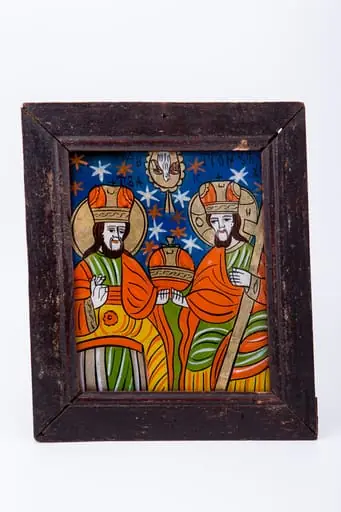 Sfânta Treime prezentă în această icoană este inedită pentru că Dumnezeu-Tatăl și Dumnezeu-Fiul sunt foarte asemănători. Fiul după Chiul și Asemănarea! Sunt înveșmântați în roșu vermillon, galben și verde. Dumnezeu-Fiul are mantia roșie peste umăr - omofor și ține Crucea Răstignirii în mână. Dumnezeu-Tatăl și Dumnezeu-Fiul susțin împreună sfera globului pământesc cu mâinile. În registrul superior, deasupra, este Sfântul Duh care se Pogoară sub forma unui porumbel alb, prin Cerurile deschise, pe un mănunchi de stele bronzii. Fondul este cerul albastru ceruleum cu elemente astrale: stele roșii și albe. Cromatica este armonioasă, luminoasă și puternic-vie, speifică Țării Oltului: roșu vermillon, verde, ocru, galben chihlimbar, albastru ceruleum, roșu stacojiu, alb, negru. Inscripția din româno-chirilică se traduce Sfânta Treime Dumnezeu Tatăl.
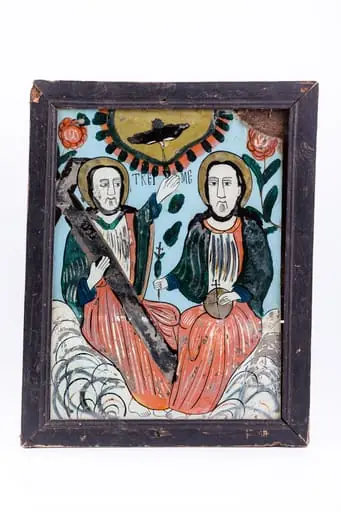 Icoana reprezintă Sfânta Treime. Dumnezeu-Tatăl are globul pământesc, pe genunchi și în mâna dreaptă are o cruce de mână. Dumnezeu-Fiul este alături, ține Crucea pe umărul drept și cu mâna stângă arată înspre Sfântul Duh, Pogorându-se ca un porumbel, astfel reunindu-Se Sfânta Treime. Dumnezeu-Tatăl și Dumnezeu-Fiul sunt îmbrăcați în veșminte în combinație de albastru cobalt, gri cenușiu-antracit și roșu vermillon. Se remarcă desenul fin al broderiei mânecii Tatălui Ceresc. Sfântul Duh se pogoară din miezul galben-solar, deschiderea Cerurilor, cu raze de lumină. Inscripția din româno-chirilică se traduce Treime. În registrul superior, fondul icoanei este cerul albastru bleu-ciel senin, cu câte o rujă - trandafir roșu - în colțurile din stânga și dreapta. În miezul rujelor este semnul zăluței albe, șerpuitoare. În registrul inferior sunt câmpuri de nouri albi-gri, mandorle peste mandorle. Cromatica este luminoasă și armonioasă: roșu vermillon, albastru bleu-ciel, albastru cobalt, alb, gri-antracit, ocru-muștar, alb, negru. Icoana este de Nicula.
 Icoana îl reprezintă pe Mântuitorul Iisus Hristos, copil fiind, redat semi-profil, înfășurat cu o mantie roșie vermillon, dar cu umerii goi de copilaș, ținând în mâini, globul pământesc cu crucea deasupra, asemnea unui chivot de biserică. Fondul icoanei este albastru cobalt, în centrul icoanei, creându-se un adânc veșnic. În marginile icoanei, fondul este alb-ivoriu, înconjurat de elemente decorative fitomorfe - 8 trandafiri, ruje, roșii, cu frunze verzi. În registrul inferior este galben-solar.
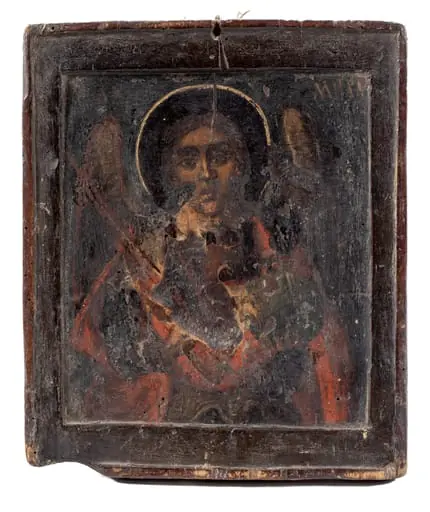 Arhanghelul Mihail
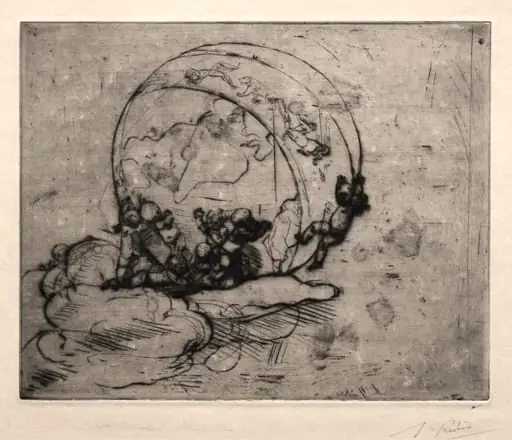 Cupids Leading the World
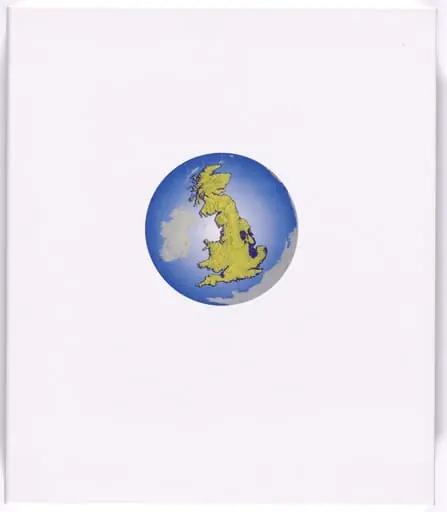 Untitled
Frequently asked questions
What is Globe?
Globe is a subject in art. A globe is a spherical model of Earth, of some other celestial body, or of the celestial sphere.
How many Globe works does Artifact World Gallery have?
Artifact World Gallery holds 49 public-domain Globe works, all free to view and download.
Who are the key Globe artists?
Key Globe artists in the collection include Thomas Eakins, Johannes Vermeer and Anthony van Dyck.
Where can I see Globe works?
Globe works in the collection are held by Metropolitan Museum of Art, Groeningemuseum and Rijksmuseum.