Artwork
Apotheosis of the Dutch East India Company (Allegory of the Amsterdam Chamber of Commerce of the VOC)
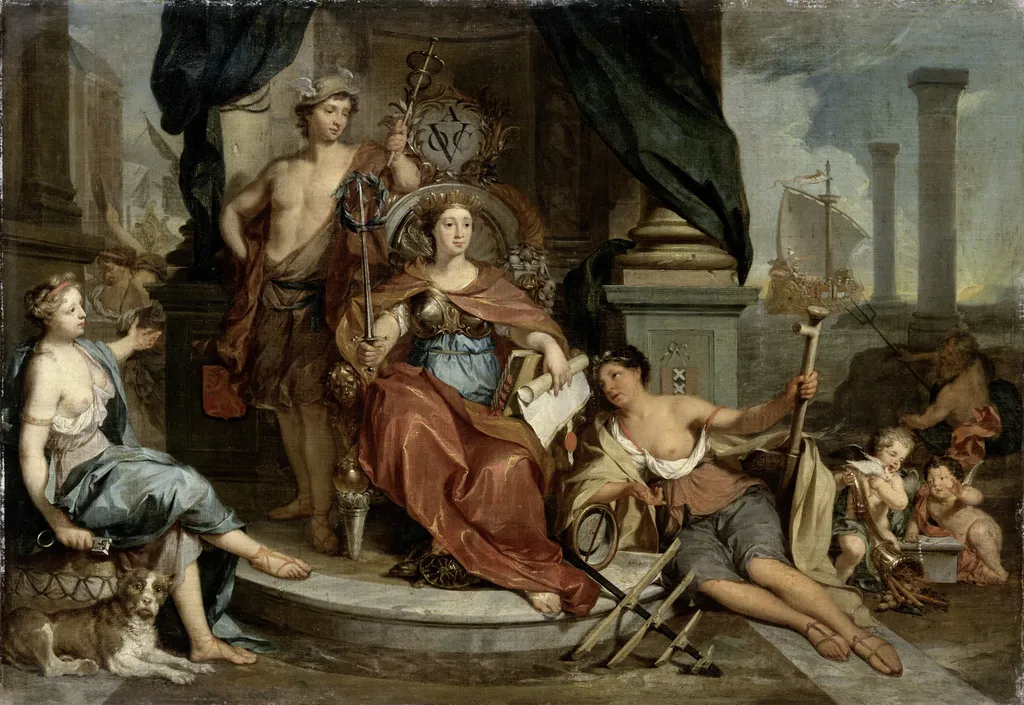
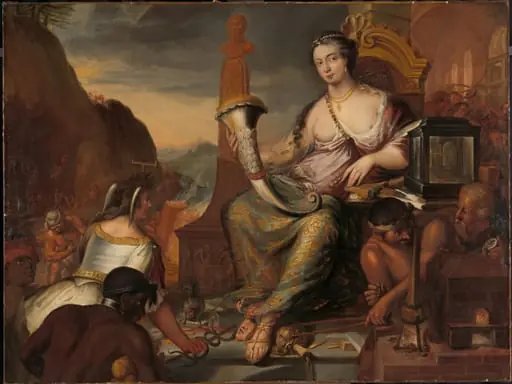
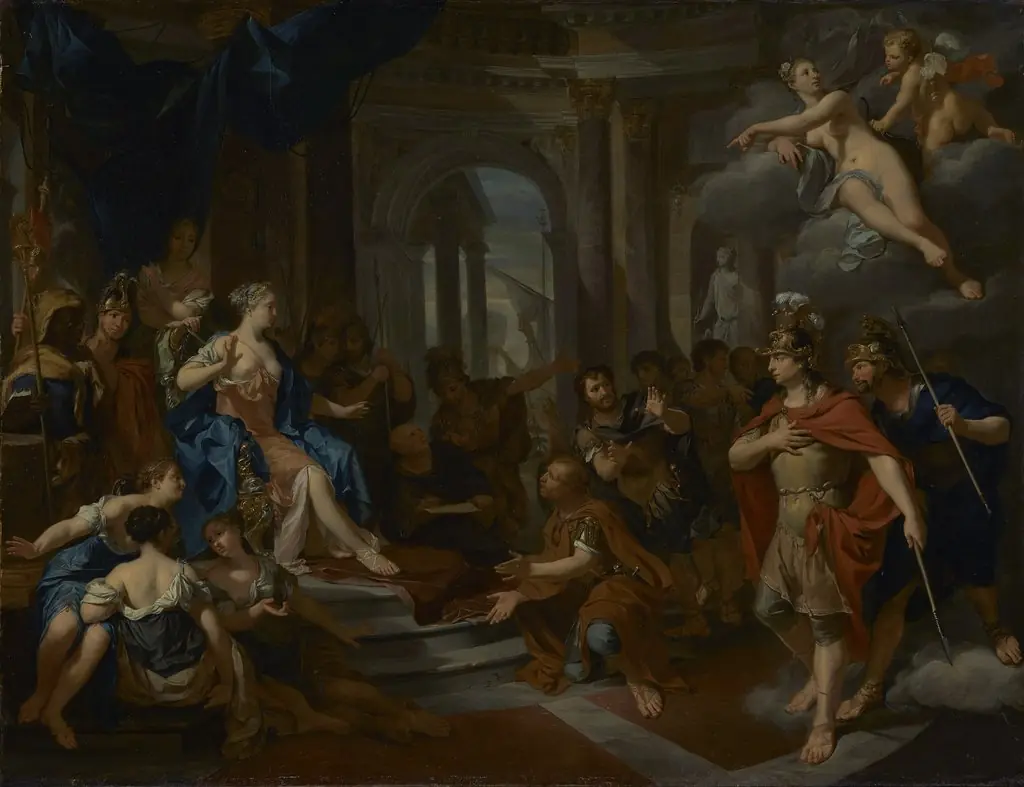
Apotheosis of the Dutch East India Company (Allegory of the Amsterdam Chamber of Commerce of the VOC) is an oil painting by the Rococo painting artist Nikolaas Verkolje. It dates from 1702 and is held in the collection of the Rijksmuseum.
About this work
Subject & Meaning
Created in 1702 by Nikolaas Verkolje, this oil painting functions as an allegory dedicated to the Amsterdam Chamber of the Dutch East India Company (VOC).
Created in 1702 by Nikolaas Verkolje, this oil painting functions as an allegory dedicated to the Amsterdam Chamber of the Dutch East India Company (VOC). The work visually celebrates the commercial power and status of this specific trading entity, depicting the company itself alongside references to its Amsterdam headquarters. As an allegorical piece, the composition utilizes symbolic imagery to represent the apotheosis, or glorification, of the VOC's mercantile achievements.
The artwork serves as a visual testament to the prominence of the Amsterdam chamber within the broader structure of the Dutch colonial trade network during the early eighteenth century.
Technique & Style
Executed in 1702 by Nikolaas Verkolje, this allegorical work is an oil painting on canvas. The composition measures 59.5 cm in height and 85 cm in width. As an allegory, the piece visually represents the Amsterdam Chamber of Commerce of the Dutch East India Company, utilizing the oil medium to depict the corporate entity and its associated symbolism.
The work is classified within the genre of allegory and is held in the collection of the Rijksmuseum in Amsterdam.
History & Provenance
Nikolaas Verkolje created the oil painting Apotheosis of the Dutch East India Company in 1702. The work, which serves as an allegory for the Amsterdam Chamber of Commerce of the VOC, was executed on canvas. It depicts the East India Company and is currently held in the collection of the Rijksmuseum in Amsterdam.
The painting is part of the Rijksmuseum's collection in Amsterdam. It was accessioned under the Rijksmuseum inventory and has been exhibited in the museum's permanent display of Dutch Golden Age works. The work is catalogued as an oil painting on canvas measuring 59.5 cm in height and 85 cm in width, created in 1702 by Nicolaas Verkolje.
Overview
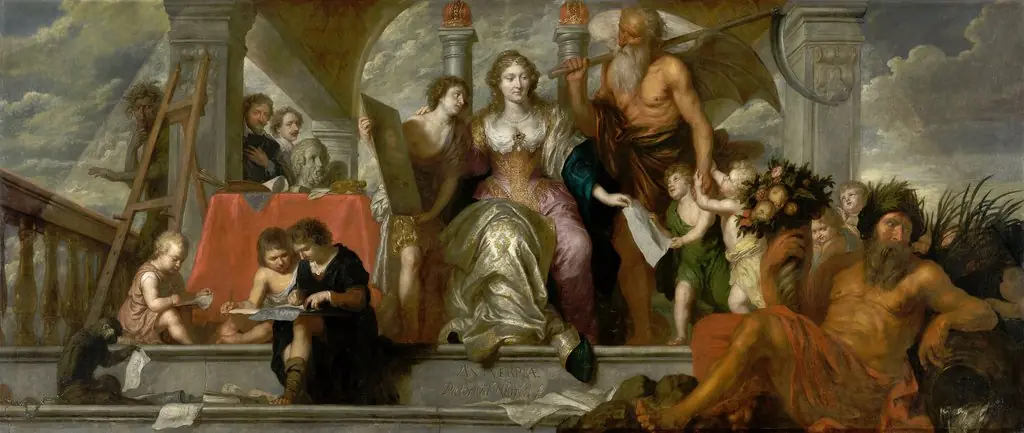
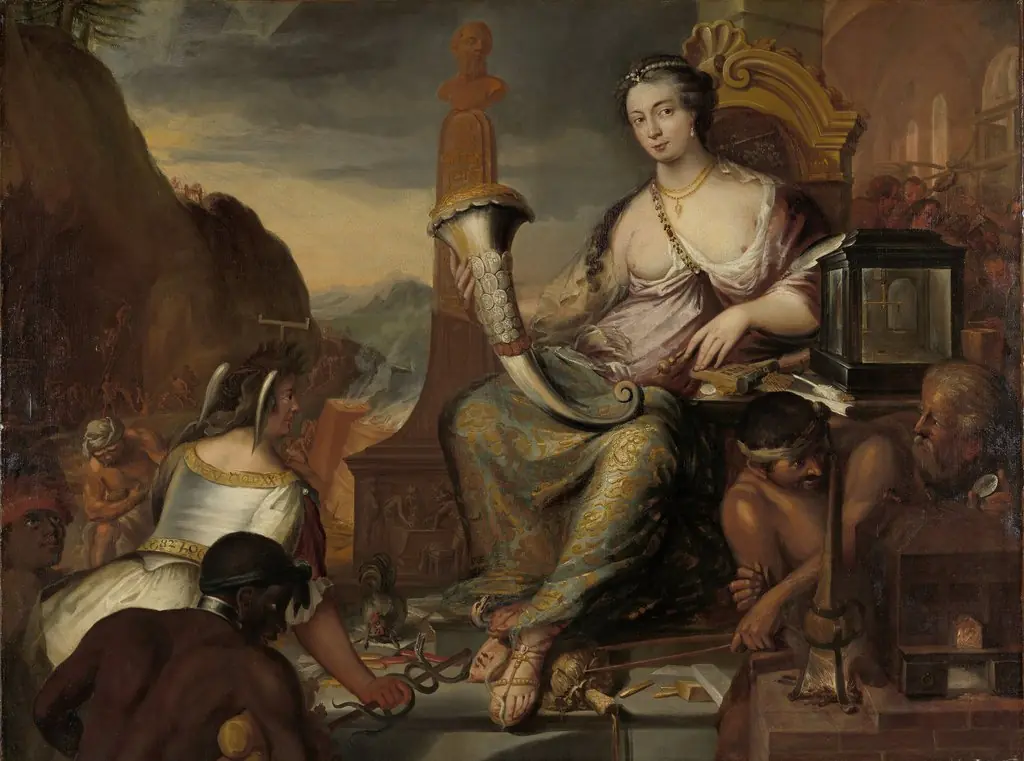
Nikolaas Verkolje’s 1702 oil painting, titled Apotheosis of the Dutch East India Company (Allegory of the Amsterdam Chamber of Commerce of the VOC), is part of the Rijksmuseum collection. The work presents an allegorical scene set within a ruinous architectural space, populated by a central female figure in red and blue, surrounded by attendants holding symbols of trade, navigation and triumph.
Context
The work reflects the economic optimism of the Dutch Golden Age, when the VOC functioned as a global trading monopoly. By portraying the chamber as a divine or heroic entity, Verkolje aligns mercantile success with civic virtue, a common theme in contemporary civic commissions.
Own this work as a print
Artist & collection
Artist
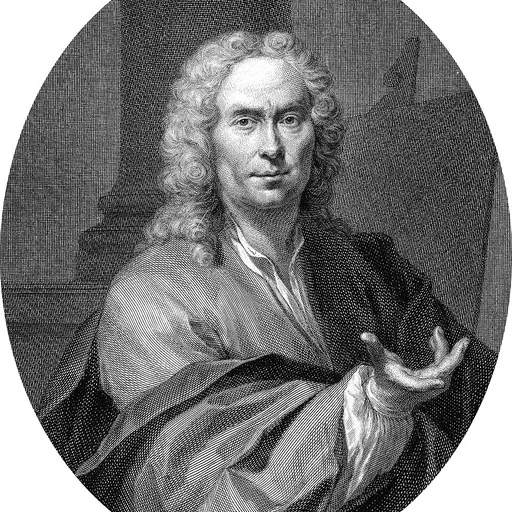
Nicolaas Verkolje or Vercolje (11 April 1673 – 21 January 1746) was a Dutch painter and mezzotinter. He specialized in history pieces and portraits in a classicistic style.