Artwork
The Roman Campagna
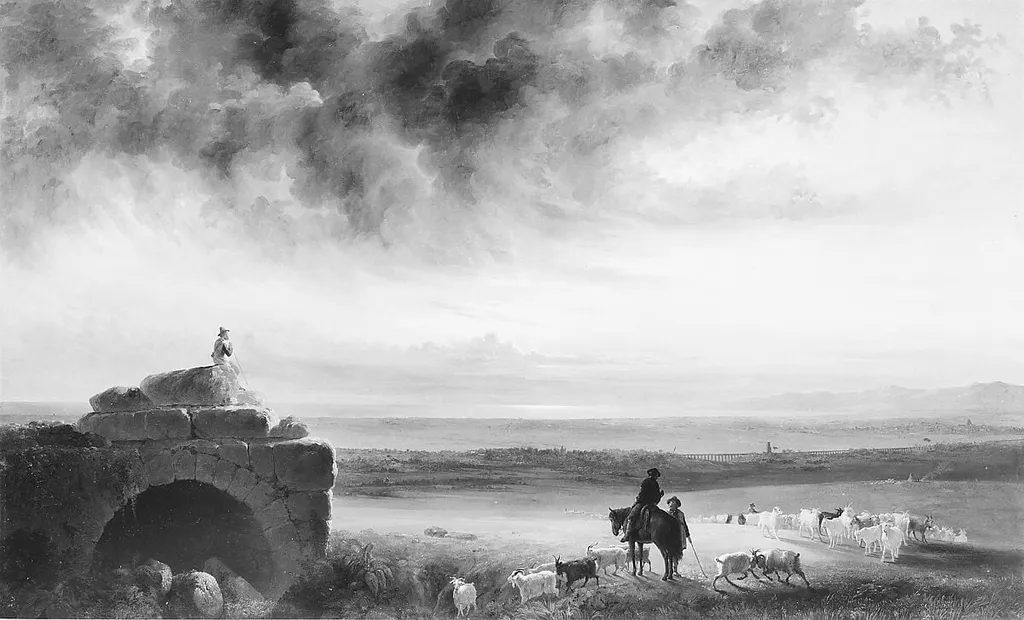
The Roman Campagna is an oil painting by the American Impressionist artist John Gadsby Chapman. It dates from 1864 and is held in the collection of the Metropolitan Museum of Art.
About this work
Technique & Style
Classified as a landscape painting within the Metropolitan Museum of Art's American Wing, the canvas depicts a goat within a broader landscape composition.
The Roman Campagna is executed in oil on canvas and measures 91.8 cm high by 152.1 cm wide, a horizontal format suited to expansive pastoral vistas. Classified as a landscape painting within the Metropolitan Museum of Art's American Wing, the canvas depicts a goat within a broader landscape composition. The wide proportions and oil medium are consistent with the handling typical of Chapman's Campagna scenes, allowing broad tonal passages across the open terrain while permitting finer detail in the foreground animal.
History & Provenance
John Gadsby Chapman's 1864 oil on canvas The Roman Campagna is held in the Metropolitan Museum of Art, classified within The American Wing as a landscape painting depicting goats. The work measures 91.8 centimetres in height by 152.1 centimetres in width. The available sources confirm its presence and classification but do not provide an accession number or detailed exhibition history.
Overview
John Gadsby Chapman's The Roman Campagna, painted in 1864, is an oil-on-canvas landscape. This work captures a pastoral view of the Italian countryside, featuring a dusty hillside dotted with grazing goats and a crumbling stone wall beneath a hazy sky. The scene evokes a sense of quietude and timelessness, characteristic of the artist's engagement with the natural world during his time abroad.
Subject & Meaning
The painting presents a tranquil vista of the Roman Campagna, an area known for its ancient ruins and pastoral beauty. Chapman focuses on a group of goats appearing to have grazed the land for centuries, undisturbed by the passage of time. This depiction, created by an American artist living in Rome, imbues the Italian landscape with a dual sensibility, feeling simultaneously foreign and intimately observed, reflecting a contemplative engagement with the historical environment.
Context
John Gadsby Chapman, an American artist of the 19th century, created this landscape while residing in Rome. Although also recognized for historical subjects like Baptism of Pocahontas, Chapman contributed to the increasing prominence of landscape painting within American art during this era. His decision to depict the Roman Campagna reflects a broader artistic interest in European scenery among American painters, often interpreted through a distinctly American sensibility.
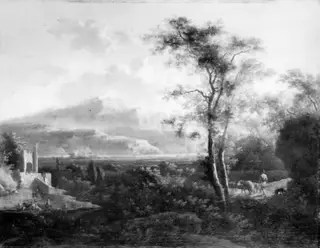
Artist & collection

Artist
John Gadsby Chapman (December 3, 1808 – November 28, 1889) was an American artist famous for Baptism of Pocahontas, which was commissioned by the United States Congress and hangs in the United States Capitol rotunda.

- Italianate Landscape
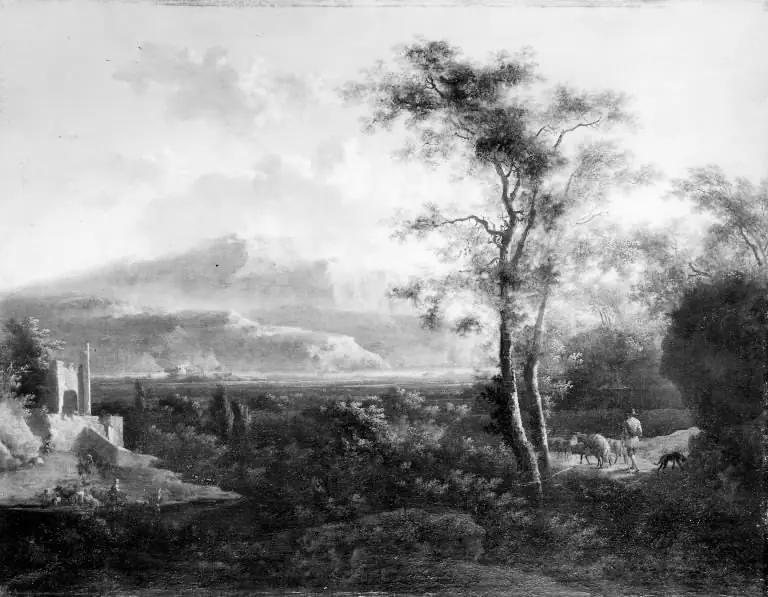 Italianate Landscape
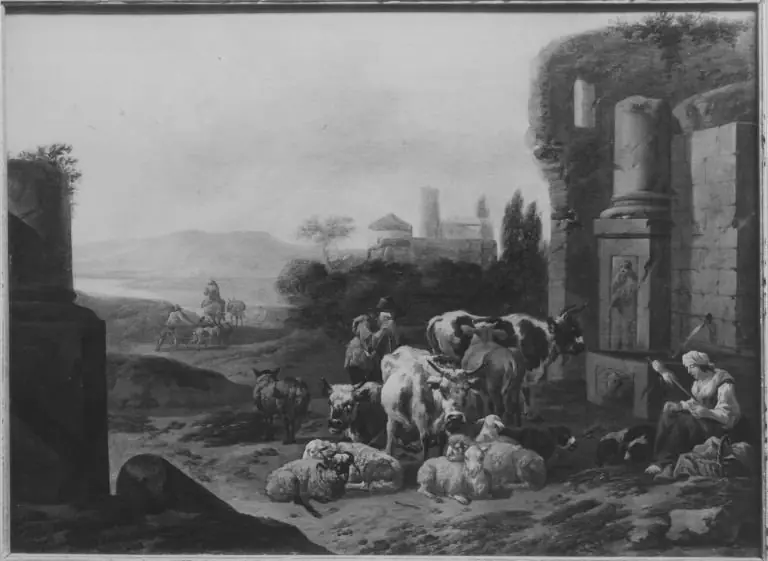 Ruinen
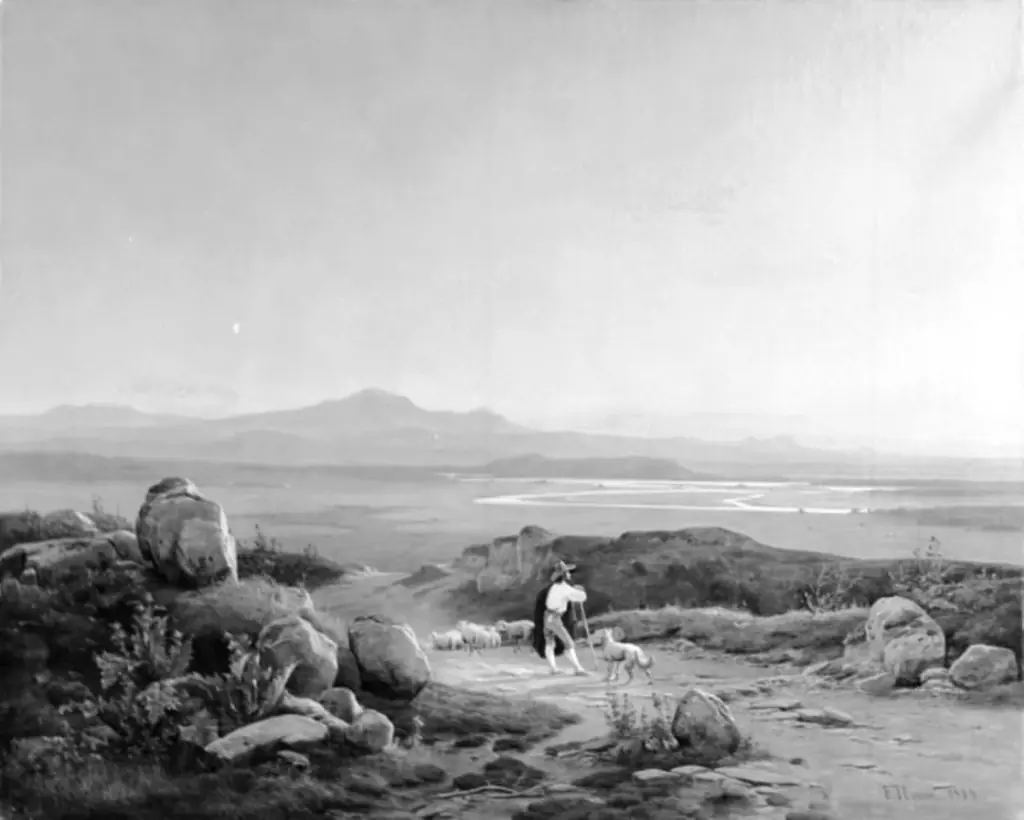 Landskab fra bjergene ved Verona
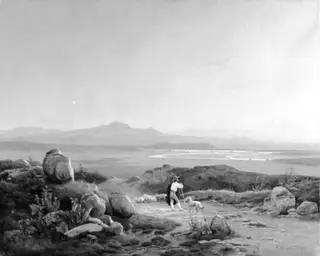 Landskab fra bjergene ved Verona
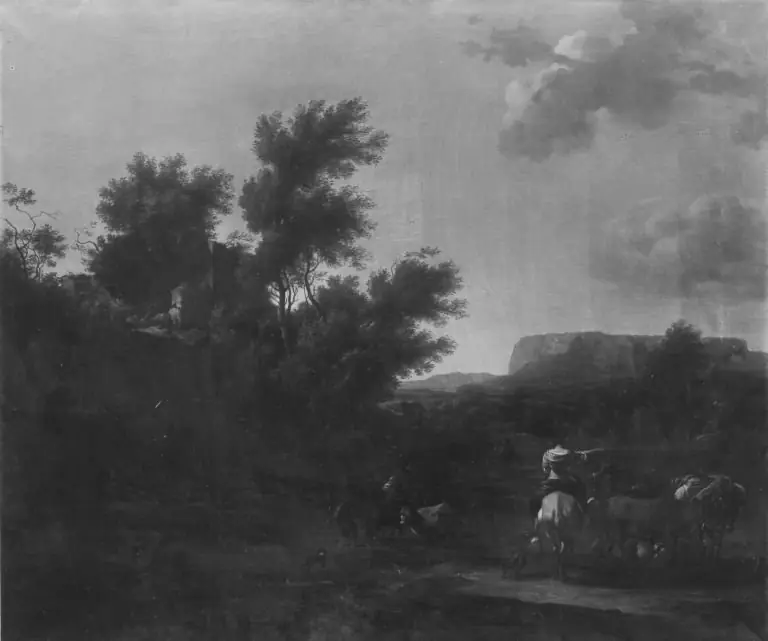 Italianate Landscape with Cattle and Shepherds
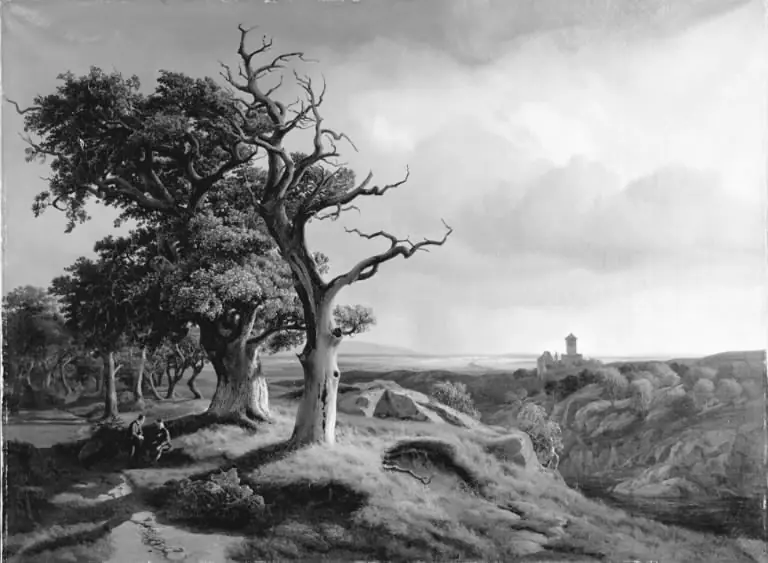 A view of Bohemia from Oberlausitz
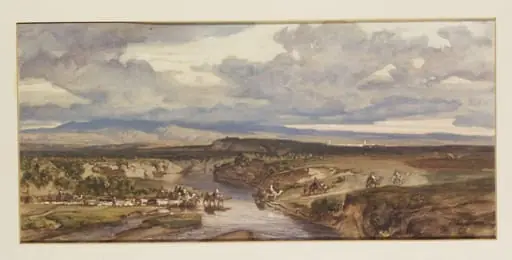 A Bedouin Caravan fording the River Jordan below Lake Tiberias
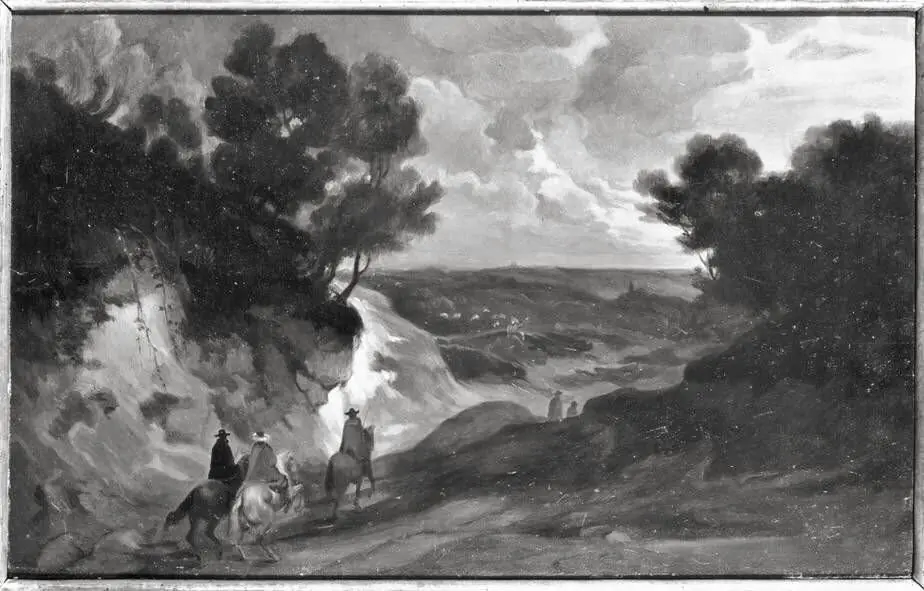 Landscape with hollow path and three riders (copy after)
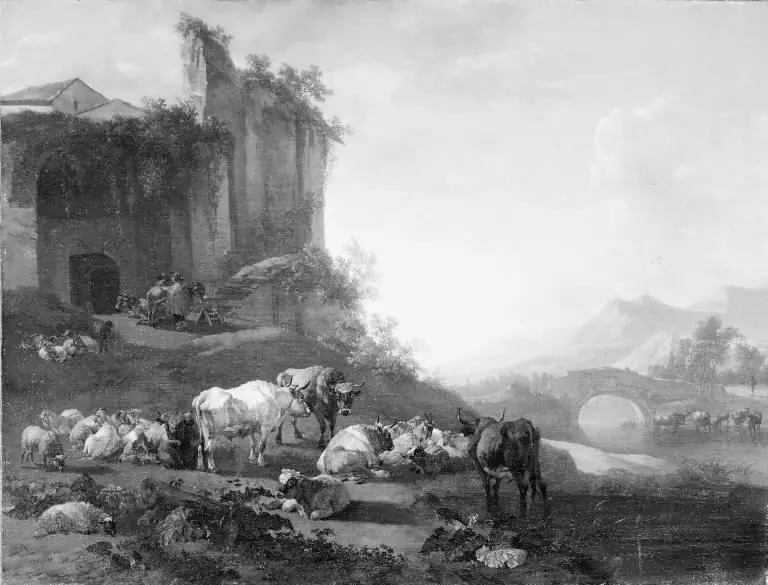 Cattle in a Southern Region
 Cattle in a Southern Region
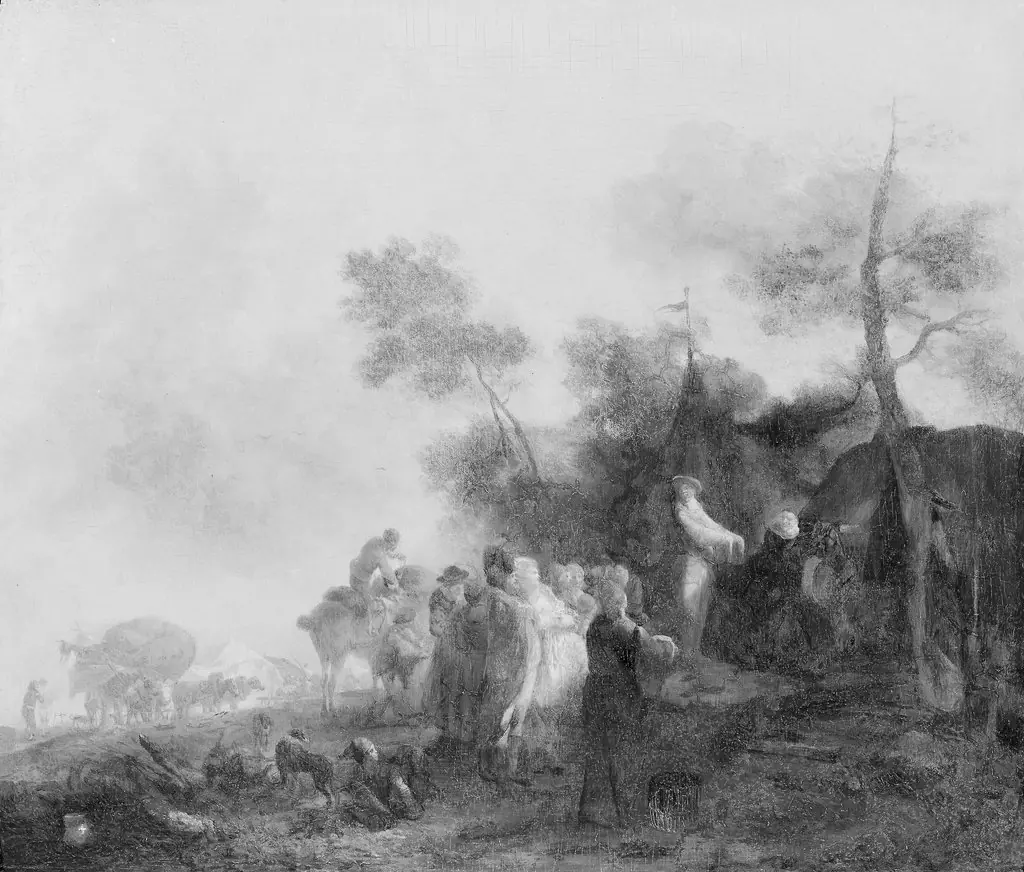 The Show (La Parade)