Artwork
Ada Brown
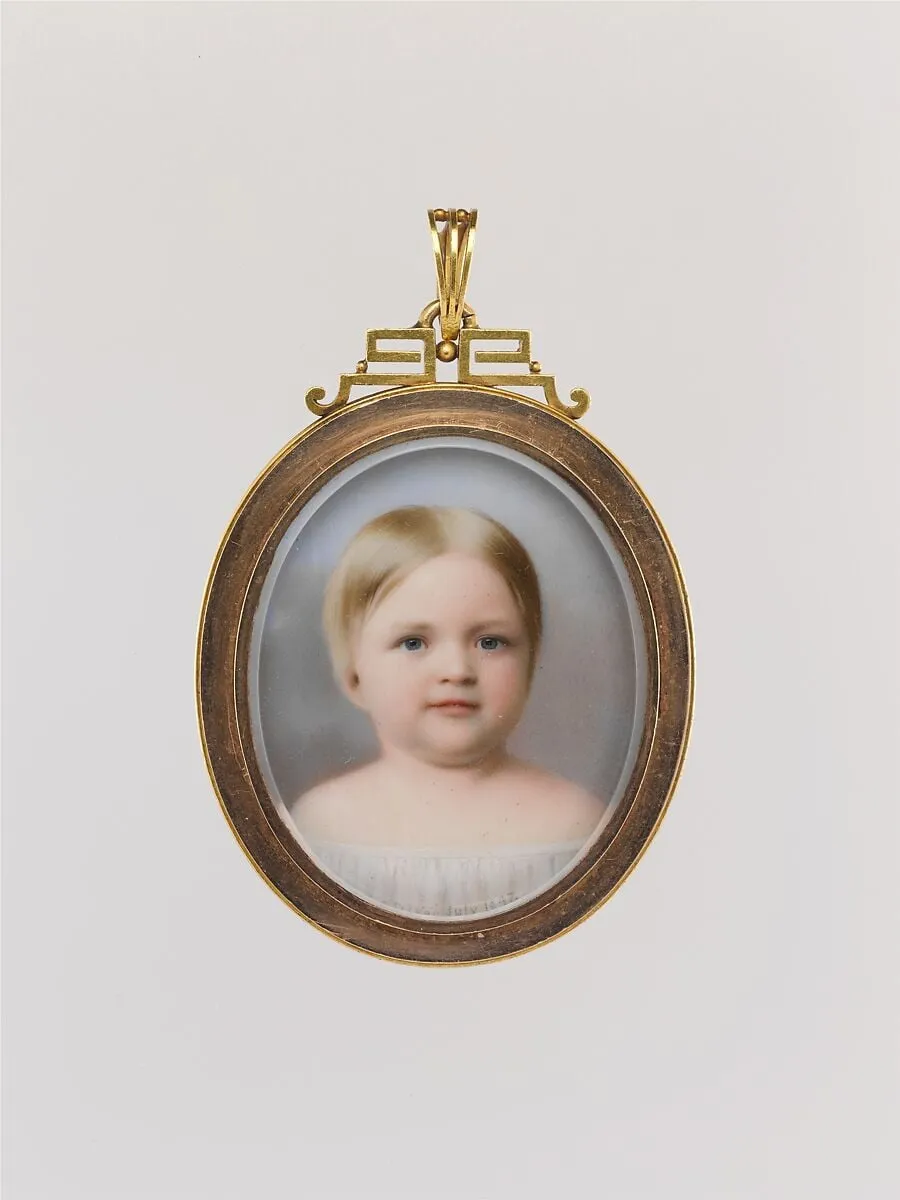
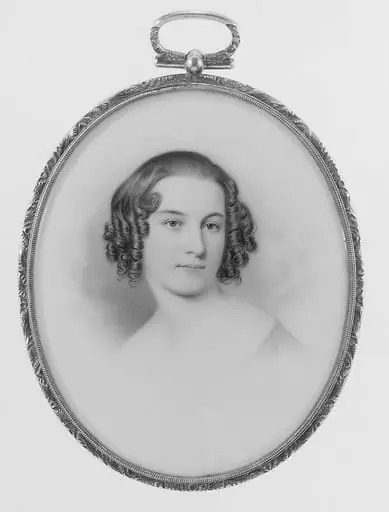
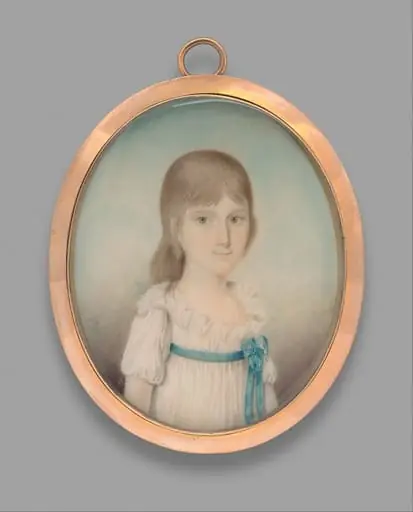
Ada Brown is a watercolor painting by the British Romanticist artist John Henry Brown. It dates from 1847 and is held in the collection of the Metropolitan Museum of Art.
About this work
Subject & Meaning
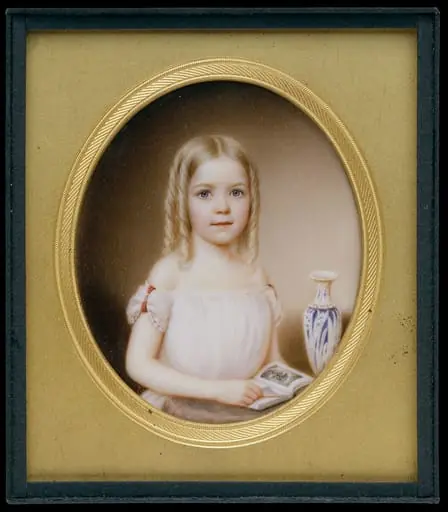
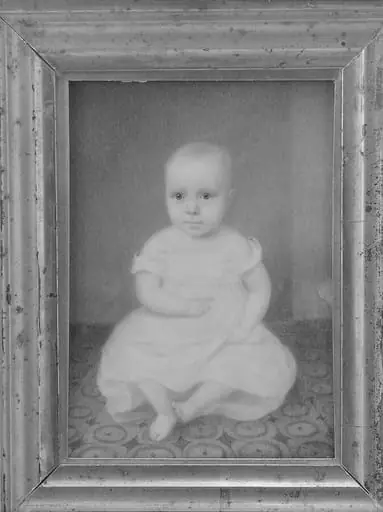
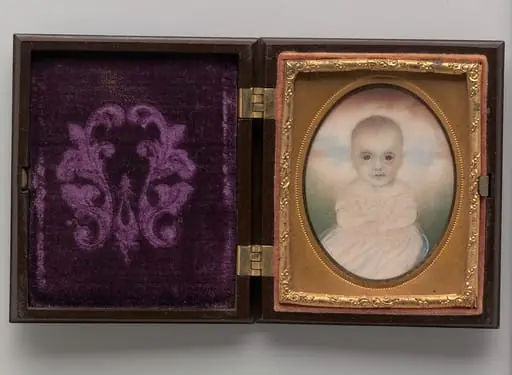
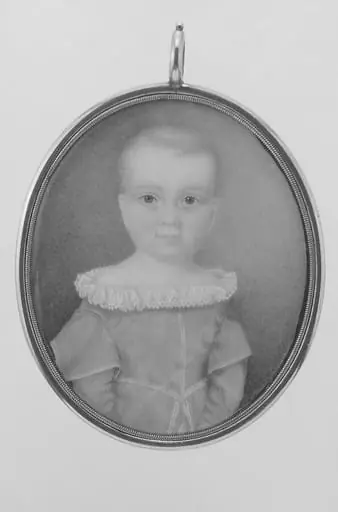
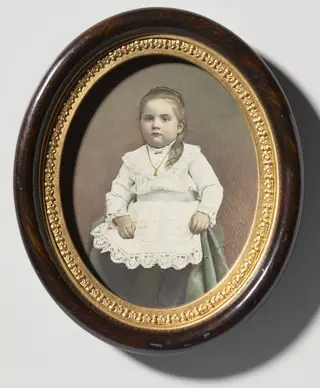
Executed in 1847, this watercolor on ivory functions as a portrait depicting a young girl identified as Ada Brown.
Executed in 1847, this watercolor on ivory functions as a portrait depicting a young girl identified as Ada Brown. Created by John Henry Brown, the work adheres to the conventions of nineteenth-century miniature portraiture, where the primary iconography is the realistic representation of the sitter's likeness rather than the inclusion of allegorical symbols or narrative attributes. The subject matter is strictly figurative, focusing on the individual identity of the child, representing a personal commemoration of youth without reliance on broader mythological or religious symbolism.
Technique & Style
Executed in 1847, this portrait utilizes watercolor applied to an ivory support, a medium combination characteristic of miniature painting traditions. The work is classified as a portrait depicting a young girl. While specific details regarding the artist's brushwork, the physical condition of the ivory, or the precise handling of the pigment are not elaborated upon in the available records, the formal identity of the piece is defined by its genre and material composition.
The selection of ivory as a substrate provides a smooth, luminous surface intended to enhance the translucency of the watercolor layers, a standard technical approach for portraiture of this period.
History & Provenance
Created in 1847, this watercolor on ivory portrait depicts Ada Brown and was executed by the artist John Henry Brown. The work is held in the collection of the Metropolitan Museum of Art, classified within The American Wing. The specific circumstances of its original commission and the details of its ownership chain prior to entering the museum's holdings are not detailed in the available records, and no specific accession number or exhibition history is documented in the consulted sources.
Overview
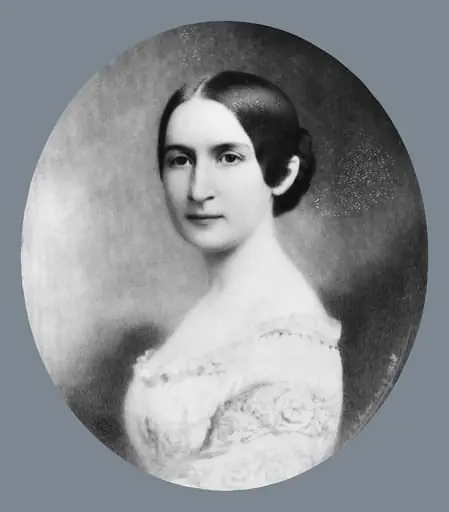
John Henry Brown's 1847 watercolor portrait, Ada Brown, depicts a young girl. Rendered on a small piece of ivory, the artwork showcases the subject in a white dress with her dark hair neatly styled. This miniature format was characteristic of the period, often intended for personal display or as a portable keepsake. The delicate medium allowed for a subtle luminosity, highlighting the artist's skill in capturing individual likenesses.
Context
Before the widespread advent of photography, miniature portraits like Ada Brown served as important personal mementos. Their compact size made them ideal for carrying in lockets, displaying in small frames, or exchanging as tokens of affection among family and friends. These intimate artworks offered an accessible way to preserve the likeness of loved ones, reflecting a common practice in 19th-century American society.
Artist & collection