Artwork
Waterfall
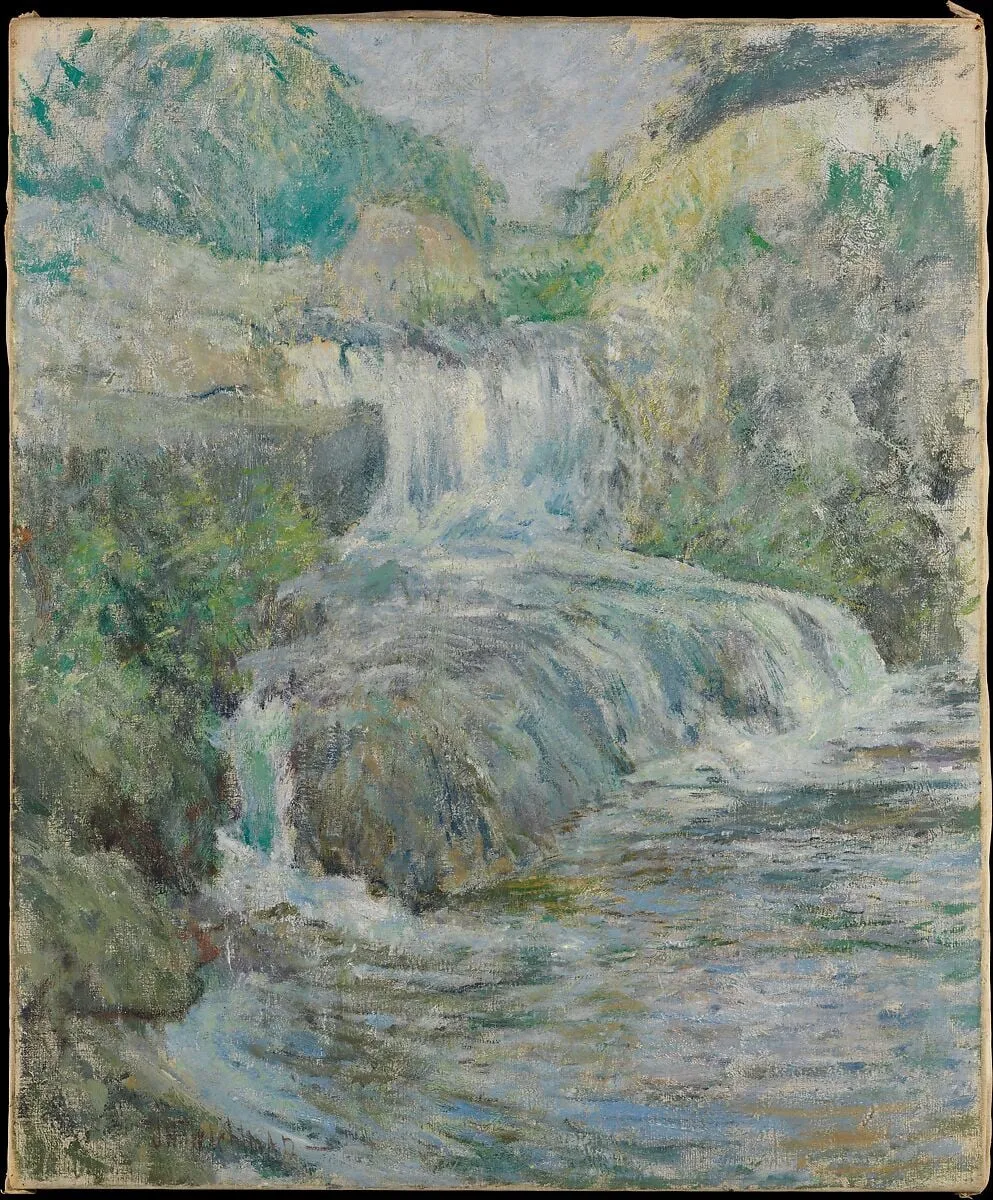
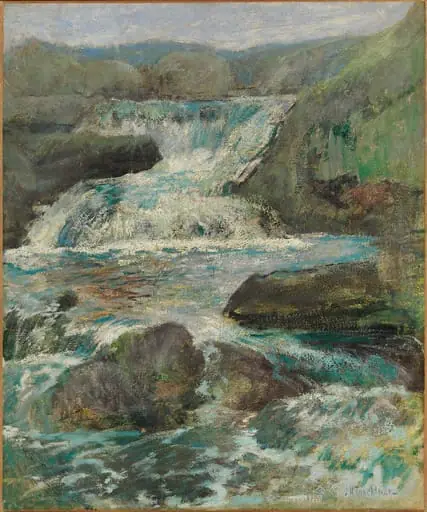
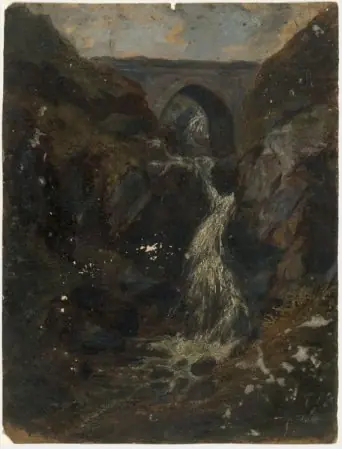
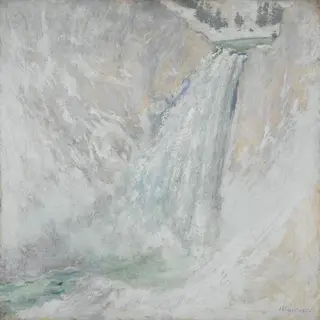
Waterfall is an oil painting by the American Impressionist artist John Henry Twachtman. It dates from 1890 and is held in the collection of the Metropolitan Museum of Art.
About this work
Subject & Meaning
By isolating the cascade as the focal element, the painting invites contemplation of water as a force of perpetual change and renewal.
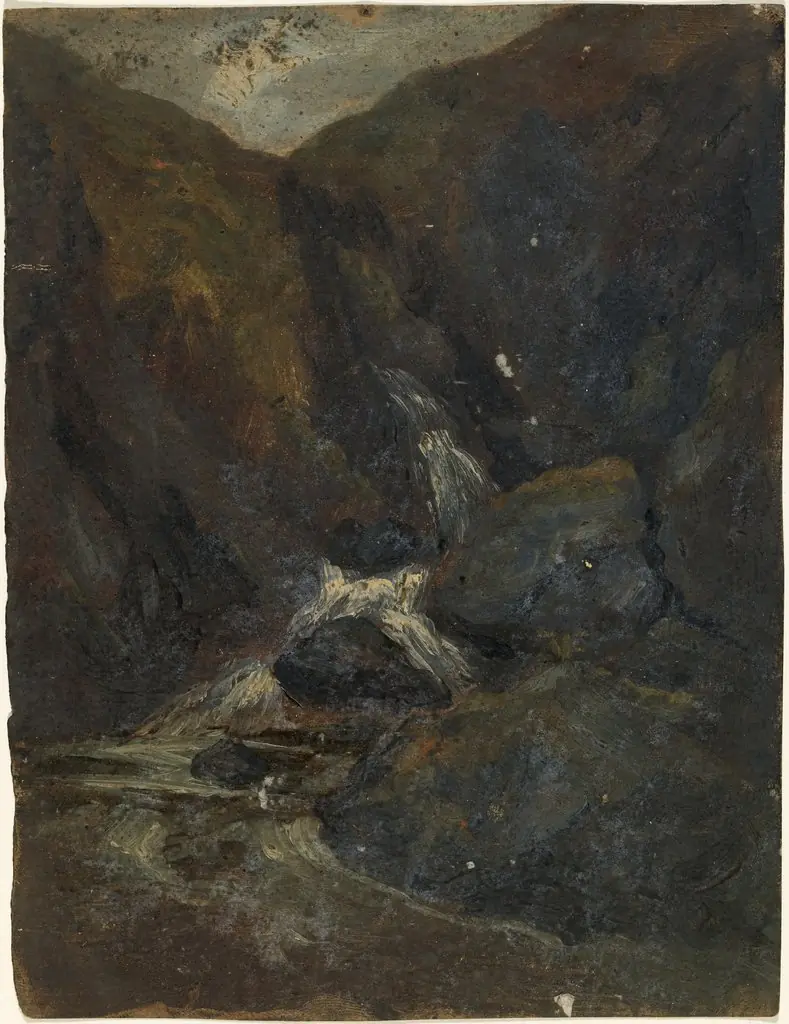
Waterfall depicts a cascading waterfall as its central subject, rendered as a landscape composition. The work belongs to Twachtman's exploration of natural scenery, focusing on the dynamic movement and visual rhythm of falling water within a broader environmental setting. As a landscape painting, it represents the artist's engagement with the American Impressionist interest in capturing transient natural phenomena and the sensory qualities of light, water, and atmosphere.
The waterfall functions both as a literal subject and as a symbol of nature's continuous, restorative power, a recurring motif in late nineteenth-century landscape art that emphasized the harmony between untamed wilderness and pictorial composition. By isolating the cascade as the focal element, the painting invites contemplation of water as a force of perpetual change and renewal.
Technique & Style
The work is an oil painting on canvas executed in 1889. It measures 76.5 cm in height and 63.7 cm in width. The handling emphasizes fluid, broken brushwork and a muted, tonal palette to evoke the shimmering movement of water and foliage.
The composition distills the scene into rhythmic, near-abstract passages of light and shadow, aligning with Twachtman’s tonalist approach rather than descriptive naturalism.
The canvas support is prepared for oil paint, and the artist’s technique favors delicate scumbles and layered glazes to modulate luminosity rather than heavy impasto.
History & Provenance
John Henry Twachtman created Waterfall in 1889, executing the landscape in oil on canvas. The artwork measures 76.5 by 63.7 cm. It is currently held in the collection of the Metropolitan Museum of Art, situated within The American Wing. No specific details regarding the work's original commission or its chain of ownership prior to entering the museum's collection are provided in the available sources.
Overview
John Henry Twachtman’s Waterfall, executed in oil on canvas around 1890, presents a quiet natural scene. The composition centers on a cascade set within a wooded landscape, rendered with a restrained palette that emphasizes subtle tonal shifts rather than vivid contrast.
Artist & collection
Artist
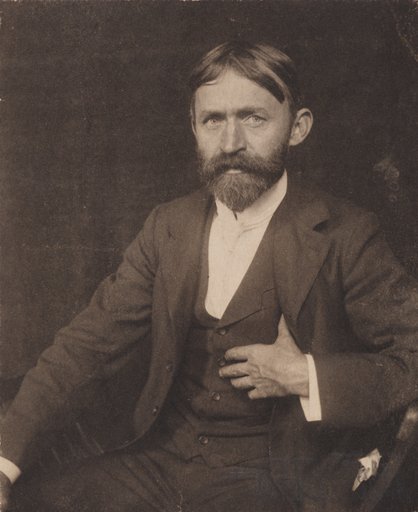
John Henry Twachtman was an American painter best known for his impressionist landscapes, though his painting style varied widely through his career.