Artwork
A Brook in the Forest
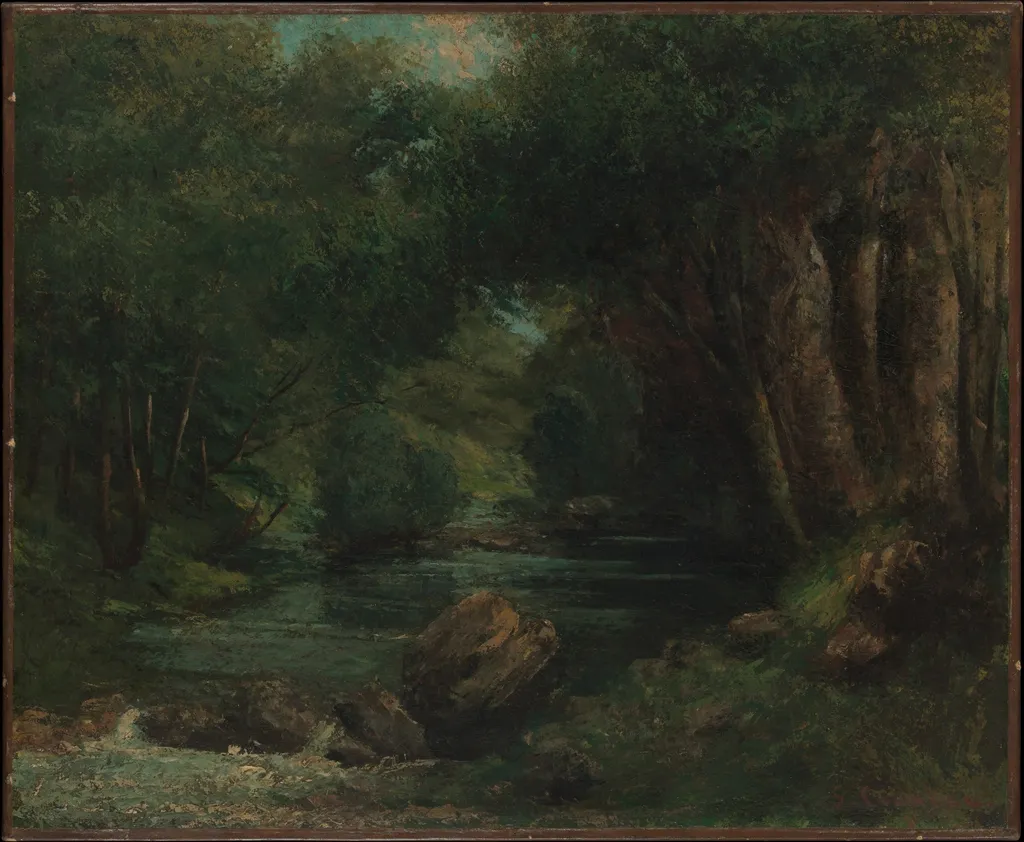
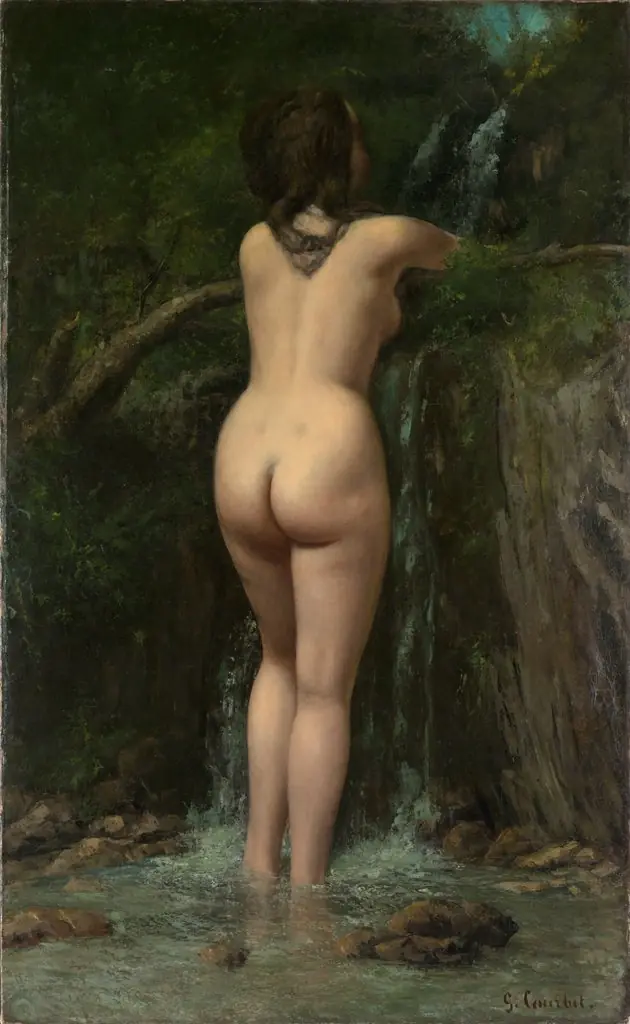
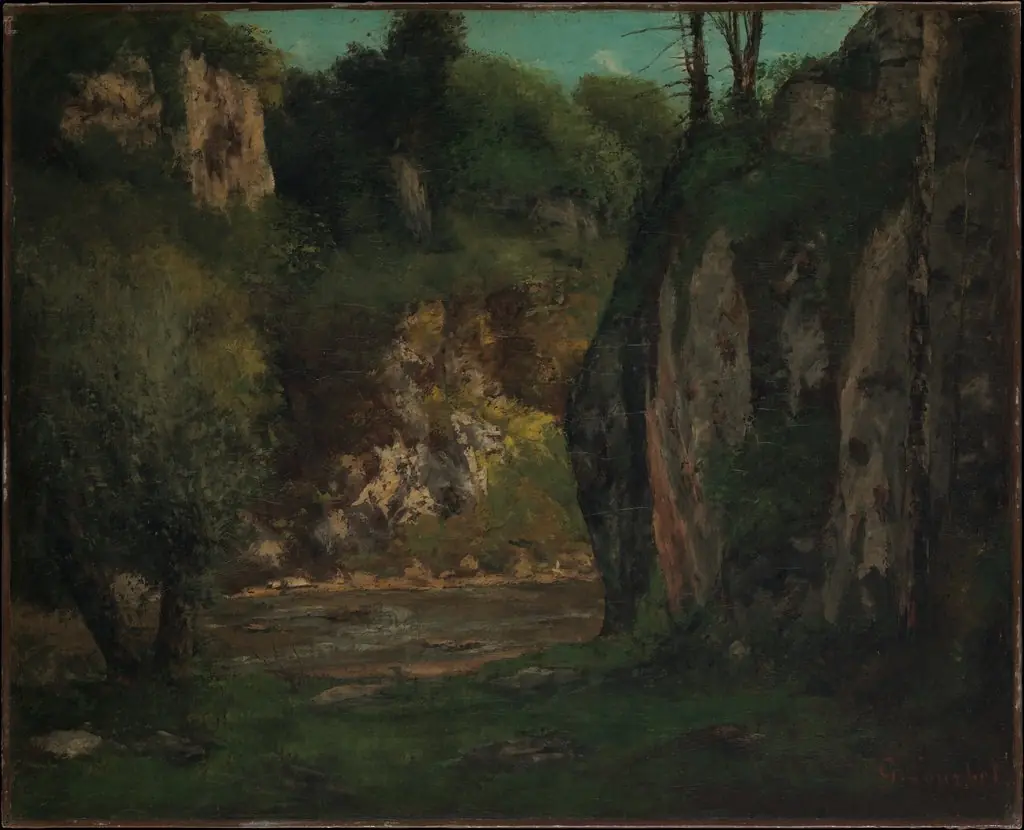
A Brook in the Forest is an oil painting by the Realist artist Gustave Courbet. It dates from 1858 and is held in the collection of the Metropolitan Museum of Art.
About this work
Subject & Meaning
The depiction of the forest and stream serves as a direct representation of the natural world, consistent with the genre's focus on observed reality.
A Brook in the Forest depicts a naturalistic landscape scene characterized by a dense forest setting and a flowing stream. Created by Gustave Courbet in 1858, the work focuses on the raw elements of the environment, specifically portraying trees and water without idealized embellishment. As a landscape painting, the subject matter centers on the immediate visual experience of the woods and the brook cutting through them.
The composition captures the interplay of light and shadow within the woodland, emphasizing the physical presence of the terrain rather than allegorical or mythological narratives. The depiction of the forest and stream serves as a direct representation of the natural world, consistent with the genre's focus on observed reality.
Technique & Style
The painting A Brook in the Forest (1858) is an oil on canvas work measuring 50.5 cm in height by 61.3 cm in width. Its support is a stretched canvas, typical of mid-19th-century easel painting, and the surface is built up with layered oil pigments to render a dense forest scene with a flowing stream. The composition emphasizes naturalistic detail and atmospheric perspective, characteristic of Courbet's realist landscape approach.
The piece is housed in the Metropolitan Museum of Art, where it has been preserved under standard museum conditions, though specific conservation records are not detailed in the available documentation.
History & Provenance
The work was created by Gustave Courbet in 1858. It was painted in oil on canvas and depicts a forest stream, aligning with Courbet's mature landscape practice during the late 1850s. The painting entered the collection of the Metropolitan Museum of Art in New York, where it remains housed.
The work measures 50.5 by 61.3 centimeters. While the available records confirm the artwork's current institutional home and its creation date, no specific accession number or details regarding past exhibition history are provided in the source material.
Overview
Gustave Courbet completed A Brook in the Forest in 1858 using oil paint. This landscape exemplifies his dedication to Realism, a movement he spearheaded in 19th-century France. The artwork depicts a natural, unidealized woodland scene, featuring a stream winding through dense foliage and rugged terrain. It reflects Courbet's artistic philosophy of rendering observable reality rather than romanticized or academic interpretations of nature.
Legacy
As a leading proponent of Realism, Gustave Courbet challenged prevailing artistic norms of his era, which often favored historical or mythological subjects. His insistence on depicting everyday reality and unvarnished nature, as seen in A Brook in the Forest, marked a significant shift in European art. This innovative stance laid foundational groundwork for subsequent art movements, including Impressionism and even Cubism, by emphasizing direct perception and the artist's subjective experience of the world.
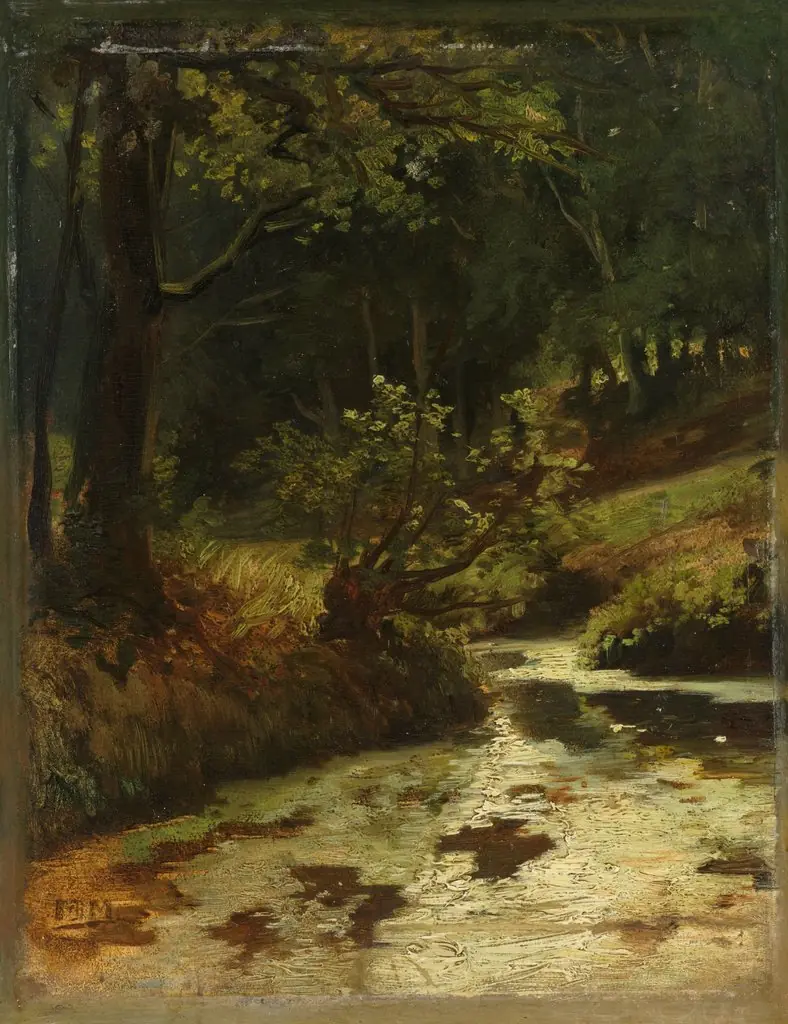
Own this work as a print
Artist & collection
Artist
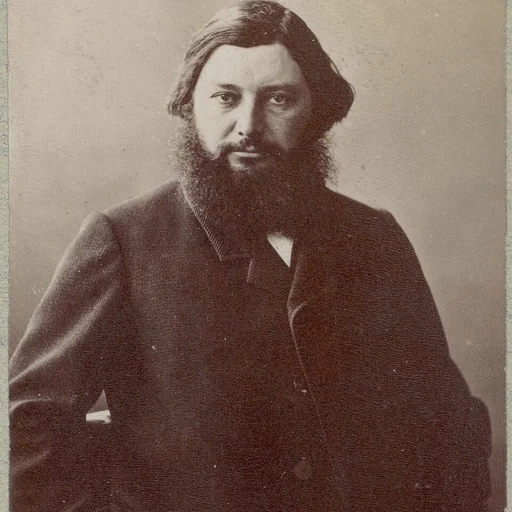
Jean Désiré Gustave Courbet (UK: KOOR-bay; US: koor-BAY; French:; 10 June 1819 – 31 December 1877) was a French painter who led the Realism movement in 19th-century French painting.

 The Hidden Brook
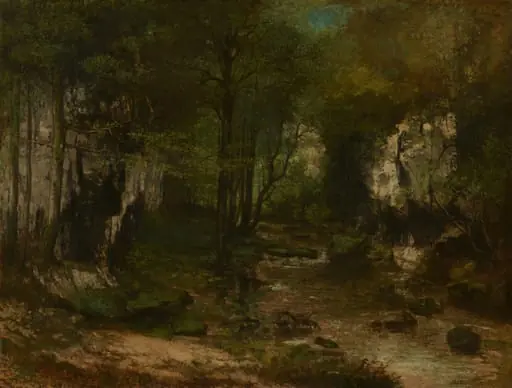 The Stream (Le Ruisseau du Puits-Noir; vallée de la Loue)
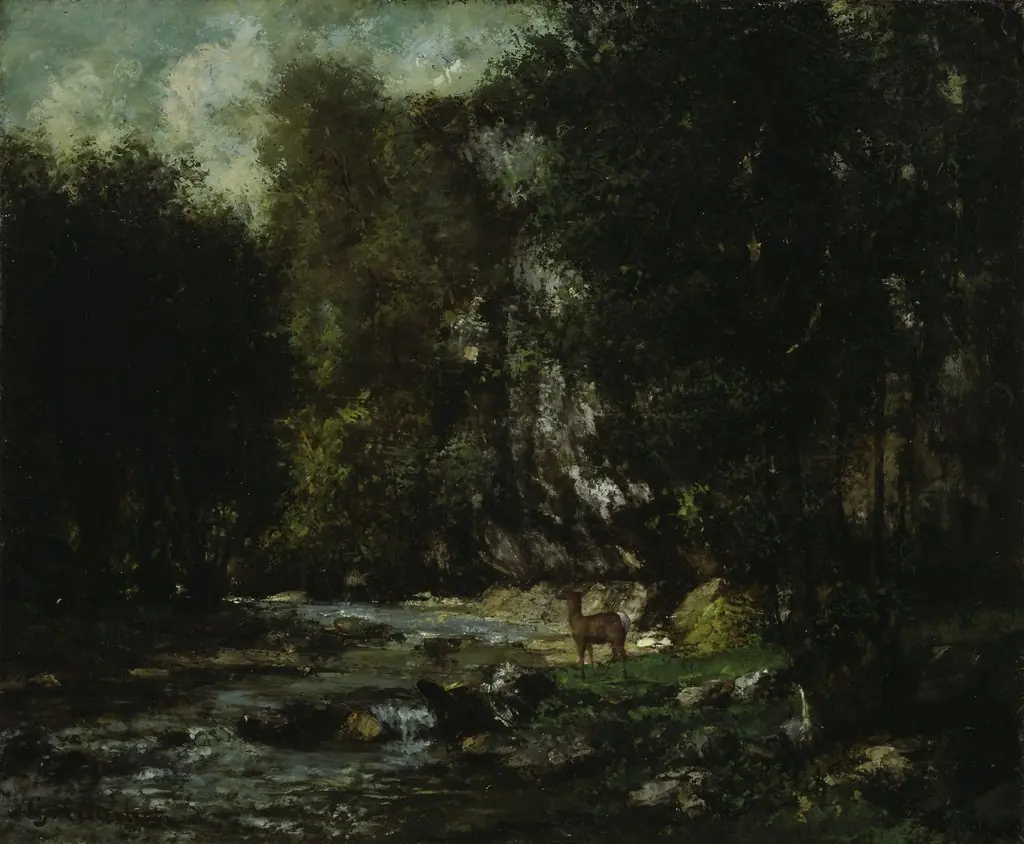 The Brook of Les Puits-Noir
 The Brook of Les Puits-Noir
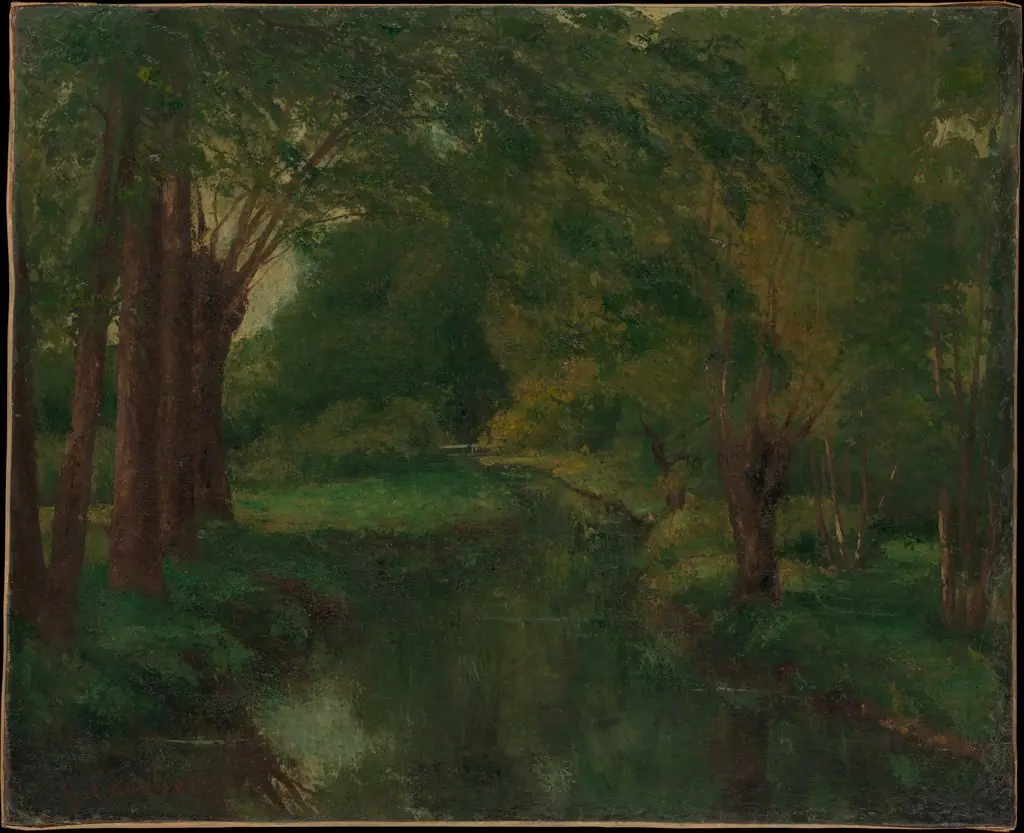 A Brook in a Clearing (possibly "Brook, Valley of Fontcouverte; Study")
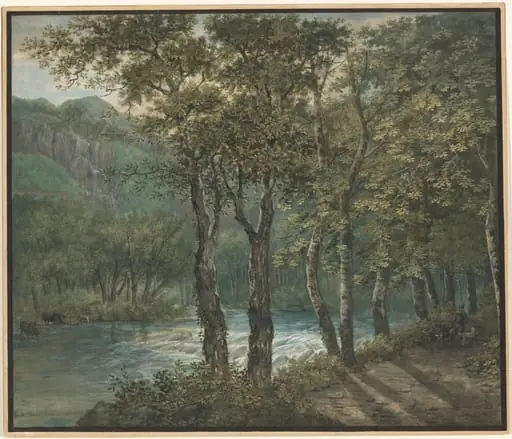 Sunlight Filtering through Trees along the River Sihl
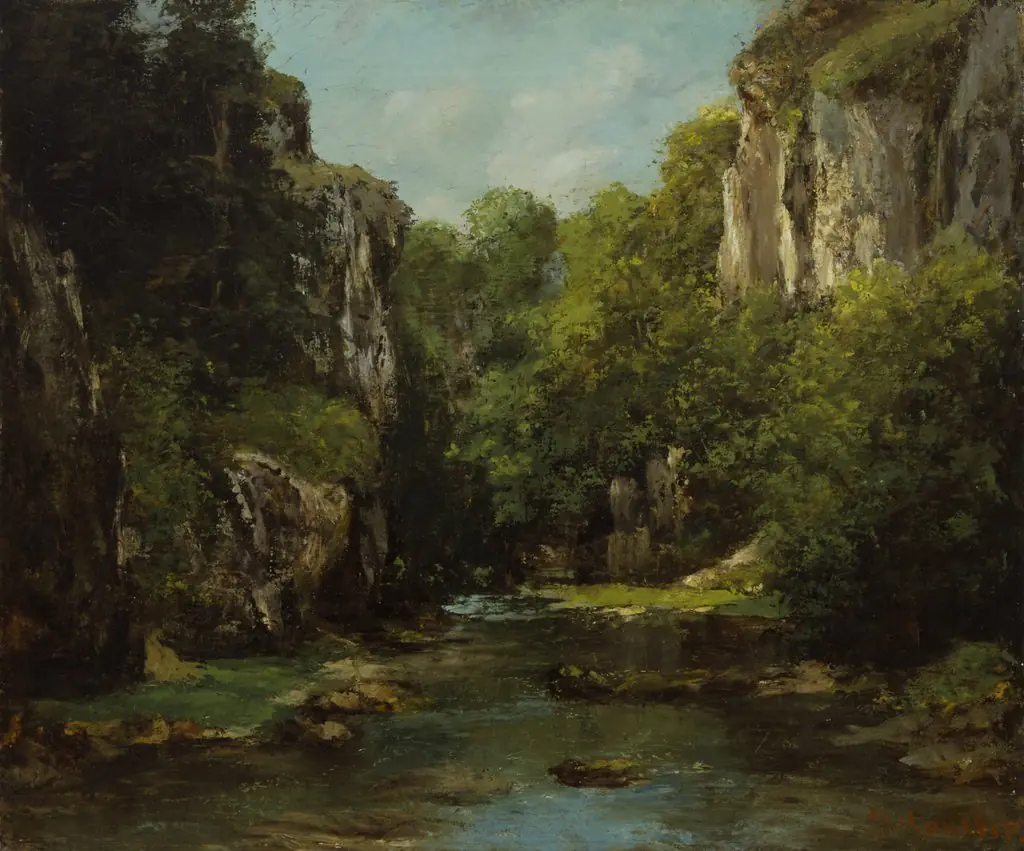 The Stream of the Black Well
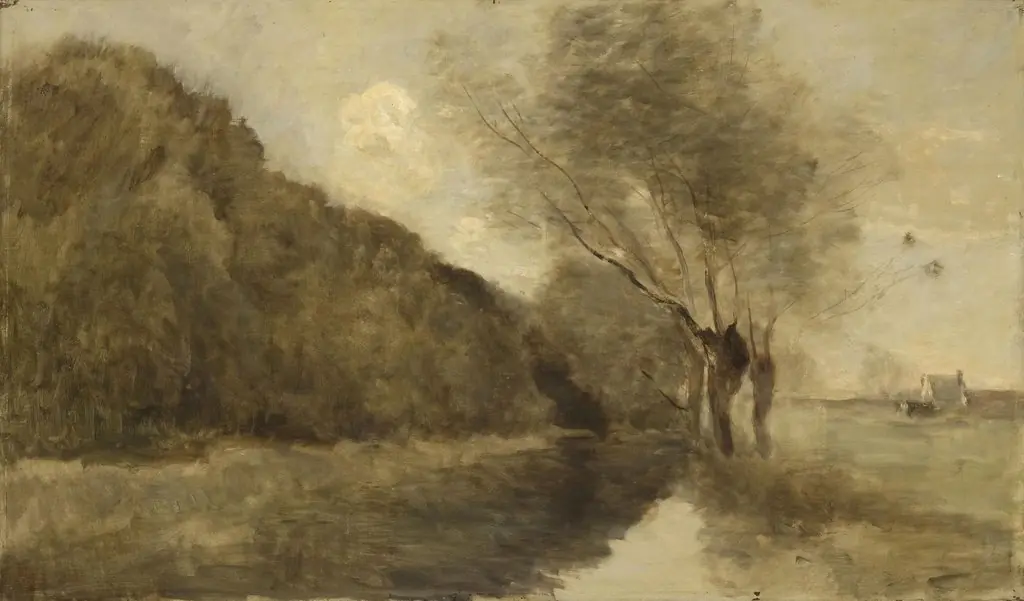 Landscape with a Stream and Willows near Gisors
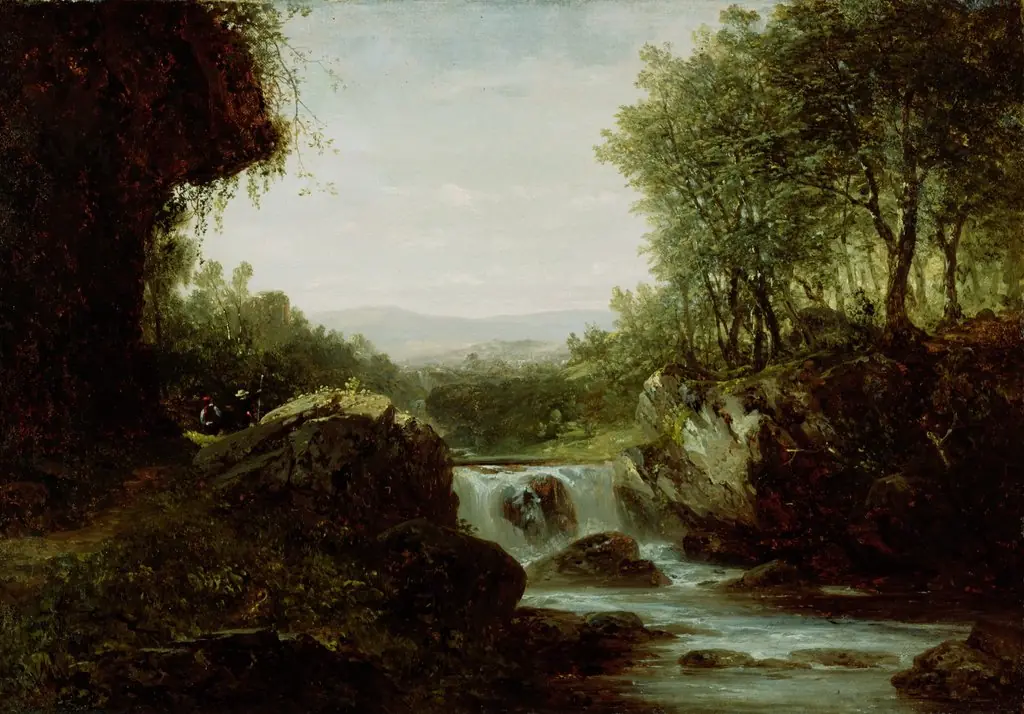 The Walking Tour