Artwork
The Brook
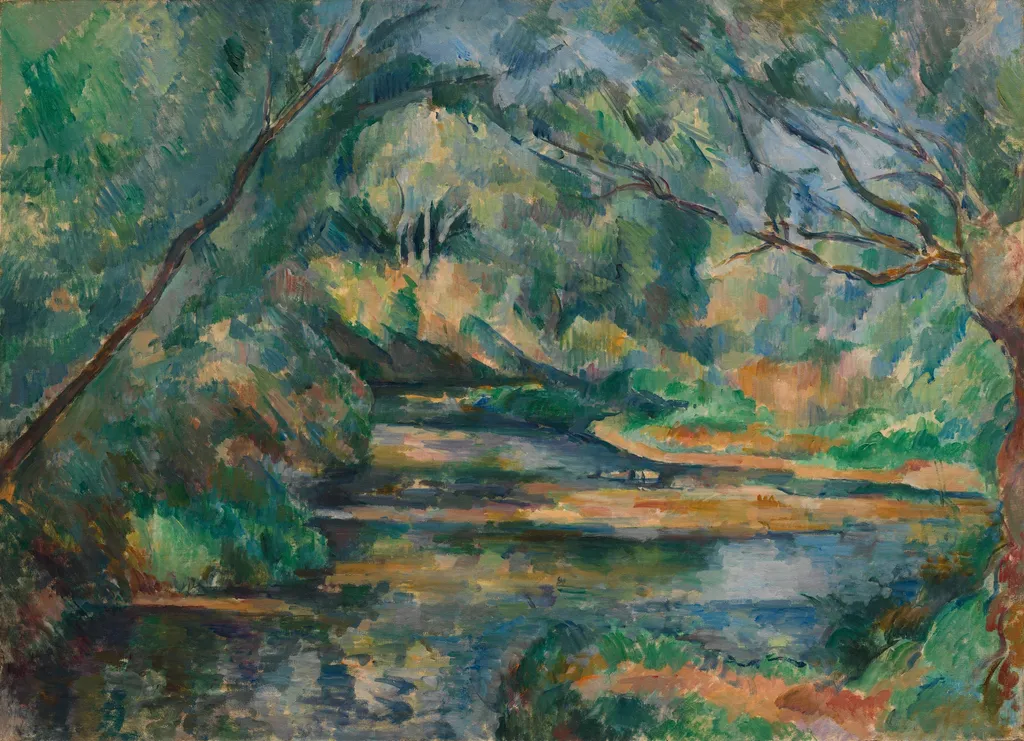
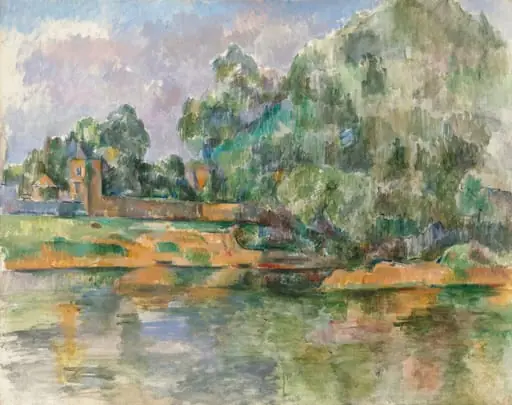
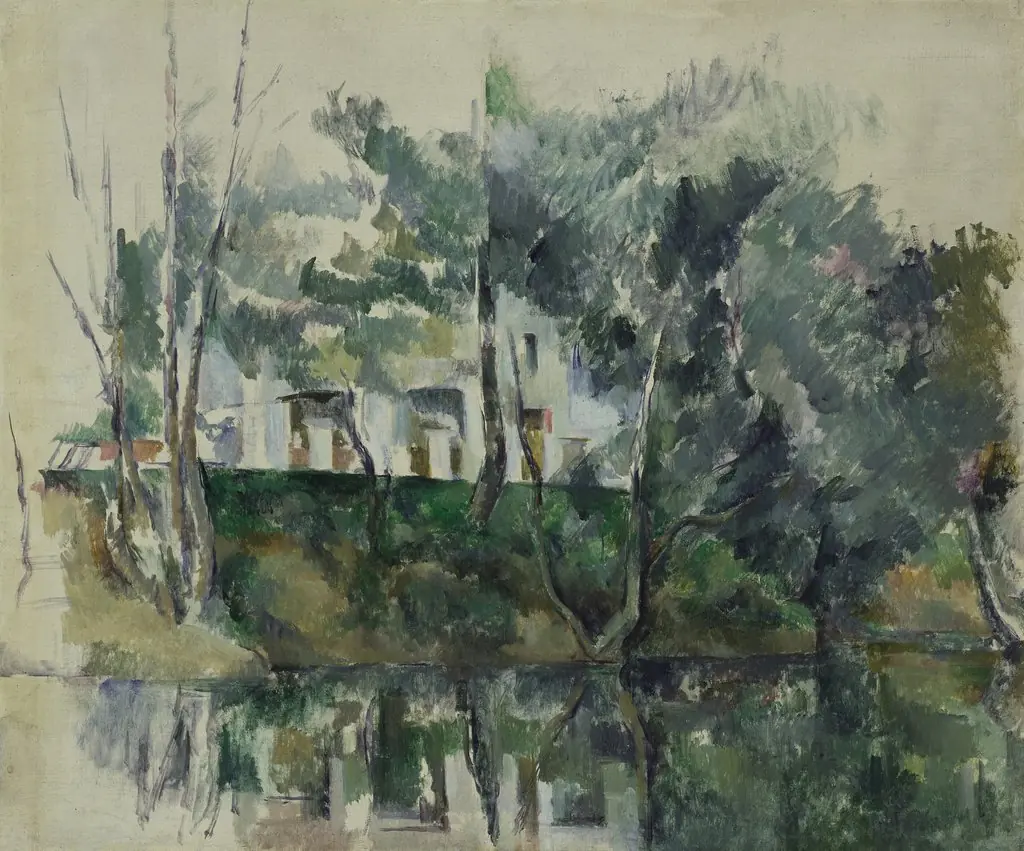
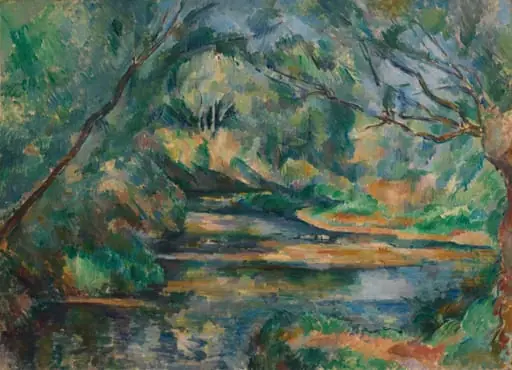
The Brook is an unspecified painting by the Post-Impressionist artist Paul Cézanne. It dates from 1898 and is held in the collection of the Cleveland Museum of Art.
About this work
Technique & Style
As a landscape work by Paul Cézanne, the piece exemplifies the artist's approach to depicting natural scenery through structured composition.
Created in 1898, The Brook is an oil painting executed on canvas, measuring 59.2 cm in height and 81.0 cm in width. As a landscape work by Paul Cézanne, the piece exemplifies the artist's approach to depicting natural scenery through structured composition. The handling of the medium reflects Cézanne's characteristic style of building form through distinct, rhythmic brushstrokes that define the terrain and water without relying on traditional linear perspective.
The painting is held in the collection of the Cleveland Museum of Art, having entered the holdings in 1958.
History & Provenance
The Brook is a landscape painting executed by Paul Cézanne in 1898. The work entered the collection of Leonard C. Hanna, Jr., who later transferred ownership to Sam Salz before the painting was acquired by the Cleveland Museum of Art, where it is presently held under accession number 1958.20. The painting measures 59.2 cm by 81.0 cm, reflecting Cézanne's characteristic scale for intimate landscapes.
Overview
Paul Cézanne's painting "The Brook," completed in 1898, exemplifies his contributions to Post-Impressionism. This landscape depicts a narrow waterway within a wooded setting, reflecting the artist's sustained engagement with natural forms. Cézanne approached such scenes with a deliberate focus, meticulously examining the interplay of light, the structural elements of the environment, and the overall composition.
Subject & Meaning
The painting presents a secluded natural vista, featuring a small stream meandering through dense woodland. Trees rise prominently, their branches intertwining above the water, creating a sense of enclosure. Through this seemingly simple subject, Cézanne explored fundamental principles of visual perception, dissecting the scene to understand its inherent structure and the complex relationships between its various components.
Context
"The Brook" stands as an example of Cézanne's pivotal role in the transition from Impressionism to more structured artistic movements. His systematic deconstruction of natural forms into their fundamental geometric components, and his emphasis on the constructive use of color, laid groundwork for future developments in modern art. This approach foreshadowed principles later explored by Cubist painters.
Own this work as a print
Artist & collection

Artist
Paul Cézanne ( say-ZAN, UK also siz-AN, US also say-ZAHN; French: ; Occitan: Pau Cesana; 19 January 1839 – 22 October 1906) was a French Post-Impressionist painter whose work introduced new modes of representation,…

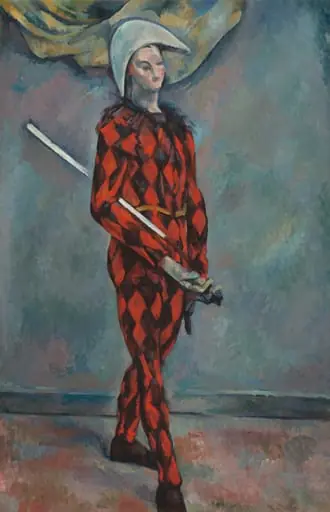 Harlequin
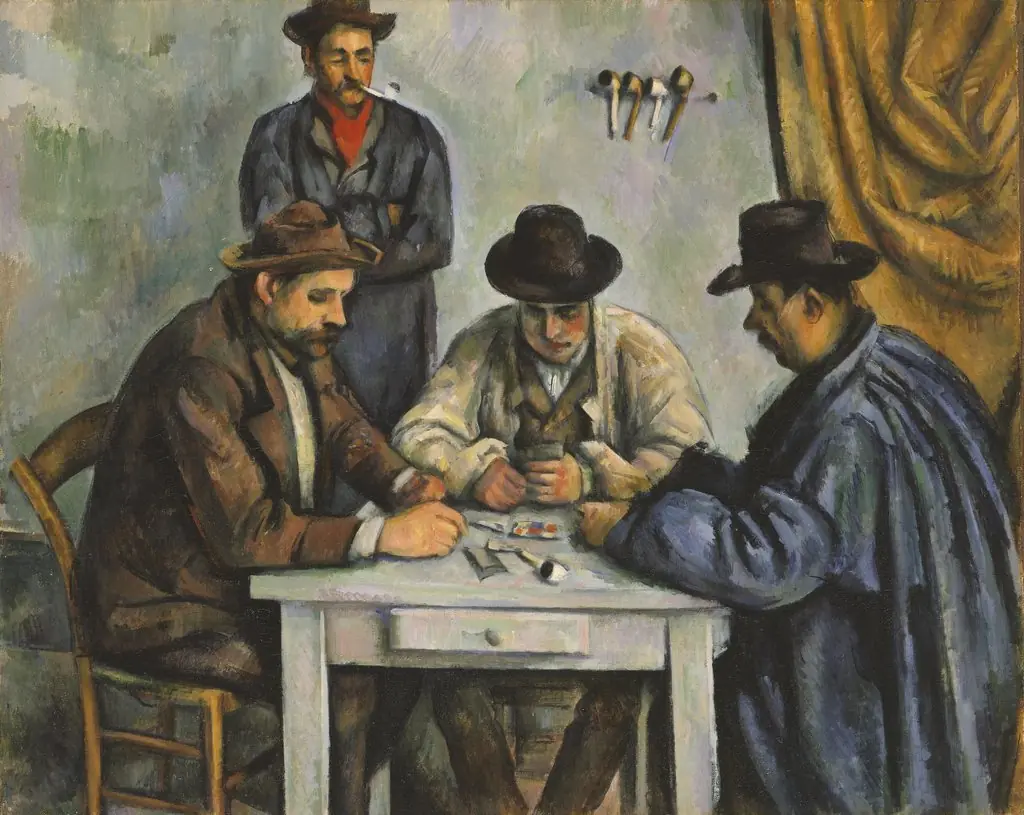 The Card Players
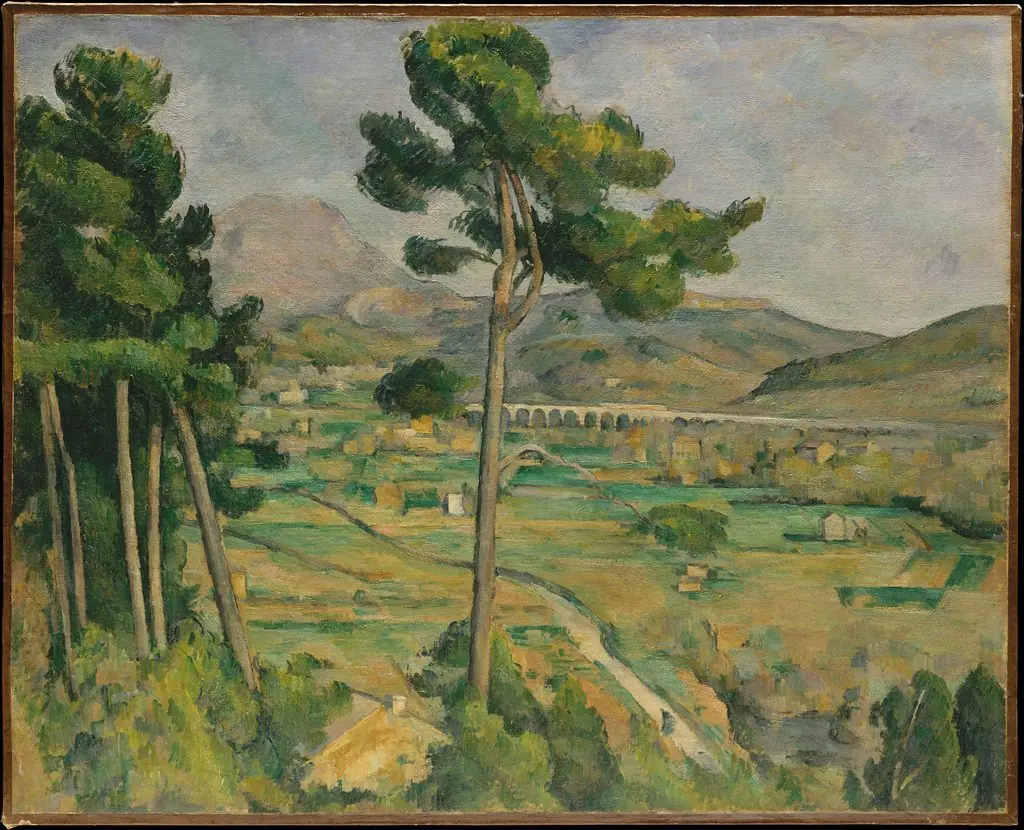 Mont Sainte-Victoire and the Viaduct of the Arc River Valley
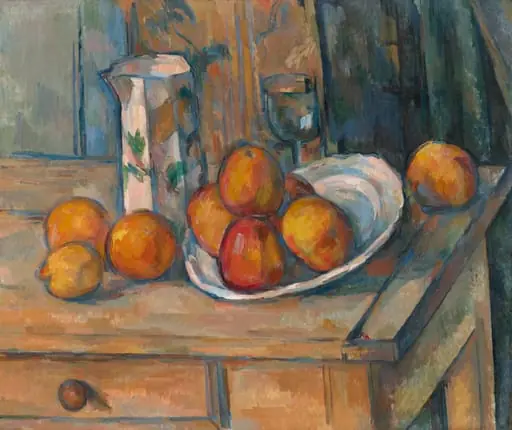 Still Life with Milk Jug and Fruit
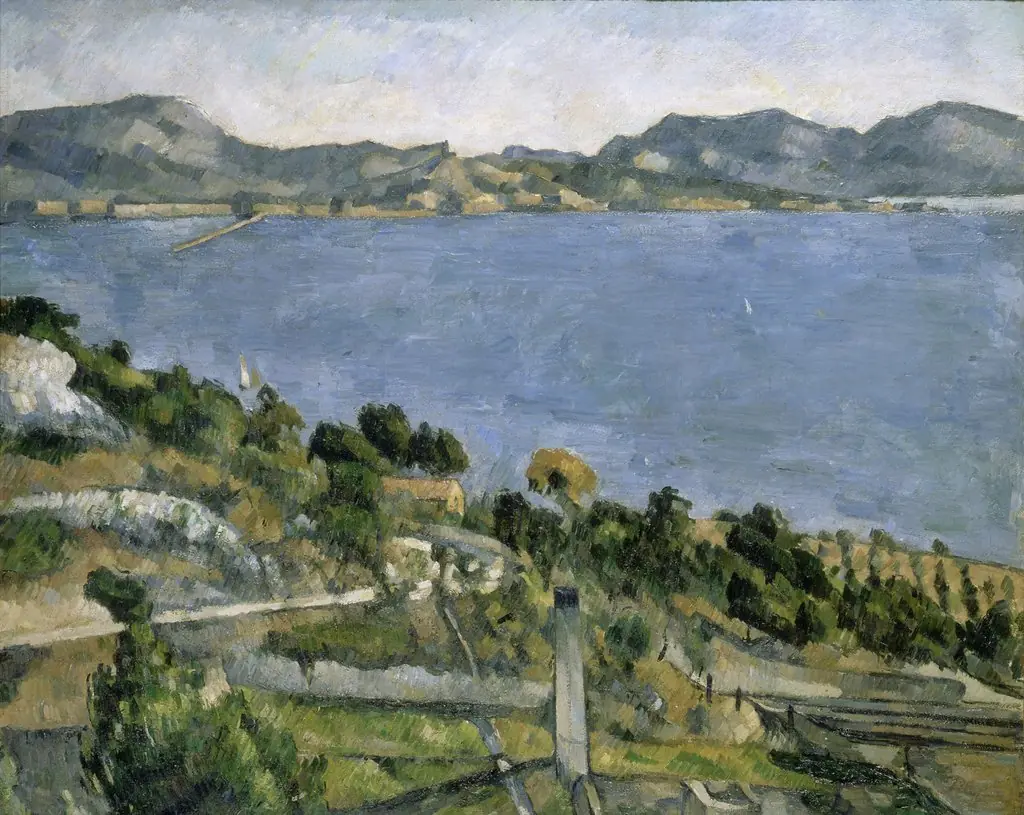 Le Golfe de Marseille vu de l'Estaque (The Gulf of Marseille Seen from L'Estaque)
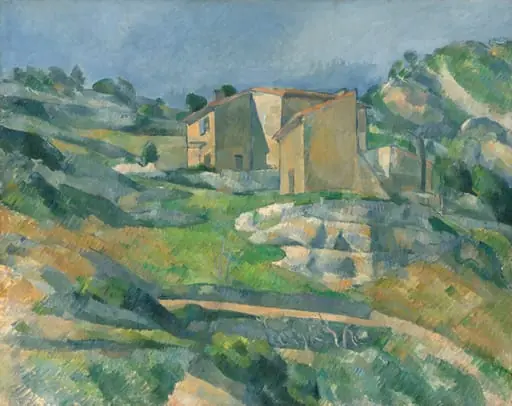 Houses in Provence: The Riaux Valley near L'Estaque
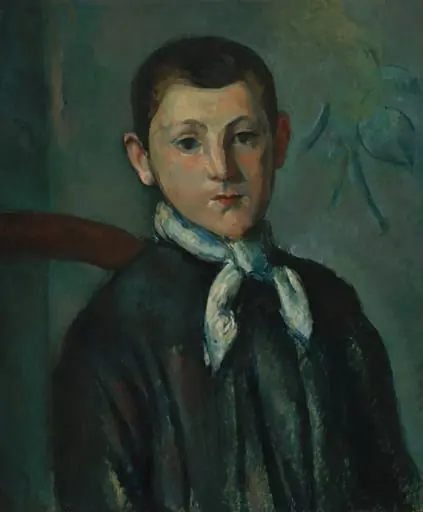 Louis Guillaume
 Still Life with Jar, Cup, and Apples