Artwork
Polar Bears
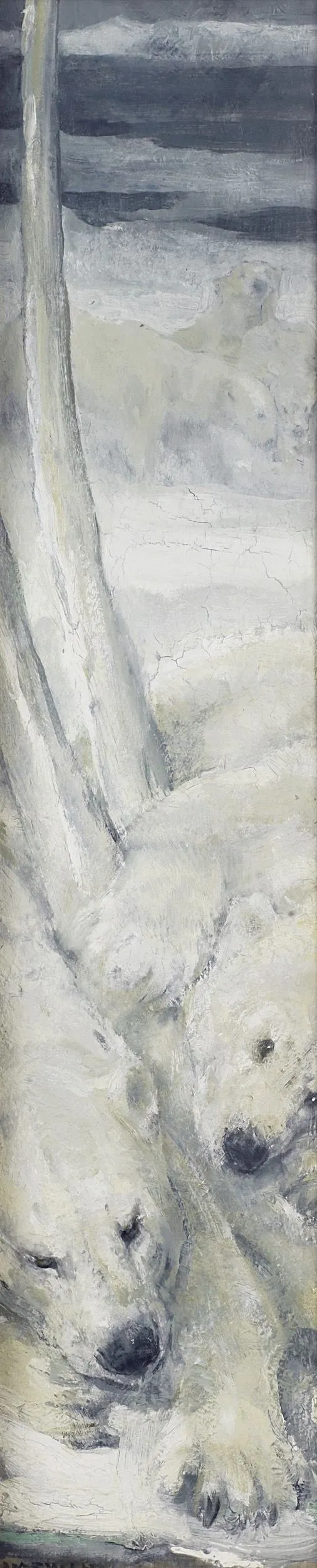
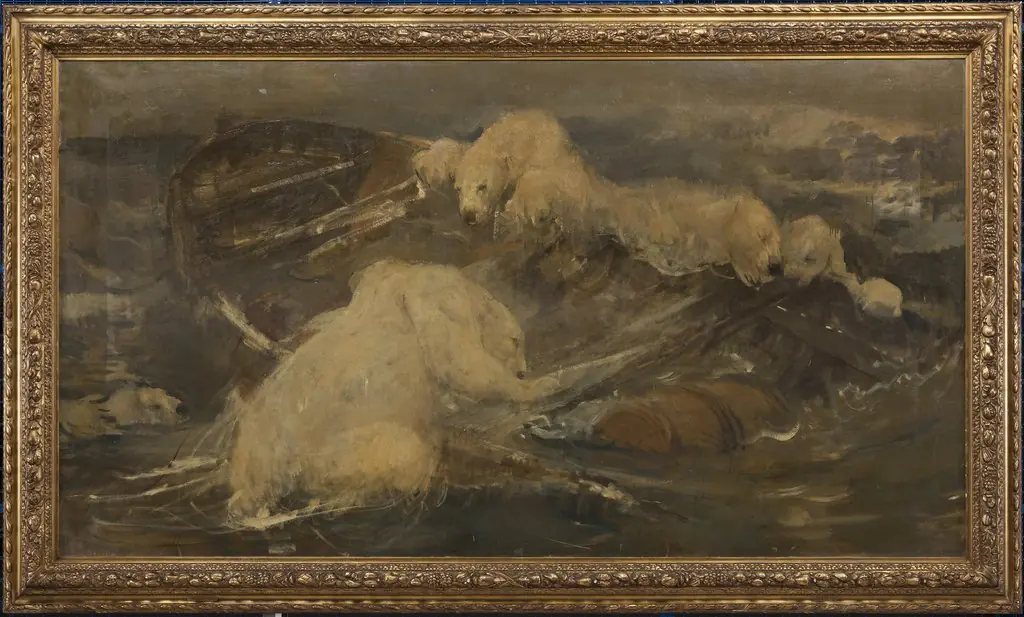
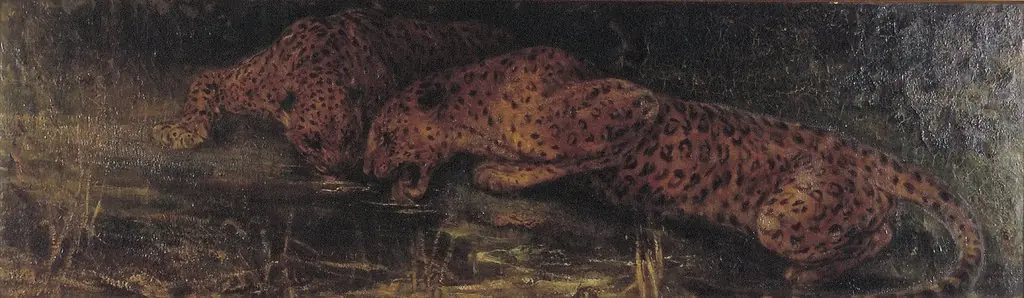
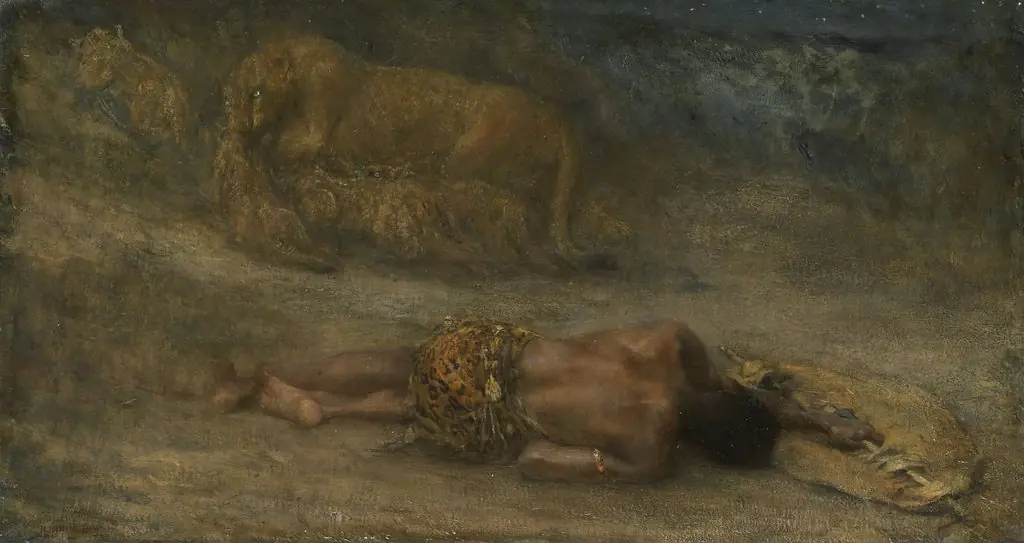
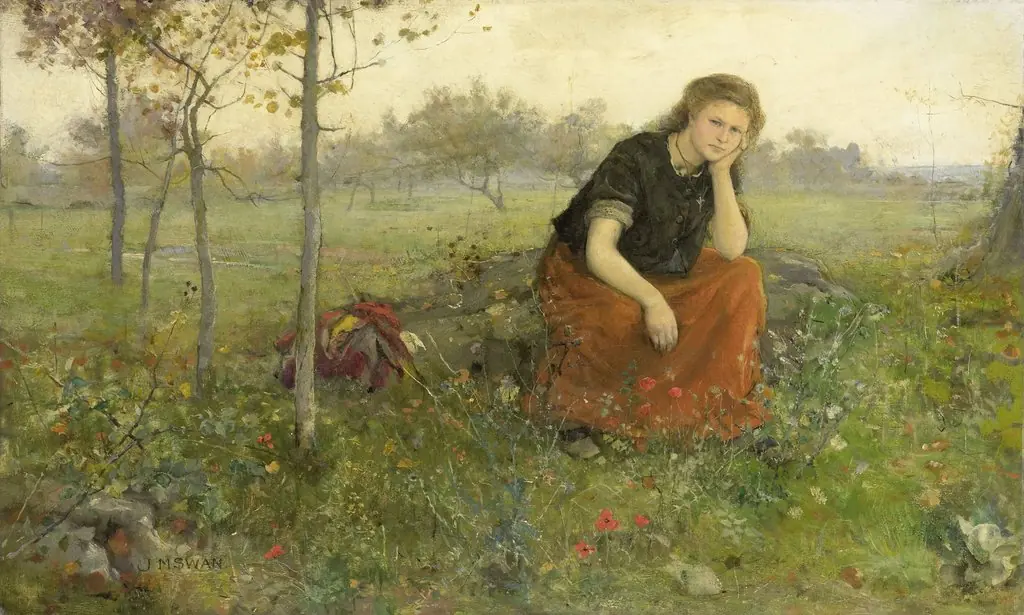
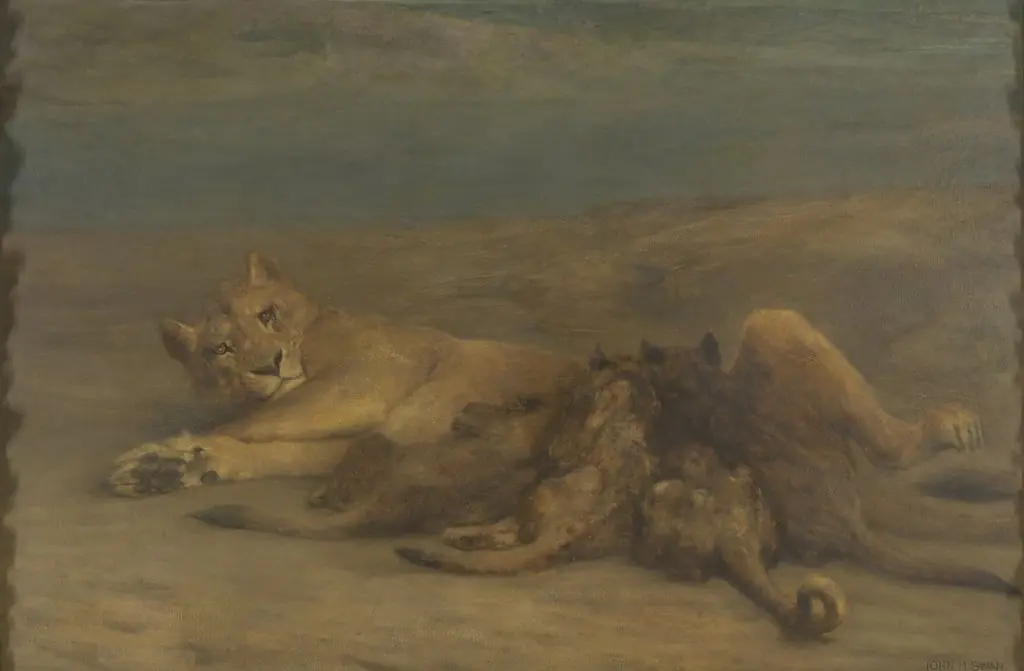
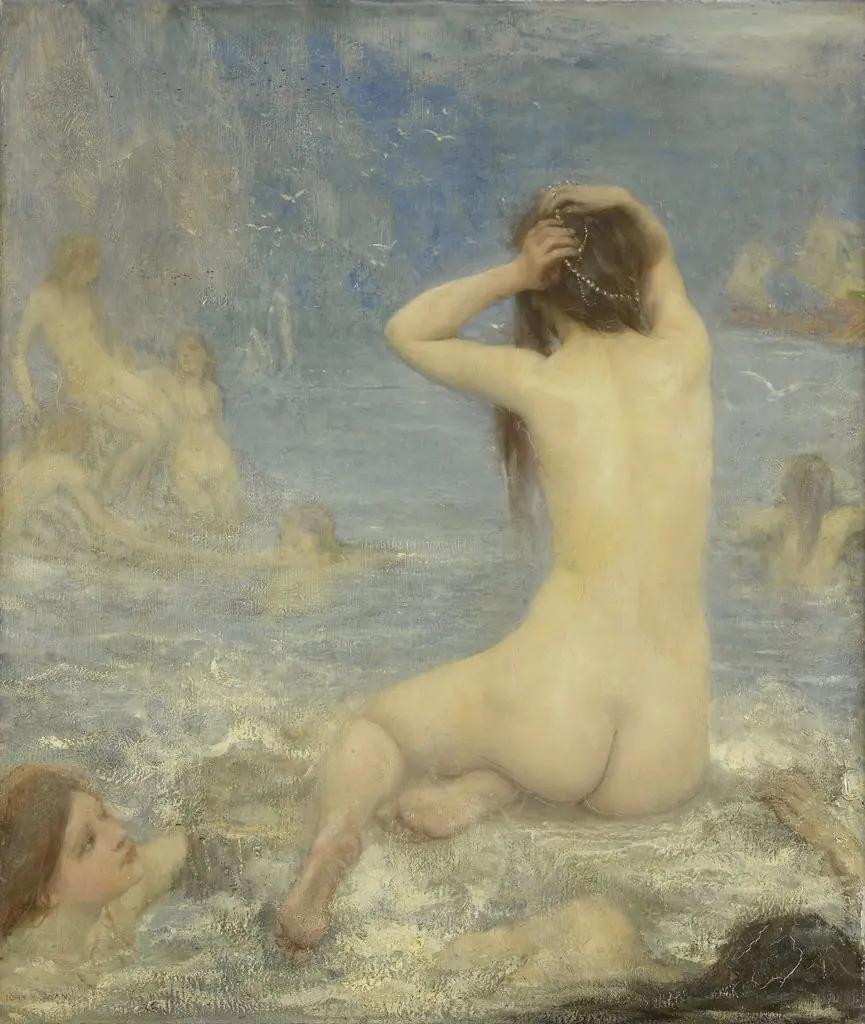
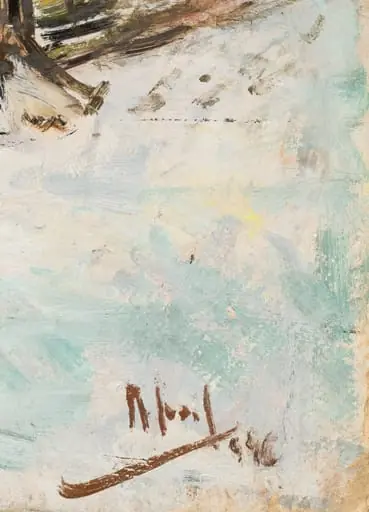
Polar Bears is an oil painting by the Impressionist artist John Macallan Swan. It dates from 1896 and is held in the collection of the Rijksmuseum.
About this work
Subject & Meaning
The work is housed in the Rijksmuseum collection, where it is catalogued as animal art created in 1890 with oil on canvas measuring 79.
The painting depicts a polar bear, a subject that in 19th‑century British art often symbolised raw natural power and the stark conditions of the Arctic, reflecting contemporary fascination with wilderness exploration. Swan’s rendering emphasizes the animal’s muscular form and fur texture, underscoring themes of survival and untamed strength. The work is housed in the Rijksmuseum collection, where it is catalogued as animal art created in 1890 with oil on canvas measuring 79.5 cm by 17 cm.
Technique & Style
Polar Bears is an oil painting executed on a canvas support by John Macallan Swan in 1890. The work belongs to the animal art genre and is characterized by its formal depiction of polar bears. Physically, the canvas measures 79.5 cm in height, though the recorded width of 17 cm appears inconsistent with standard landscape or portrait formats for such a subject.
As an oil painting, the medium allows for the detailed rendering of fur and form typical of Swan's approach to animal subjects. The piece is currently held in the collection of the Rijksmuseum.
History & Provenance
Polar Bears is an oil painting on canvas by John Macallan Swan, dated to 1890. The work entered the collection of the Rijksmuseum, where it is held as part of that institution's holdings. No further details regarding commission, intermediate ownership, or acquisition circumstances are documented in the available sources.
The painting measures 79.5 cm in height by 17 cm in width, and is classified within the genre of animal art. Its inception is recorded as 1890, aligning with Swan's broader production of animal subjects during that period.
Polar Bears is held by the Rijksmuseum, where it is recorded under inventory number SK-A-1666. The work was created by John Macallan Swan in 1890 as an oil painting on canvas measuring 79.5 cm in height and 17 cm in width. Its exhibition history includes display in the Rijksmuseum’s permanent collection galleries, with documented presentations in the 19th‑century animal art groupings.
Context
Polar Bears (1890) by John Macallan Swan is recognized as a significant example of Victorian-era animal painting, reflecting contemporary fascination with wildlife subjects. The work is housed in the Rijksmuseum collection, where it is studied within the broader context of 19th-century British art and genre painting. Scholarship highlights its technical mastery and thematic role in advancing animal art during the period, situating it within Swan's wider oeuvre and the artistic movements of his time.
The painting measures 79.5 cm in height and 17 cm in width, created in oil on canvas. Its inclusion in major collections and exhibitions underscores its historical and artistic relevance.
Contextual analysis places it within the trajectory of animal art in European painting, emphasizing its contribution to the genre's development.
Overview
Polar Bears is an oil painting by John Macallan Swan, created in 1896 and held at the Rijksmuseum.
Artist & collection