Artwork
Mrs. Gulian Ludlow (Maria Ludlow)
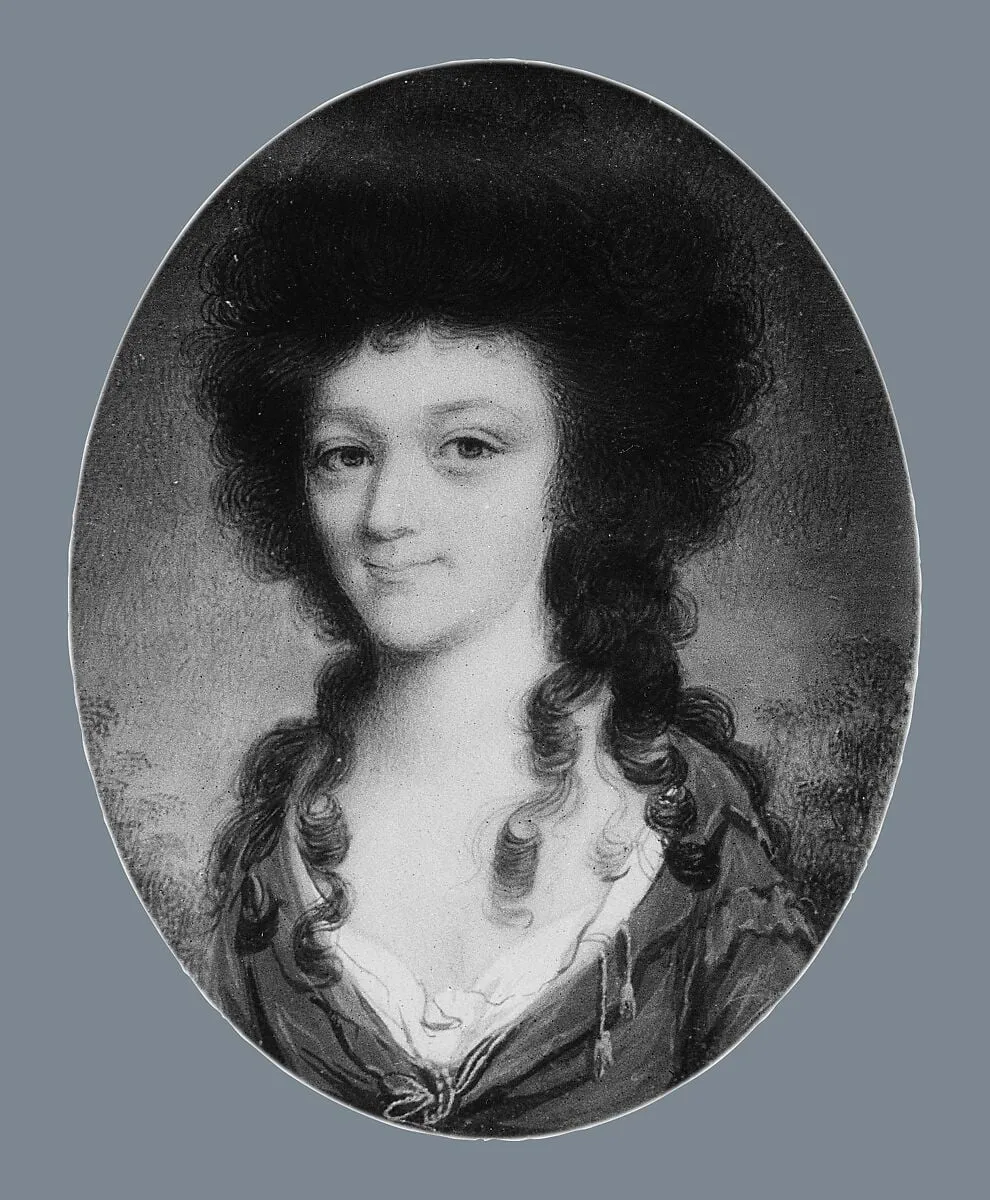
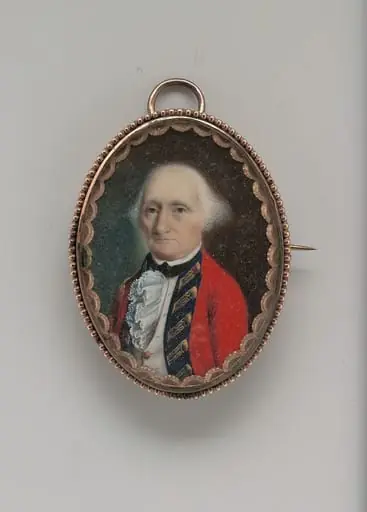
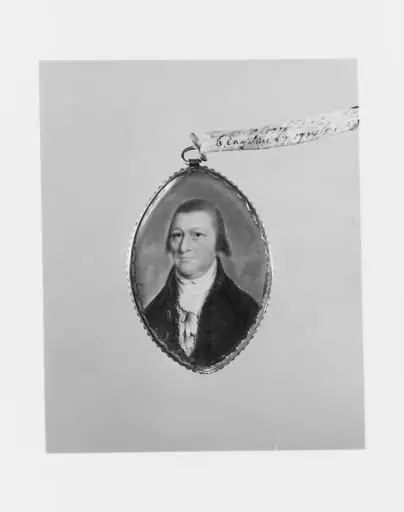
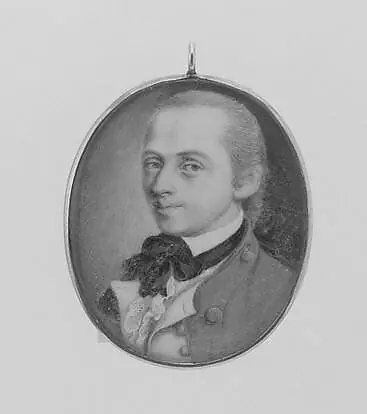
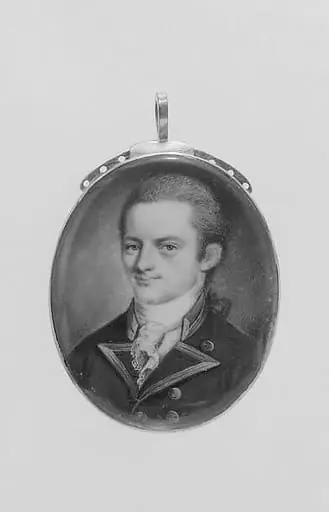
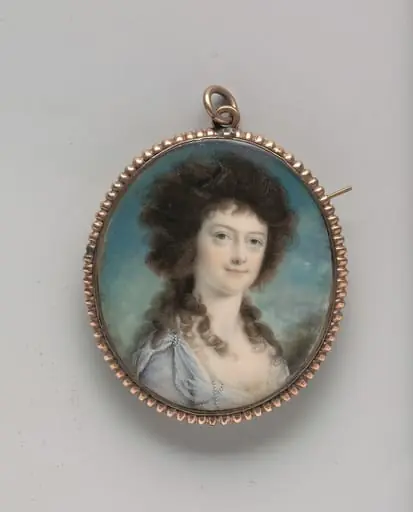
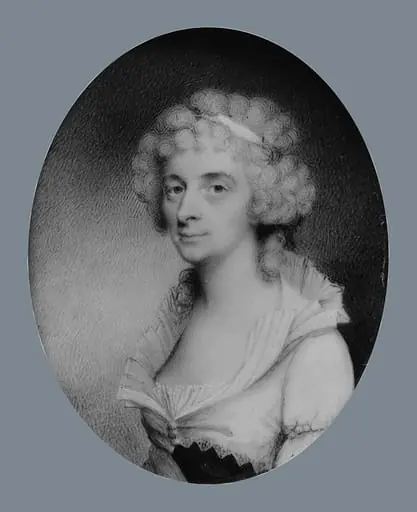
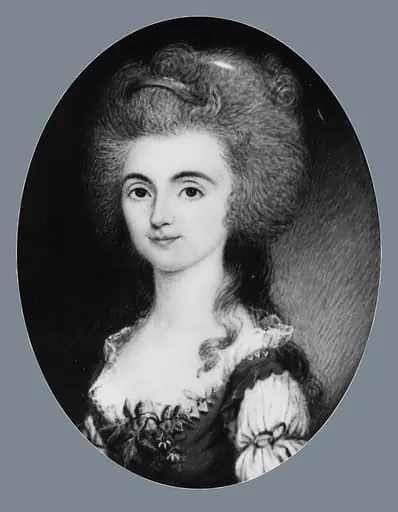
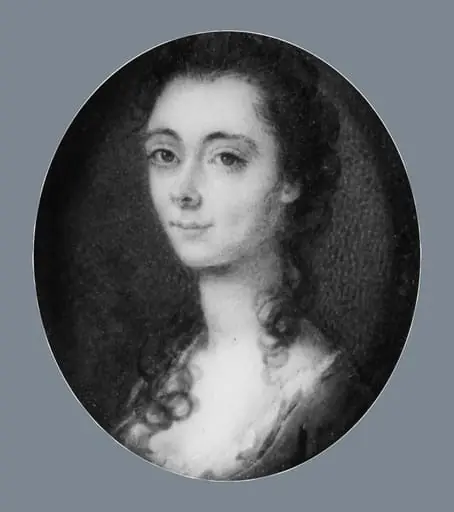
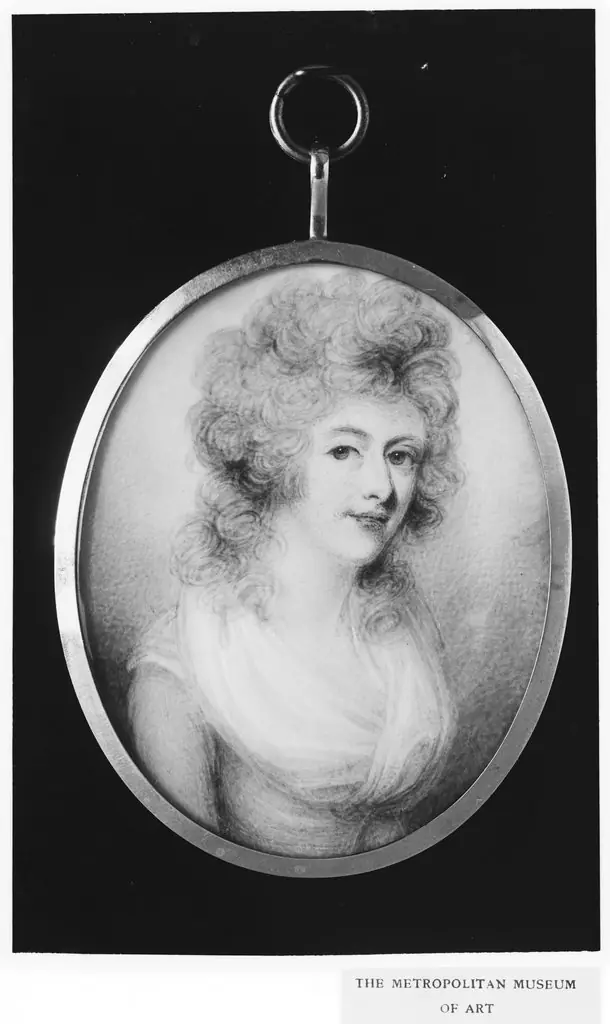
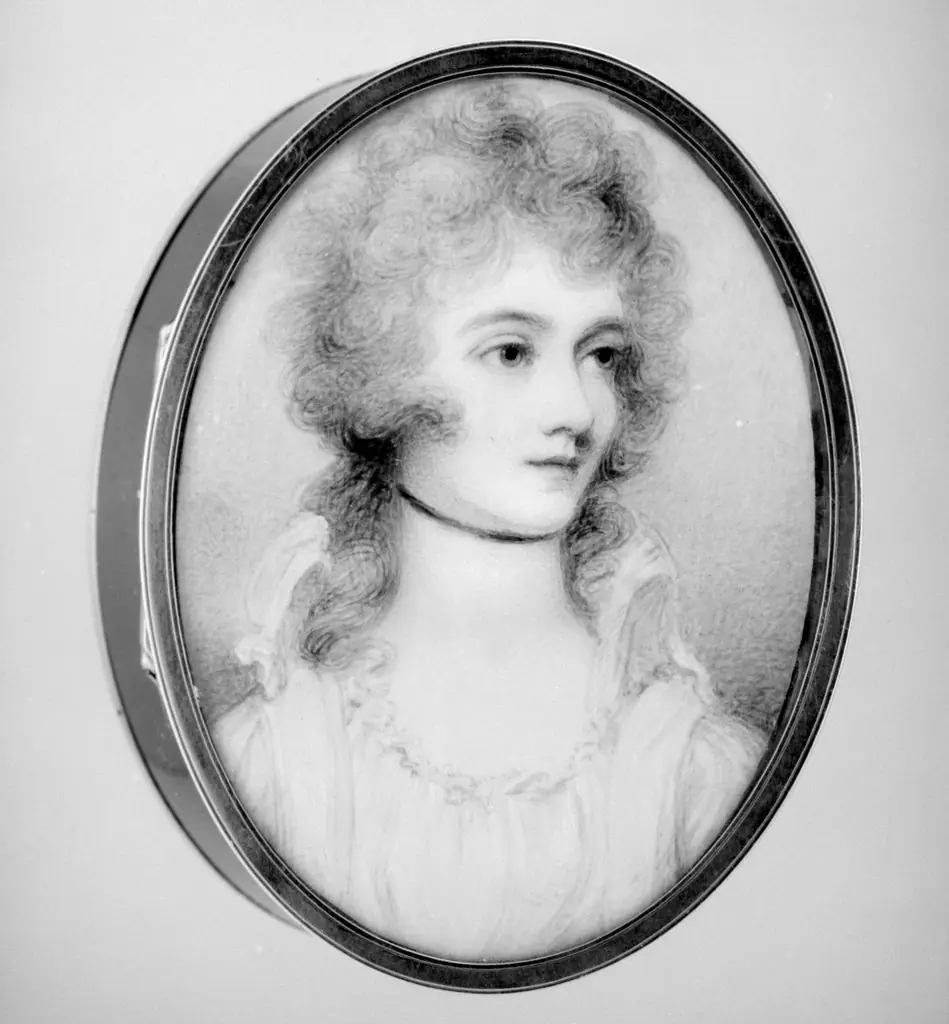
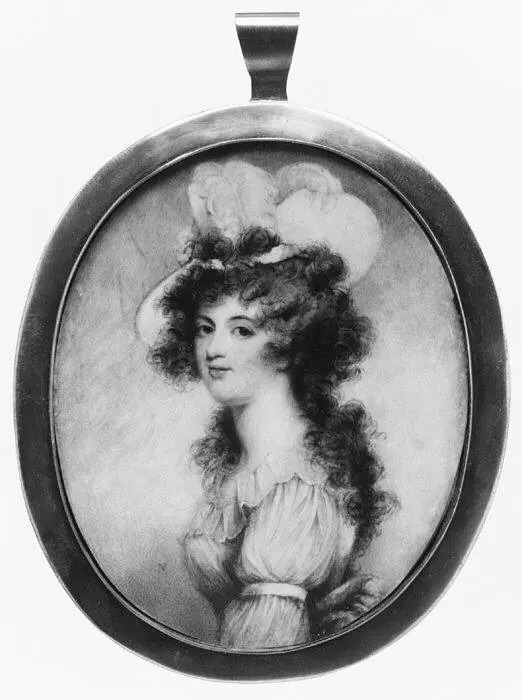
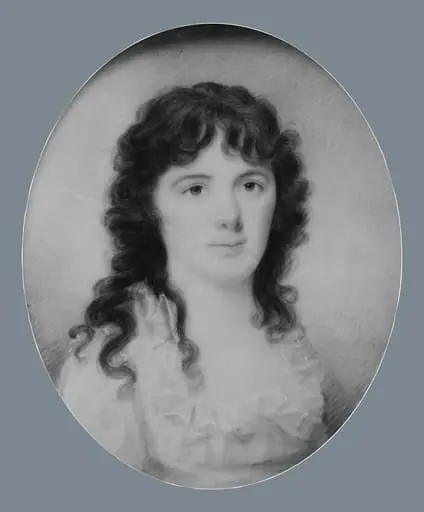
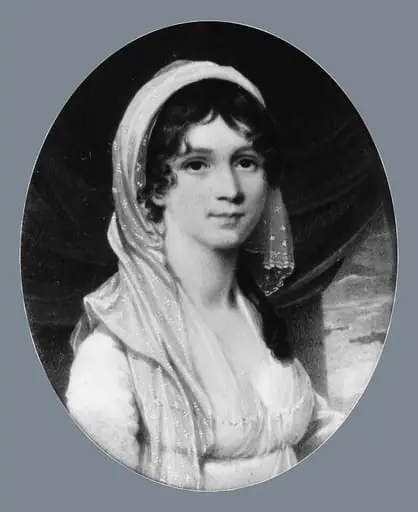
Mrs. Gulian Ludlow (Maria Ludlow) is a watercolor painting by the Rococo painting artist John Ramage. It dates from 1790 and is held in the collection of the Metropolitan Museum of Art.
About this work
Technique & Style
Gulian Ludlow is executed in watercolor on ivory, a medium characteristic of the miniature painting tradition.
Created in 1790, this portrait of Mrs. Gulian Ludlow is executed in watercolor on ivory, a medium characteristic of the miniature painting tradition. The work, attributed to the artist John Ramage, is classified within the genre of portraiture. Physically, the piece is a small-scale object, measuring 3.8 inches in height and 3 inches in width.
As a watercolor on ivory, the technique relies on the translucency of the pigment applied to the polished ivory support to achieve delicate tonal transitions and a luminous quality typical of the period. The work is currently held in the collection of the Metropolitan Museum of Art, specifically within the American Wing, where it is recognized as a significant example of late 18th-century American portraiture.
Overview
John Ramage's Mrs. Gulian Ludlow (Maria Ludlow), painted around 1790, exemplifies early American miniature portraiture. Executed in watercolor on ivory, this small-scale work captures a woman's likeness with refined detail. It represents a significant example of professional portraiture emerging in the United States shortly after the Revolutionary War, reflecting the artistic trends and social customs of the period.
Subject & Meaning
The portrait depicts Maria Ludlow, Mrs. Gulian Ludlow, directly engaging the viewer. She is shown in a dark garment, her hair styled high, adorned with delicate pearls at her ears and throat. Such miniature portraits served a personal function for affluent patrons, often worn as intimate jewelry or exchanged as cherished mementos within correspondence, embodying a private form of commemoration.
Context
John Ramage, an Irish-born artist, played a role in the nascent American art scene following the Revolution. This portrait is among the earliest professional works created in the newly formed nation. Ramage, who also worked as a goldsmith and served in the military, traveled with a portable kit of watercolors and ivory, catering to a clientele seeking these intimate, wearable or exchangeable likenesses. He also notably painted George Washington after his presidential inauguration.
Artist & collection

Artist
John Ramage (1748 – 24 October 1802) was an Irish American artist, goldsmith, patroller, and second lieutenant.