Artwork
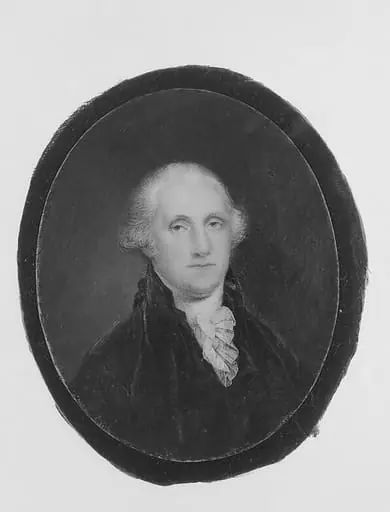
George Washington
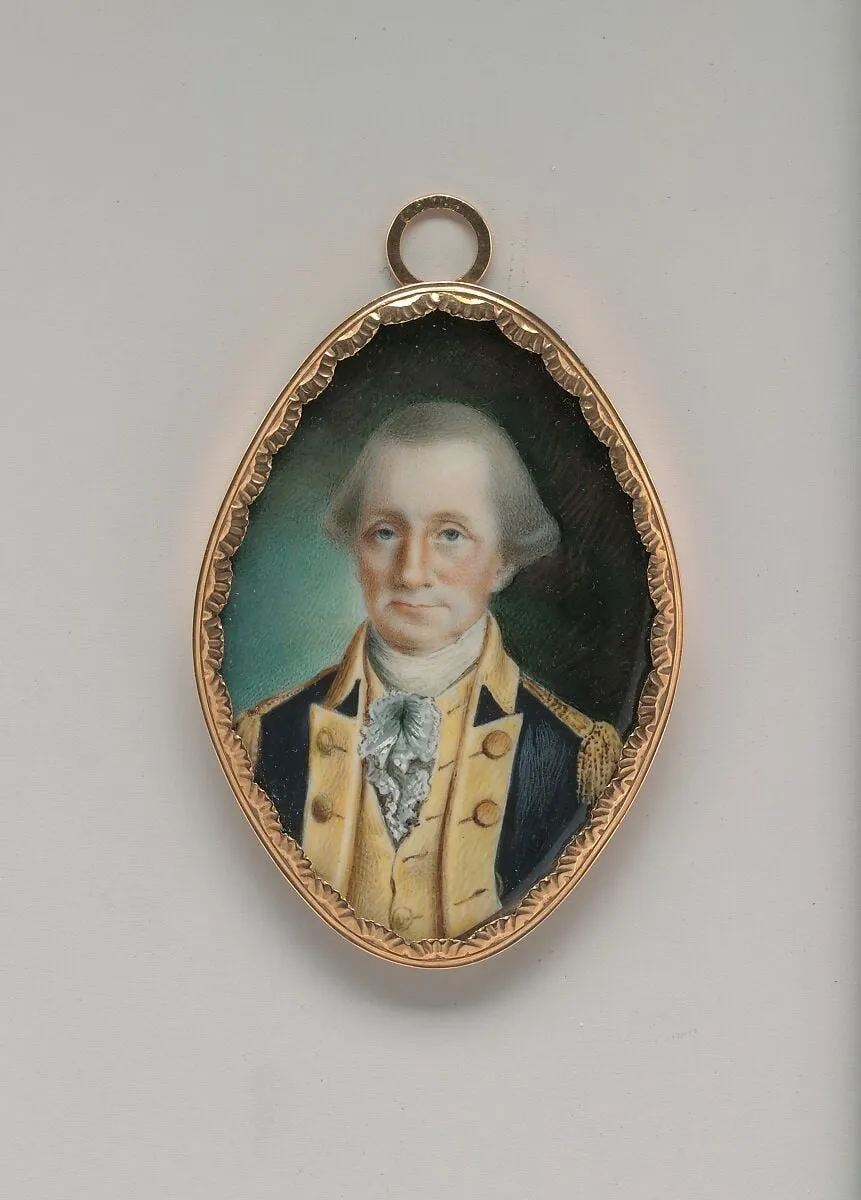
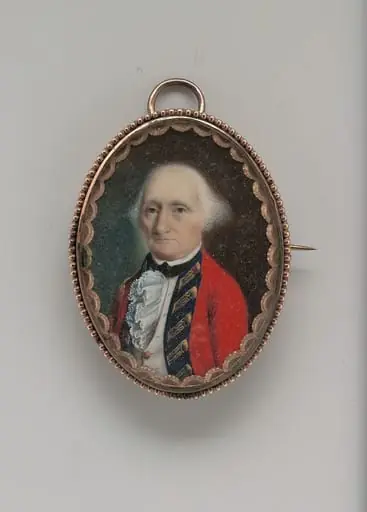
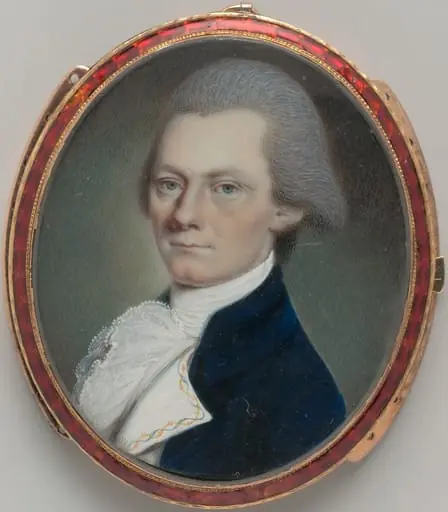
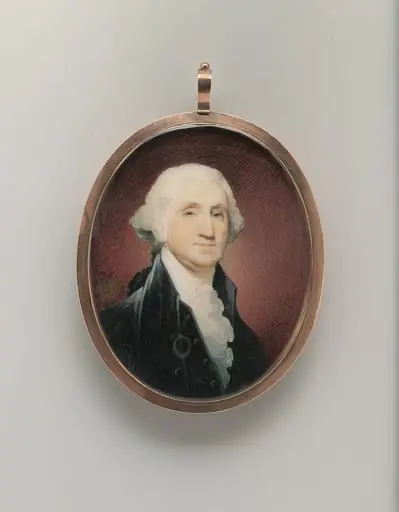
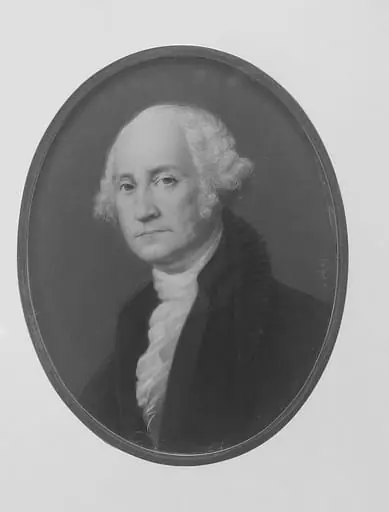
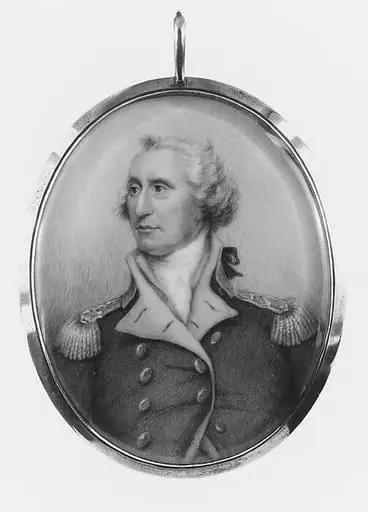
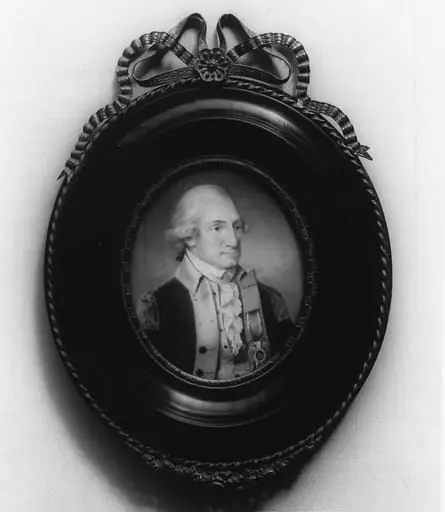
George Washington is a watercolor painting by the Rococo painting artist John Ramage. It dates from 1789 and is held in the collection of the Metropolitan Museum of Art.
About this work
Subject & Meaning
The artwork serves as a visual record of the nation's leader, focusing on his individual appearance without additional mythological or abstract iconography.
The work is a portrait depicting George Washington, the first President of the United States, as a man. Created by John Ramage in 1789, the piece functions as a direct representation of the historical figure rather than an allegorical or symbolic composition. As a portrait genre work, its primary meaning lies in capturing the likeness and presence of Washington during the early years of the American republic.
The subject is presented simply as a man, emphasizing his human identity alongside his public stature. The artwork serves as a visual record of the nation's leader, focusing on his individual appearance without additional mythological or abstract iconography.
Technique & Style
Created in 1789, this portrait of George Washington by John Ramage is executed as a watercolor painting on an ivory support. The work measures 5.2 inches in height and 3.5 inches in width, resulting in a compact, miniature format characteristic of the genre. As a portrait classification within the American Wing collection, the piece relies on the translucency of watercolor pigments applied to the smooth, organic surface of ivory to achieve its formal qualities.
The handling of the medium allows for delicate rendering of facial features, consistent with the miniature portrait tradition of the late 18th century. The physical condition and specific stylistic execution reflect the artist's technique in manipulating water-based media on a non-absorbent, reflective ground to capture the likeness of the subject.
History & Provenance
The miniature portrait George Washington by John Ramage was commissioned in 1789, coinciding with Washington’s inauguration as the first U.S. president. Created that same year [,], the work is executed in watercolor on ivory, a medium favored for miniatures during the period. Ramage, an Irish-born artist active in New York, painted this likeness directly from life, as Washington sat for him shortly after assuming office [].
The portrait entered the collection of the Metropolitan Museum of Art, where it remains housed in the American Wing []. No intermediate private ownership is documented in the available sources.
Overview
John Ramage, an Irish American artist and goldsmith, created this watercolor on ivory portrait of George Washington around 1789. This miniature, measuring only two inches, captures Washington shortly after his inauguration as the first President of the United States. Ramage specialized in such small-scale portraits, which were often intended for personal adornment or to be carried as keepsakes. The work reflects the delicate aesthetic of the rococo movement.
Context
Created around 1789, this artwork holds significance as the earliest known portrait of George Washington after he assumed the presidency. Miniature portraits like this one were popular during the late 18th century, serving as personal mementos. Often set into jewelry or carried in pockets, they allowed individuals to keep an image of a loved one or an esteemed public figure close at hand, reflecting a cultural practice of intimate remembrance.
Artist & collection

Artist
John Ramage (1748 – 24 October 1802) was an Irish American artist, goldsmith, patroller, and second lieutenant.