Artwork
Elijah Boardman
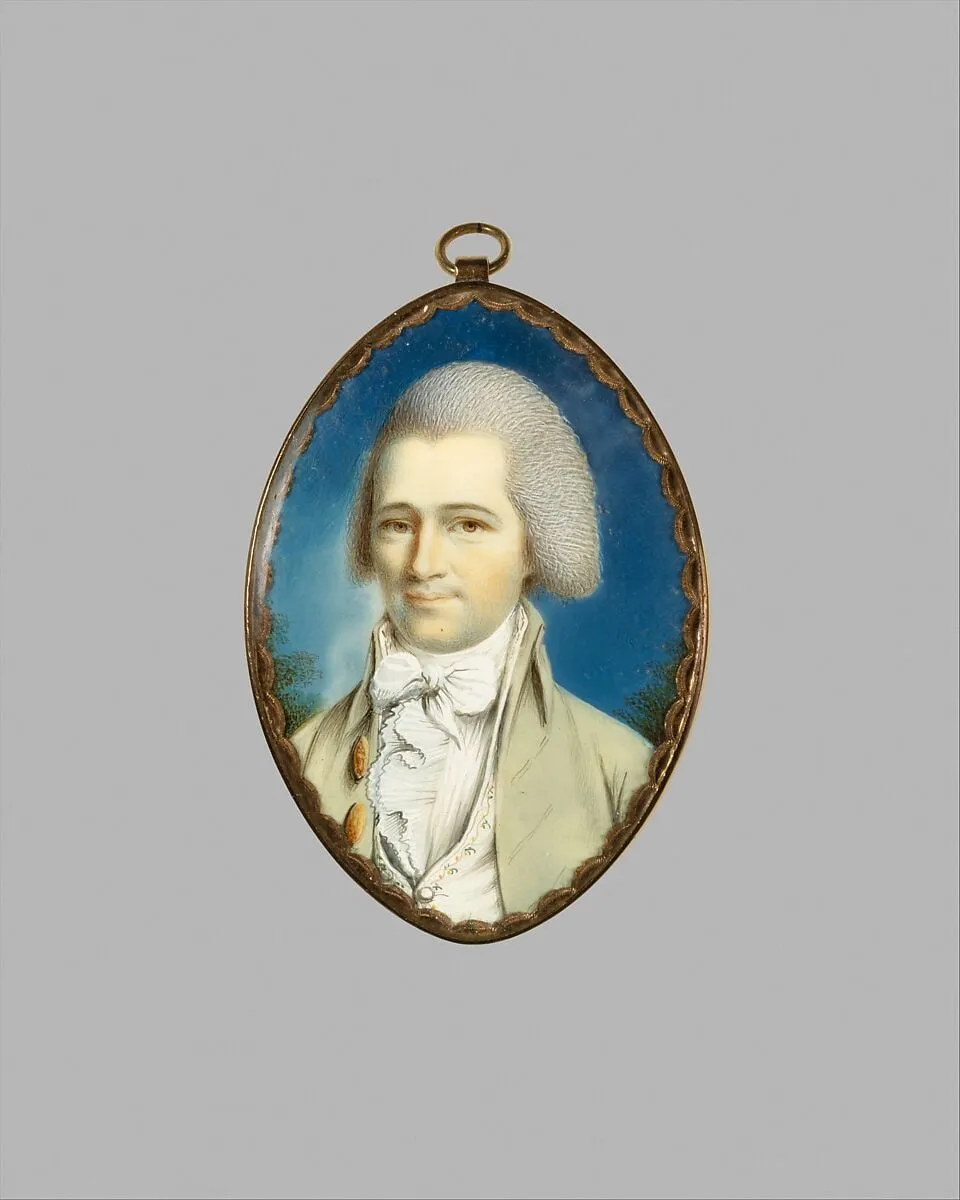
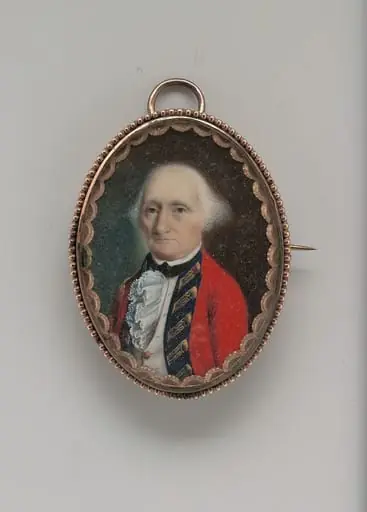
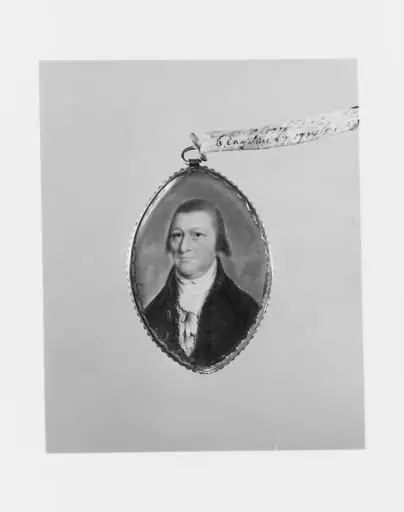
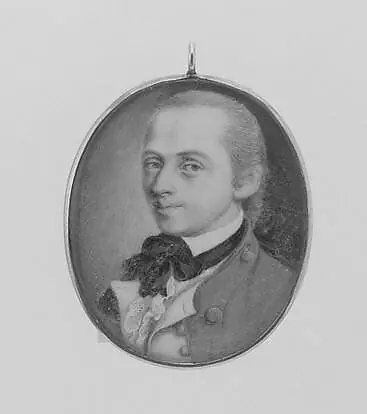
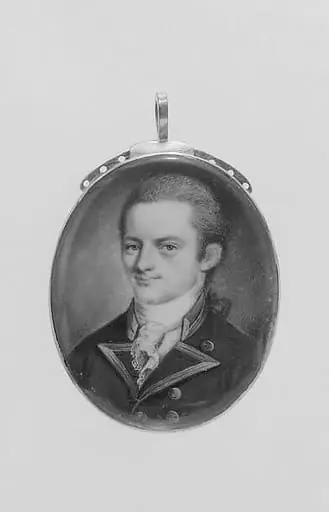
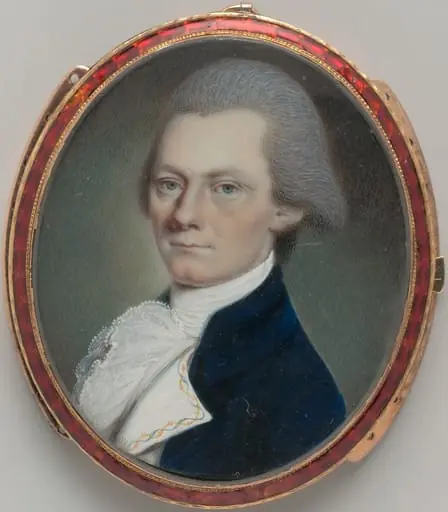
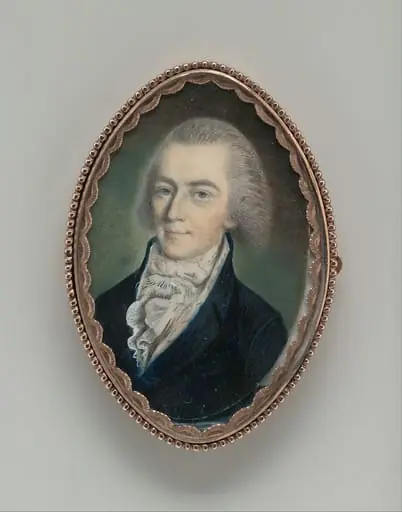
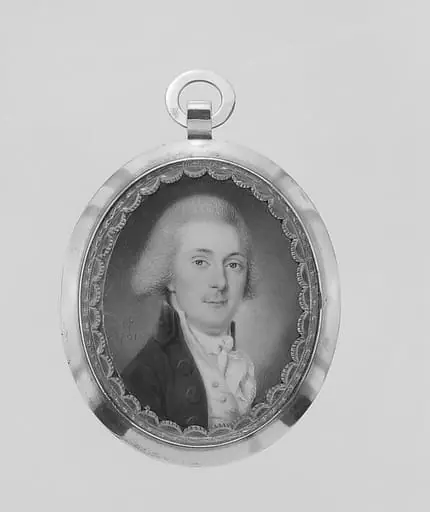
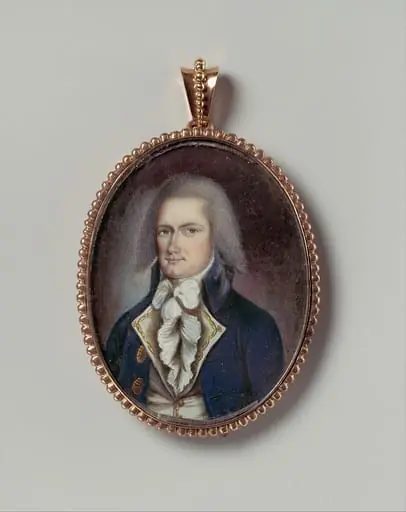
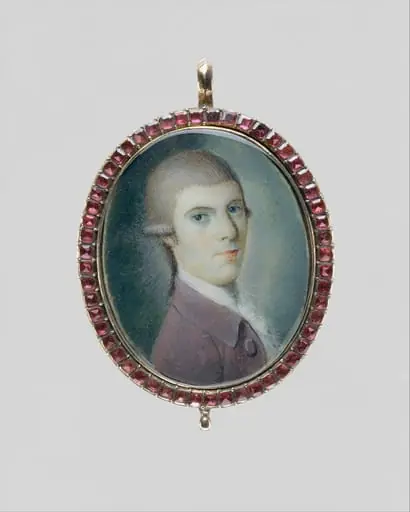
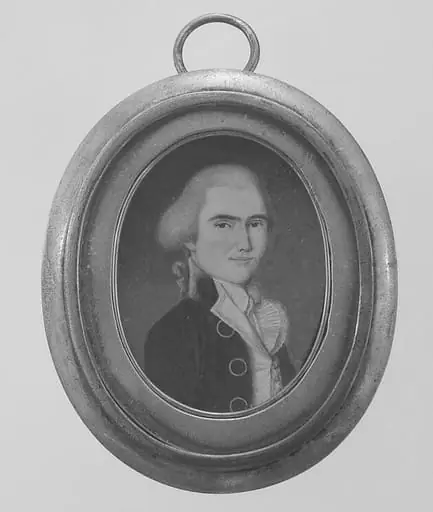
Elijah Boardman is a watercolor painting by the Rococo painting artist John Ramage. It dates from 1790 and is held in the collection of the Metropolitan Museum of Art.
About this work
Technique & Style
The work is classified as a miniature portrait, characterized by its small physical dimensions, measuring approximately 5.
Executed in 1790, this portrait of Elijah Boardman by John Ramage utilizes watercolor applied to an ivory support. The work is classified as a miniature portrait, characterized by its small physical dimensions, measuring approximately 5.2 units in height and 3.5 units in width. The choice of ivory as a ground was typical for miniature painting of this era, allowing the translucency of the watercolor medium to create a luminous surface quality.
As a portrait genre piece, the composition focuses entirely on the depiction of the male sitter. The artwork is currently held in the collection of the Metropolitan Museum of Art within its American Wing, where its material integrity and scale reflect the intimate handling associated with late eighteenth-century miniature traditions.
Context
The 1790 watercolor portrait of Elijah Boardman by John Ramage, held in The American Wing of the Metropolitan Museum of Art, exemplifies early Federal‑era portraiture in the United States. Executed on ivory and measuring roughly 5.2 by 3.5 inches, the work is catalogued as a distinct portrait within the museum’s American paintings collection. Its inclusion in the Met’s American Wing underscores scholarly recognition of Ramage’s role in shaping a native visual language during the post‑Revolutionary period.
As a documented example of Ramage’s output, the piece contributes to the broader narrative of American portraiture and is frequently cited in studies of early national‑identity art.
Overview
This miniature watercolor on ivory, created by Irish-born American artist John Ramage around 1790, depicts Elijah Boardman. Ramage was a prominent painter of small-scale portraits, a format popular in the late 18th century. The work exemplifies the Rococo aesthetic often applied to such intimate depictions, offering a personal likeness of the sitter in a format designed for close viewing.
Subject & Meaning
Elijah Boardman is presented in a dark coat with a white cravat, his gaze directed forward. His smooth features and slightly parted lips suggest a moment of pause, capturing a lifelike immediacy. Such miniature portraits often served as personal mementos, exchanged among family or carried as tokens of affection, offering an intimate connection to the sitter that larger works could not provide.
History & Provenance
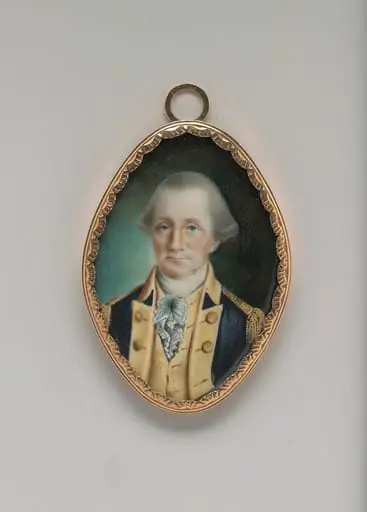
John Ramage, an Irish immigrant, established himself in America not only as a painter but also as a goldsmith and military veteran. He is notable for being the first artist to paint George Washington following his presidential inauguration, underscoring his reputation as a skilled portraitist during the early years of the American republic. This portrait of Elijah Boardman contributes to his body of work in the miniature format.
Artist & collection

Artist
John Ramage (1748 – 24 October 1802) was an Irish American artist, goldsmith, patroller, and second lieutenant.