Artwork
Jungfrau (from "Splendid Mountain Watercolours" Sketchbook)
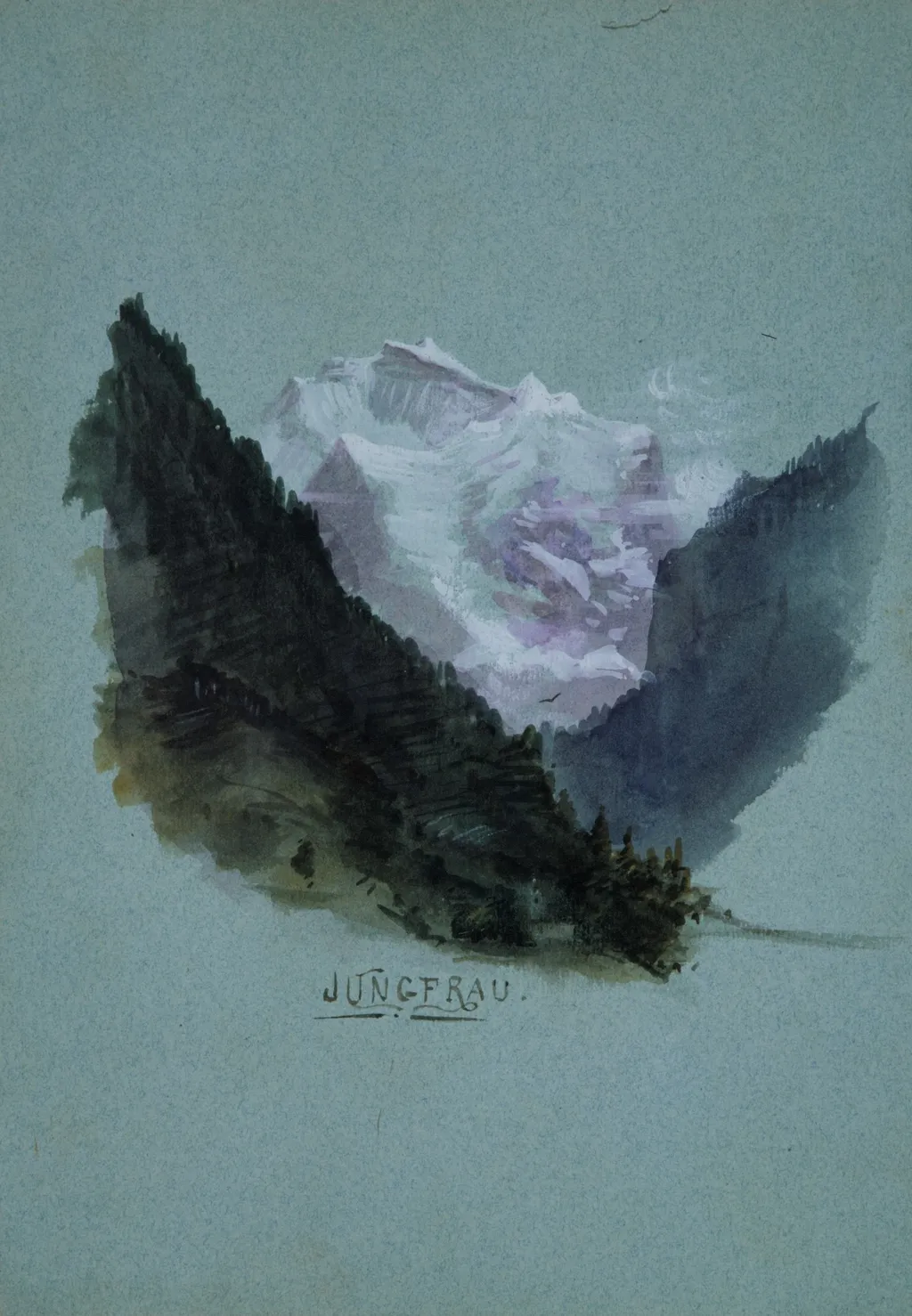
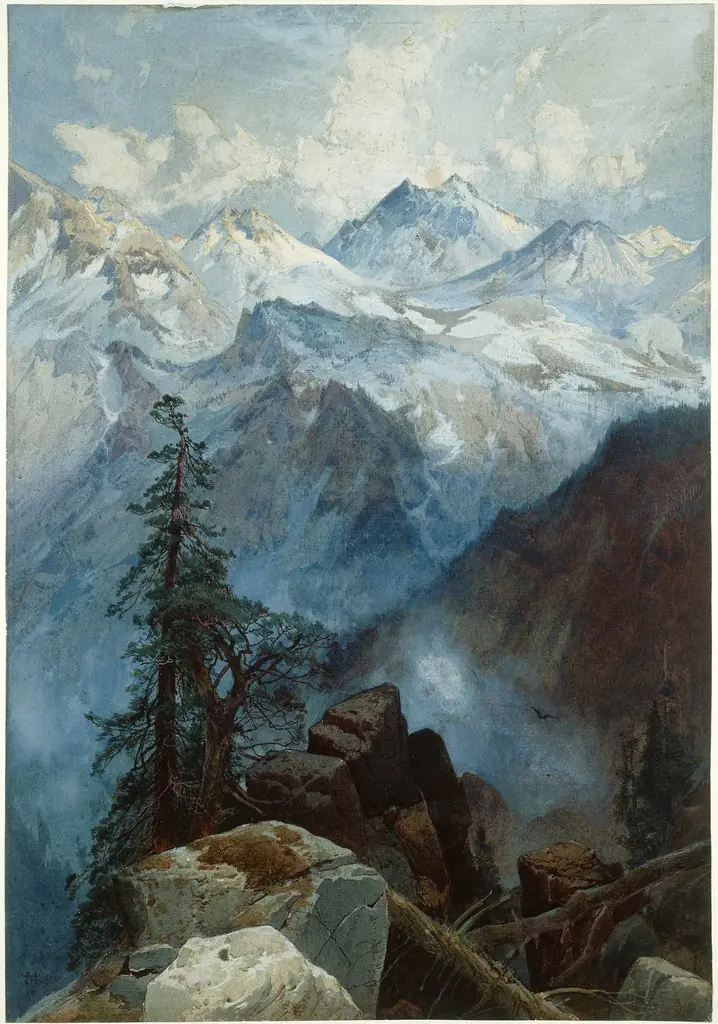
Jungfrau (from "Splendid Mountain Watercolours" Sketchbook) is an unspecified painting by the American Impressionist artist John Singer Sargent. It dates from 1870 and is held in the collection of the Metropolitan Museum of Art.
About this work
Subject & Meaning
By placing vegetation and avian life before the massif, Sargent emphasizes the natural setting rather than any human narrative.
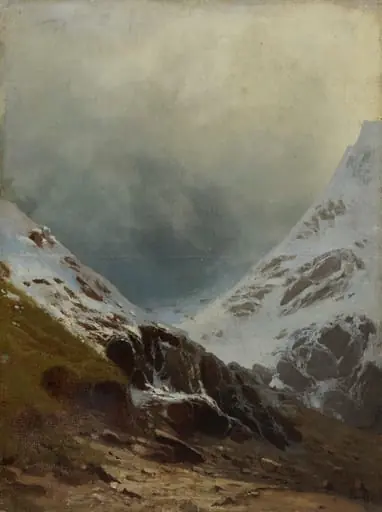
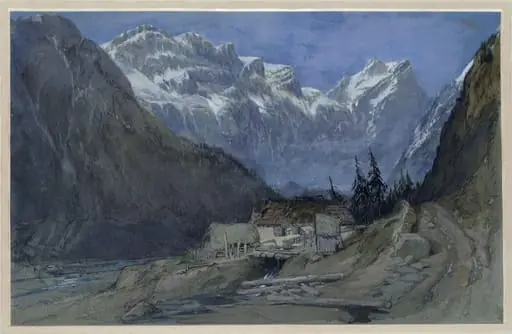
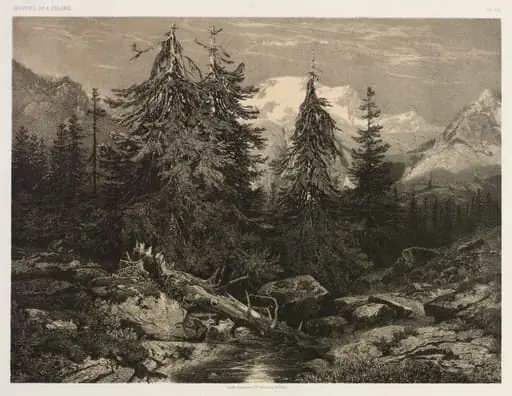
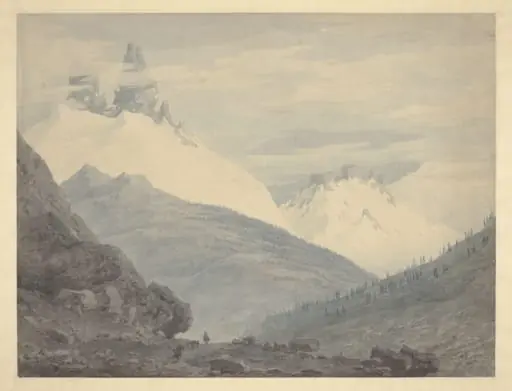
The watercolor portrays the Jungfrau mountain together with a solitary tree and a bird, forming a modest alpine vista. The title identifies the peak as the Jungfrau, so the central subject is this renowned Swiss summit. By placing vegetation and avian life before the massif, Sargent emphasizes the natural setting rather than any human narrative.
The scene evokes the quiet grandeur of the high Alps and suggests a reverence for the landscape’s pristine character.
History & Provenance
Created in 1870 by John Singer Sargent, this watercolor painting titled Jungfrau originates from the artist's "Splendid Mountain Watercolours" sketchbook. The work measures 40.6 by 27.6 units and depicts a mountainous landscape featuring trees and a bird. Currently, the piece is held in the collection of the Metropolitan Museum of Art, where it remains located.
While specific details regarding its initial commission or intermediate ownership transfers are not provided in the available records, its inception date and current institutional custody are established.
The watercolor titled Jungfrau, created in 1870 by John Singer Sargent, belongs to the Metropolitan Museum of Art’s collection and is displayed in New York. It is recorded as part of the “Splendid Mountain Watercolours” sketchbook series and is classified as a painting within the museum’s European works division. The work measures 40.6 cm in height and 27.6 cm in width, reflecting its original dimensions.
No exhibition record is mentioned in the provided documentation, suggesting that its public display history has not been documented in the available sources.
Context
John Singer Sargent's 1870 watercolour Jungfrau, catalogued in the "Splendid Mountain Watercolours" sketchbook, exemplifies the artist’s early engagement with Alpine scenery and his departure from primarily portraiture. Held in the Metropolitan Museum of Art, the work depicts a mountain, tree, and bird within a tightly rendered composition, reflecting contemporary 19th‑century fascination with naturalistic landscape studies. Scholarship on Sargent’s oeuvre frequently references this piece as a representative example of his transitional period, situating it within the broader context of European landscape watercolour traditions and highlighting its influence on later artists’ depictions of mountaineering subjects.
Overview
This watercolor, titled Jungfrau, was created by John Singer Sargent in 1870. It belongs to his early body of work, specifically the Splendid Mountain Watercolours sketchbook, and depicts a rugged mountain scene. The piece reflects Sargent's formative years as an artist, capturing a moment from his extensive travels. It is now housed in The Metropolitan Museum of Art.
Technique & Style
Sargent employed loose, fluid watercolor washes to render the mountainous vista. The rapid application of paint creates an immediate, almost spontaneous impression, akin to a quick sketch or a captured moment. This approach, characterized by its emphasis on light and atmospheric effects, aligns with the burgeoning interests of the American Impressionist movement, which Sargent engaged with during his formative period.
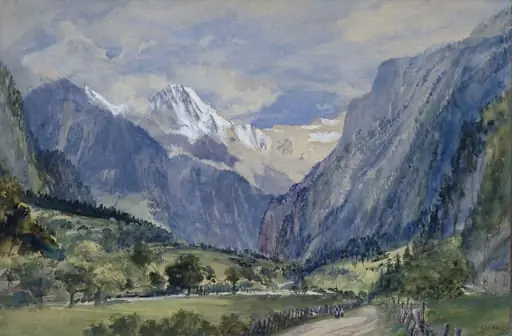
Own this work as a print
Artist & collection
Artist
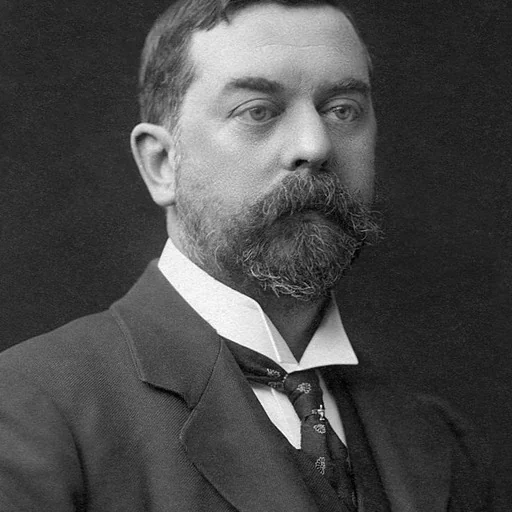
John Singer Sargent (; January 12, 1856 – April 15, 1925) was an American expatriate artist, considered the "leading portrait painter of his generation" for his evocations of Belle Époque and Edwardian-era luxury.