Artwork
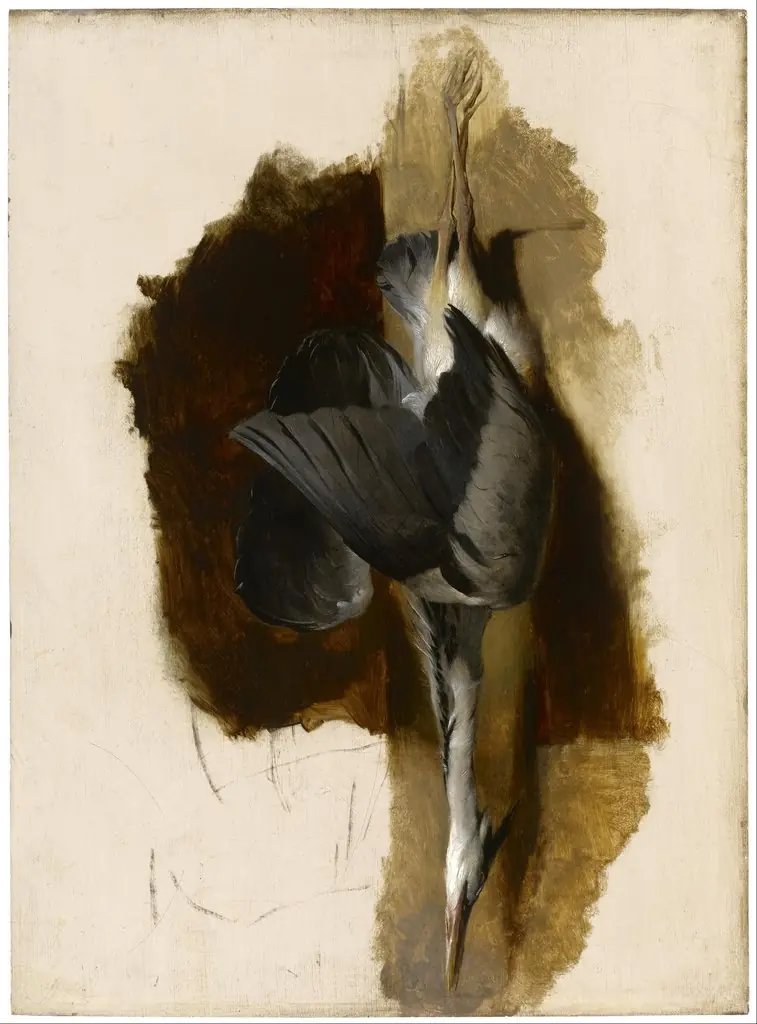
Studies of a Dead Bird
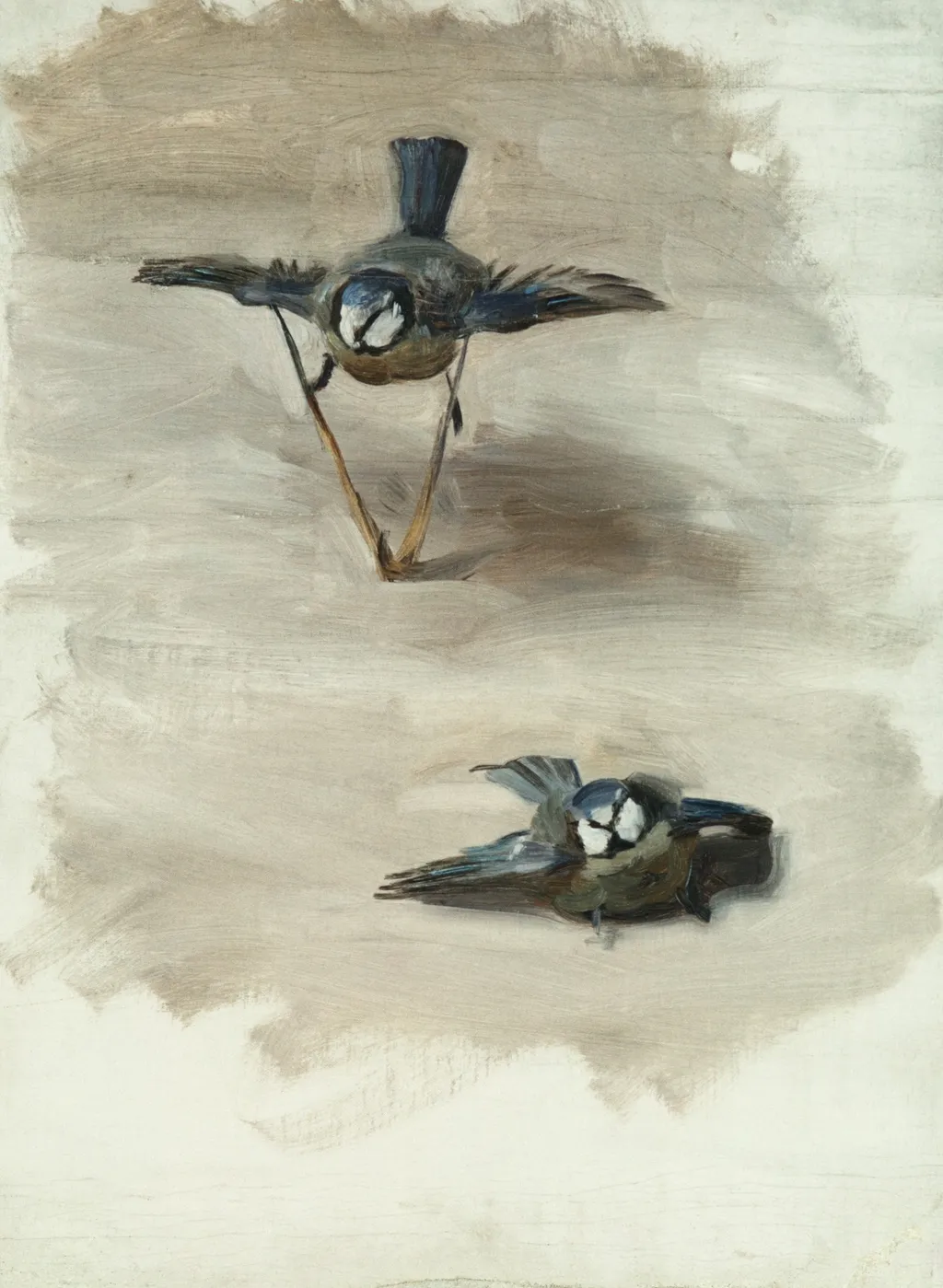
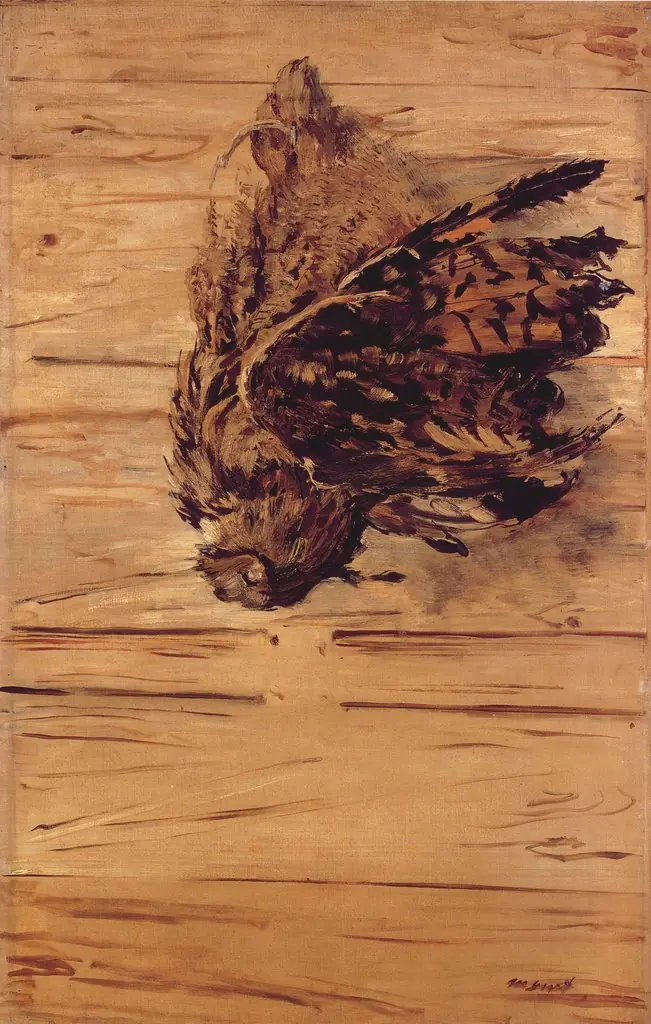
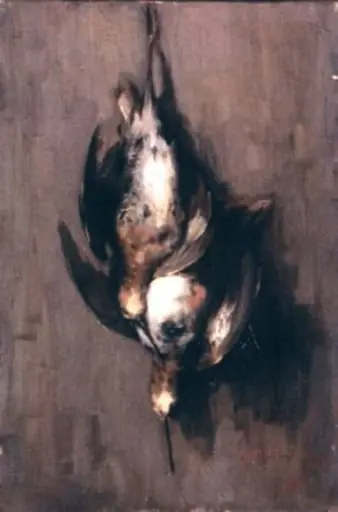
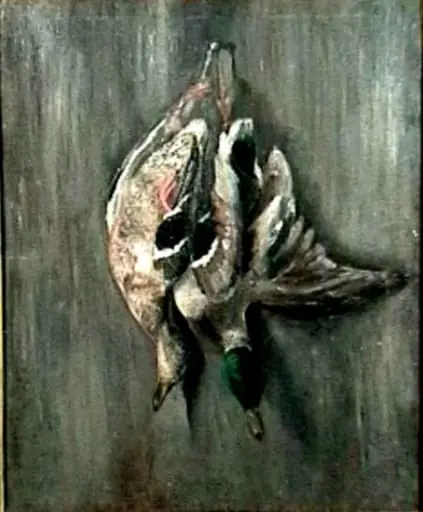
Studies of a Dead Bird is an oil painting by the American Impressionist artist John Singer Sargent. It dates from 1890 and is held in the collection of the Metropolitan Museum of Art.
About this work
Subject & Meaning
Such studies were common exercises for training the eye and hand, and the choice of a lifeless bird lends the work a quiet memento mori quality.
Studies of a Dead Bird is a still life by John Singer Sargent that depicts a single bird as its central subject. The work belongs to the still life genre, with the deceased bird serving as the sole focus of pictorial attention.
As an oil study from 1890, the painting reflects a tradition of naturalistic study in which artists rendered dead animals to practice the observation of form, texture, and the subtle coloration of plumage. Such studies were common exercises for training the eye and hand, and the choice of a lifeless bird lends the work a quiet memento mori quality.
By isolating the bird against an unadorned background, Sargent directs attention to the creature itself, transforming a modest subject into a meditation on natural form.
History & Provenance
John Singer Sargent created the oil painting Studies of a Dead Bird in 1890. The work is executed on canvas and measures 50.8 cm in height by 38.1 cm in width, depicting a bird within a still-life composition. It is held in the collection of the Metropolitan Museum of Art in New York. The available sources do not record an accession number or a documented exhibition history for the work.
Overview
John Singer Sargent's Studies of a Dead Bird, completed in 1890, is an oil painting depicting a still life. The composition features two deceased birds, rendered with careful observation. This work showcases a different facet of Sargent's artistic output, moving away from the grand portraits for which he was primarily recognized, to focus on a more intimate, observational subject.
Technique & Style
The painting employs a predominantly brown and black palette, accented with touches of white and blue, to capture the birds' forms. Sargent utilized chiaroscuro, a technique emphasizing strong contrasts between light and shadow, to create a sense of three-dimensionality and depth. This is particularly evident in the detailed rendering of the feathers, which gain texture and volume through the interplay of light and dark, aligning with elements of American Impressionism.
Context
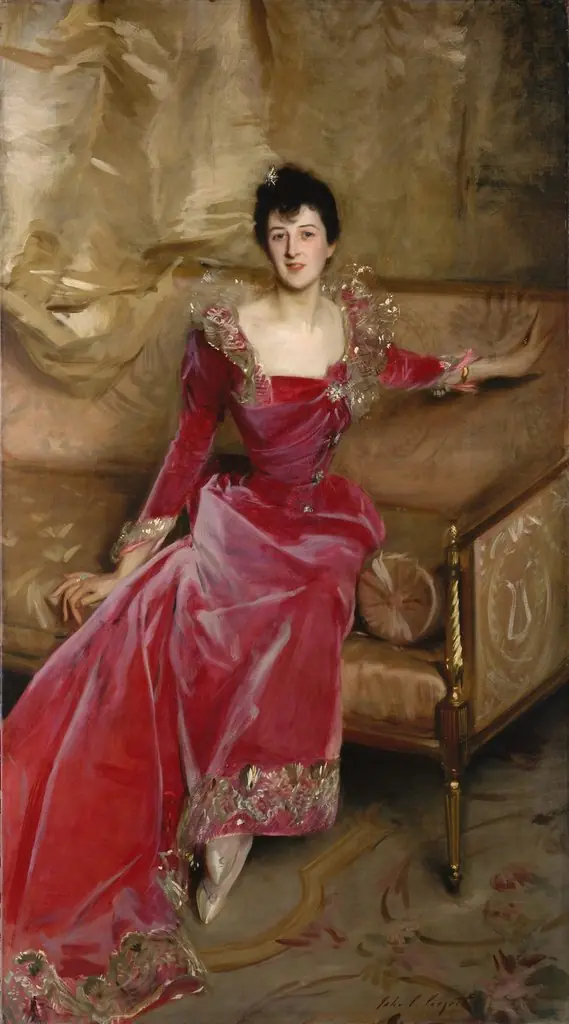
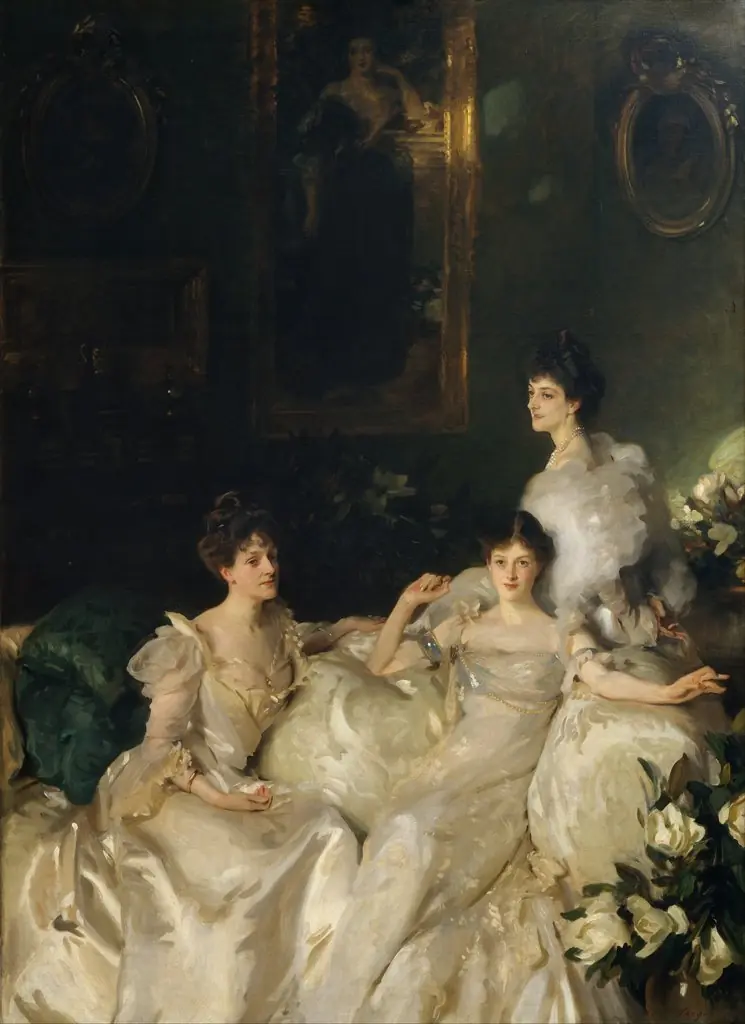
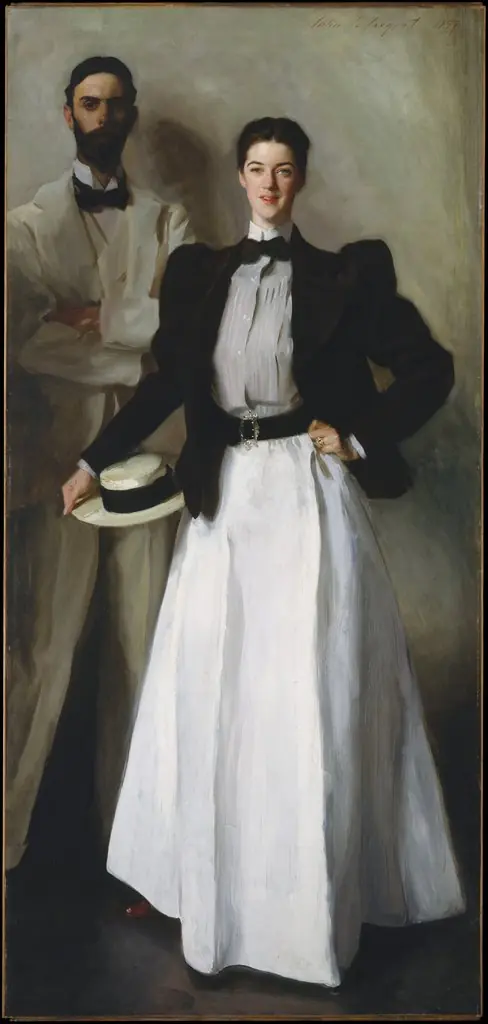
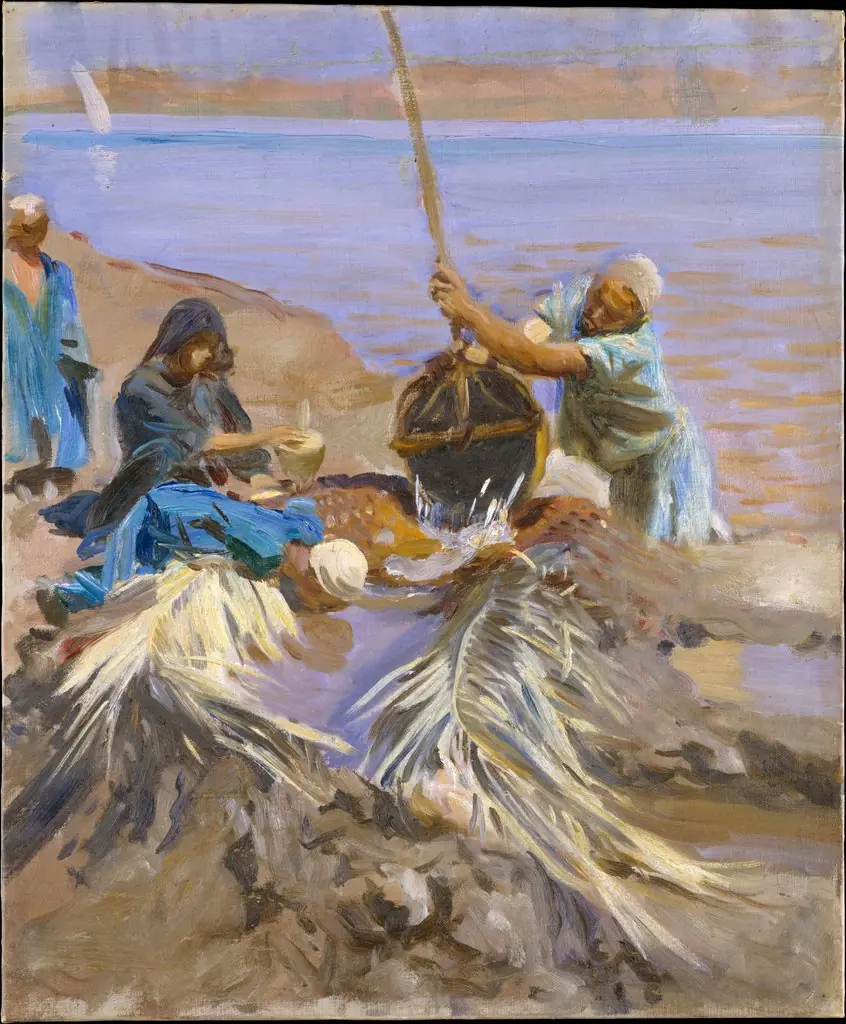
Though John Singer Sargent was widely celebrated as the foremost portrait painter of his era, this still life demonstrates his broader artistic range. Born in Florence to American parents and trained in Paris, Sargent spent much of his life in Europe, developing a versatile practice that encompassed various genres beyond portraiture, including landscapes and figure studies, often documenting his extensive travels.
Own this work as a print
Artist & collection
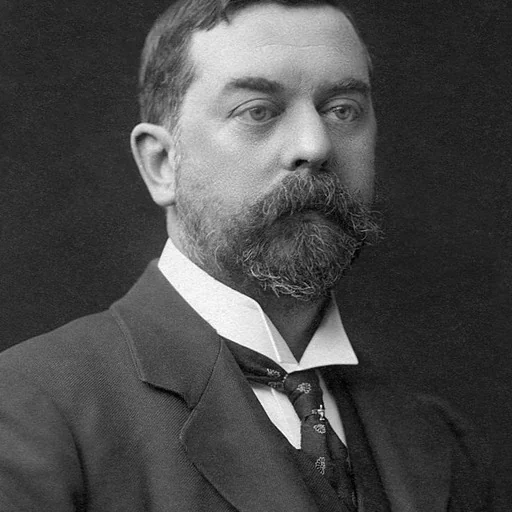
Artist
John Singer Sargent (; January 12, 1856 – April 15, 1925) was an American expatriate artist, considered the "leading portrait painter of his generation" for his evocations of Belle Époque and Edwardian-era luxury.