Artwork
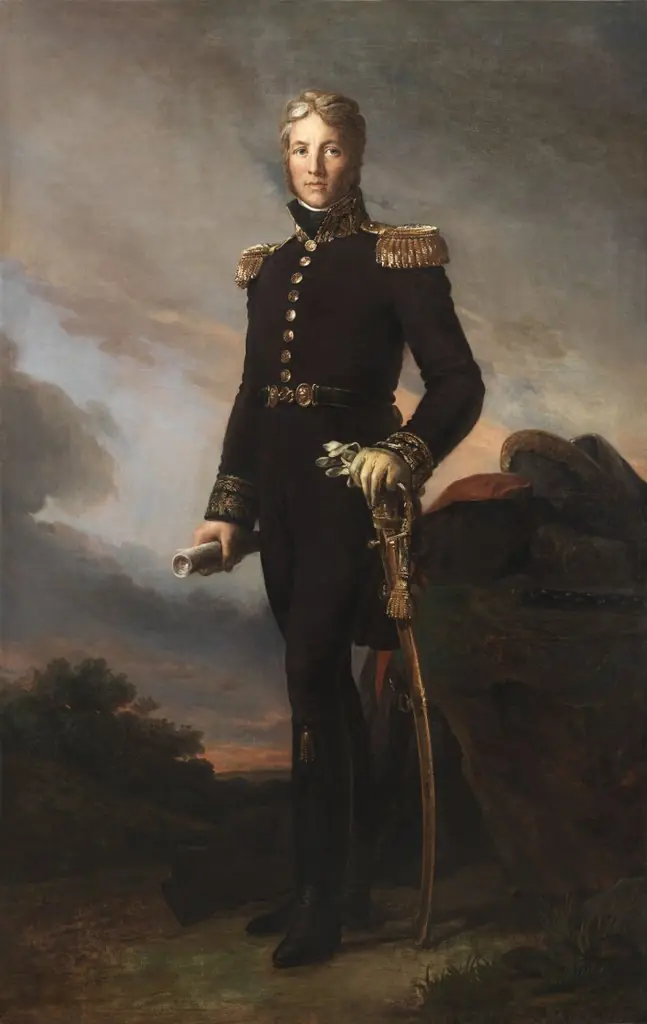
El coracero Jean Baptiste Poret-Dulongval
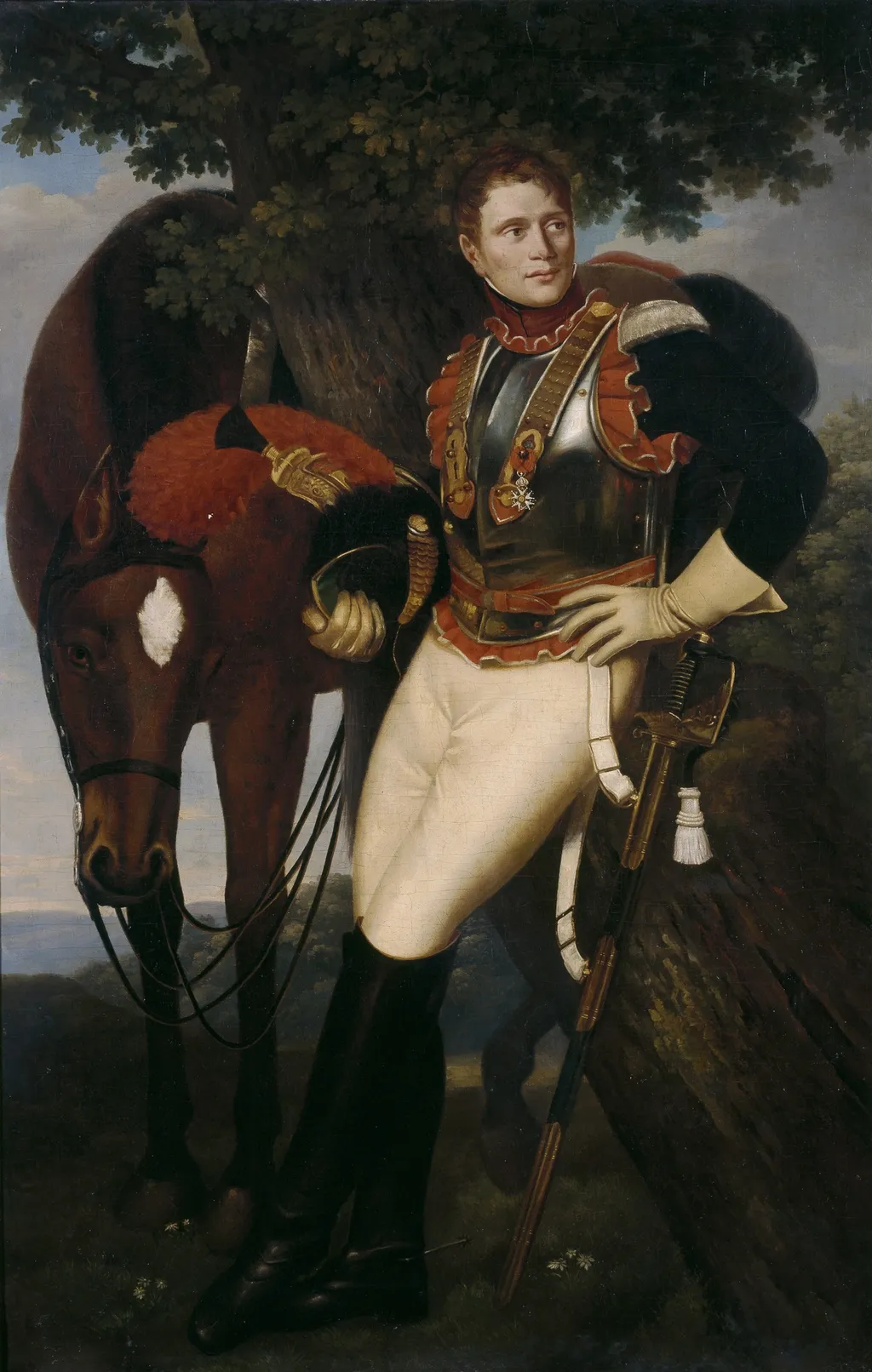
El coracero Jean Baptiste Poret-Dulongval is an oil painting by José de Madrazo y Agudo. It dates from 1813 and is held in the collection of the Museo del Prado.
About this work
His jacket is black with red trim and gold buttons, and he wears a white glove on one hand.
A man in a fancy military uniform stands beside a dark brown horse. His jacket is black with red trim and gold buttons, and he wears a white glove on one hand. The horse has a white mark on its forehead and a bridle with black straps. The background shows trees and a soft sky, keeping the focus on the two.
The man’s uniform looks polished, with medals pinned to his chest. The horse’s calm face contrasts with the stiff pose of the rider. This painting was made in 1813 by a Spanish artist.
Next, look up glazing to see how artists create smooth, glowing colors like these.
Subject & Meaning
The painting portrays a lone saber-wielding officer in full body armor and a single glove, a visual embodiment of martial valor that was celebrated in early‑nineteenth‑century Spanish military iconography. The combination of weapon, armor and glove functions symbolically as attributes of the cavalry officer, emphasizing both martial prowess and disciplined readiness. By presenting the figure isolated against a neutral backdrop, the work underscores the individual heroism associated with the era’s Napoleonic conflicts, while the precise rendering of equipment reflects the academic interest in realistic documentation of contemporary uniforms.
Technique & Style
El coracero Jean Baptiste Poret-Dulongval is an oil on canvas painting created in 1813 by José de Madrazo y Agudo. Executed in oil paint on canvas, the work measures 200 cm in height and 130 cm in width and depicts a saber, body armor, and a glove. The composition emphasizes the subject’s armor and weaponry, rendered with precise detail and a restrained palette that reflects neoclassical conventions.
The handling of light and shadow underscores the three‑dimensional form of the figure, while the stylized rendering of armor aligns with contemporary academic practices.
History & Provenance
El coracero Jean Baptiste Poret-Dulongval is an oil on canvas painting created in 1813 by José de Madrazo y Agudo. It entered the collection of the Museo del Prado in Madrid, where it remains on display. The work measures 200 cm in height and 130 cm in width and portrays a saber, body armor, and a glove. Its provenance traces directly to the Museo del Prado, indicating continuous institutional ownership since its creation.
El coracero Jean Baptiste Poret-Dulongval, painted by José de Madrazo y Agudo in 1813, is held in the collection of the Museo del Prado. The oil-on-canvas work, measuring 200 cm in height by 130 cm in width, is documented as part of the museum's holdings. No specific inventory or accession number, nor any exhibition history, is recorded in the available sources.
Overview
Created in 1813, El coracero Jean Baptiste Poret‑Dulongval is an oil painting by Spanish neoclassical painter José de Madrazo y Agudo. The canvas presents the accoutrements of a French cuirassier, armor, a white glove and a saber, arranged as a still‑life composition. The work belongs to the collection of the Museo del Prado in Madrid.
Context
The early 1810s saw Spain grappling with the Peninsular War and the presence of French forces. Madrazo’s choice to depict a French cavalryman’s equipment reflects contemporary interest in the visual language of the occupying army and the broader European fascination with military dress as a subject for fine art.
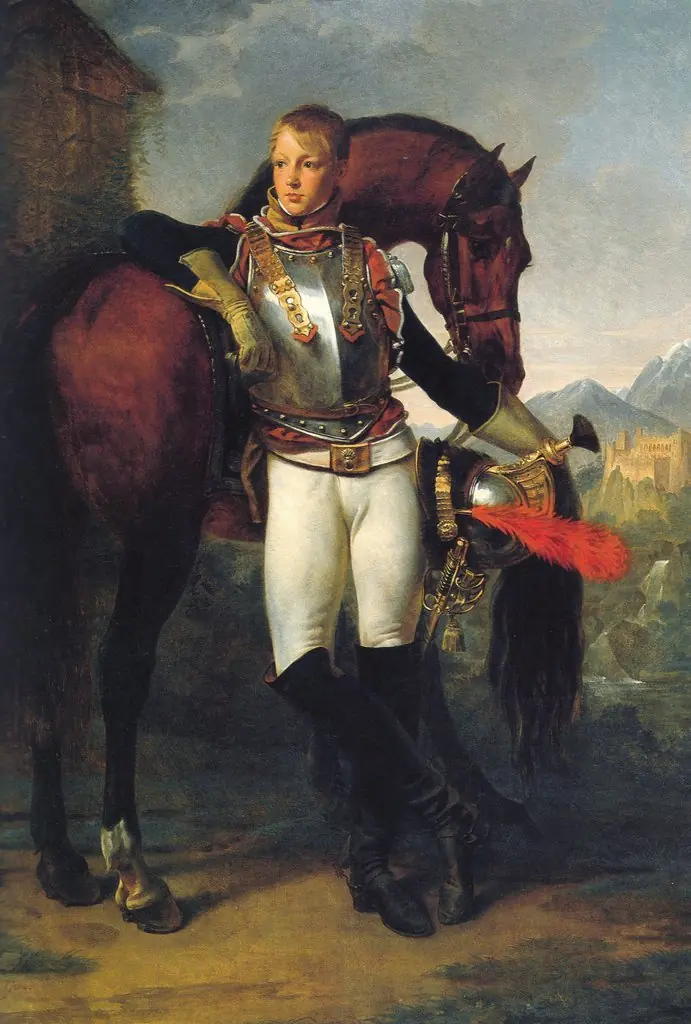
Own this work as a print
Artist & collection
Artist
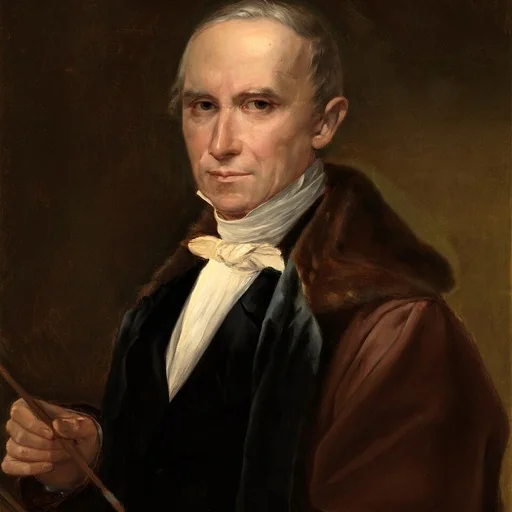
José de Madrazo y Agudo (22 April 1781 – 8 May 1859) was a Spanish painter and engraver; one of the primary exponents of the Neoclassical style in Spain.

- Portrait of Second Lieutenant Charles Legrand
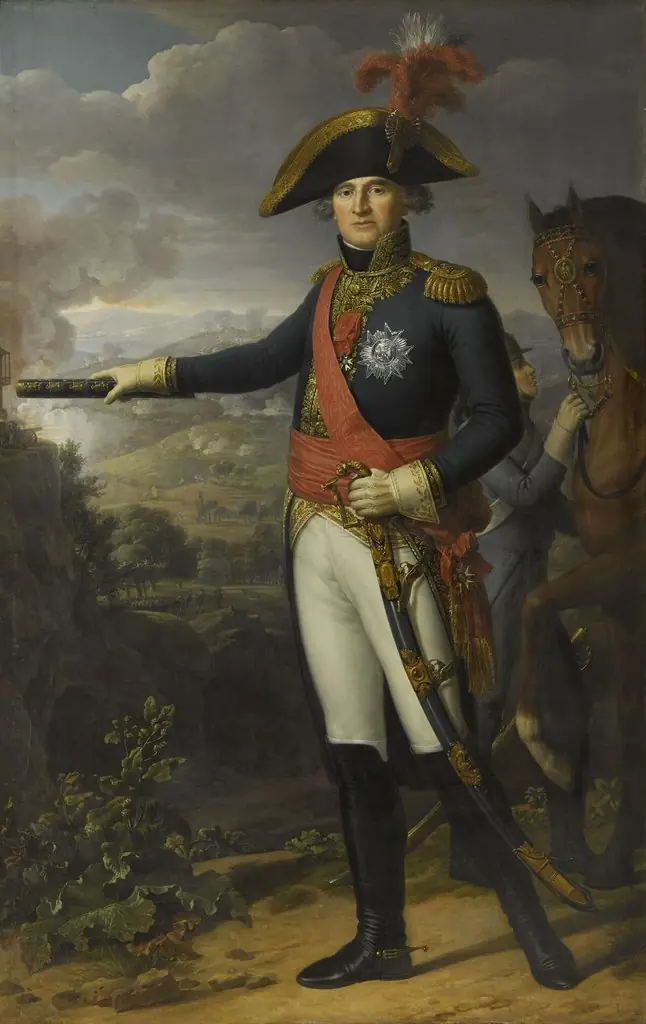 Jean Mathieu Philibert Serurier (1742-1819)
 Equestrian Portrait of Alexander I (1777–1825)
 Jean-Baptiste-Philibert Vaillant, Marshal of France
 Nicolas-Charles Oudinot, Duke of Reggio, Marshal of France (1767-1847)
 Henry Seymour
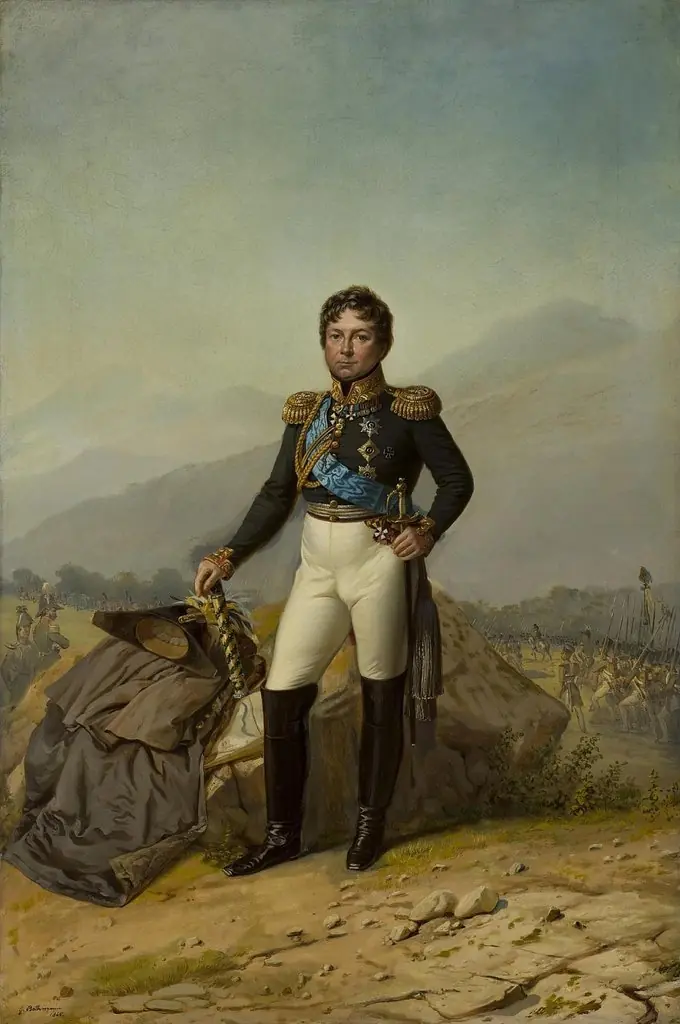 "Portrait of Field-Marshal Count I.I. Diebitsch
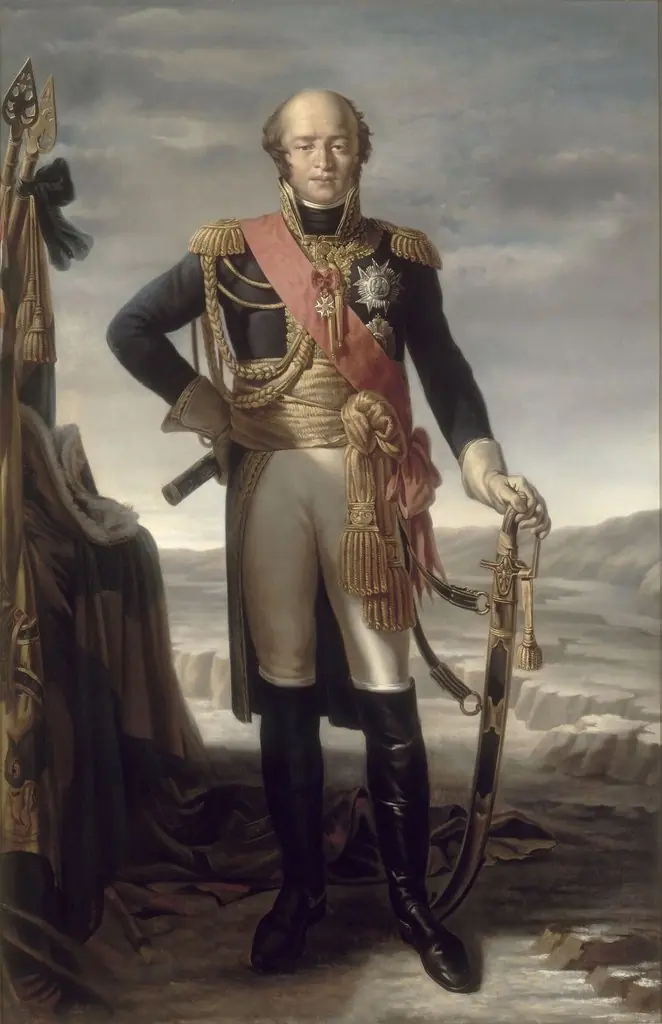 Portrait de Louis Nicolas Davout
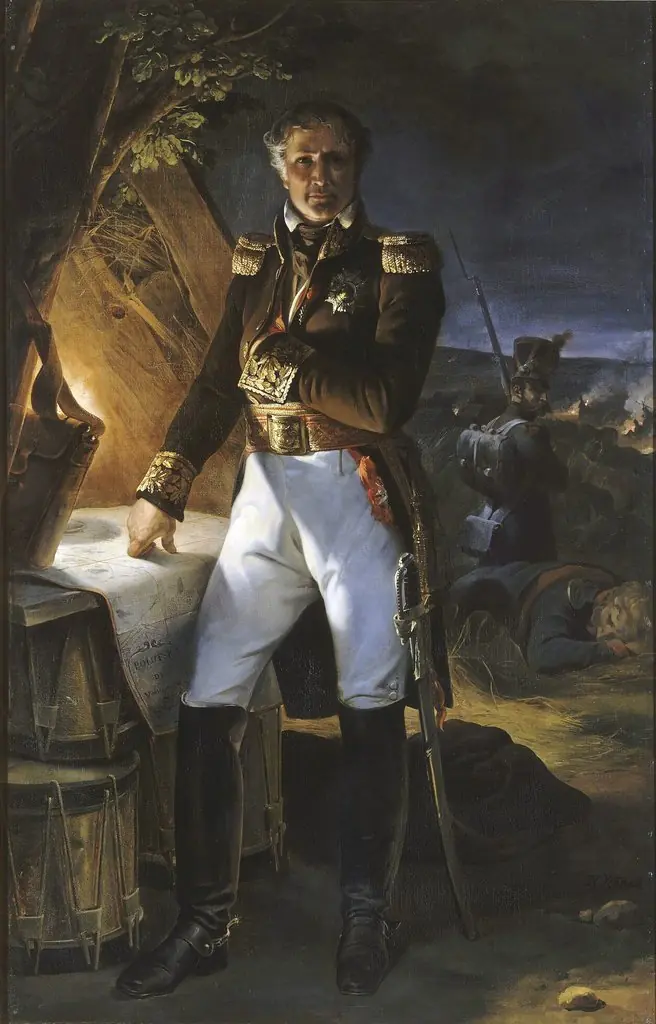 Laurent, Marquis of Gouvion Saint-Cyr
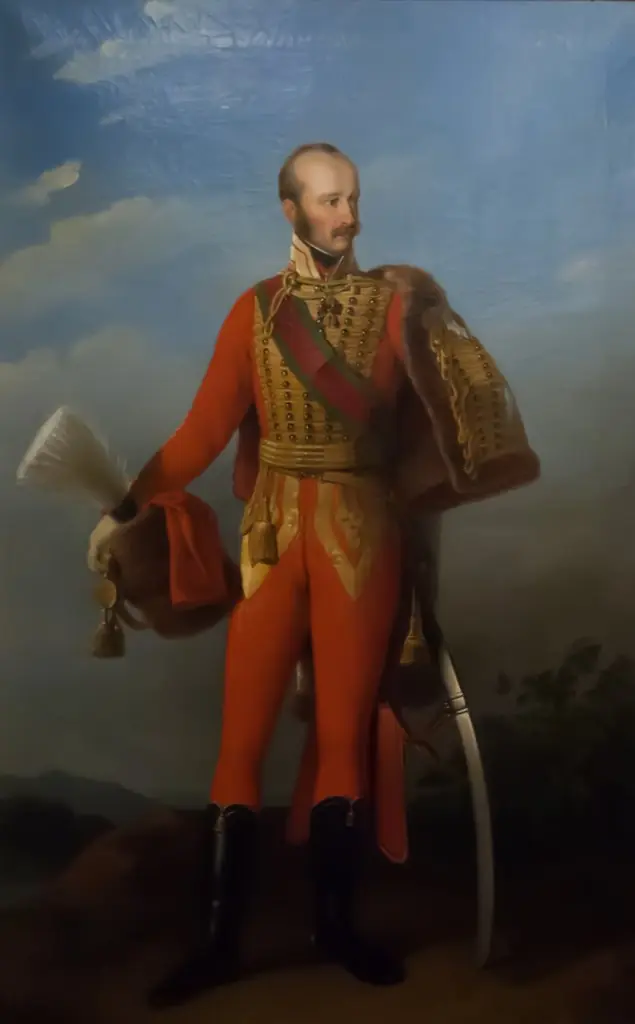 Porträt des Archduke Joseph, Palatine of Hungary (1776-1847)
 Jean-Victor Moreau (1763-1813), général en chef de l'armée du Rhin