Artwork
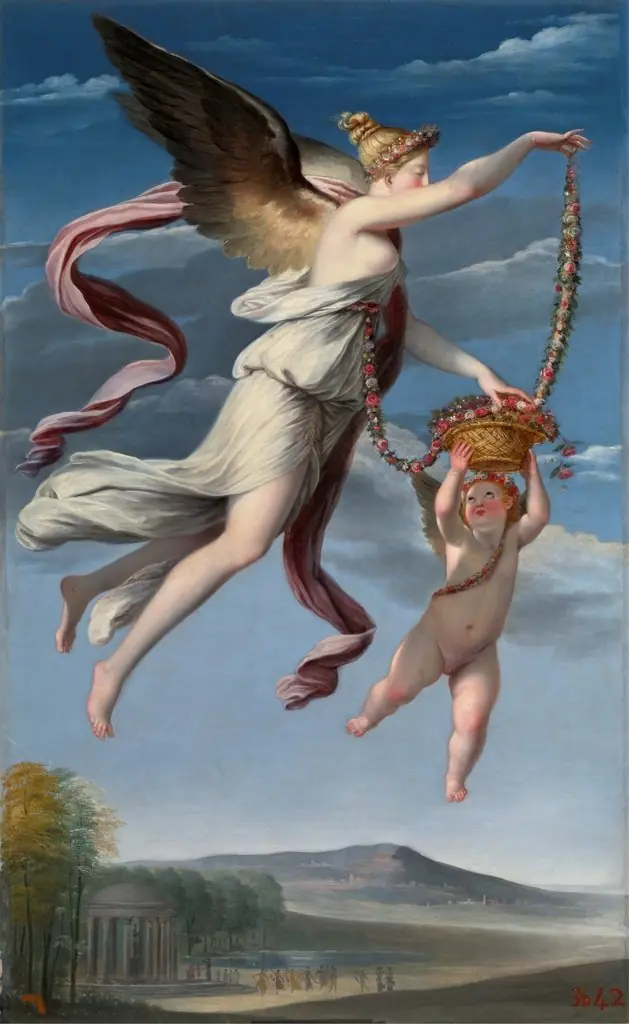
Allegory of Noon
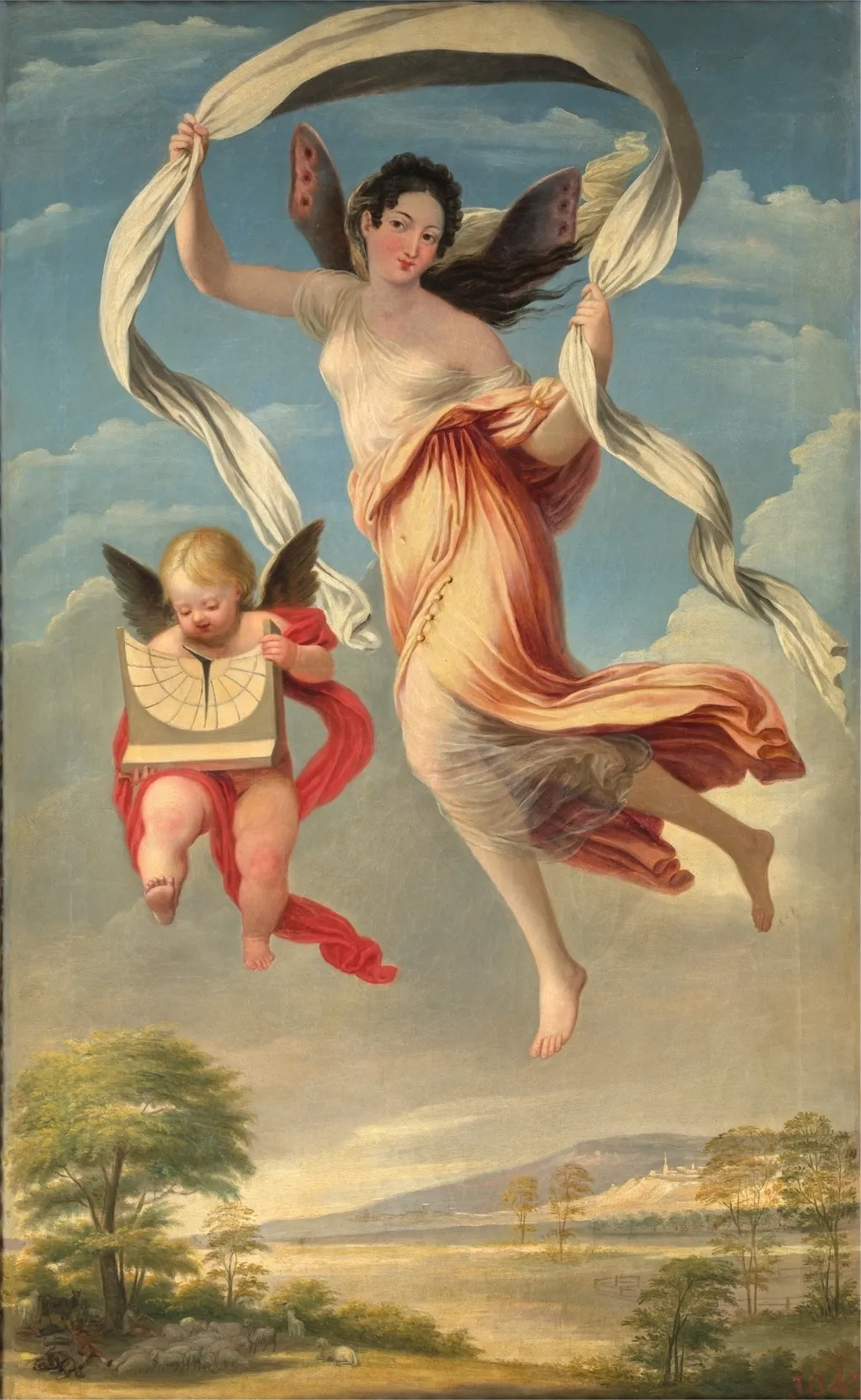
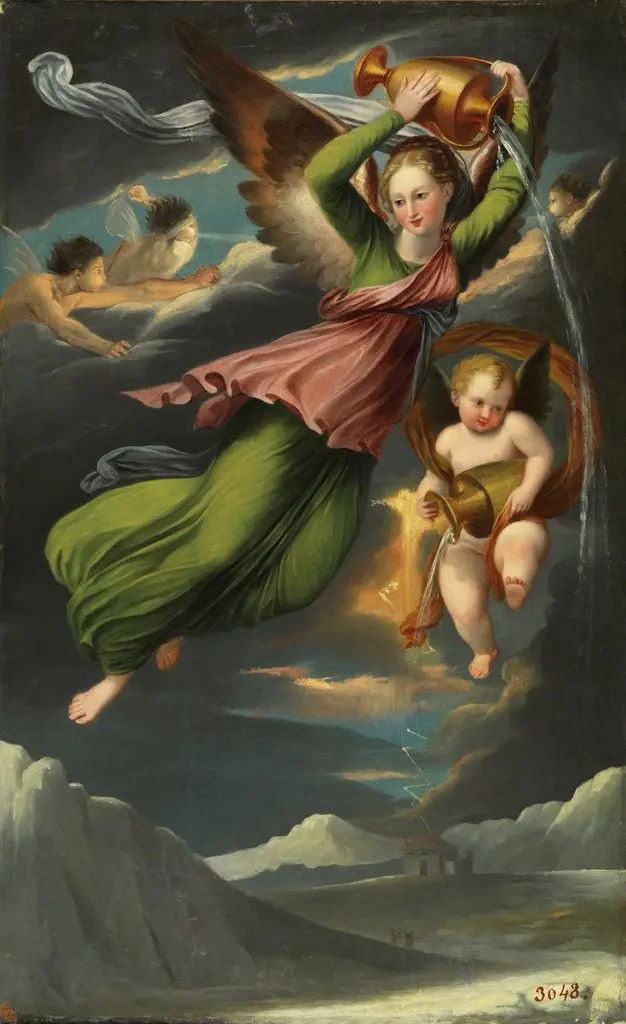
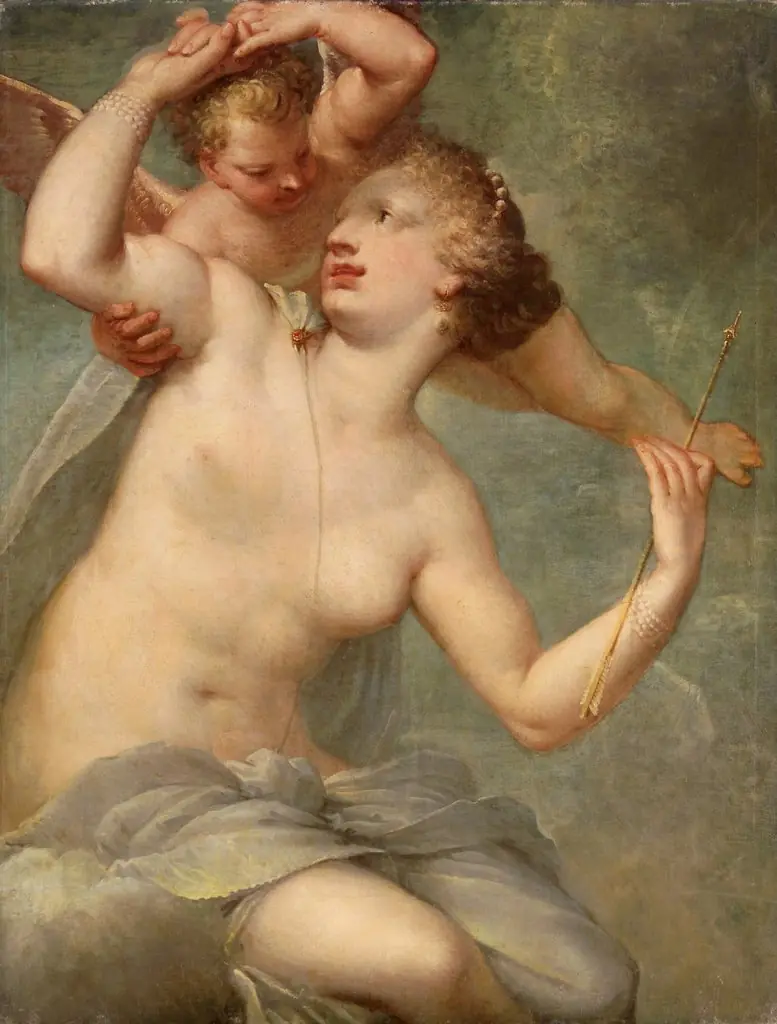
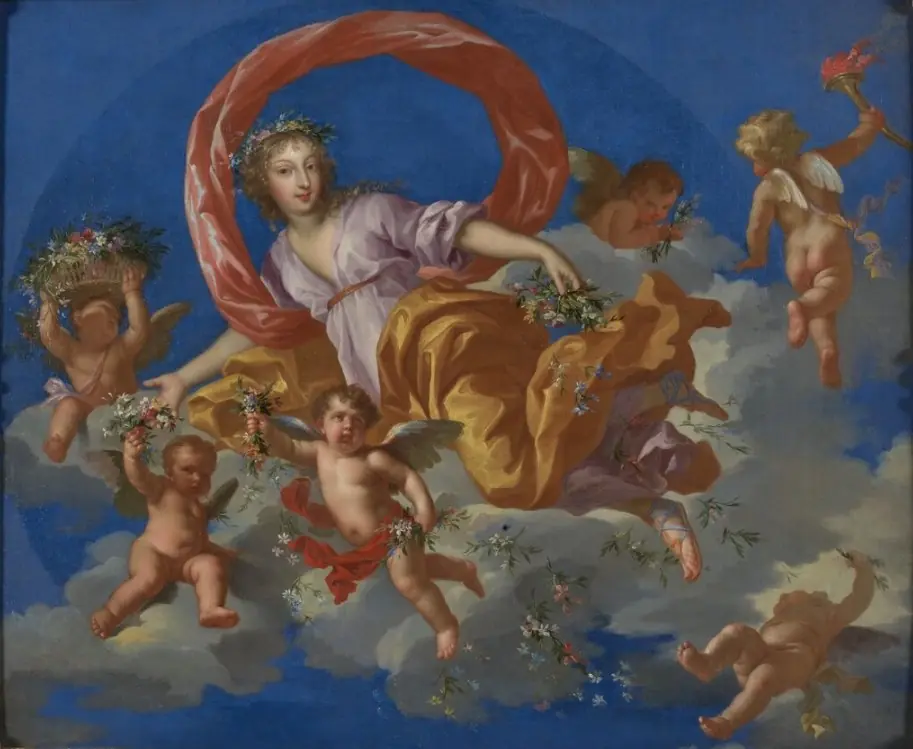
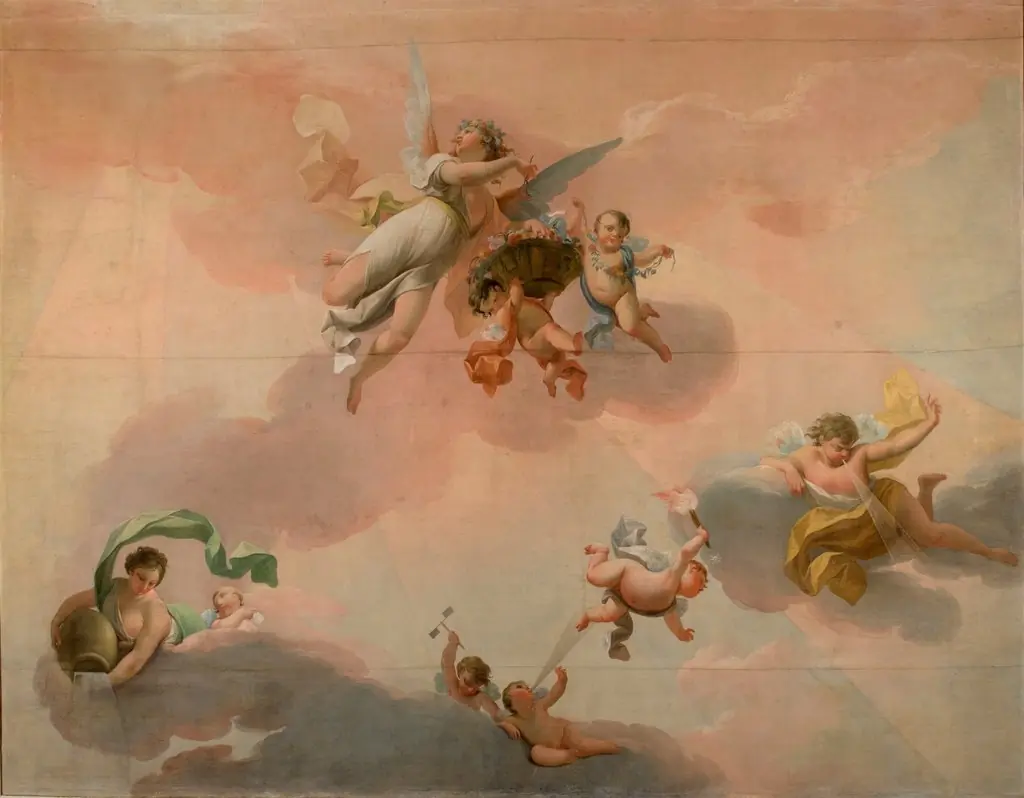
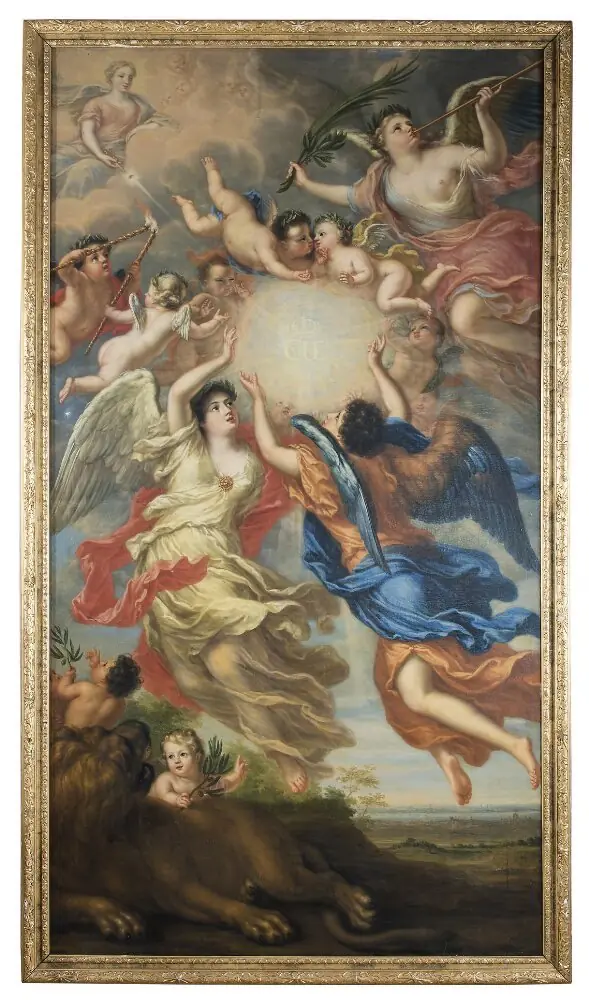
Allegory of Noon is an oil painting by the Spanish Baroque Tenebrist artist José de Madrazo y Agudo. It dates from 1819 and is held in the collection of the Museo del Prado.
About this work
Subject & Meaning
The composition centers on the depiction of a clock, serving as the primary iconographic element to represent the specific time of day referenced in the title.
José de Madrazo y Agudo's 1819 work, Allegory of Noon, is an oil painting on canvas that functions as a visual allegory. The composition centers on the depiction of a clock, serving as the primary iconographic element to represent the specific time of day referenced in the title. As an allegorical genre piece, the inclusion of the timepiece symbolizes the concept of noon, utilizing the instrument to convey the passage of time or the specific moment of midday within the painting's narrative framework.
Technique & Style
Allegory of Noon, painted by José de Madrazo y Agudo in 1819, is an oil painting executed on canvas. The work measures 91 cm in height and 55 cm in width, reflecting a conventional allegorical composition centered on a prominent clock motif. Its formal qualities are defined by the smooth handling of oil paint, the balanced spatial arrangement, and the restrained palette typical of early‑19th‑century academic allegory.
History & Provenance
Allegory of Noon is an oil painting on canvas created in 1819 by José de Madrazo y Agudo. It was commissioned as an allegorical work and is currently held in the collection of the Museo del Prado, where it remains on display. The painting measures 91 cm in height and 55 cm in width.
Allegory of Noon by José de Madrazo y Agudo is held in the collection of the Museo del Prado. The painting, executed in oil on canvas in 1819, is catalogued within the museum's holdings alongside the artist's other allegorical works.
No specific accession number is recorded in the available sources, and the documentation does not list any past exhibitions or loans for the work.
Legacy
Allegory of Noon, painted by José de Madrazo y Agudo in 1819, entered the collection of the Museo del Prado and has remained on display there. The work, an oil-on-canvas allegory depicting a clock, continues to be cited in studies of early‑nineteenth‑century Spanish allegorical painting and is referenced in museum catalogues as a representative example of the period’s symbolic use of time. Its presence in the Prado’s permanent exhibition has contributed to sustained scholarly attention to Madrazo’s role in the neoclassical allegorical tradition.
Overview
Allegory of Noon is an 1819 oil painting by José de Madrazo y Agudo, a key figure in Spanish Neoclassicism. The work is characterized by its blend of allegorical themes and tenebrist elements, typical of the Spanish Baroque tradition.
Context
The painting reflects the early 19th-century artistic climate in Spain, where Neoclassicism, with its emphasis on classical ideals, coexisted with lingering Baroque traditions. Madrazo’s work navigates these styles, producing a unique allegorical piece.
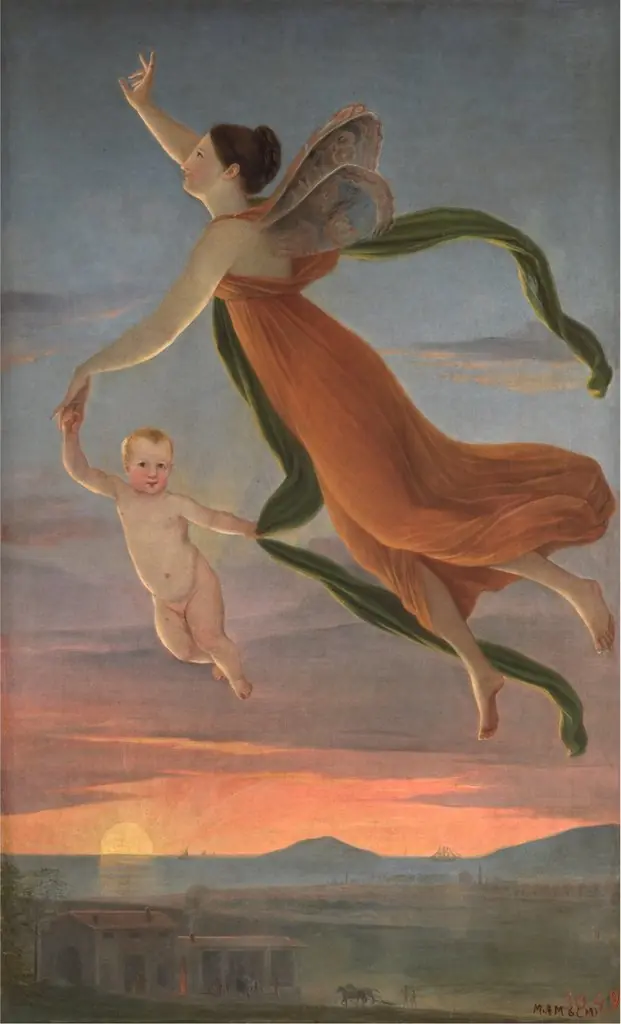
Artist & collection
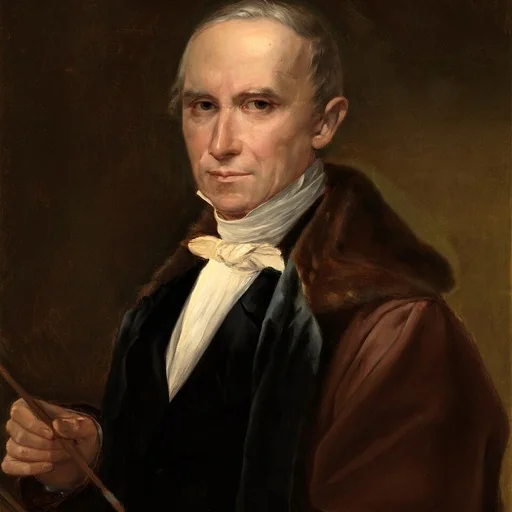
Artist
José de Madrazo y Agudo (22 April 1781 – 8 May 1859) was a Spanish painter and engraver; one of the primary exponents of the Neoclassical style in Spain.