Artwork
Ferdinand VII of Spain on Horseback
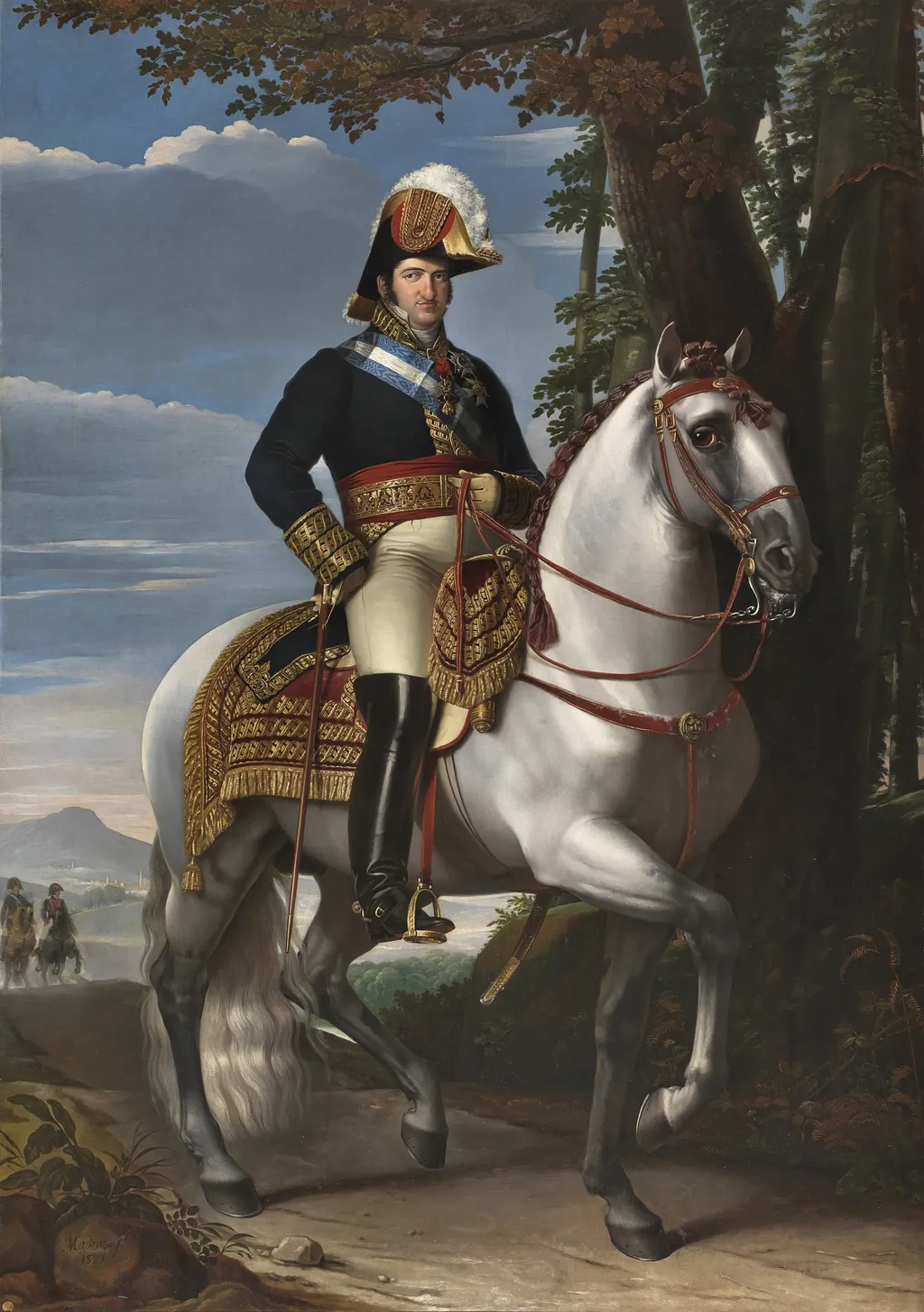
Ferdinand VII of Spain on Horseback is an oil painting by José de Madrazo y Agudo. It dates from 1821 and is held in the collection of the Museo del Prado.
About this work
Subject & Meaning
The inclusion of these high-ranking orders serves to visually reinforce his legitimacy and connection to historic dynastic traditions.
The work is an equestrian portrait depicting Ferdinand VII of Spain as the central subject. The composition emphasizes the monarch's royal authority through specific regalia, showing him adorned with the Order of Charles III and the insignia of the Golden Fleece. Painted in 1821 by José de Madrazo y Agudo, the image functions as a formal representation of the Spanish king's power and status.
The inclusion of these high-ranking orders serves to visually reinforce his legitimacy and connection to historic dynastic traditions.
Technique & Style
Created in 1821, Ferdinand VII of Spain on Horseback is an oil painting executed on canvas by José de Madrazo y Agudo. The work functions as a grand equestrian portrait, depicting the monarch adorned with the insignia of the Order of Charles III and the Golden Fleece. The composition is monumental in scale, measuring 353 cm in height and 249.5 cm in width.
The artist employs oil paint to render the formal regalia and the dynamic posture of the horse, establishing the piece as a significant example of early 19th-century royal portraiture.
History & Provenance
The equestrian portrait of Ferdinand VII of Spain was painted by José de Madrazo y Agudo in 1821. It was created as a commissioned work for the Spanish court and originally entered the collection of the Museo del Prado, where it remains on display. The painting measures 353 centimeters by 249.5 centimeters and depicts the king adorned with the Order of Charles III and the Golden Fleece. Its creation history is documented by the Museo del Prado's catalog entries and archival records.
The painting is held in the collection of the Museo del Prado, as recorded in its institutional data. Its medium is oil on canvas, and it measures 353 cm in height by 249.5 cm in width.
No specific inventory or accession number is documented in the available sources, and no exhibition history is recorded for the work.
Context
The painting was praised in early 19th‑century Spanish circles for its heroic vigor and technical finesse, a reception echoed in contemporary newspaper accounts that highlighted its dignified portrayal of the monarch. Modern scholarship situates the work within Madrazo’s role as court painter, emphasizing how his equestrian portraits helped shape the visual propaganda of the restored monarchy. Its placement in the Museo del Prado underscores its significance as a canonical example of Spanish neoclassicism, bridging the gap between Enlightenment ideals and the emerging Romantic sensibility in early nineteenth‑century Europe.
Overview
Created in 1821 by José de Madrazo y Agudo, a prominent Spanish Neoclassical painter, the work portrays King Ferdinand VII mounted on a white horse. Executed in oil on canvas, the portrait is part of the Museo del Prado’s collection and exemplifies the period’s preference for clear composition and formal balance.
Own this work as a print
Artist & collection
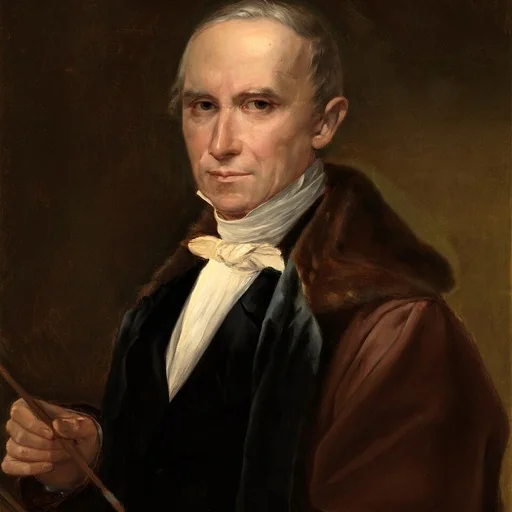
Artist
José de Madrazo y Agudo (22 April 1781 – 8 May 1859) was a Spanish painter and engraver; one of the primary exponents of the Neoclassical style in Spain.

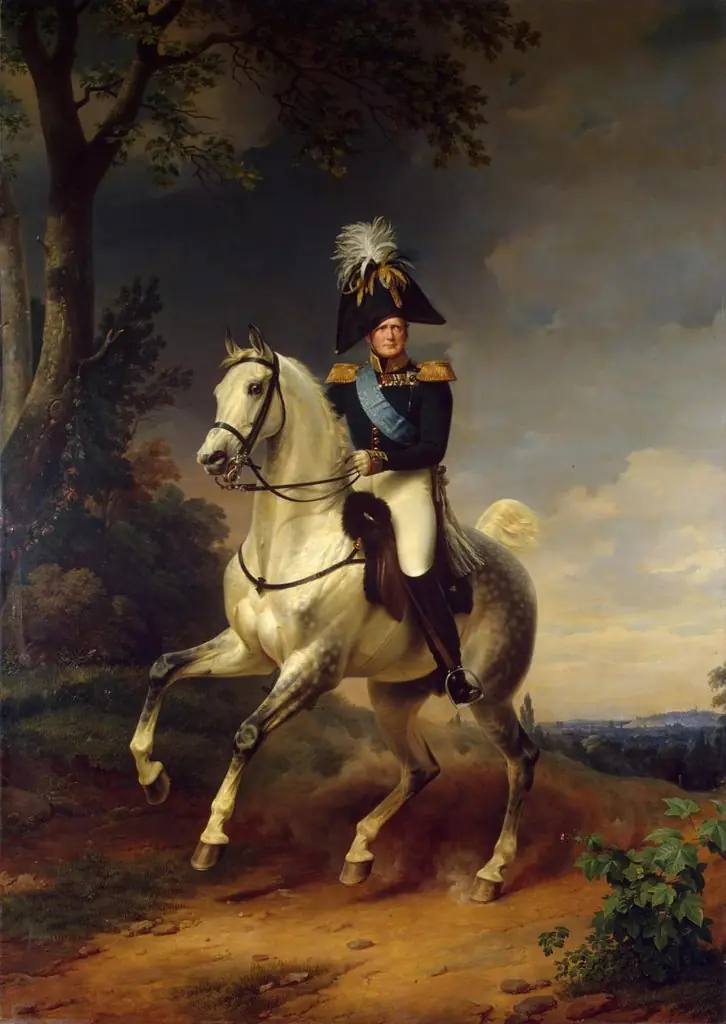 Equestrian Portrait of Alexander I (1777–1825)
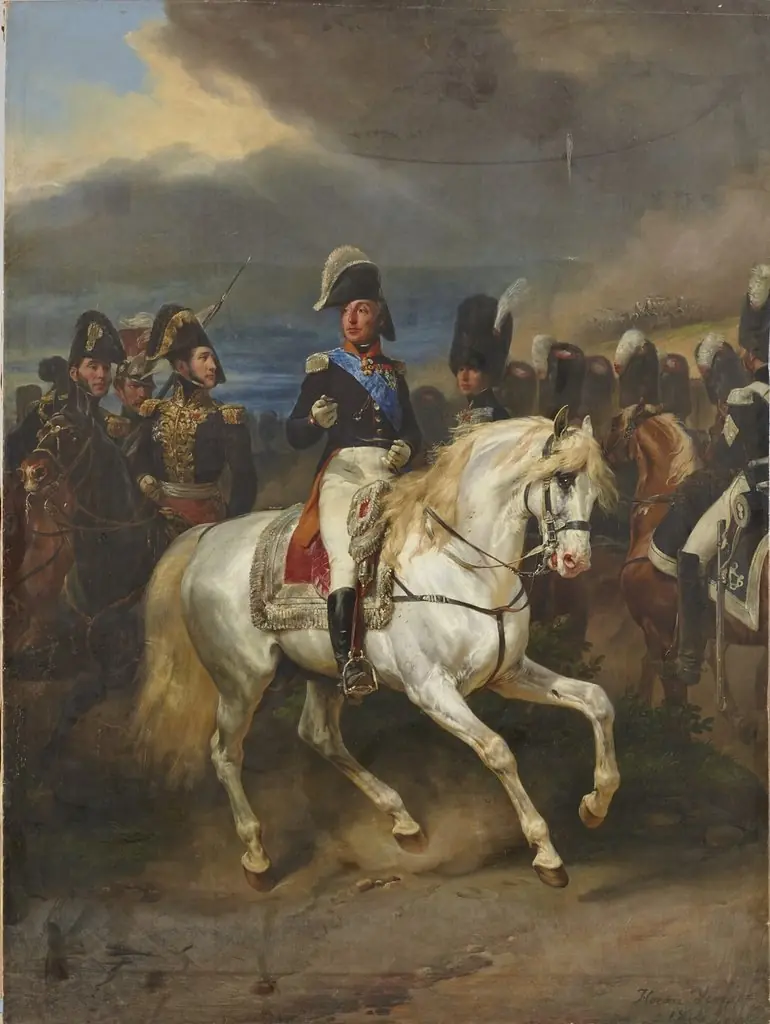 Portrait of the Duke of Angoulême
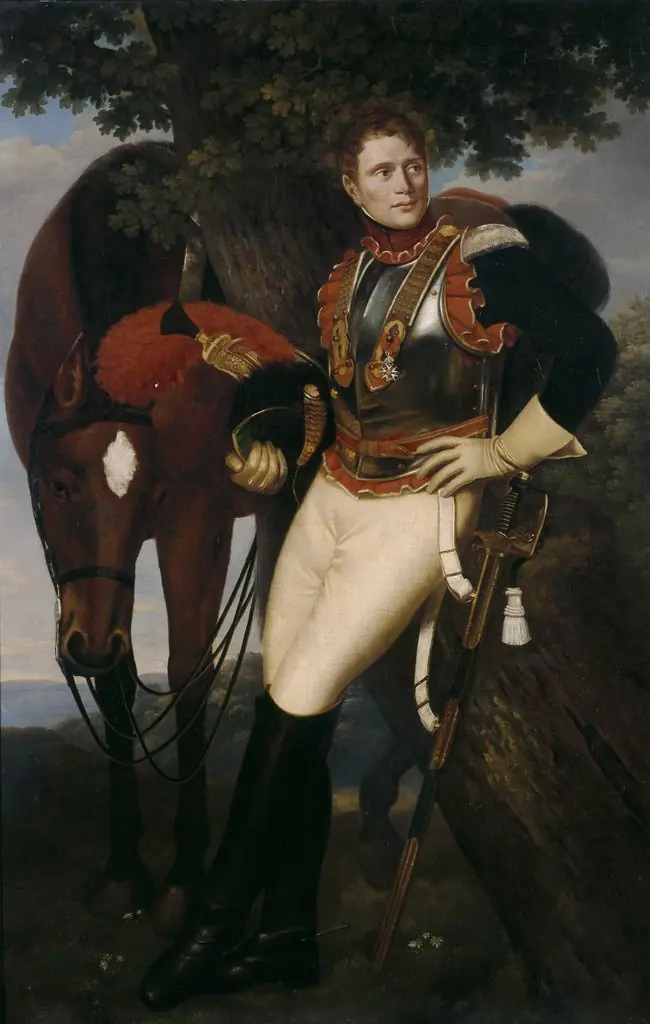 El coracero Jean Baptiste Poret-Dulongval
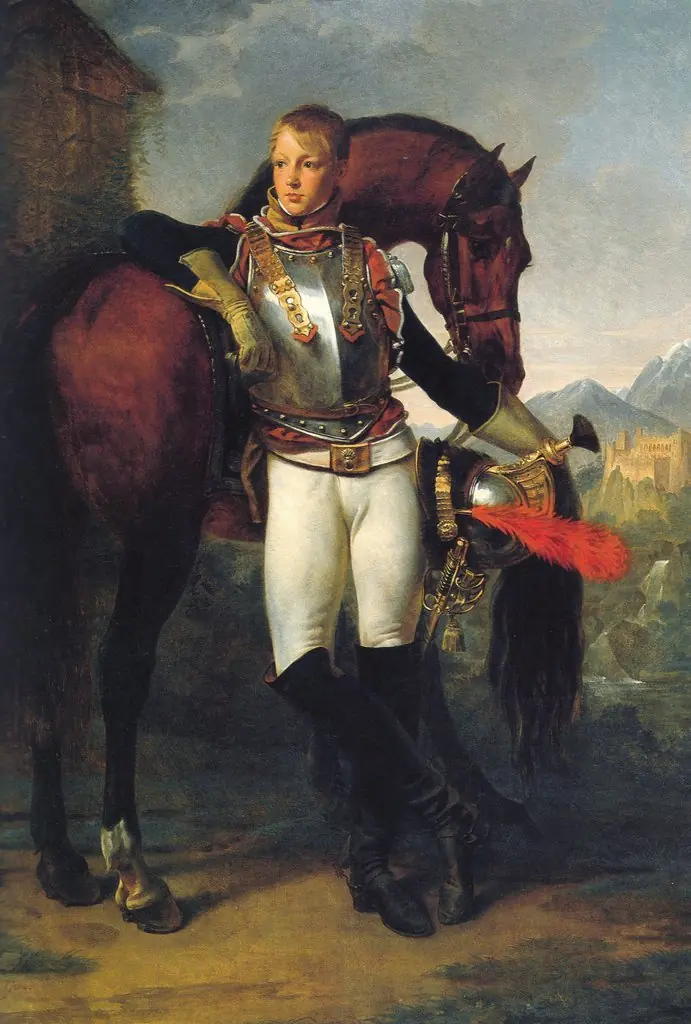 Portrait of Second Lieutenant Charles Legrand
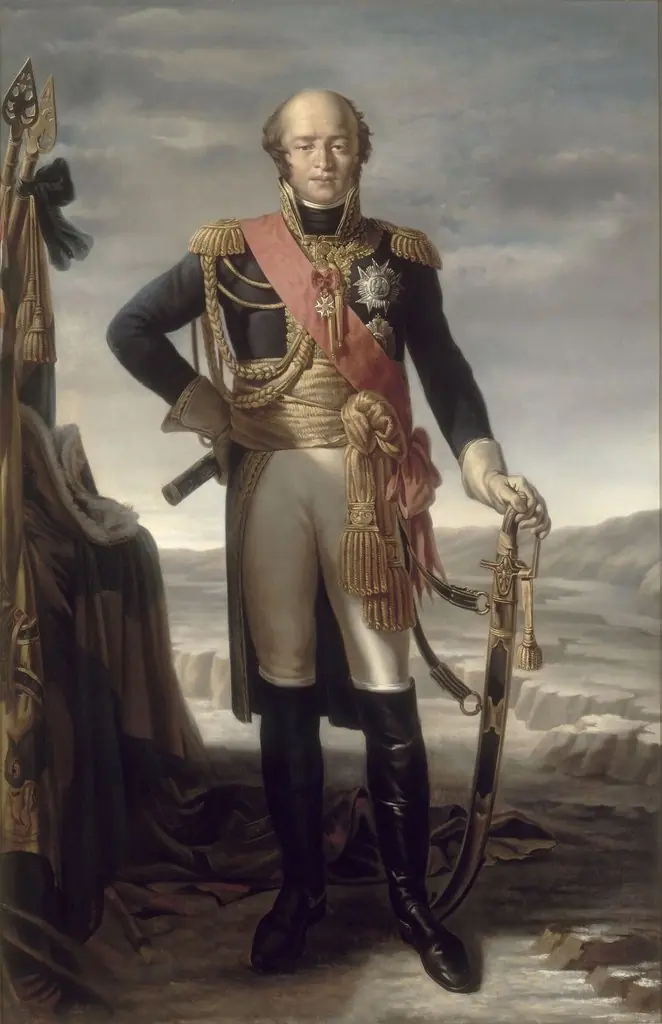 Portrait de Louis Nicolas Davout
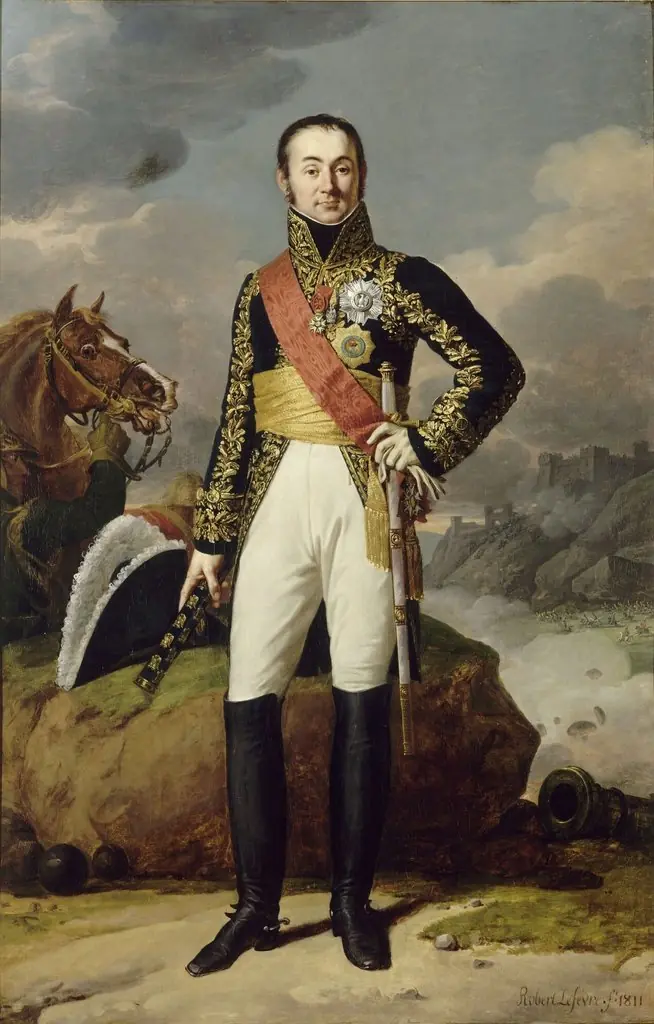 Nicolas-Charles Oudinot, Duke of Reggio, Marshal of France (1767-1847)
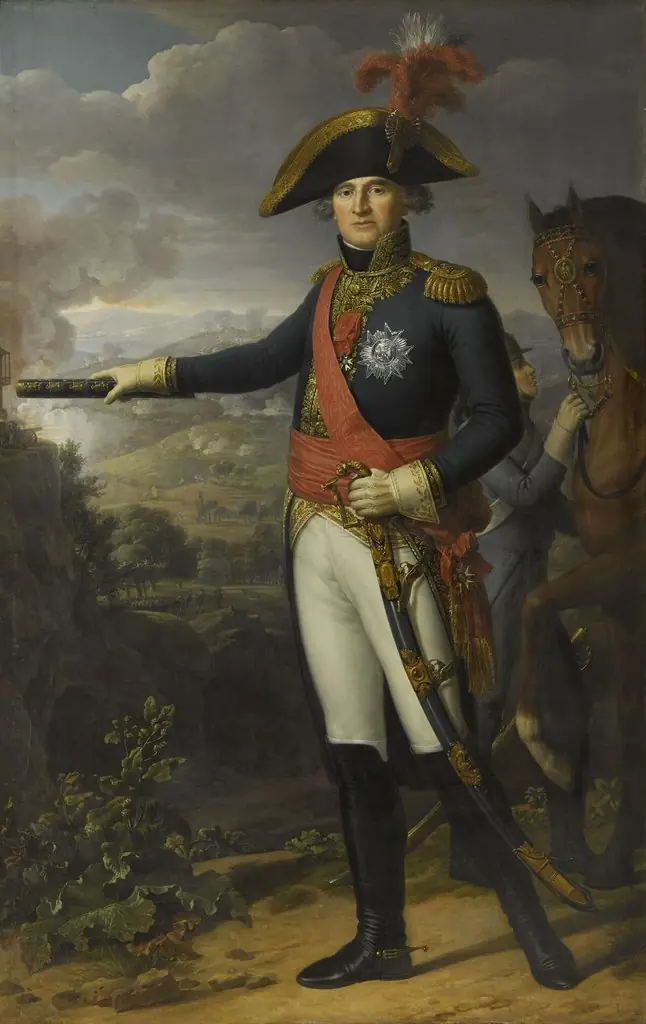 Jean Mathieu Philibert Serurier (1742-1819)
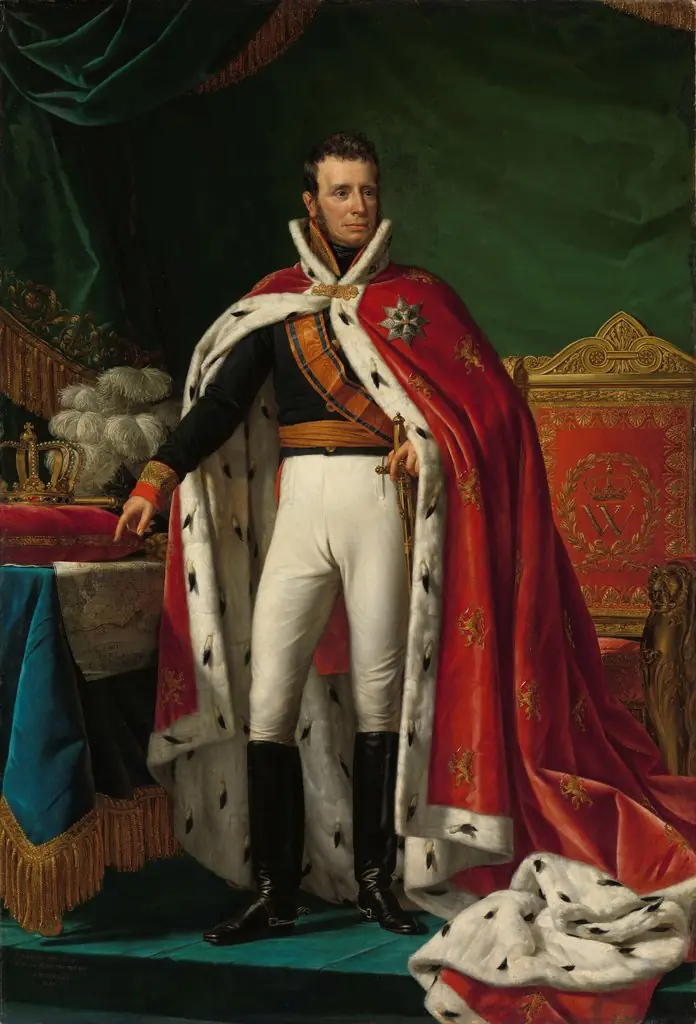 Portrait of William I, King of the Netherlands
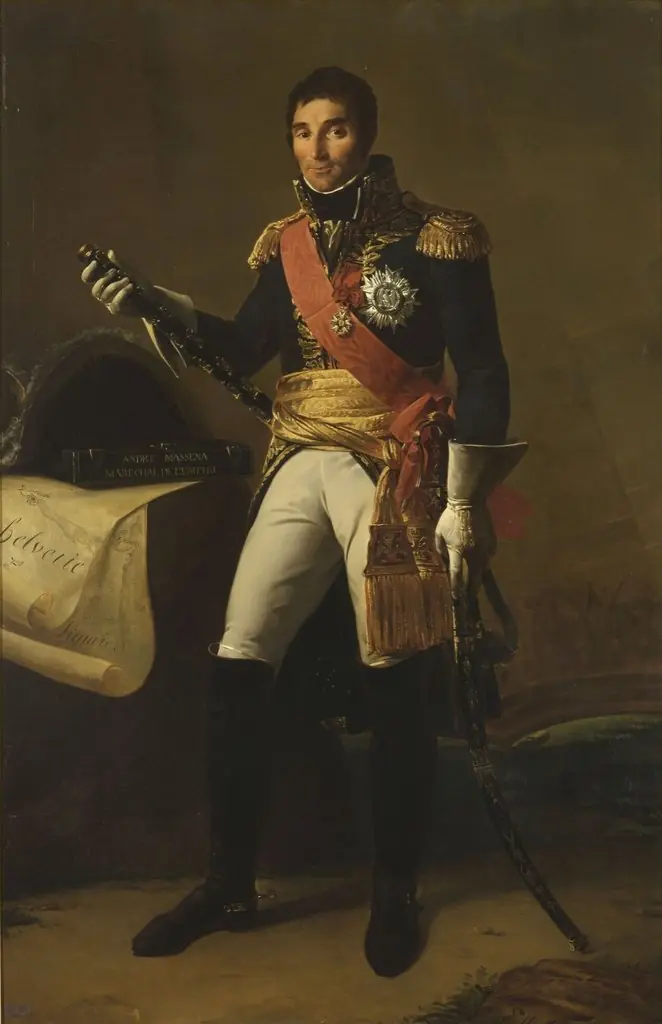 Le maréchal André Masséna (1758-1817), duc de Rivoli et prince d'Essling.