Artwork
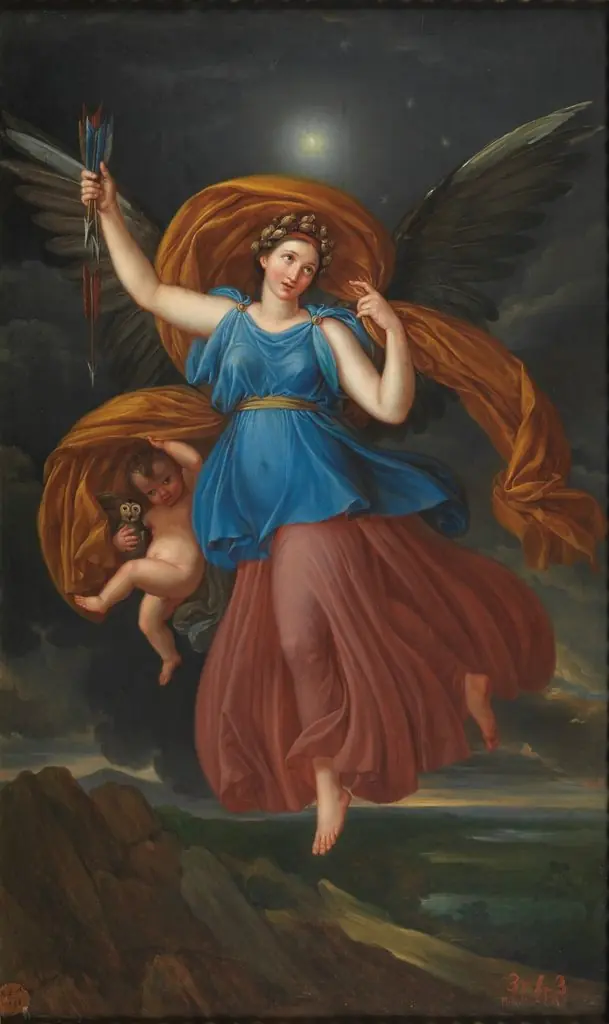
Alegoría del Invierno
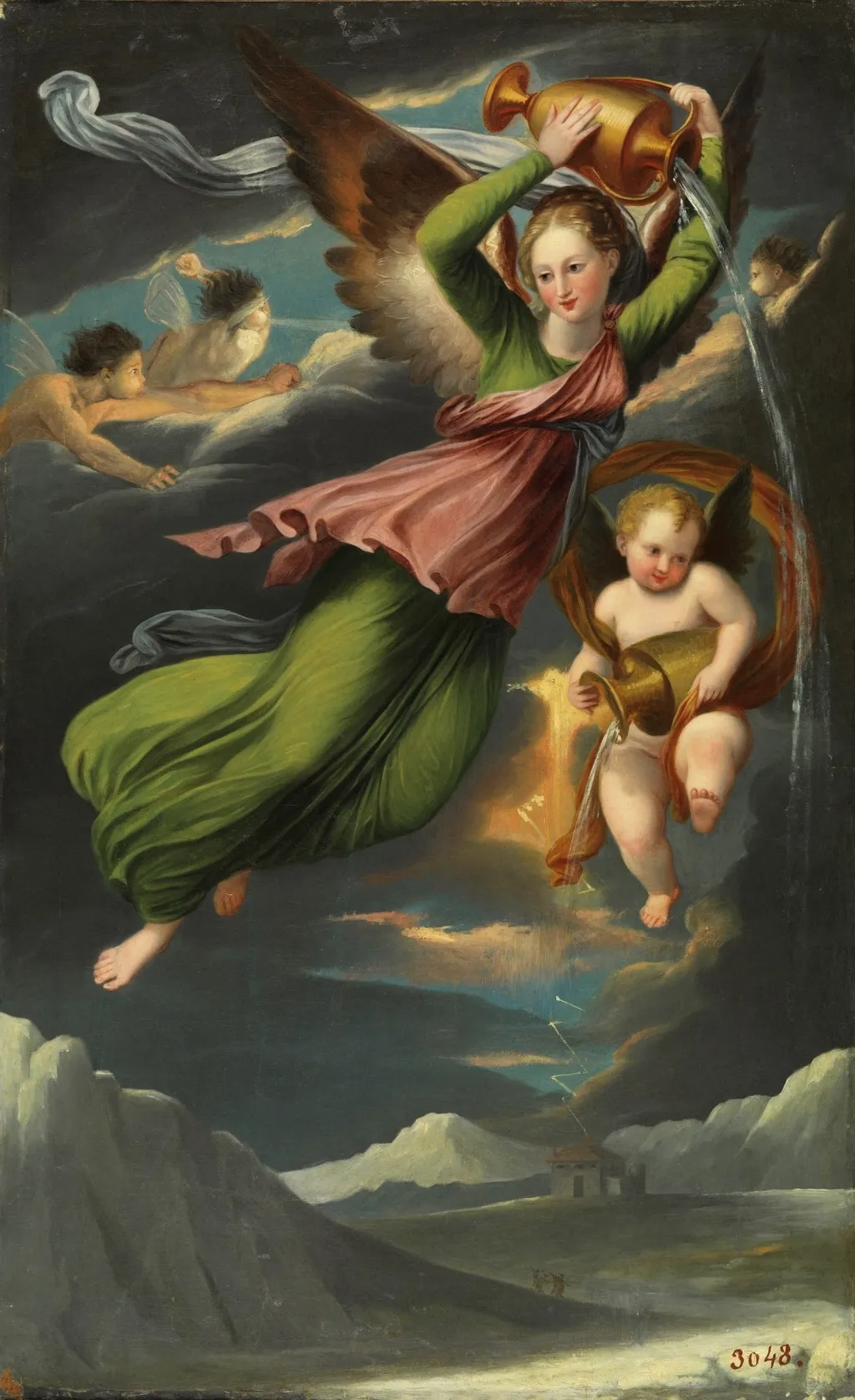
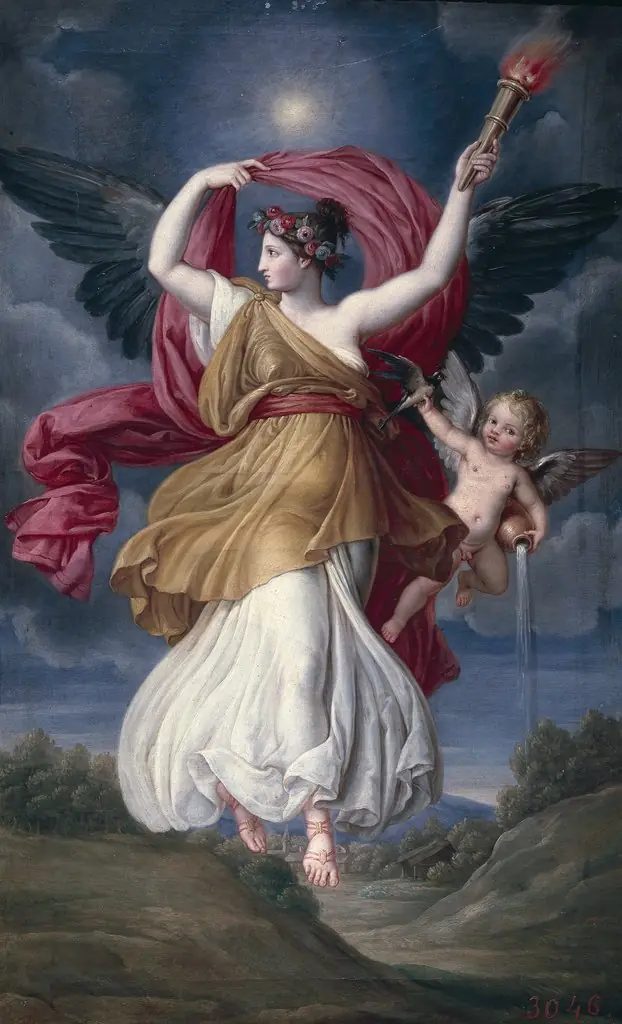
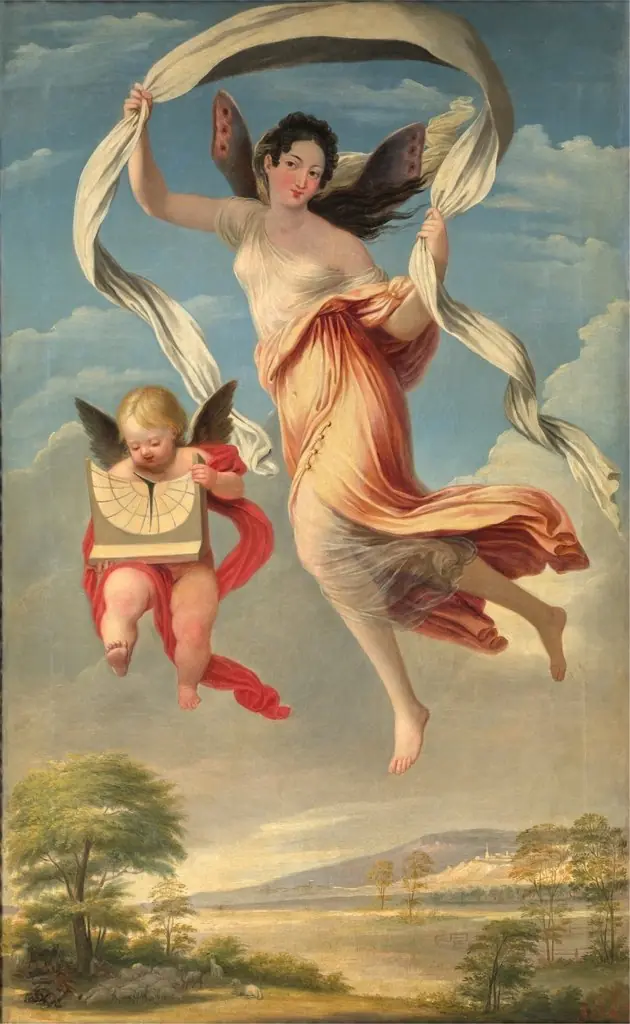
Alegoría del Invierno is an oil painting by the Spanish Baroque Tenebrist artist José de Madrazo y Agudo. It dates from 1819 and is held in the collection of the Museo del Prado.
About this work
Subject & Meaning
It depicts a symbolic representation of winter rather than a literal scene, reflecting Enlightenment-era personification of abstract concepts.
The painting allegorizes winter through personified figures embodying cold and seasonal dormancy. It depicts a symbolic representation of winter rather than a literal scene, reflecting Enlightenment-era personification of abstract concepts. The allegory conveys themes of stillness and the cyclical nature of seasons, consistent with neoclassical approaches to moral and natural philosophy in early nineteenth-century Spanish art.
Technique & Style
Alegoría del Invierno is an oil painting executed on canvas, a standard combination for academic allegorical works of the period. Its vertical, relatively narrow format is documented at 87 cm in height by 54 cm in width, a proportion suited to a single-figure allegorical composition.
The work belongs to the genre of allegory and treats winter as its main subject, consistent with a personification format in which a single figure embodies the season. Its classification as a painting held by the Museo del Prado, with provenance traced to Elisabeth Farnese, situates it within the Spanish royal collection tradition and the canonical handling associated with José de Madrazo y Agudo's early production.
No specific condition report, surface treatment, or stylistic analysis is documented in the available sources.
History & Provenance
José de Madrazo y Agudo created the oil-on-canvas painting Alegoría del Invierno in 1819. The work is classified as an allegorical genre piece depicting the season of winter. Historical records indicate that the painting was owned by Elisabeth Farnese. The artwork is currently held in the collection of the Museo del Prado.
Alegoría del Invierno is held in the collection of the Museo del Prado in Madrid. The painting, created by José de Madrazo y Agudo in 1819, was historically owned by Elisabeth Farnese before entering the museum's holdings. While the work is part of the permanent collection, specific inventory numbers and a detailed record of past exhibitions are not provided in the available documentation.
Context
Alegoría del Invierno, painted by José de Madrazo y Agudo in 1819, exemplifies early 19th-century Spanish allegorical tradition through its depiction of winter as a symbolic season. The work’s formal qualities, oil on canvas measuring 87 cm in height and 54 cm in width, reflect the technical conventions of the period while its subject aligns with neoclassical interests in personified seasonal cycles. Its inclusion in the Museo del Prado’s collection, acquired via ownership by Elisabeth Farnese, situates it within Madrid’s evolving institutional art landscape, where state-supported academies promoted allegorical narratives that reinforced cultural ideals.
Contemporary scholarship positions the painting as a representative example of Madrazo’s transitional style, bridging academic rigor and emerging Romantic sensibilities in post-Napoleonic Spain. Its critical reception has been interpreted as part of broader 19th-century discourses on seasonal symbolism, though specific exhibition histories remain sparsely documented in available sources.
Overview
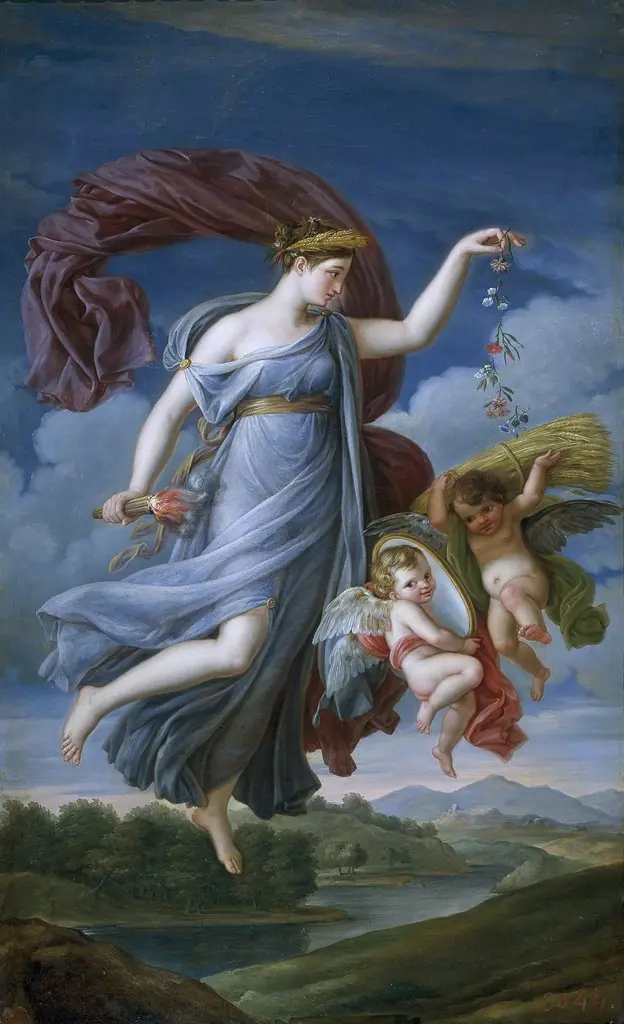
Created in 1819 by Spanish artist José de Madrazo y Agudo, Alegoría del Invierno is an oil painting that belongs to the allegorical tradition. The composition features a winged female figure suspended above a turbulent sky, a golden horn in her hand, and a cherubic attendant holding a small container. The work is part of the Museo del Prado’s collection.
Artist & collection
Artist
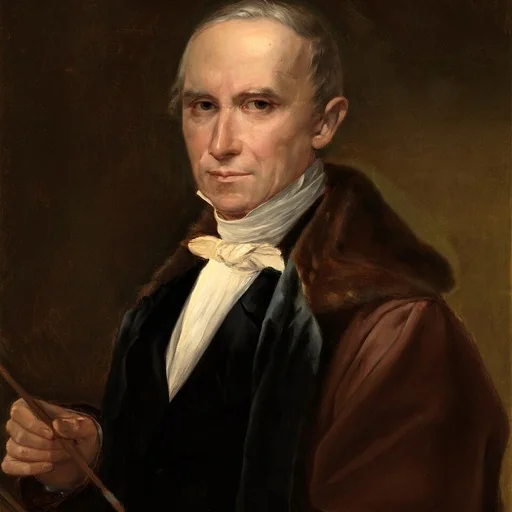
José de Madrazo y Agudo (22 April 1781 – 8 May 1859) was a Spanish painter and engraver; one of the primary exponents of the Neoclassical style in Spain.