Artwork
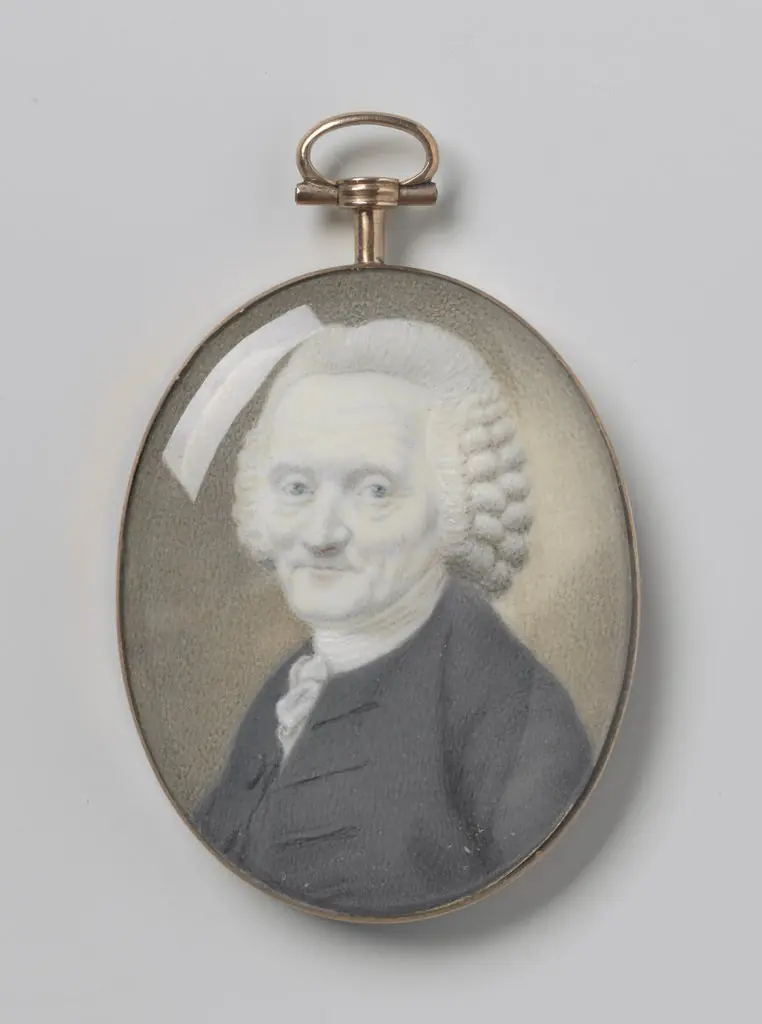
Portret van een man
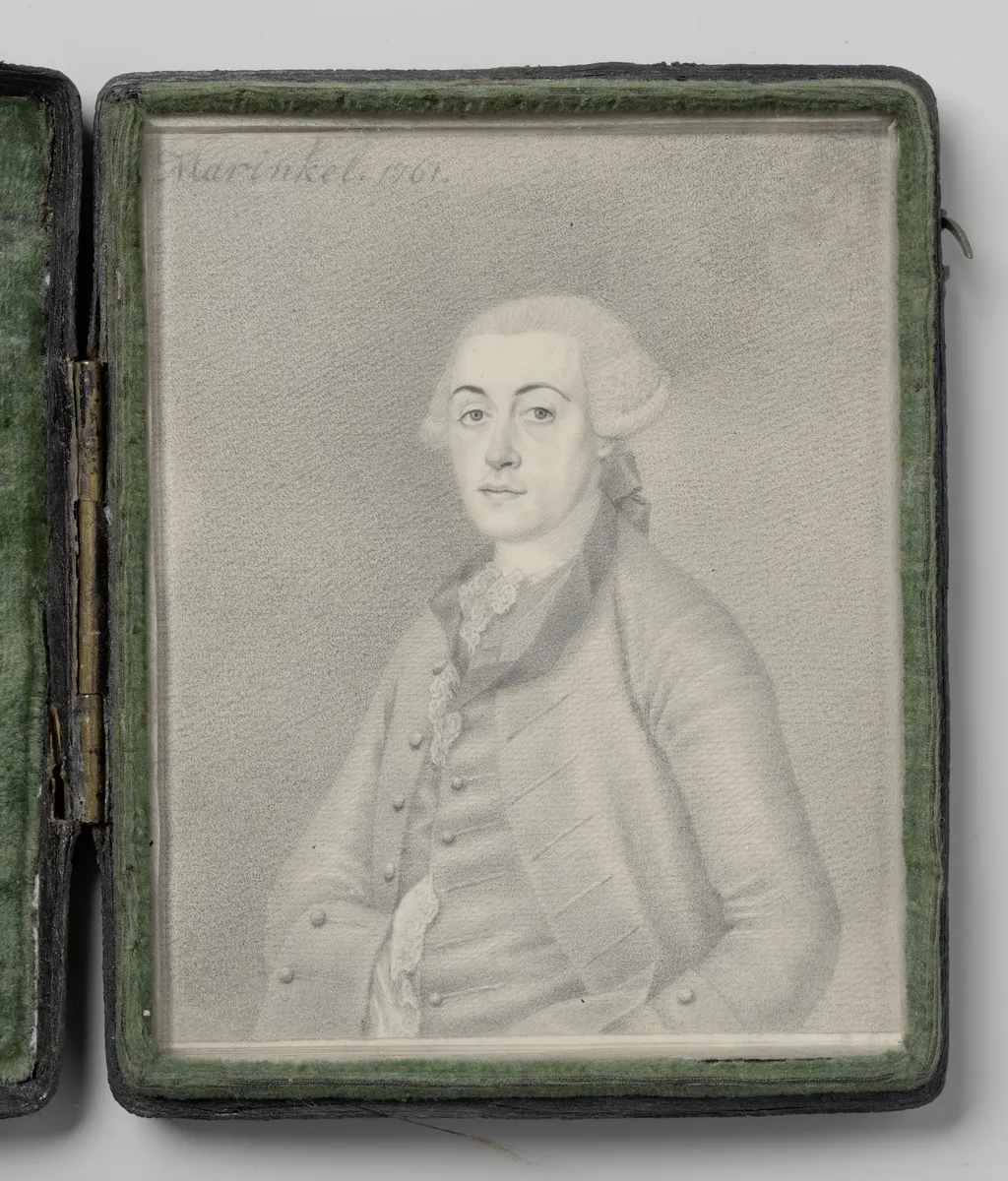
Portret van een man is a graphite painting by the Rococo painting artist Joseph Marinkelle. It dates from 1761 and is held in the collection of the Rijksmuseum.
About this work
Subject & Meaning
The painting Portret van een man depicts a solitary male sitter rendered in pencil on parchment, reflecting 18th‑century Dutch portrait conventions that emphasized individual dignity and moral virtue through restrained attire and direct gaze. The work’s iconography, centered on the figure’s upright posture and modest clothing, signals themes of respectability and intellectual contemplation, aligning with contemporary bourgeois ideals of self‑presentation. By situating the subject within the Rijksmuseum’s collection, the piece functions as a visual record of elite identity in the late‑18th century, offering insight into the cultural values attached to portraiture during that period.
Technique & Style
Created in 1761, Portret van een man by Joseph Marinkelle is executed in pencil on parchment. The work measures 10 cm in height and 8 cm in width, presenting a portrait of a male subject. Classified as a painting, the piece relies on the linear precision of the graphite medium against the textured surface of the prepared animal skin, characteristic of 18th-century portrait studies.
Overview
Joseph Marinkelle’s 1761 pencil portrait presents a solitary male figure rendered with a restrained palette. The drawing, modest in size, resides in the Rijksmuseum’s collection and exemplifies the artist’s focus on intimate, observational studies rather than grand narrative scenes.
History & Provenance
Created in 1761, the portrait entered the Rijksmuseum’s holdings as part of its broader acquisition of Dutch eighteenth‑century works. Its preservation in a faded state reflects both the age of the drawing and the museum’s commitment to conserving delicate paper‑based artworks.
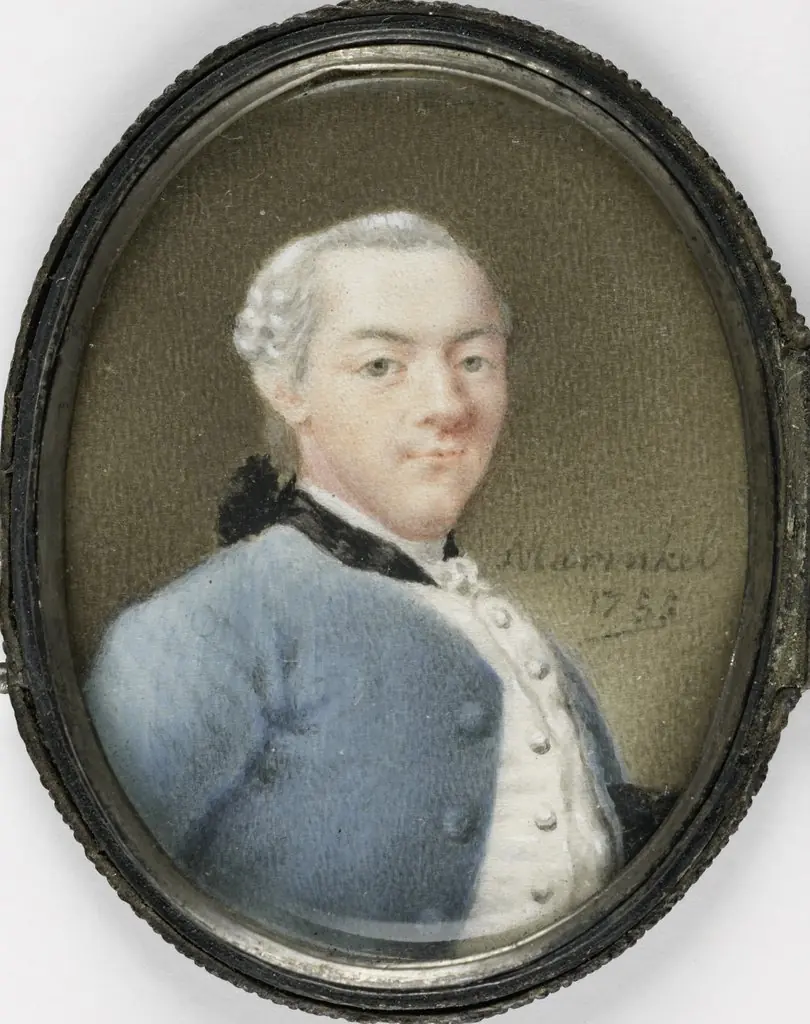
Own this work as a print
Artist & collection

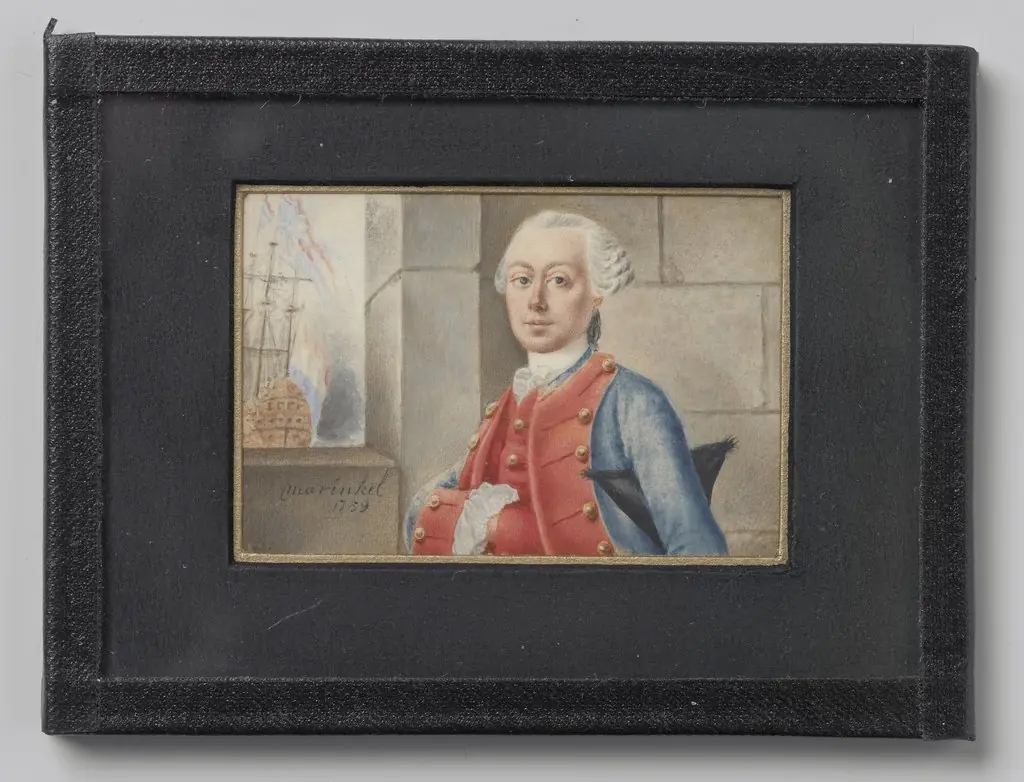
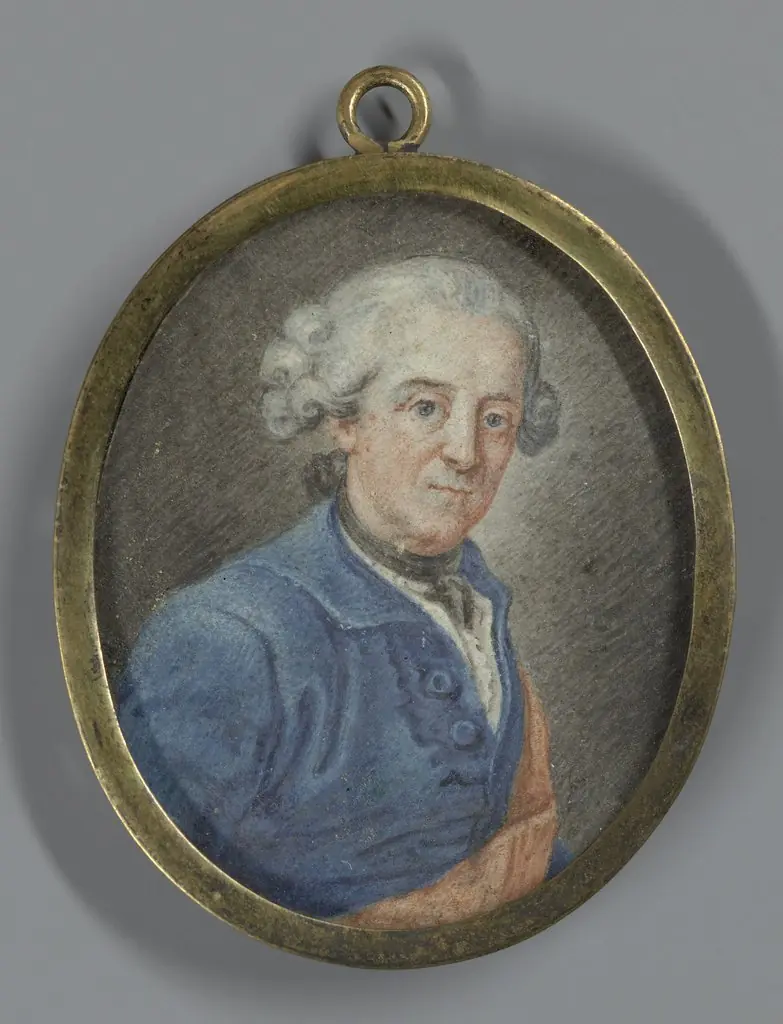 Portret van een man, vermoedelijk Frederik II (1712-86) de Grote, koning van Pruisen
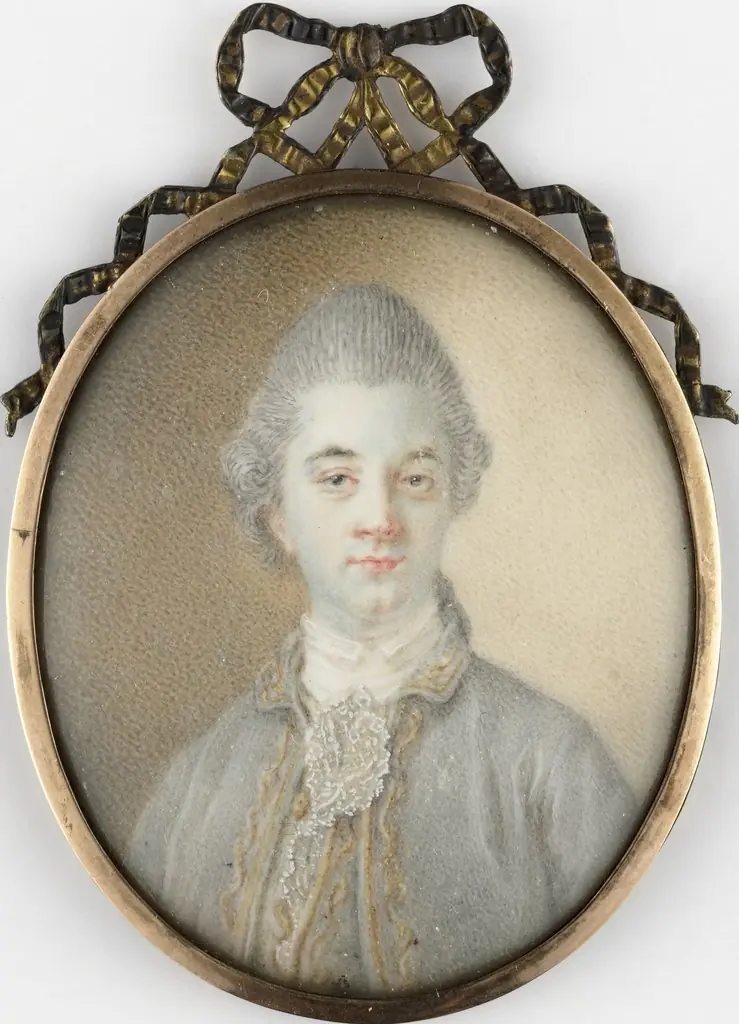 Mr. Willem Boreel (1744-1796), magistrate of Amsterdam
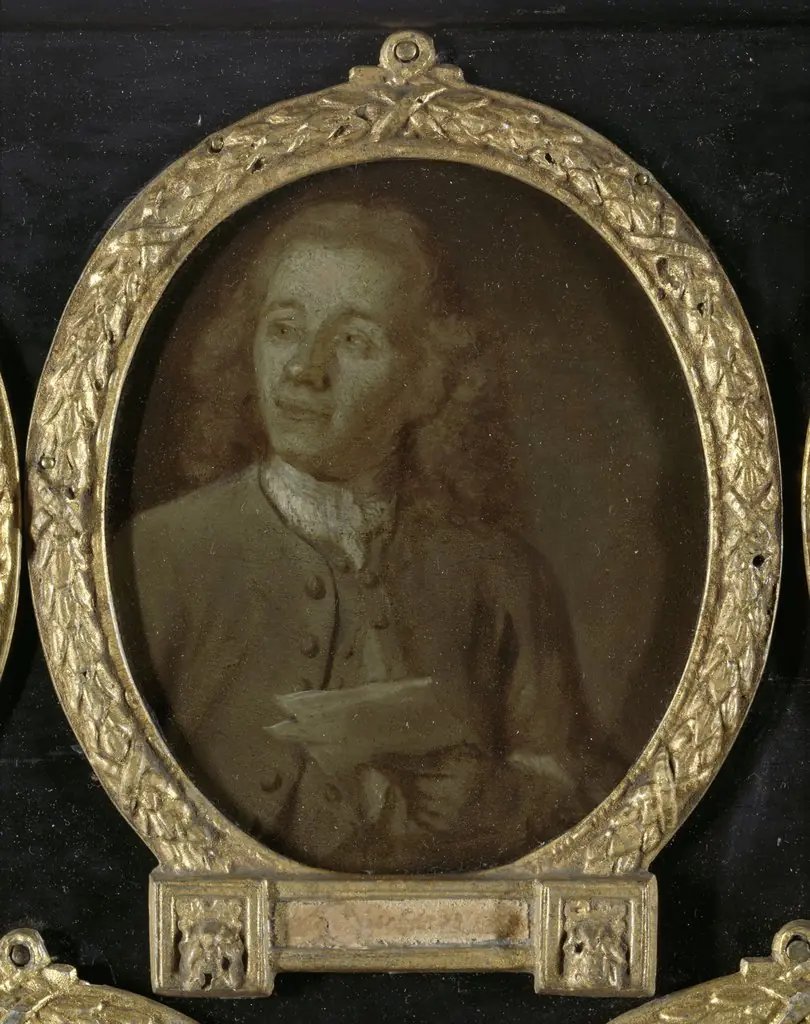 Portrait of Abraham Haen the Younger, Draftsman, Etcher and Poet in Amsterdam
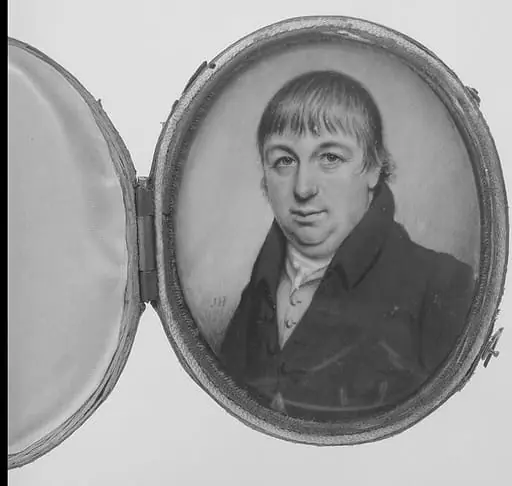 Samuel Goodwin, Sr.
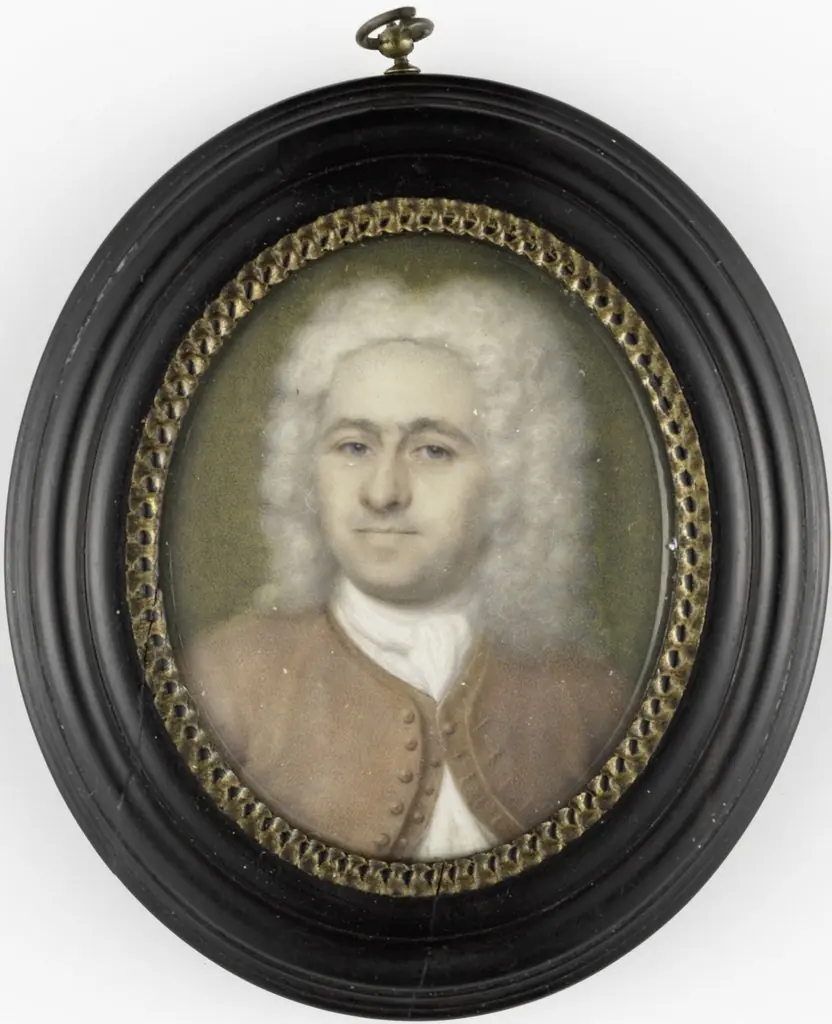 Herman Wolters (1682-1756). husband of the painter
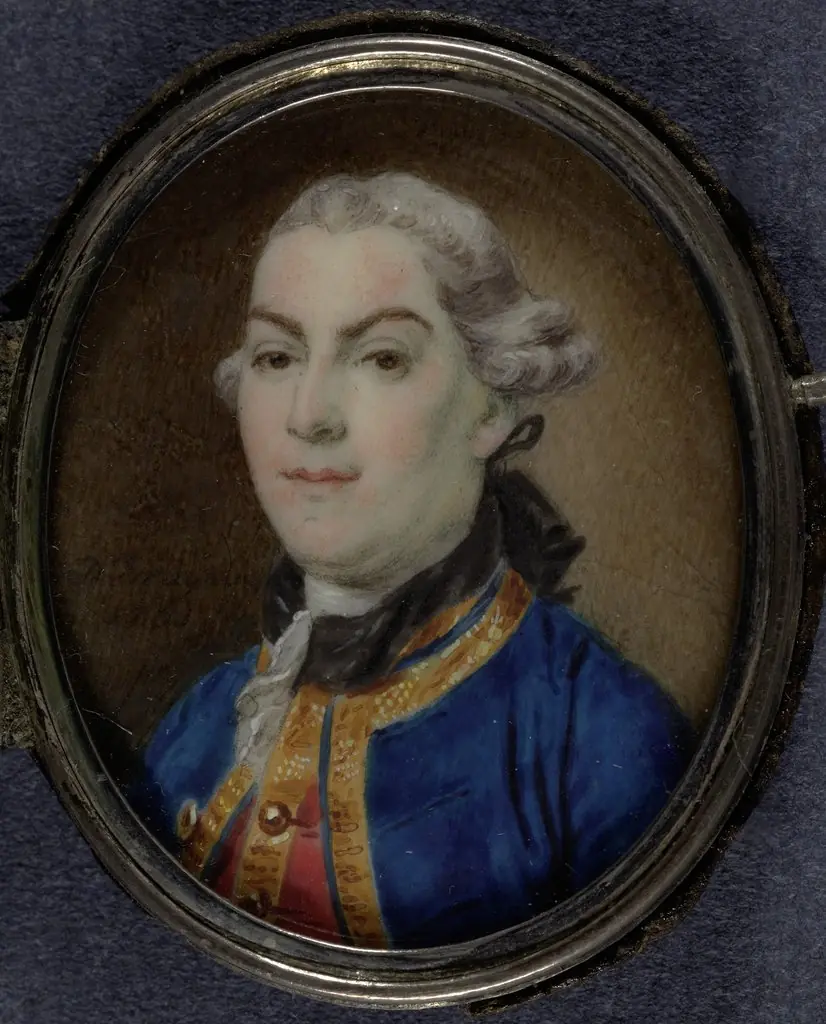 Portrait of a man
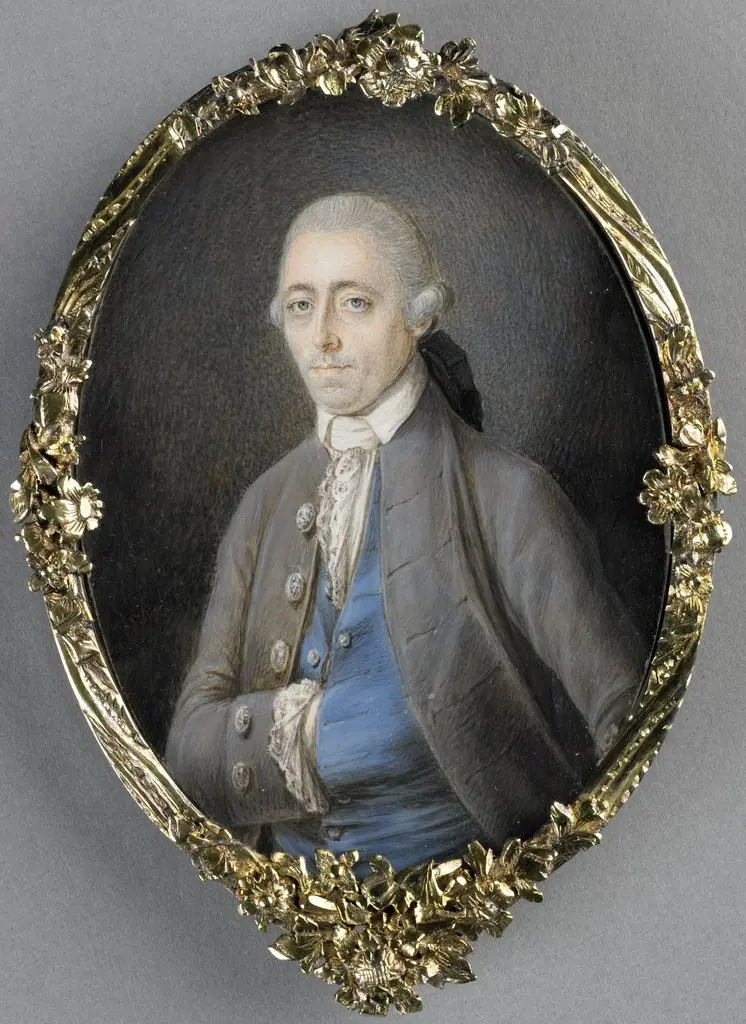 Portrait of Johannes Wesenhagen (1743-1803)
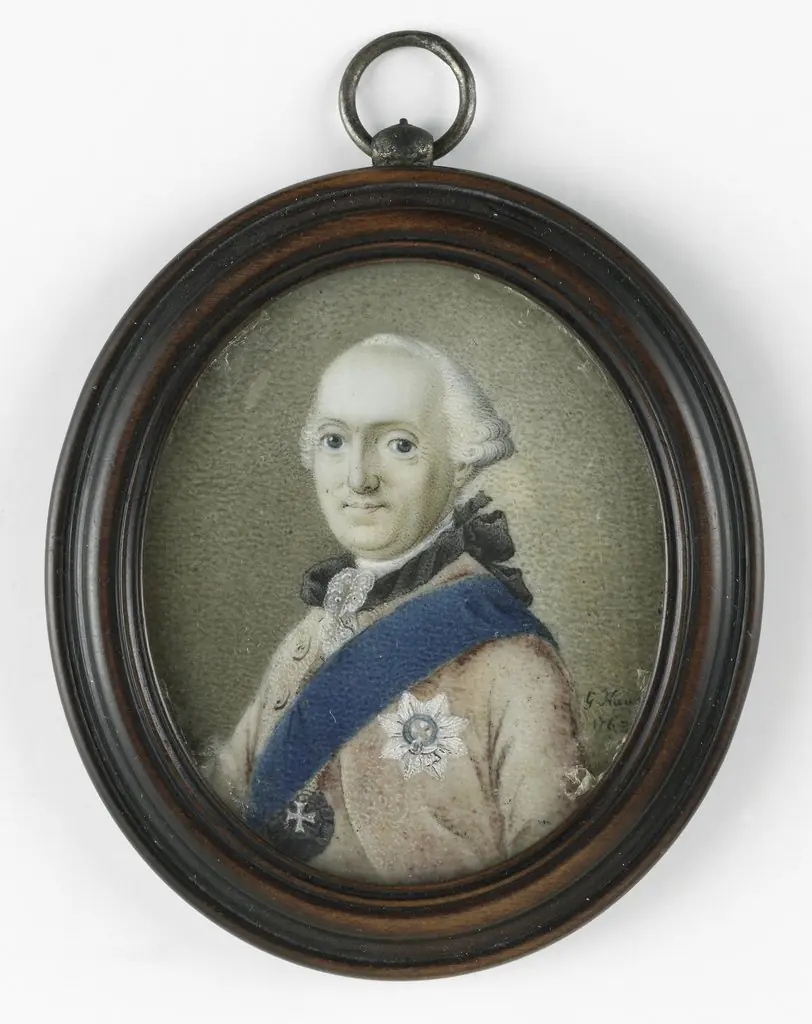 Karl Wilhelm Ferdinand (1735-1806), Duke of Brunswick-Luneburg