Artwork
Herman Wolters (1682-1756). husband of the painter
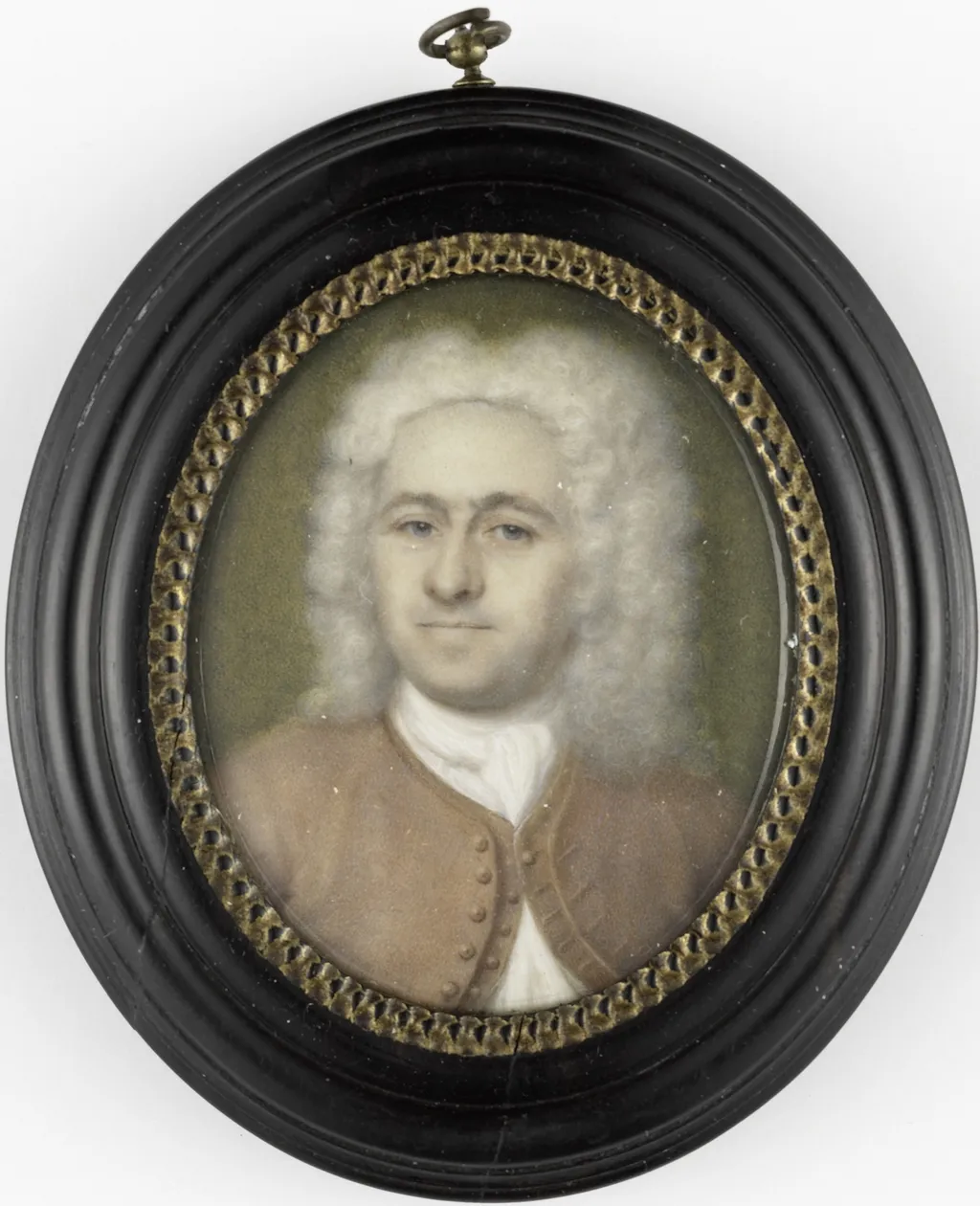
Herman Wolters (1682-1756). husband of the painter is an ivory painting by the Rococo painting artist Henriette Wolters-van Pee. It dates from 1726 and is held in the collection of the Rijksmuseum. Henriette Wolters‑van Pee’s 1726 ivory portrait presents her husband, Herman Wolters (1682–1756).
About this work
Subject & Meaning
The subject is identified solely as Herman Wolters, with no further interpretation of his representation provided in the source data.
The work is a portrait depicting Herman Wolters, the husband of the artist Henriette Wolters-van Pee. Created in 1726, the piece presents the sitter as the main subject without additional iconographic elements or symbolic attributes described in the available records. As a portrait executed in ivory, the artwork functions primarily as a likeness of the individual rather than a narrative scene containing complex allegorical meaning.
The subject is identified solely as Herman Wolters, with no further interpretation of his representation provided in the source data.
Technique & Style
Created in 1726, this portrait of Herman Wolters is executed in ivory, a material that defines its formal and technical character. The work measures 6.8 cm in height and 5.5 cm in width, indicating a small-scale, intimate format typical of miniature portraiture. As a painting on ivory, the piece relies on the translucency and smooth texture of the support to achieve delicate modeling of the sitter's features.
The classification as a portrait genre work reflects a focus on capturing the likeness and presence of the subject within these constrained dimensions.
History & Provenance
This ivory portrait depicting Herman Wolters was created in 1726 by the artist Henriëtte Wolters-van Pee. The work, which measures 6.8 cm in height and 5.5 cm in width, was executed during the year Wolters' wife established her career as a painter. The piece is currently held in the collection of the Rijksmuseum, where it remains preserved as part of their holdings.
No specific details regarding the original commission, prior ownership history, or the circumstances of its acquisition by the museum are provided in the available records.
The portrait of Herman Wolters, painted by Henriette Wolters-van Pee in 1726, is held in the collection of the Rijksmuseum. It is catalogued under the accession number SK-A-1556 and has been displayed in the museum's exhibition "Golden Age Portraiture from Dutch Masters," which ran from 2018 to 2019.
The work, executed on ivory, measures 6.8 cm in height and 5.5 cm in width. It was part of the Rijksmuseum's permanent display of 18th-century portraiture and was featured in the 2021 exhibition "Women Artists of the Dutch Republic."
The painting was first recorded in the museum's inventory in 1923, accessioned as SK-A-1556.
Legacy
Henriette Wolters-van Pee's 1726 ivory portrait of her husband Herman Wolters, housed in the Rijksmuseum, has been cited in art historical literature as an early example of spousal representation in Dutch portraiture. The work's attribution to Wolters-van Pee was solidified through archival research in the 1970s, which highlighted her role within a family of painters active in the Northern Netherlands. Contemporary scholarship notes its influence on later genre painters who explored domestic themes, particularly in the 19th century when the painting was featured in exhibitions that emphasized the private sphere in Dutch art.
Overview
Henriette Wolters‑van Pee’s 1726 ivory portrait presents her husband, Herman Wolters (1682–1756). The work is a compact, circular relief that now belongs to the Rijksmuseum’s collection. Its modest dimensions and delicate material give the piece an intimate character, while the surrounding dark metal frame with a textured gold edge highlights the carved surface.
Context
In the early eighteenth century, it was uncommon for a woman artist to produce a portrait of her spouse, making Henriette Wolters‑van Pee’s work noteworthy. The piece reflects the domestic artistic practice of the period, where personal commissions often employed modest materials and scale, contrasting with larger, public portraiture of the era.
Own this work as a print
Artist & collection
Artist
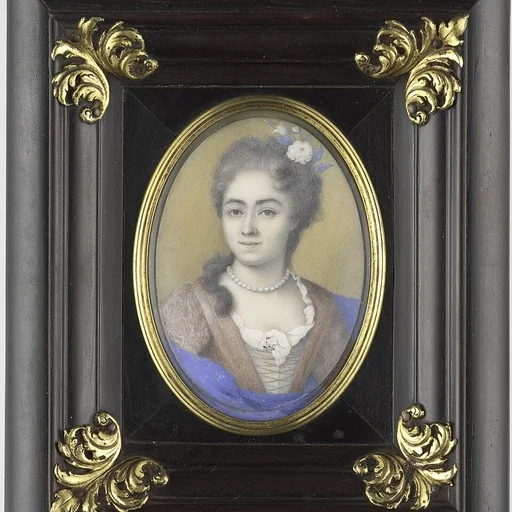
Henriette Wolters-van Pee (1682–1741) was an artist, born in Amsterdam.

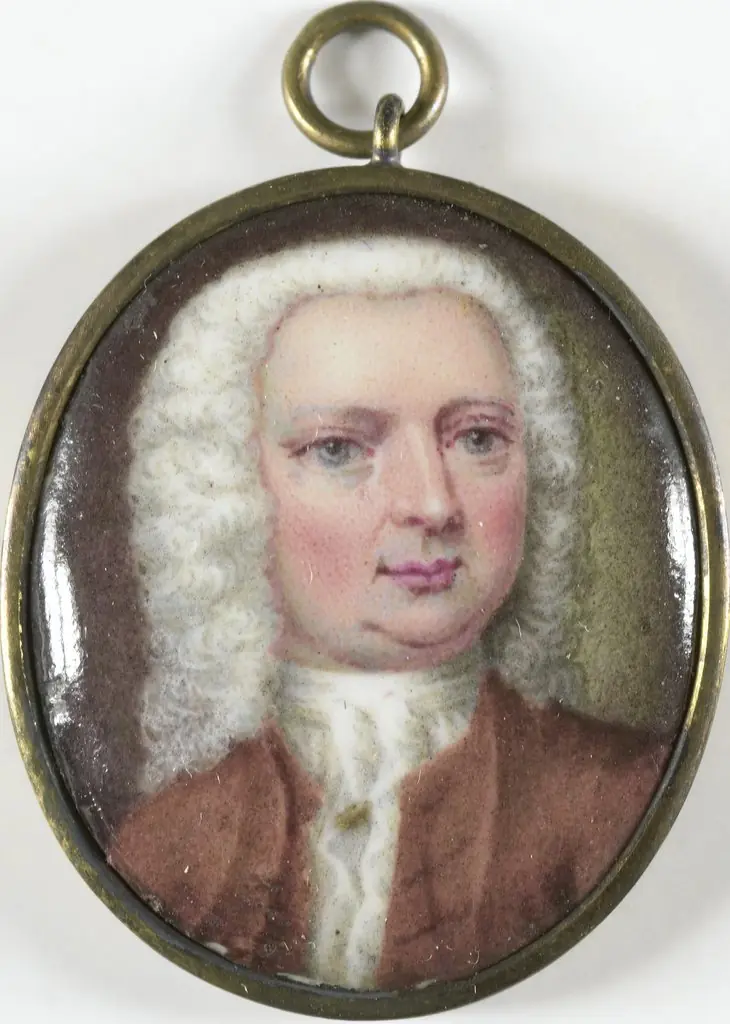 Portrait of an unknown man
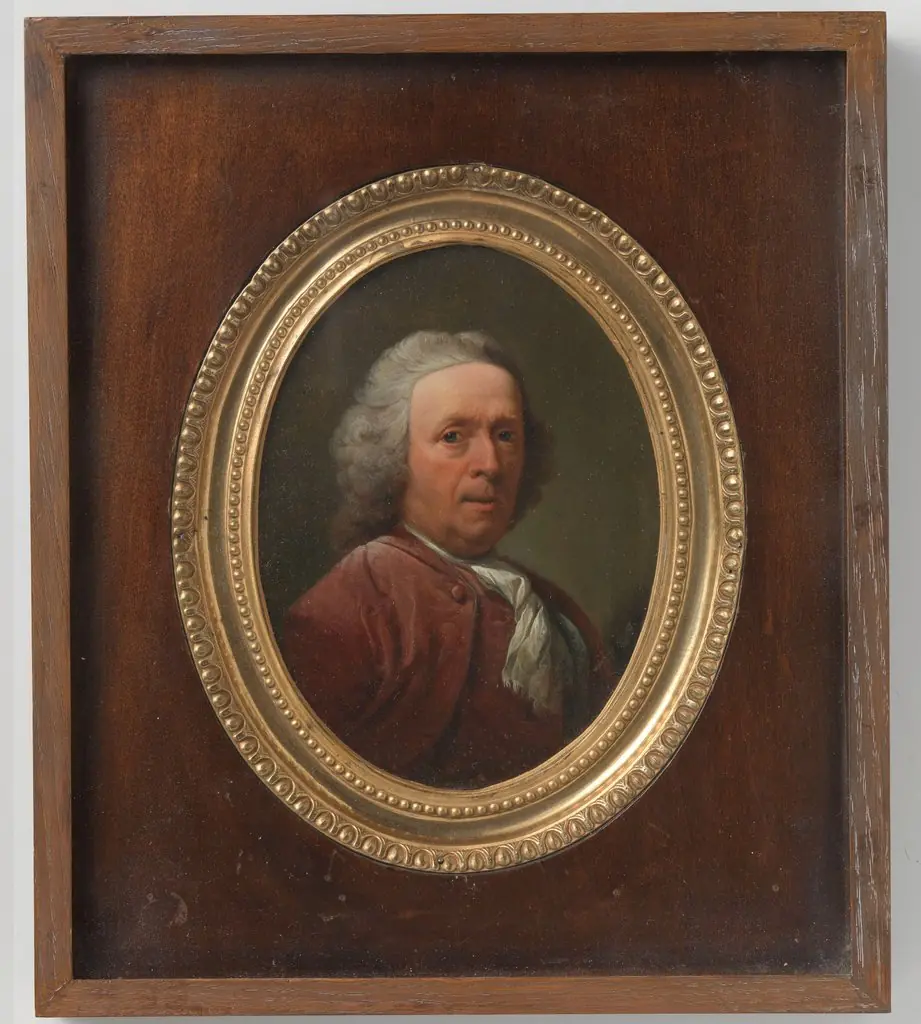 Self-Portrait
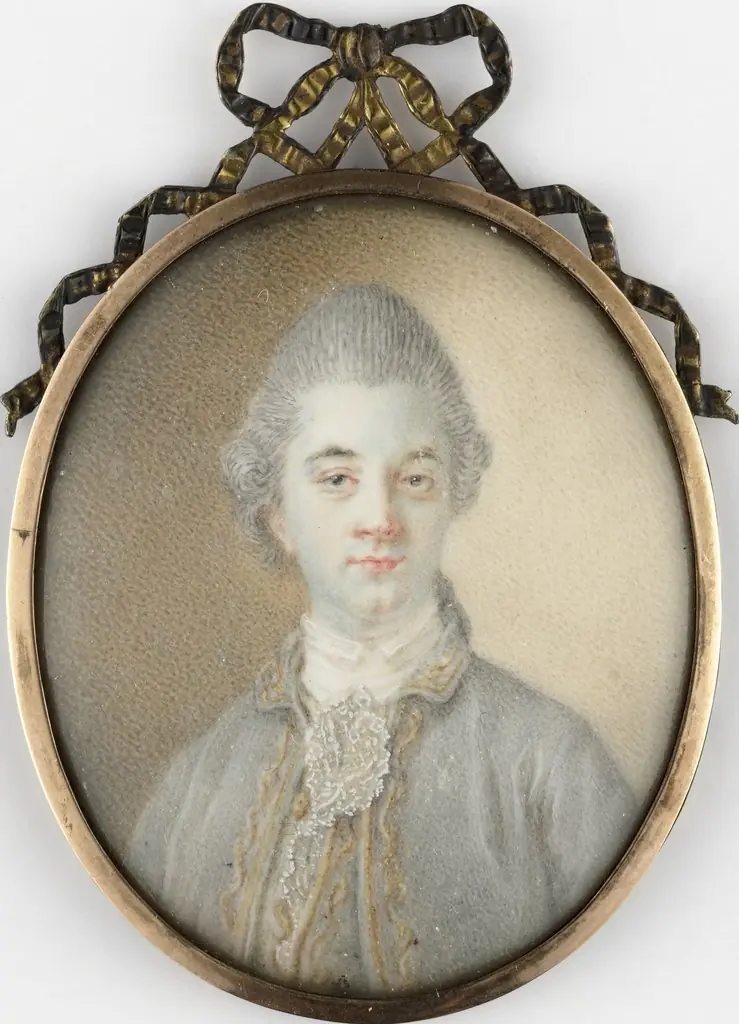 Mr. Willem Boreel (1744-1796), magistrate of Amsterdam
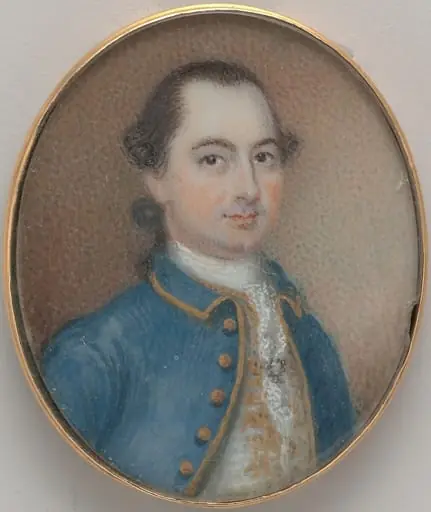 Archibald McCall
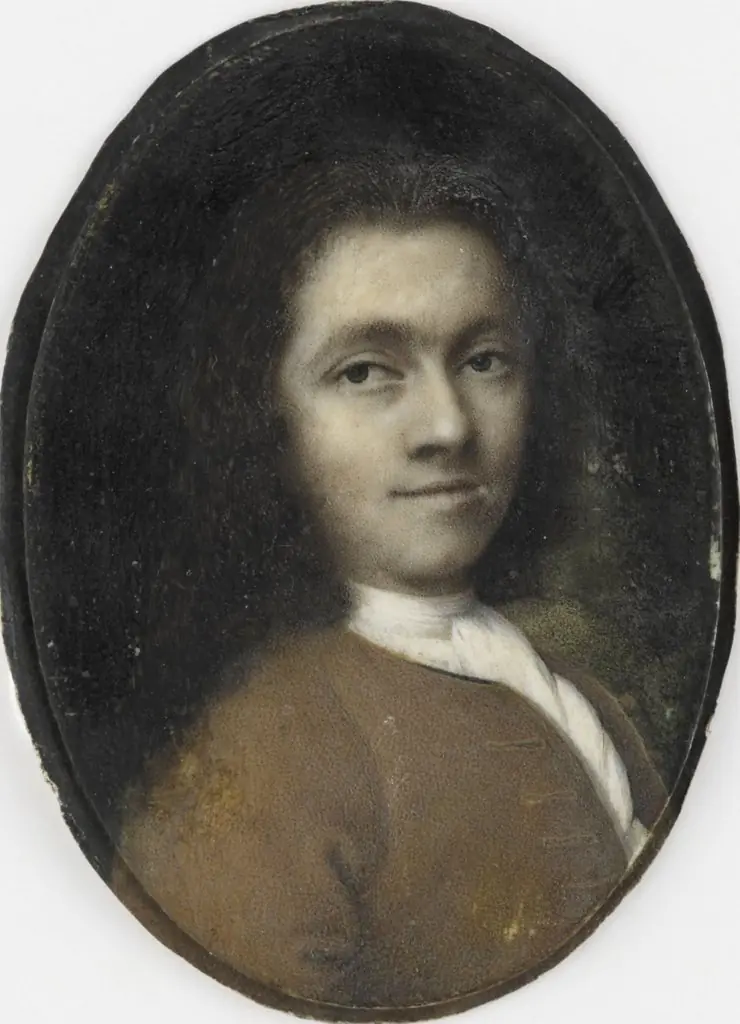 Self-portrait
 William Udall
 Portrait of Lucas Pater, Merchant and Poet in Amsterdam
 Portrait of a Man
 Portrait of Frans van Steenwijk, Poet and Playwright in Amsterdam
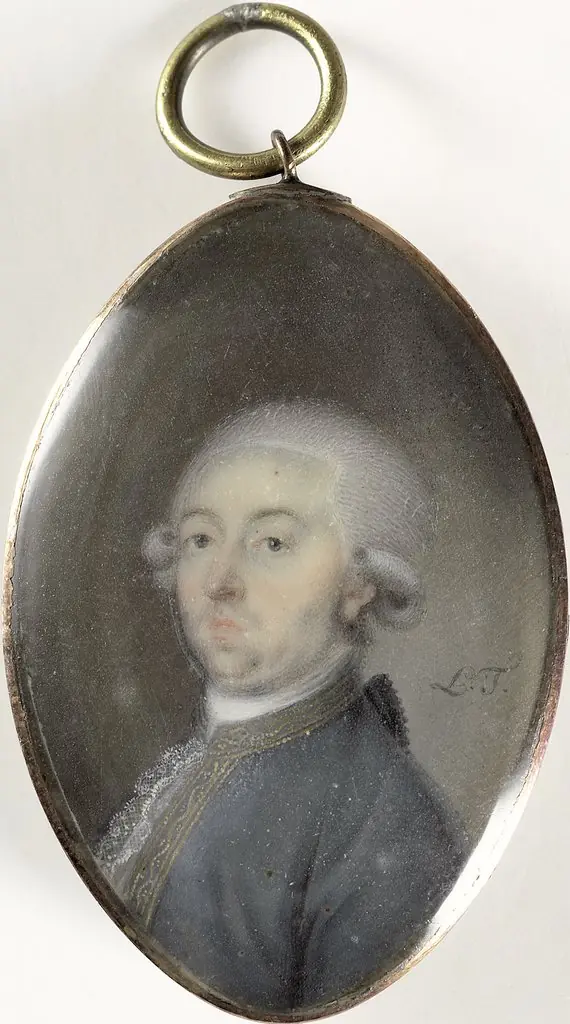 Portrait of Roedolph van Olden (1752-1828)
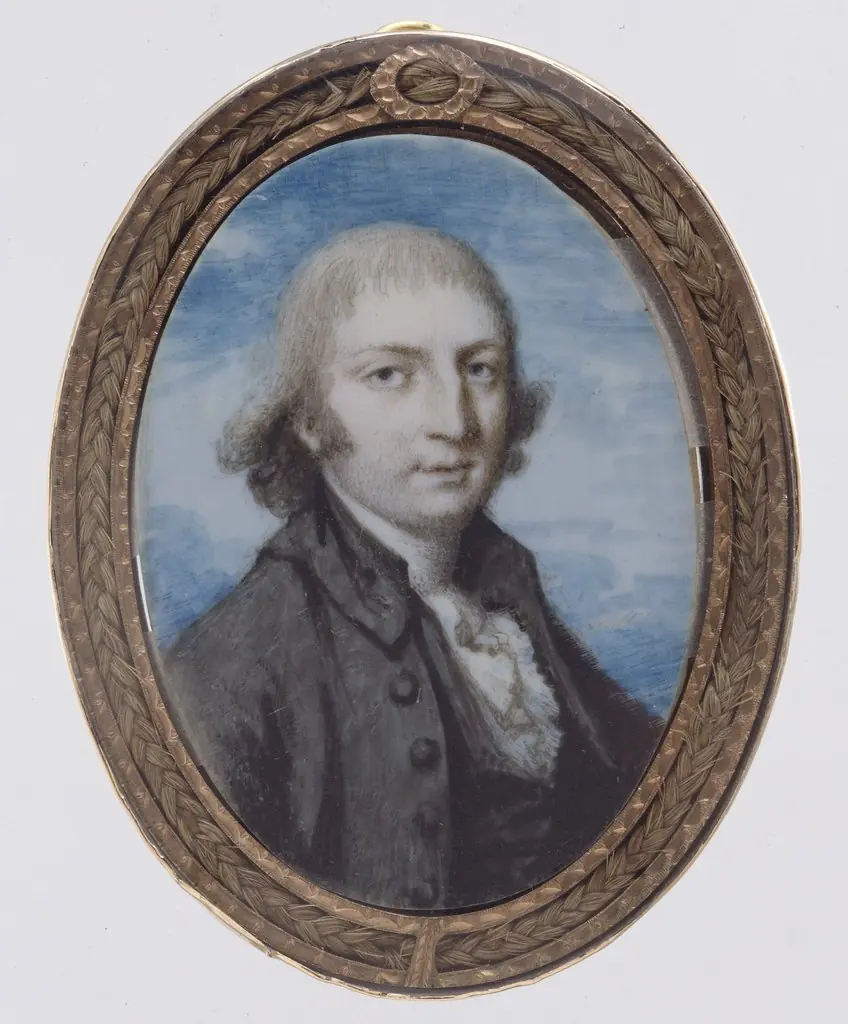 A Man with the Initials RH
- Portrait of Johannes Wesenhagen (1743-1803)