Artwork
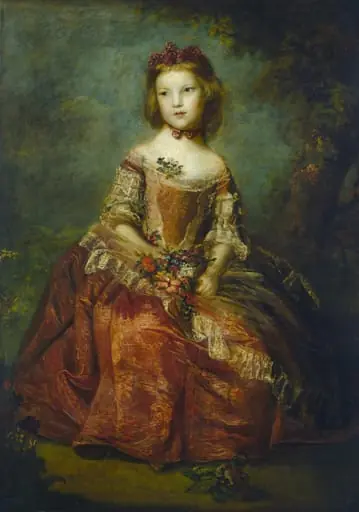
Lady Elizabeth Compton
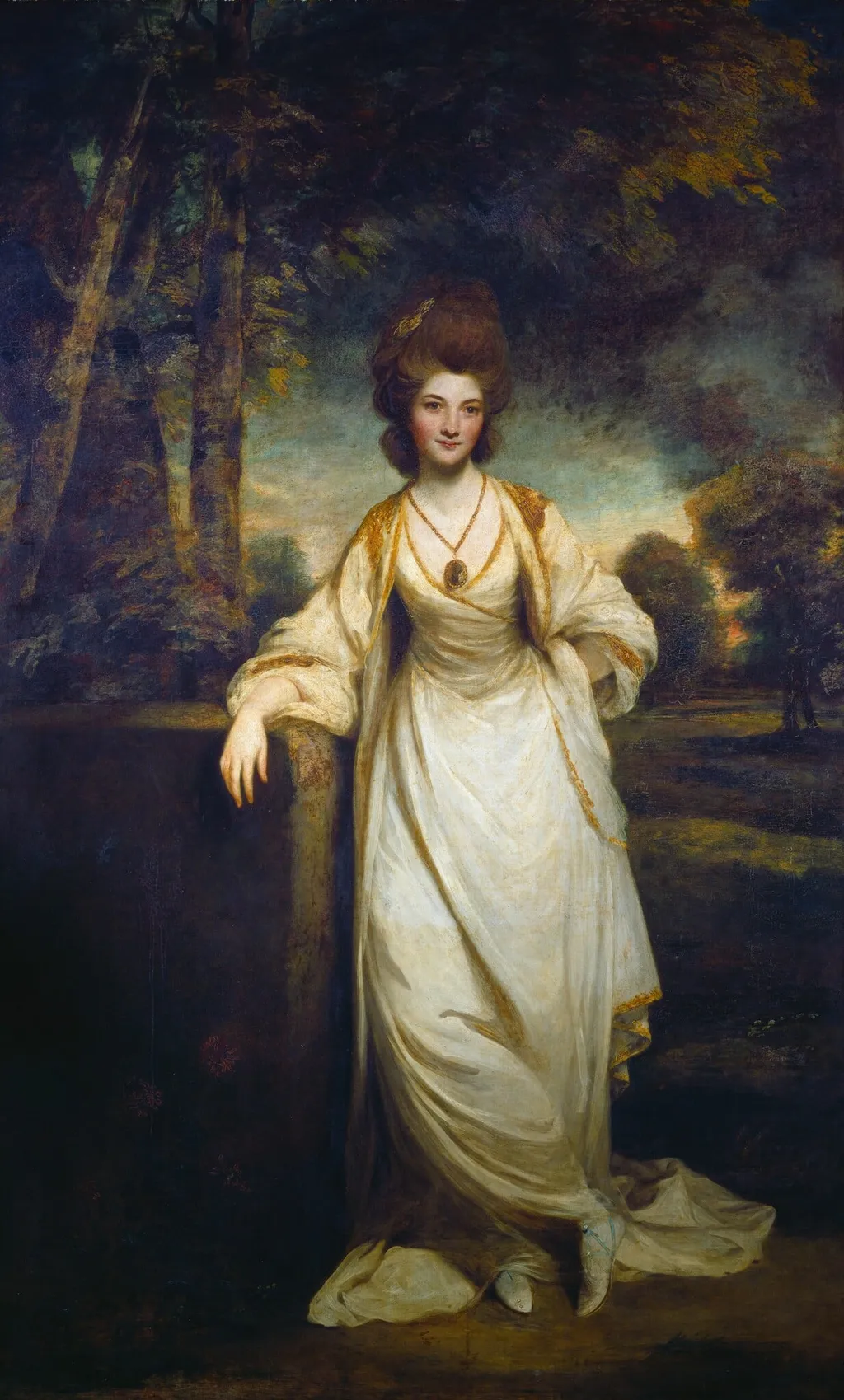
Lady Elizabeth Compton is an oil painting by the Rococo painting artist Joshua Reynolds. It dates from 1781 and is held in the collection of the National Gallery of Art.
About this work
Technique & Style
The painting is executed in oil on canvas, employing the conventional oil‑paint medium on a canvas support as recorded in the catalogue entries.
The painting is executed in oil on canvas, employing the conventional oil‑paint medium on a canvas support as recorded in the catalogue entries. The work belongs to the portrait genre, depicting the sitter in a formal pose that reflects the stylistic conventions of late‑eighteenth‑century British portraiture. No detailed description of the artist’s handling, brushwork, or surface condition is provided in the available documentation, and the sources do not specify the current state of preservation.
Formal characteristics are limited to the identification of the piece as a portrait within Reynolds’s oeuvre, with the composition and attire aligning with the sitter’s aristocratic status.
History & Provenance
Joshua Reynolds painted Lady Elizabeth Compton in 1780, commissioned by the sitter’s husband, Lord George Cavendish. The portrait remained within the Cavendish family, descending to John Compton Cavendish, 4th Baron Chesham, by inheritance. In October 1928, it was acquired by Andrew W. Mellon through M. Knoedler & Co.’s New York branch.
Mellon subsequently deeded the work in December 1934 to the A.W. Mellon Educational and Charitable Trust, which gifted it to the National Gallery of Art, Washington, D.C., in 1937, where it remains in the Andrew W. Mellon Collection.
Painted in 1780 for Lord George Cavendish, the portrait remained within the Cavendish family by descent until it was acquired from M. Knoedler & Co.'s New York branch by Andrew W. Mellon in October 1928. Mellon deeded the work to the A.W. Mellon Educational and Charitable Trust in December 1934, subsequently gifting it to the National Gallery of Art in Washington, D.C., in 1937. Currently held in the museum's Andrew W. Mellon collection, the oil on canvas measures 240 by 149 centimeters.
The provided sources detail this ownership lineage but do not list specific public exhibitions or an inventory accession number beyond its inclusion in the Mellon collection at the National Gallery of Art.
Context
Sir Joshua Reynolds painted Lady Elizabeth Compton in 1780, a portrait that exemplifies his mature neoclassical style and reflects the conventions of British elite portraiture of the late 18th century. The work entered the National Gallery of Art through the collection of Andrew W. Mellon, having been commissioned by Lord George Cavendish for his wife and later passed down through the Cavendish family before its acquisition in 1937. Scholarship identifies the painting as a key example of Reynolds’s portraiture, illustrating his blend of grand manner composition with individualized characterization, and it is frequently cited in studies of 18th‑century British portraiture.
Its provenance and preservation underscore its significance within the artist’s oeuvre and the development of portrait painting in Britain.
Overview
This oil-on-canvas portrait, completed in 1781 by Sir Joshua Reynolds, depicts Lady Elizabeth Compton. Reynolds, a leading English portraitist of his era, was instrumental in shaping the artistic landscape as the first president of the Royal Academy of Arts. The painting exemplifies the refined aesthetic prevalent in late 18th-century portraiture, presenting its subject with a gentle demeanor and elegant attire. It reflects the artist's characteristic approach to idealizing his sitters.
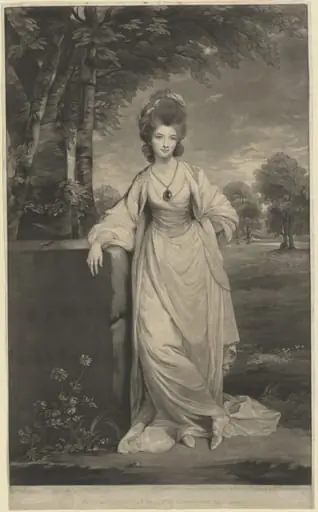
Own this work as a print
Artist & collection
Artist
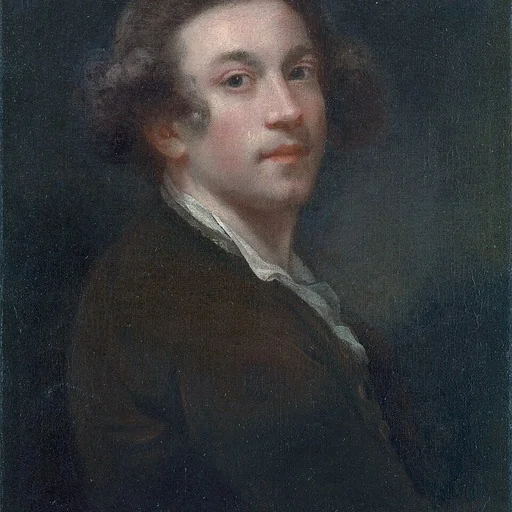
Sir Joshua Reynolds (16 July 1723 – 23 February 1792) was an English painter who specialised in portraits.

 Lady Bampfylde
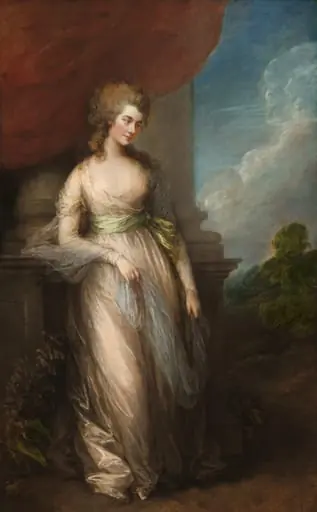 Georgiana, Duchess of Devonshire
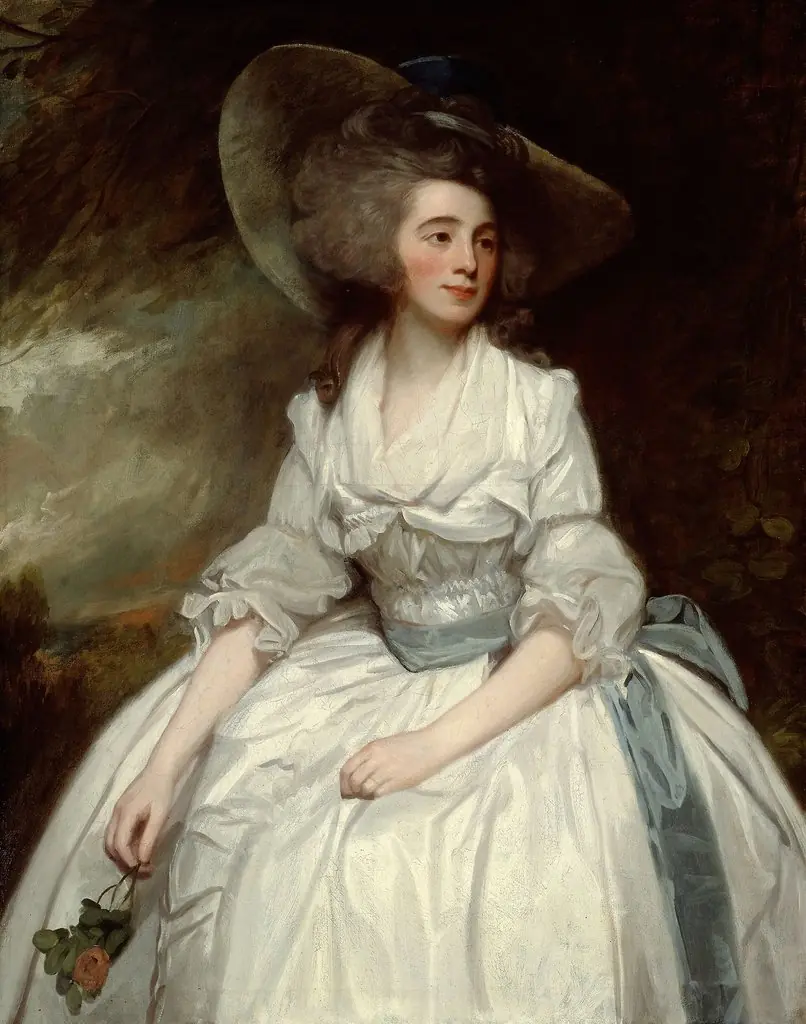 Mrs. Francis Russell
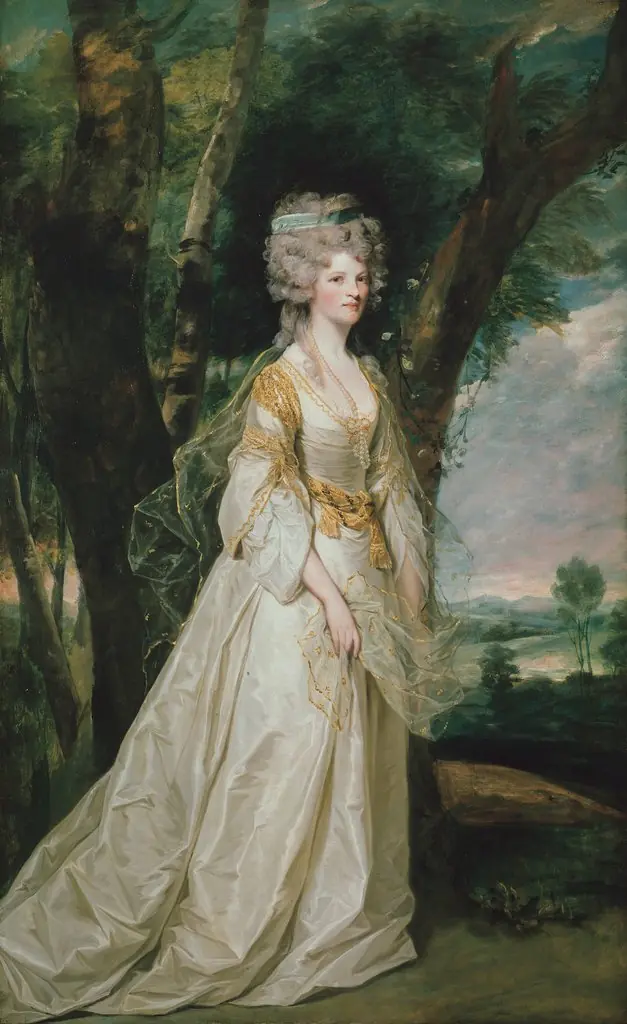 Lady Sunderlin
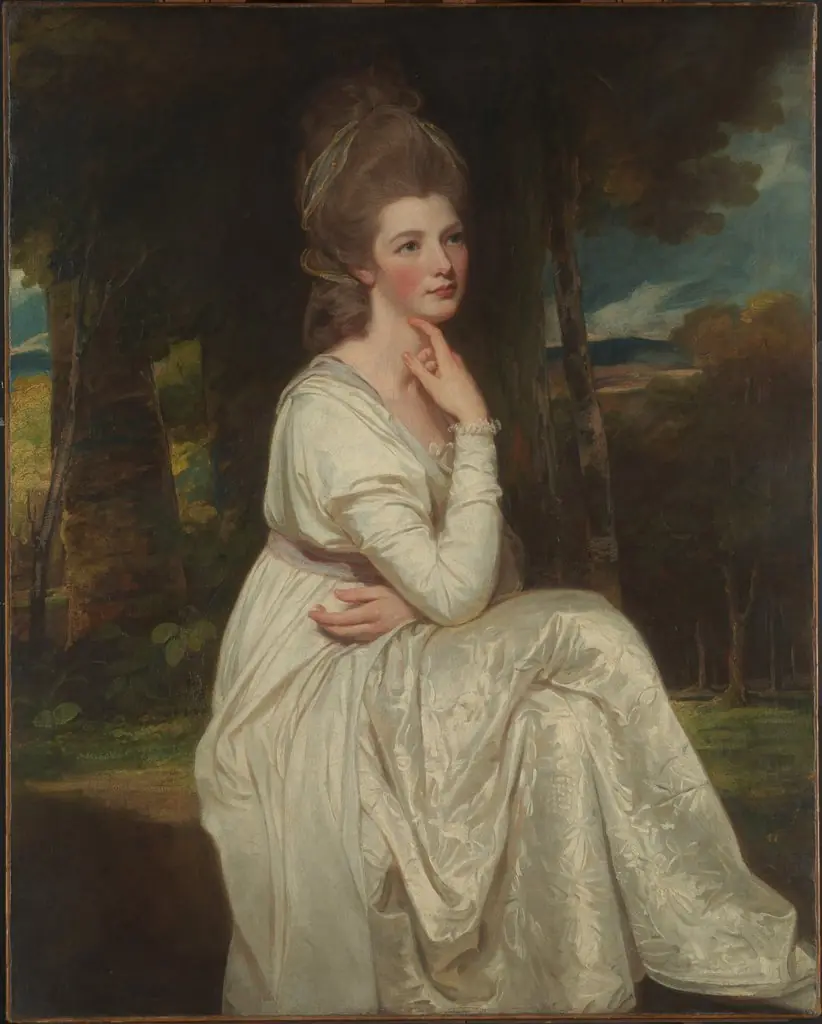 Lady Elizabeth Hamilton (1753–1797), Countess of Derby
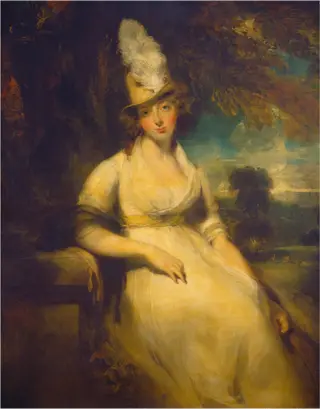 Mrs. Robert Blencowe
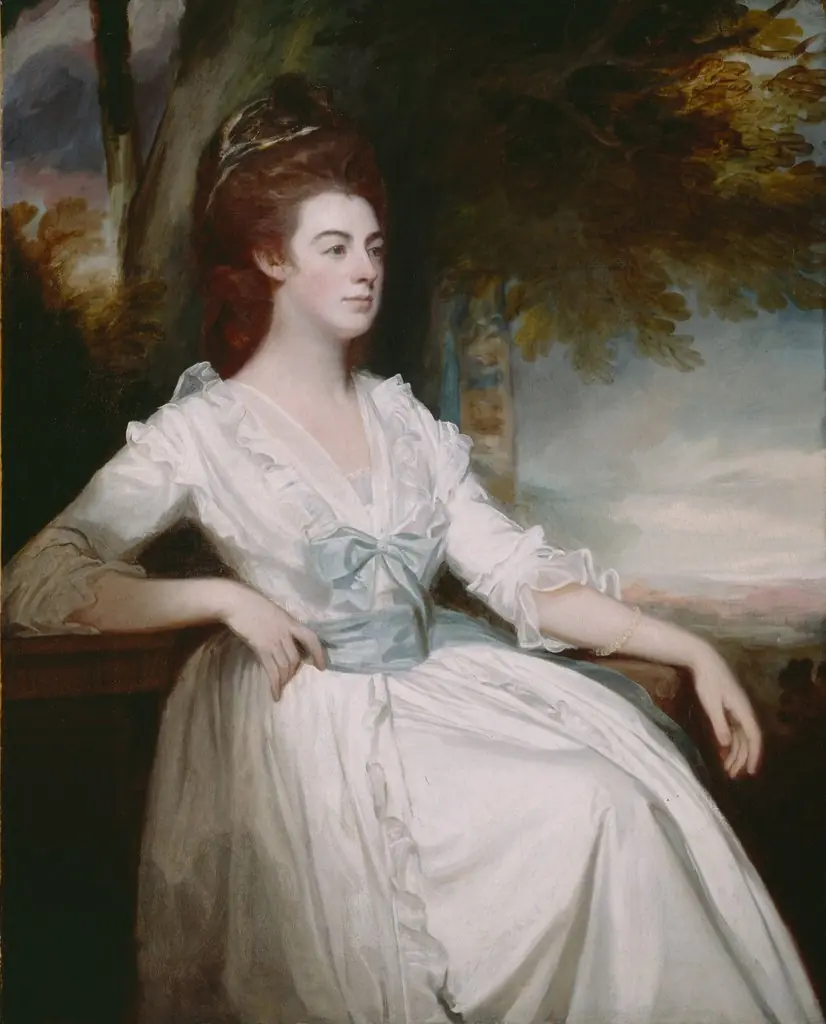 Miss Clavering
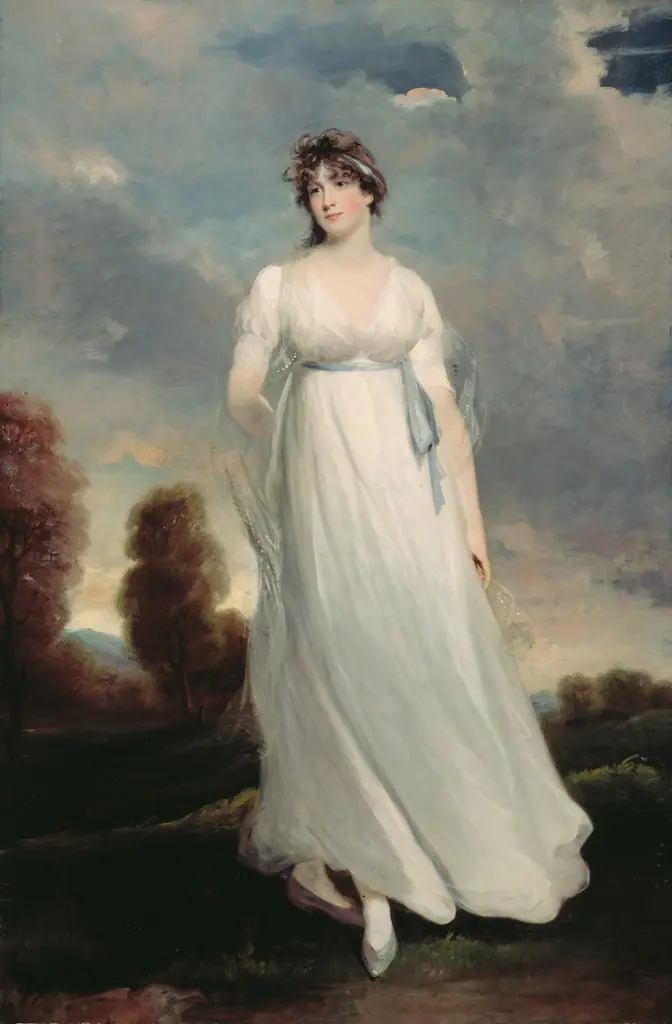 Mrs. Dottin
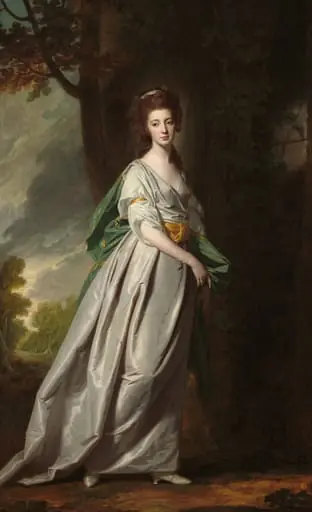 Mrs. Thomas Scott Jackson
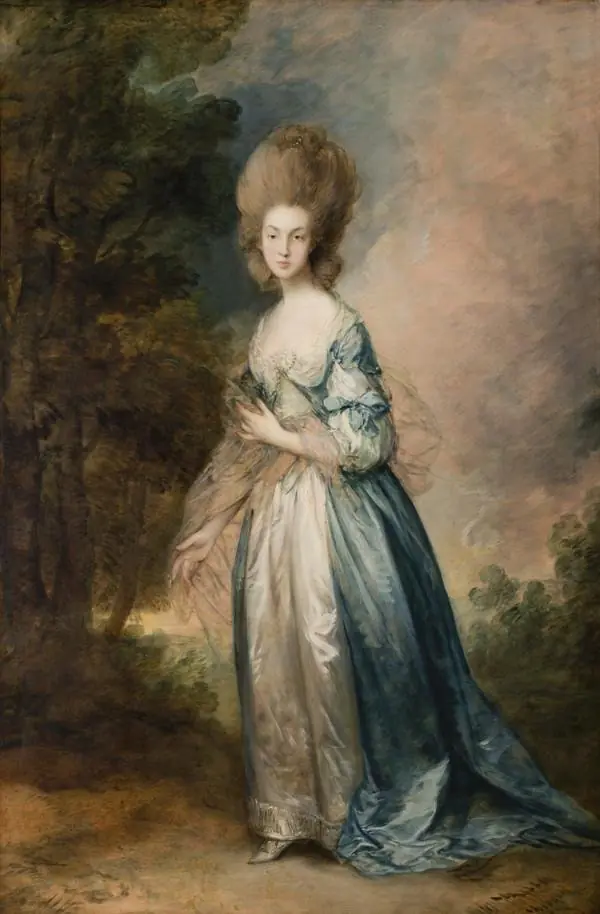 Portrait of Selina Thistlethwayte of Norman Court, full-length in blue and white dress
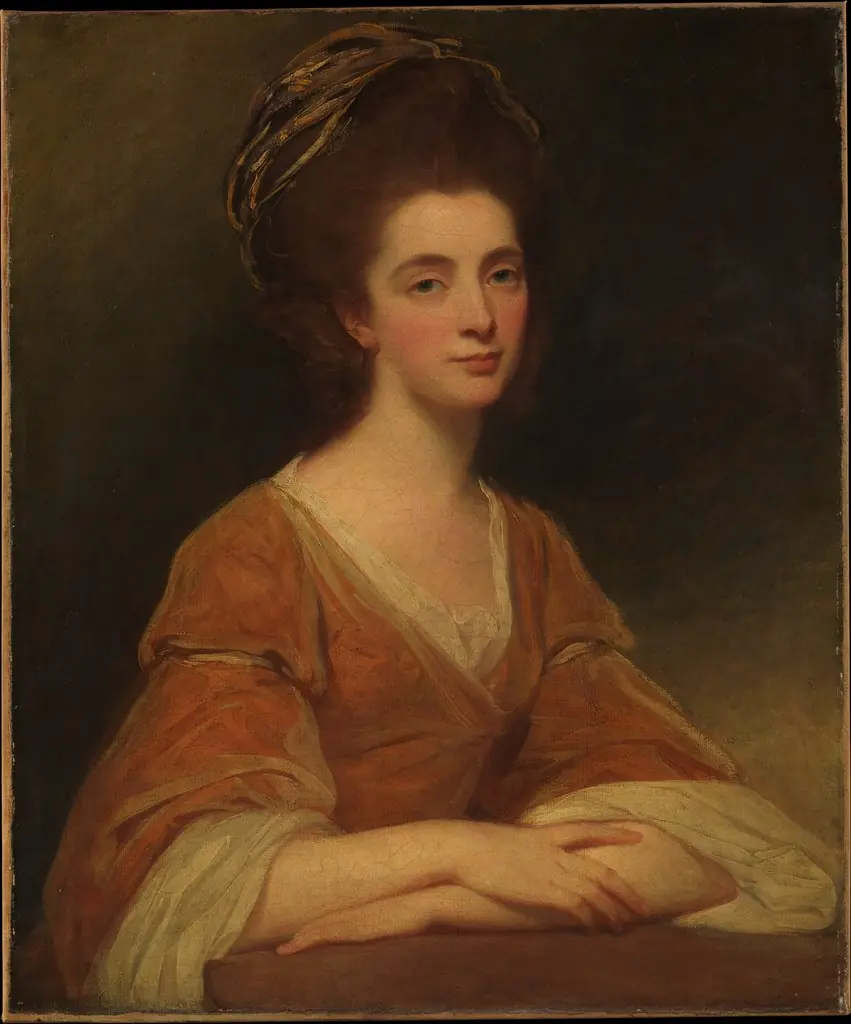 Mrs. Charles Frederick (Martha Rigden, died 1794)
- Lady Elizabeth Compton