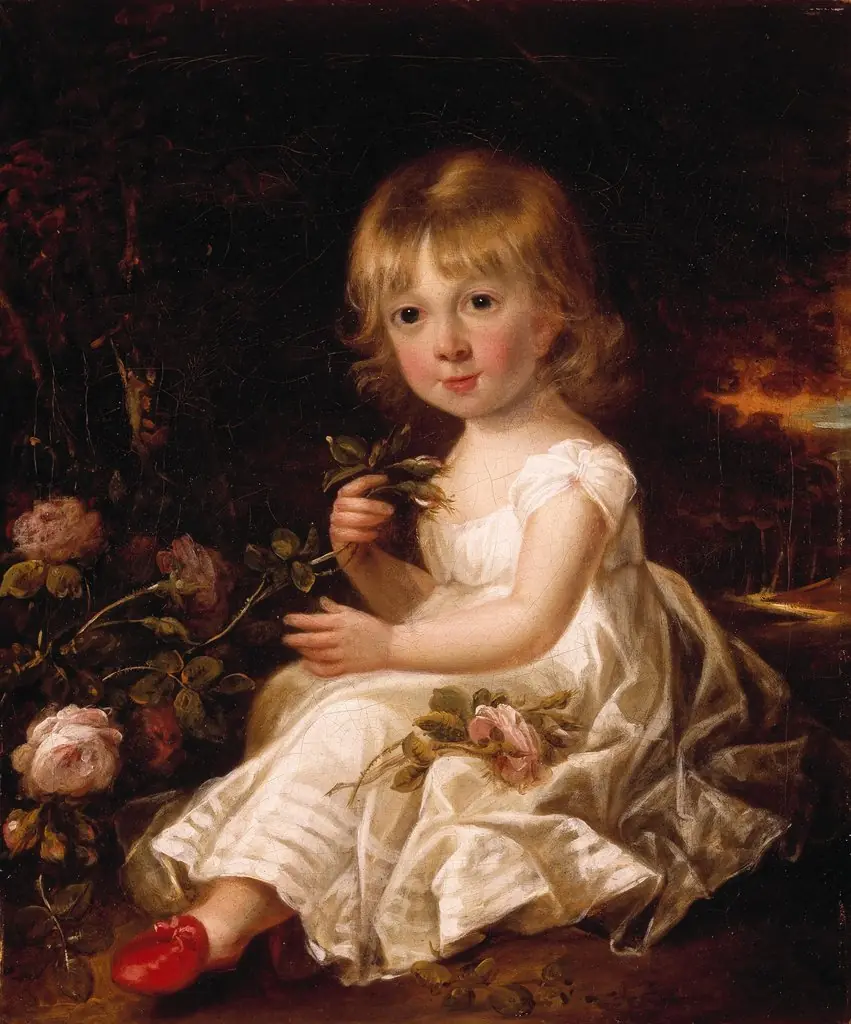
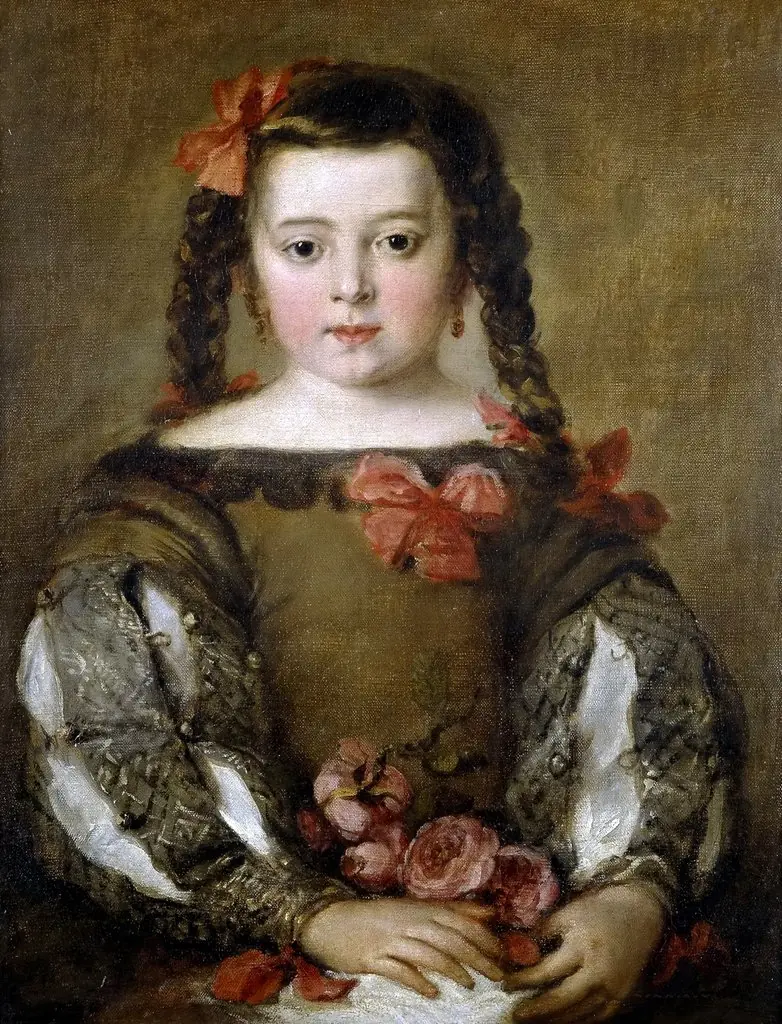
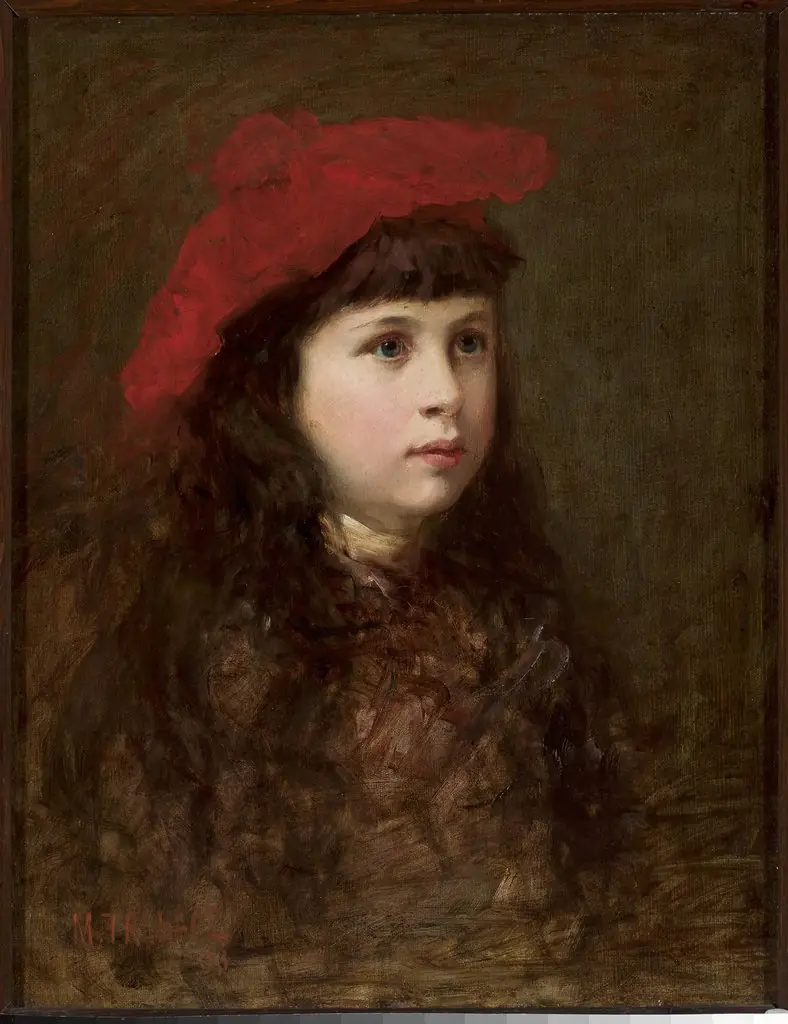
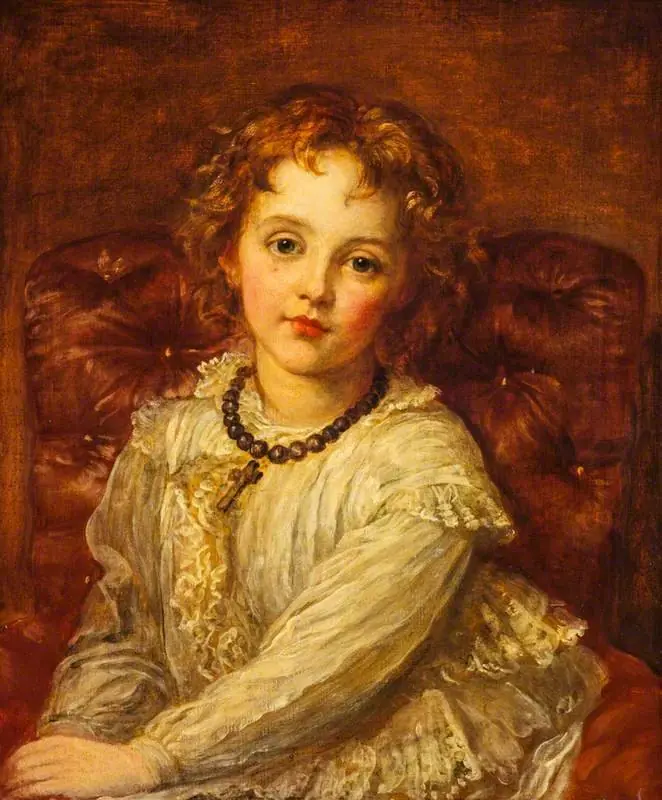
Artwork
Lady Elizabeth Hamilton
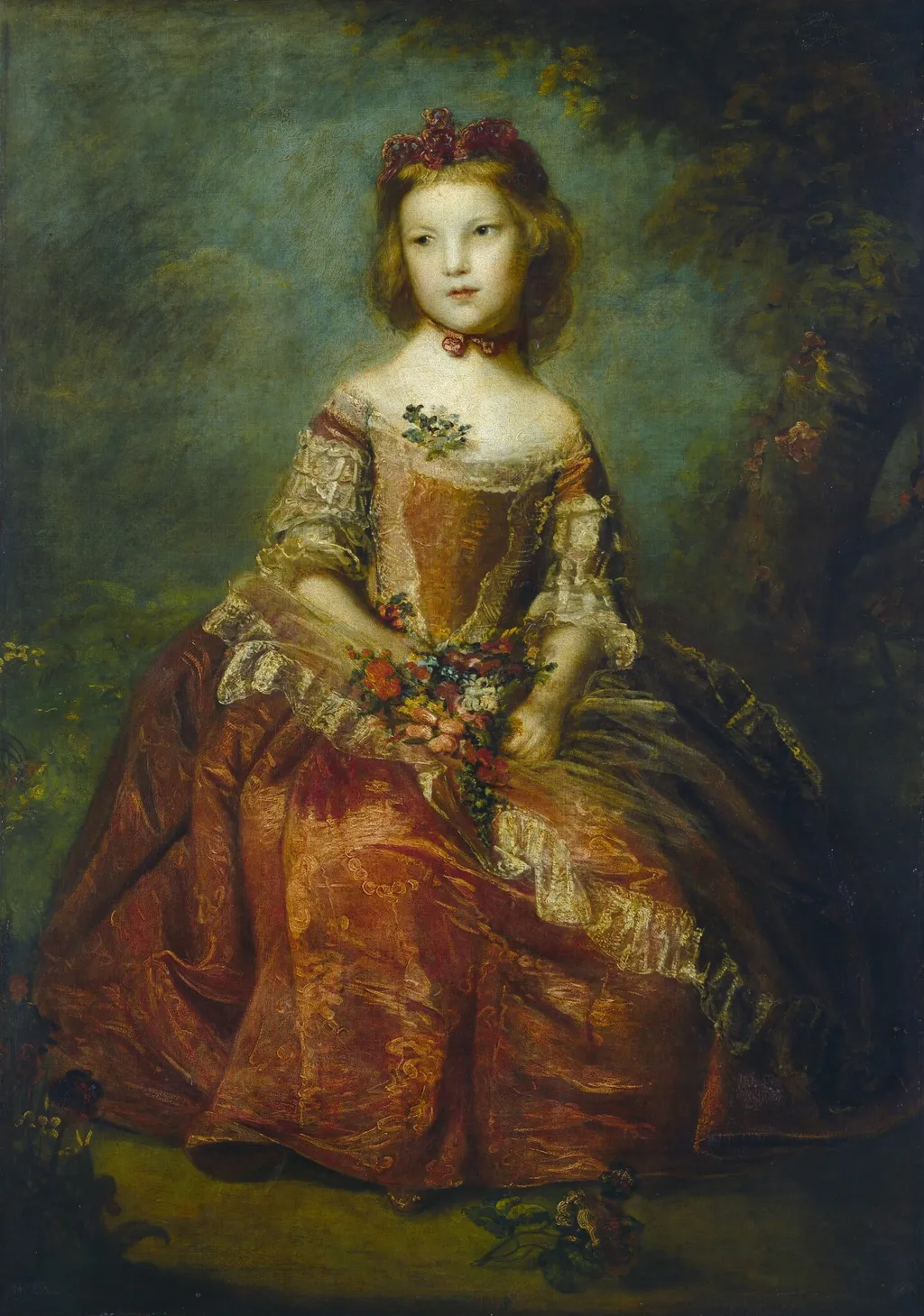
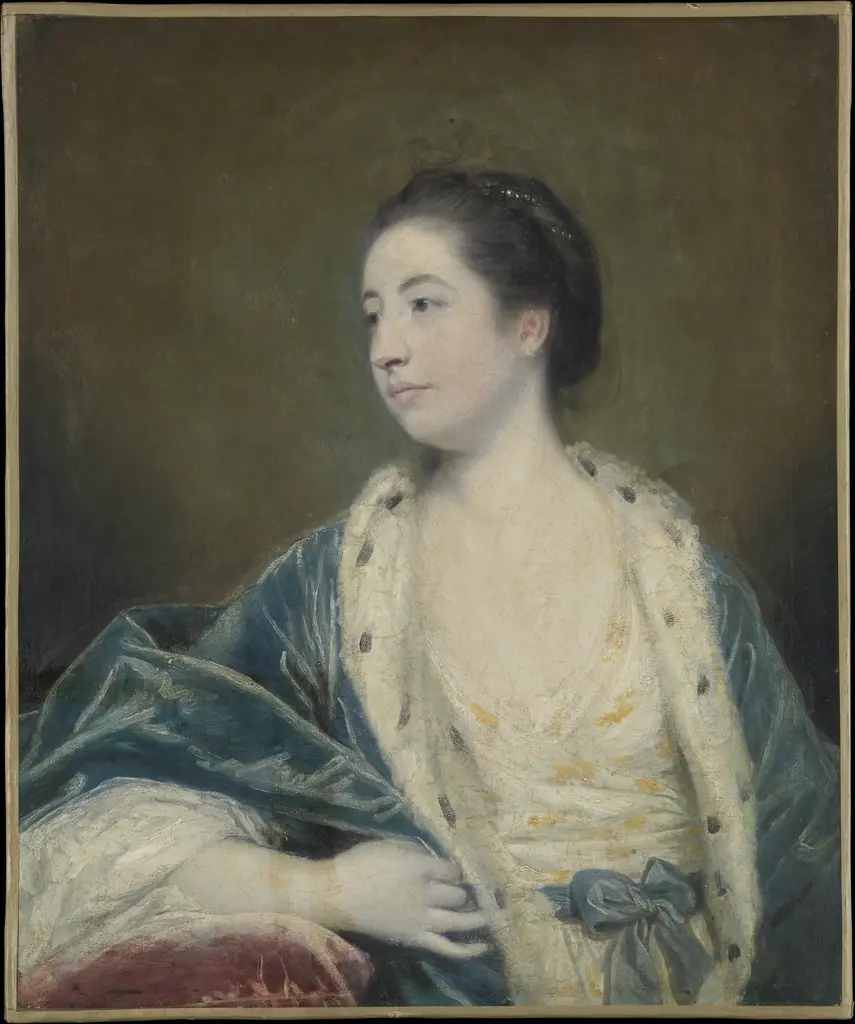
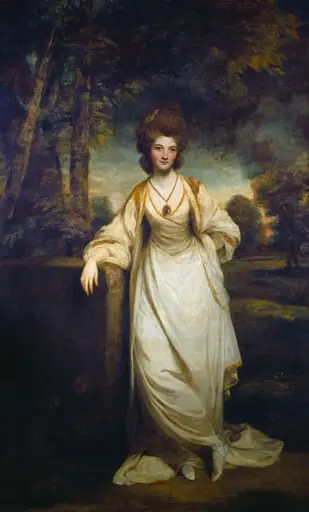
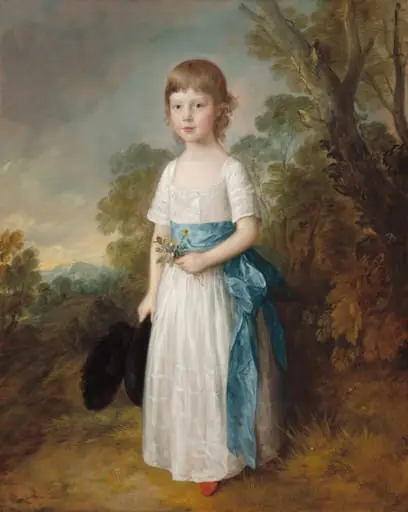
Lady Elizabeth Hamilton is an oil painting by the Rococo painting artist Joshua Reynolds. It dates from 1758 and is held in the collection of the National Gallery of Art.
About this work
Lady Elizabeth Hamilton, a countess, sits in a fine dress, calm and gentle in manner. Sir Joshua Reynolds gave careful attention to the gown and setting. One of many such portraits of the period, oil on canvas, 1758.
Technique & Style
The portrait of Lady Elizabeth Hamilton is an oil painting on canvas, measuring roughly 117 cm in height by 84 cm in width and dated to 1758.
The portrait of Lady Elizabeth Hamilton is an oil painting on canvas, measuring roughly 117 cm in height by 84 cm in width and dated to 1758. Reynolds rendered the work with oil pigments on a stretched canvas support, employing his characteristic layered brushwork and careful modeling of facial features. The composition follows the grand portraiture conventions of the period, emphasizing fine detailing of attire and a dignified pose that conveys aristocratic poise.
History & Provenance
Joshua Reynolds painted Lady Elizabeth Hamilton in 1758 as a portrait of the young countess, originally commissioned by her mother, the Duchess of Hamilton and Brandon. The work descended through the Hamilton family to the Dukes of Argyll, then entered the London market at Christie, Manson & Woods in 1855. It was acquired by Welbore Ellis, 2nd Earl of Normanton, and remained in his lineage until 1909, when it passed to Thos.
Agnew & Sons and subsequently to Arthur J. Sulley. Peter A. B. Widener bought it later that year, and after his death it entered the National Gallery of Art in 1942 via the Widener bequest, as a gift from Joseph E. Widener.
Legacy
The portrait of Lady Elizabeth Hamilton, painted by Sir Joshua Reynolds in 1758, entered the National Gallery of Art collection in 1942 through the bequest of Peter A. B. Widener. Its documented provenance, from the sitter's mother through successive Dukes of Argyll, to sale at Christie's in 1855 and subsequent acquisition by the Earl of Normanton, reflects the social connections of the British aristocracy and the 19th-century art market. The work's long-term display in a public institution has contributed to scholarly discussions of Reynolds's portraiture and the representation of elite women, reinforcing the painting's reputation as a key example of mid-eighteenth-century British portraiture.
Overview
This oil-on-canvas painting, "Lady Elizabeth Hamilton," was created in 1758 by Sir Joshua Reynolds, a prominent English portraitist of the 18th century. It depicts Elizabeth Hamilton, Countess of Derby, rendered with the refined elegance characteristic of Reynolds' approach. The work exemplifies the Rococo movement and Reynolds' "Grand Style," which sought to idealize sitters while conveying their status and grace.
Subject & Meaning
The subject of this portrait is Lady Elizabeth Hamilton, who later became the Countess of Derby. As a member of a wealthy and influential family, her depiction reflects the social customs of the era, where such commissions affirmed status. Reynolds portrays her seated, exuding a calm and gentle disposition, with meticulous attention paid to her elaborate attire and the surrounding details, underscoring her aristocratic standing.
Context
Sir Joshua Reynolds was a leading figure in 18th-century English art, renowned for his portraiture. His influence extended beyond his artistic output; he became the first president of the Royal Academy of Arts and was knighted in 1769. This portrait of Lady Elizabeth Hamilton exemplifies the demand for elegant, formal representations among the aristocracy, a significant aspect of art patronage during this period.
Own this work as a print
Artist & collection
Artist
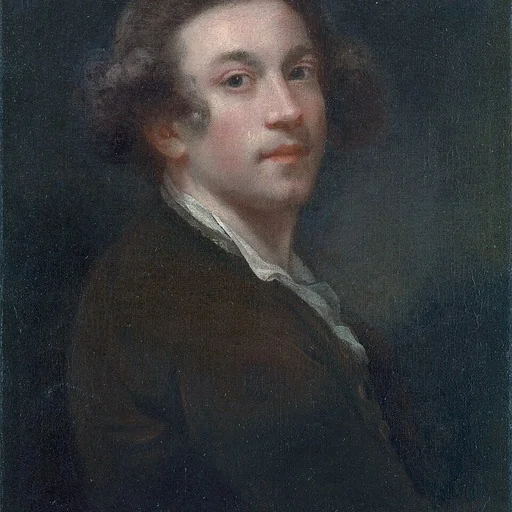
Sir Joshua Reynolds (16 July 1723 – 23 February 1792) was an English painter who specialised in portraits.