Artwork
Charity
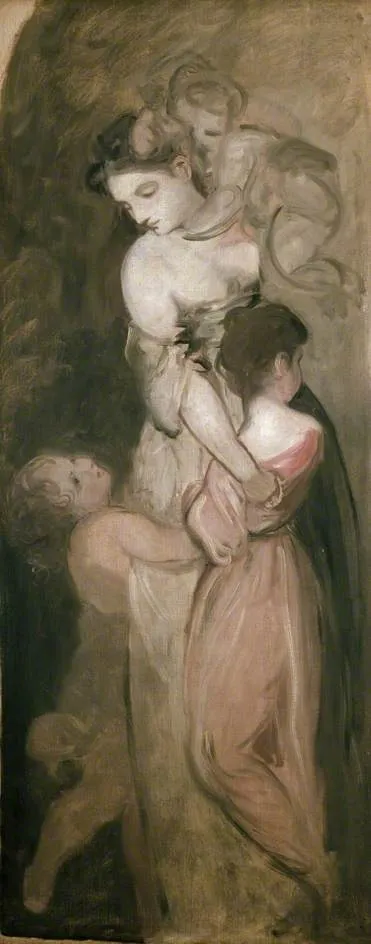
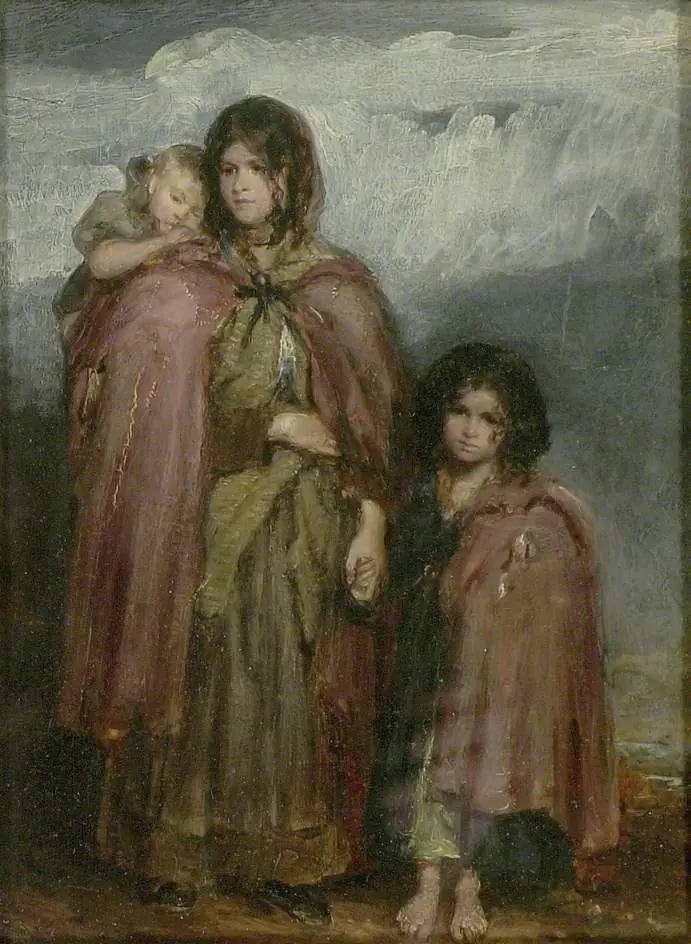
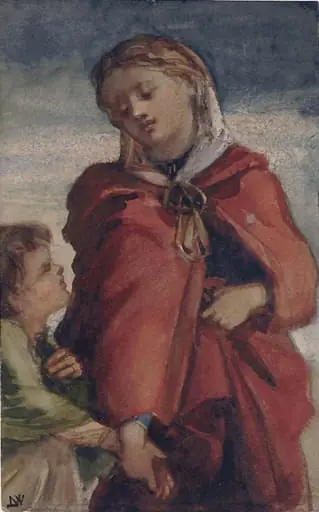
Charity is an oil painting by the Rococo painting artist Joshua Reynolds. It dates from 1789 and is held in the collection of the Ashmolean Museum.
About this work
Overview
The painting resides in the Ashmolean Museum’s collection, reflecting its status as a significant example of late 18th-century British academic art.
Joshua Reynolds painted Charity in 1789 as an allegorical work in oil on canvas. A central figure of the British art world and first president of the Royal Academy, Reynolds infused this piece with the ideals of the Grand Style, emphasizing moral virtue through classical composition. The painting resides in the Ashmolean Museum’s collection, reflecting its status as a significant example of late 18th-century British academic art.
Subject & Meaning
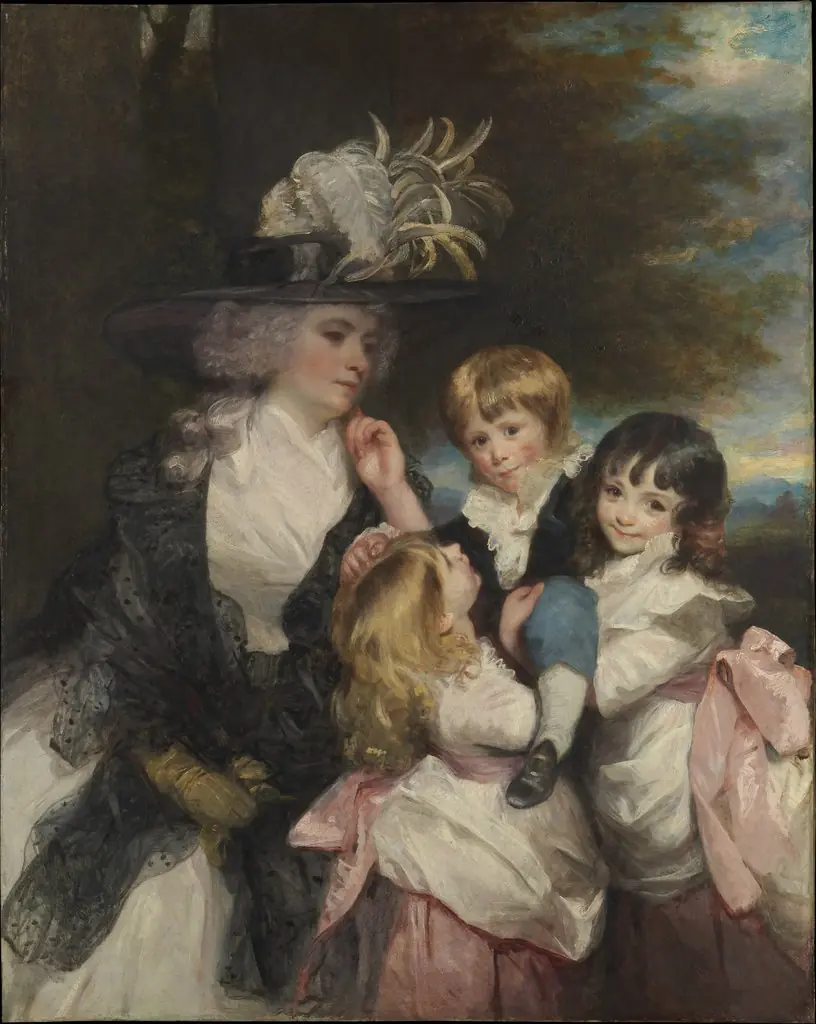
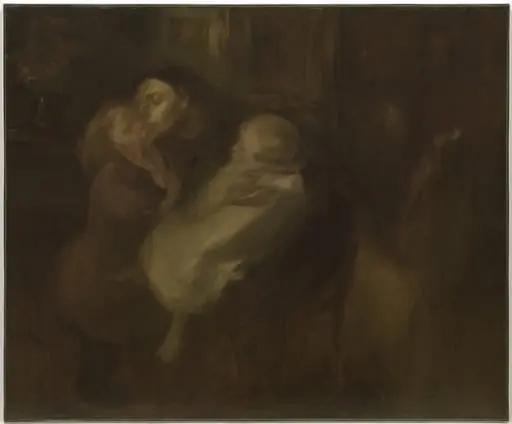
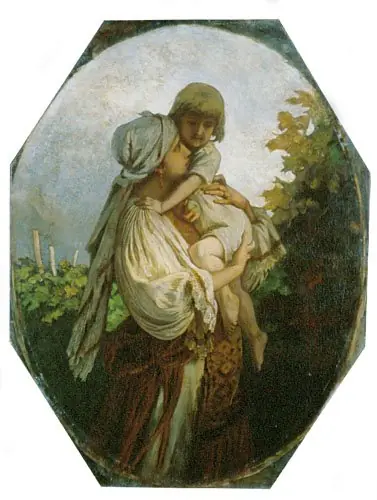
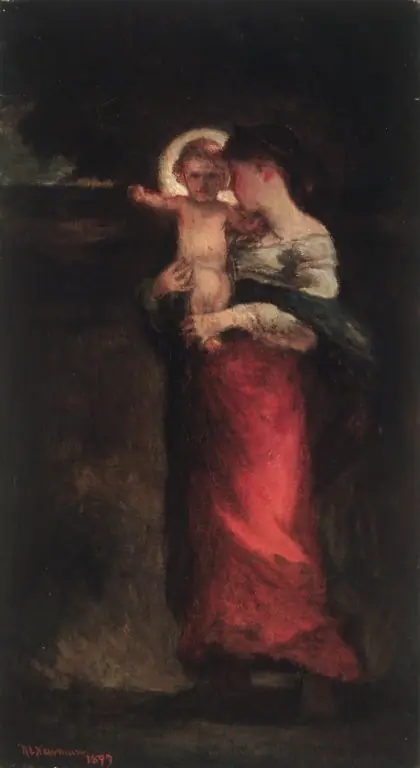
The painting depicts a woman embodying the virtue of Charity, cradling one child while another clings to her garment. Her downcast gaze and calm expression suggest quiet contemplation rather than overt emotion. The children’s adoring postures reinforce the theme of nurturing care, aligning with Enlightenment-era ideals that linked maternal tenderness with moral goodness. The scene avoids literal narrative, instead offering a timeless, symbolic representation of benevolence.
Technique & Style
Reynolds employed chiaroscuro to model the figures with soft gradations of light and shadow, enhancing their three-dimensionality and focusing attention on the central group. The flowing white drapery of the woman’s gown contrasts with darker, muted backgrounds, heightening the sense of spiritual purity. His brushwork is refined yet restrained, avoiding excessive ornamentation in favor of dignified harmony, consistent with his advocacy for the Grand Style over Rococo frivolity.
History & Provenance
Commissioned during Reynolds’s mature period, Charity was created shortly before his death in 1792. It entered the Ashmolean Museum’s collection in the 19th century, likely through a bequest or institutional acquisition. The work has remained in public hands since, with no record of private ownership in the modern era, underscoring its enduring institutional significance within British art heritage.
Context
Painted amid the political upheavals of the French Revolution, Charity reflects a British artistic turn toward moral and domestic virtue as a counterpoint to social unrest. Reynolds, though associated with the Rococo’s elegance, sought to elevate portraiture and allegory through classical references and ethical themes. This work aligns with contemporary efforts to define national identity through idealized human values rather than aristocratic display.
Legacy
Though not among Reynolds’s most widely reproduced works, Charity exemplifies his commitment to moral allegory in painting. It influenced later academic artists who valued symbolic content over mere likeness. The painting remains a touchstone in discussions of 18th-century British ideals, illustrating how portraiture could be shaped to convey civic and ethical virtues beyond individual identity.
Artist & collection
Artist
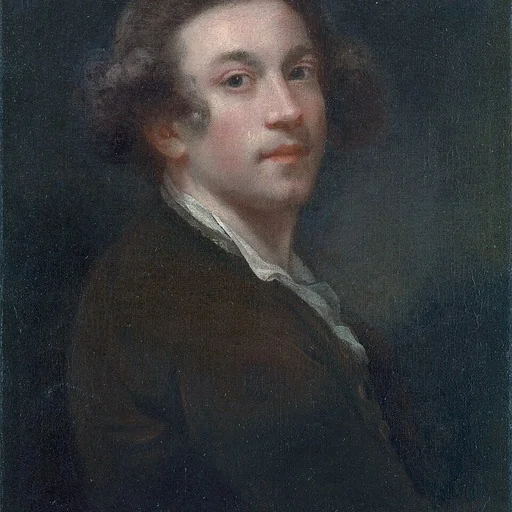
Sir Joshua Reynolds (16 July 1723 – 23 February 1792) was an English painter who specialised in portraits.