Artwork
El Bautismo de Cristo
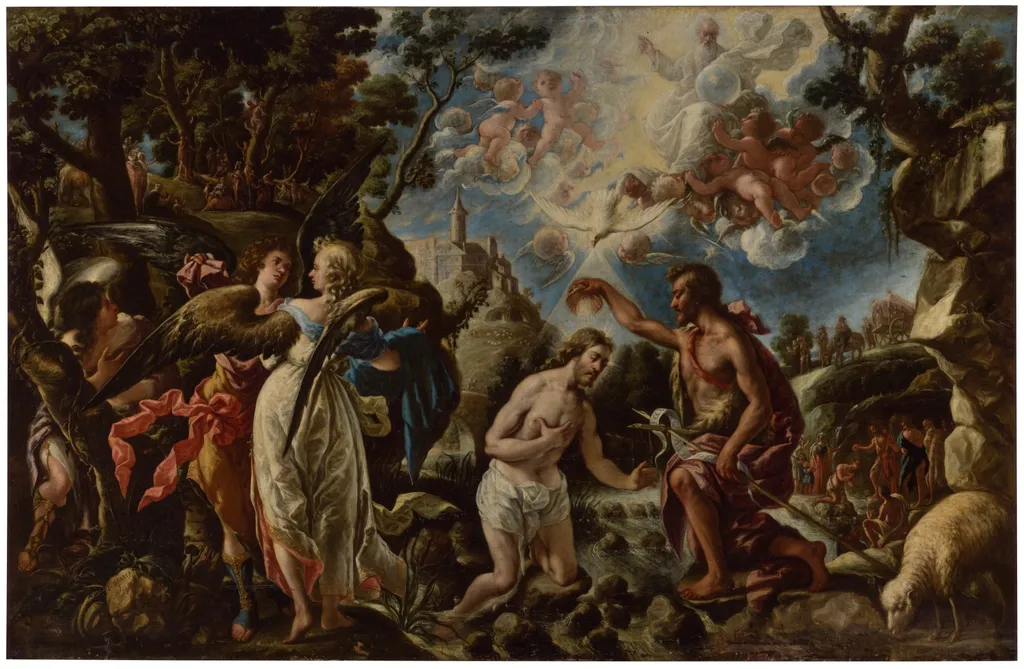
El Bautismo de Cristo is an oil painting by the Spanish Baroque Tenebrist artist Juan de Pareja. It is held in the collection of the Museo del Prado.
About this work
Subject & Meaning
The visual narrative focuses on the interaction between Jesus Christ and John the Baptist, set within a landscape that accommodates these symbolic witnesses.
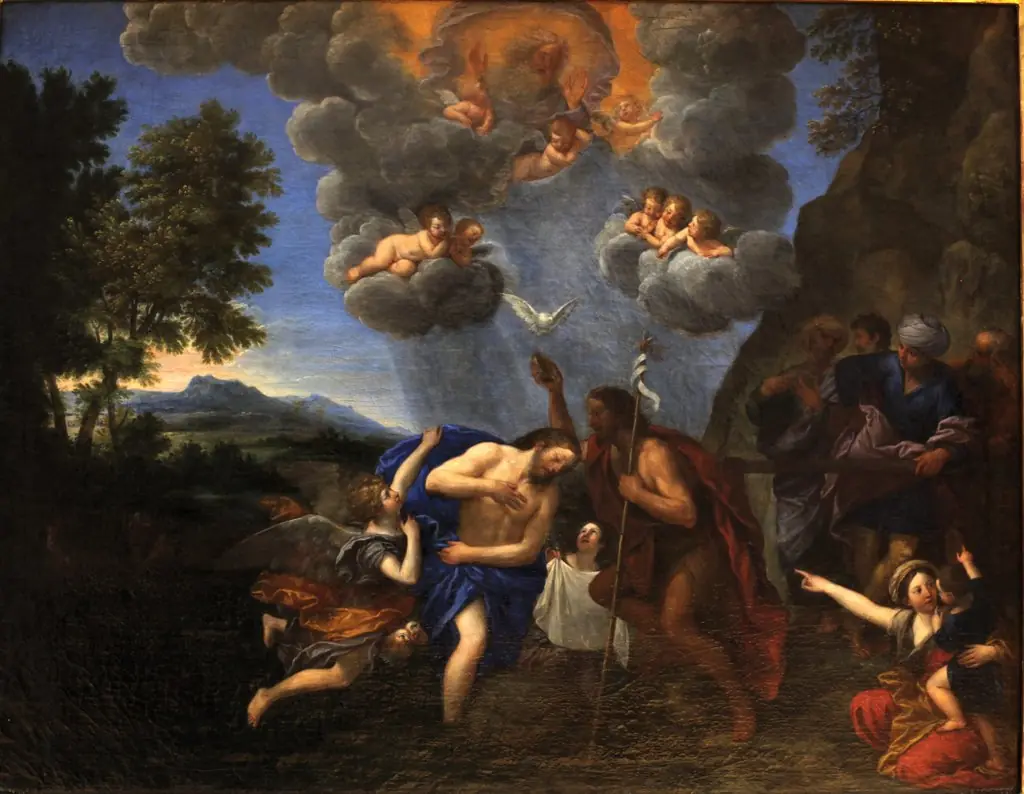
This oil painting depicts the Baptism of Jesus, a central event in Christian theology where John the Baptist administers the sacrament to Christ. The composition includes specific iconographic elements such as a sheep, an angel, and the Holy Spirit, which traditionally symbolize innocence, divine presence, and God's approval respectively. The visual narrative focuses on the interaction between Jesus Christ and John the Baptist, set within a landscape that accommodates these symbolic witnesses.
Technique & Style
El Bautismo de Cristo is an oil painting on canvas, measuring 230 cm in height by 356 cm in width, a scale suited to a devotional altarpiece or chapel setting. The composition treats the Baptism of Christ as its central subject, populated with conventional iconographic elements: Jesus Christ and John the Baptist at the moment of baptism, accompanied by sheep, an angel, and the Holy Spirit. The handling of these figures reflects the Spanish Baroque tradition.
History & Provenance
El Bautismo de Cristo is dated 1700 and is executed in oil on canvas, measuring 230 cm in height and 356 cm in width. The work entered the Museo de la Trinidad and is currently held by the Museum of Huesca; the Wikidata record also associates it with the Museo del Prado. The authorship and institutional history of the painting require further scholarly clarification, as the attribution in some records is uncertain.
Overview
Juan de Pareja's painting, El Bautismo de Cristo, created in 1700, depicts the biblical scene of Jesus's baptism by John the Baptist. This oil on canvas work is a notable example of Spanish Baroque art and is housed in the Museo del Prado in Madrid. The composition is rich with figures and symbolic elements, characteristic of the period's dramatic religious narratives.
Own this work as a print
Artist & collection
Artist
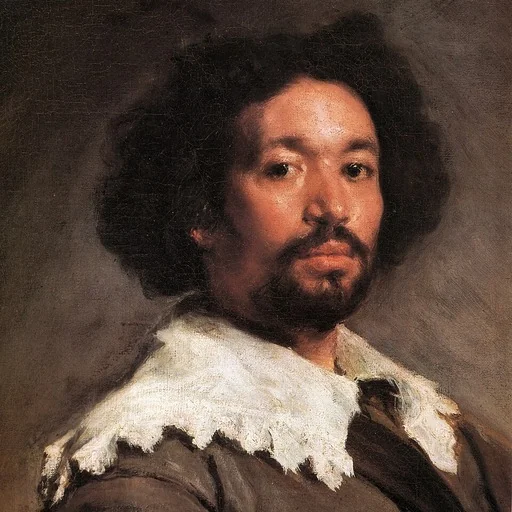
Juan de Pareja (c. 1606 – c. 1670) was a Spanish painter. Born enslaved, he is known primarily as a member of the household and workshop of painter Diego Velázquez, who freed him in 1650. His 1661 work The Calling of…

- The Angel Raphael Takes Leave of Old Tobit and his Son Tobias
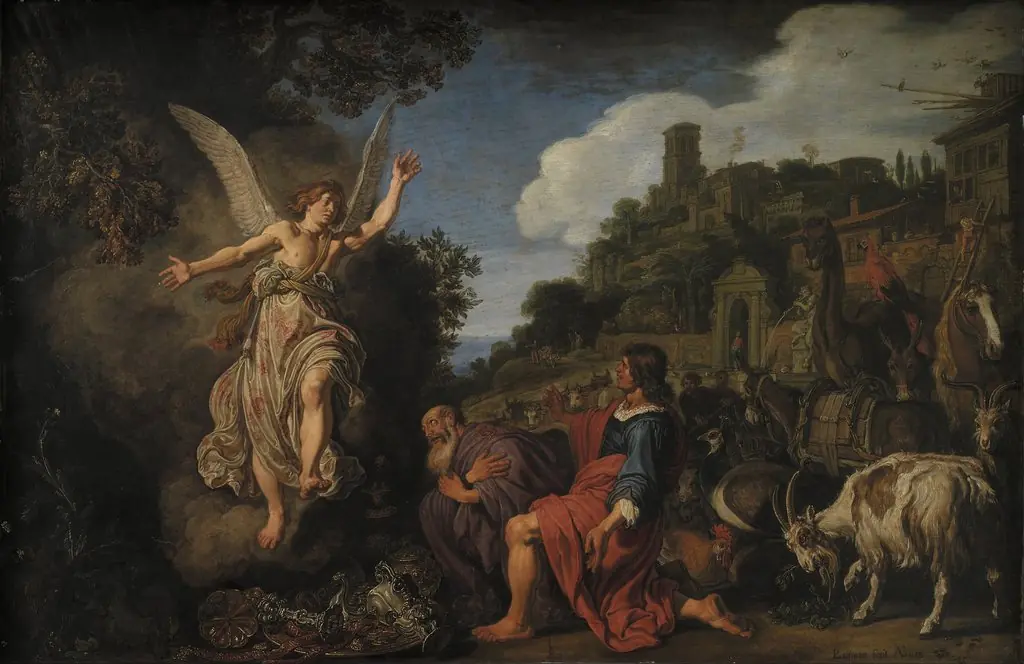 The Angel Raphael Takes Leave of Old Tobit and his Son Tobias
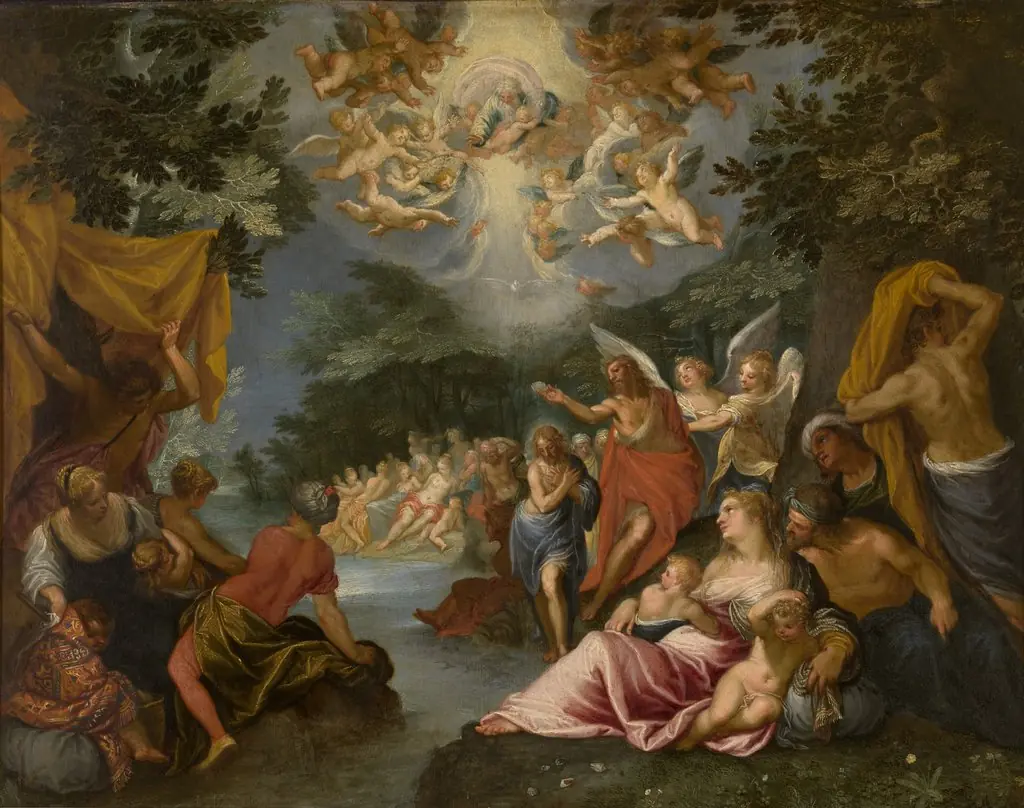 The Baptism of Christ
 Bacchus and Ariadne
 Lucha de Jacob con el ángel
 The Death of the Centaur Nessus
 The Baptism of Christ
 La Rendición de Granada
 The contest of Apollo and Pan
 The Baptism of Christ
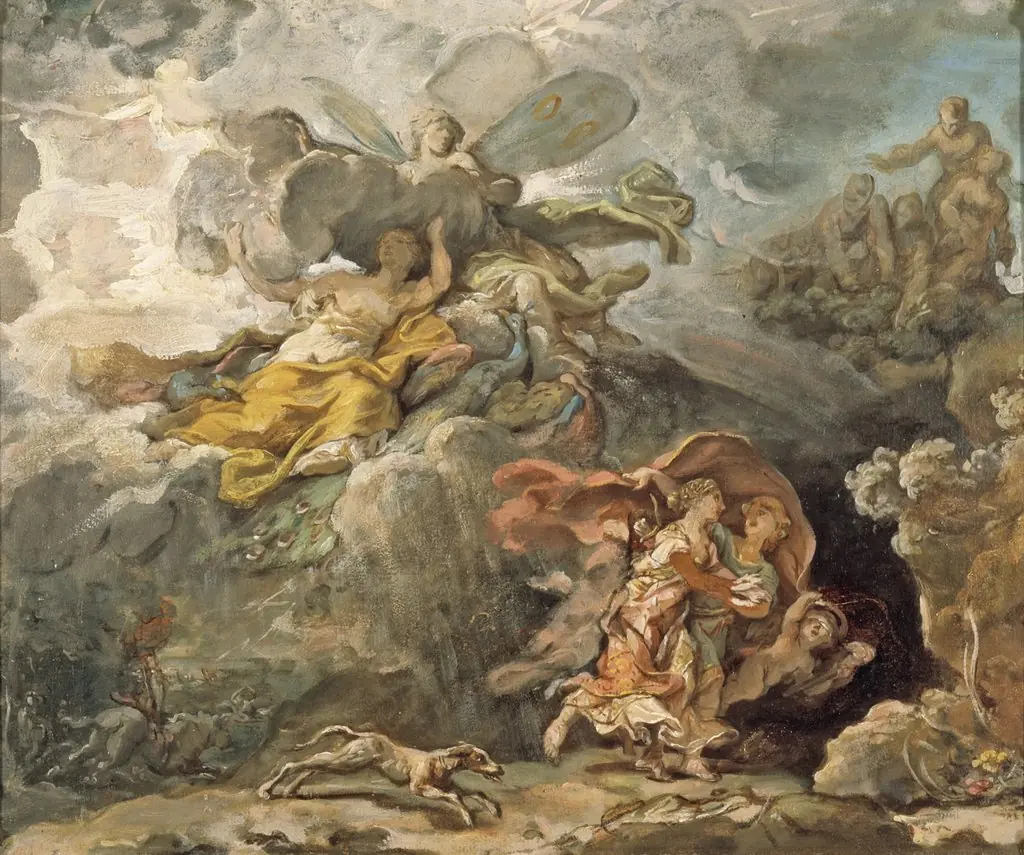 Aeneas and Dido Fleeing the Storm
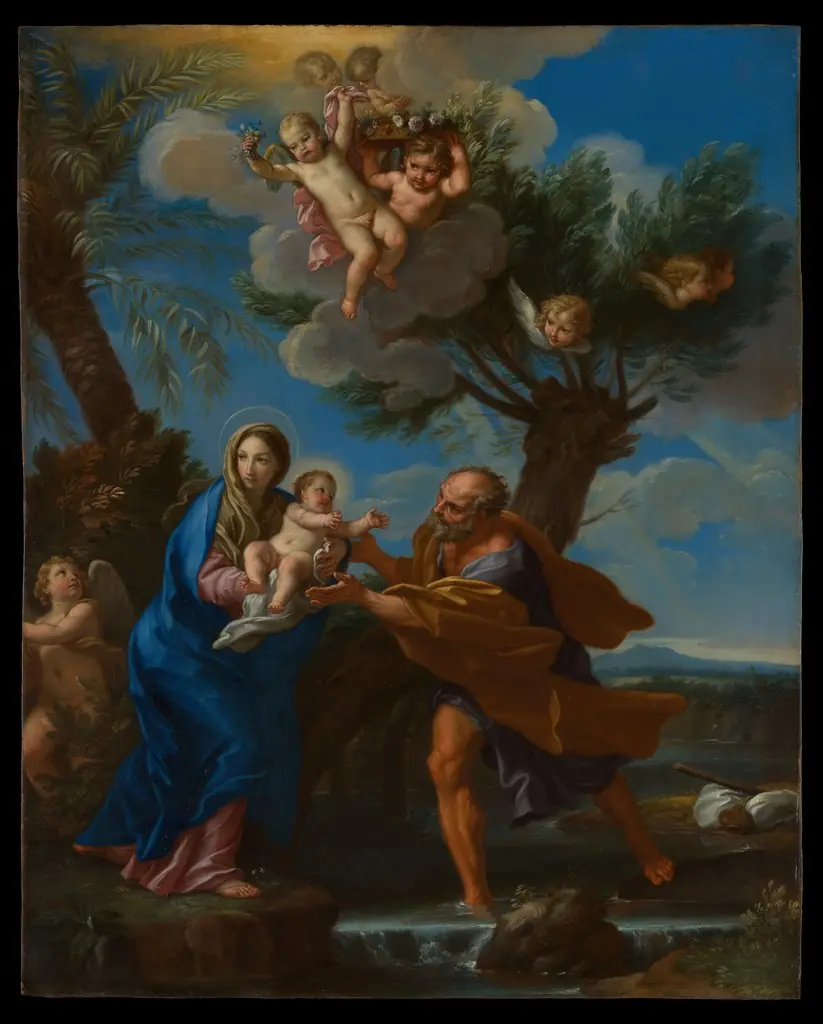 The Flight into Egypt