Artwork
伝海北友雪筆 『源氏物語』 絵巻|The Tale of Genji
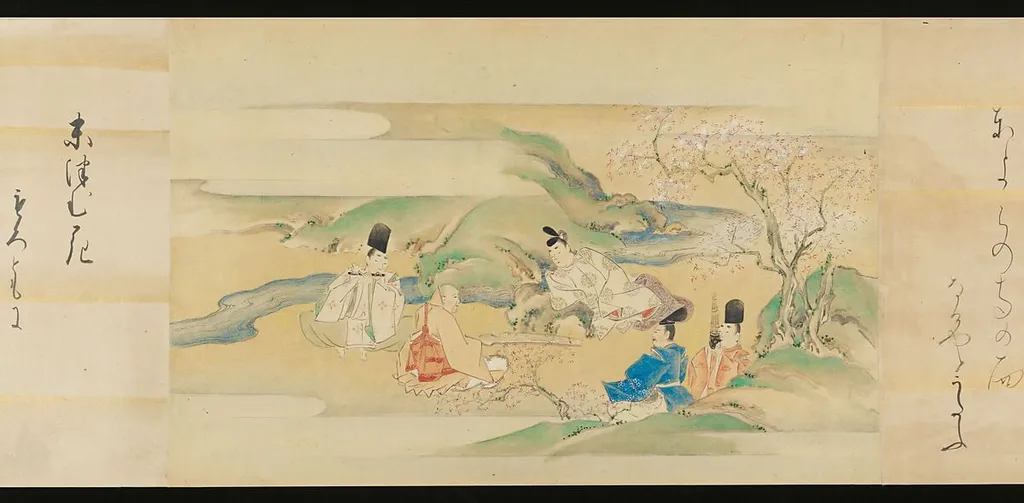
伝海北友雪筆 『源氏物語』 絵巻|The Tale of Genji is an ink painting by the Baroque artist Kaihō Yūsetsu. It dates from 1649 and is held in the collection of the Metropolitan Museum of Art. This artwork is a set of two handscrolls, rendered in ink and color on paper, depicting scenes from The Tale of Genji.
About this work
Subject & Meaning
The painting thus functions as a visual narrative that translates literary themes into iconographic form.
The handscroll pair, painted in 1649 by Kaihō Yūsetsu, illustrates moments from The Tale of Genji through interior scenes that feature a flute, a game, and figures of a man and a woman. These visual details correspond to specific chapters in which music and leisure activities underscore courtly relationships and the transitory nature of aristocratic life. By rendering a flute and a game within an interior setting, the work symbolizes the refined pastimes and emotional nuance of Heian nobility, while the presence of male and female figures highlights the narrative’s focus on romantic and social interaction. The painting thus functions as a visual narrative that translates literary themes into iconographic form.
Technique & Style
The work consists of two handscrolls dated 1649 attributed to Kaihō Yūsetsu, executed in ink and polychrome pigments on paper supports. As a pair of painted handscrolls, the pieces follow the traditional Japanese emaki format, with narrative scenes rendered in brushwork that combines fine line drawing with areas of flat color. The sources do not specify details of the artist’s handling, the current condition of the scrolls, or any distinctive stylistic traits beyond the medium and support.
History & Provenance
The handscrolls depicting scenes from The Tale of Genji are attributed to the artist Kaihō Yūsetsu and date to 1649. Created in Japan, the works consist of two scrolls executed in ink and color on paper. These pieces are currently held in the collection of the Metropolitan Museum of Art.
The attribution identifies Yūsetsu as the creator, with the inception of the artwork established at the beginning of 1649. The scrolls illustrate various narrative elements including figures of men and women engaged in activities such as playing the flute and games within interior settings.
Overview
This artwork is a set of two handscrolls, rendered in ink and color on paper, depicting scenes from The Tale of Genji. These paintings visually interpret segments of the thousand-year-old Japanese literary work. The format allows for a sequential narrative experience as the viewer unrolls the scroll, revealing intimate moments from the classic novel.
Artist & collection
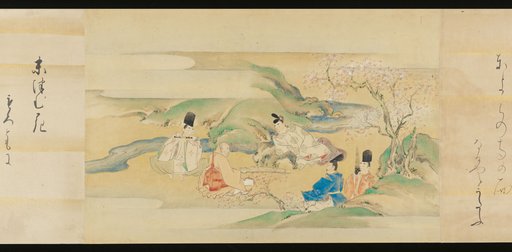

- 石山師香筆 源氏物語八景 絵巻|Eight Views from The Tale of Genji
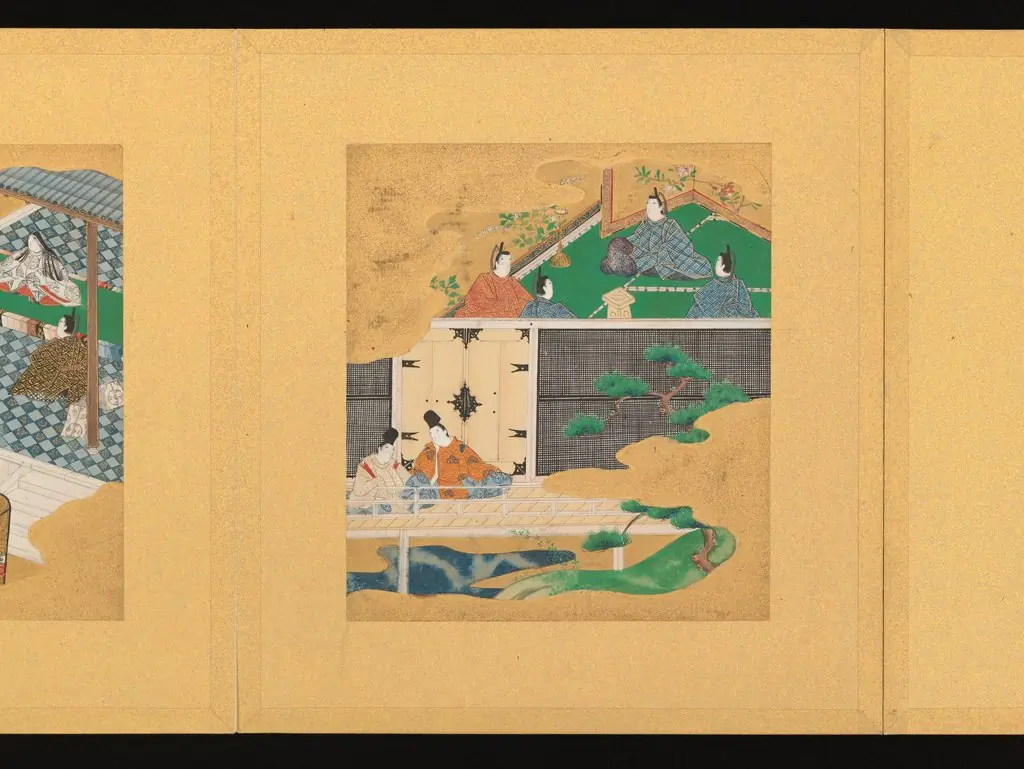 Scenes from The Tale of Genji (Genji monogatari)
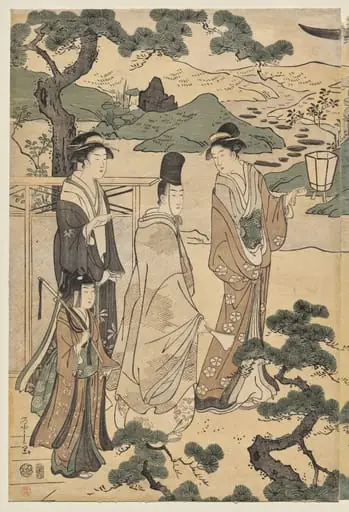 The Matsukaze Chapter of the Tale of Genji (from the series The Tale of Genji in Elegant Modern Dress)
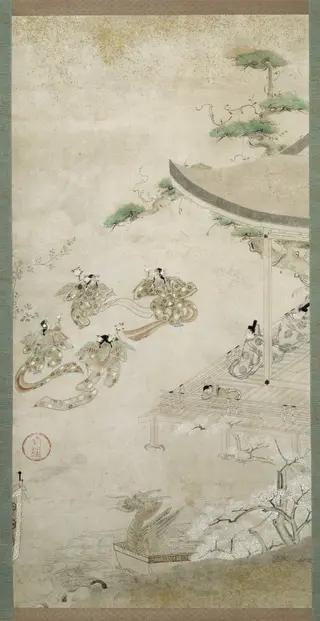 Scene from the Tale of Genji: from the chapter "Butterflies"
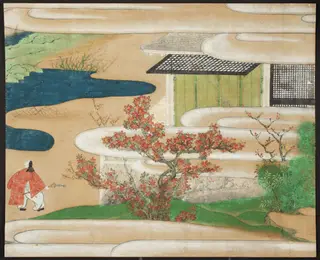 Genji Monogatari
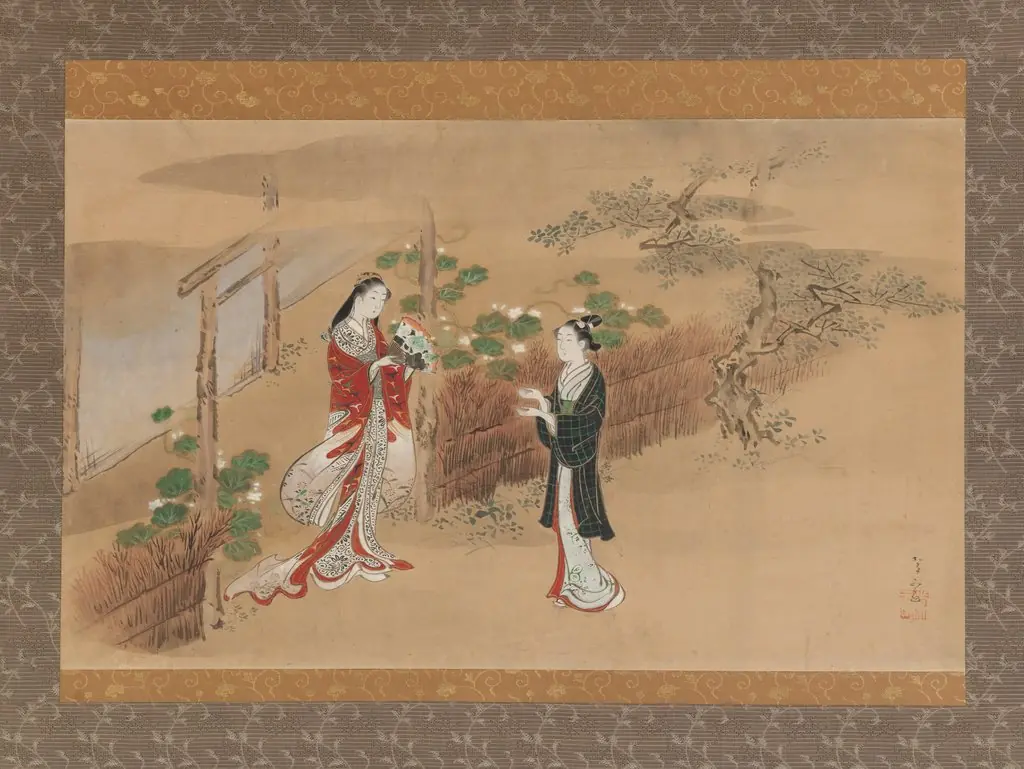 "Evening Faces" (Yūgao) chapter from The Tale of Genji (Genji monogatari)