Artwork
石山師香筆 源氏物語八景 絵巻|Eight Views from The Tale of Genji
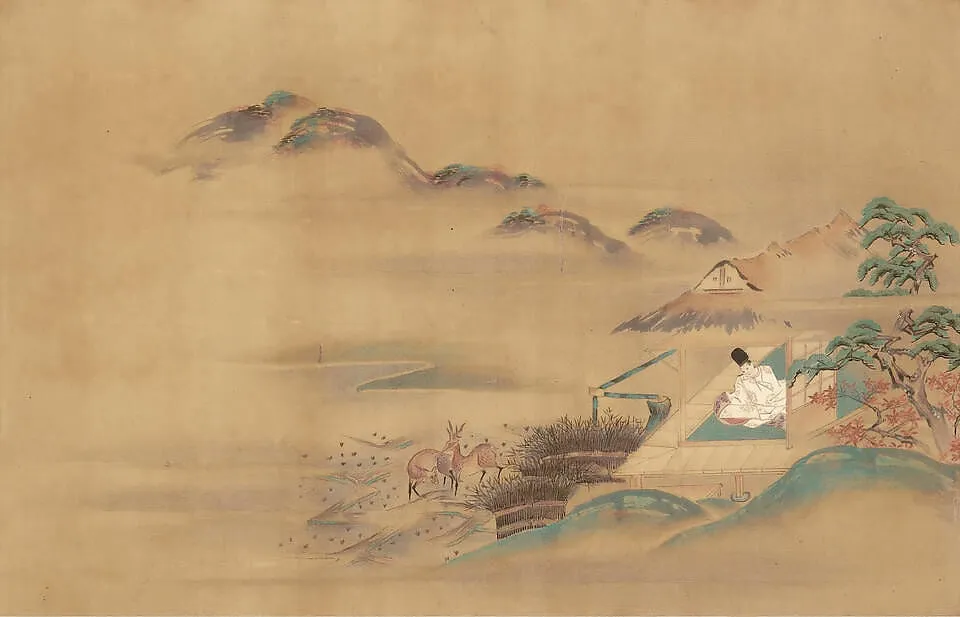
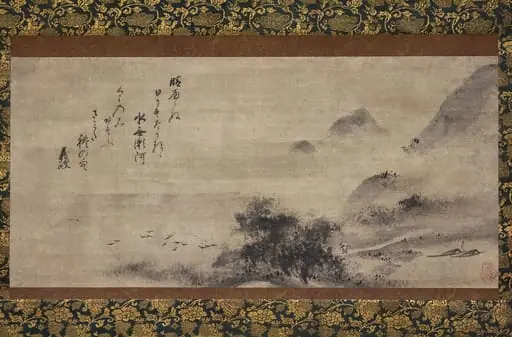
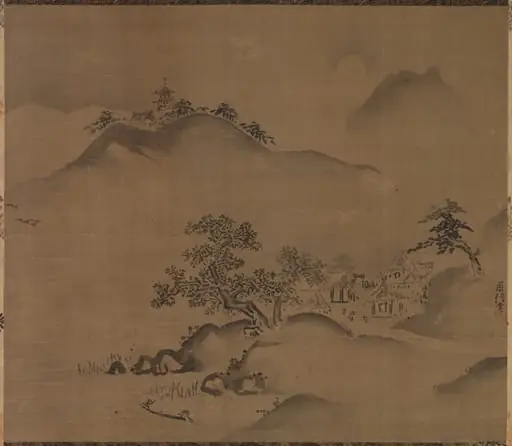
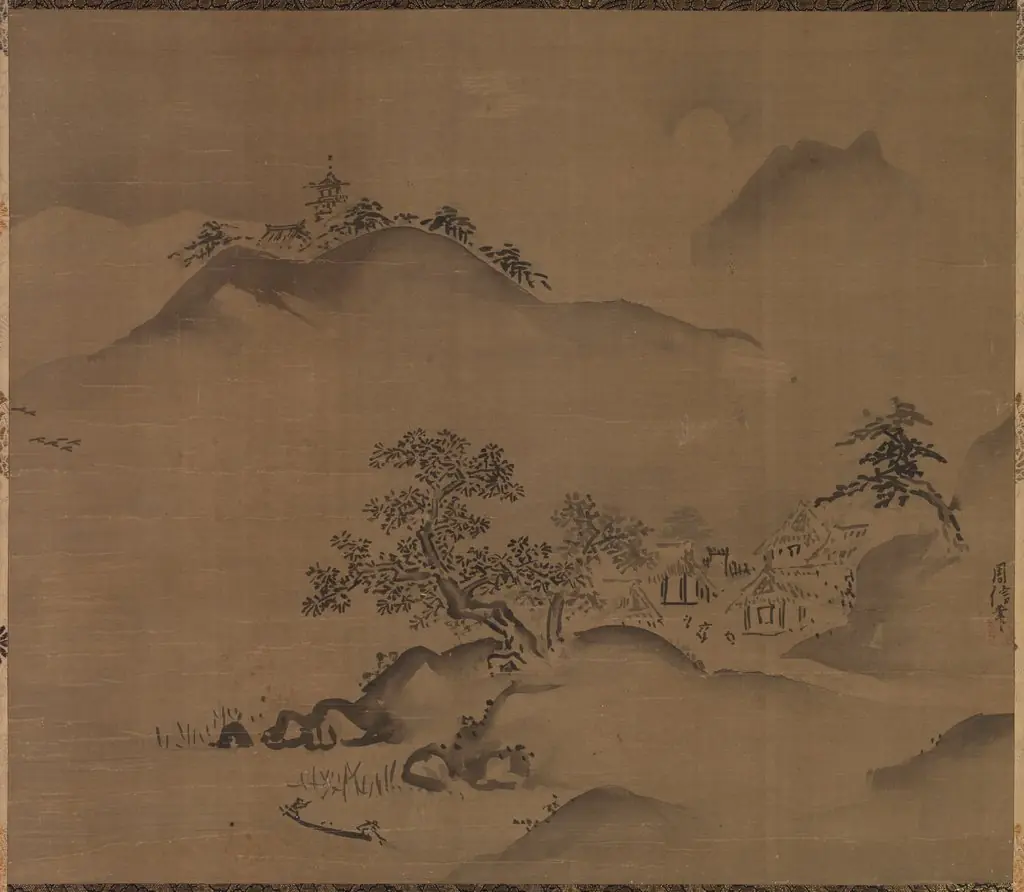
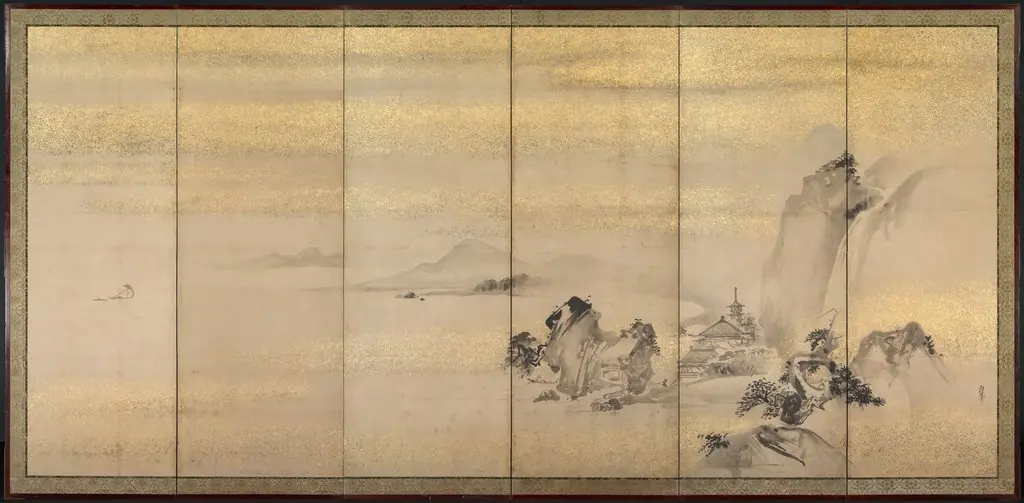
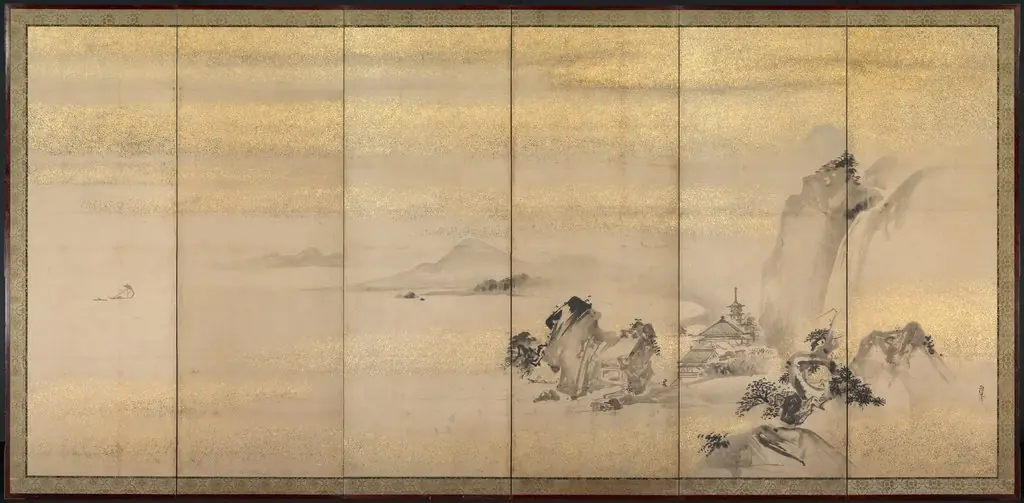
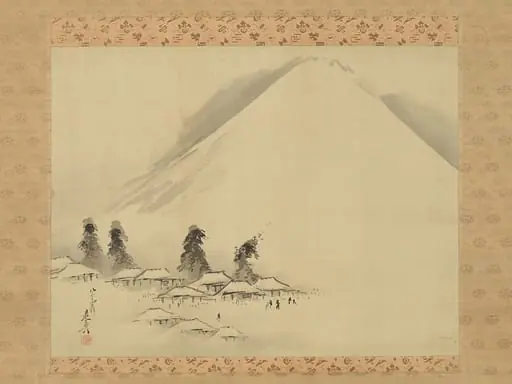
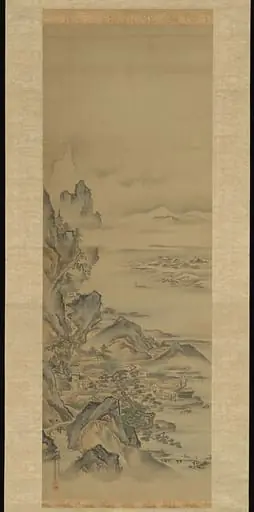
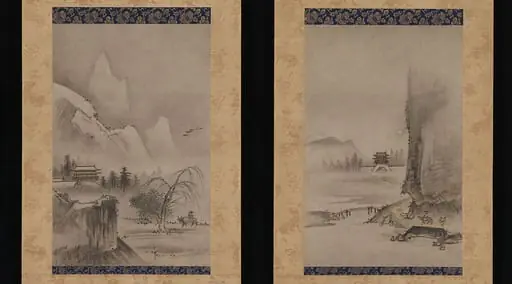
石山師香筆 源氏物語八景 絵巻|Eight Views from The Tale of Genji is an ink painting by the Baroque artist Ishiyama Moroka. It dates from 1700 and is held in the collection of the Metropolitan Museum of Art. This handscroll, titled Eight Views from The Tale of Genji, is a Japanese painting executed with ink, color, and gold on silk.
- Accession no.
- 2015.300.44
- Credit line
- Mary Griggs Burke Collection, Gift of the Mary and Jackson Burke Foundation, 2015
About this work
Technique & Style
The physical format as a handscroll dictates a sequential, intimate mode of handling, allowing the viewer to unroll the narrative landscape section by section.
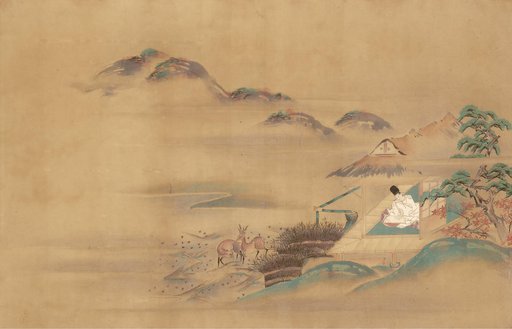
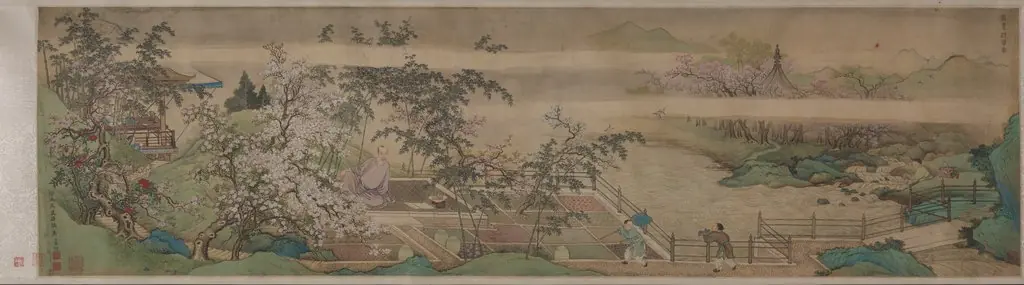
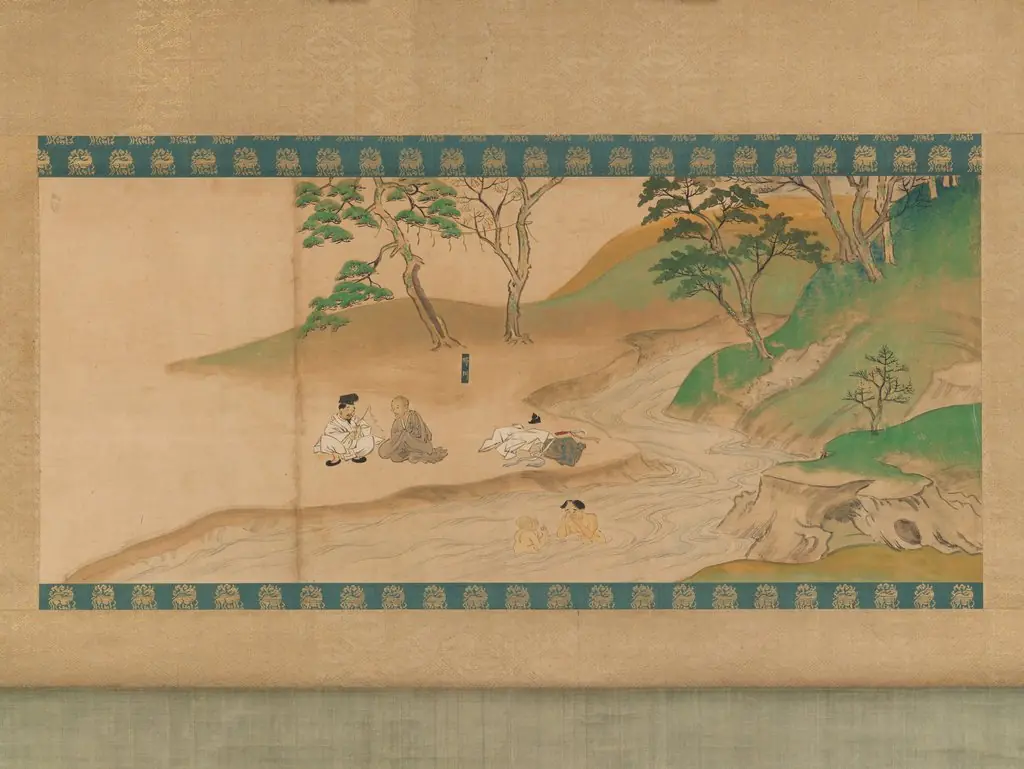
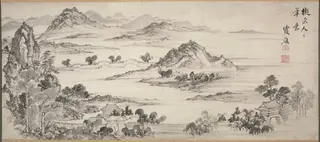
Created in 1700, this handscroll by Ishiyama Moroka is executed on a silk support using ink, color, and gold. The work functions as a landscape painting within the Japanese handscroll tradition, depicting scenes that include men and deer. The application of gold alongside ink and pigment suggests a formal approach typical of high-quality Edo-period screen and scroll painting, where precious materials enhance the visual richness of the composition.
The medium of silk allows for the delicate brushwork required for the landscape genre, while the inclusion of gold indicates a luxurious aesthetic intended for significant viewing. The physical format as a handscroll dictates a sequential, intimate mode of handling, allowing the viewer to unroll the narrative landscape section by section.
History & Provenance
Eight Views from The Tale of Genji was created in 1700 by Ishiyama Moroka, executed as a handscroll in ink, color, and gold on silk. The work originated in Japan during the early eighteenth century and was produced as a literary-inspired landscape painting drawing on episodes from the classic Tale of Genji. The scroll subsequently entered the collection of the Metropolitan Museum of Art, where it is presently held.
No further details regarding its early ownership, intermediate custodians, or the circumstances of its commission are documented in the available records.
The handscroll Eight Views from The Tale of Genji by Ishiyama Moroka, dated to 1700, is held in the collection of the Metropolitan Museum of Art, as recorded in the work's Wikidata entry. The painting is classified within the museum's Paintings department and is catalogued as a Japanese landscape work executed in ink, color, and gold on silk. No specific accession number is provided in the available sources, and no exhibition history is documented beyond its current institutional placement at the Met.
Legacy
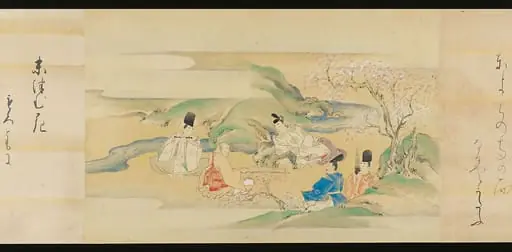
The handscroll by Ishiyama Moroka, created in 1700 and held by the Metropolitan Museum of Art, represents a prominent Edo‑period visual rendering of The Tale of Genji. Executed in ink, color and gold on silk, the work portrays eight scenes that include deer, landscape elements and human figures, aligning with the genre of narrative landscape painting. Its presence in a leading museum collection has made it a frequent reference point in scholarly discussions of Genji‑e and has contributed to the continued appreciation of early Japanese narrative handscrolls.
Consequently, the piece is regarded as an influential example that shaped later artistic interpretations of the literary classic.
Overview
This handscroll, titled Eight Views from The Tale of Genji, is a Japanese painting executed with ink, color, and gold on silk. It represents one segment of a larger series that draws inspiration from the ancient literary work. The artist, Ishiyama Moroka, interprets a specific moment from the narrative, choosing to emphasize the atmosphere and setting rather than a direct depiction of the story's main characters.
Subject & Meaning
The artwork illustrates a scene from The Tale of Genji, a pivotal work of Japanese literature written approximately one thousand years ago. Instead of featuring the titular prince, the artist conveys the narrative's emotional depth through the environment. A quiet riverbank at dusk, leaning willow trees, a solitary figure by a red gate, and a deer contribute to a contemplative mood, reflecting the story's nuanced themes.
Context
Illustrations of The Tale of Genji form a significant tradition in Japanese art, with artists repeatedly returning to its rich narrative for inspiration. This handscroll exemplifies how literary themes are translated into visual form, often through evocative natural settings and symbolic imagery. The work contributes to the broader history of Japanese narrative painting, where landscapes frequently serve to convey emotional states and advance storytelling.
Artist & collection