Artwork
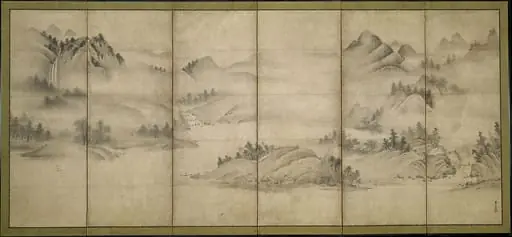
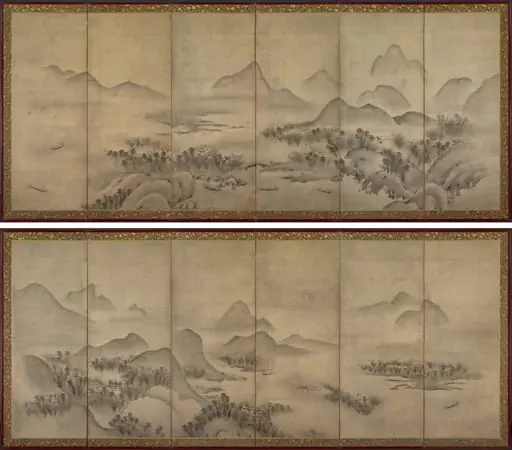
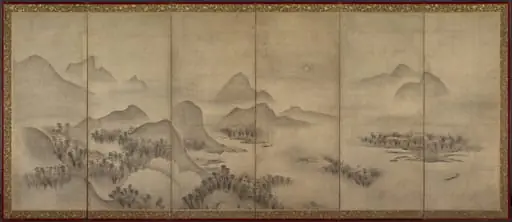
Eight Views of the Xiao and Xiang Rivers
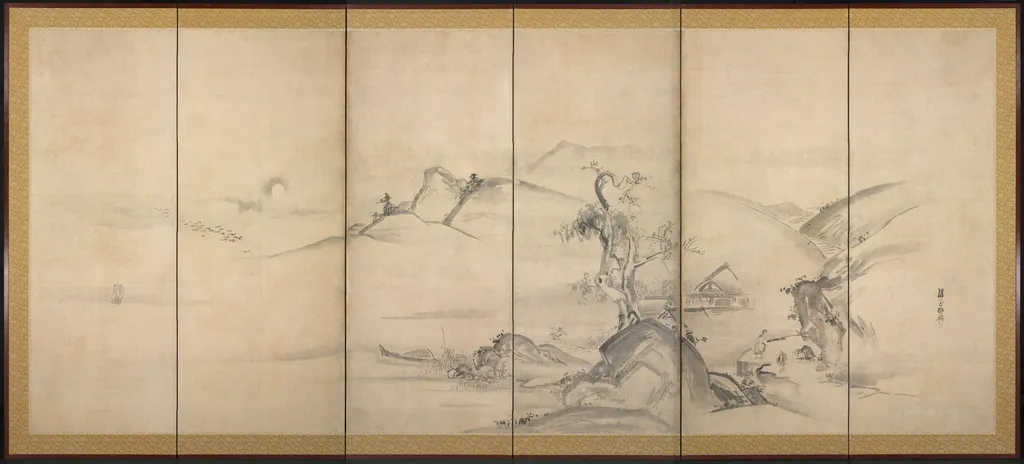
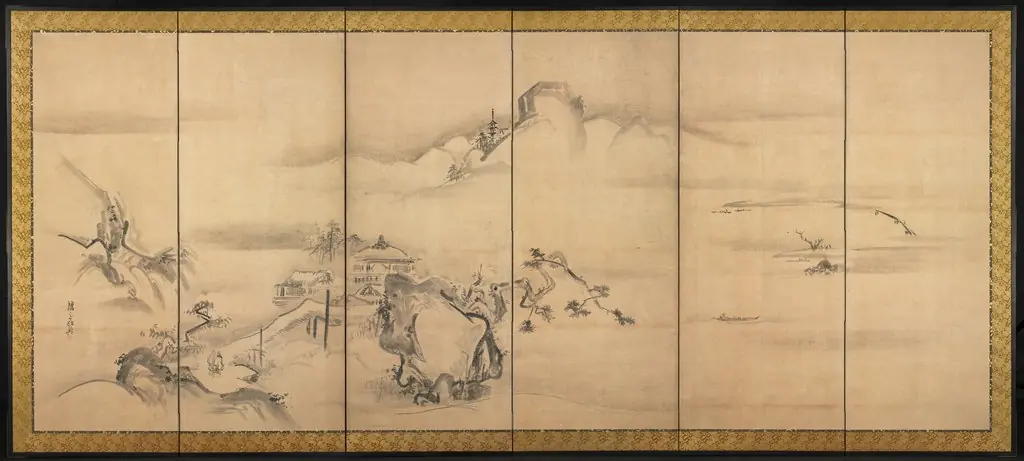
Eight Views of the Xiao and Xiang Rivers is an unspecified painting by the Rococo painting artist Watanabe Shikō. It dates from 1732 and is held in the collection of the Cleveland Museum of Art.
About this work
History & Provenance
The painting is now part of the collection of the Cleveland Museum of Art, where it is held under accession number 1968.
Eight Views of the Xiao and Xiang Rivers was created in 1732 by the Japanese painter Watanabe Shikō in Japan. The work depicts the Xiao and Xiang Rivers. The painting is now part of the collection of the Cleveland Museum of Art, where it is held under accession number 1968.267.
It is classified as a painting. No information about a commission or earlier owners is provided in the available sources.
Legacy
The series influenced subsequent Japanese artists who depicted riverine landscapes through a blend of poetic narrative and meticulous detail. Its reputation grew in the 20th century, particularly after the Cleveland Museum of Art acquired the work in 1968, where it remains part of the permanent collection. The legacy of the paintings is evident in modern exhibitions that explore Edo-period visual culture and their role in shaping perceptions of Chinese literary themes within Japanese art.
Overview
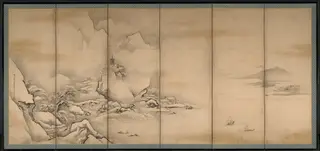
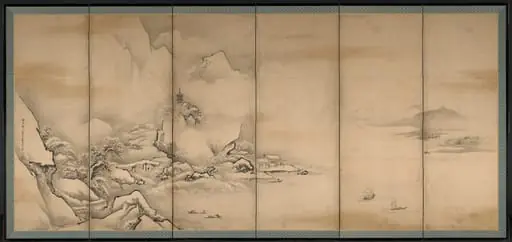
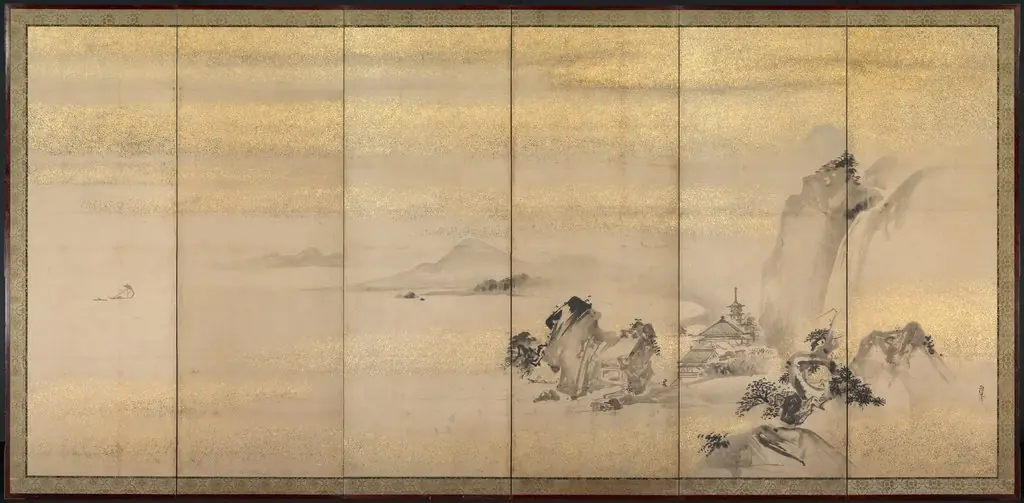
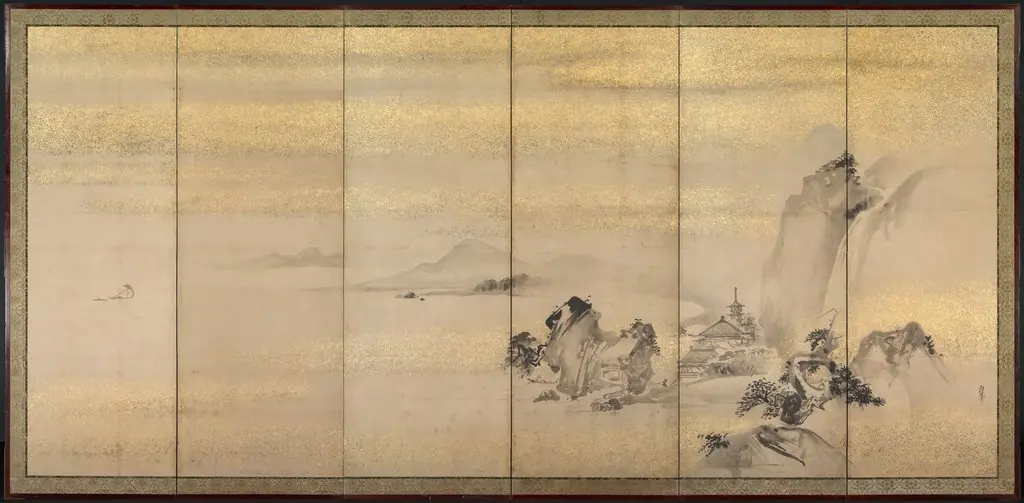
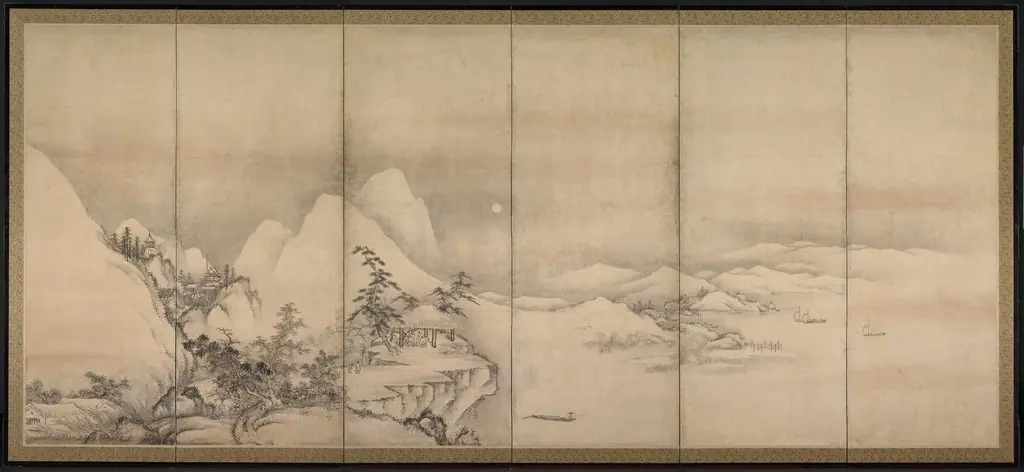
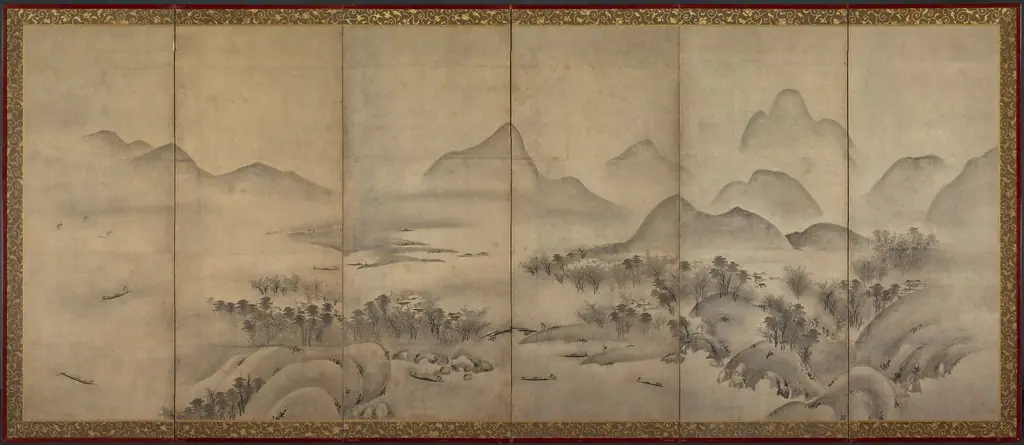
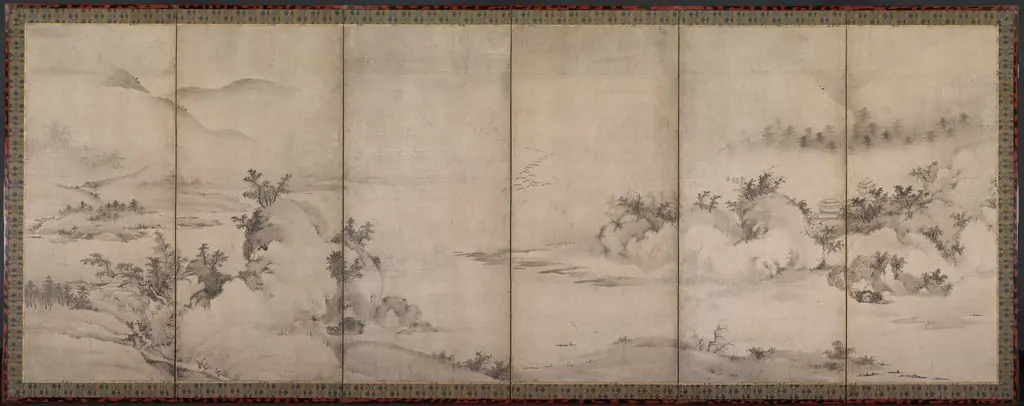
Created in 1732 by the Japanese painter Watanabe Shikō, this ink painting titled Eight Views of the Xiao and Xiang Rivers is part of the collection at the Cleveland Museum of Art. The work presents a tranquil riverscape rendered in monochrome, inviting the viewer to contemplate a moment of stillness within a broader natural setting.
Subject & Meaning
The composition depicts a gently flowing river flanked by misty hills, a solitary boat, and modest structures perched on rocky outcrops. Sparse human figures near the shore suggest quiet activity, while the winding trees emphasize the harmony between cultivated and wild elements, reflecting traditional Chinese landscape ideals of balance and contemplation.
Technique & Style
Watanabe Shikō employs restrained brushwork, using varying ink tones to model depth and atmosphere. Thin, fluid lines define the cliffs and foliage, while broader washes suggest mist and sky. The limited palette of grays creates a sense of distance, allowing the viewer’s eye to travel across the layered landscape without distraction.
Artist & collection
Artist
Watanabe Shikō or Motooki (渡辺 始興; 1683 - 5 September 1755) was a Japanese painter of the Rinpa school. Also known by his common name Kyūma, his other art names included Shōken (松軒) and Soshin (素信).