Artwork
Herbaceous Peony
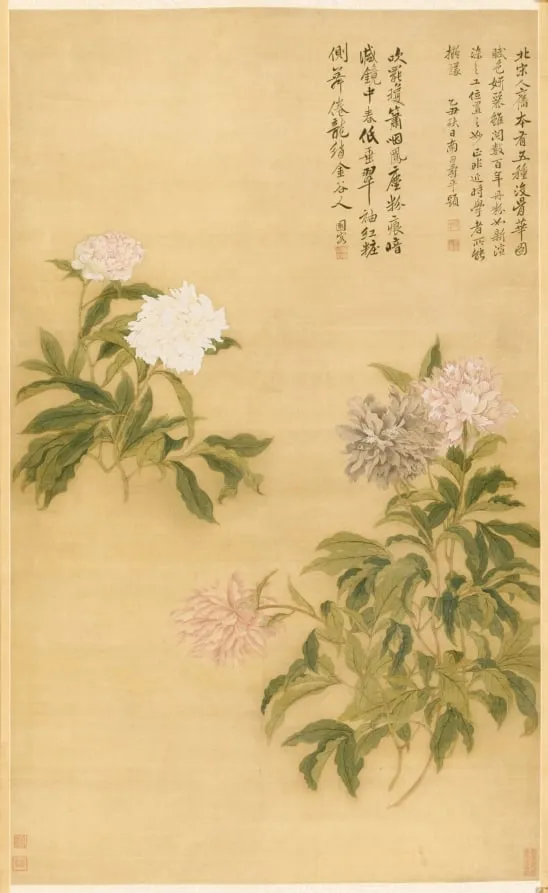
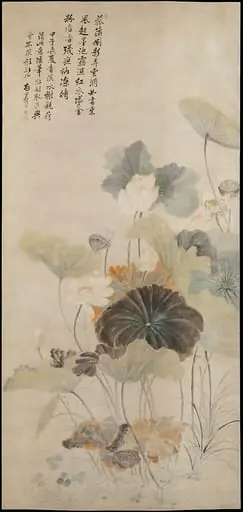
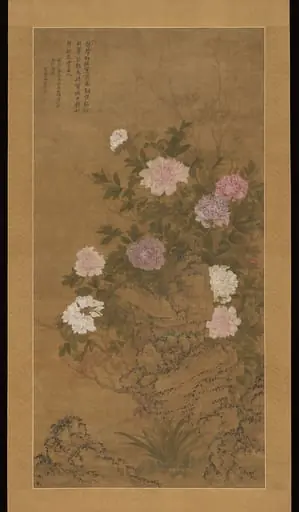
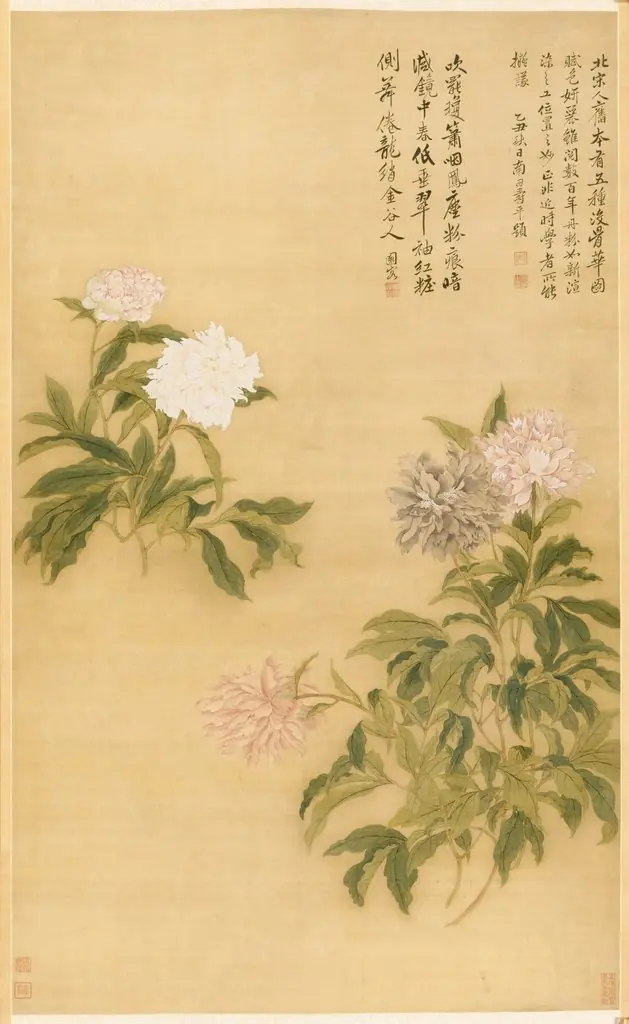
Herbaceous Peony is an unspecified painting by the Baroque artist Yun Shouping. It dates from 1685 and is held in the collection of the Cleveland Museum of Art.
- Accession no.
- 1967.192
- Credit line
- Gift of the American Foundation for the Maud E. and Warren H. Corning Botanical Collection
About this work
You see a single peony flower in soft ink on paper, petals loose, leaves curling, stem bent as if caught in a breeze.
You see a single peony flower in soft ink on paper, petals loose, leaves curling, stem bent as if caught in a breeze.
This flower wasn’t just pretty. After the Ming dynasty fell, artists like Yun Shouping used peonies to stand for old loyalties. The peony, called the “king of flowers,” became a quiet protest.
To see how others painted coded blooms, look up subject: china, qing dynasty (1644-1911).
Overview
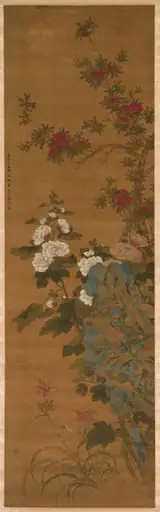
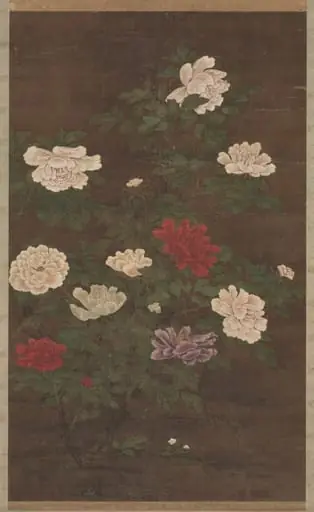
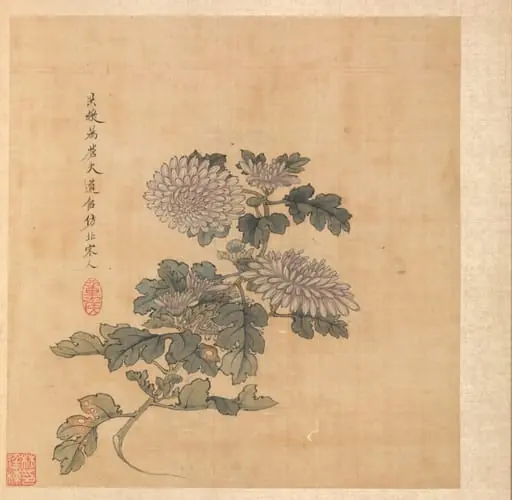
Yun Shouping, a native of Piling (now Changzhou) in Jiangsu, created a delicate ink painting of a single herbaceous peony on paper. The composition shows the flower’s petals loosely unfurled, its leaves curling, and a stem that bends as if stirred by a gentle wind, rendered in soft monochrome tones.
Subject & Meaning
In the early Qing period the peony, long celebrated as the "king of flowers," acquired a covert political resonance. Yun, a former participant in anti‑Manchu resistance who endured imprisonment and family loss in 1644, employed the withered, pale blossom as a subtle emblem of Ming loyalty and lament for the fallen regime.
Technique & Style
The work follows the boneless (mogu) method, a brush technique that eschews outlines in favor of washes and ink‑color gradations. Yun’s handling of ink and faint red veins on the broken branches demonstrates a refined control of pigment, achieving a luminous quality that retains its freshness despite the painting’s age.
History & Provenance
An inscription on the scroll references an earlier anonymous Northern Song painting featuring five flower varieties, praising its enduring pigments and compositional subtlety. This note links Yun’s piece to a tradition of reverence for earlier masters, suggesting the work was valued as a continuation of that lineage.
Context
Created after the Ming collapse, the painting reflects a broader trend among Qing‑era artists who encoded personal and political sentiments within botanical subjects. The peony’s altered appearance, slightly wilted and pallid, mirrors the artist’s sense of loss and the turbulent transition from Ming to Qing rule.
Artist & collection

Artist
Yun Shouping (Chinese: 惲壽平; 1633 – 1690), also known as Nantian (Chinese: 南田), was a Chinese calligrapher and painter.