Artwork
Orientalische Stadt
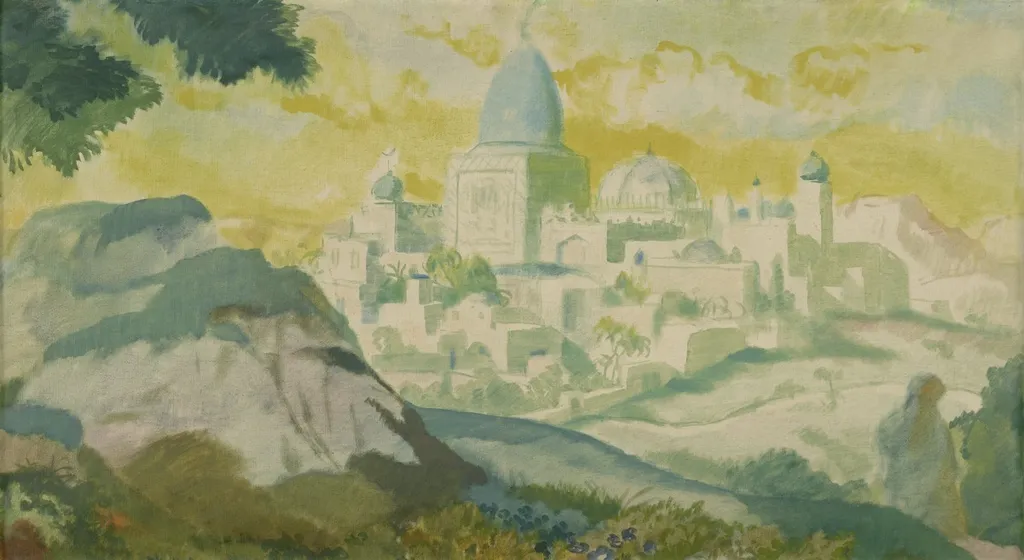
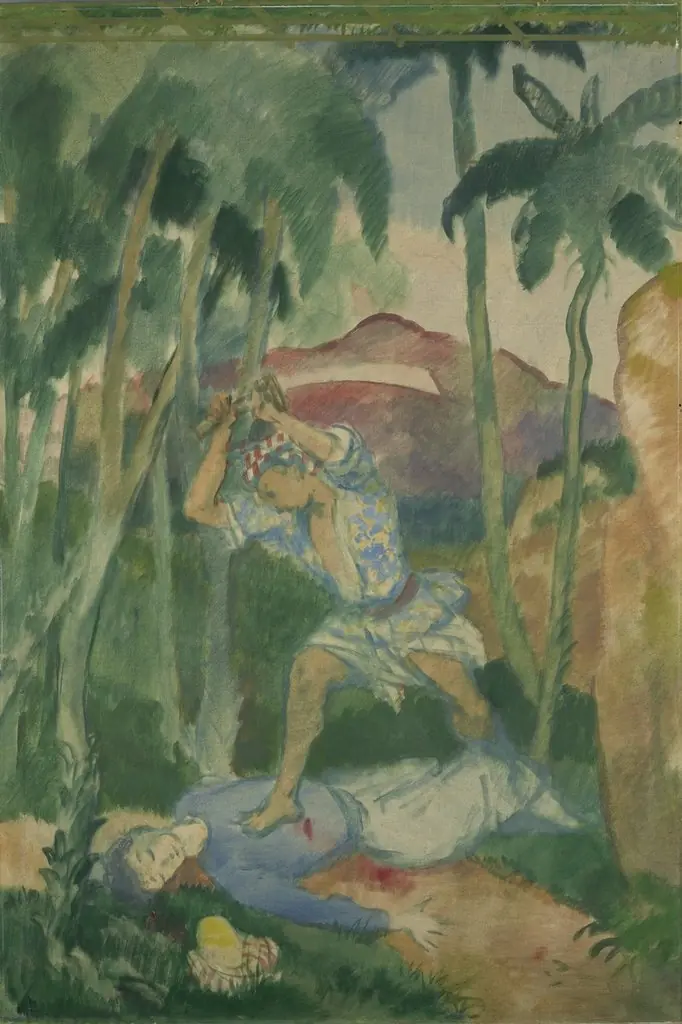
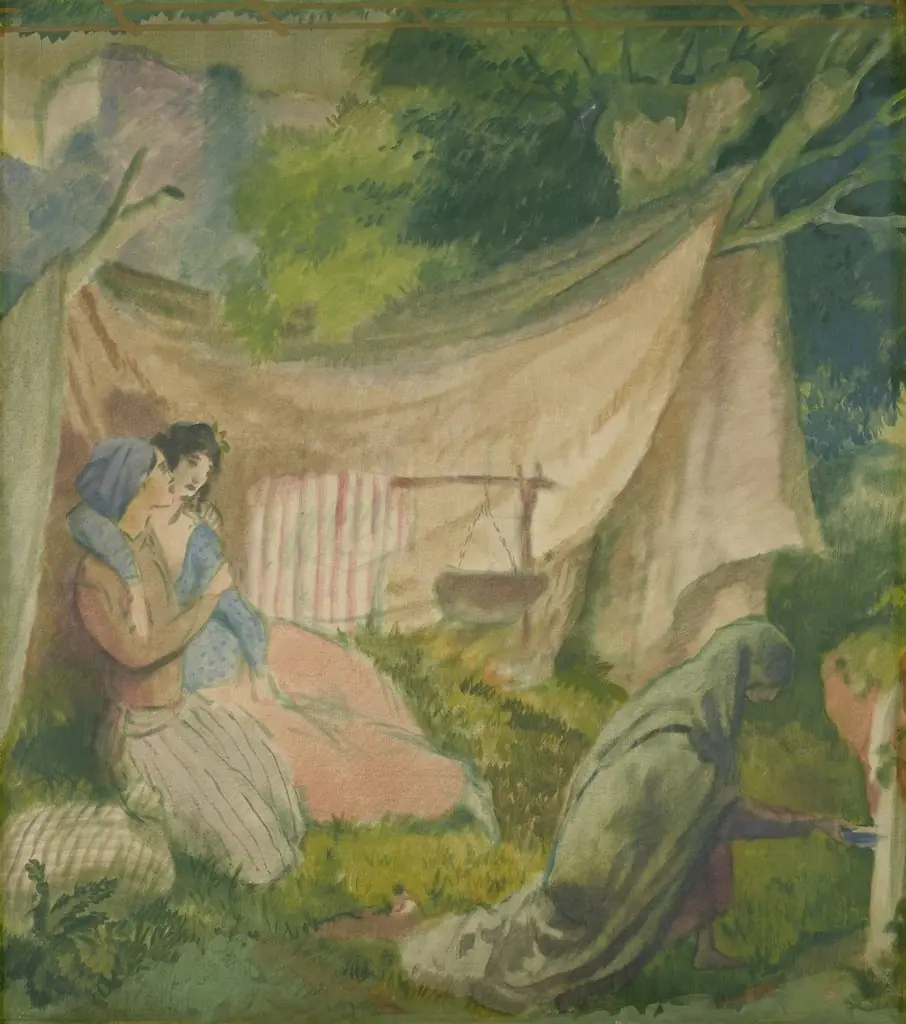
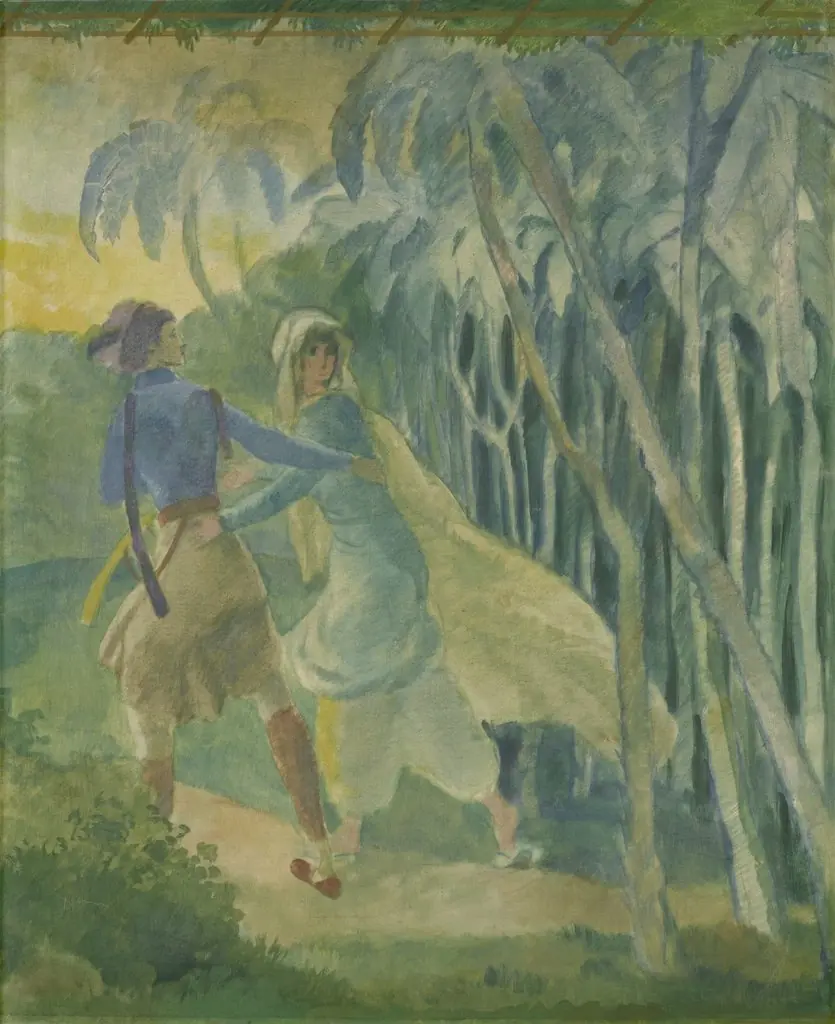
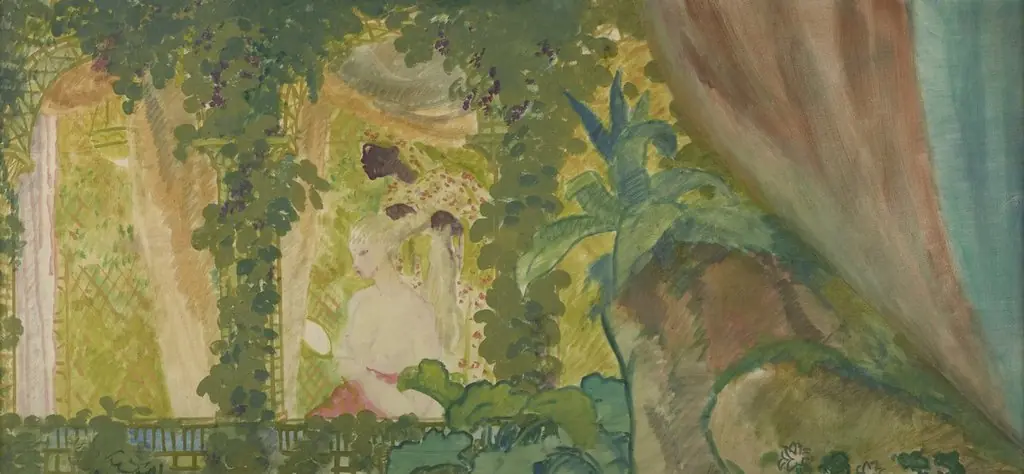
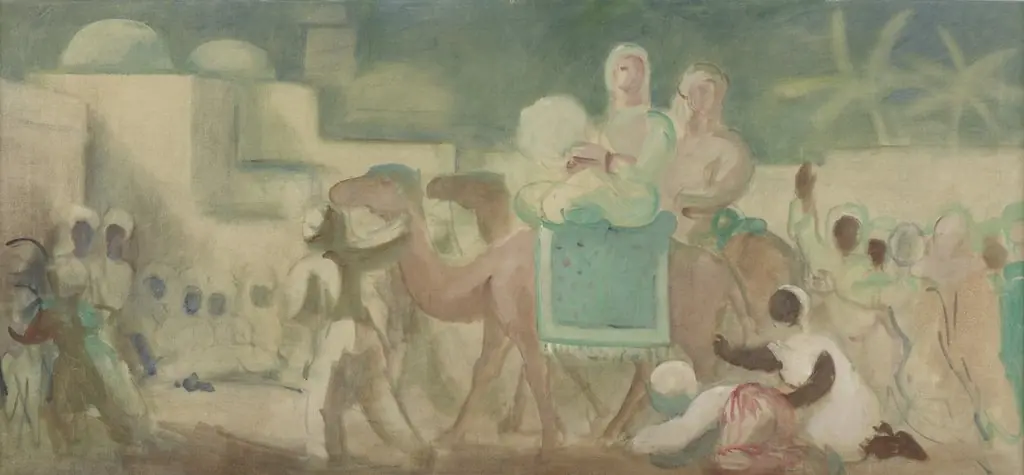
Orientalische Stadt is a tempera painting by the Art Nouveau artist Karl Walser. It dates from 1911 and is held in the collection of the Kunsthaus Zürich.
About this work
Overview
Orientalische Stadt is a 1911 tempera painting by Swiss artist Karl Walser, characterized by its Art Nouveau-inspired design and serene depiction of an imaginary Eastern cityscape.
Subject & Meaning
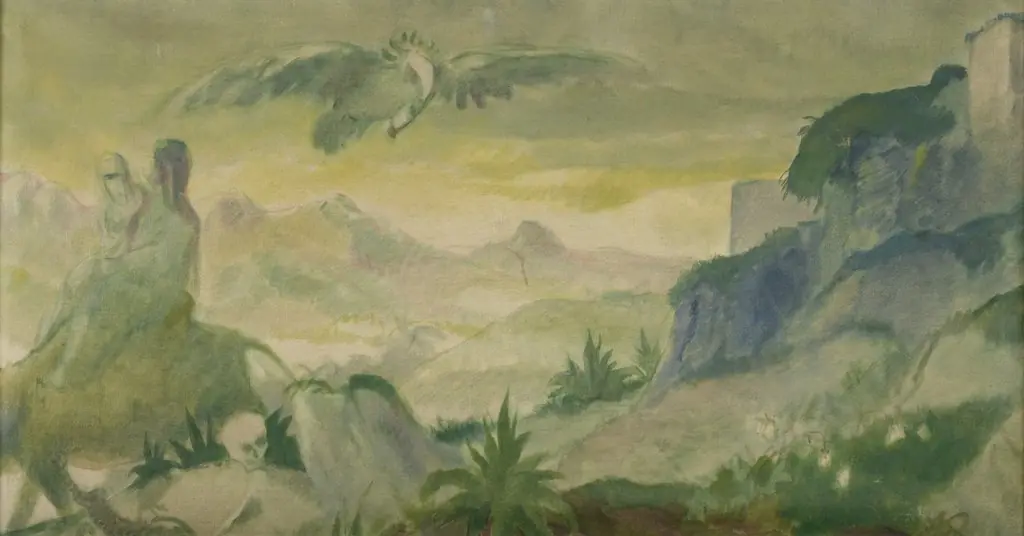
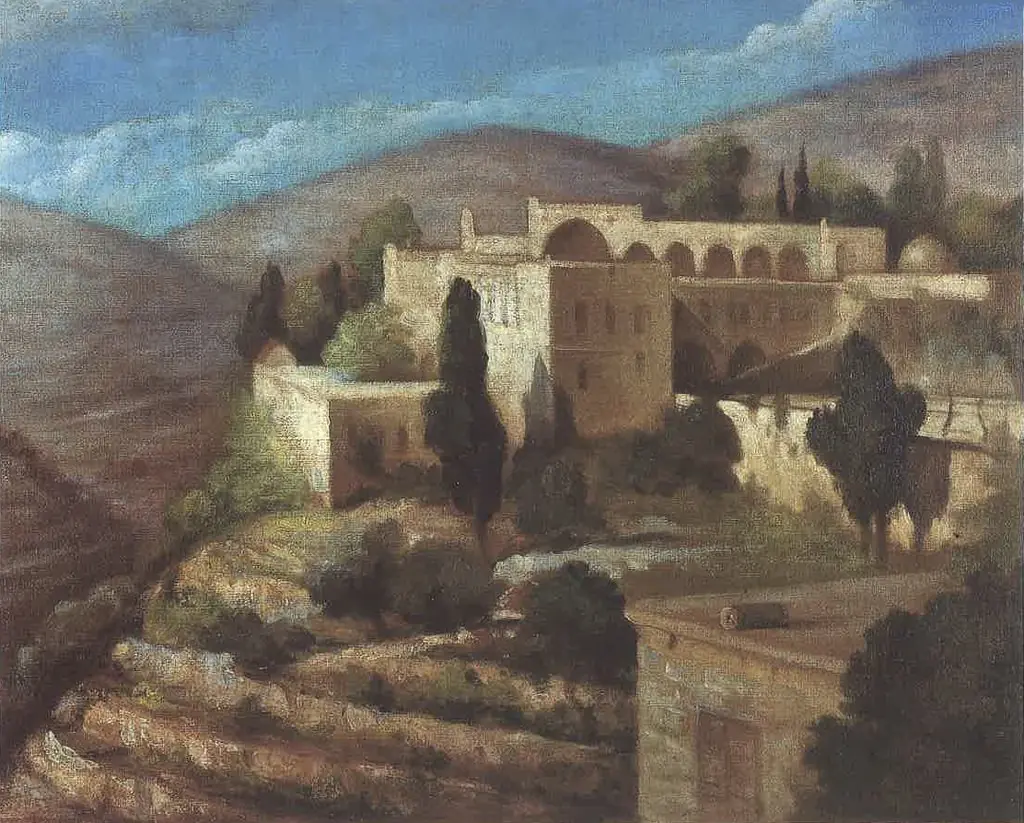
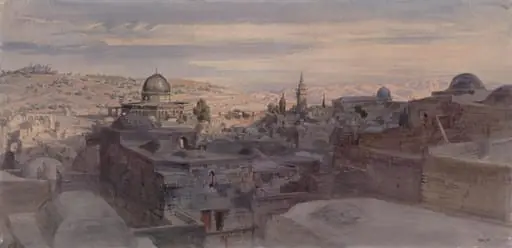
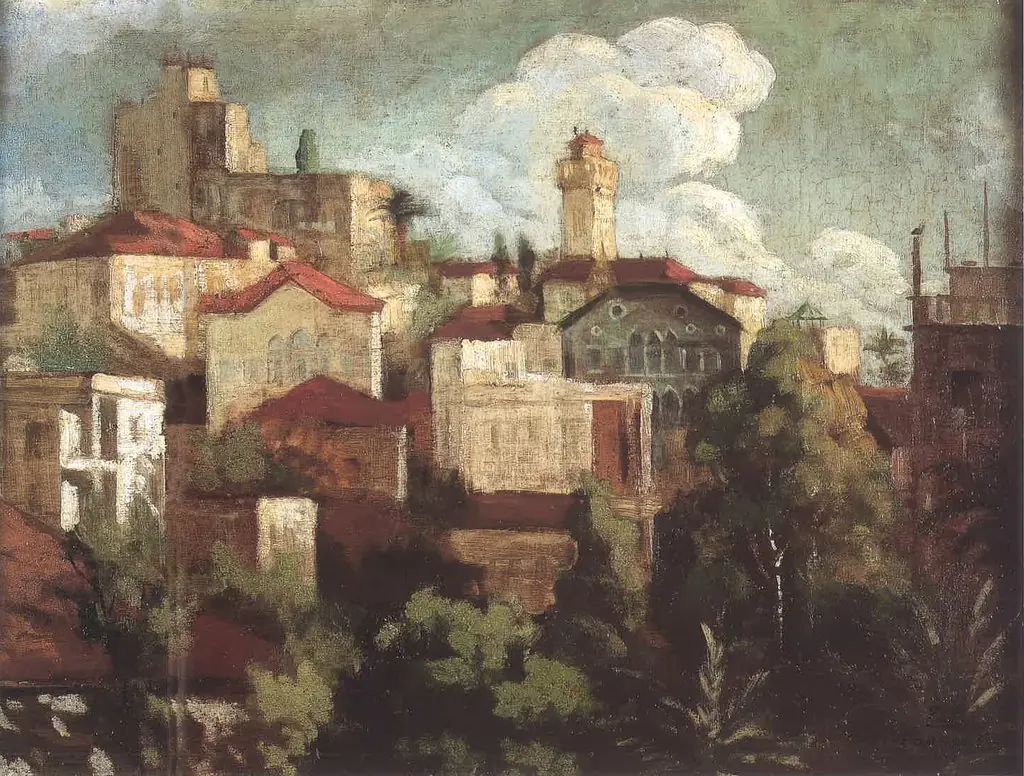
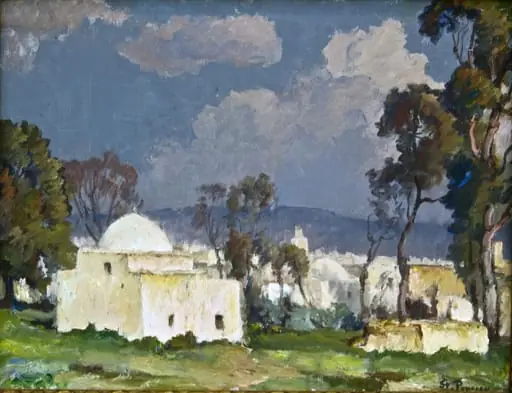
The painting portrays a fantastical urban scene with a central, domed building surrounded by smaller domes, trees, and a yellow-clouded sky, evoking a sense of calm and tranquility through its stylized, flowing forms.
Technique & Style
Executed in tempera, the work features smooth, flat textures and a muted color palette dominated by greens and yellows, reflecting both the Art Nouveau aesthetic and Walser's versatility as a painter and illustrator.
History & Provenance
Created during Walser's period of association with Max Beckmann, whose expressive compositional influence is discernible, the painting is now part of the collection at Kunsthaus Zürich.
Context
Orientalische Stadt embodies the early 20th-century European fascination with Orientalist themes, blending Walser's personal style with the prevailing Art Nouveau movement.
Legacy
While specific lasting impacts of Orientalische Stadt on the art world are not broadly documented, it remains a notable example of Walser's oeuvre and the Art Nouveau style's reach into Swiss art.
Artist & collection
Artist
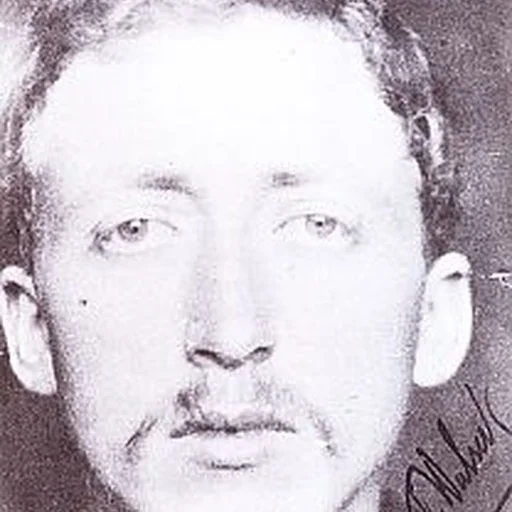
Karl Edmund Walser (April 8, 1877, Teufen - September 28, 1943, Bern) was a Swiss painter, stage designer, illustrator, muralist, and artist.