Artwork
詩歌写真鏡 李白|Ri Haku from the series Mirrors of Japanese and Chinese Poems (Shiika shashin kyō)
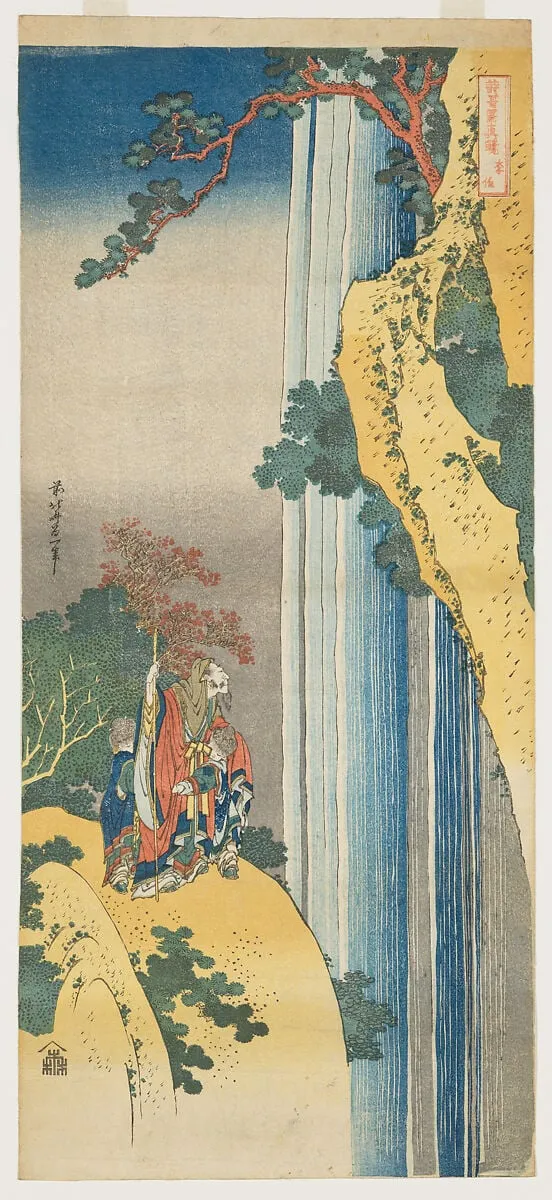
詩歌写真鏡 李白|Ri Haku from the series Mirrors of Japanese and Chinese Poems (Shiika shashin kyō) is an ink print by the Japonisme artist Katsushika Hokusai. It dates from 1832 and is held in the collection of the Metropolitan Museum of Art.
About this work
Overview
The image presents a solitary figure in a straw hat perched on a rock, observing a cascading waterfall that generates mist and wind‑ruffled robes.
Created around 1832, this woodblock print by Katsushika Hokusai belongs to the series Mirrors of Japanese and Chinese Poems (Shiika shashin kyō). The image presents a solitary figure in a straw hat perched on a rock, observing a cascading waterfall that generates mist and wind‑ruffled robes. The work pairs visual drama with a literary reference, embodying the series’ aim of visualizing celebrated poetry.
Subject & Meaning
The central figure, a traveler cloaked in a flowing robe, watches the torrent as it plunges into the valley below. The scene evokes the Chinese poet Li Bai, renowned for his reverence of natural grandeur. By rendering the waterfall as a surge of kinetic energy, Hokusai translates the poet’s lyrical vigor into a visual rhythm, suggesting the poem’s words are as forceful as the water itself.
Technique & Style
Executed with traditional ukiyo‑e woodblock methods, the print combines black ink outlines with layered color washes to model depth and atmosphere. Hokusai’s use of fine carving captures the mist’s translucency, while the bold, sweeping strokes that define the water’s motion reflect his mature handling of line and composition. The contrast between the dark silhouette of the figure and the luminous spray heightens the dramatic effect.
History & Provenance
The print emerged late in Hokusai’s career, a period marked by prolific series work that linked visual art with classical literature. It was produced in Edo (modern Tokyo) and circulated among literati who collected such poem‑illustration sets. The piece has since entered museum collections and private holdings, often cited as a representative example of Hokusai’s interdisciplinary approach.
Context
Mirrors of Japanese and Chinese Poems reflects a broader Edo‑period fascination with Chinese culture and poetry, especially the works of Li Bai, whose themes of nature and spontaneity resonated with Japanese artists. Hokusai’s choice to depict a waterfall aligns with his repeated exploration of water motifs, situating this print within a larger thematic continuum that includes his famous depictions of rivers, seas, and rain.
Artist & collection

Artist
Katsushika Hokusai spent his life in Edo, now Tokyo, where he drew and carved prints for a living.

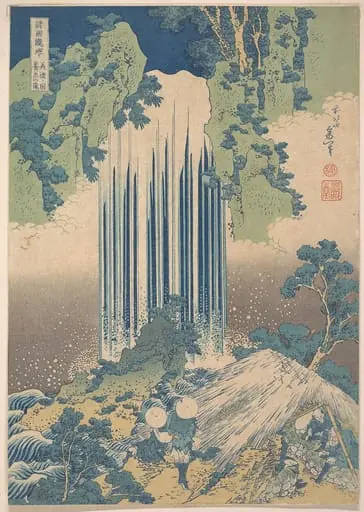 諸國瀧廻リ 美濃ノ国養老の滝|Yōrō Waterfall in Mino Province (Mino no Yōrō no taki), from the series A Tour of Waterfalls in Various Provinces (Shokoku taki meguri)
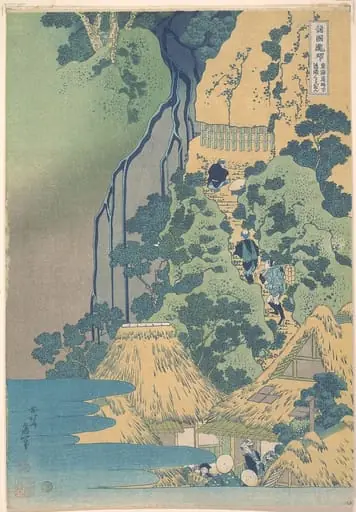 諸國瀧廻リ 東海道坂ノ下 清瀧くわんおん|Kiyotaki Kannon Waterfall at Sakanoshita on the Tōkaidō (Tōkaidō Sakanoshita Kiyotaki kannon), from the series A Tour of Waterfalls in Various Provinces (Shokoku taki meguri)
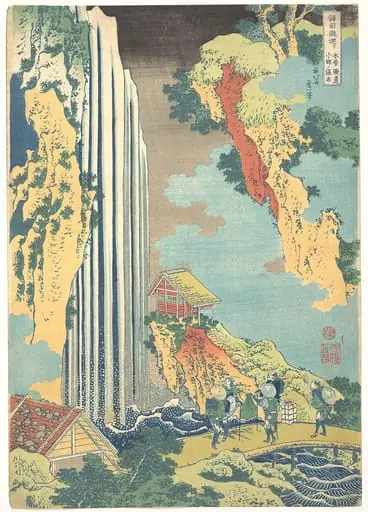 諸國瀧廻リ 木曾海道小野ノ瀑布|Ono Waterfall on the Kisokaidō (Kisokaidō Ono no bakufu), from the series A Tour of Waterfalls in Various Provinces (Shokoku taki meguri)
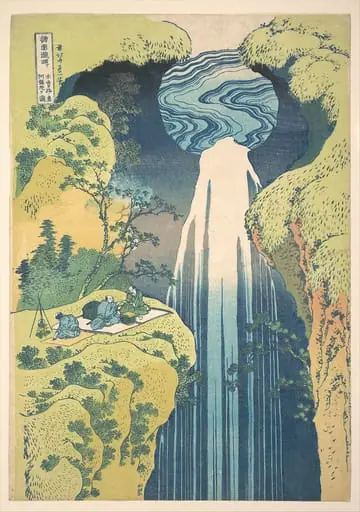 諸國瀧廻リ 木曽路ノ奥 阿彌陀ヶ瀧|The Amida Falls in the Far Reaches of the Kisokaidō Road (Kisoji no oku Amida-ga-taki), from the series A Tour of Waterfalls in Various Provinces (Shokoku taki meguri)
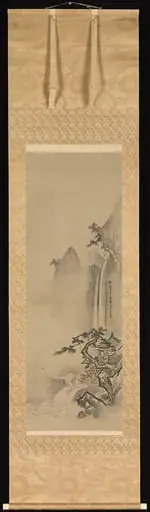 狩野探幽筆 神農・夏冬山水図|Summer Landscape
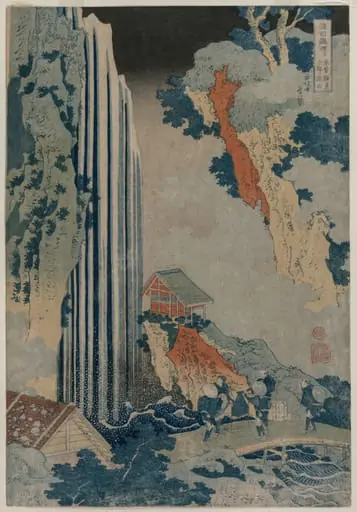 Ono Waterfall on the Kiso Road (from the series a Tour of Waterfalls in the Provinces)
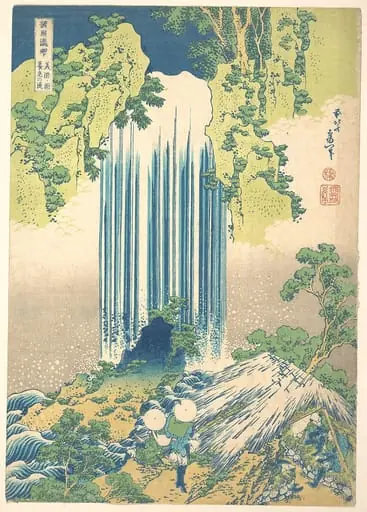 諸國瀧廻リ 美濃ノ国養老の滝|Yōrō Waterfall in Mino Province (Mino no Yōrō no taki), from the series A Tour of Waterfalls in Various Provinces (Shokoku taki meguri)
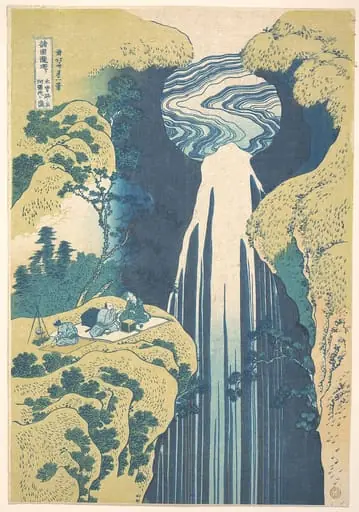 諸國瀧廻リ 木曽路ノ奥 阿彌陀ヶ瀧|The Amida Falls in the Far Reaches of the Kisokaidō Road (Kisoji no oku Amida-ga-taki), from the series A Tour of Waterfalls in Various Provinces (Shokoku taki meguri)
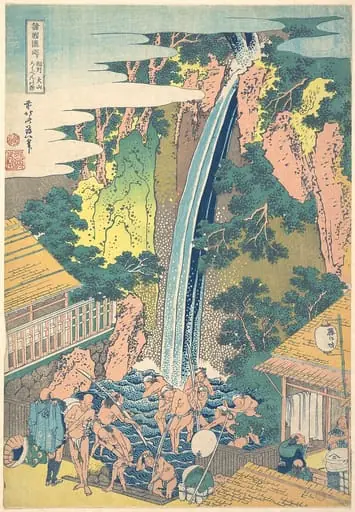
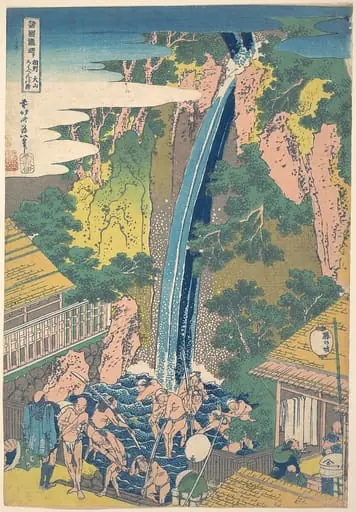 諸國瀧廻リ 相州大山ろうべんの瀧|Rōben Waterfall at Ōyama in Sagami Province (Sōshū Ōyama Rōben no taki), from the series A Tour of Waterfalls in Various Provinces (Shokoku taki meguri)
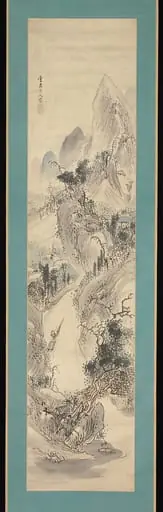 Untitled